

Power outages, mechanical failures, and emergency situations can leave your garage door inoperable at the worst possible times. Whether you're rushing to work or need to access your vehicle during a storm, knowing how to manually open garage door systems is an essential skill for every homeowner in Kitsap County. This comprehensive guide walks you through the process step-by-step, ensuring you can safely access your garage even when the automatic opener fails.
Understanding Your Garage Door's Manual Operation System
Every modern garage door opener includes a manual release mechanism designed specifically for emergency situations. This safety feature allows you to bypass the automatic system and operate your door by hand, regardless of power availability or mechanical issues.
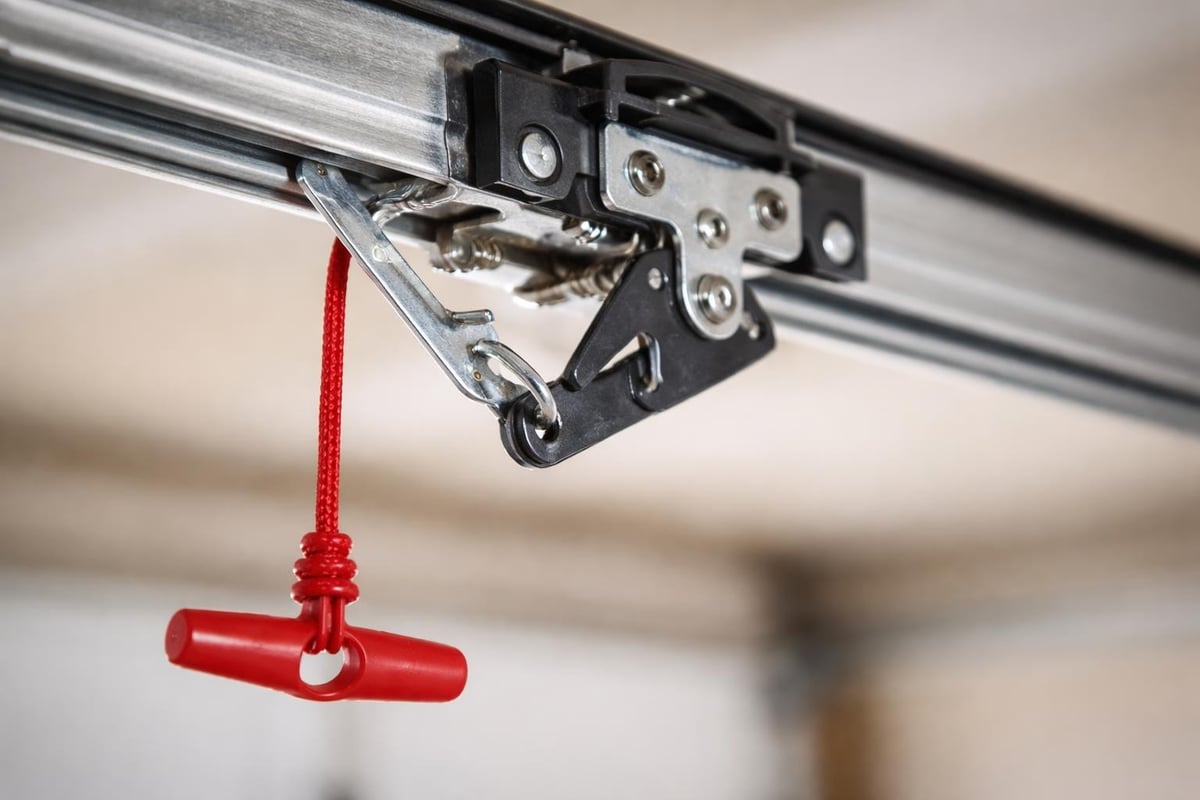
The manual release system consists of several key components working together. The emergency release cord, typically red and hanging from the opener's trolley, serves as your primary access point. When pulled, this cord disengages the trolley from the opener carriage, disconnecting the door from the motorized system.
Components of the Emergency Release Mechanism
Understanding the parts involved helps you operate the system confidently:
- Emergency release cord: Usually red, located on the opener rail
- Trolley: The moving carriage that connects to the door
- Release lever: The mechanism that disengages when you pull the cord
- Door springs: Torsion or extension springs that counterbalance the door's weight
The relationship between these components determines how smoothly your door operates manually. Professional garage door services ensure these systems function properly during regular maintenance visits.
Safety Precautions Before Manual Operation
Before attempting to manually open garage door systems, taking proper safety precautions prevents injuries and equipment damage. Garage doors weigh between 150 and 400 pounds, creating significant hazards if not handled correctly.
Never attempt manual operation while the door is moving or partially open. Allow the door to come to a complete stop in either the fully open or fully closed position. This prevents the door from suddenly dropping or rising when you disengage the opener.
Critical Safety Checks
Perform these essential checks before proceeding:
- Ensure the door is fully closed whenever possible
- Clear the area beneath and around the door
- Check for visible damage to tracks, springs, or panels
- Warn other household members that you're operating the door manually
- Keep children and pets away from the work area
Broken or damaged springs pose extreme danger during manual operation. If you notice gaps in torsion springs above the door or sagging extension springs along the tracks, seek professional spring repair services before attempting to open the door manually. The springs provide critical counterbalance, and without functioning springs, the full weight of the door could cause serious injury.
According to safety guidelines from garage door manufacturers, proper preparation reduces the risk of accidents during manual operation.
Step-by-Step Process to Manually Open Your Garage Door
Following the correct sequence ensures safe and effective manual operation. This proven method works for most residential garage door systems throughout Kitsap County.
Step One: Locate the Emergency Release Cord
Find the red cord hanging from the opener's trolley, typically positioned along the center rail. The cord usually hangs within easy reach, approximately six feet from the garage floor. Some newer models include a handle or grip at the end of the cord for easier pulling.
Step Two: Pull the Release Cord Downward
Firmly pull the emergency release cord straight down and slightly toward the door. You should hear and feel a distinct click as the trolley disengages from the opener carriage. This action separates the door from the automatic system, allowing manual movement.
Important consideration: Only pull the cord when the door is stationary. Engaging the release while the opener is running can damage the mechanism or cause the door to drop unexpectedly.
Step Three: Lift the Door Manually
Grasp the door handle or bottom edge with both hands, using proper lifting technique. Bend at the knees rather than the waist, keeping your back straight. Lift smoothly and steadily, allowing the spring system to assist with the weight.
The door should move relatively easily if springs are properly balanced. Excessive resistance indicates potential spring problems requiring professional garage door repair.
Step Four: Secure the Door in Open Position
Once fully raised, the door should stay open on its own if springs are correctly balanced. If the door tends to fall, use locking pliers or a C-clamp on the track just below the bottom roller to hold it in place. Never leave the door partially open without securing it properly.
| Door Position | Action Required | Safety Notes |
|---|---|---|
| Fully Closed | Pull release, lift smoothly | Easiest and safest position to start |
| Partially Open | Lower to closed first if possible | Higher risk of sudden movement |
| Fully Open | Lower carefully before reconnecting | Door may be heavy without spring assistance |
Troubleshooting Common Manual Operation Issues
Even when following proper procedures, you may encounter challenges when learning how to manually open garage door systems. Understanding common problems and their solutions helps you respond effectively.
Door Won't Budge After Release
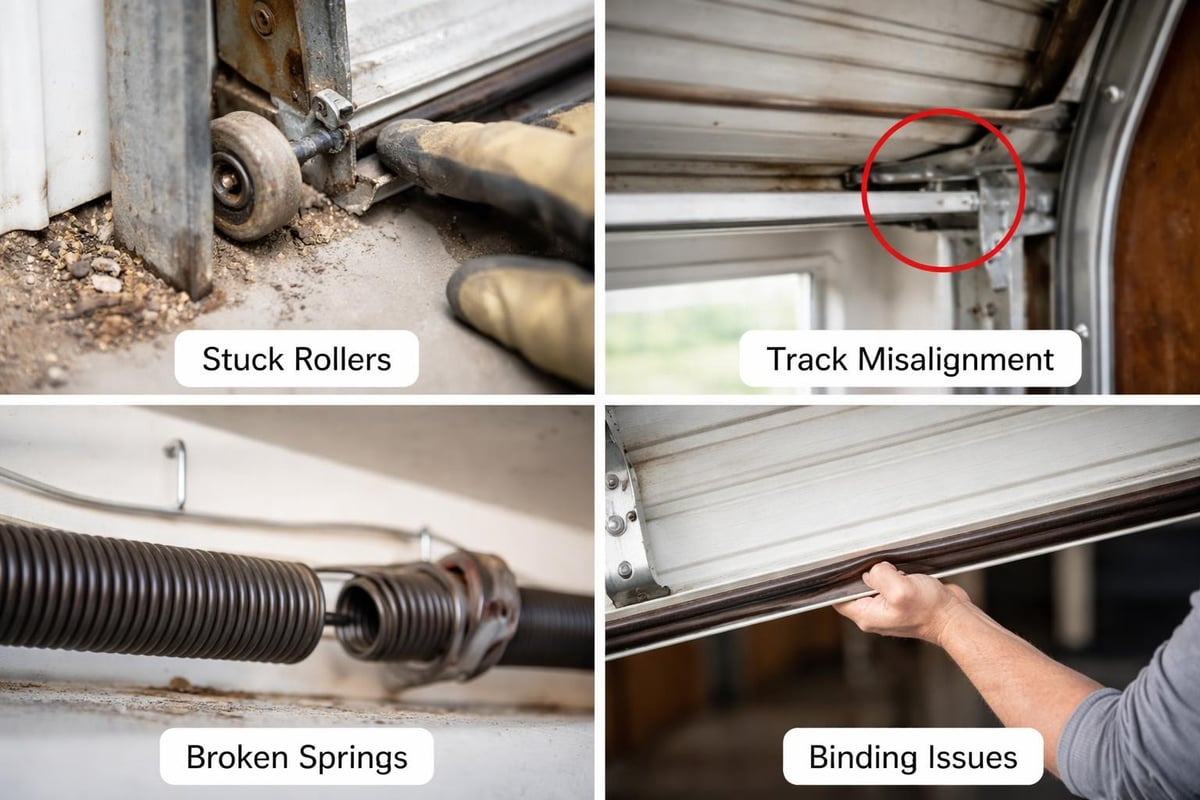
If the door remains stuck after disengaging the opener, several factors could be responsible. Frozen components during winter months can prevent movement, especially in the Pacific Northwest climate. Spray lubricant on rollers, hinges, and tracks, then attempt to move the door gently.
Binding in the tracks also restricts movement. Inspect both horizontal and vertical tracks for obstructions, dents, or misalignment. Objects caught in tracks or damaged components require professional attention before forcing the door open.
Door Falls When Released
A door that drops immediately after disengagement indicates broken or severely weakened springs. This dangerous condition requires immediate professional intervention. Do not attempt to operate a door with broken springs manually, as the full weight could cause crushing injuries.
The spring system should counterbalance approximately 90% of the door's weight. When functioning correctly, you should be able to lift the door easily with one hand midway through its travel.
Release Cord Breaks or Disconnects
Worn or damaged release cords occasionally break under tension. If this occurs, you'll need to access the trolley mechanism directly to disengage it. This typically requires a ladder and manual manipulation of the release lever using a screwdriver or similar tool.
For detailed guidance on this advanced procedure, professional resources provide helpful illustrations showing alternative release methods.
Re-engaging the Automatic Opener
After manually operating your door, reconnecting it to the automatic opener restores normal functionality. This process requires careful attention to ensure proper engagement.
Proper Reconnection Procedure
Follow these steps to safely re-engage your opener:
- Position the door fully open or fully closed
- Pull the release cord toward the opener until the trolley slides into position
- Activate the opener using the wall button or remote
- Listen for engagement as the trolley reconnects with the carriage
- Test full operation to confirm proper reconnection
The trolley should automatically reconnect during the opener's next operation cycle. As the opener moves, the trolley carriage will catch and re-engage with the door's connection point.
Some systems require manual alignment before reconnection occurs. Position yourself safely to the side of the door's path, never directly beneath it, while testing reconnection.
When to Call Professional Garage Door Services
While knowing how to manually open garage door systems helps during emergencies, certain situations demand professional expertise. Attempting complex repairs without proper training creates safety hazards and potential equipment damage.
Situations Requiring Professional Assistance
Homeowners should contact garage door specialists when encountering these conditions:
- Broken or damaged springs showing gaps, separation, or excessive wear
- Bent or damaged tracks preventing smooth door movement
- Malfunctioning safety sensors that don't respond properly
- Unusual noises indicating worn bearings, rollers, or other components
- Difficulty balancing where the door won't stay in position when manually operated
Professional technicians possess the specialized tools and knowledge required for safe spring replacement, track repair, and comprehensive system diagnostics. For homeowners dealing with persistent opener problems, professional garage door opener installation provides reliable solutions with modern safety features and warranty protection.
According to industry safety recommendations, spring-related repairs present particularly high risk due to the extreme tension involved. These components can cause severe injuries if mishandled during service or replacement.
Maintaining Your Manual Release System
Regular maintenance ensures your emergency release mechanism functions reliably when needed. Simple preventive care extends component life and guarantees accessibility during emergencies.
Monthly Maintenance Tasks
Incorporate these quick checks into your regular home maintenance routine:
- Test the release cord by pulling it and verifying smooth disengagement
- Lubricate the trolley and release mechanism with garage door lubricant
- Inspect the cord for fraying, wear, or damage
- Verify spring balance by manually lifting the door halfway
- Clean the opener rail to prevent debris accumulation
These tasks take only minutes but provide valuable peace of mind. During testing, the door should remain stationary when released at any point along its travel path, indicating proper spring balance.
Annual Professional Inspection
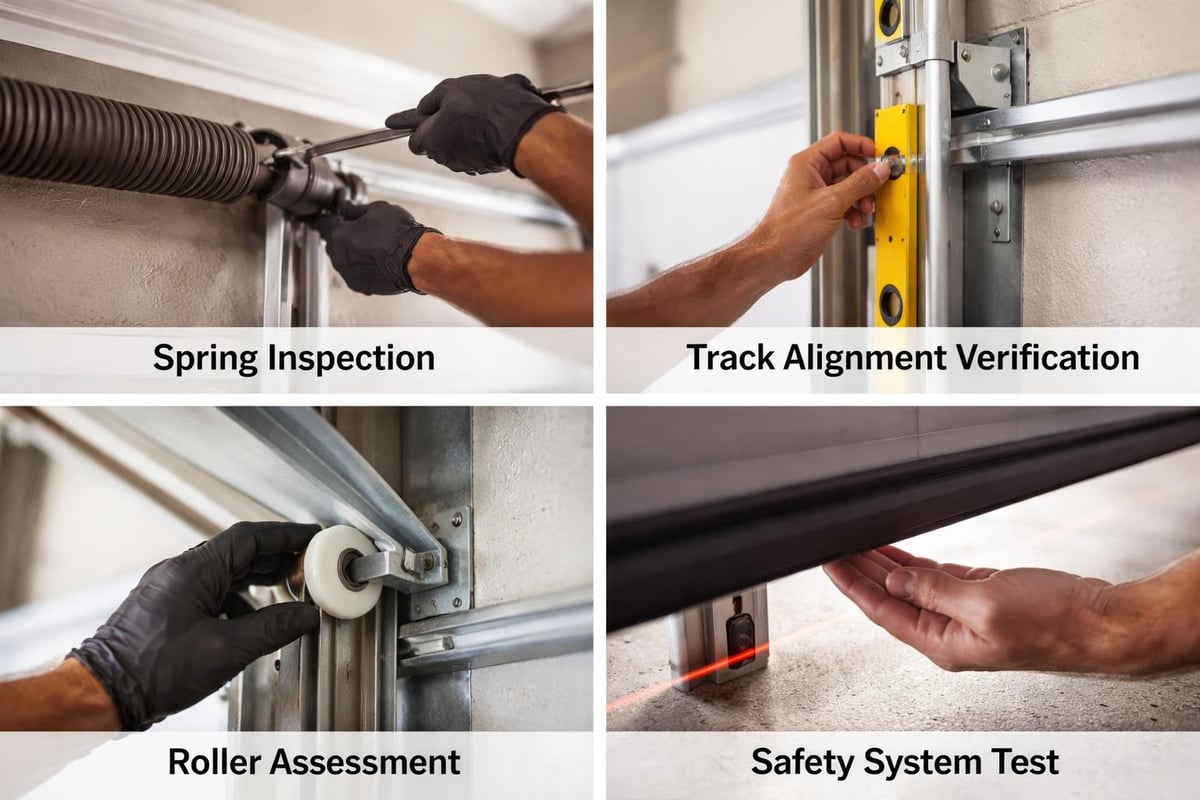
Professional garage door technicians conduct comprehensive evaluations that identify potential issues before they become emergencies. Annual inspections typically include:
| Inspection Component | What's Checked | Why It Matters |
|---|---|---|
| Spring Tension | Cycle count, wear patterns | Prevents sudden failure |
| Track Alignment | Level, plumb, proper spacing | Ensures smooth operation |
| Roller Condition | Wear, noise, binding | Extends component life |
| Release Mechanism | Function, cord condition | Guarantees emergency access |
| Safety Systems | Sensors, auto-reverse | Protects people and property |
Professional maintenance visits often uncover minor issues that, if left unaddressed, could prevent manual operation during emergencies. For comprehensive service throughout Kitsap County, local garage door specialists provide expert inspections and maintenance.
Special Considerations for Different Door Types
Understanding how to manually open garage door systems varies slightly depending on your specific door style and configuration. Different designs require adapted techniques for safe manual operation.
Single vs. Double Car Doors
Single-car doors typically weigh 150-250 pounds and feature one torsion spring or a pair of extension springs. These lighter doors prove easier to operate manually but still require caution and proper technique.
Double-car doors, weighing 250-400 pounds, generally use two torsion springs for adequate counterbalance. The increased weight demands extra care during manual operation, and two people working together provide safer control.
Insulated and Non-Insulated Doors
Insulated garage doors add approximately 30-50 pounds compared to non-insulated versions due to the foam core and additional materials. This extra weight places additional stress on springs and requires more effort during manual lifting.
If you're considering upgrading to an insulated door, professional installation ensures proper spring selection and balance for safe manual operation.
Carriage House and Custom Designs
Decorative carriage house doors and custom designs may feature unique release mechanisms or operating systems. Consult your owner's manual or manufacturer specifications for guidance specific to your model. Visual tutorials, such as this demonstration video, provide helpful context for various door styles.
Emergency Preparedness and Planning
Preparing for situations requiring manual garage door operation ensures you can respond confidently during actual emergencies. Advance planning minimizes stress and safety risks when unexpected problems occur.
Creating an Emergency Action Plan
Develop a household emergency plan addressing garage door access:
- Document the manual release procedure with photos and written steps
- Store a flashlight near the garage entrance for power outages
- Keep emergency contact information for garage door professionals accessible
- Teach household members the proper release and lifting techniques
- Maintain alternative access routes to your home and garage
Educating everyone in your household prevents dangerous improvisation during emergencies. Practice the procedure periodically to maintain familiarity, especially if you've recently moved or installed a new door system.
Power Outage Considerations
Pacific Northwest storms frequently cause extended power outages affecting automatic garage door openers. Battery backup systems provide convenient alternatives, but manual operation remains the universal failsafe.
During outages, avoid repeatedly cycling the door manually, as this accelerates spring wear. Plan vehicle movements carefully to minimize the number of opening and closing cycles required.
For detailed guidance on manual operation procedures, comprehensive step-by-step resources offer additional perspectives and troubleshooting advice.
Understanding Spring Systems and Balance
The garage door's spring system directly impacts how easily you can manually open garage door mechanisms. Proper spring balance makes manual operation manageable, while imbalanced or broken springs create dangerous conditions.
Torsion Spring Systems
Torsion springs mount horizontally above the door opening, twisting to store and release energy during operation. These springs typically last 10,000-20,000 cycles with proper maintenance. A properly balanced torsion spring door should stay in place when manually positioned at any point along its travel path.
Extension Spring Systems
Extension springs run parallel to the horizontal tracks on each side of the door, stretching and contracting during operation. While less expensive initially, extension springs generally have shorter lifespans than torsion springs and require safety cables to prevent whipping if they break.
Both spring types require professional adjustment or replacement. The extreme tension involved in spring systems makes DIY repairs extremely dangerous. For safe, reliable service, emergency garage door repair specialists respond quickly to spring failures and balance issues.
Testing Spring Balance
Perform this simple test to evaluate spring balance:
- Disengage the opener using the manual release
- Lift the door manually to approximately waist height
- Release the door gently
- Observe the door's behavior
A properly balanced door remains stationary or moves very slowly in either direction. Rapid falling indicates weak springs requiring replacement, while rising suggests over-tensioned springs needing adjustment.
Advanced Manual Operation Techniques
For experienced homeowners comfortable with garage door systems, advanced techniques provide additional options during emergency situations. However, these methods require extra caution and mechanical understanding.
Operating From the Outside
When locked out with no interior access, some garage door models allow external manual operation. This typically requires a specialized key release system installed during door construction. The key unlocks an external mechanism connected to the emergency release.
Security consideration: External release systems create potential security vulnerabilities. Only install these systems if absolutely necessary, and choose high-security lock cylinders to prevent unauthorized access.
Manufacturer-specific instructions, like those provided in technical documentation, outline safe procedures for external manual operation when equipped with appropriate hardware.
Partial Opening Technique
Sometimes you only need partial access rather than full door opening. To achieve this safely:
- Engage the manual release with the door closed
- Lift the door to the desired height
- Secure the door using locking pliers on the track
- Never leave the door partially open without secure restraint
This technique proves useful when retrieving items from the garage without exposing the entire space to outdoor conditions.
Long-Term Solutions and Upgrades
While understanding how to manually open garage door systems provides essential emergency capability, addressing underlying issues delivers better long-term value. Modern garage door technology offers enhanced reliability, convenience, and safety features.
Modern Opener Technology
Contemporary garage door openers include battery backup systems that automatically take over during power outages, eliminating the need for manual operation in most circumstances. These systems seamlessly transition to battery power, operating the door normally despite electrical service interruption.
Additional modern features include:
- Smartphone connectivity for remote monitoring and control
- Integrated cameras providing security surveillance
- Quiet belt-drive motors reducing operational noise
- Advanced safety sensors preventing accidental closing
- Rolling code technology enhancing security against unauthorized access
For homeowners throughout Bainbridge Island and Kitsap County, exploring garage door opener options reveals solutions tailored to specific needs and budgets.
Preventive Replacement Strategies
Rather than waiting for complete failure, proactive replacement of aging components prevents emergency situations. Springs approaching their rated cycle count, worn rollers creating excessive noise, and outdated openers lacking modern safety features all merit consideration for replacement.
Professional assessment helps homeowners make informed decisions about timing and scope of upgrades. For comprehensive service options, garage door specialists provide valuable guidance through detailed consultations and transparent recommendations.
Mastering manual garage door operation empowers homeowners to handle emergencies confidently while understanding when professional assistance becomes necessary. Regular maintenance, proper technique, and awareness of your door's specific characteristics ensure safe, effective manual operation whenever automatic systems fail. When you need expert guidance, repairs, or upgrades for your garage door system, NextLevel Garage Co. serves Bainbridge Island and throughout Kitsap County with professional residential and commercial garage door services, combining quality workmanship with clear communication to keep your home accessible and secure.