

Power outages can happen unexpectedly, leaving you locked inside your garage or unable to access your vehicle when you need it most. Whether it's a storm, equipment failure, or planned electrical work, knowing how to safely operate your garage door manually is an essential skill for every homeowner in Kitsap County. This comprehensive guide walks you through the process of opening garage door without power, covering everything from emergency release mechanisms to backup power solutions that keep you mobile during electrical disruptions.
Understanding Your Garage Door's Manual Release System
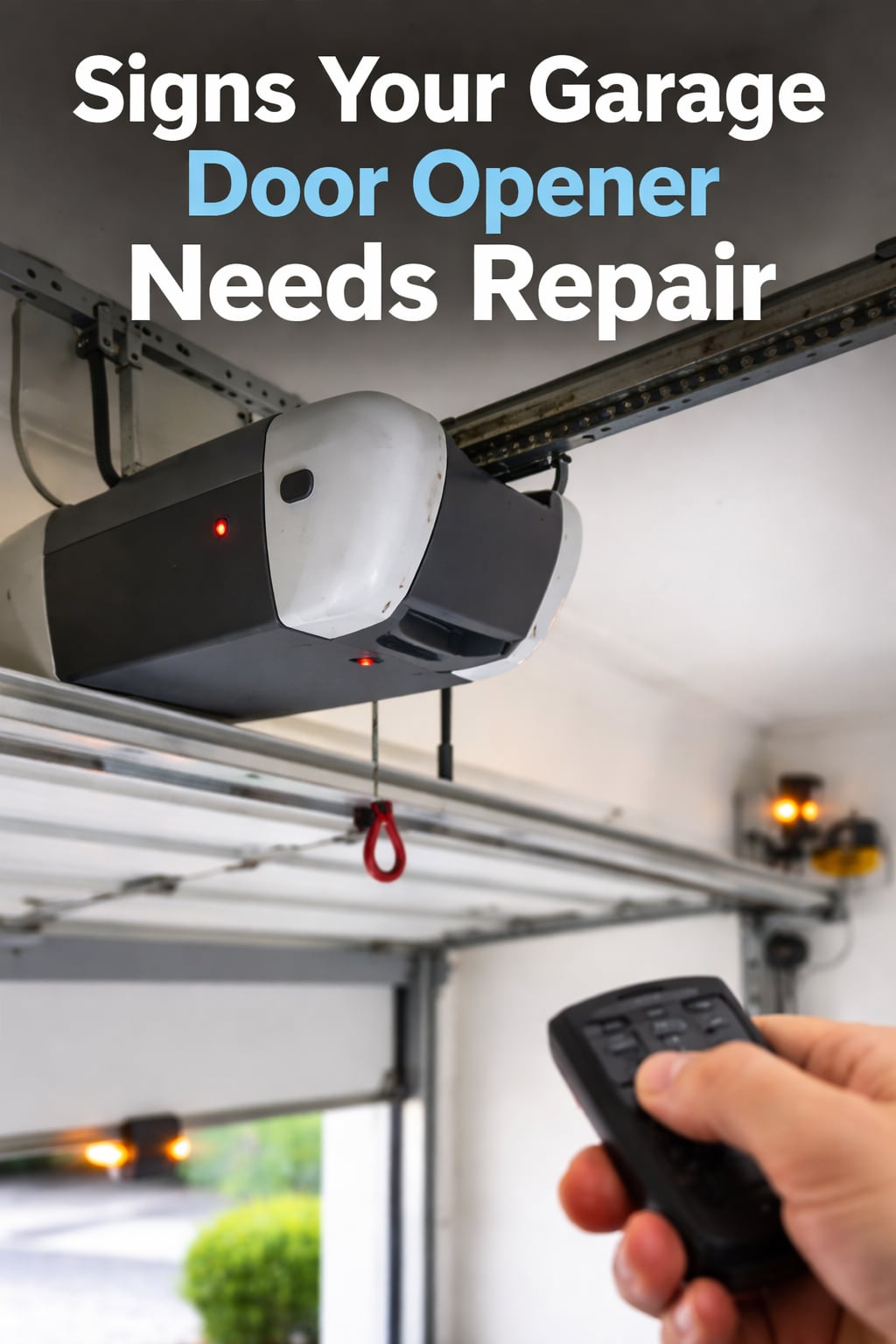
Every modern garage door opener includes a manual release mechanism designed specifically for emergencies. This safety feature allows you to disconnect the door from the automatic opener and operate it by hand.
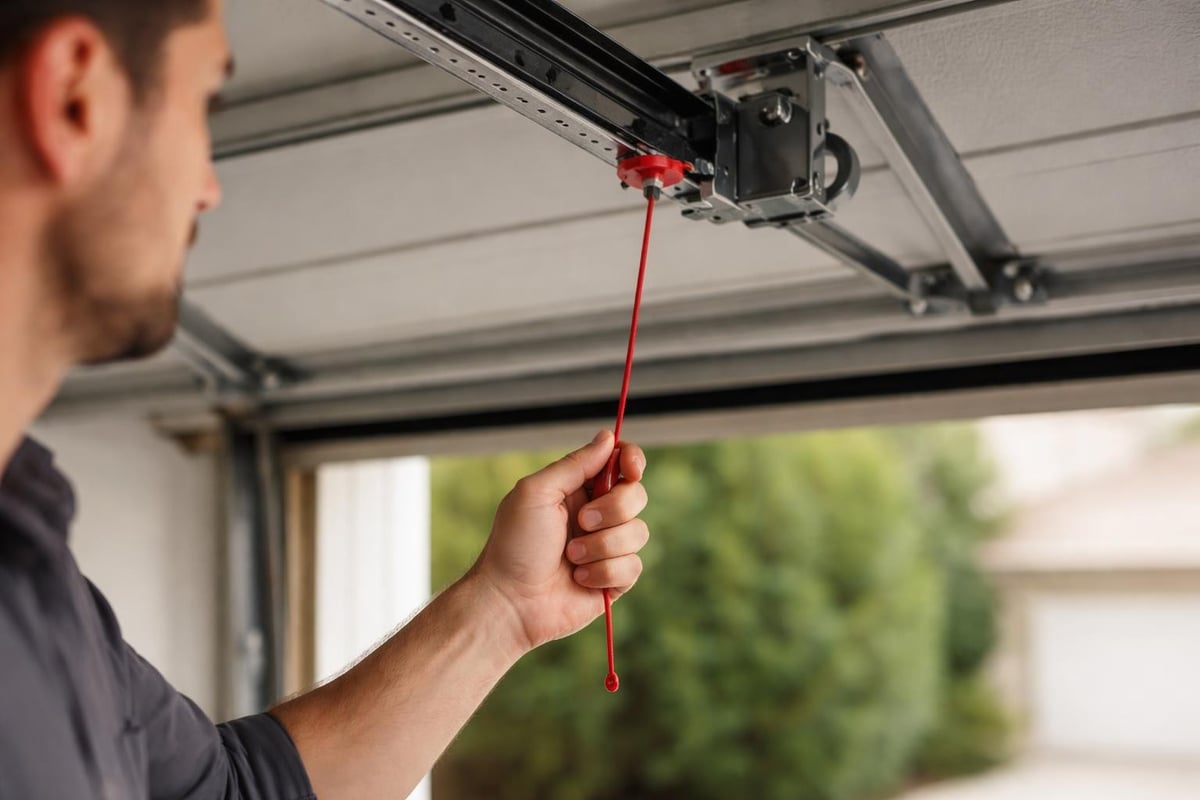
The manual release typically consists of a red cord with a handle hanging from the opener's trolley rail. When you pull this cord, it disengages the trolley from the drive chain or belt, allowing the door to move freely. Understanding this system before an emergency occurs ensures you can act quickly and safely when power fails.
Locating the Emergency Release Cord
The emergency release cord hangs from the center rail of your garage door opener, usually positioned near the door itself. Most manufacturers use a red handle for easy identification in low-light conditions.
- Standard location: Within arm's reach when standing inside the garage
- Handle color: Typically red, though some older models may vary
- Height: Usually 6-7 feet from the garage floor
- Accessibility: Should be reachable without a ladder or stool
If you cannot locate your emergency release cord, check your opener's manual or contact a professional garage door service for assistance.
Step-by-Step Guide to Opening Garage Door Without Power
Opening your garage door manually requires careful attention to safety and proper technique. Following the correct sequence prevents injury and avoids damage to your door system.
Preparing to Disengage the Opener
Before pulling the emergency release cord, ensure the garage door is in the fully closed position. Never disengage the opener when the door is open, as this can cause the door to fall rapidly, potentially causing injury or property damage.
Check these critical points first:
- Door position: Verify the door is completely closed
- Clear pathway: Remove any objects or vehicles directly beneath the door
- Manual lock status: Ensure any manual locks are disengaged
- Weather conditions: Be prepared for wind if operating during storms
Pulling the Emergency Release
Stand near the door with a clear view of the release cord. Firmly pull the handle straight down until you hear or feel the trolley disconnect. According to expert safety guidelines, this typically requires moderate force and produces an audible click.
The trolley should move freely along the rail once disconnected. If resistance continues, do not force it. Instead, examine the mechanism for obstructions or contact a professional.
Lifting the Door Manually
With the opener disengaged, grasp the door handle with both hands. Lift smoothly and steadily, using your legs rather than your back. A properly balanced door should lift easily with minimal effort.
| Door Weight | Expected Effort | Action Required |
|---|---|---|
| Well-balanced | Lifts with 10-15 lbs of force | Continue normal operation |
| Moderate resistance | Requires 25-35 lbs of force | Consider spring adjustment |
| Very heavy | Difficult to lift | Stop and call professional |
If the door feels excessively heavy, this indicates a spring balance issue that requires professional spring repair before continuing regular use.
Operating Your Garage Door from Outside During Outages
Being locked out during a power failure presents unique challenges. Fortunately, most garage doors include external access options designed for this exact situation.
Using the Emergency Key Release
Many garage doors feature an emergency key release mechanism accessible from outside. This system, detailed in emergency disconnect guides, typically consists of a keyed lock cylinder mounted on the garage door exterior.
How the external release works:
- Insert and turn the key to release a cable
- The cable pulls the emergency release inside the garage
- The door disconnects from the opener automatically
- Lift the door manually from outside
Installing an Emergency Release Kit
If your garage door lacks an external release mechanism, consider installing an emergency release kit. These aftermarket solutions provide reliable outside access during power failures.
Professional installation ensures proper cable routing and secure mounting. The investment proves worthwhile during extended outages or emergencies when traditional access methods fail.
Backup Power Solutions for Garage Door Openers
Modern technology offers several options for maintaining automatic operation during power outages. These solutions range from simple battery backups to sophisticated whole-house generators.
Battery Backup Systems
Battery backup units integrate directly with your garage door opener, providing automatic power during electrical failures. These systems activate instantly when power drops, allowing normal operation for 20-50 cycles depending on the battery capacity.
When considering a garage door opener installation or upgrade, battery backup capability provides peace of mind and ensures continuous access to your garage. Modern battery backup systems include smartphone alerts, automatic testing, and easy battery replacement features that make them more reliable than ever.
Key benefits include:
- Immediate activation when power fails
- Multiple operation cycles on single charge
- Automatic recharging when power restores
- Maintenance alerts for battery health
Portable Generators and Alternative Solutions
For extended outages common during Pacific Northwest winter storms, portable generators offer another option. Position generators safely outside with proper ventilation, then run an extension cord to your opener.
Generator considerations:
- Wattage requirements (typically 500-1000 watts)
- Safe outdoor placement with carbon monoxide precautions
- Proper grounding and surge protection
- Fuel availability and storage safety
Reconnecting Your Garage Door to the Opener
Once power returns, you must re-engage the trolley to restore automatic operation. This process requires precision to avoid damaging the drive mechanism.
The Re-engagement Process
Pull the emergency release cord toward the door to move the trolley into the reconnect position. Most modern openers feature automatic re-engagement when you activate the opener using your remote or wall button.
Press your opener button and listen for the trolley to catch the drive mechanism. The reconnection typically produces a distinct click or clunk sound. Test the system with several complete open-close cycles to verify proper engagement.
If automatic re-engagement fails, consult the manual operation instructions specific to your opener model or contact a professional technician.
Safety Precautions When Opening Garage Door Without Power
Manual garage door operation carries inherent risks that require careful attention. Understanding these hazards helps prevent injuries and equipment damage.
Spring Tension Awareness
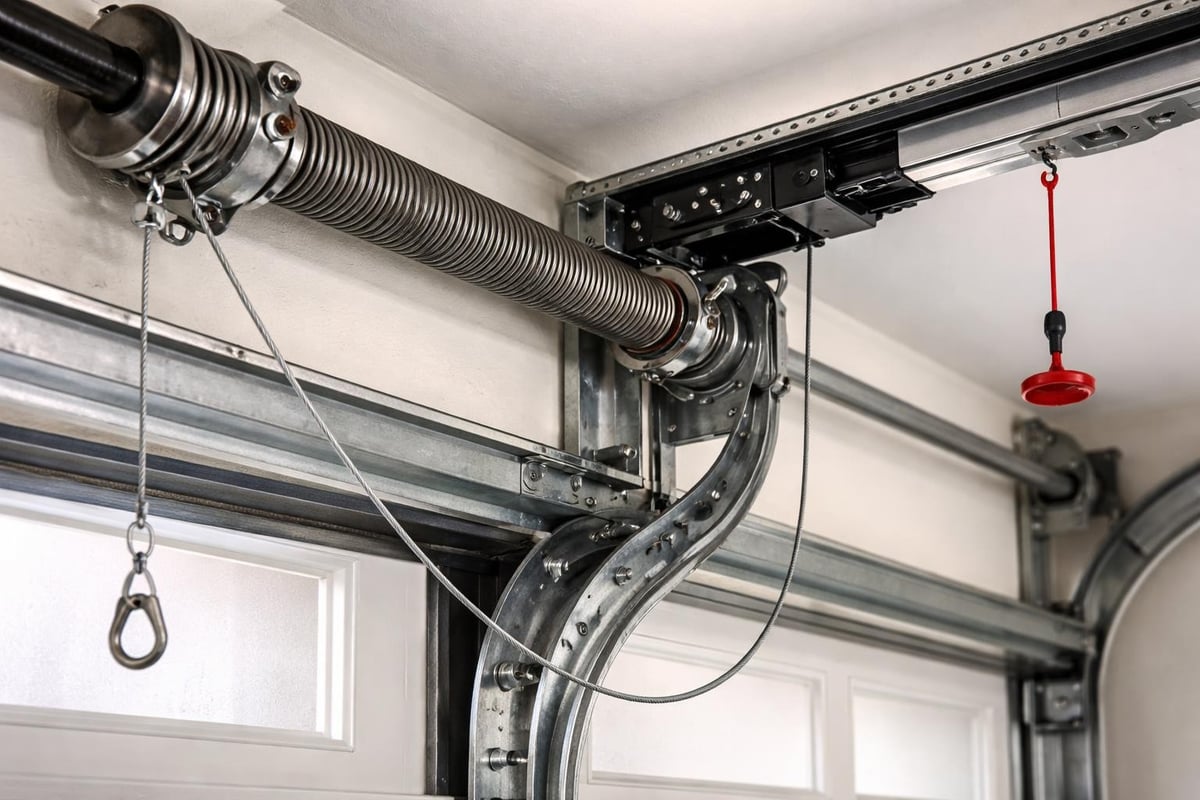
Garage door springs store tremendous tension to counterbalance the door's weight. Never attempt to adjust, repair, or remove springs yourself, as improper handling can cause severe injury.
Warning signs of spring problems:
- Door falls when released
- Extreme difficulty lifting manually
- Visible gaps or breaks in springs
- Unusual noises during operation
Contact emergency garage door repair services immediately if you observe these conditions.
Proper Lifting Technique
Use proper body mechanics when lifting your garage door manually. Bend at the knees, keep your back straight, and lift with your leg muscles. Never attempt to catch a falling door, as the weight can cause serious injury.
Position yourself to the side of the door's center to maintain better leverage and control. If the door begins to drop unexpectedly, step away and allow it to close completely before reassessing.
Preventing Power-Related Garage Door Issues
Proactive maintenance and preparation minimize complications when opening garage door without power becomes necessary. Regular testing and system checks ensure reliability during actual emergencies.
Monthly Manual Operation Testing
Test your manual release system monthly to verify proper function. This practice familiarizes household members with the procedure and identifies mechanical issues before emergencies occur.
Monthly testing protocol:
- Close the door completely
- Disconnect the opener using the release cord
- Lift and lower the door manually several times
- Check door balance and spring function
- Re-engage the opener and test automatic operation
Document any changes in door weight or operation smoothness, as these may indicate developing maintenance needs.
Professional Inspection Schedule
Schedule annual professional inspections to maintain optimal garage door performance. Experienced technicians identify worn components, adjust spring tension, and lubricate moving parts before failures occur.
According to comprehensive maintenance guides, regular professional service extends equipment life and improves safety. Professional inspections should include:
- Spring tension testing and adjustment
- Cable condition assessment
- Roller and track alignment verification
- Safety sensor calibration
- Opener force setting optimization
Understanding Different Garage Door Lock Systems
Beyond the automatic opener, many garage doors include supplemental locking mechanisms. Understanding these systems prevents confusion during manual operation.
Side-Mounted Manual Locks
Traditional garage doors often feature manual locks mounted on the door's interior sides. These locks insert metal bars into slots in the door tracks, preventing the door from opening.
Always disengage manual locks before attempting to open the door, whether manually or with the automatic opener. Operating with locks engaged can damage the door, opener, or both. Lock mechanisms vary by door style and age, so familiarize yourself with your specific system.
Electronic Deadbolt Systems
Modern garage door openers may include electronic deadbolts that automatically engage when the door closes. These systems typically disengage when you operate the opener remotely or manually.
During power outages, electronic deadbolts usually default to the unlocked position, allowing manual operation. Verify your system's behavior by consulting the manufacturer documentation or testing during a controlled power interruption.
Special Considerations for Different Door Types
Garage door construction varies significantly, affecting manual operation procedures. Understanding your specific door type ensures safe and effective manual operation.
Single vs. Double Car Doors
Double car garage doors weigh significantly more than single doors, requiring more effort to lift manually. Some double doors include a center strut that adds rigidity but increases weight.
If you struggle to lift your door manually, consider these factors:
| Door Type | Typical Weight | Manual Lift Difficulty |
|---|---|---|
| Single car, no insulation | 80-120 lbs | Easy to moderate |
| Single car, insulated | 120-150 lbs | Moderate |
| Double car, no insulation | 150-200 lbs | Moderate to difficult |
| Double car, insulated | 200-250 lbs | Difficult |
Properly balanced springs should make any door feel relatively light. Excessive weight indicates maintenance requirements.
Sectional vs. One-Piece Doors
Sectional doors roll up in horizontal sections, while one-piece doors swing up as a single unit. The manual operation differs slightly between these types.
Sectional doors lift straight up and require you to stand directly in front. One-piece doors swing outward and up, requiring you to step back as they open. Understanding this difference prevents accidents during manual operation.
Emergency Preparedness for Extended Outages
Pacific Northwest weather can cause extended power outages requiring special preparation. Having the right tools and supplies ensures continuous garage access during prolonged disruptions.
Essential Emergency Supplies
Maintain these items near your garage for emergency situations:
- Flashlight or headlamp with fresh batteries
- Work gloves for safe door handling
- Battery-powered or hand-crank radio for weather updates
- Basic tools for minor adjustments
- Manufacturer manuals for reference
Store these supplies in an accessible location inside the garage, not in areas requiring power access to reach.
Communication and Planning
Ensure all household members understand manual door operation procedures. Demonstrate the process to family members, roommates, or employees who regularly use the garage.
Create a simple instruction sheet posted near the emergency release cord. Include photos or diagrams showing proper hand placement and lifting technique. According to emergency operation resources, visual aids significantly improve response during actual emergencies.
Troubleshooting Common Manual Operation Problems
Even with proper technique, you may encounter obstacles when opening garage door without power. Understanding common issues and solutions helps you respond effectively.
Door Won't Lift or Feels Extremely Heavy
This typically indicates broken or improperly tensioned springs. Stop immediately and do not force the door open. The door could fall unexpectedly, causing injury or property damage.
Call professional repair services rather than attempting to operate a door with spring problems. Temporary solutions rarely work and often create additional hazards.
Emergency Release Cord Won't Disengage
If the release cord pulls but doesn't disconnect the trolley, the mechanism may be stuck or damaged. Try these steps:
- Pull the cord while someone else pushes up slightly on the door
- Check for obstructions in the trolley carriage
- Verify the cord isn't tangled or wrapped incorrectly
If these steps fail, contact professional technicians who can safely diagnose and repair the release mechanism.
Door Opens Partway Then Stops
Obstructions in the tracks, misaligned rollers, or binding in the door sections can cause this issue. Carefully inspect the entire door path for:
- Objects or debris in the tracks
- Bent or damaged track sections
- Loose or broken rollers
- Damaged door panels
Clear minor obstructions carefully, but contact professionals for track realignment or structural repairs. You can learn more about maintaining your garage door system through comprehensive maintenance tips.
Modern Technology and Power Outage Solutions
Technology continues advancing garage door reliability during power failures. Understanding current options helps you make informed upgrade decisions.
Smart Garage Door Systems
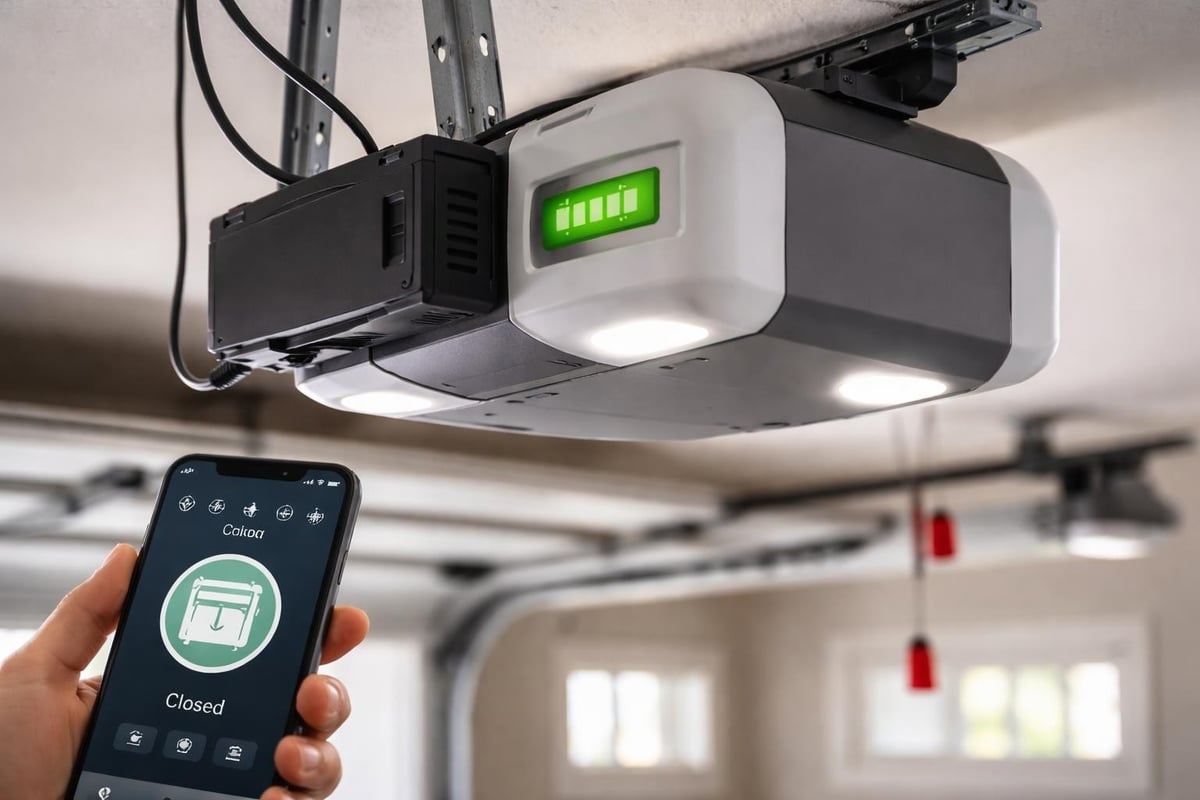
Smart garage door openers offer features beyond basic operation, including power outage notifications sent directly to your smartphone. These systems alert you when power fails, allowing you to make arrangements even when away from home.
Advanced smart features include:
- Remote monitoring and operation via smartphone
- Activity logs showing when the door operated
- Integration with home automation systems
- Guest access codes for temporary entry
Solar-Powered Backup Options
Emerging solar technology offers sustainable backup power for garage door openers. These systems charge batteries using solar panels mounted on the garage roof, providing renewable emergency power.
While less common than traditional battery backups, solar options suit homes in sunny locations or those pursuing energy independence. Installation costs remain higher than conventional backups, but operating costs drop to nearly zero.
Professional Support for Garage Door Emergencies
Sometimes opening garage door without power reveals underlying issues requiring professional attention. Knowing when to call experts prevents minor problems from becoming major failures.
When to Contact Professionals
Seek professional help when you encounter:
- Springs that appear broken or damaged
- Doors that won't stay open when manually positioned
- Unusual noises during manual operation
- Bent or damaged tracks
- Broken cables or worn pulleys
Attempting DIY repairs on these components creates serious safety hazards. Professional technicians have the training, tools, and experience to complete repairs safely.
Choosing Qualified Service Providers
Select garage door service providers based on experience, licensing, and local reputation. Companies serving Kitsap County should understand regional weather challenges and common issues specific to Pacific Northwest homes.
Verify that technicians are properly insured and offer warranties on parts and labor. Established companies provide better long-term value than lowest-price providers who may cut corners on quality or safety.
Long-Term Solutions for Reliable Access
Beyond emergency procedures, consider upgrades that improve overall garage door reliability. These investments pay dividends through enhanced convenience and peace of mind.
Upgrading to Modern Opener Systems
Older garage door openers lack many safety and convenience features standard in current models. If your opener predates 1993, it lacks required safety sensors that prevent door closure on obstructions.
Modern openers offer:
- Battery backup as standard or optional feature
- Smartphone connectivity and monitoring
- Quieter operation with belt or screw drives
- Enhanced security features
- Improved energy efficiency
Explore options for selecting the best garage door system for your needs and budget.
Comprehensive Maintenance Programs
Regular professional maintenance prevents many emergencies before they occur. Comprehensive programs include spring adjustment, lubrication, safety testing, and component inspection.
Annual maintenance costs far less than emergency repairs and extends equipment life significantly. Many service providers offer maintenance agreements with priority scheduling and discounted repair rates.
Regional Considerations for Kitsap County Homeowners
Living on Bainbridge Island and throughout Kitsap County presents unique challenges for garage door operation. Understanding these regional factors helps you prepare appropriately.
Weather-Related Power Outages
Pacific Northwest winter storms frequently cause power outages lasting hours or days. Heavy wet snow, ice accumulation, and high winds combine to challenge electrical infrastructure.
Prepare for seasonal outages by testing manual operation before storm season begins. Verify that emergency supplies remain accessible and that all household members understand proper procedures.
Salt Air and Moisture Effects
Coastal environments accelerate corrosion on garage door components. Regular lubrication and inspection become even more critical in areas exposed to salt air and high humidity.
Professional service providers familiar with coastal conditions recommend appropriate lubricants and protective treatments. These preventive measures extend equipment life and improve reliability during emergencies.
Understanding the proper techniques for opening garage door without power ensures you maintain access to your home and vehicles during electrical outages. Regular testing, proper maintenance, and appropriate backup systems provide peace of mind regardless of weather conditions or unexpected failures. If you need professional assistance with garage door repair, installation, or emergency service throughout Kitsap County, NextLevel Garage Co. offers expert solutions backed by quality workmanship and clear communication. Our experienced team serves Bainbridge Island and surrounding communities with comprehensive garage services designed to keep your home accessible and secure.