

Your garage door operates hundreds of times each year, quietly serving as one of your home's hardest-working systems. Most homeowners take this critical component for granted until something breaks. A garage door tune up provides preventive care that keeps your door running smoothly, identifies potential problems before they become emergencies, and extends the lifespan of your entire system. Regular maintenance not only saves money on unexpected repairs but also ensures your family's safety and maintains your home's security.
Understanding What a Garage Door Tune Up Includes
A comprehensive garage door tune up involves multiple inspection points and adjustments performed by trained professionals. This service goes far beyond what most homeowners can accomplish with basic DIY maintenance.
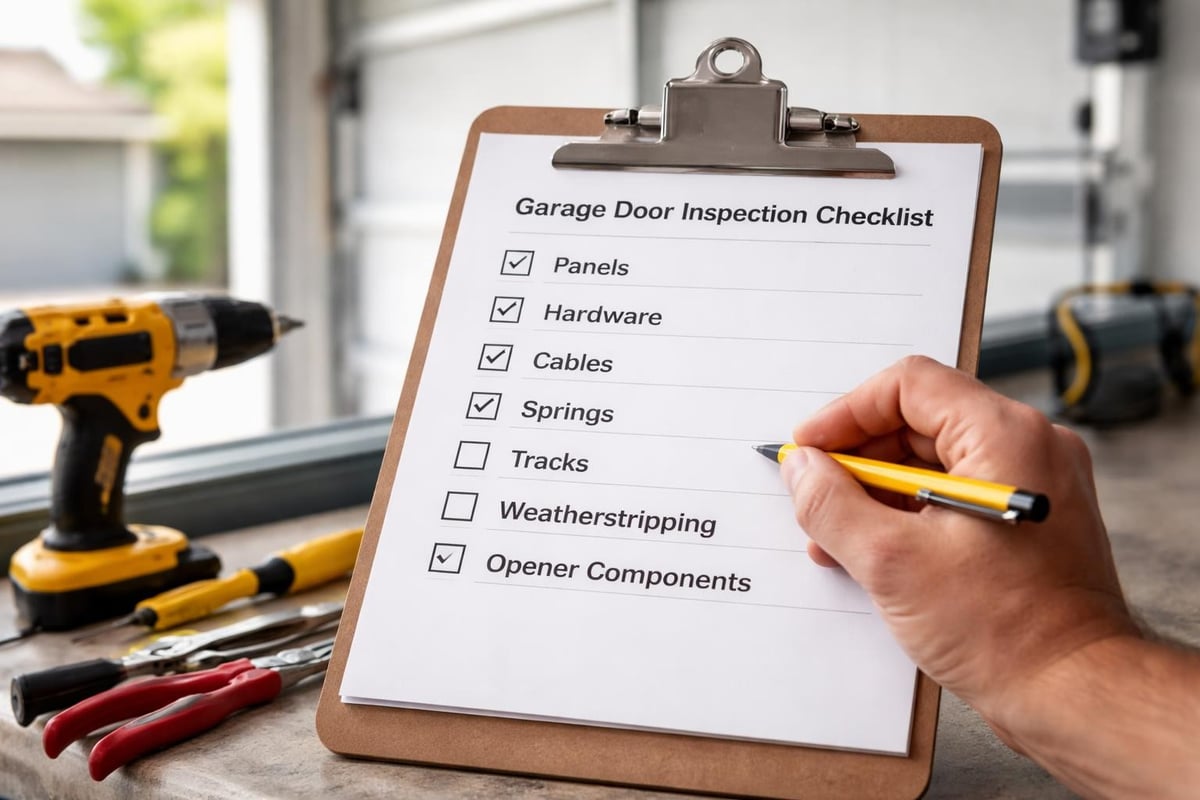
Complete Visual Inspection
Professional technicians examine every component of your garage door system during a tune up. They inspect panels for dents, cracks, or weather damage that could compromise structural integrity. The hardware receives close attention, including hinges, rollers, cables, and mounting brackets. Worn rollers create excessive noise and strain on the opener, while frayed cables represent a serious safety hazard requiring immediate replacement.
- Panel condition and alignment
- Hardware wear and tear
- Cable integrity and tension
- Spring condition and balance
- Track alignment and cleanliness
- Weatherstripping effectiveness
The inspection extends to the garage door opener and its safety features. Testing safety sensors and auto-reverse mechanisms ensures your system stops or reverses if anything blocks the door's path.
Lubrication of Moving Parts
Proper lubrication reduces friction, minimizes wear, and keeps your garage door operating quietly. Technicians apply specialized lubricants to hinges, rollers, springs, and tracks during a tune up. This simple step dramatically reduces operational noise and prevents premature component failure.
| Component | Lubrication Frequency | Product Type |
|---|---|---|
| Hinges | Every 6 months | Lithium-based spray |
| Rollers | Every 6 months | Silicone lubricant |
| Springs | Every 6 months | Garage door lubricant |
| Tracks | Every 6 months | Light oil or silicone |
| Opener chain/belt | Every 6 months | Manufacturer recommended |
Spring Adjustment and Balance Testing
Garage door springs bear the entire weight of your door, making them critical to safe operation. During a tune up, technicians test door balance by disconnecting the opener and manually lifting the door halfway. A properly balanced door stays in place, while an unbalanced door rises or falls, indicating spring adjustment needs.
Spring tension adjustment requires specialized tools and expertise. Attempting DIY spring repairs poses serious injury risks due to the extreme tension these components maintain. Professional technicians at NextLevel Garage Co. have the training and equipment to safely adjust or replace springs when necessary.
Key Safety Checks During Professional Maintenance
Safety represents the most important aspect of any garage door tune up. Modern garage doors incorporate multiple safety features designed to protect your family and property.
Photo-Eye Sensor Testing
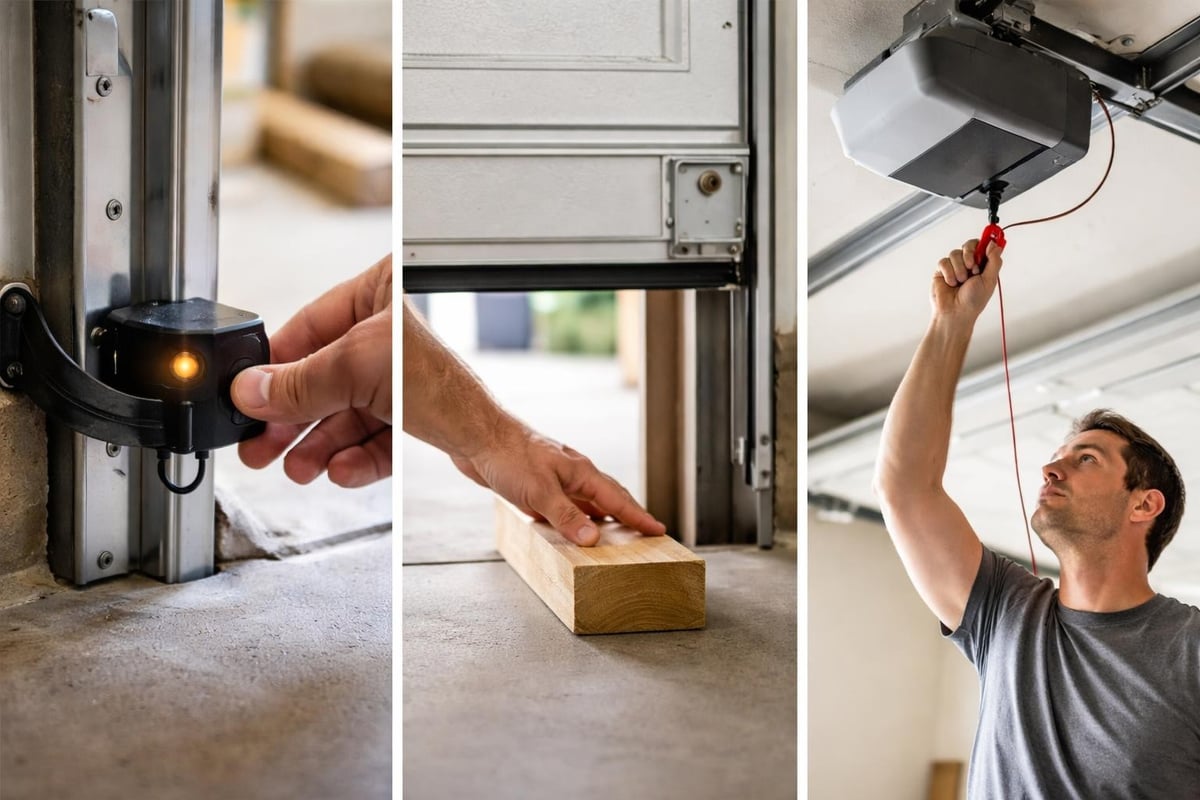
Photo-eye sensors prevent the door from closing if anything blocks its path. Technicians verify these sensors align correctly and function properly by placing an obstruction in the door's path during the closing cycle. The door should immediately stop and reverse.
Misaligned sensors often result from accidental bumps or vibration over time. During a tune up, technicians clean sensor lenses and adjust alignment to ensure reliable operation.
Auto-Reverse Force Testing
The auto-reverse mechanism detects resistance when closing and automatically reverses the door. Professional maintenance includes testing this critical safety feature by placing a solid object under the door. If the door doesn't reverse upon contact, technicians adjust the opener's force settings.
- Place a 2×4 board flat on the ground in the door's path
- Activate the door closing cycle
- Door should reverse immediately upon contact
- Adjust opener force settings if needed
- Retest until proper operation confirmed
Emergency Release Function
The emergency release allows manual operation during power outages or opener failures. Technicians verify this mechanism operates smoothly and that the door can be manually lifted without excessive force.
Hardware Tightening and Track Alignment
Vibration from daily operation gradually loosens hardware connections throughout your garage door system. A thorough tune up addresses these issues before they cause problems.
Roller and Hinge Inspection
Rollers guide your door along the tracks, while hinges connect door panels and allow smooth articulation. Worn rollers develop flat spots or cracks that create noise and rough operation. Damaged hinges cause binding or misalignment between panels.
During a garage door tune up, technicians examine each roller for wear patterns and replace those showing significant damage. Hinge bolts receive tightening to manufacturer specifications, preventing panel separation or misalignment.
Track Cleaning and Alignment
Dirt, debris, and old lubricant accumulate in tracks over time, creating resistance and uneven door movement. Technicians clean tracks thoroughly and check alignment using precision measuring tools. Misaligned tracks cause excessive wear on rollers and create dangerous binding conditions.
Minor track adjustments correct alignment issues before they escalate into major problems. Severely damaged or bent tracks require replacement to ensure safe operation.
Opener Performance Optimization
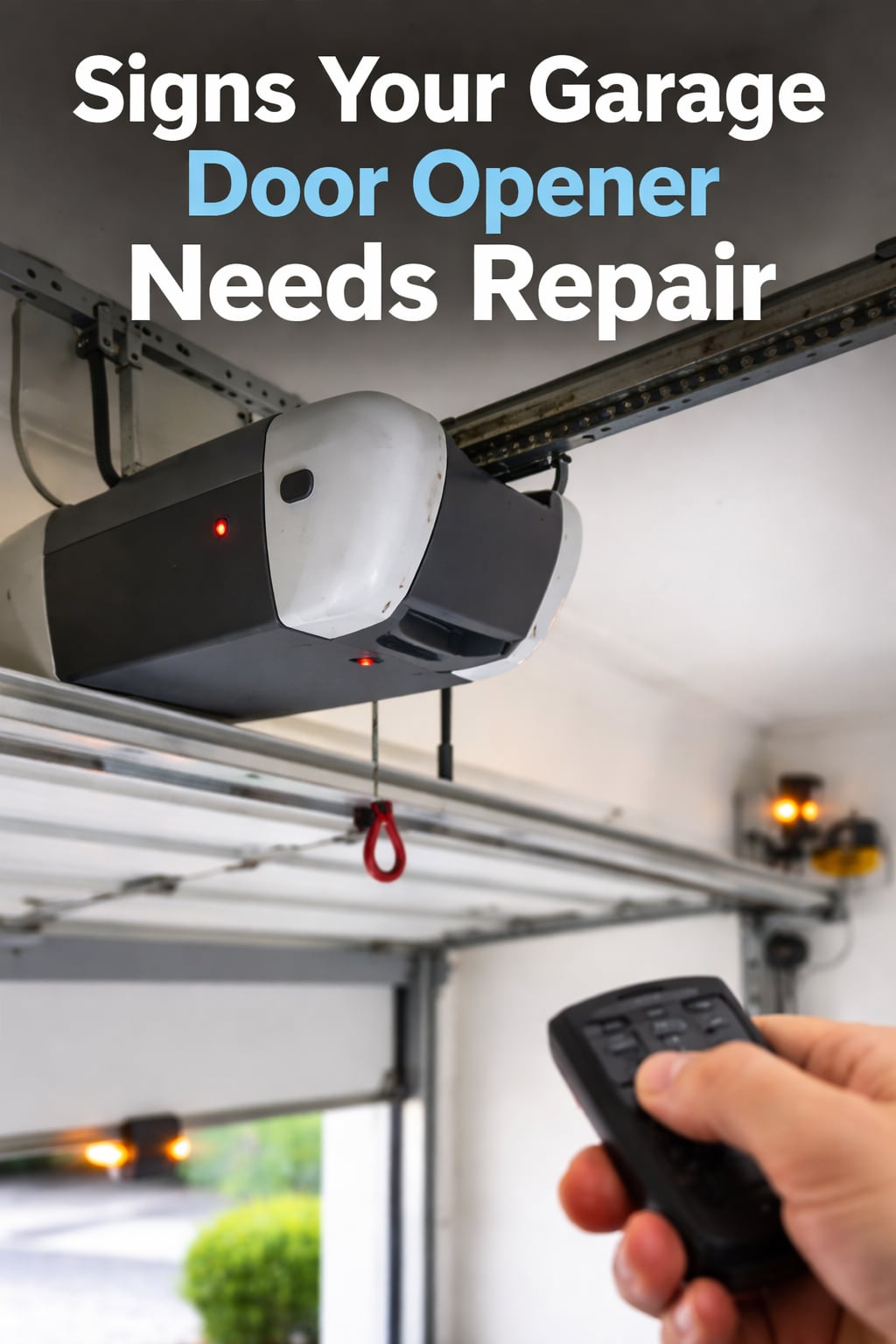
Your garage door opener does more than lift and lower the door. Modern opener systems include smart features, battery backup, and security functions that require periodic testing.
Chain or Belt Tension
Proper chain or belt tension ensures efficient power transfer from the motor to the door. Loose chains create excessive noise and wear, while overtightened chains strain the motor and trolley assembly. Technicians adjust tension to manufacturer specifications during a tune up.
Belt-drive systems operate more quietly than chain-drive models but still require periodic tension checks. Worn belts show cracking or fraying and need replacement before failure occurs.
Limit Switch Calibration
Limit switches tell your opener when the door reaches fully open and fully closed positions. Incorrect settings cause the door to reverse prematurely or slam into the floor. Professional tune up services include precise limit switch adjustment to ensure proper door travel.
Weatherstripping Replacement and Seal Inspection
Effective weatherstripping keeps your garage comfortable, reduces energy costs, and protects stored items from weather damage. Pacific Northwest homes face unique challenges from rain, humidity, and temperature fluctuations.
Bottom Seal Assessment
The bottom seal creates a barrier between your garage floor and the outside environment. Cracked or hardened seals allow water intrusion, drafts, and pest entry. During a tune up, technicians examine the bottom seal's condition and recommend replacement when deterioration appears.
Quality bottom seals feature flexible rubber that compresses against uneven floors, maintaining an effective barrier. Replacing worn seals significantly improves garage comfort and energy efficiency.
Side and Top Weatherstripping
Weatherstripping along door sides and top prevents air and water infiltration around the door perimeter. This material compresses when the door closes, creating a tight seal. UV exposure, temperature extremes, and age cause weatherstripping to become brittle and ineffective.
Technicians inspect all weatherstripping during a garage door tune up and replace sections showing significant wear. This affordable maintenance step delivers immediate benefits in comfort and energy savings.
Frequency and Timing for Tune Up Services
Determining the right maintenance schedule depends on usage patterns, environmental conditions, and door age. Most manufacturers and garage door maintenance experts recommend annual professional service.
High-Use Situations
Homes with multiple vehicles or frequent daily cycles benefit from more frequent maintenance. Commercial properties and businesses require quarterly inspections to prevent operational disruptions. High-cycle doors accumulate wear faster and need closer monitoring.
Environmental Considerations
Kitsap County's marine climate presents specific challenges for garage doors. Salt air accelerates corrosion, moisture promotes rust, and temperature fluctuations affect spring tension. Homes near Puget Sound or in coastal areas should consider bi-annual tune ups to address these environmental factors.
| Environment | Recommended Frequency | Key Concerns |
|---|---|---|
| Standard residential | Annual | Normal wear |
| Coastal/marine | Bi-annual | Corrosion, salt damage |
| High-cycle commercial | Quarterly | Accelerated wear |
| Extreme weather exposure | Bi-annual | Weather damage |
DIY Maintenance Between Professional Services
While professional tune ups provide comprehensive care, homeowners can perform simple maintenance tasks between service appointments. These basic steps complement professional work and help identify emerging issues.
Monthly Visual Checks
Spend a few minutes each month observing your door's operation. Listen for unusual sounds like grinding, squeaking, or scraping that indicate problems developing. Watch the door's movement for jerky motion, hesitation, or uneven travel that suggests balance or hardware issues.
Test safety features monthly by placing an object in the door's path during closing. The door should reverse immediately upon contact or when breaking the sensor beam.
Basic Cleaning Tasks
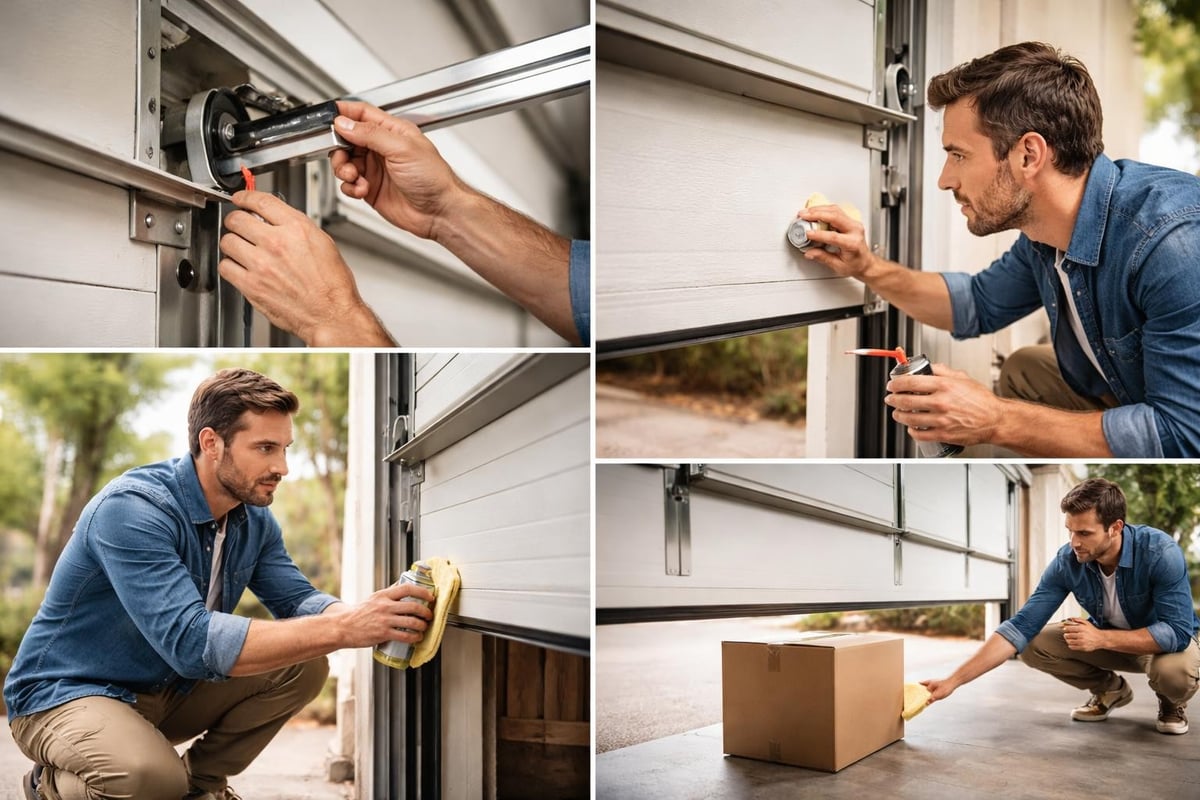
Keep tracks clean by wiping away debris and old lubricant buildup every few months. Clean sensor lenses with a soft cloth to ensure reliable operation. Remove cobwebs, dirt, and debris from the door and opener mechanism.
- Wipe down door panels with mild detergent
- Clean track channels with a damp cloth
- Remove debris from sensor lenses
- Clear opener mechanism of dust and cobwebs
- Inspect weatherstripping for damage
When to Call Professionals
Some situations require immediate professional attention rather than waiting for scheduled maintenance. Broken springs, frayed cables, damaged panels, or malfunctioning safety features present safety hazards requiring expert intervention.
Emergency garage door repair services address urgent problems that compromise security or safety. Don't attempt DIY repairs on high-tension components like springs or cables.
Cost Considerations and Value Analysis
Understanding the investment required for a garage door tune up helps homeowners budget appropriately and appreciate the service's value. Professional maintenance represents a small fraction of major repair or replacement costs.
Typical Service Investment
Professional garage door tune up services typically range from $89 to $150 for residential properties. This investment includes comprehensive inspection, lubrication, minor adjustments, and safety testing. Complex adjustments or component replacements incur additional charges.
The modest cost of regular maintenance prevents expensive emergency repairs. Broken springs cost $200-$400 to replace. Damaged panels run $250-$800 per section. Complete door replacement exceeds $1,500-$4,000 depending on size and style.
Long-Term Financial Benefits
Regular tune ups extend your garage door's operational lifespan by years. Proper maintenance and timely repairs prevent premature system failure and maximize your investment. A well-maintained door operates for 15-30 years, while neglected systems fail much sooner.
Energy savings provide another financial benefit. Properly sealed and adjusted doors reduce heating and cooling costs by maintaining garage temperature. This proves especially valuable for attached garages affecting home comfort.
Environmental and Performance Benefits
Beyond cost savings, regular garage door maintenance delivers environmental benefits and enhanced daily performance that improve quality of life.
Noise Reduction
Properly lubricated and adjusted doors operate nearly silently compared to neglected systems. Squeaking hinges, grinding rollers, and rattling panels create noise pollution affecting your household and neighbors. A thorough tune up dramatically reduces operational noise.
Quiet operation proves particularly valuable for early morning departures or late-night arrivals. Families with bedrooms near the garage appreciate the sound reduction from regular maintenance.
Improved Reliability
Consistent operation provides peace of mind and convenience. You rely on your garage door to function reliably regardless of weather conditions or time of day. Regular tune ups minimize unexpected failures that leave you locked out or unable to secure your home.
Seasonal maintenance recommendations address weather-related challenges throughout the year. Preparing your door for winter cold or summer heat prevents temperature-related failures during extreme conditions.
Selecting a Qualified Service Provider
Not all garage door companies provide equal service quality or expertise. Choosing the right provider ensures your tune up delivers maximum value and proper care.
Credentials and Experience
Look for companies with proper licensing, insurance, and manufacturer certifications. Experienced technicians recognize subtle signs of developing problems that less-trained individuals miss. Factory-certified technicians receive ongoing training on latest products and best practices.
Local companies familiar with Pacific Northwest conditions understand regional challenges like moisture management and marine environment effects. Professional garage door services tailored to Kitsap County conditions deliver superior results.
Service Guarantees and Follow-Up
Quality service providers stand behind their work with written guarantees and responsive follow-up. Ask about warranty coverage on labor and parts. Understand what's included in the tune up service and what constitutes additional work.
Clear communication represents a hallmark of professional service. Technicians should explain findings, recommend necessary repairs, and answer questions thoroughly. Avoid companies pushing unnecessary services or using high-pressure sales tactics.
Customer Reviews and References
Research company reputation through online reviews, Better Business Bureau ratings, and personal references. Consistent patterns in customer feedback reveal service quality, reliability, and business practices. Local community reputation matters significantly for service businesses.
Maximizing Your Tune Up Investment
Getting maximum value from professional maintenance requires preparation and understanding what to expect during the service visit.
Preparing for the Service Appointment
Clear items away from the garage door area before technicians arrive. Remove vehicles from the garage to provide full access. Note any specific concerns or unusual behaviors to discuss with the technician.
Gather warranty documentation and previous service records if available. This information helps technicians understand your door's history and identify recurring issues.
Questions to Ask During Service
Engage with technicians during the tune up to learn about your system. Ask about component condition, expected lifespan, and recommended future maintenance. Understanding your door's specific needs helps you make informed decisions.
- What components show the most wear?
- How much useful life remains in springs and rollers?
- Are there any safety concerns requiring attention?
- What maintenance can I perform between professional services?
- When should I schedule the next tune up?
Documentation and Records
Request written documentation of service performed, components inspected, and adjustments made. Maintain these records to track your door's maintenance history. This information proves valuable when selling your home or diagnosing future problems.
Comprehensive maintenance schedules help you track service dates and plan future appointments. Regular documentation creates accountability and ensures nothing gets overlooked.
Technology Integration and Smart Features
Modern garage door systems incorporate advanced technology requiring specialized maintenance knowledge. A thorough garage door tune up addresses these sophisticated components alongside traditional mechanical elements.
Wi-Fi Connected Openers
Smart garage door openers connect to home networks, enabling remote operation and monitoring through smartphone apps. Technicians verify connectivity, test app functionality, and ensure firmware updates during maintenance visits. Security features like automatic closing and access notifications require proper configuration.
Battery Backup Systems
Battery backup ensures garage door operation during power outages. Professional tune ups include battery testing and replacement recommendations. Backup batteries typically last 2-3 years and need periodic replacement to maintain reliability during emergencies.
Regular garage door maintenance through professional tune ups protects your investment, ensures family safety, and prevents costly emergency repairs. Comprehensive service addresses mechanical components, safety features, and modern technology integration to keep your system operating reliably year-round. NextLevel Garage Co. provides expert garage door tune up services throughout Kitsap County, combining technical expertise with clear communication to deliver exceptional care for your garage door system. Contact us today to schedule your maintenance appointment and experience the difference professional service makes.