

Selecting the right garage door opener can transform your daily routine while enhancing your home's security and convenience. For homeowners throughout Kitsap County and Bainbridge Island, understanding how to choose garage door opener systems that match your specific needs ensures years of reliable performance. With multiple drive types, horsepower options, and smart features available in 2026, making an informed decision requires careful consideration of your garage door's weight, your noise tolerance, and your budget. This comprehensive guide walks you through every essential factor to help you select the perfect opener for your home.
Understanding Drive System Types
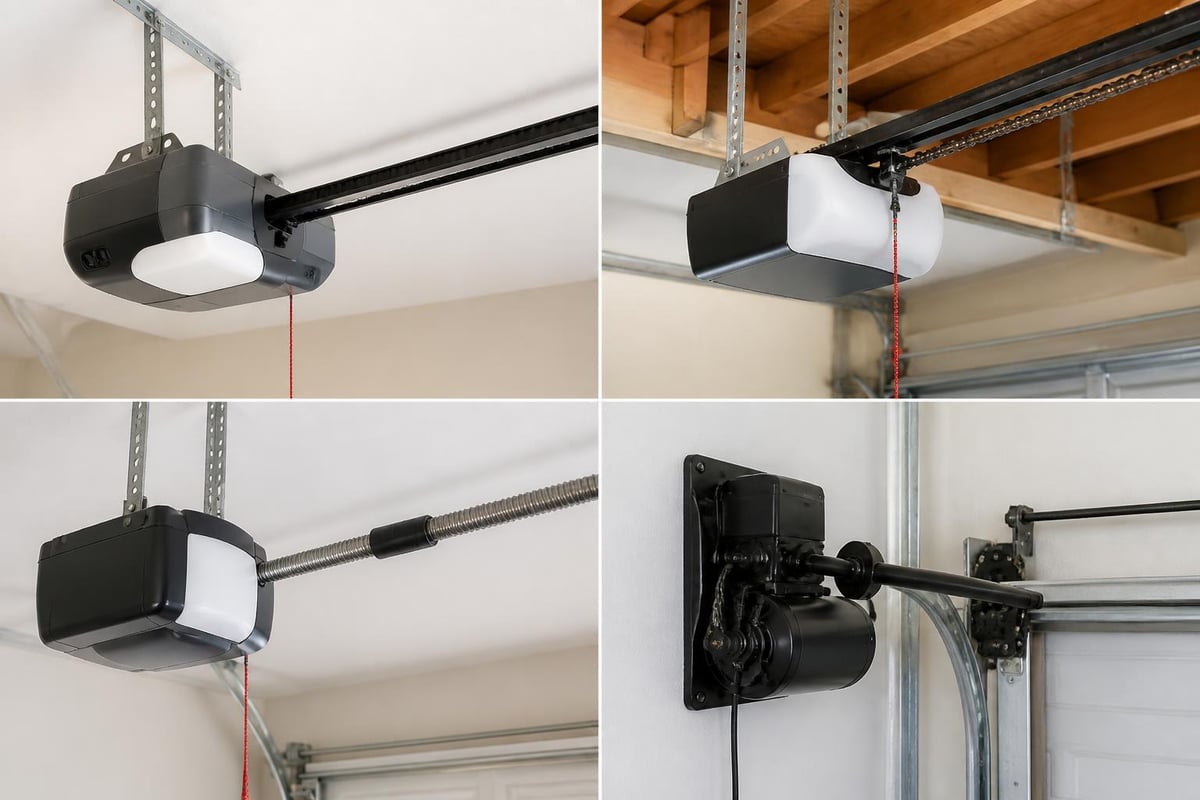
The drive mechanism represents one of the most critical decisions when learning how to choose garage door opener systems. Each type offers distinct advantages in terms of noise level, maintenance requirements, and cost.
Belt Drive Openers
Belt drive systems use a rubber belt to move your garage door along the track. These units deliver exceptionally quiet operation, making them ideal for homes where the garage shares a wall with living spaces or bedrooms.
Key advantages include:
- Minimal noise during operation
- Smooth, vibration-free performance
- Low maintenance requirements
- Longer lifespan compared to chain drives
Belt drives typically cost more upfront but provide superior comfort for attached garages. According to The Home Depot’s garage door opener buying guide, belt drive units are the most popular choice for residential applications in 2026.
Chain Drive Openers
Chain drive openers represent the most economical option, using a metal chain to lift and lower your door. These reliable workhorses have served homeowners for decades.
While chain drives produce more noise than belt systems, they offer exceptional durability and require minimal investment. They work particularly well for detached garages where noise isn't a primary concern.
| Drive Type | Noise Level | Cost Range | Best For |
|---|---|---|---|
| Belt Drive | Very Quiet | $250-$500 | Attached garages, bedrooms above |
| Chain Drive | Moderate-Loud | $150-$300 | Detached garages, budget-conscious |
| Screw Drive | Moderate | $200-$400 | Minimal maintenance needs |
| Wall-Mount | Very Quiet | $400-$700 | High ceilings, premium applications |
Screw Drive Systems
Screw drive openers use a threaded steel rod to move a trolley that opens and closes your door. These units feature fewer moving parts, resulting in less maintenance over time.
The simplified design makes screw drives attractive for homeowners who want reliability without frequent adjustments. However, they can struggle in extreme temperature fluctuations common in the Pacific Northwest.
Wall-Mounted Jackshaft Openers
Wall-mounted units attach directly to the wall beside your garage door, freeing up ceiling space. These premium systems operate quietly and work exceptionally well for garages with high ceilings or limited headroom.
When considering garage door opener installation, wall-mounted options provide a modern alternative that maximizes storage space while delivering powerful, reliable performance.
Determining the Right Horsepower
Understanding how to choose garage door opener horsepower prevents underpowered units from straining and ensures smooth operation for years.
Horsepower requirements depend primarily on your door's size and weight. DistribuDoors’ horsepower guide offers detailed calculations based on door dimensions and materials.
Standard recommendations:
- 1/3 HP: Single-car doors up to 10 feet wide, lightweight materials
- 1/2 HP: Standard double-car doors, most residential applications
- 3/4 HP: Heavy insulated doors, oversized openings, commercial applications
- 1+ HP: Extra-large doors, frequent daily use, commercial settings
Most homes with standard double-car garage doors perform optimally with 1/2 horsepower openers. Upgrading to 3/4 HP provides additional power for insulated steel doors or wooden carriage-style designs common throughout Bainbridge Island.
Oversizing slightly doesn't hurt. A more powerful motor experiences less strain during operation, potentially extending the unit's lifespan. For properties requiring garage door repair services, professionals can assess your current door weight and recommend appropriate horsepower ratings.
Smart Technology and Connectivity Features
Modern garage door openers in 2026 offer sophisticated smart home integration that enhances security and convenience. When evaluating how to choose garage door opener technology, consider which features align with your lifestyle.
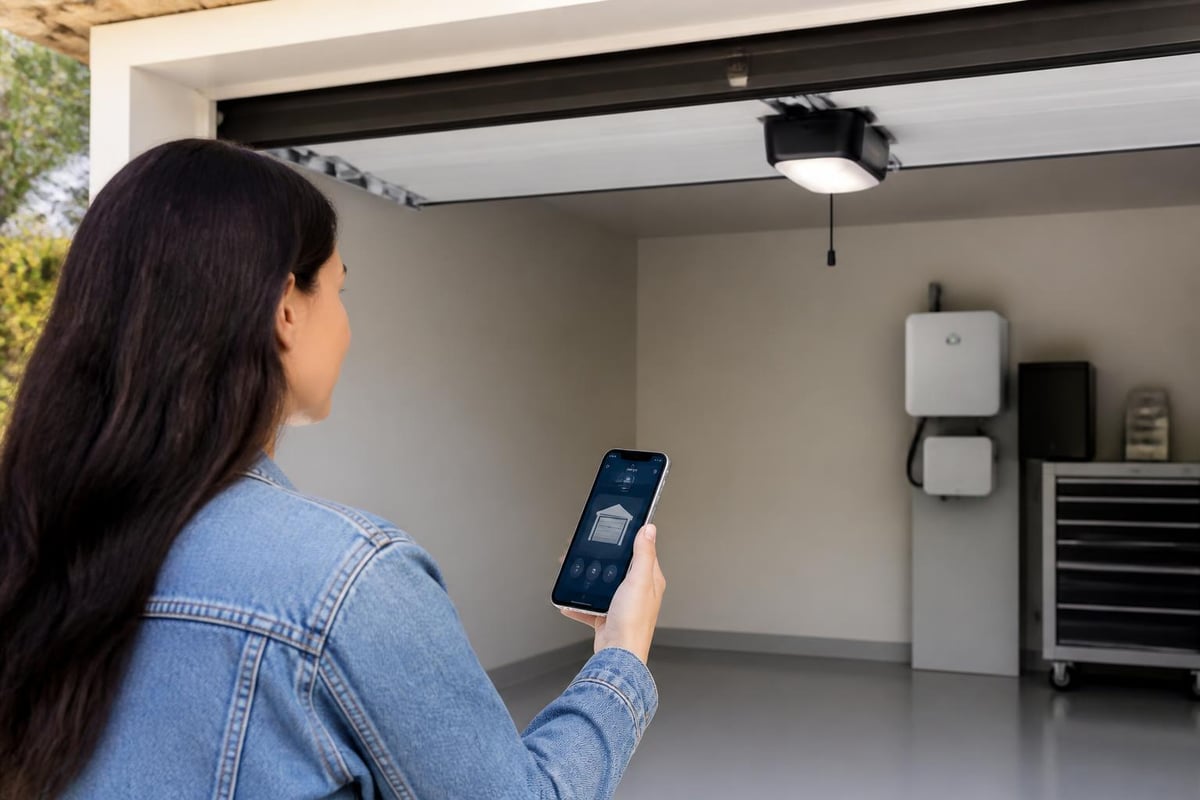
Wi-Fi Connectivity and Smartphone Control
Built-in Wi-Fi allows you to control your garage door from anywhere using smartphone apps. You can verify whether you closed the door after leaving, grant access to visitors, and receive alerts when the door opens or closes.
These systems integrate seamlessly with voice assistants like Amazon Alexa, Google Assistant, and Apple HomeKit. Simply ask your device to open or close the garage without touching a button.
Battery Backup Systems
Power outages shouldn't trap your car in the garage. Battery backup systems ensure your opener continues functioning during electrical failures, a valuable feature during severe weather events.
Quality backup batteries provide 20-50 cycles during outages, enough to handle multiple days without power. This feature proves particularly important for emergency garage door repair situations.
Security Features
Modern openers incorporate rolling code technology that changes the access code each time you use the remote. This prevents thieves from capturing and replaying your signal to gain entry.
- Automatic closing timers: Set your door to close automatically after a specified time
- Vacation mode: Disables all remote access when you're away
- Activity logs: Track when your door opens and closes
- Video integration: Some systems connect to garage cameras for visual verification
Safety Standards and Essential Features
Safety represents a non-negotiable aspect when learning how to choose garage door opener systems. Federal regulations mandate specific safety features on all openers manufactured since 1993.
Photoelectric Sensors
All modern openers include photoelectric sensors positioned near the garage floor. These sensors project an invisible beam across the door opening. If anything interrupts this beam while the door closes, the system immediately reverses direction.
Test these sensors monthly by placing an object in the door's path. The door should reverse instantly when it contacts the beam. Sensors that fail this test require immediate adjustment or replacement.
Auto-Reverse Mechanism
Beyond photoelectric sensors, openers must feature mechanical auto-reverse. When the door encounters resistance while closing, pressure sensors trigger an immediate reversal.
Test this feature by placing a 2×4 board flat under the door. When the door contacts the board, it should reverse within two seconds. Bob Vila’s guide to garage door openers emphasizes the importance of maintaining these safety systems.
Manual Release Handle
Every opener includes a manual release handle, typically a red cord hanging from the trolley. This allows you to disconnect the opener and manually operate the door during power failures or mechanical issues.
Ensure all household members understand how to use this release. During garage door spring repair situations, the manual release becomes essential for safe door operation.
Noise Considerations for Living Spaces
Noise levels significantly impact comfort, especially when bedrooms sit above or adjacent to the garage. Understanding how to choose garage door opener systems based on noise output creates a more peaceful home environment.
Belt drive openers produce approximately 50-55 decibels during operation, equivalent to normal conversation levels. Chain drives generate 65-75 decibels, similar to a vacuum cleaner running in another room.
Noise reduction strategies:
- Select belt or screw drive systems for attached garages
- Install vibration isolators between the opener and ceiling
- Apply lubricant to rollers, hinges, and tracks regularly
- Replace worn rollers with nylon versions
- Ensure proper door balance to reduce opener strain
Wall-mounted jackshaft openers eliminate virtually all ceiling vibration, making them the quietest option available. These units work particularly well for homes built with master suites above the garage.
For properties throughout Kitsap County where attached garages are common, investing in quieter opener technology improves daily quality of life. The understanding garage door opener technologies resource provides additional insights into noise management.
Installation Requirements and Professional vs. DIY
When considering how to choose garage door opener systems, installation complexity and safety concerns often favor professional installation over DIY approaches.
Professional Installation Benefits
Licensed garage door professionals bring specialized knowledge and tools to ensure proper installation. They verify correct spring tension, adjust force settings, and calibrate safety sensors to manufacturer specifications.
Professional installers also identify potential issues with your existing door that might compromise opener performance. Warped panels, damaged tracks, or worn springs can cause premature opener failure if not addressed during installation.
| Installation Method | Typical Cost | Time Required | Warranty Impact |
|---|---|---|---|
| Professional | $200-$400 labor | 2-4 hours | Full manufacturer warranty |
| DIY | $0 labor | 4-8 hours | May void warranty if improperly installed |
| Professional includes | Disposal of old unit, safety testing, adjustment | Liability coverage |
DIY Considerations
Experienced homeowners with proper tools can install garage door openers successfully. However, garage door springs contain extreme tension that can cause serious injury without proper handling.
If you choose DIY installation, follow manufacturer instructions precisely. Clopay’s garage door opener guide emphasizes the importance of proper safety sensor alignment and force adjustment.
Never attempt to adjust or replace torsion springs yourself. These components require specialized tools and training to handle safely. For spring-related issues, contact professionals who understand garage door spring systems.
Brand Reputation and Warranty Coverage
Selecting a reputable manufacturer ensures access to replacement parts, customer support, and warranty protection. When evaluating how to choose garage door opener brands, consider longevity and service availability.
Leading Manufacturers in 2026
LiftMaster dominates the residential market with reliable products backed by excellent warranty coverage. Their MyQ technology provides robust smart home integration. Reference.com’s LiftMaster guide details their product lineup.
Chamberlain offers value-oriented options with many shared features with LiftMaster, as both brands share the same parent company. These openers provide excellent performance at competitive prices.
Genie specializes in innovative features and compact designs. Their Aladdin Connect smart platform offers strong competition to MyQ systems.
Overhead Door manufactures premium openers known for commercial-grade durability in residential applications.
Warranty Considerations
Standard warranties typically cover:
- Motor: 5-10 years limited warranty
- Parts: 1-5 years depending on component
- Belt/Chain: 1-3 years for drive mechanism
Extended warranties may be available through dealers or retailers. Review warranty terms carefully, as some coverage requires professional installation to remain valid. Attempting DIY installation on units requiring professional setup can void manufacturer protection.
Special Considerations for Coastal Environments
Bainbridge Island and coastal Kitsap County locations present unique environmental challenges. Salt air accelerates corrosion on metal components, requiring special attention when learning how to choose garage door opener systems for marine environments.
Coastal protection strategies:
- Select openers with corrosion-resistant coatings
- Apply protective lubricants to chains and moving parts quarterly
- Install weather sealing to minimize salt air penetration
- Choose stainless steel hardware where possible
- Inspect components monthly for rust or deterioration
Properties near Puget Sound benefit from more frequent maintenance schedules. Salt-laden fog can infiltrate garage spaces, attacking chains, springs, and electrical components over time.
Wall-mounted jackshaft openers minimize exposure to corrosive elements since fewer components sit in the garage atmosphere. The sealed drive unit mounts on the wall, protecting sensitive electronics from moisture and salt.
Compatibility with Existing Doors and Systems
Your current garage door influences opener selection significantly. Understanding how to choose garage door opener systems that match your existing door prevents compatibility issues and ensures optimal performance.
Door Weight and Balance
Properly balanced doors should stay in place when manually lifted halfway. If your door crashes down or shoots upward, spring adjustment is necessary before installing a new opener.
Weigh your door or consult manufacturer specifications to determine accurate weight. Insulated steel doors typically weigh 150-200 pounds for double-car configurations, while solid wood doors can exceed 300 pounds.
Never install an underpowered opener on a heavy door. The motor will strain constantly, leading to premature failure and potential safety hazards.
Track Configuration
Some track systems require specific opener types. Low-headroom configurations may necessitate wall-mounted units, while standard tracks accommodate any opener style.
High-lift doors that open vertically before traveling horizontally require additional considerations. These systems need openers with sufficient cable capacity and may require professional evaluation.
For homes considering complete garage upgrades, exploring garage door replacement options alongside opener selection ensures perfect compatibility between all components.
Budget Planning and Long-Term Value
Initial purchase price represents only one component of total ownership cost. When determining how to choose garage door opener systems based on budget, consider maintenance expenses, energy consumption, and replacement frequency.
Total Cost of Ownership
| Cost Category | Budget Options | Mid-Range | Premium |
|---|---|---|---|
| Opener Unit | $150-$250 | $250-$400 | $400-$700 |
| Installation | DIY or $150-$250 | $200-$300 | $300-$500 |
| Annual Maintenance | $50-$75 | $75-$100 | $100-$150 |
| Energy Use (annual) | $15-$25 | $10-$20 | $8-$15 |
| Expected Lifespan | 10-12 years | 12-15 years | 15-20 years |
Premium openers cost more initially but often provide better long-term value through reduced maintenance needs and extended lifespans. Energy-efficient motors with standby power consumption under 1 watt save money over time.
Investment Prioritization
Allocate your budget toward features that matter most for your situation. If noise ranks as your top concern, investing in a belt drive system delivers immediate quality-of-life improvements.
Smart features provide convenience but aren't essential for basic operation. Start with a solid, reliable opener and add smart accessories later if desired. Many manufacturers offer retrofit Wi-Fi modules for existing openers.
Accessories and Enhancement Options
Beyond the basic opener unit, various accessories enhance functionality and convenience. Understanding how to choose garage door opener accessories completes your system.
Remote Controls and Keypads
Most openers include two or three remote controls. Additional remotes cost $25-$50 each, allowing every driver access without sharing.
Wireless keypads mounted outside the garage provide keyless entry. These units require entering a PIN code to trigger door operation, ideal for children arriving home before parents or service providers needing temporary access.
Lighting Options
Modern openers feature integrated LED lighting that activates when the door operates. Some models offer:
- Adjustable brightness: Set light intensity to your preference
- Timer settings: Control how long lights remain on after operation
- Motion activation: Lights trigger when entering the garage, even without door operation
- Battery backup for lights: Maintain illumination during power outages
Smartphone Integration Modules
Retrofit Wi-Fi modules add smart capabilities to existing openers lacking built-in connectivity. These adapters typically cost $50-$100 and work with most openers manufactured since 2011.
Installation takes minutes, instantly enabling smartphone control, alerts, and remote monitoring. This cost-effective upgrade extends the life of perfectly functional older openers while adding modern convenience.
Maintenance Impact on Longevity
Proper maintenance extends opener lifespan significantly. When learning how to choose garage door opener systems, factor in your willingness to perform regular upkeep.
Essential maintenance tasks:
- Inspect and test safety sensors monthly
- Lubricate chain or screw drive quarterly
- Check door balance every six months
- Test auto-reverse monthly
- Clean photoelectric sensor lenses seasonally
- Tighten mounting hardware annually
Belt drive systems require less frequent maintenance than chain drives. The rubber belt doesn't need lubrication and produces less wear on mechanical components.
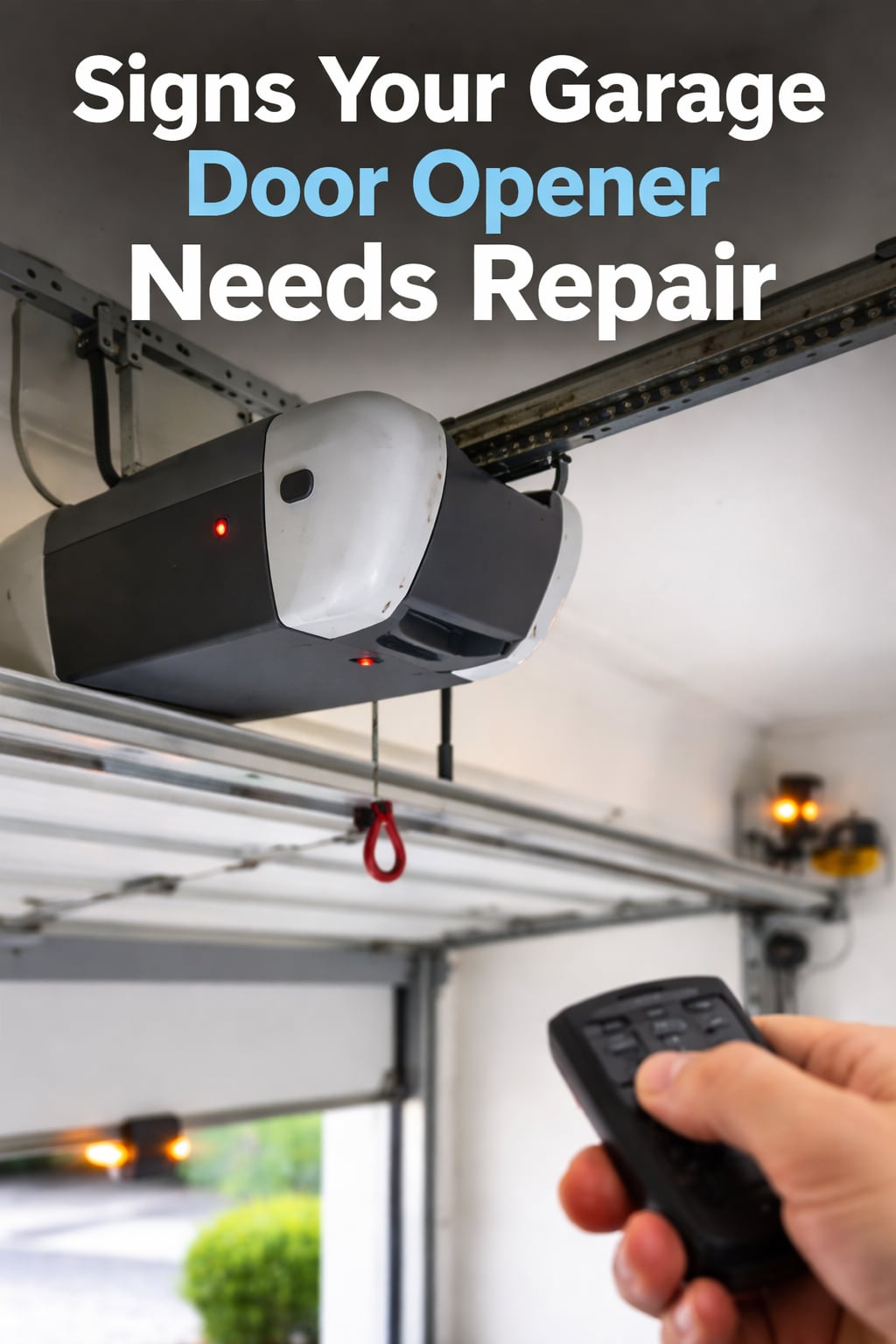
Professional maintenance visits every 12-18 months identify potential problems before they cause failures. Technicians can adjust force settings, verify safety features, and replace worn components during routine service calls.
For comprehensive care, NextLevel Garage Co. offers maintenance programs throughout Kitsap County that keep your entire garage door system operating optimally. Regular professional attention prevents costly emergency repairs and ensures reliable daily operation.
Regional Climate Considerations
Pacific Northwest weather patterns influence opener selection. Understanding how to choose garage door opener systems for wet, moderate climates ensures reliable year-round performance.
Temperature Fluctuations
While Kitsap County experiences moderate temperatures compared to continental climates, seasonal variations still affect opener operation. Lubricants must maintain consistency across the 35-75°F range typical for the region.
Screw drive openers can struggle in temperature extremes since the lubricating grease changes viscosity. Belt and chain drives handle seasonal variation more reliably.
Moisture Management
High humidity and frequent precipitation require corrosion-resistant components. Stainless steel chains, galvanized hardware, and sealed electronics prevent rust-related failures.
Garage ventilation reduces moisture accumulation. Ensure your garage includes adequate airflow to minimize condensation on metal components. Dehumidifiers help in particularly damp locations near the water.
Making Your Final Selection
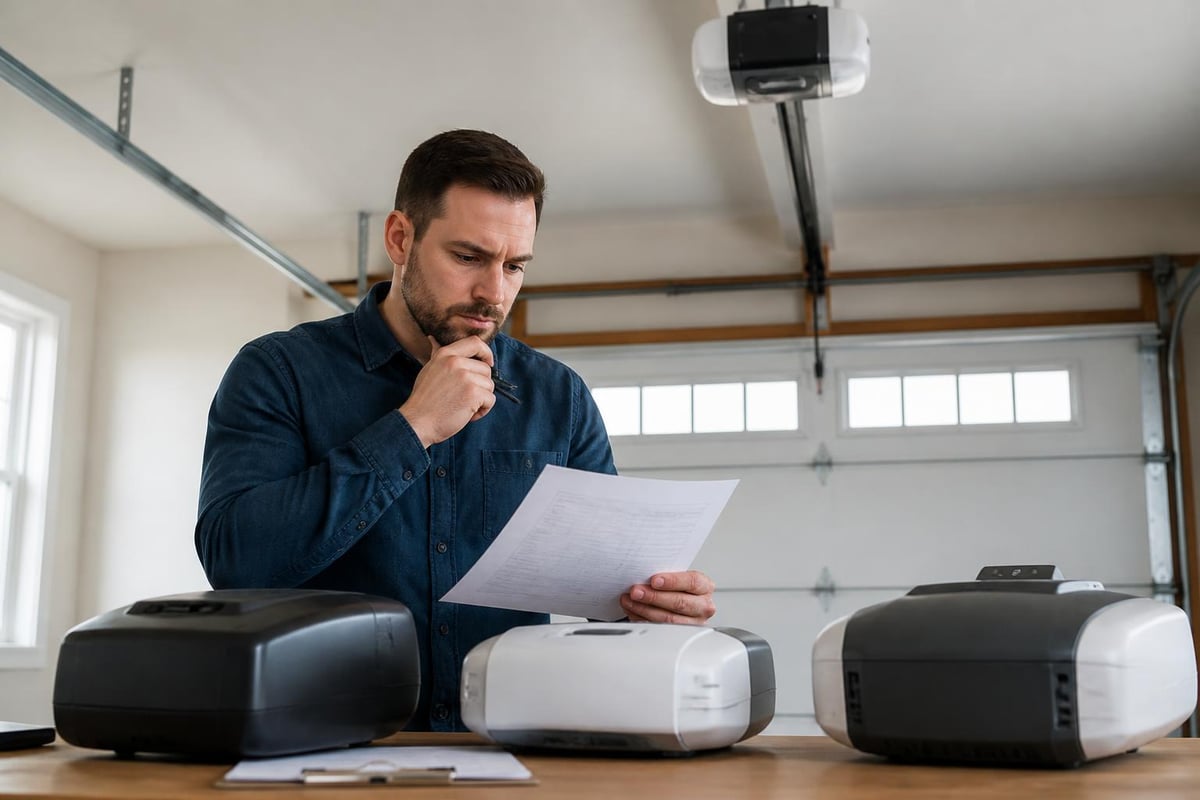
After evaluating all factors, narrow your choices to two or three models that meet your requirements. Compare specifications side-by-side, read current user reviews, and verify warranty terms.
Visit local showrooms to see units operating in person when possible. Hearing the actual noise level and observing operation speed helps confirm your selection.
Request quotes from multiple installers if choosing professional installation. Pricing can vary significantly between providers, and some dealers offer package pricing on opener units plus installation.
Quality Overhead Door’s selection guide provides additional checklist items to verify before purchasing. Their systematic approach ensures you consider all critical factors.
Don't rush the decision. Your garage door opener will serve your home for 10-20 years. Investing time in thorough research pays dividends through years of reliable, quiet, convenient operation.
For properties across Bainbridge Island and throughout Kitsap County, selecting the right opener enhances daily convenience while protecting one of your home's largest openings. Whether you prioritize quiet operation, smart technology, or simple reliability, matching the opener to your specific needs creates lasting satisfaction.
Choosing the right garage door opener requires balancing drive type, horsepower, smart features, and budget to match your specific needs and living situation. By evaluating noise tolerance, safety requirements, and compatibility with your existing door, you can select a system that delivers years of reliable performance. NextLevel Garage Co. helps homeowners throughout Kitsap County and Bainbridge Island select and install the perfect garage door opener for their homes, ensuring professional setup and reliable operation from day one. Contact NextLevel Garage Co. today to discuss your garage door opener needs and schedule a consultation with our experienced team.