

Power outages, mechanical failures, and emergency situations can strike without warning, leaving you unable to access your vehicle or garage contents. Understanding how to manually open a garage door is an essential skill every homeowner should master. Whether you're facing a storm-related blackout on Bainbridge Island or dealing with a malfunctioning opener, knowing the proper procedure ensures you can safely operate your garage door when automatic systems fail. This comprehensive guide walks you through the process step by step, highlighting critical safety considerations and troubleshooting tips.
Understanding Your Garage Door Emergency Release Mechanism
Every automatic garage door system includes a manual release mechanism designed specifically for emergency operation. This safety feature allows you to disconnect the door from the motorized opener and operate it by hand when needed.
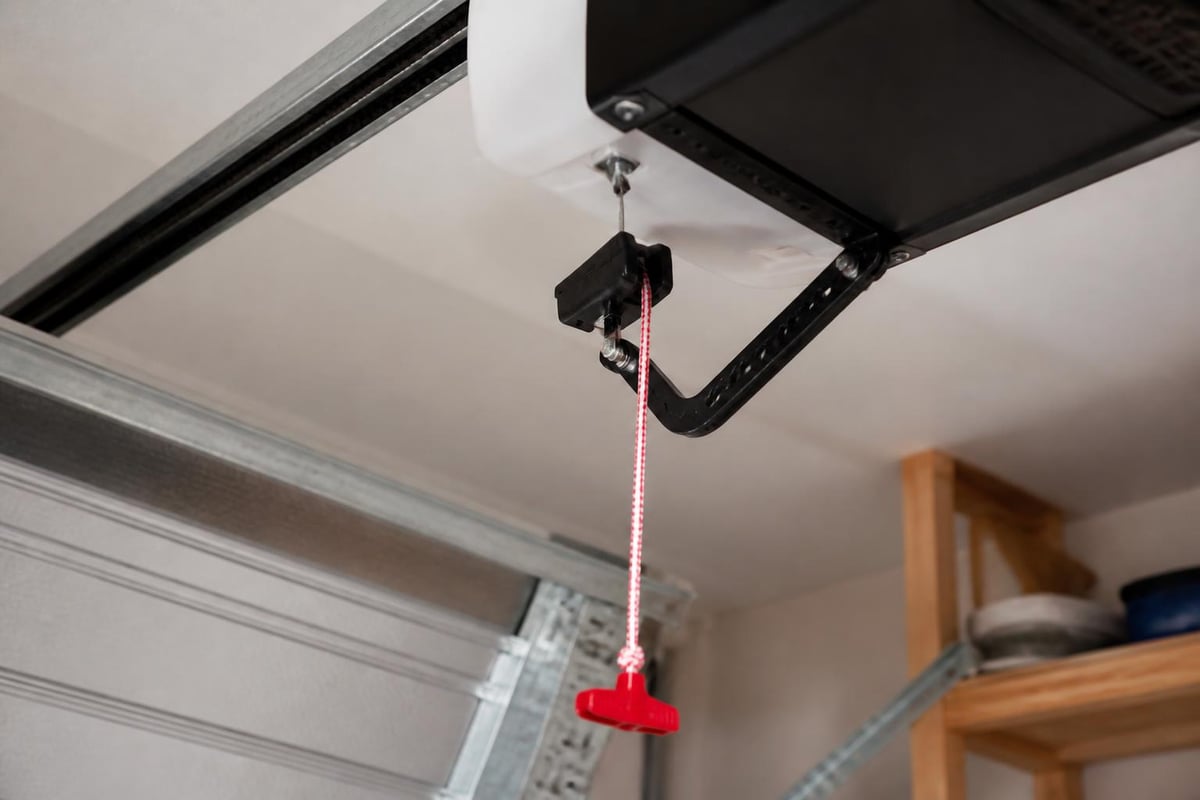
The emergency release cord typically hangs from the opener's trolley carriage and features a red handle, though some manufacturers use different colors. This cord activates a lever that disengages the trolley from the chain or belt drive system. Once disengaged, the door becomes independent of the opener and can be lifted manually.
Locating the Release Handle
Finding the emergency release is your first step in learning how to manually open a garage door. Stand inside your garage and look at the opener rail running from the motor unit to the door header. The release cord should hang approximately five to six feet from the ground, making it easily accessible.
If you cannot locate the release handle, consult your garage door opener manual or check for manufacturer markings on the operator unit. Some systems integrate the release mechanism differently, particularly in jackshaft openers mounted on the wall beside the door.
Safety Precautions Before Manual Operation
Before attempting to manually open a garage door, you must address several critical safety concerns. Garage doors are extremely heavy, often weighing 150 to 400 pounds depending on size and material. Without proper precautions, serious injury can occur.
Essential safety measures include:
- Ensure the door is fully closed before pulling the release cord
- Never attempt manual operation with the door partially open
- Check that no objects or people are in the door's path
- Verify that spring systems appear intact (no visible breaks or damage)
- Work with adequate lighting to see all components clearly
- Keep children and pets away from the work area
Assessing Spring System Integrity
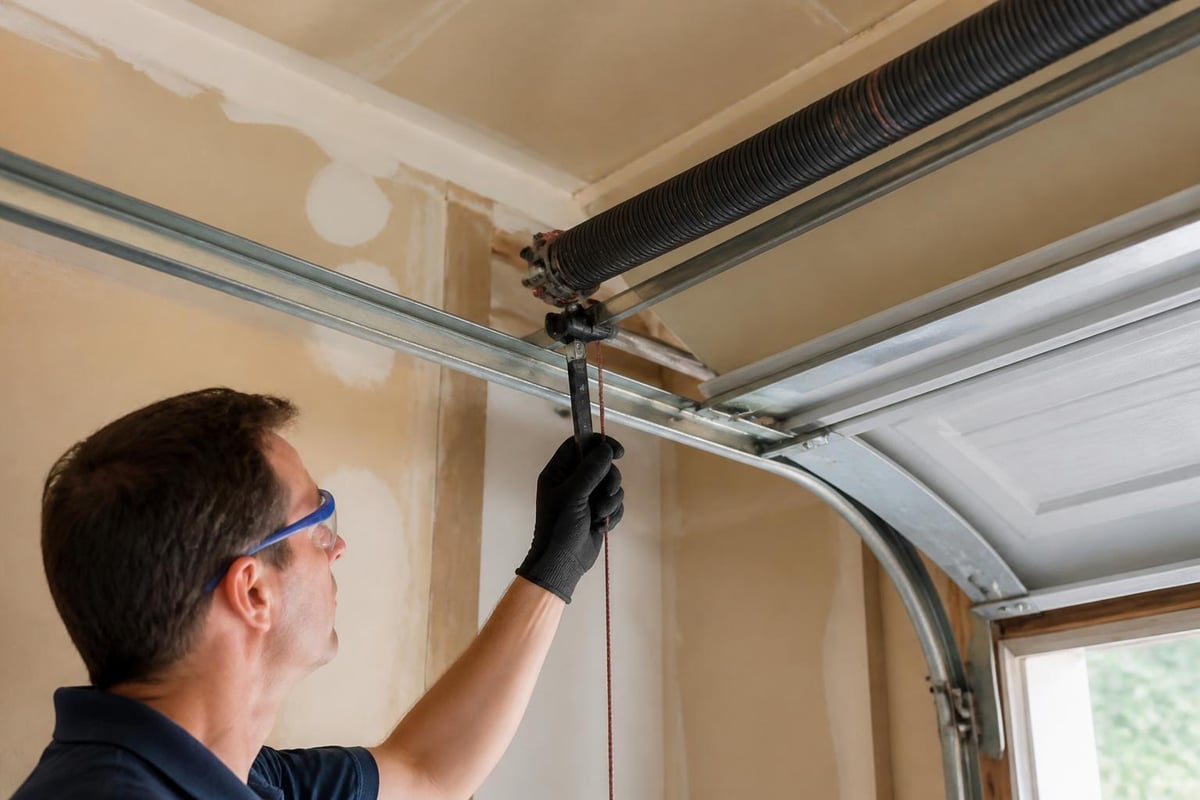
Garage door springs counterbalance the door's weight, making manual operation possible. A broken spring makes the door extremely heavy and dangerous to lift. Inspect torsion springs mounted above the door or extension springs along the tracks for any signs of damage, gaps, or separation.
If you notice a broken spring, do not attempt to manually open the garage door. The full weight of the door could cause it to drop suddenly, resulting in severe injury or property damage. In this situation, professional garage door repair becomes necessary before safe manual operation is possible.
According to safety experts at FindTrustedHelp.com, checking spring condition is the most important preliminary step before manual door operation.
Step-by-Step Manual Opening Process
Once you've confirmed safety conditions are acceptable, you can proceed with the manual opening procedure. Following the correct sequence prevents equipment damage and ensures personal safety throughout the process.
Step 1: Position the Door Fully Down
The door must rest completely against the garage floor before you disengage the opener. If the door is partially open when you pull the release, it may drop suddenly with dangerous force. Lower the door using the wall button or remote if power is available but the door won't respond to commands.
For complete power loss situations where the door is stuck open, you'll need professional assistance before attempting manual operation. Never try to force a suspended door down manually.
Step 2: Pull the Emergency Release Cord
Grasp the red handle firmly and pull straight down toward the floor. You should feel the mechanism click as the trolley disengages from the drive system. Some models require pulling the handle at a specific angle or direction, which should be marked on the handle itself.
The release action requires minimal force. If you encounter significant resistance, stop and verify you're pulling the correct cord and in the proper direction. Forcing the mechanism can cause damage requiring professional repair.
Step 3: Lift the Door Manually
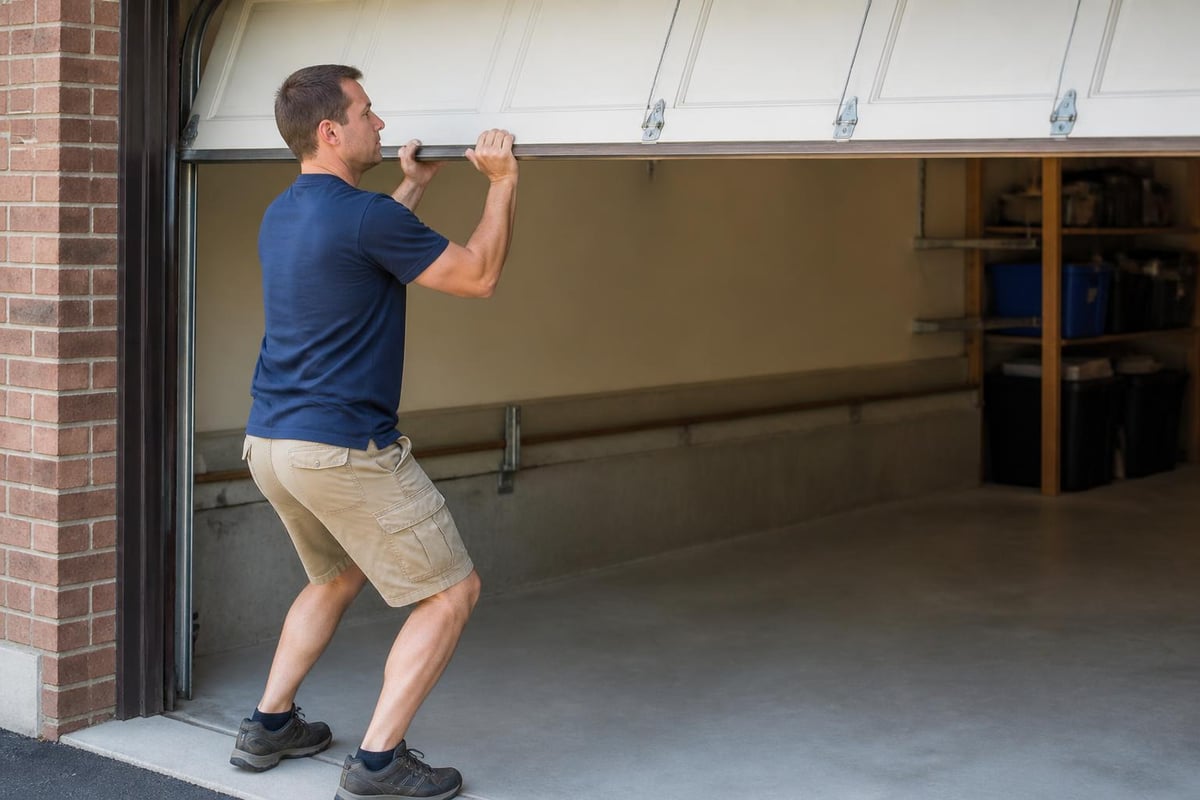
With the trolley disengaged, lift the door by grasping the bottom edge or handle with both hands. Use your legs, not your back, to provide lifting power. The door should rise smoothly and feel relatively light if the spring system is functioning correctly.
| Door Weight Range | Spring Condition | Lifting Difficulty |
|---|---|---|
| 150-200 lbs | Properly balanced | Easy, minimal effort |
| 200-300 lbs | Properly balanced | Moderate, manageable |
| 300+ lbs | Properly balanced | Significant but possible |
| Any weight | Broken spring | Extremely heavy, dangerous |
As noted in eLocal’s comprehensive guide, a properly balanced door should stay in place when lifted halfway and released.
Step 4: Secure the Door in Open Position
Raise the door to its fully open position. The door should remain open on its own, held in place by the spring tension. If the door won't stay open or begins to fall, the springs need adjustment or replacement.
For added security, you can place locking pliers or a C-clamp on the track just below one of the bottom rollers. This prevents the door from accidentally closing while you're working beneath it or retrieving items from the garage.
Reconnecting the Automatic Opener System
After you've completed your tasks and power has been restored, you'll need to reconnect the door to the automatic opener. This process reverses the manual release procedure and requires specific steps to avoid damaging the drive mechanism.
Repositioning for Reconnection
Lower the door manually to the fully closed position. Ensure it seats completely against the garage floor with no gaps. Proper positioning is essential for the trolley to re-engage correctly with the carriage.
Some garage door systems require you to push the release lever back into the engaged position before operating the opener. Others reconnect automatically when you activate the door opener button. Check your owner's manual or look for instructions printed on the opener unit itself.
Testing the Reconnection
Press the wall button or remote control to activate the opener. The motor should engage the trolley, and the door should begin its normal automatic operation. Listen for unusual sounds that might indicate incomplete engagement or mechanical issues.
Run the door through several complete cycles, fully opening and closing it multiple times. This confirms that the connection is secure and the system is functioning normally. According to Unfinished Man’s safety guide, performing multiple test cycles helps identify any problems before you depend on the system again.
Common Manual Operation Challenges and Solutions
Even with proper technique, you may encounter difficulties when learning how to manually open a garage door. Understanding common problems and their solutions helps you handle unexpected situations safely.
Frequent challenges include:
- Door won't lift easily: Indicates possible spring problems or track misalignment
- Door falls when partially open: Springs are broken or severely weakened
- Release cord won't pull: Frozen mechanism or damaged release lever
- Trolley won't reconnect: Misalignment or damaged carriage assembly
- Door lifts unevenly: Track obstruction or roller damage
Addressing Stuck or Frozen Mechanisms
Cold weather in Kitsap County can cause garage door components to freeze or stick. If the emergency release won't pull, apply a silicone-based lubricant to the release mechanism. Never use WD-40 or oil-based products, as these attract dirt and can gum up moving parts.
For doors that won't lift smoothly, inspect the tracks for ice buildup, dirt, or debris. Clean tracks thoroughly and ensure all rollers move freely. Weather-related issues often resolve once temperatures rise, but persistent problems indicate the need for professional garage door service.
Dealing with Broken or Damaged Springs
A broken spring presents the most serious obstacle to manual operation. These springs are under extreme tension and require specialized tools and expertise to replace safely. Attempting DIY spring replacement frequently results in injury.
Professional technicians have the training and equipment to handle high-tension springs safely. If you suspect spring damage, leave the door closed and contact qualified repair services. For homeowners throughout Kitsap County, emergency garage door repair services can restore function quickly and safely.
Tools and Supplies for Emergency Manual Operation
While the basic process of how to manually open a garage door requires no tools, having certain items on hand makes the job safer and easier. Maintaining an emergency garage kit ensures you're prepared for unexpected situations.
Essential Emergency Kit Contents
| Item | Purpose | Priority |
|---|---|---|
| Flashlight with fresh batteries | Illumination during power outages | Critical |
| Work gloves | Hand protection while lifting | High |
| Step ladder | Reaching high release cords | Medium |
| Locking pliers or C-clamps | Securing door in open position | Medium |
| Silicone spray lubricant | Maintaining moving parts | Low |
Keep these items in an accessible location inside your home rather than the garage. During power outages, you may need to access the garage from the outside, making interior-stored supplies unavailable.
Upgrading Manual Operation Capability
Some homeowners choose to install external key-operated manual release systems. These mechanisms allow you to disengage the opener from outside the garage when you're locked out or power is unavailable. Installation requires drilling through the garage door and connecting the cable to the internal release mechanism.
While these systems add convenience, they also introduce potential security vulnerabilities. Consult with professional installers to ensure proper setup and security measures. Many modern garage door opener systems include battery backup units that maintain automatic operation during power outages, reducing the need for manual intervention.
Maintaining Your Garage Door for Reliable Manual Operation
Regular maintenance ensures your garage door operates smoothly both automatically and manually. A well-maintained system requires less force to lift and reconnects to the opener more reliably.
Monthly Maintenance Checklist
Perform these simple tasks monthly to keep your garage door system in optimal condition:
- Visually inspect springs, cables, and rollers for wear or damage
- Test door balance by lifting manually to waist height and releasing
- Lubricate all moving parts including hinges, rollers, and springs
- Clean tracks and remove debris that could impede movement
- Test safety reverse mechanism with a solid object
- Verify emergency release operates smoothly
The balance test is particularly important. A properly balanced door should remain stationary when lifted halfway and released. If it falls or rises, spring tension requires professional adjustment.
Professional Inspection Scheduling
While monthly homeowner maintenance addresses basic needs, professional inspection catches developing problems before they cause failures. Schedule annual professional service to examine components not easily visible or accessible to homeowners.
Professional technicians check spring tension, cable condition, roller wear, track alignment, and opener force settings. They identify parts nearing the end of their service life and can replace them proactively, preventing inconvenient failures. Residents throughout Bainbridge Island and the surrounding area can rely on comprehensive garage door services that include thorough inspections and maintenance.
Special Considerations for Different Door Types
Not all garage doors operate identically when it comes to manual opening procedures. Understanding your specific door type helps you approach manual operation with appropriate expectations and techniques.
Single vs. Double Car Doors
Single-car garage doors typically weigh 150-200 pounds, while double-car doors range from 250-400 pounds. The increased weight of double doors makes manual operation significantly more challenging, particularly if spring balance is imperfect.
For oversized or exceptionally heavy doors, consider requesting assistance from another adult. Two people can distribute the weight more evenly and maintain better control during lifting and lowering operations. As House Grail’s pictorial guide demonstrates, proper technique becomes even more critical with heavier doors.
Insulated and Non-Insulated Doors
Insulated garage doors provide better temperature control and noise reduction but add significant weight compared to non-insulated models. The additional insulation layer can add 50-100 pounds to the door's total weight.
This extra mass affects how the door feels during manual operation. Ensure your spring system is properly calibrated for your specific door weight. Incorrect spring tension makes manual operation difficult and can damage the door or opener when automatic operation resumes.
Sectional, Roll-Up, and Tilt-Up Designs
Sectional doors (the most common residential type) feature the emergency release system described throughout this guide. Roll-up commercial doors and tilt-up one-piece residential doors use different mechanisms for manual operation.
Roll-up doors typically include a chain-hoist system or manual crank for emergency operation. Tilt-up doors may require releasing a different type of locking mechanism. Always consult your specific door's documentation for proper manual operation procedures.
When to Call Professional Help
Knowing how to manually open a garage door is valuable, but recognizing when professional intervention is necessary prevents injury and equipment damage. Some situations exceed safe DIY capabilities.
Call professional garage door technicians when:
- Springs show any signs of damage or breakage
- Door feels extremely heavy or won't stay open when lifted
- Cables appear frayed, damaged, or hang loosely
- Door lifts unevenly or binds in the tracks
- Release mechanism won't engage or disengage
- Unusual sounds accompany manual or automatic operation
- Door has sustained impact damage from vehicles or storms
Professional repair prevents small problems from escalating into expensive replacements. Technicians have specialized tools, replacement parts, and safety equipment to handle high-tension components that pose serious injury risks to untrained individuals.
For businesses in Kitsap County with commercial garage door systems, professional service becomes even more critical due to the increased size, weight, and complexity of commercial installations.
Understanding how to manually open a garage door provides essential capability during emergencies and system failures. By following proper safety procedures, using correct lifting techniques, and maintaining your door system regularly, you ensure reliable manual operation whenever automatic systems aren't available. Whether you're dealing with power outages, opener malfunctions, or emergency access needs, these skills keep you prepared. For homeowners and businesses throughout Kitsap County facing persistent garage door issues or needing professional inspection and maintenance, NextLevel Garage Co. delivers expert service backed by local expertise and commitment to quality workmanship.