

Replacing a garage door represents a significant investment for homeowners across Kitsap County and beyond, but understanding the full scope of costs helps you make informed decisions. The garage door cost replacement varies widely based on door type, materials, size, insulation quality, and installation complexity. Whether you're upgrading for curb appeal, energy efficiency, or security, knowing what drives pricing ensures you budget appropriately and select the right door for your home's needs and your financial situation.
Understanding Average Garage Door Replacement Costs
The national average for garage door cost replacement ranges between $1,100 and $3,800, with most homeowners paying around $2,500 for a standard installation. However, detailed cost breakdowns from HomeAdvisor show that premium materials, custom designs, and additional features can push total expenses significantly higher.
Single-car garage doors typically cost less than double-car models, with prices starting around $750 for basic uninsulated steel doors. Double-car doors begin near $1,200 for similar quality and can exceed $6,000 for premium materials like wood or fiberglass with custom finishes.
Breaking Down Door Size and Configuration
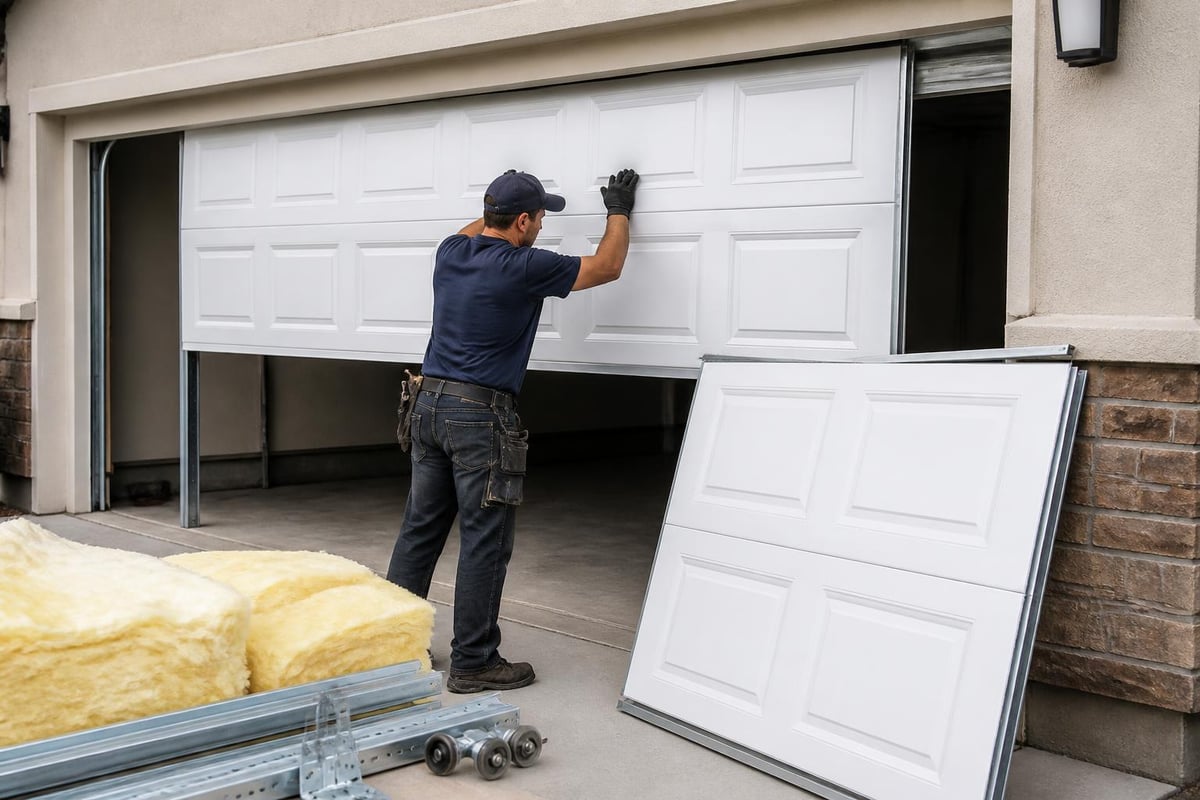
Door dimensions directly impact garage door cost replacement calculations. Standard single-car doors measure 8 to 9 feet wide by 7 feet tall, while double-car doors span 16 feet wide. However, custom sizing adds 10% to 30% to base prices.
| Door Size | Width | Height | Cost Range |
|---|---|---|---|
| Single-car standard | 8-9 ft | 7 ft | $750-$2,500 |
| Single-car tall | 8-9 ft | 8 ft | $900-$2,800 |
| Double-car standard | 16 ft | 7 ft | $1,200-$4,500 |
| Double-car tall | 16 ft | 8 ft | $1,500-$5,200 |
RV and oversized doors that accommodate boats or recreational vehicles can reach 12 feet in height and 18 feet in width, with replacement costs starting at $3,500 and climbing above $8,000 for insulated, high-quality options.
Material Choices That Impact Replacement Pricing
Material selection represents the single largest variable in garage door cost replacement budgeting. Each material offers distinct advantages in durability, maintenance requirements, aesthetic appeal, and thermal performance.
Steel doors dominate the residential market due to their affordability and durability. Entry-level 24-gauge steel doors start around $600 to $900 before installation, while premium 16-gauge insulated models range from $1,500 to $2,800. Steel resists denting better in thicker gauges and accepts paint finishes well.
Wood doors deliver classic beauty and natural warmth but require regular maintenance. Expect to pay $2,500 to $6,000 for quality wood construction, with cedar and redwood commanding premium prices. Wood composite alternatives offer similar aesthetics with reduced maintenance, priced between $1,800 and $3,500.
Aluminum and glass doors suit modern architectural styles, featuring sleek lines and natural light transmission. Full-view aluminum frames with frosted or clear glass panels cost $2,000 to $5,500 depending on glass type and frame quality. These doors work exceptionally well for attached garages where natural light enhances functionality.
Comparing Insulation Values and Energy Efficiency
Insulation significantly affects both garage door cost replacement and long-term energy savings. The R-value measures thermal resistance, with higher numbers indicating better insulation performance.
- Uninsulated doors (no R-value): $500-$1,200
- Basic insulation (R-value 6-9): $900-$2,000
- Moderate insulation (R-value 10-13): $1,200-$2,800
- Premium insulation (R-value 16-20): $1,800-$4,500
Insulated doors reduce heating and cooling costs for conditioned garage spaces, minimize noise transmission, and improve door panel rigidity. For homes in the Pacific Northwest climate, moderate to premium insulation offers measurable comfort and energy benefits.
Labor and Installation Expenses
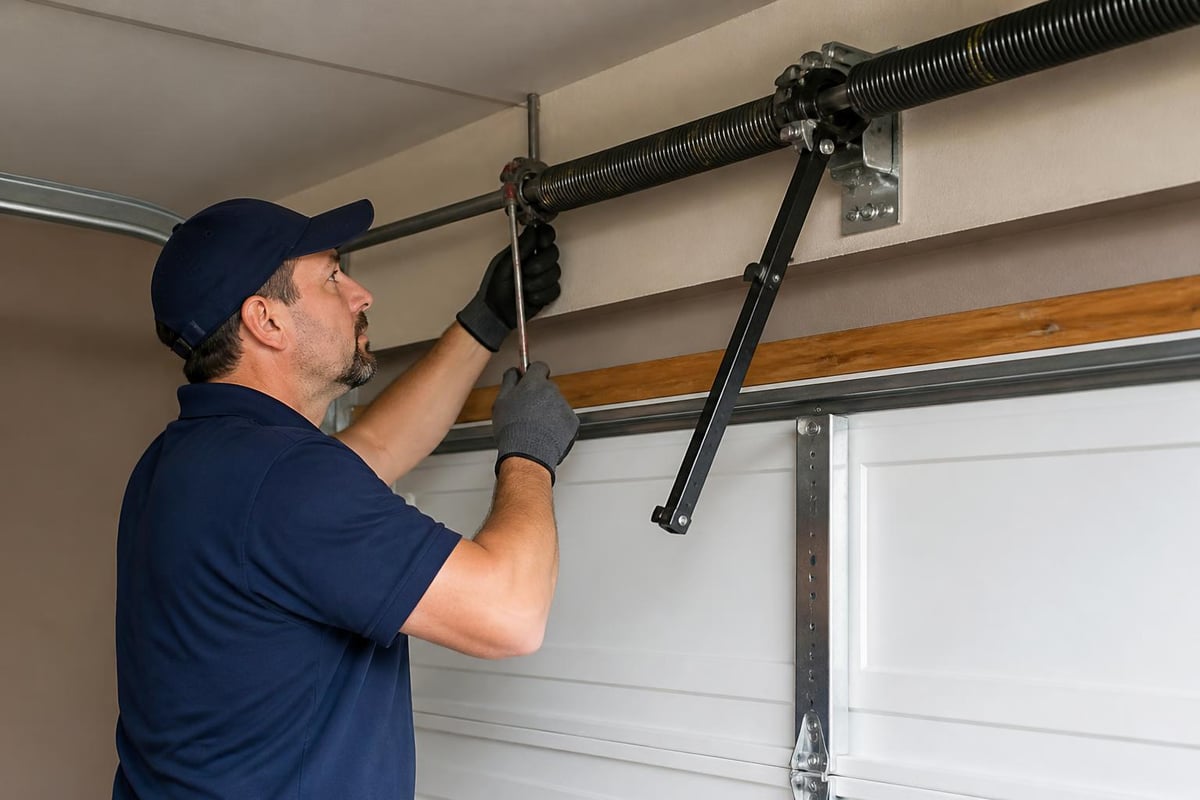
Professional installation typically adds $200 to $800 to garage door cost replacement totals, depending on project complexity and regional labor rates. Installation includes removing the old door, assembling the new door, mounting tracks and hardware, balancing springs, and testing safety features.
Basic installations on standard-size openings with straightforward configurations fall toward the lower end of this range. Complex projects involving structural modifications, custom framing, or difficult access points increase labor costs substantially.
Garage door installation projects from professionals ensure proper spring tension, track alignment, and safety sensor calibration that DIY installations often miss. Improper installation creates safety hazards and premature wear on components.
Additional Components and Hardware Costs
Beyond the door itself, several components contribute to total garage door cost replacement figures:
Opener replacement or upgrade adds $150 to $500 for chain-drive models, $200 to $600 for belt-drive systems, and $300 to $700 for premium wall-mount or battery backup units. Many homeowners coordinate opener upgrades during door replacement to ensure compatibility and maximize modern opener features.
Springs and hardware are typically included with new doors, but premium spring systems with extended warranties add $50 to $150. Decorative hardware like handles, hinges, and window inserts costs $75 to $300 depending on style and material.
Weatherstripping and seals protect against drafts and moisture intrusion, included with most quality doors but available as upgrades for $30 to $100. Bottom seals, threshold seals, and perimeter weatherstripping work together to create complete environmental barriers.
Door Style and Design Considerations
Architectural style dramatically influences garage door cost replacement budgeting. Traditional raised-panel steel doors offer the most economical option, while carriage-house designs, contemporary full-view glass, and custom wood styles command premium pricing.
Carriage-house doors mimic historic swing-out designs while operating on modern track systems. Steel carriage-house doors range from $1,200 to $3,500, while authentic wood versions cost $3,000 to $7,500. These doors enhance curb appeal and often increase home resale value beyond their initial cost.
Contemporary designs featuring clean lines, horizontal panels, and glass inserts suit modern architecture. Prices span $1,800 to $5,000 for aluminum and glass combinations. Frosted glass maintains privacy while admitting natural light.
| Style Category | Material Options | Price Range | Best For |
|---|---|---|---|
| Traditional raised-panel | Steel, composite | $800-$2,500 | Classic homes, budget-conscious |
| Carriage-house | Steel, wood, composite | $1,200-$7,500 | Traditional, craftsman style |
| Contemporary | Aluminum, glass, steel | $1,800-$5,500 | Modern architecture |
| Custom wood | Cedar, redwood, mahogany | $3,500-$10,000+ | Historic homes, luxury properties |
Window configurations add $150 to $800 depending on number, size, and glass type. Clear glass costs less than frosted, tinted, or decorative options. Window placement affects both aesthetics and natural light distribution within garage spaces.
Regional Cost Variations and Local Factors
Geographic location influences garage door cost replacement through labor rates, material availability, and permit requirements. Urban areas with higher living costs typically see 15% to 25% higher installation prices than rural communities.
In the Pacific Northwest, including Kitsap County and Bainbridge Island, expect pricing at the higher end of national averages due to competitive labor markets and quality expectations. However, working with local garage door specialists often provides better value than national chains through personalized service and accountability.
Permit costs vary by jurisdiction, ranging from $50 to $200 for garage door replacement. Most municipalities require permits for door replacement to ensure code compliance, though enforcement varies. Proper permitting protects homeowners during resale and ensures installations meet structural and safety standards.
Seasonal Pricing Patterns
Garage door cost replacement can fluctuate seasonally. Spring and fall represent peak seasons when demand drives prices higher and scheduling becomes more challenging. Winter installations may offer modest discounts but present weather-related complications in some regions.
Planning replacement during shoulder seasons (late winter or early summer) sometimes yields better pricing and faster scheduling. However, emergency replacements following spring failures or damage eliminate seasonal planning advantages.
Return on Investment and Value Considerations
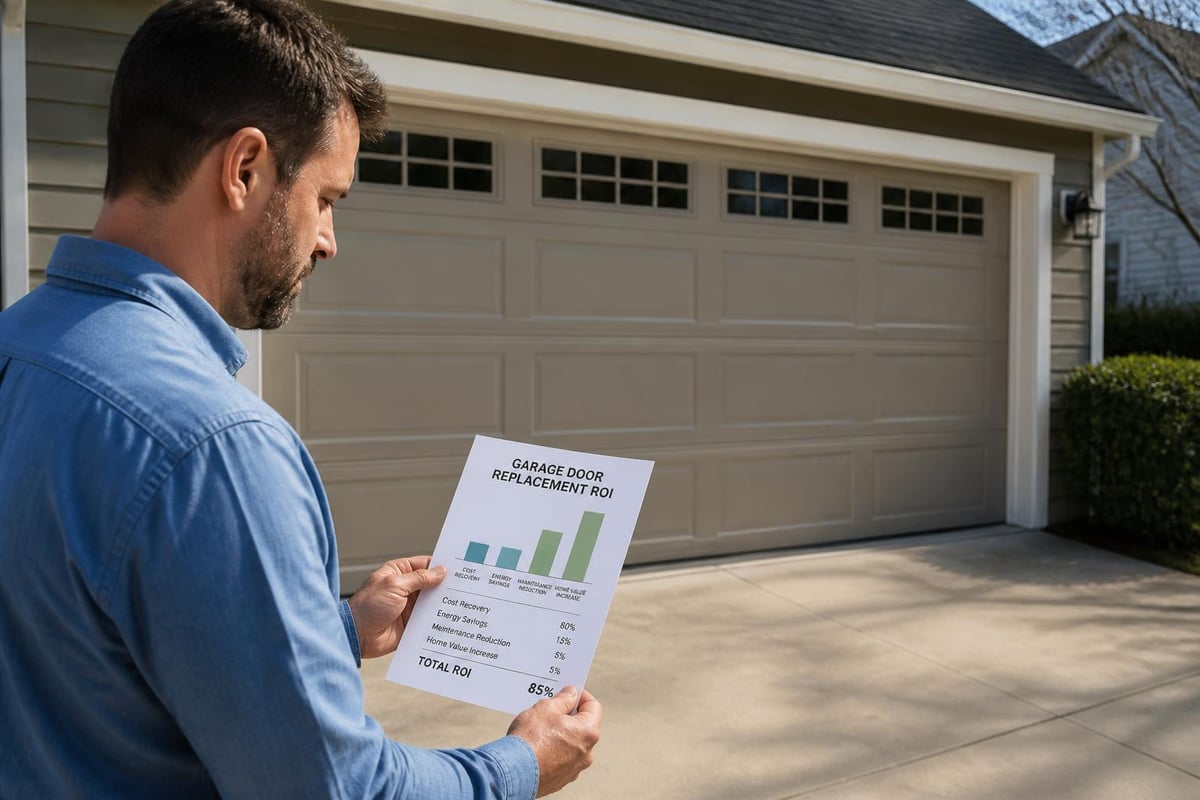
Understanding garage door cost replacement as an investment rather than pure expense helps justify quality choices. According to cost-benefit analyses from industry experts, garage door replacement delivers strong returns compared to other home improvements.
Mid-range garage door replacements recoup approximately 94% of costs at resale in many markets. Premium upgrades return 85% to 90%, still exceeding most interior renovations. Curb appeal improvements disproportionately influence buyer perceptions and offer values.
Beyond resale value, garage door replacement provides immediate benefits:
- Enhanced security through modern locking mechanisms and sturdy construction
- Improved energy efficiency reducing heating and cooling costs
- Reduced maintenance with newer materials and protective finishes
- Better functionality eliminating noise, hesitation, and reliability issues
- Increased safety through current safety sensor and auto-reverse standards
When evaluating garage door cost replacement against budget constraints, prioritize safety and functionality over pure aesthetics. A well-functioning insulated steel door provides better value than a beautiful but poorly insulated wood door in most climates.
DIY Versus Professional Installation
Some homeowners consider DIY installation to reduce garage door cost replacement totals, but this approach carries significant risks. Garage door springs store tremendous tension capable of causing severe injury or death if handled improperly. Torsion springs require specialized tools and training for safe installation.
Professional installation costs represent 15% to 25% of total project expenses but deliver critical value:
- Proper spring tension calibration preventing premature wear
- Accurate track alignment ensuring smooth operation
- Warranty protection requiring professional installation
- Code compliance meeting local building standards
- Safety feature verification protecting family members
The cost savings from DIY installation rarely justify the safety risks and potential for costly mistakes. Improperly installed doors wear unevenly, operate noisily, and fail prematurely, ultimately costing more than professional installation would have.
Smart Ways to Budget for Replacement
Planning garage door cost replacement requires realistic budgeting that accounts for all project components. Start by obtaining multiple quotes from reputable contractors, ensuring each quote itemizes door, hardware, labor, disposal, and any structural modifications.
Financing options make quality replacements accessible when cash flow is limited. Many contractors offer payment plans, while home equity lines of credit and home improvement loans provide alternatives. Compare interest rates and terms carefully to minimize total costs.
Timing strategic replacements before complete failure allows better planning and prevents premium pricing for emergency service. If your door shows signs of significant wear, panel damage, or consistent operational issues, proactive replacement costs less than emergency service.
Consider these budget strategies:
- Compare door materials to find the best balance between aesthetics, durability, and cost
- Select standard sizes to avoid custom fabrication premiums
- Choose appropriate insulation based on garage use and climate
- Time installation seasonally for potential discounts
- Bundle services like opener replacement to reduce overall labor costs
Using garage door cost calculators provides baseline estimates, but local quotes reflect actual market conditions and specific project requirements more accurately.
Maintenance to Extend Door Lifespan
While this article focuses on garage door cost replacement, proper maintenance significantly extends door lifespan and delays replacement needs. Regular maintenance costs $125 to $200 annually but prevents major repairs and premature replacement.
Essential maintenance tasks include:
- Lubricating hinges, rollers, and tracks quarterly
- Testing safety sensors and auto-reverse functions monthly
- Inspecting weatherstripping and seals seasonally
- Tightening hardware and fasteners semi-annually
- Cleaning tracks and removing debris regularly
Professional maintenance visits identify developing problems before they cause failures. Spring inspections catch wear patterns, track misalignment, and opener issues that homeowners often miss. Early intervention prevents minor issues from escalating into costly repairs or forced replacement.
Making the Final Decision
Garage door cost replacement decisions balance immediate budget constraints against long-term value, functionality requirements, and aesthetic preferences. Take time to evaluate your specific needs, comparing options across multiple criteria rather than focusing solely on initial price.
Request detailed quotes that specify:
- Exact door model and manufacturer
- Material gauge or thickness specifications
- R-value and insulation type
- Hardware quality and warranty terms
- Labor scope and timeline
- Disposal and permit fees
- Total installed cost
Comprehensive cost guides help establish reasonable price expectations, but local market conditions ultimately determine actual costs. Working with established local contractors provides accountability and ongoing service availability that online retailers and national chains cannot match.
Quality garage door replacement enhances home value, improves daily functionality, and provides peace of mind through reliable operation and enhanced security. While garage door cost replacement represents a substantial investment, spreading costs over the door's 15 to 30-year lifespan demonstrates strong value compared to many home improvements.
By understanding all cost components, from basic door pricing through installation labor and optional upgrades, you can make informed decisions that balance budget reality with quality expectations. Investing in appropriate insulation, durable materials, and professional installation delivers better long-term value than choosing the cheapest available option.
Understanding garage door cost replacement helps homeowners across Kitsap County make informed decisions that balance quality, functionality, and budget. Whether you need a basic steel door or a premium custom installation, knowing what drives pricing ensures you invest wisely. NextLevel Garage Co. brings professional expertise and clear communication to every garage door replacement project on Bainbridge Island and throughout the region. Contact us today for a detailed quote tailored to your specific needs and property requirements.