

Garage door cables are among the most critical yet underestimated components of your door's lifting system. These high-tension steel cables work in tandem with springs and drums to safely raise and lower doors that often weigh several hundred pounds. When a cable snaps, frays, or slips off its drum, the entire system becomes hazardous, potentially causing door misalignment, sudden drops, or complete operational failure. Understanding the fundamentals of fixing garage door cable problems helps homeowners throughout Kitsap County recognize when professional intervention is necessary and when temporary safety measures are appropriate.
Understanding Garage Door Cable Systems
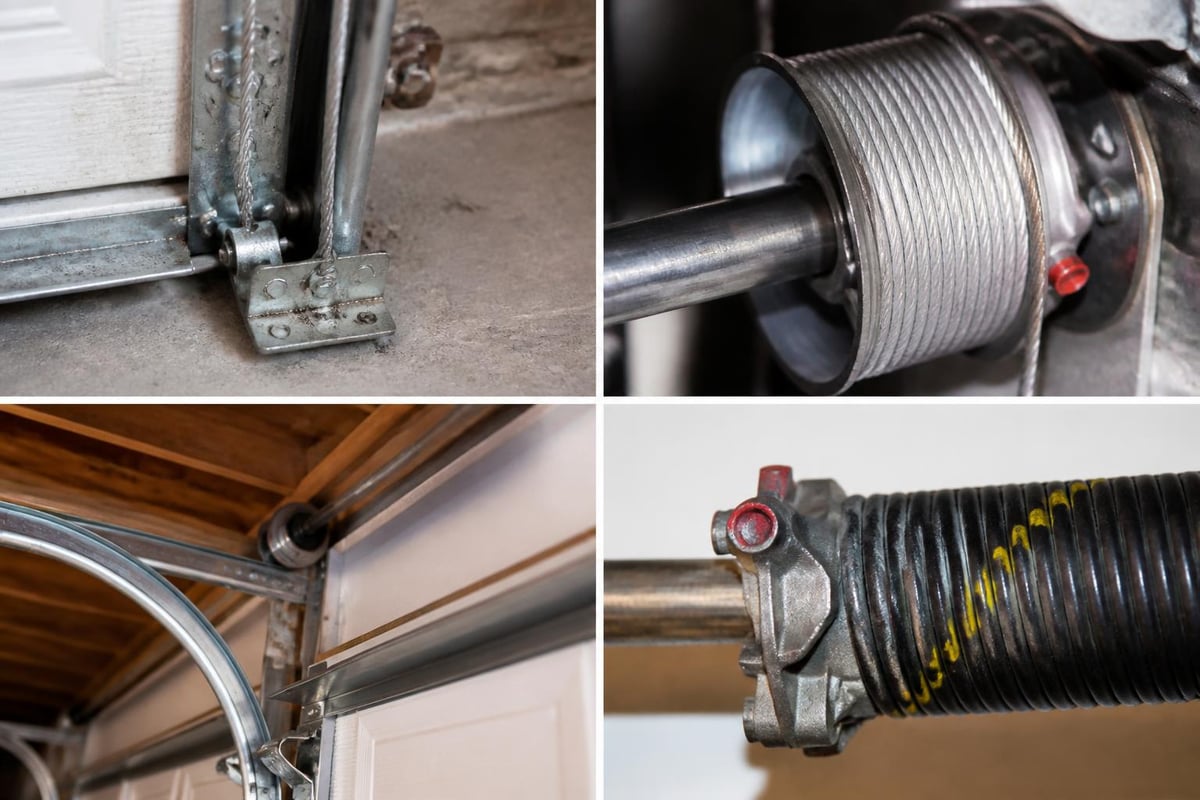
Garage door cables operate under extreme tension, typically bearing hundreds of pounds of force throughout each opening and closing cycle. These cables connect to the bottom brackets of your door, wrap around drums mounted on the torsion shaft, and work alongside springs to counterbalance the door's weight.
Cable Types and Configurations
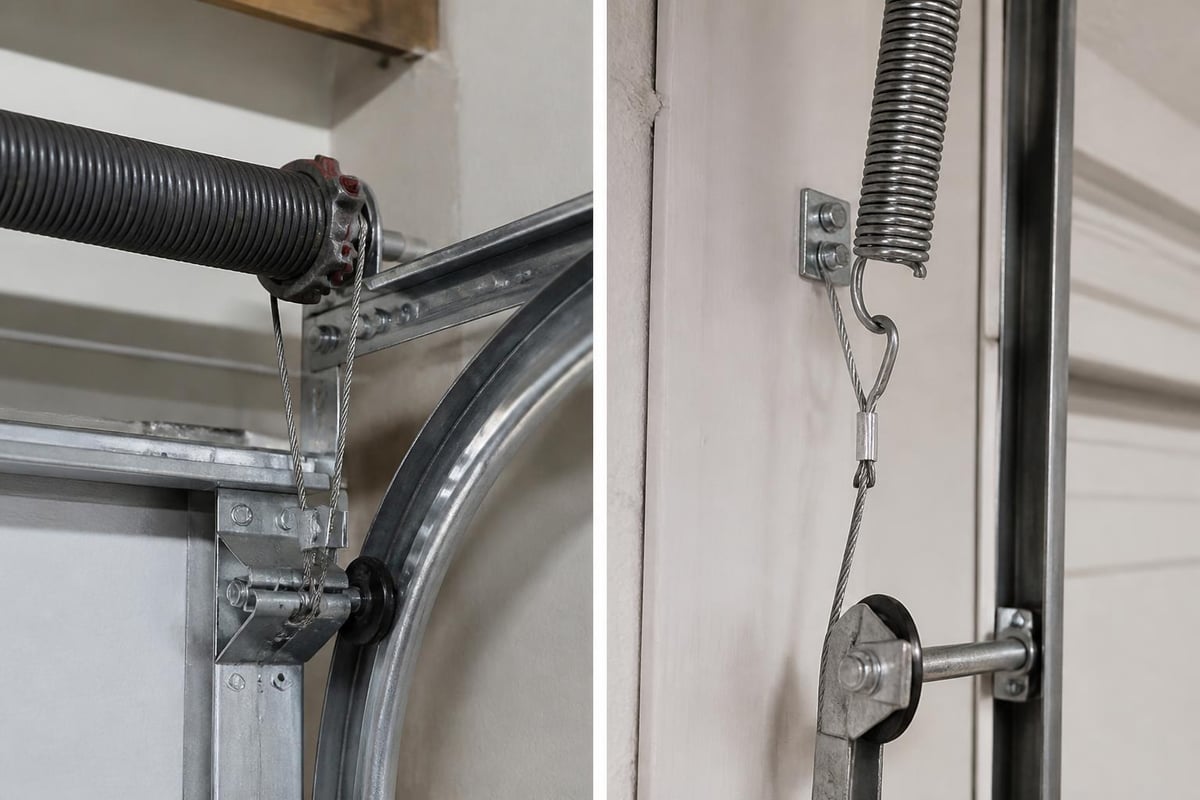
Most residential garage doors use one of two cable configurations. Torsion spring systems feature cables that run vertically along each side of the door, attaching to drums at the top and bottom fixtures at the base. Extension spring systems utilize safety cables that run through the center of horizontal springs along the tracks, preventing springs from becoming projectiles if they break.
The cables themselves are constructed from multiple steel wire strands twisted together, creating flexible yet incredibly strong lifting components. Standard cables range from 1/8 inch to 3/16 inch in diameter, with length determined by door height and track configuration.
Common Cable Problems and Their Causes
Fixing garage door cable issues begins with accurate diagnosis. Several factors contribute to cable failure, each presenting distinct warning signs that require immediate attention.
Visible Damage Indicators
- Fraying or individual wire breaks appearing along the cable length
- Rust or corrosion weakening the steel strands
- Slack or looseness indicating spring failure or drum slippage
- Cable off the drum with visible bunching or tangling
- Uneven door movement suggesting single-sided cable failure
According to professional garage door specialists, broken cables represent serious safety hazards that should never be treated as minor repairs. The remaining cable must support the full door weight, creating imminent risk of complete failure.
Root Causes of Cable Failure
Cable problems rarely occur in isolation. Worn drums with rough edges can abrade cables over time. Misaligned tracks force cables to work at incorrect angles, accelerating wear. Spring fatigue changes tension distribution, placing abnormal stress on cables. Poor maintenance allows rust accumulation, compromising cable integrity from within.
| Cause | Warning Sign | Risk Level |
|---|---|---|
| Drum wear | Fraying at attachment point | High |
| Spring failure | Sudden slack in cables | Critical |
| Corrosion | Visible rust, stiff movement | Moderate to High |
| Track misalignment | Uneven door operation | Moderate |
| Age (7+ years) | General wear, minor fraying | Moderate |
Safety Considerations for Cable Repairs
The tension stored in garage door cables and springs creates serious injury risks. Recent guidance from industry experts emphasizes that DIY cable replacement attempts have led to numerous emergency room visits in 2026. Understanding these hazards is essential before attempting any repair work.
Immediate Safety Protocols
When you discover a cable problem, disconnect the garage door opener immediately to prevent automatic operation. Never operate a door with a broken or detached cable, as the remaining cable may fail catastrophically. Keep family members and pets away from the garage until repairs are complete.
The door should be lowered completely if possible, but never force movement if resistance is felt. Attempting to manually operate a damaged cable system can result in sudden door drops, pinched fingers, or cable whiplash injuries.
Professional vs. DIY Assessment
While some homeowners possess the tools and mechanical aptitude for garage door work, fixing garage door cable problems involves unique hazards. The high-tension environment requires specialized winding bars, proper knowledge of spring systems, and understanding of precise adjustment procedures.
Tasks appropriate for experienced DIYers include visual inspections, photographing damage for professional consultations, and performing basic lubrication maintenance. Tasks requiring professional expertise include all cable replacements, spring adjustments, drum work, and any repair involving tension release or re-tensioning.
For homeowners on Bainbridge Island and throughout Kitsap County, emergency garage door repair services provide rapid response when cable failures create safety hazards or security concerns.
Step-by-Step Cable Inspection Process
Regular inspections help identify cable problems before they escalate into dangerous failures. This systematic approach enables homeowners to monitor cable condition and recognize when professional service becomes necessary.
Visual Examination Techniques
Begin with the door fully closed and the opener disconnected. Examine both cables from bottom brackets to drums, looking for the damage indicators mentioned earlier. Pay special attention to areas where cables wrap around drums and pass through track brackets, as these high-stress points experience accelerated wear.
Use a flashlight to inspect cable strands closely. Individual broken wires protruding from the cable body indicate advanced deterioration. Even a few broken strands compromise overall cable strength and warrant replacement.
Operational Testing
With extreme caution, manually lift the door about two feet and observe cable behavior. Both cables should maintain equal tension, moving smoothly without binding or slack. Release the door gradually, watching for smooth, controlled descent.
Jerky movement, visible cable slack, or difficulty lifting suggests spring or cable problems requiring professional diagnosis. These symptoms often indicate that fixing garage door cable issues alone will not address underlying mechanical failures.
Professional Repair Process Overview
Understanding what professional technicians do when fixing garage door cable problems helps homeowners appreciate the complexity involved and set realistic expectations for service calls.
Diagnostic Assessment
Professional technicians begin by evaluating the entire door system, not just the failed cable. They measure spring tension, check drum alignment, inspect track levelness, and assess bottom bracket integrity. This comprehensive approach identifies contributing factors that might cause premature cable failure after replacement.
The assessment includes door weight verification, ensuring replacement cables match load specifications. Incorrect cable sizing leads to premature failure, wasted repair costs, and continued safety risks.
Repair Execution
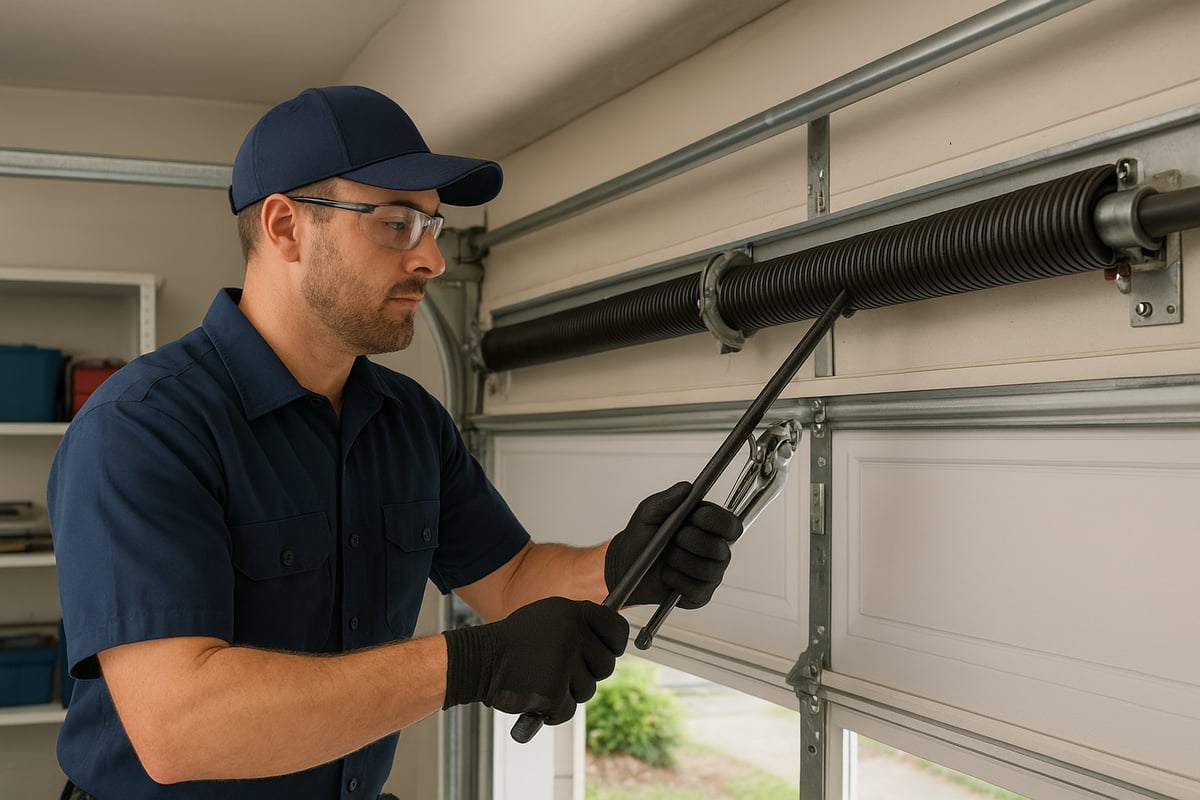
The actual cable replacement process requires releasing spring tension using specialized winding bars, a procedure that poses significant injury risk without proper training. Technicians remove damaged cables, inspect drums for wear or damage, install new cables with correct routing, and restore precise spring tension.
After installation, professionals perform multiple operational tests, verifying smooth door movement, proper balance, and correct auto-reverse function if an opener is installed. These adjustments ensure the repair addresses not just the immediate cable failure but optimizes overall system performance.
When cable problems stem from spring failure, combining repairs often makes economic sense. Garage Door Spring Repair addresses the root cause while ensuring cables operate within proper tension parameters.
Maintenance Strategies to Prevent Cable Failure
Proactive maintenance significantly extends cable life and prevents unexpected failures. These strategies cost minimal time and money while providing substantial protection against repair emergencies.
Monthly Visual Checks
Dedicate five minutes monthly to cable inspection. Look for early signs of fraying, rust development, or unusual wear patterns. Catching problems early allows scheduled repairs rather than emergency service calls.
Document cable condition with dated photographs, creating a visual maintenance log that reveals deterioration patterns over time. This record helps professionals diagnose problems more accurately when service becomes necessary.
Quarterly Lubrication
Apply garage door-specific lubricant to all moving parts quarterly, including hinges, rollers, and tracks. While cables themselves should not be lubricated directly (this attracts debris), proper lubrication of surrounding components reduces overall system stress.
Focus lubrication efforts on drum bearings and shaft ends, where proper movement prevents binding that places abnormal stress on cables. Detailed guidance on garage door maintenance emphasizes lubrication as essential for extending component life throughout the entire system.
Annual Professional Service
Schedule annual professional inspections even when no obvious problems exist. Technicians identify wear patterns invisible to untrained eyes, perform precise spring tension adjustments, and catch developing issues before they cause failures.
Annual service costs substantially less than emergency repairs, and scheduled maintenance allows planning rather than disrupting your day with unexpected breakdowns. Many local garage door companies offer maintenance packages that include priority scheduling and service discounts.
When Cable Replacement Indicates Larger Issues
Sometimes fixing garage door cable problems reveals that cables are symptoms rather than root causes. Recognizing these situations prevents wasting money on repairs that don't address underlying mechanical failures.
System Age and Wear Patterns
Garage doors typically last 15 to 30 years with proper maintenance, but individual components wear at different rates. If your door approaches 15 years old and experiences its second or third cable failure, comprehensive system evaluation becomes prudent. Multiple cable failures suggest springs have exceeded their cycle life, drums have developed wear grooves, or tracks have sustained damage affecting proper alignment.
In these scenarios, investing in complete system updates or replacement often proves more economical than continuing piecemeal repairs. Modern doors offer improved insulation, quieter operation, and enhanced safety features that older systems lack.
Recurring Failures
When cables fail repeatedly despite professional replacement, investigate contributing factors aggressively. Chronic moisture exposure from roof leaks accelerates corrosion. Excessive door weight from added insulation or decorative hardware overloads standard cables. Opener force settings misadjusted too high place abnormal strain on the entire lifting system.
Comprehensive diagnostic resources help identify why cables slip off drums, a problem that recurs unless underlying causes are corrected. These causes include loose drum set screws, worn shaft bearings, or improper cable length for the door configuration.
Emergency Response for Cable Failures
Despite best maintenance efforts, cables occasionally fail without warning. Knowing how to respond protects your property and family while minimizing secondary damage.
Immediate Actions
If a cable breaks while the door is open, do not attempt to close it manually. The door may drop suddenly, causing injury or property damage. If the door is partially open, carefully place sturdy supports like sawhorses or concrete blocks beneath the door to prevent dropping.
Disconnect the opener to prevent automatic operation attempts. Place warning signs or barriers preventing family members from entering the garage through any entrance. Contact professional repair services immediately, as cable failures constitute legitimate emergencies requiring priority response.
Temporary Security Measures
A garage with a non-functioning door creates security vulnerabilities. If the door cannot be safely closed, secure any entry doors between the garage and home. Remove valuable items from garage storage if possible. Consider temporary boarding of the garage opening if professional service cannot arrive within 24 hours.
Understanding what steps to take when cables detach helps homeowners stabilize situations until professional help arrives. Never attempt to reattach cables under tension, as this procedure requires controlled spring release that only trained technicians should perform.
Cost Factors in Cable Repair Decisions
Understanding the economics of fixing garage door cable problems helps homeowners make informed decisions balancing safety, budget, and long-term value.
Typical Repair Costs
Professional cable replacement typically ranges from $150 to $300 per cable depending on door size, cable type, and regional labor rates. This cost includes safe tension release, cable installation, system testing, and warranty coverage. Emergency service calls or after-hours repairs command premium pricing but provide rapid response when security concerns exist.
DIY repairs eliminate labor costs but require purchasing specialized tools like winding bars ($30-50), correct cable specifications ($15-30 per cable), and potentially new drums if wear is detected ($40-80 per drum). The tool investment exceeds single repair costs, making economic sense only for homeowners planning ongoing maintenance.
Value Comparison Table
| Repair Approach | Typical Cost | Time Investment | Safety Risk | Warranty |
|---|---|---|---|---|
| Professional service | $200-400 | 1-2 hours | Minimal | 1-2 years |
| DIY repair | $100-200 | 3-5 hours | High | None |
| Preventive maintenance | $100-150/year | 2-3 hours/year | Low | Varies |
| System replacement | $800-2,500 | 4-6 hours | Minimal | 5-10 years |
These comparisons demonstrate that while DIY approaches appear cost-effective initially, the injury risk and lack of warranty protection create hidden costs that often exceed professional service fees.
Regional Considerations for Kitsap County Homeowners
Local climate and environmental factors influence cable maintenance requirements and failure patterns for homeowners throughout Kitsap County and Bainbridge Island.
Marine Environment Impact
The Pacific Northwest's marine environment accelerates metal corrosion, particularly affecting garage door cables exposed to salt-laden air. Homes within two miles of Puget Sound experience notably faster cable deterioration compared to inland properties. Regular inspection becomes even more critical in these coastal locations.
Applying rust-inhibiting treatments to exposed metal components helps combat corrosion, though cables themselves resist treatment application due to their twisted strand construction. Focus corrosion prevention efforts on drums, brackets, and tracks, reducing overall system stress that accelerates cable wear.
Seasonal Maintenance Timing
Pacific Northwest winters bring increased humidity and temperature fluctuations that affect garage door operation. Schedule professional maintenance in early fall, addressing wear issues before winter stress periods. This timing ensures optimal performance during months when garage access matters most for vehicle protection and weather-sealed entry.
Spring inspections catch winter damage early, preventing minor issues from escalating during summer months when garages see heavy use for projects, storage access, and outdoor activity staging. For comprehensive home maintenance planning, consider coordinating garage door service with other garage organization improvements that maximize your space's functionality.
Advanced Troubleshooting Scenarios
Some cable problems present unusual symptoms requiring specialized diagnostic approaches beyond standard visual inspection.
Intermittent Cable Slippage
Cables that occasionally slip off drums but reseat during operation indicate loose drum set screws, worn cable ends, or insufficient spring tension. These intermittent failures prove especially dangerous because the door may operate normally dozens of times before failing catastrophically.
Professional diagnosis using tension gauges and drum alignment tools identifies the specific cause. Temporary tightening of set screws provides only short-term relief if drums have developed wear grooves that prevent proper cable seating.
Asymmetric Wear Patterns
When one cable shows significantly more wear than its counterpart, investigate track alignment, spring balance, and bottom bracket positioning. Asymmetric wear indicates the door operates unevenly, overloading one side of the lifting system.
Manufacturer guidelines on cable replacement emphasize replacing both cables simultaneously even when only one shows visible damage. This practice ensures balanced operation and prevents near-term failure of the seemingly intact cable that has experienced identical stress cycles.
Integration with Modern Opener Systems
Contemporary garage door openers incorporate sophisticated sensors and force monitoring that interact with cable systems in ways affecting both performance and safety.
Force Setting Optimization
Modern openers adjust lifting force electronically, but incorrect settings can accelerate cable wear. Excessive force settings strain cables unnecessarily, while insufficient force causes openers to work harder, generating heat and premature motor wear.
Professional technicians optimize force settings using manufacturer specifications and door weight calculations, ensuring the opener provides adequate lifting assistance without overloading mechanical components. This optimization extends cable life while improving overall system efficiency.
When cable repairs coincide with opener issues, addressing both simultaneously often makes practical sense. Professional garage door opener installation ensures proper integration between mechanical and electronic systems, maximizing reliability and safety for your entire garage door assembly.
Safety Sensor Interaction
Photoelectric safety sensors detect obstructions but cannot identify cable problems directly. However, door movement irregularities from failing cables may trigger sensor safety reversals, creating false obstruction signals. If your door reverses unexpectedly despite clear sensor path, inspect cables for developing problems alongside sensor alignment verification.
Regular testing of auto-reverse functions ensures all safety systems work correctly. Place a solid object like a brick in the door path and attempt closing. Proper function requires immediate reversal upon contact. Failure to reverse indicates safety system problems requiring immediate professional attention.
Fixing garage door cable problems demands respect for the high-tension forces involved and realistic assessment of DIY capabilities versus professional expertise requirements. Regular inspection, proactive maintenance, and prompt attention to early warning signs prevent most emergency situations while extending overall system life.
When cable issues arise, NextLevel Garage Co. provides expert diagnosis and repair services throughout Kitsap County, combining technical expertise with the clear communication and quality workmanship that keeps your garage door operating safely and reliably. Whether you need emergency cable replacement, comprehensive system maintenance, or consultation on repair versus replacement decisions, our locally owned team delivers the professional service your home deserves.