

Finding your garage door stuck in the open position creates an immediate security concern for any property owner. This frustrating scenario leaves your belongings exposed, compromises your home's energy efficiency, and presents a safety hazard that demands prompt attention. Understanding the common causes behind open door garage repair issues and knowing when to tackle them yourself versus calling in professional help can save you time, money, and prevent further damage to your system.
Understanding Why Garage Doors Get Stuck Open
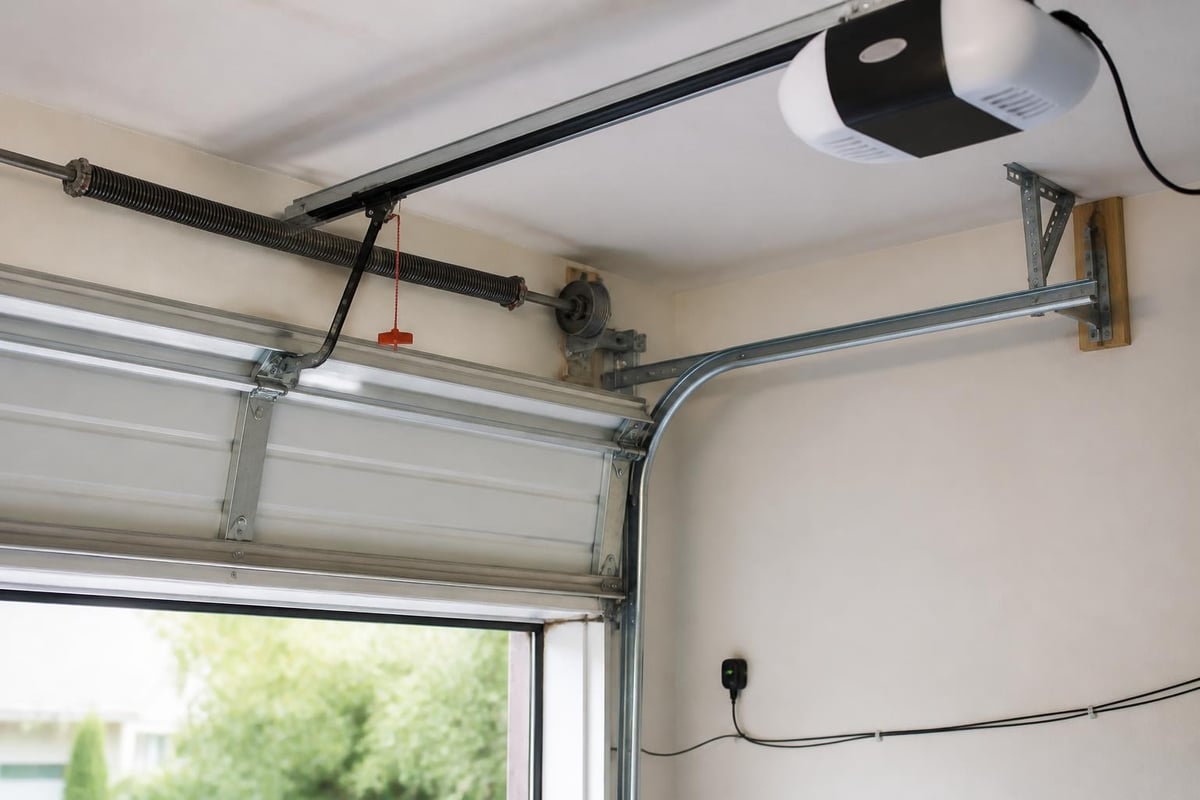
Multiple mechanical failures can prevent your garage door from closing properly. The most frequent culprit involves broken or worn torsion springs that lose tension over time, making it impossible for the door to lower safely.
Misaligned photo-eye sensors represent another common issue. These safety devices, mounted near the floor on either side of your garage opening, must maintain a clear line of sight to allow the door to close. Dirt, cobwebs, or accidental bumps can knock them out of alignment.
Track obstruction and damage also contribute to open door problems:
- Debris accumulation in the horizontal or vertical tracks
- Bent or warped track sections from impact
- Loose mounting brackets allowing track misalignment
- Roller damage preventing smooth movement
When addressing open door garage repair situations, the opener itself may malfunction due to electrical problems, worn gears, or incorrect limit switch settings. The limit switches tell your opener when the door has reached its fully closed position, and improper adjustment can stop the door prematurely.
Initial Safety Assessment
Before attempting any open door garage repair work, disconnect power to your automatic opener by unplugging it or switching off the circuit breaker. This prevents accidental activation while you inspect the system.
Never attempt to adjust or replace torsion springs yourself. These components store tremendous energy and can cause severe injury or death if mishandled. According to garage door safety experts, spring-related injuries send thousands of people to emergency rooms annually.
Examine the door's position carefully. A door stuck fully open poses different challenges than one that stops partway down. Note whether you hear unusual sounds, see visible damage, or notice the opener straining during operation attempts.
Troubleshooting Common Open Door Issues
Start with the simplest solutions before moving to complex repairs. Check your remote batteries and wall button functionality to rule out basic electrical problems that might prevent closing commands from reaching the opener.
Sensor Alignment and Cleaning
Photo-eye sensors cause many open door garage repair calls that homeowners can resolve independently. Each sensor has an indicator light (typically green or red) that confirms proper alignment and function.
Clean both sensor lenses using a soft, dry cloth to remove dust and debris. Inspect the wiring connections for damage or looseness. Gently adjust each sensor bracket until both indicator lights remain solid, confirming they're communicating properly.
Test the alignment by placing an object in the door's path and attempting to close it. The door should reverse immediately upon detecting the obstruction. If it doesn't, your sensors still need adjustment or replacement.
Track Inspection and Maintenance
Examine both vertical and horizontal track sections for damage, debris, or misalignment. Use a level to verify tracks remain plumb and properly spaced. Even slight deviations can prevent smooth operation.
| Issue | Solution | Difficulty |
|---|---|---|
| Debris in tracks | Clean thoroughly with brush and cloth | Easy |
| Loose mounting brackets | Tighten all bolts and screws | Easy |
| Minor track bends | Carefully straighten with rubber mallet | Moderate |
| Severely damaged tracks | Professional replacement required | Complex |
Apply garage door lubricant to tracks, rollers, and hinges every six months as part of preventive maintenance. Avoid using heavy grease or oil-based products that attract dirt and grime. Professional maintenance guides recommend silicone-based lubricants for optimal performance.
Opener Limit Switch Adjustments
Many open door garage repair situations stem from improperly set limit switches on the opener unit. These switches control how far the door travels in both directions, and their settings can drift over time.
Locate the limit adjustment screws or dials on your opener's motor unit. They're typically labeled "up" and "down" or marked with arrows. The down limit determines where the door stops when closing.
Make small adjustments by turning the down-limit screw clockwise to increase travel distance or counterclockwise to decrease it. Test after each quarter-turn adjustment. The goal is having the door rest completely on the floor with proper seal contact while the opener doesn't strain or continue running after reaching the closed position.
Force Setting Calibration
Modern openers include force settings that control how much resistance the door should encounter before reversing. If set too sensitively, the opener may interpret normal closing resistance as an obstruction.
Adjust force settings incrementally, testing thoroughly after each change. The door should close smoothly without reversing unexpectedly, yet still reverse immediately when meeting actual obstructions. Consult your opener's manual for manufacturer-specific adjustment procedures, as these vary between brands and models.
When Professional Help Becomes Necessary
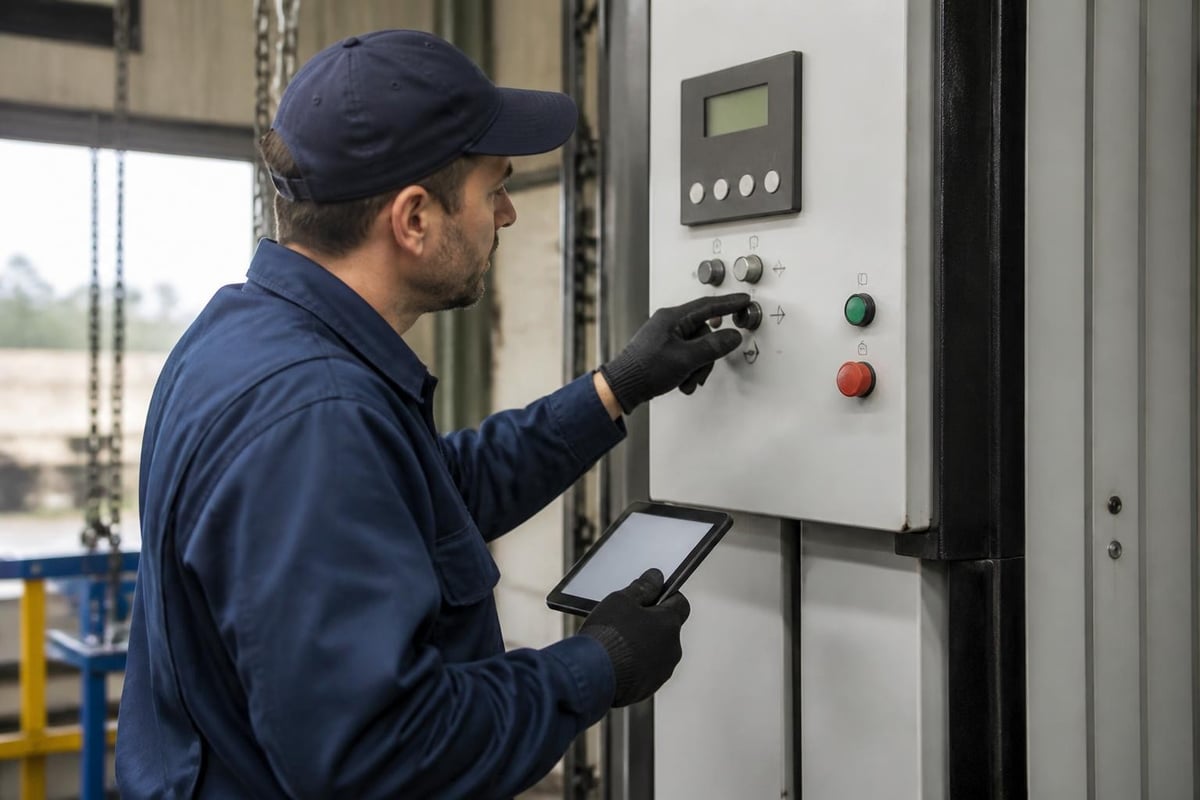
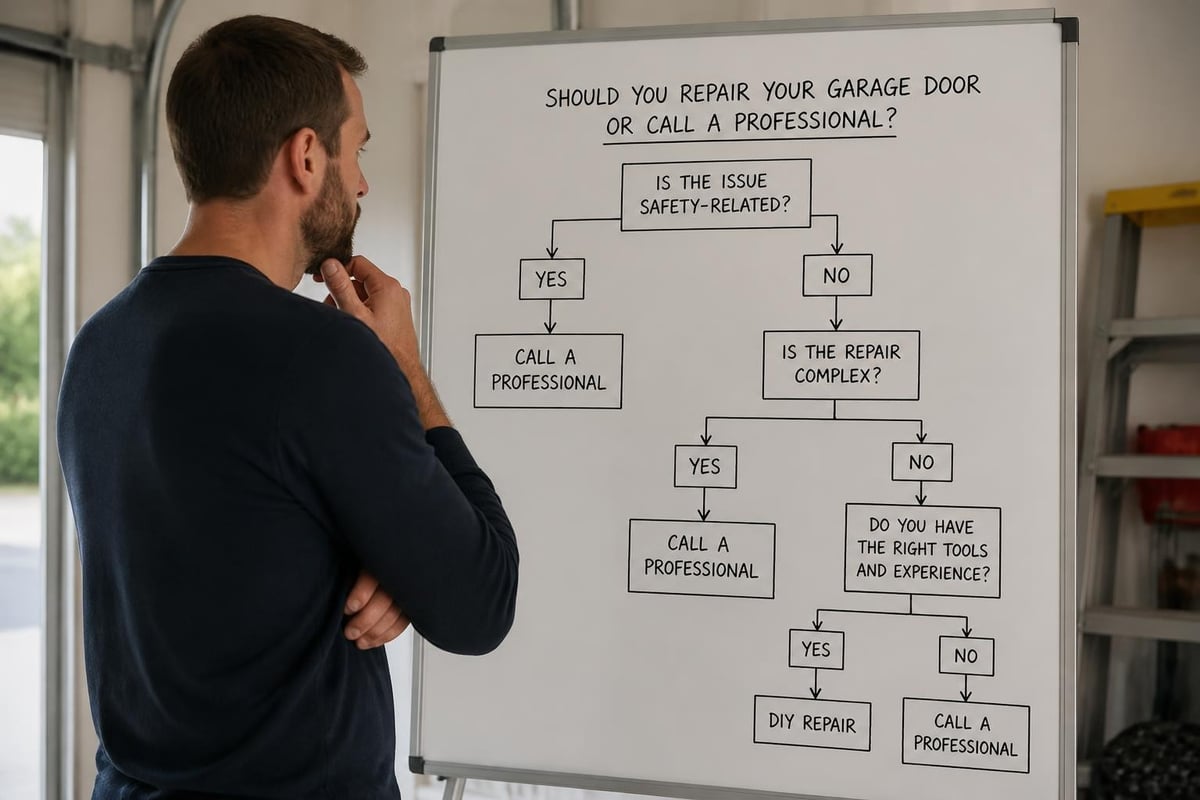
Certain open door garage repair scenarios demand professional expertise and specialized tools. Attempting these repairs yourself risks injury, property damage, and voiding warranties on recent installations.
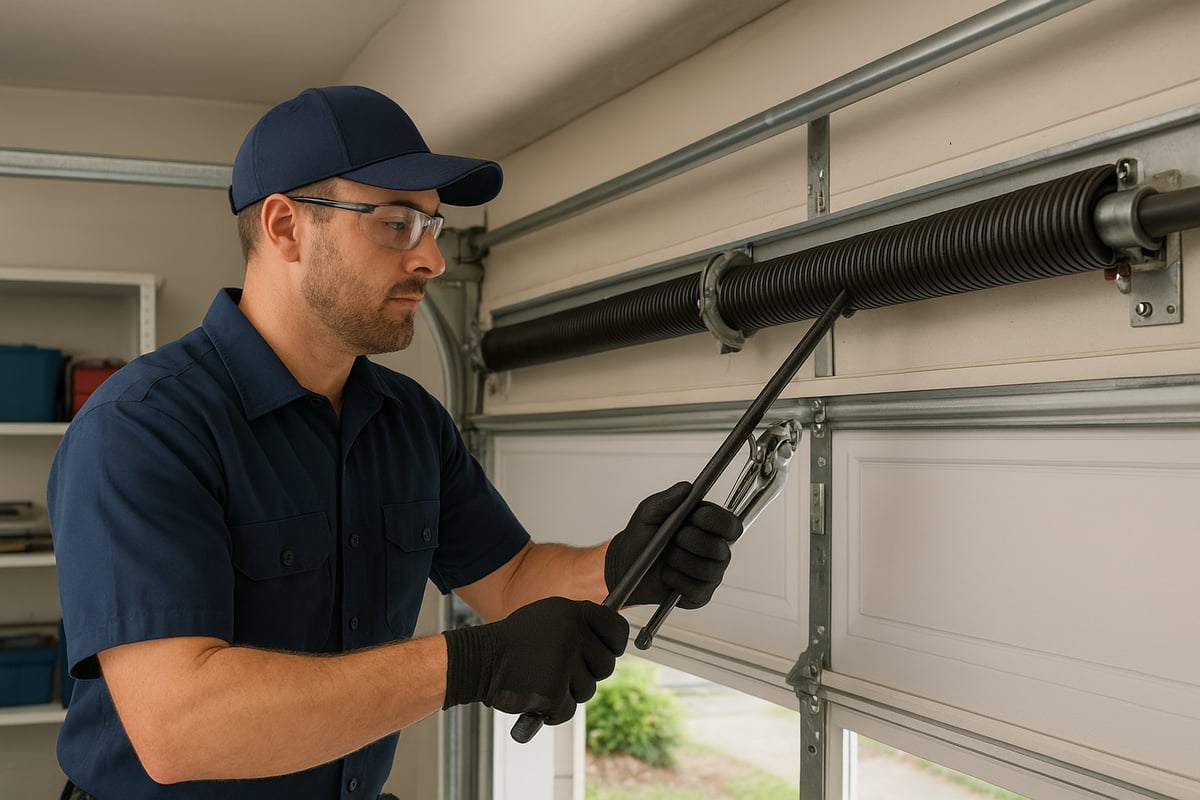
Spring replacement tops the list of repairs requiring professional service. Both torsion springs mounted above the door and extension springs running along the tracks contain dangerous tension levels. Professional technicians have the training, experience, and proper tools to safely replace these components. If your door feels extremely heavy when you try to lift it manually (after disconnecting the opener), broken springs are likely the culprit.
Cable problems also warrant professional attention. Lift cables wind around drums on either side of your door, and when they fray, break, or come off the drum, they can cause the door to hang crooked or become completely inoperable. These repairs involve the same dangerous spring tension that makes DIY attempts inadvisable.
For homeowners throughout Kitsap County dealing with persistent open door problems, Garage Door Spring Repair services restore proper balance and lifting force while ensuring your system operates safely and reliably.
Structural and Panel Damage
Bent panels, damaged sections, or structural issues preventing proper door closure require assessment by experienced technicians. Sometimes individual panels can be replaced, while severe damage may necessitate complete door replacement.
Water damage from leaks, weather exposure, or flooding can warp wooden doors or compromise the structural integrity of any door material. If your door shows signs of rot, significant warping, or panel separation, professional evaluation determines whether repair or replacement offers the best solution.
Preventive Maintenance for Avoiding Open Door Problems
Regular maintenance dramatically reduces the likelihood of open door garage repair emergencies. Implementing a consistent maintenance schedule catches small issues before they escalate into major failures.
Perform visual inspections monthly, looking for:
- Frayed cables or loose hardware
- Worn rollers or hinges
- Track alignment and cleanliness
- Weatherstripping condition
- Panel damage or deterioration
Lubrication represents the single most important maintenance task homeowners can perform. Apply silicone-based lubricant to all moving parts every six months, including hinges, rollers, springs, and tracks. This simple step reduces friction, minimizes wear, and extends component lifespan significantly.
Test your door's balance quarterly by disconnecting the opener and manually lifting the door halfway. It should stay in place when released. A door that falls or rises indicates spring tension problems requiring professional adjustment. The garage door maintenance experts emphasize this test as crucial for identifying developing issues.
Weatherproofing and Seasonal Adjustments
Temperature fluctuations affect garage door performance, especially in regions experiencing significant seasonal changes. Metal components expand in heat and contract in cold, potentially affecting alignment and operation.
Check and replace bottom weatherstripping annually to maintain proper seals. Damaged or worn seals allow water, debris, and pests to enter while reducing energy efficiency. Quality weatherstripping also prevents the door from bouncing back open due to uneven floor contact.
Clean tracks and apply fresh lubricant before winter to prevent moisture-related binding and ensure smooth operation in cold weather. If you notice your door operating slowly or struggling during cold snaps, this indicates lubrication needs or potential spring tension adjustments as metal contracts.
Advanced Diagnostic Techniques
When basic troubleshooting doesn't resolve your open door garage repair issue, more advanced diagnostic approaches help identify hidden problems. Understanding these techniques empowers you to communicate effectively with service professionals or tackle intermediate repairs with proper knowledge.
Electrical System Testing
Verify consistent power delivery to your opener by checking the outlet with another device. Intermittent electrical supply can cause erratic behavior that mimics mechanical failures. Inspect all wiring connections for corrosion, looseness, or damage from rodents.
Test the wall button by bypassing it temporarily. Disconnect the button wires from the opener terminals and touch them together briefly. If the door operates normally, the button needs replacement. This simple test eliminates the button as a potential failure point.
Examine remote controls by verifying the opener's learn button functionality. If multiple remotes fail simultaneously while the wall button works, the receiver board inside the opener may require service or replacement.
Mechanical Component Assessment
Listen carefully to sounds during operation attempts. Grinding noises suggest bearing failure or severe lubrication deficiency. Popping or snapping sounds often indicate spring problems. Scraping sounds point to track misalignment or roller damage.
Watch the door's movement pattern closely. Does it bind at specific positions? Does one side travel faster than the other? Uneven movement indicates cable tension imbalance, track misalignment, or unequal spring tension requiring professional balancing.
Check roller condition by examining each one individually. Worn rollers develop flat spots, crack, or seize up entirely. Replacing rollers represents a moderate-difficulty task that significantly improves operation when they show wear.
Cost Considerations and Value Analysis
Understanding typical repair costs helps you budget appropriately and make informed decisions about repair versus replacement. Open door garage repair expenses vary widely based on the underlying cause and required parts.
| Repair Type | Typical Cost Range | DIY Feasibility |
|---|---|---|
| Sensor realignment | $0-$75 | High |
| Roller replacement | $85-$200 | Moderate |
| Spring replacement | $150-$350 | Low (dangerous) |
| Cable repair | $150-$300 | Low (dangerous) |
| Track replacement | $200-$500 | Moderate |
| Opener replacement | $300-$600 | Moderate |
Factor in the age and overall condition of your door when deciding between repair and replacement. A door approaching 15-20 years old with multiple failing components may warrant replacement rather than investing in extensive repairs. Modern doors offer improved insulation, quieter operation, and enhanced security features that add long-term value.
Consider the security implications of delayed repairs. An inoperable door leaves your property vulnerable to theft, weather damage, and pest intrusion. The cost of prompt professional repair typically proves far less than losses from extended exposure or injury from DIY attempts on dangerous components.
Professional Service Selection Criteria
Choosing the right garage door service company ensures quality repairs that last. Research local providers thoroughly, checking reviews, credentials, and experience levels before committing to service.
Verify proper licensing and insurance coverage. Professional garage door companies carry both liability insurance and workers' compensation to protect homeowners from accidents during repair work. Request proof of coverage before allowing work to begin.
Key qualifications to seek include:
- Industry certifications from recognized organizations
- Minimum five years of experience with various door types
- Transparent pricing with written estimates
- Warranty coverage on parts and labor
- Local presence with verifiable references
Ask about response times for emergency open door garage repair situations. Companies serving your area should offer same-day or next-day service for urgent security issues like doors stuck open. Establishing a relationship with a reliable service provider before emergencies arise ensures faster response when problems occur.
Read customer reviews carefully, paying attention to comments about communication, punctuality, and work quality. Companies that consistently demonstrate professionalism and expertise earn positive reputations in their communities. For homeowners seeking reliable service, researching on-time garage door repair options in your area provides peace of mind.
Energy Efficiency and Open Door Concerns
A garage door stuck open creates immediate energy efficiency problems, especially for homes with attached garages. The open door allows conditioned air to escape while letting outdoor temperatures affect your home's climate control systems.
Modern insulated garage doors provide R-values between 6.5 and 18.4, significantly reducing heat transfer between your garage and the outside environment. When these doors fail to close properly, you lose this thermal barrier entirely. According to energy efficiency experts, garage doors can account for substantial heating and cooling losses.
Beyond immediate temperature concerns, prolonged open door situations expose stored items to temperature fluctuations, humidity, and potential weather damage. Vehicles, tools, sporting equipment, and other garage contents suffer accelerated deterioration from uncontrolled environmental exposure.
Address energy loss by ensuring prompt resolution of open door garage repair issues. Even temporary solutions like manually closing and securing the door until professional repairs can be scheduled provide better protection than leaving the opening completely exposed.
Smart Technology Integration
Modern garage door systems increasingly incorporate smart technology that affects troubleshooting and repair approaches. Smart openers connect to home WiFi networks, allowing remote operation and monitoring through smartphone applications.
These advanced systems provide diagnostic information that simplifies open door garage repair troubleshooting. Many apps display error codes, operation history, and component status that help identify problems without manual inspection. Check your opener's app for alerts or warnings that might explain why your door won't close.
Smart sensors can also malfunction, creating unique troubleshooting challenges. WiFi connectivity issues may prevent remote closing while the door operates normally using wall buttons or traditional remotes. Reset your opener's WiFi connection and verify your home network status before assuming mechanical problems.
Battery backup systems in smart openers require periodic replacement. A depleted backup battery sometimes triggers safety features that prevent closing, particularly during power outages. Check battery status through your control panel or app to rule out this simple solution.
Long-Term System Planning
Even after successfully resolving immediate open door garage repair issues, consider your system's long-term trajectory. Garage doors have finite lifespans, and understanding when repair investments no longer make financial sense helps you plan accordingly.
Track repair frequency and costs over time. If you're addressing significant problems annually or spending more than 30% of a new door's cost on repairs, replacement becomes the more economical choice. Modern doors also offer improved safety features, better insulation, and enhanced aesthetics that add value beyond basic functionality.
Evaluate your door's compatibility with current usage patterns. Has your family grown, requiring larger vehicle access? Do you use your garage as a workshop or hobby space needing better climate control? These evolving needs might justify upgrading to a door with features better suited to your current lifestyle.
Consider coordinating door replacement with other home improvement projects for maximum efficiency and value. If you're planning exterior renovations, updating landscaping, or repainting your home, simultaneous door replacement ensures cohesive aesthetics while potentially reducing overall project costs through combined contractor scheduling.
Addressing open door garage repair issues promptly protects your property, maintains energy efficiency, and ensures the safety of your household. While some troubleshooting steps and minor repairs fall within typical homeowner capabilities, recognizing when professional expertise becomes necessary prevents dangerous situations and ensures lasting solutions. Whether you're facing sensor misalignment, spring failure, or opener malfunction, NextLevel Garage Co. brings experienced technicians and quality workmanship to resolve your garage door challenges throughout Kitsap County. Contact our team today for reliable service that gets your door operating safely and smoothly again.