

Panel doors have been a staple of residential and commercial architecture for centuries, offering both structural integrity and aesthetic appeal. Whether you're dealing with a traditional six-panel entry door, a garage side door, or interior doors throughout your home, understanding the fundamentals of panel door repairs can save you significant time and money. These classic doors, characterized by their frame-and-panel construction with vertical stiles, horizontal rails, and inset panels, are prone to specific types of damage that require specialized repair techniques. This comprehensive guide explores the most common issues, professional repair methods, and preventive strategies to keep your panel doors functioning smoothly for decades.
Understanding Panel Door Construction and Common Damage
Before tackling any repair project, it's essential to understand how panel doors are built. The traditional frame consists of vertical stiles (the outer edges) and horizontal rails (top, bottom, and middle sections) that create a rigid framework. The panels themselves float within grooves routed into the frame, allowing for seasonal wood movement without cracking.
Types of Panel Door Damage
Panel door repairs typically fall into several distinct categories based on the underlying cause and location of the damage:
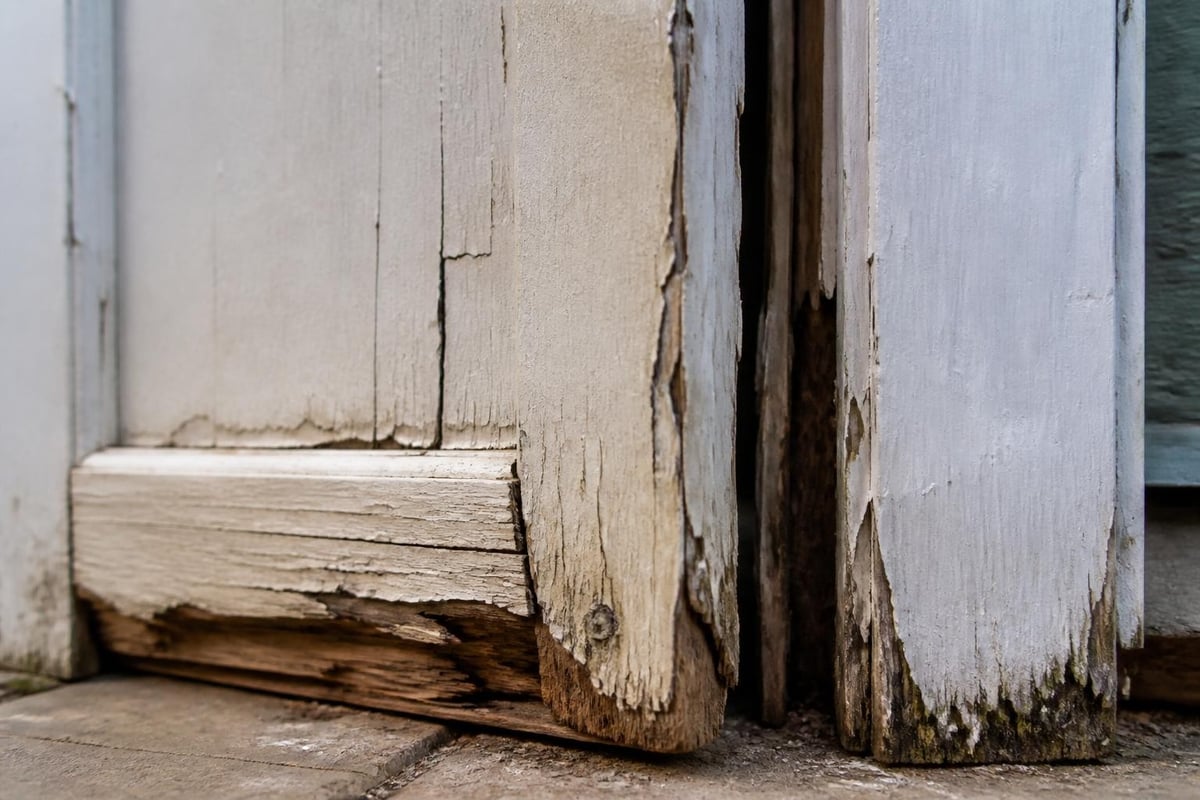
- Bottom rail rot caused by water exposure and inadequate weatherproofing
- Panel cracks from impact, structural settling, or excessive drying
- Loose or separated joints where stiles meet rails
- Warping due to moisture imbalance or improper installation
- Hardware damage including stripped screw holes and broken locksets
- Surface deterioration such as peeling paint, veneer delamination, or finish breakdown
The severity and location of damage determine whether repair or replacement makes economic sense. Generally, cosmetic issues and localized damage respond well to repair, while structural failure across multiple components often justifies replacement.
Material Considerations in Repair Planning
Modern panel doors come in several material categories, each requiring specific repair approaches:
| Material Type | Common Issues | Repair Difficulty | Typical Lifespan |
|---|---|---|---|
| Solid wood | Rot, warping, joint failure | Moderate to high | 30-50+ years |
| Engineered wood | Moisture damage, delamination | Moderate | 15-30 years |
| Fiberglass | Surface cracks, dents | Low to moderate | 25-40 years |
| Steel panel | Rust, dents, paint failure | Moderate | 20-35 years |
Wood doors dominate the repair conversation because they remain the most popular choice for residential applications and offer the greatest repair flexibility. When working with garage door systems, understanding material properties becomes even more critical due to environmental exposure.
Essential Tools and Materials for Panel Door Repairs
Professional-grade panel door repairs require a specific toolkit that goes beyond basic carpentry equipment. Having the right supplies on hand ensures repairs hold up under daily use and environmental stress.
Core Repair Toolkit
Your panel door repair arsenal should include precision measuring tools (combination square, level, and tape measure), wood-working tools (block plane, chisels, and Japanese pull saw), fastening equipment (drill/driver with countersink bits, clamps), and finishing supplies (sanders, brushes, and quality primers).
For structural repairs, you'll need specialized materials including:
- Two-part epoxy wood filler for rotted sections
- Marine-grade wood glue for joint repairs
- Biscuits or dowels for reinforcing separated joints
- Dutchman patches (fitted wood inserts) for larger damaged areas
- Exterior-grade wood preservative and primer systems
- Matching hardwood stock for component replacement
The National Park Service provides authoritative guidance on appropriate materials for historic wood door preservation that applies equally well to modern residential repairs.
Safety and Workspace Preparation
Panel door repairs often involve removing the door from its hinges, which requires adequate workspace and proper support. A pair of sawhorses with padded surfaces prevents additional damage during repair work. Always wear appropriate safety equipment including dust masks when sanding, safety glasses during cutting operations, and gloves when handling chemical wood treatments or epoxy compounds.
Step-by-Step Panel Door Repair Techniques
Different types of damage require specific repair protocols. The following techniques represent industry-standard approaches used by professional contractors throughout Kitsap County and beyond.
Repairing Rotted Bottom Rails
Bottom rail rot represents the most common structural issue in exterior panel doors. Water infiltration at the threshold allows decay fungi to colonize the end grain, progressively weakening the door's structural integrity.
Assessment and preparation: Remove the door and examine the extent of rot using an awl or screwdriver to probe suspect areas. Solid wood resists penetration, while rotted wood feels soft and crumbles easily. Minor rot (less than 25% of rail cross-section) can be consolidated with epoxy; extensive damage requires Dutchman replacement.
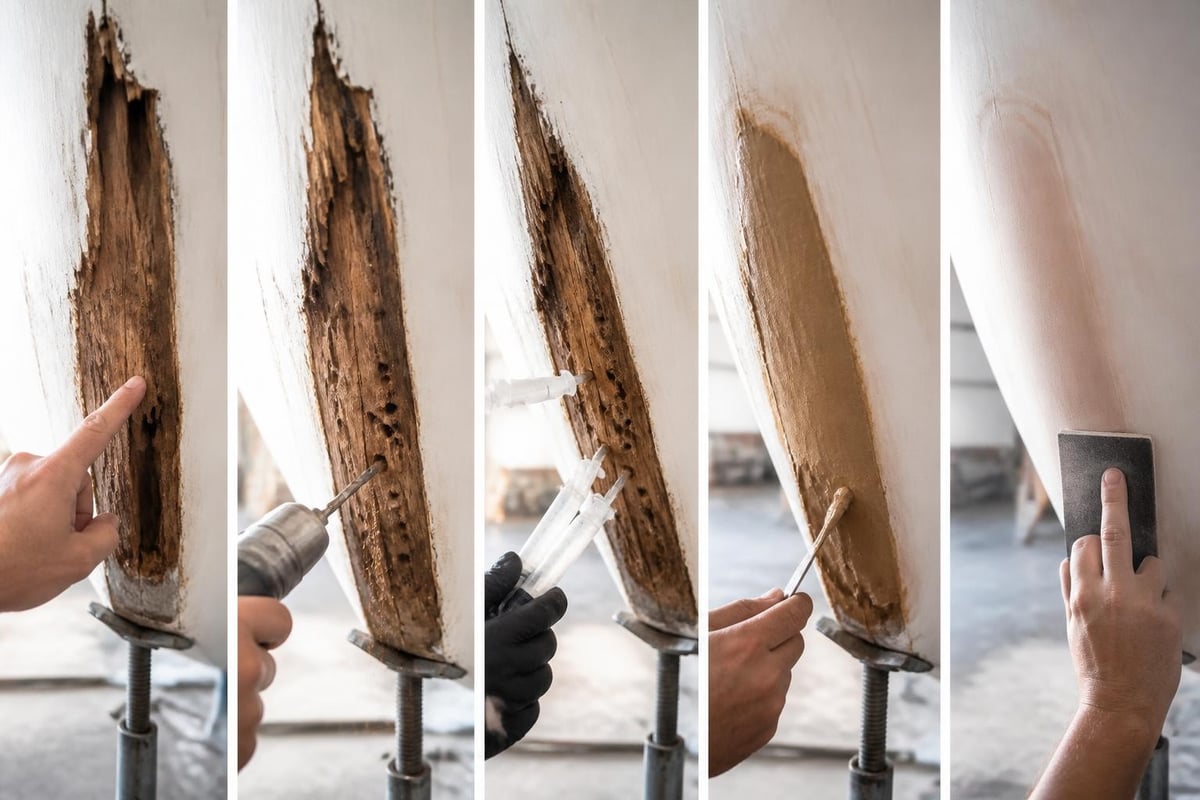
Epoxy consolidation method works well for early-stage rot:
- Drill multiple 1/4-inch holes into rotted areas to increase epoxy penetration
- Inject liquid epoxy consolidant until wood won't accept more
- After curing (24-48 hours), drill out remaining soft material
- Fill voids with two-part epoxy wood filler, overfilling slightly
- Shape with planes, chisels, and sanders once cured
- Prime and paint to match existing finish
For advanced rot, professional door repair techniques recommend cutting out the damaged section and splicing in new wood using scarf joints or mechanical fasteners.
Fixing Cracked or Split Panels
Panel cracks develop from impact damage, excessive drying, or structural movement. The floating panel design should accommodate wood movement, but restraints from paint bridging or improper installation can cause splitting.
Minor crack repair: Clean out the crack with compressed air, inject wood glue deep into the split using a syringe applicator, clamp from both sides with padded cauls, and allow 24 hours curing time. Once dry, fill any remaining gaps with flexible wood filler designed for exterior use.
Major panel replacement: When panels split extensively or the repair would be visually unacceptable, replacement becomes necessary. Carefully remove trim molding around the affected panel, push the panel out from its grooves (or gently pry if paint-bound), cut a new panel to match thickness and dimensions, test-fit with clearance for movement, and secure with panel adhesive or small brads through trim.
Tightening Loose Joints
Stile-to-rail joints endure tremendous stress from repeated opening and closing. Traditional mortise-and-tenon joints can loosen over time, creating gaps and allowing the door to rack out of square.
- Disassemble the joint if possible by carefully separating glued components
- Clean old adhesive from both mortise and tenon surfaces
- Apply fresh marine-grade wood glue to all mating surfaces
- Reassemble and clamp with bar clamps, checking diagonal measurements for square
- Allow extended curing time (48-72 hours) under clamping pressure
When disassembly isn't feasible, inject glue into gaps using a syringe, then drill through the joint at an angle and install draw-bore dowels to pull components tight. This technique provides mechanical reinforcement beyond adhesive alone.
Addressing Warping and Alignment Issues
Warped panel doors frustrate homeowners because they stick, bind, or fail to latch properly. Warping results from moisture imbalance between door faces or improper storage during manufacture.
Diagnosis and Correction Methods
Troubleshooting door sticking and binding requires systematic assessment of the door-to-frame relationship. Use a straightedge along all four edges to identify where the door bows or twists. Mark high spots with chalk or pencil.
Minor warping correction (less than 1/8 inch):
- Remove the door and plane or sand high spots
- Adjust strike plate position to accommodate slight bowing
- Install additional or longer screws in hinges to pull door closer to frame
- Apply moisture barrier finish to unfinished edges
Moderate warping (1/8 to 1/4 inch) may respond to controlled moisture application. Lightly mist the concave (inward-bowing) face with water, place weights on the high spots, and allow slow drying in controlled conditions. This traditional technique occasionally succeeds but offers no guarantees.
Severe warping typically exceeds economical repair limits. The door has fundamentally failed, and replacement becomes the practical solution.
Weatherproofing and Preventive Maintenance
The majority of panel door repairs stem from preventable water damage. Implementing proper weatherproofing strategies eliminates the conditions that lead to rot, warping, and finish failure.
Critical Weatherproofing Details
Proper door flashing and waterproofing creates the first line of defense against moisture infiltration. Key elements include head flashing that diverts water away from the top of the door frame, sill pans that collect and drain any water that enters the threshold area, and properly sealed jamb-to-wall transitions using flexible sealants.
Best practices for long-term protection:
- Maintain 6-inch minimum clearance between door bottom and grade
- Apply quality exterior primer to all six sides before installation
- Use exterior-grade top coats (paint or stain/sealer systems) appropriate to exposure
- Inspect and refresh caulk joints annually at frame perimeter
- Ensure gutters and downspouts direct water away from door areas
For garage applications, side doors connecting to living spaces require special attention since they bridge climate zones. Regular maintenance prevents costly repairs and extends service life significantly.
Finish Maintenance Schedule
Proper finish maintenance prevents the underlying wood damage that drives major panel door repairs:
| Climate Zone | Paint Inspection | Paint Renewal | Stain/Sealer |
|---|---|---|---|
| Protected overhang | Every 2 years | 8-10 years | 3-4 years |
| Partial weather exposure | Annually | 5-7 years | 2-3 years |
| Full sun/weather | Every 6 months | 3-5 years | 1-2 years |
Catching finish failures early prevents water from reaching bare wood, where decay begins.
Hardware Repair and Upgrade Considerations
Panel door repairs often coincide with hardware problems since both reflect the door's overall condition and age. Addressing hardware issues during structural repairs makes economic sense.
Common Hardware Failures
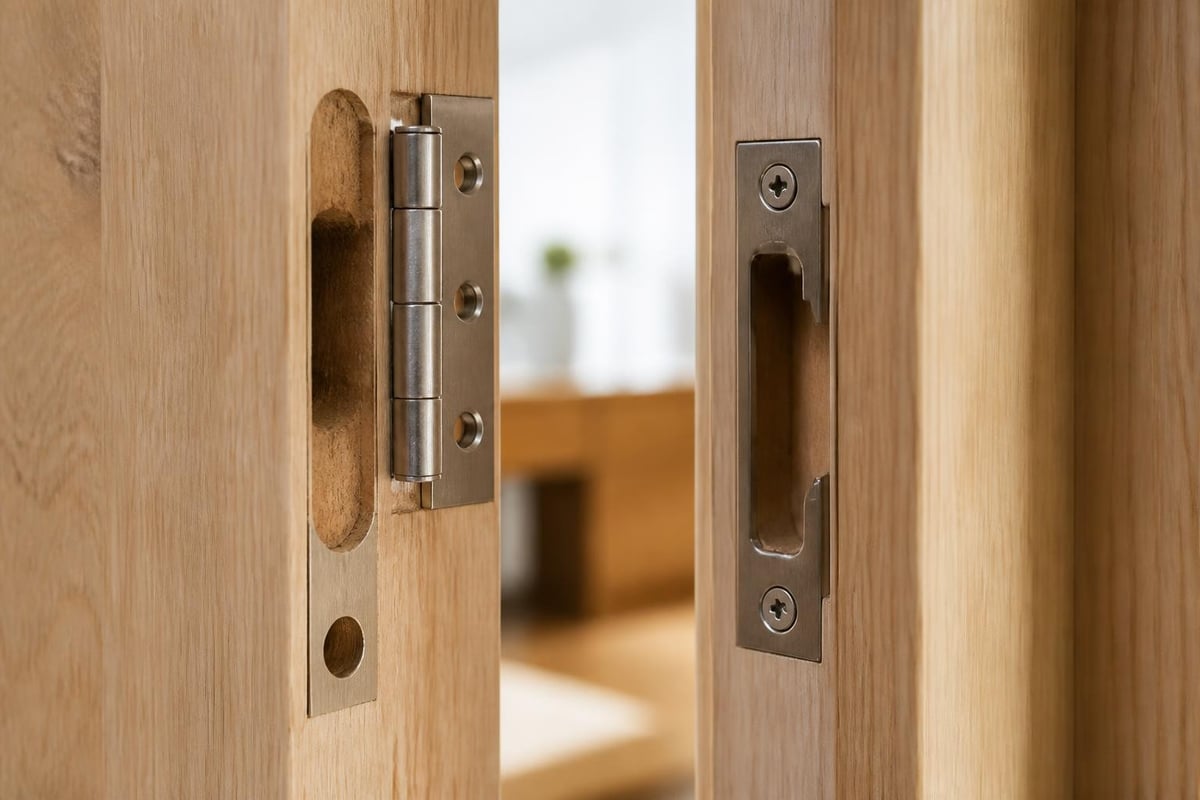
Lockset problems, hinge wear, and stripped mounting holes develop over years of use. Stripped screw holes in both hinges and strike plates compromise security and door operation. Repair involves removing existing hardware, filling holes with glue-soaked hardwood dowels or toothpicks, allowing complete drying, and re-drilling pilot holes at proper size for hardware screws.
Upgrading to modern hardware during repairs offers improved security and functionality. However, maintain the original mortise sizes when possible to preserve door integrity. Oversized mortises weaken the stile or rail structure.
Integration with Garage Door Systems
For garage side doors and access doors, coordinating panel door repairs with overall garage door maintenance ensures the entire system functions cohesively. Weather-sealing between conditioned and unconditioned spaces becomes particularly important in garage applications.
If your garage features overhead panel doors requiring service, coordinating timing with side door repairs minimizes disruption. Professional teams can address both elements during a single service visit, improving efficiency.
Professional vs. DIY Panel Door Repairs
Deciding whether to tackle panel door repairs yourself or hire professionals depends on several factors including damage severity, your skill level, tool availability, and time constraints.
When DIY Makes Sense
Homeowners with basic carpentry skills and patience can successfully complete many panel door repairs. Good candidates for DIY include minor surface repairs, simple hardware replacement, painting and refinishing, and non-structural crack filling.
Required skill competencies:
- Accurate measuring and layout
- Hand tool proficiency (planes, chisels, saws)
- Understanding wood movement and grain direction
- Patience for multi-stage repairs with curing time
The learning curve for panel door repairs offers valuable skills that translate to other home improvement projects. Starting with minor repairs builds confidence for more complex work.
When to Call Professionals
Complex structural repairs, complete door replacement, code compliance issues, and warranty concerns all favor professional service. Licensed contractors bring specialized tools, proven techniques, and insurance coverage that protects homeowners from liability.
Professional garage door installation and repair services handle panel door work alongside overhead door systems, offering comprehensive solutions for garage access points. Their experience with weather exposure and code requirements ensures repairs meet professional standards.
Homeowners in Kitsap County benefit from local contractors familiar with Pacific Northwest weather patterns and the specific challenges they create for wood doors. Regional expertise matters significantly for long-term repair success.
Cost Analysis and Budget Planning
Understanding panel door repair costs helps homeowners make informed decisions about repair versus replacement. Prices vary significantly based on damage severity, material selection, and whether you hire professionals.
Typical Repair Cost Ranges (2026)
DIY material costs:
- Minor crack repair: $15-40 (wood filler, glue, sandpaper)
- Bottom rail epoxy repair: $75-150 (epoxy system, tools, finish)
- Complete panel replacement: $50-200 (materials, depends on panel type)
- Full refinishing: $100-250 (strippers, primers, paints, supplies)
Professional service rates:
- Basic service call and assessment: $75-150
- Minor repairs (per door): $150-350
- Structural repairs (bottom rail, joints): $300-600
- Complete restoration: $500-1,200
- Full replacement vs. repair decision point: typically around $800-1,000
When repair costs approach 60-70% of replacement cost, replacement often provides better long-term value. However, historic doors, custom designs, or architecturally significant examples justify higher repair investments.
Code Compliance and Building Standards
Panel door repairs must meet current building codes, particularly for exterior doors serving as egress points. Understanding these requirements prevents costly corrections and ensures safety.
Key Code Considerations
Building code requirements for wood doors address fire ratings for certain applications, egress door dimensions and swing direction, landing and threshold requirements, and hardware specifications (knob height, operation force, panic hardware where required).
Repairs that alter door dimensions, swing direction, or structural capacity may trigger permit requirements. Check with local building departments before starting work that modifies the door's original configuration.
Fire-rated doors require special consideration. Any repair that compromises the fire rating label voids the door's certification. Maintaining fire ratings typically requires complete door replacement rather than field repairs.
Proper Repair Documentation
For rental properties, commercial applications, or resale purposes, documenting panel door repairs provides proof of proper maintenance. Photograph damage before and after repairs, retain receipts for materials and professional services, note repair dates and methods used, and keep copies of any permits or inspections.
This documentation demonstrates proper property stewardship and can positively influence property valuations and insurance claims if future damage occurs.
Regional Considerations for Pacific Northwest Homes
Panel door repairs in Kitsap County and surrounding areas face unique challenges from the marine climate. High humidity, persistent rainfall, and moderate temperatures create ideal conditions for wood decay.
Climate-Specific Repair Strategies
Pacific Northwest door repairs require enhanced moisture management beyond standard practices. Use only marine-grade adhesives and exterior-rated wood fillers, apply vapor-permeable finishes that allow trapped moisture to escape, ensure adequate ventilation around door frames, and install drip caps and flashing even on covered entries.
The region's mild winters mean freeze-thaw cycling causes less damage than in continental climates, but constant moisture exposure accelerates biological decay. Choosing naturally decay-resistant species (cedar, redwood) for Dutchman repairs and replacement components improves longevity.
Local building practices evolved to address these conditions. Upgrading garage spaces and access points should incorporate these regional best practices to prevent recurring problems.
Marine Environment Challenges
Properties near Puget Sound face additional corrosion challenges from salt air. Hardware selection becomes critical-choose marine-grade stainless steel fasteners and hinges, apply corrosion-resistant coatings to locksets, and inspect hardware frequently for early rust formation.
The investment in upgraded materials pays dividends through reduced maintenance frequency and longer service intervals between major repairs.
Integrating Panel Door Repairs with Overall Garage Improvements
When panel door repairs become necessary on garage side doors or access panels, homeowners often discover this presents an opportunity to address other garage maintenance needs simultaneously.
Coordinating multiple projects reduces overall disruption and often yields cost savings through combined service calls. If your garage side door requires panel repair, consider scheduling concurrent work on overhead door systems, opener maintenance, or other deferred projects.
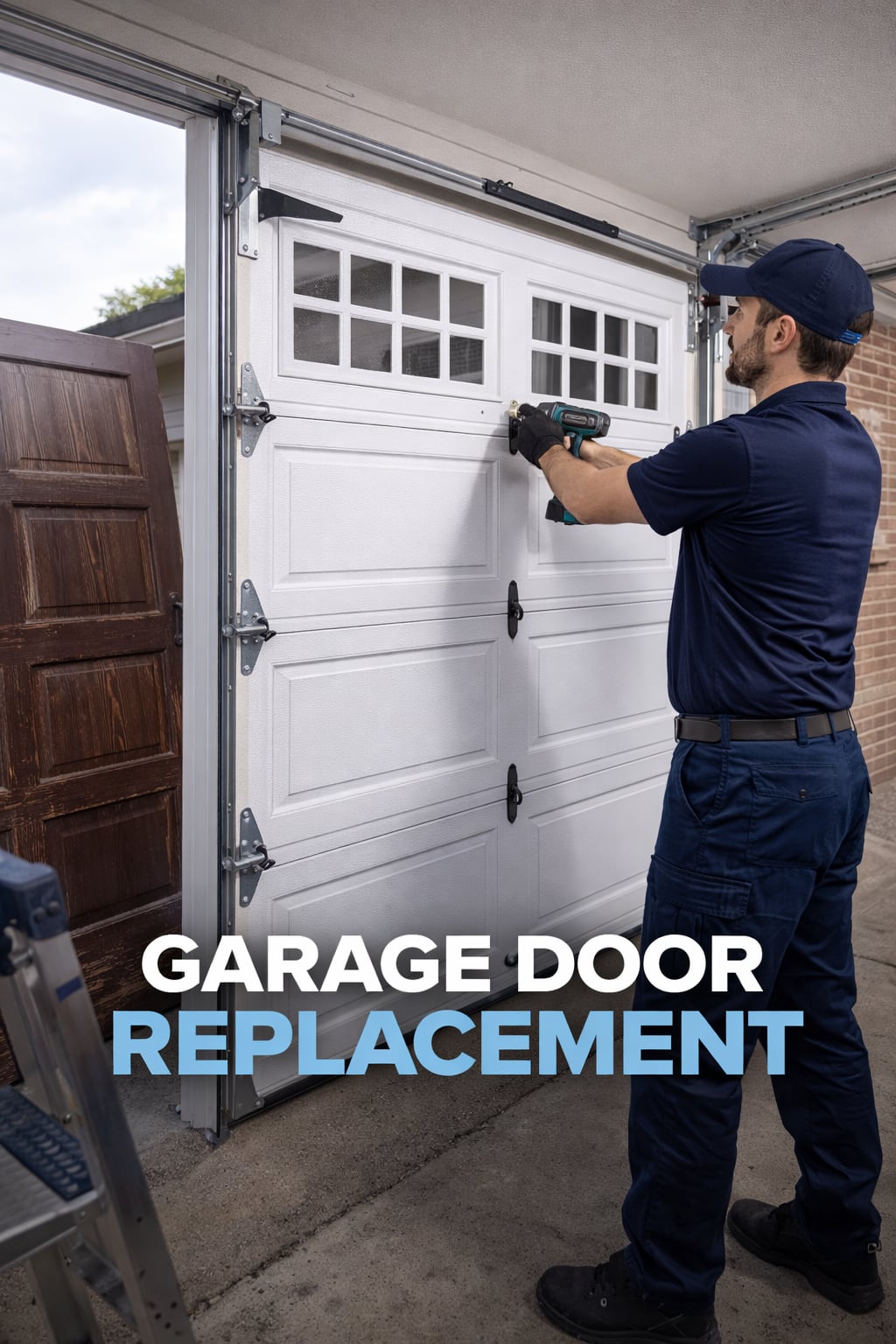
For properties with aging garage door systems, the decision point between repairing an old panel door versus upgrading to a new, energy-efficient entry often depends on the overall garage improvement plan. Garage Door Installation services can help evaluate whether replacing a deteriorated side door as part of a comprehensive garage upgrade delivers better value than incremental repairs.
Material Matching and Aesthetic Consistency
When repairing one door in a multi-door garage complex, maintaining visual consistency becomes important. Match wood species, panel configuration, and finish appearance to existing doors unless you're planning a complete aesthetic update.
Professional contractors maintain relationships with suppliers who can source matching materials for repairs or coordinate complete door replacement to maintain uniform appearance across all garage access points.
Advanced Repair Techniques for Historic or Custom Doors
High-value doors including historic panel doors, custom-milled designs, and architectural antiques justify advanced repair techniques beyond standard approaches. These methods preserve original material while restoring structural integrity.
Preservation-Focused Repair Methods
Conservation specialists employ sophisticated techniques for valuable doors including steam bending to correct warping, hot hide glue for period-appropriate joinery, hand-cut Dutchman patches matched to original grain and color, and traditional finishing materials (linseed oil, milk paint).
These methods require specialized skills but produce repairs nearly invisible to the trained eye. Repairing damaged door components using traditional joinery maintains the door's historic integrity while ensuring continued function.
For homeowners with architecturally significant properties, consulting preservation specialists before starting repairs ensures appropriate techniques that maintain historic value. The Washington State Department of Archaeology and Historic Preservation maintains lists of qualified contractors experienced in period-appropriate repair methods.
Custom Milling and Component Replication
When original components are beyond repair, custom millwork shops can replicate stiles, rails, and panels to match existing profiles exactly. This service costs more than standard repairs but preserves the door's unique character.
Provide millwork shops with sample pieces whenever possible, along with detailed measurements and photographs. Computer-controlled routers and shapers can reproduce complex profiles with high accuracy, creating seamless replacements.
Panel door repairs represent an investment in your property's longevity, security, and aesthetic appeal. Whether addressing minor finish issues or tackling structural rot, understanding proper techniques and materials ensures repairs that last. For homeowners throughout Kitsap County facing panel door challenges, whether on garage side doors or main entries, NextLevel Garage Co. brings professional expertise and quality workmanship to every project. Our team understands the unique demands of Pacific Northwest marine climates and delivers repairs built to withstand years of service.