

Garage door malfunctions never happen at convenient times. Whether you're rushing to work or trying to secure your home for the night, a stuck or malfunctioning garage door creates immediate stress and security concerns. Understanding quick fix garage door repair solutions empowers homeowners throughout Kitsap County to address minor issues promptly while recognizing when professional intervention becomes necessary. The key lies in knowing which repairs you can safely handle yourself and which require the expertise of trained technicians to ensure both functionality and safety.
Understanding Common Garage Door Problems
Most garage door issues fall into predictable categories that homeowners can learn to identify quickly. Mechanical failures, electrical malfunctions, and safety feature disruptions account for the majority of emergency calls to garage service companies.
Identifying the Source of the Problem
The first step in quick fix garage door repair involves systematic diagnosis. Start by observing whether the door moves at all, makes unusual sounds, or stops at specific points during operation.
Common symptoms and their typical causes include:
- Door won't open or close: Broken springs, disconnected opener, or power failure
- Door reverses immediately: Misaligned safety sensors or incorrect force settings
- Grinding or scraping noises: Worn rollers, damaged tracks, or insufficient lubrication
- Door closes too quickly: Broken or improperly balanced springs
- Remote doesn't work: Dead batteries, antenna issues, or programming problems
Visual inspection reveals many issues before you attempt any hands-on repair. Look for gaps between door sections, bent tracks, frayed cables, or springs that appear stretched or broken. According to DASMA’s maintenance guide, monthly visual inspections catch most problems before they become emergencies.
Safety Sensors and Photo Eyes
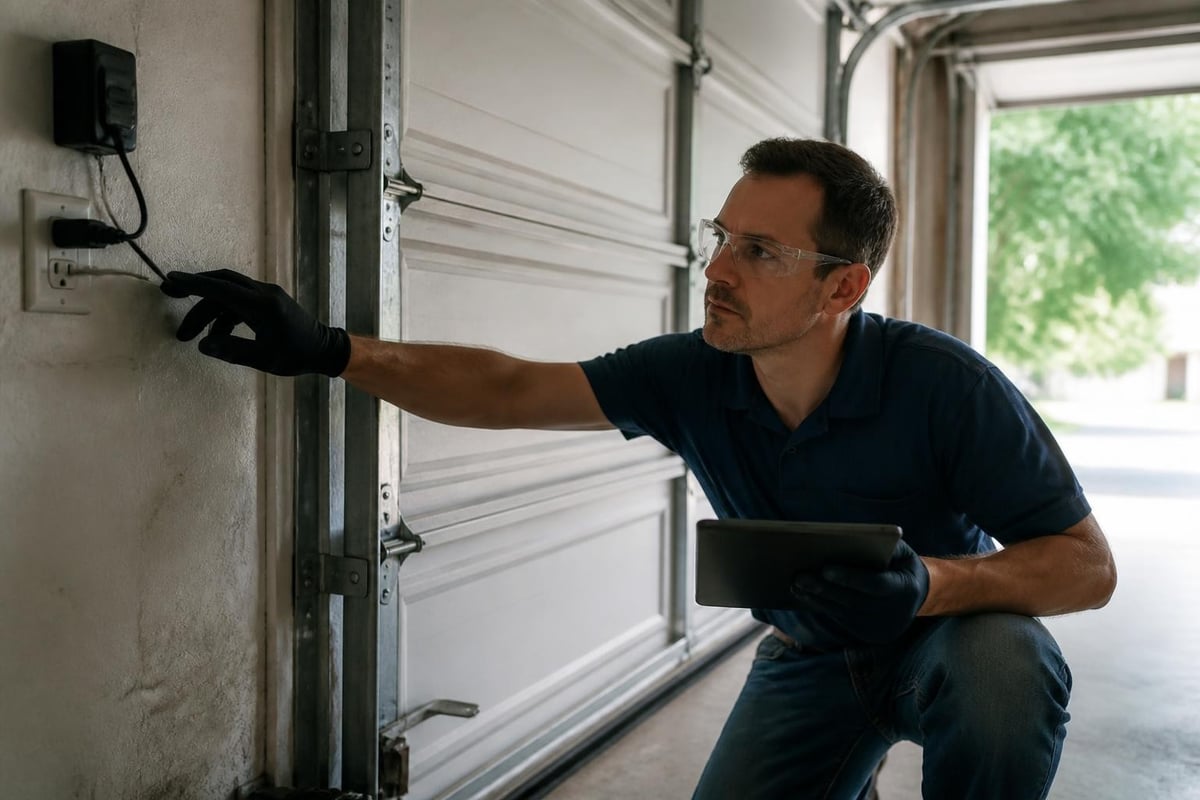
Modern garage doors equipped with automatic openers include safety sensors that prevent the door from closing on objects or people. These photo-eye sensors sit approximately six inches above the ground on each side of the door opening.
When sensors malfunction, your door may refuse to close or reverse immediately after starting. Quick fix garage door repair for sensor issues often involves simple solutions:
- Clean the lenses with a soft, dry cloth to remove dust, cobwebs, or debris
- Check alignment by ensuring both sensors point directly at each other
- Inspect wiring for loose connections or visible damage
- Test the LED lights on each sensor to confirm power and alignment
The UL 325 standard governs these safety features, making them mandatory on all residential garage door openers manufactured since 1993. Never bypass or disable these critical safety systems.
DIY Quick Fixes You Can Safely Perform
Certain garage door repairs fall within the skill range of most homeowners and require only basic tools and supplies. These quick fix garage door repair tasks address common problems without exposing you to the high-tension components that pose serious injury risks.
Lubricating Moving Parts
Proper lubrication stands as one of the most effective preventive maintenance tasks and solves many minor issues immediately. Apply silicone-based or lithium-based garage door lubricant to:
- Hinges between door sections
- Roller bearings (not the plastic wheels)
- Torsion springs (center shaft)
- Track curves and bends
- Lock mechanism
Avoid using WD-40 or similar penetrating oils, which attract dust and degrade over time. Quality garage door lubricant reduces friction, minimizes noise, and extends component life significantly.
Track Alignment and Debris Removal
Misaligned tracks cause the door to bind, make excessive noise, or stop moving altogether. Minor track adjustments represent safe quick fix garage door repair work for homeowners.
| Issue | Quick Fix Solution | Tools Needed |
|---|---|---|
| Debris in tracks | Vacuum or wipe clean | Vacuum, cloth |
| Small dents | Tap gently with rubber mallet | Rubber mallet |
| Loose mounting brackets | Tighten bolts | Socket wrench |
| Minor misalignment | Loosen brackets, adjust, retighten | Level, wrench |
Never attempt to straighten severely bent tracks yourself. Replacement by professionals ensures proper door operation and prevents additional damage.
Remote and Keypad Troubleshooting
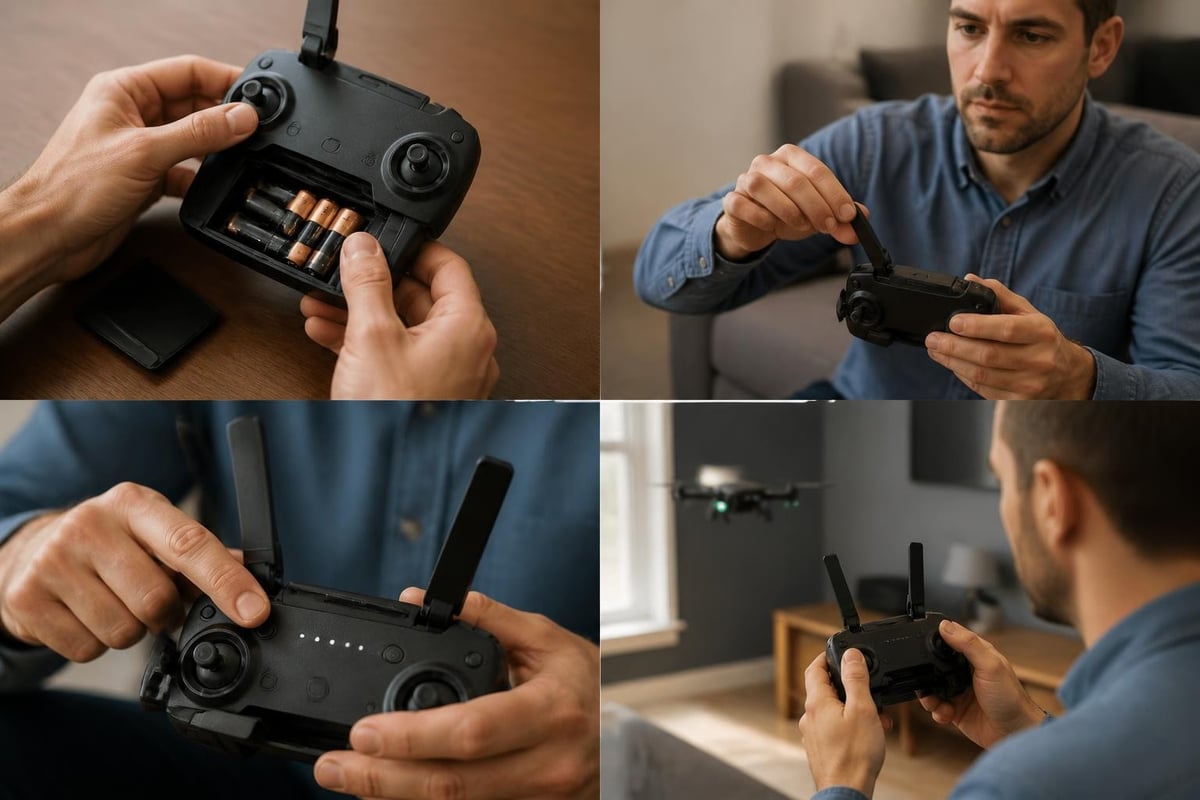
When your garage door opener responds to the wall button but not the remote, you're likely dealing with a simple electronics issue rather than a mechanical problem. This Old House provides detailed opener troubleshooting steps that homeowners can follow safely.
Battery replacement solves most remote control issues. If new batteries don't restore function, try reprogramming the remote according to your opener's manual. Keypads may require cleaning of the buttons or battery compartment contacts.
When to Call Professional Technicians
Recognizing the limits of safe DIY repair protects both your safety and your investment. Certain garage door components operate under extreme tension and pose serious injury or death risks when handled improperly.
High-Tension Spring Systems
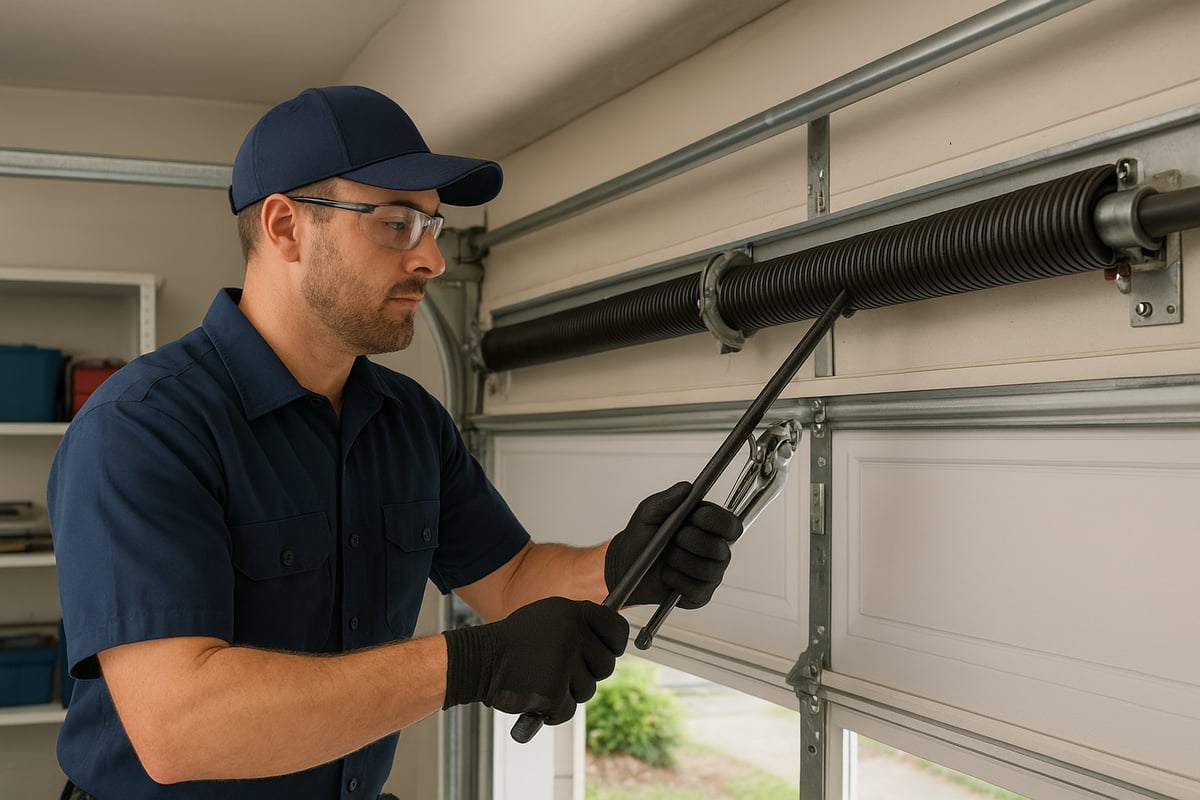
Never attempt to repair or replace garage door springs yourself. Torsion springs above the door and extension springs along the tracks store enough energy to cause catastrophic injuries. These components account for numerous emergency room visits annually.
Professional technicians use specialized tools and follow strict safety protocols when handling spring systems. The DASMA safety guide explicitly states that spring replacement should only be performed by trained door systems technicians.
For homeowners dealing with spring failures, Garage Door Spring Repair services restore proper balance and lifting force while eliminating safety risks. Professional spring repair ensures smooth operation and reduces strain on your opener motor.
Cable and Drum Repairs
Lift cables work in conjunction with springs to raise and lower your door safely. When cables fray, slip off drums, or break completely, the door becomes unstable and extremely dangerous.
Warning signs that require immediate professional attention:
- Visible fraying or broken cable strands
- Door hangs crooked or lopsided
- Cables hang loose on one or both sides
- Door drops suddenly or feels very heavy
Cable repairs involve high-tension adjustments that only trained technicians should perform. Attempting quick fix garage door repair on cable systems without proper training and tools frequently results in additional damage and injury.
Opener Motor and Drive System Issues
While simple opener troubleshooting fits within DIY capabilities, internal motor repairs and drive mechanism replacements require professional expertise. Modern garage door openers contain sophisticated electronics, safety sensors, and force controls that must be properly calibrated.
According to Consumer Reports guidance on hiring professionals, attempting complex mechanical or electrical repairs yourself may void warranties and create liability issues if problems occur later.
Preventive Maintenance Reduces Emergency Repairs
Proactive care dramatically reduces the frequency of emergency repairs and extends the life of your entire garage door system. Implementing a regular maintenance schedule prevents most common failures before they occur.
Monthly Inspection Checklist
Dedicate 15 minutes each month to systematic garage door evaluation:
- Visual inspection of all springs, cables, rollers, and tracks
- Balance test by disconnecting the opener and manually lifting the door halfway
- Reversal test placing a 2×4 on the ground where the door closes
- Photo-eye test waving an object through the sensor beam during closing
- Listen for unusual sounds during operation cycles
The door should stay in place when released at the halfway point, indicating proper spring balance. It should reverse immediately when contacting the board or when the sensor beam is broken.
Seasonal Adjustment Considerations
Temperature fluctuations affect metal components throughout the year. In the Pacific Northwest climate, seasonal changes impact how your garage door operates.
| Season | Maintenance Focus | Adjustment Needed |
|---|---|---|
| Spring | Lubrication after winter moisture | Check weatherstripping |
| Summer | Inspect sun-damaged seals | Verify sensor alignment |
| Fall | Clean tracks of debris | Test balance before winter |
| Winter | Monitor cold-weather performance | Adjust opener force if needed |
Temperature-related expansion and contraction may require minor adjustments to limit switches and force settings on your opener. These represent appropriate quick fix garage door repair tasks when you follow manufacturer guidelines carefully.
Professional Annual Service
Even with diligent monthly maintenance, professional annual service provides comprehensive system evaluation. Trained technicians identify wear patterns, adjust high-tension components safely, and catch developing problems before they cause failures.
Popular Mechanics emphasizes that preventive maintenance investments return value through avoided emergency repairs and extended equipment life.
Essential Tools and Supplies for Quick Repairs
Maintaining a basic garage door repair kit enables you to address minor issues immediately without waiting for store hours or delivery. Stock these items for safe quick fix garage door repair work:
Basic Tool Collection
- Adjustable wrench set for various bolt sizes
- Socket set including deep sockets for track brackets
- Rubber mallet for minor adjustments
- Level (4-foot minimum) for alignment checks
- Stepladder rated for your weight plus tools
- Flashlight or headlamp for detailed inspections
Supplies and Lubricants
Keep manufacturer-approved supplies on hand:
- Silicone or lithium-based garage door lubricant
- Replacement rollers (if your system uses standard sizes)
- Remote control batteries
- Clean rags and brushes
- Weather stripping material
Avoid improvising with automotive or general-purpose products. Garage door systems require specific lubricants that withstand temperature extremes and repeated stress cycles.
Recognizing Complete System Failure
Some situations go beyond quick fix garage door repair and signal the need for complete door replacement or major system overhaul. Age, damage extent, and safety concerns factor into this decision.
When Repair Costs Exceed Replacement Value
Doors approaching 15-20 years old with multiple failing components often cost more to repair than replace. Calculate total repair costs against new installation benefits:
- Energy efficiency of modern insulated doors
- Safety features meeting current UL standards
- Warranty coverage on new components
- Updated aesthetics improving curb appeal
Structural and Safety Compromises
Certain damage types compromise door integrity beyond safe repair thresholds:
- Severely rusted or rotted door sections
- Bent or twisted main frame
- Multiple panel cracks or breaks
- Damaged mounting headers or jambs
When troubleshooting a garage door that won’t close reveals structural issues, replacement often provides the only safe solution.
Emergency Response Protocols
Despite preventive efforts, garage door emergencies occur. Having a response plan minimizes stress and ensures appropriate action.
Immediate Safety Steps
When your garage door fails suddenly:
- Do not force operation of a stuck or binding door
- Disconnect the opener using the manual release handle
- Secure the opening if the door won't close
- Keep people and pets clear of the door area
- Contact professional service for high-tension component failures
Manual operation becomes necessary when the opener fails or power outages occur. Pull the red release handle only when the door is fully closed. Never release the opener connection with the door in the up position, as it may crash down suddenly if springs are broken.
Temporary Security Measures
If your door won't close and you must leave your home:
- Park a vehicle in the garage opening as a deterrent
- Install temporary plywood barriers for overnight security
- Notify neighbors to watch for suspicious activity
- Schedule emergency repair service as soon as possible
Most professional garage door companies offer emergency service for critical security situations. Quick response times typically range from 2-4 hours depending on location and time of day.
Cost Considerations for Quick Repairs
Understanding typical repair costs helps homeowners budget appropriately and evaluate whether DIY attempts make financial sense.
Common Repair Price Ranges
Professional service calls in the Kitsap County area generally include diagnostic fees plus parts and labor:
| Repair Type | Typical Cost Range | DIY Difficulty |
|---|---|---|
| Sensor alignment | $75-$150 | Easy |
| Roller replacement | $100-$200 | Moderate |
| Track adjustment | $125-$250 | Moderate |
| Spring replacement | $200-$400 | Dangerous – Pro only |
| Cable replacement | $150-$300 | Dangerous – Pro only |
| Opener repair | $150-$350 | Difficult |
Emergency service calls outside normal business hours typically add premium charges of $50-$150 to base rates. Scheduling routine repairs during business hours reduces overall costs.
DIY Savings Versus Risk Assessment
While quick fix garage door repair attempts save labor costs, consider the complete cost-benefit picture:
- Improper repairs may cause additional damage
- Injuries from high-tension components create medical expenses
- Voided warranties on new equipment
- Time invested in learning and attempting repairs
For simple adjustments and lubrication, DIY approaches make sense. For anything involving springs, cables, or major mechanical components, professional service protects your safety and investment.
Choosing the Right Service Provider
When DIY solutions prove insufficient, selecting qualified professional help ensures quality repairs and long-term reliability.
Credentials and Experience Verification
Look for service providers with:
- Proper licensing for your jurisdiction
- Insurance coverage for liability and workers compensation
- Manufacturer certifications for major brands
- Established local presence with verifiable references
- Clear pricing and warranty information
Service Call Expectations
Professional garage door technicians should provide:
- Thorough diagnosis of the problem
- Clear explanation of required repairs
- Written estimates before beginning work
- Quality replacement parts matching original specifications
- Testing and safety verification after completion
Quality service providers prioritize customer education, helping homeowners understand what happened, why it occurred, and how to prevent recurrence.
Understanding quick fix garage door repair empowers homeowners to address minor issues promptly while recognizing when professional expertise becomes essential for safety and quality results. Whether you're dealing with sensor alignment, track maintenance, or complete system failures, the right approach balances DIY capability with professional intervention. NextLevel Garage Co. serves Bainbridge Island and throughout Kitsap County with expert garage door repair, installation, and maintenance services backed by quality workmanship and clear communication. Contact our team when your garage door needs professional attention or preventive service to keep your system operating smoothly year-round.