

When the lights go out on Bainbridge Island or anywhere in Kitsap County, your automatic garage door becomes an immediate concern. A garage door power outage can trap your vehicle inside, block your primary home entrance, or leave your property vulnerable if the door is stuck open. Understanding how to safely operate your garage door without electricity, what backup systems are available, and how to prepare for future outages protects both your mobility and security during storms, grid failures, and other emergencies.
Understanding How Power Outages Affect Garage Doors
Modern residential garage door systems rely entirely on electric openers to lift and lower heavy doors, typically weighing 150 to 400 pounds depending on size and material. When power fails, the motorized opener becomes inoperable, leaving you with a door you cannot control using wall buttons or remote transmitters.
The Mechanics Behind Opener Dependency
Electric garage door openers function by engaging a trolley mechanism connected to the door through a J-arm attachment. The motor drives this trolley along a rail, pulling or pushing the door along its vertical track system. Torsion springs or extension springs provide the actual lifting force, counterbalancing the door's weight so the opener motor only needs to overcome inertia and friction.
During a garage door power outage, the motor loses all function, but the spring system remains intact. This means the door still has lifting assistance from properly balanced springs, making manual operation possible for most people when executed correctly.
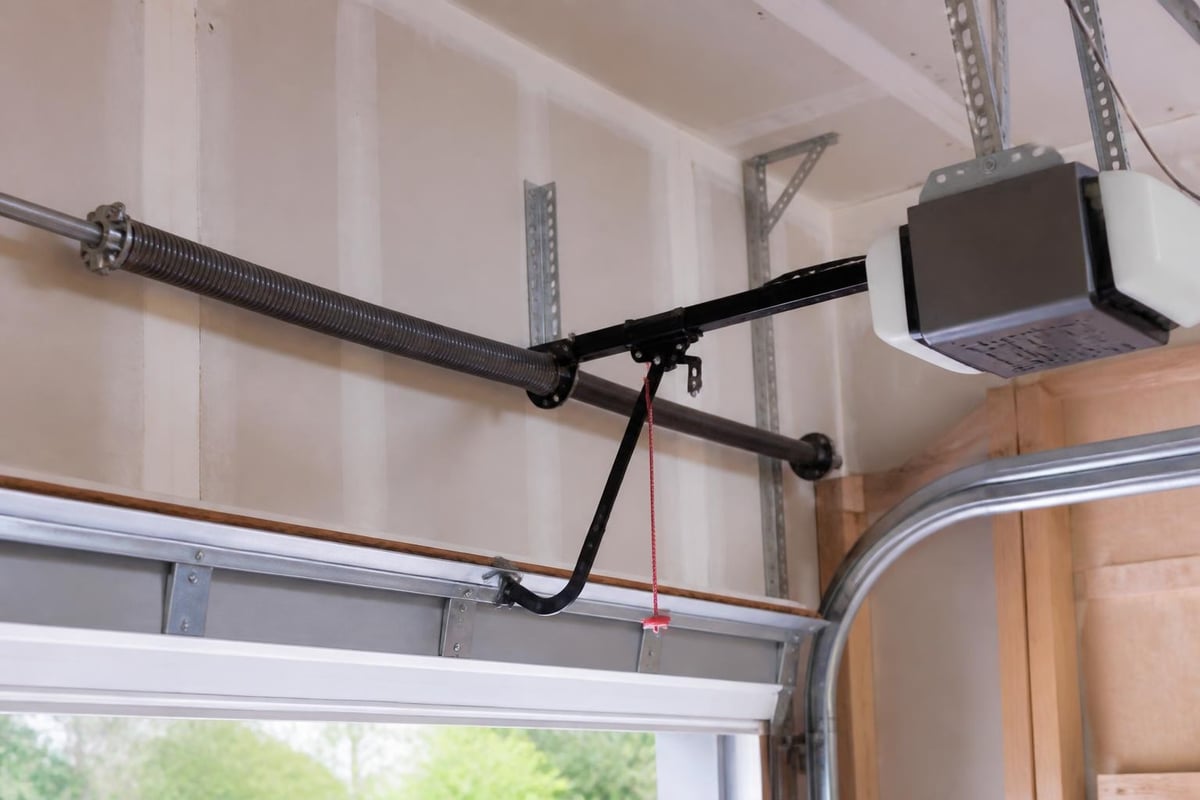
The challenge emerges when homeowners are unfamiliar with the emergency release mechanism or when springs are broken or improperly tensioned. According to federal safety standards for garage door openers, all residential openers must include a manual release that disconnects the trolley from the door, allowing independent operation.
Step-by-Step Manual Operation During Outages
Operating your garage door manually during a power outage requires following specific steps to ensure safety and prevent damage to your door system or injury to yourself.
Locating and Engaging the Emergency Release
The emergency release handle typically appears as a red cord with a handle hanging from the opener trolley mechanism along the horizontal rail. This cord sits approximately six feet from the floor when the door is closed.
Proper manual release procedure:
- Close the door completely if possible using remaining battery power or before power loss
- Locate the red emergency release handle hanging from the trolley
- Pull down and toward the door to disengage the trolley from the opener carriage
- Lift the door manually using both hands positioned shoulder-width apart
- Raise to full open position where the door should stay up on its own if springs are balanced
Never attempt to disengage the emergency release while the door is moving or partially open unless absolutely necessary for safety. The door's full weight will transfer to your hands instantly when disconnected, which can cause injury if springs are broken or the door is heavier than expected.
Testing Spring Balance Before Manual Operation
Before relying on manual operation during a garage door power outage, test your spring balance in advance. With the opener disconnected, lift the door halfway and release it gently. A properly balanced door should stay in place or move very slowly in either direction. If the door slams down, springs are weak or broken and manual operation becomes dangerous.
Property owners throughout Kitsap County should schedule annual garage door inspections to verify spring condition, cable integrity, and roller function, all of which affect safe manual operation during emergencies.
Battery Backup Systems for Automatic Operation
Rather than reverting to manual operation, many homeowners choose battery backup systems that maintain automatic garage door function during power outages, providing convenience and accessibility.
How Battery Backup Openers Function
Modern garage door openers with integrated battery backup contain rechargeable batteries that continuously charge while grid power is available. When electricity fails, the system automatically switches to battery power, allowing normal operation through remotes, wall buttons, and smartphone apps depending on the model.
| Feature | Standard Opener | Battery Backup Opener |
|---|---|---|
| Operation during outage | Manual release only | Automatic via battery |
| Typical cycles per charge | 0 | 20-50 full cycles |
| Recharge time | N/A | 24-48 hours |
| Initial cost premium | Baseline | $150-$400 additional |
Battery backup becomes particularly valuable for households with mobility limitations, elderly residents, or anyone who parks vehicles inside the garage as their primary access point. In California, SB-969 legislation mandates battery backup on all new residential garage door opener installations specifically to prevent entrapment during emergencies.
Maintenance Requirements for Backup Systems
Battery backup systems require periodic maintenance to ensure reliability when needed. Rechargeable batteries typically last 3-5 years before requiring replacement, and testing the backup function every six months confirms the system will activate during actual outages.
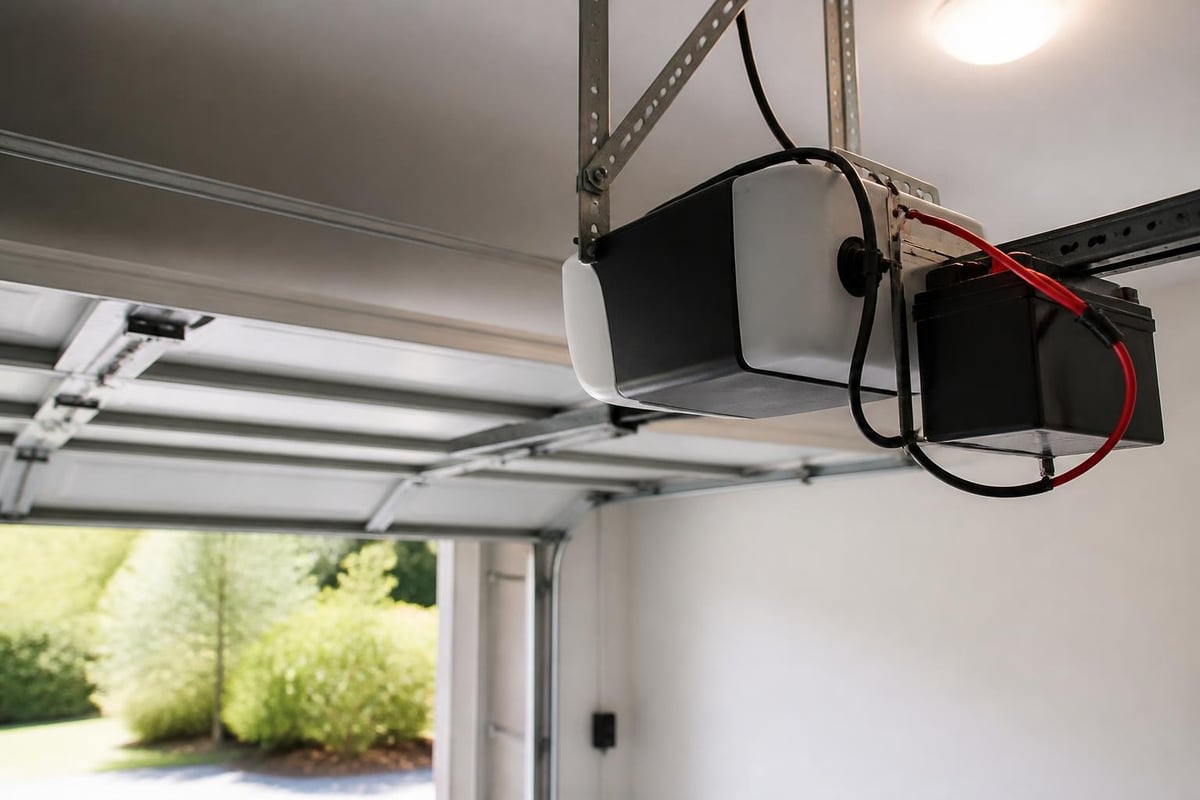
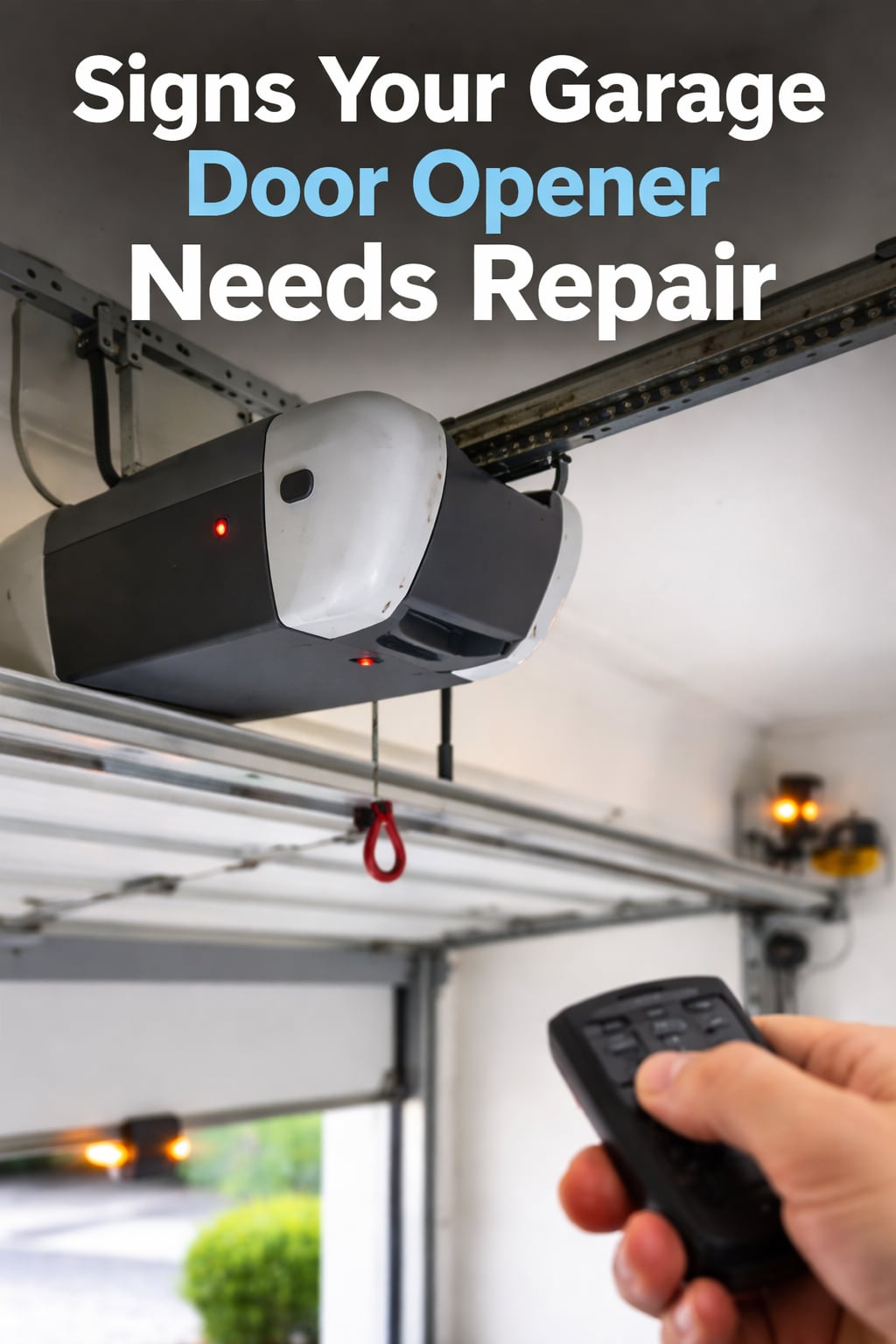
Most battery backup openers include LED indicators showing charge status and will emit warning beeps when batteries reach end-of-life. Replacing batteries before they fail prevents discovering a non-functional backup system during an actual garage door power outage situation.
Professional installation ensures proper battery connection, and services like garage door opener installation include setup verification and operational testing of backup systems.
Alternative Power Solutions and Generator Safety
Some homeowners consider powering their garage door opener through portable generators during extended outages, but this approach requires careful safety considerations specific to garage environments.
Generator Placement and Carbon Monoxide Risks
Never operate fuel-powered generators inside garages or within 20 feet of windows, doors, or ventilation openings. Carbon monoxide from generator exhaust accumulates rapidly in enclosed or partially enclosed spaces, creating life-threatening conditions within minutes. According to EPA guidelines on generator safety, generators must remain outdoors in well-ventilated areas even during severe weather.
If using a generator to power your garage door opener during an outage, run extension cords from the outdoor generator location to the opener, never bringing the generator into the garage space itself. Ensure the generator provides stable voltage appropriate for your opener's power requirements, typically 120V AC at proper wattage.
Hardwired Backup Power Systems
For comprehensive whole-home backup, permanently installed standby generators or battery systems can include garage door openers in their protected circuits. These systems automatically activate when grid power fails and can run essential home systems, including garage doors, for extended periods depending on fuel supply or battery capacity.
Homeowners concerned about frequent outages in their area might consider professional evaluation of electrical load requirements and generator sizing to include garage access in their emergency power plan.
Safety Considerations During Extended Outages
A garage door power outage presents several safety considerations beyond simple access, particularly during nighttime hours or severe weather events that cause power loss.
Security Vulnerabilities During Power Loss
Doors stuck in the open position during power failure create immediate security concerns. If your garage door was opening when power failed, it may stop partially open, providing access to your home. The manual release allows you to fully close the door, after which you can secure it using:
- C-clamps or locking pliers on the vertical track just above the bottom roller
- Padlocks through pre-drilled holes in the track if your system includes them
- Interior deadbolts if your door includes manual locking hardware
Never leave a garage door partially open during extended outages, as this advertises vulnerability to potential intruders and exposes your property to weather damage.
Egress and Life Safety During Outages
Building codes increasingly recognize garage doors as critical egress paths during emergencies. The International Code Council’s guidance addresses how power loss can obstruct evacuation routes when garage doors serve as primary access points, particularly in homes where the garage provides the main connection to vehicles parked inside.
Emergency planning should include:
- Ensuring all household members know how to operate the manual release
- Keeping flashlights accessible near garage entrances
- Maintaining clear paths to alternative exits if the garage door becomes inoperable
- Posting manual release instructions in visible locations
NFPA life-safety guidelines emphasize the importance of multiple egress options and familiarity with all exit mechanisms, particularly for households where mobility limitations might make alternative exits challenging.
Preventing Complications During Future Outages
Preparation before power failures occur minimizes stress and safety risks when garage door power outages actually happen in your home.
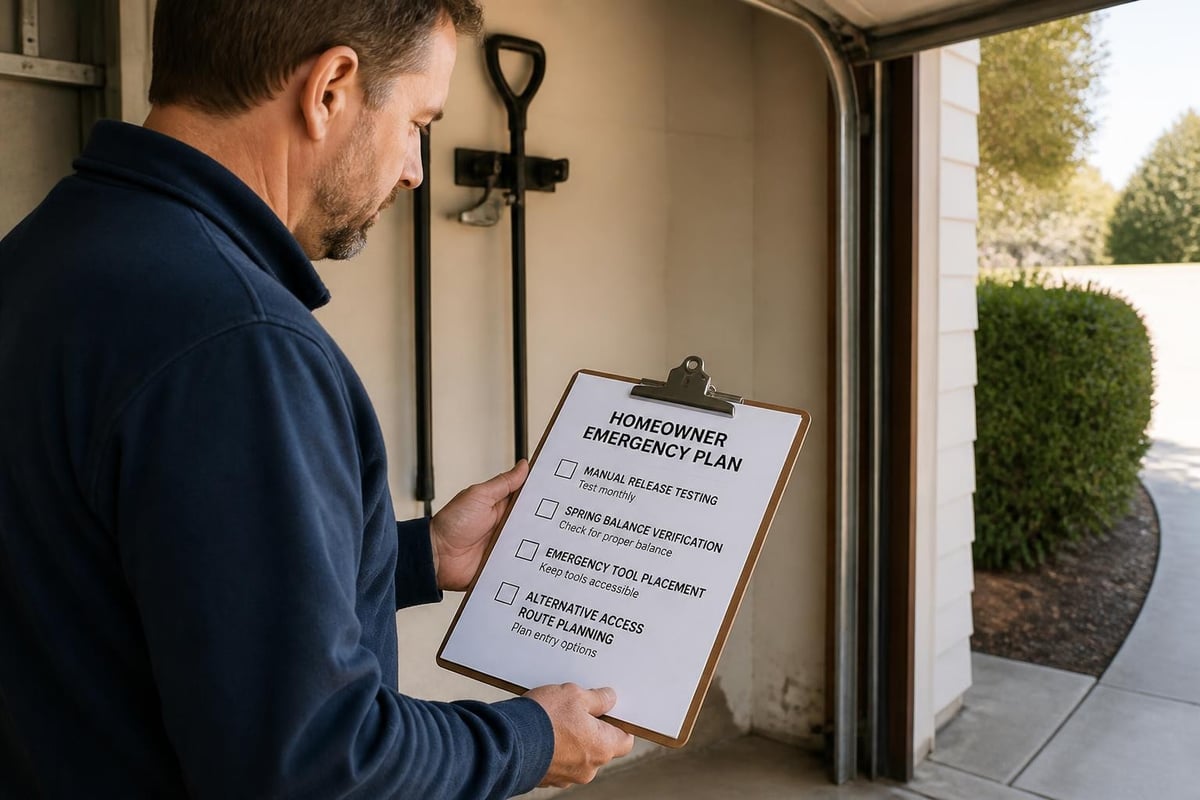
Pre-Outage Checklist for Garage Door Owners
Regular maintenance and advance preparation ensure your garage door remains operable during electrical failures:
- Test manual operation quarterly by disengaging the release and lifting the door
- Verify spring balance to confirm the door stays suspended at mid-height
- Lubricate moving parts including rollers, hinges, and springs for smooth manual operation
- Replace worn rollers or cables that could fail during manual use
- Keep emergency tools accessible including flashlights and manual door locks
- Document manual release procedure with photos posted inside the garage
Property owners should also familiarize themselves with proper garage door maintenance practices to ensure all components function reliably whether operating automatically or manually.
When to Call Professional Service
Certain garage door conditions require professional attention before an outage occurs to ensure safe manual operation:
| Condition | Risk During Outage | Recommended Action |
|---|---|---|
| Broken springs | Door too heavy to lift safely | Immediate spring replacement |
| Damaged cables | Door could fall during manual operation | Cable replacement and inspection |
| Binding or sticking | Excessive force needed to move door | Track alignment and roller service |
| Damaged panels | Structural weakness during manual handling | Panel repair or door replacement |
Professional garage door repair services address these issues before they become emergency situations during power outages. Spring replacement, in particular, should never be attempted as DIY work due to extreme tension forces that can cause severe injury.
Understanding Power Outage Patterns in Kitsap County
Regional considerations affect how frequently garage door power outages occur and how long they typically last, influencing which backup solutions provide the most value for local homeowners.
Weather-Related Outage Frequency
Bainbridge Island and Kitsap County experience varying outage patterns depending on location and utility infrastructure. Coastal windstorms during fall and winter months represent the most common cause of widespread power loss, sometimes lasting several hours to multiple days in more remote areas.
Homeowners in areas with above-ground power lines experience more frequent outages than those served by underground utilities. Understanding your property's vulnerability to weather-related power loss helps determine whether battery backup systems justify their additional cost or whether familiarity with manual operation provides sufficient preparation.
Grid Modernization and Future Reliability
Utility companies throughout Washington State continue upgrading infrastructure to reduce outage frequency and duration. Smart grid technologies, improved tree trimming programs, and enhanced storm response reduce the average annual outage time many customers experience.
Despite these improvements, federal emergency preparedness guidance recommends all households maintain readiness for power outages lasting 72 hours or longer, including plans for garage access and vehicle mobility during extended grid failures.
Smart Home Integration and Outage Notifications
Modern garage door openers with smart home connectivity provide notification features that alert homeowners when power failures occur, even when away from home.
Wi-Fi Connected Opener Benefits During Outages
Smart garage door openers with integrated Wi-Fi modules can send smartphone notifications when power is lost, helping you monitor your home's status remotely. While the door cannot operate without power (unless battery backup is included), knowing when an outage occurs allows you to:
- Contact neighbors or property managers to check on your garage door's position
- Return home if necessary to secure a door stuck in an open position
- Plan alternative access routes if you're away and need to return during the outage
- Monitor power restoration through utility apps and plan your return accordingly
These connectivity features require your home's Wi-Fi router and internet modem to have their own battery backup to remain operational during power outages. Uninterruptible power supplies (UPS) for networking equipment extend smart home functionality during short outages.
Integration with Whole-Home Monitoring
Security systems and whole-home automation platforms can incorporate garage door status into broader emergency monitoring. Systems that detect both power loss and garage door position changes can distinguish between authorized manual operation and potential security breaches during outages.
This integration level particularly benefits vacation homes, rental properties, and primary residences where owners travel frequently and want comprehensive remote monitoring regardless of power availability.
Special Considerations for Commercial Garage Doors
Businesses with commercial garage doors face unique challenges during power outages, particularly when these doors provide critical access for operations, deliveries, or emergency vehicle egress.
Size and Weight Factors
Commercial garage doors often exceed residential door weights significantly, with some sectional overhead doors weighing 500 to 1,000 pounds or more. Manual operation becomes physically impossible for many commercial door sizes without proper counterbalancing systems.
Battery backup systems for commercial applications typically provide higher capacity and more operating cycles than residential units, recognizing that businesses cannot afford to lose access during power outages. Some commercial installations include:
- Multiple battery banks for extended outage operation
- Manual chain hoists for large doors exceeding manual lifting capacity
- Secondary pedestrian doors providing alternative access when main doors cannot operate
- Generator quick-connect systems allowing rapid restoration of automatic operation
Code Compliance and Safety Requirements
Commercial properties must meet more stringent code requirements regarding egress and emergency operation than residential properties. UL 325 safety standards include specific provisions for commercial door operators, including enhanced entrapment protection and emergency operation capabilities.
Business owners should consult with professional garage door service providers familiar with commercial garage door requirements to ensure compliance and reliable operation during power failures.
Environmental Factors Affecting Outage Performance
Temperature extremes, humidity, and other environmental conditions influence how well garage doors operate manually during power outages and affect battery backup system performance.
Cold Weather Battery Performance
Battery backup systems experience reduced capacity in cold temperatures, sometimes providing only 50-60% of their rated cycles when garage temperatures drop below freezing. Insulated garage spaces maintain more stable temperatures, improving backup system reliability during winter power outages.
Some manufacturers offer cold-weather battery formulations or recommend installing battery modules in temperature-controlled spaces with wiring extended to the opener unit. Property owners in areas experiencing harsh winters should verify their backup system's cold-weather specifications.
Impact of Humidity and Corrosion
Coastal environments like Bainbridge Island expose garage door components to salt air and humidity that accelerate corrosion. Rust on rollers, hinges, and track systems increases friction, making manual operation more difficult during power outages.
Regular lubrication with marine-grade lubricants and periodic component replacement maintains smooth operation for both automatic and manual function. Annual professional maintenance identifies corrosion issues before they compromise emergency manual operation capability.
Training Household Members for Outage Response
Ensuring everyone who uses your garage knows how to operate the door manually during a garage door power outage prevents panic and potential injury when emergencies occur.
Creating Visual Guides
Post laminated instruction cards near the garage entrance showing:
- Emergency release location with a photo highlighting the red handle
- Step-by-step manual operation instructions with numbered photos
- Warning reminders about checking door position before disengaging
- Re-engagement procedures for reconnecting the opener after power restoration
Visual guides prove especially valuable for households with teenagers learning to drive, elderly family members, or visitors who might need garage access during outages when regular residents are absent.
Practice Sessions
Conduct practice sessions at least annually where all household members physically operate the emergency release and manually move the door. This hands-on experience builds confidence and muscle memory for actual emergency situations.
Practice should occur during daylight hours initially, then progress to nighttime practice with flashlights to simulate realistic power outage conditions. This preparation ensures household members can confidently operate the door regardless of when outages occur.
Cost-Benefit Analysis of Backup Options
Deciding whether to invest in battery backup systems or rely on manual operation depends on individual household needs, outage frequency, and budget considerations.
Comparing Solution Costs
| Solution | Initial Cost | Annual Maintenance | Best For |
|---|---|---|---|
| Manual operation only | $0 (existing) | $0 | Infrequent outages, physically capable users |
| Battery backup opener | $400-$700 installed | $0-$150 (battery replacement every 3-5 years) | Frequent outages, mobility limitations |
| Generator integration | $150-$500 (connections) | $0-$200 (generator maintenance) | Whole-home backup, extended outages |
| Professional training | $0-$150 | $0 | All households (recommended baseline) |
For most Kitsap County homeowners experiencing 1-3 outages annually lasting several hours each, understanding proper manual operation provides adequate preparation without additional investment. Households with elderly residents, mobility challenges, or frequent extended outages benefit significantly from battery backup systems.
Long-Term Value Considerations
Beyond emergency access, battery backup systems add resale value to homes and provide peace of mind worth considering beyond pure cost analysis. Prospective buyers increasingly value emergency preparedness features, particularly in areas with documented utility reliability challenges.
The investment also avoids potential costs associated with garage door power outage complications, including locksmith calls, property damage from doors stuck open during storms, or vehicle rental costs when cars remain trapped inside garages.
Understanding how to safely operate your garage door during power outages, whether through manual release or battery backup systems, ensures you maintain access to your home and vehicles regardless of electrical grid reliability. Regular maintenance, advance preparation, and household training transform potential emergencies into manageable inconveniences. NextLevel Garage Co. provides comprehensive garage door services throughout Kitsap County, from battery backup opener installation and spring replacement to annual maintenance that keeps your door functioning safely in any situation. Contact our team to evaluate your garage door's emergency readiness and explore solutions that match your household's specific needs.