

When homeowners think about just garage doors, they often overlook the complexity behind what appears to be a simple panel system. Your garage door represents one of your home's largest moving objects, accounting for up to 30 percent of your home's street-facing appearance and serving as a primary entry point for many families. Understanding the fundamentals of just garage doors becomes essential whether you're building new construction, replacing an aging system, or simply maintaining what you already have. This comprehensive guide explores everything Kitsap County homeowners need to know about selecting, maintaining, and optimizing their garage door systems in 2026.
Understanding Modern Garage Door Construction
The engineering behind just garage doors has evolved significantly over the past decade. Today's residential systems integrate advanced materials, precision spring mechanisms, and sophisticated safety features that previous generations never considered.
Material Options and Performance Characteristics
Modern garage doors come in five primary material categories, each offering distinct advantages for Pacific Northwest climates:
- Steel doors provide superior durability, minimal maintenance, and excellent insulation potential with foam-core options
- Aluminum frames with glass panels deliver contemporary aesthetics and natural light penetration
- Wood composite combines traditional appearance with enhanced moisture resistance
- Solid wood offers authentic character but requires regular sealing and maintenance
- Fiberglass panels resist salt air corrosion in coastal environments
Steel remains the dominant choice for just garage doors in residential applications, representing approximately 70 percent of new installations nationwide. The material's strength-to-weight ratio allows for larger door spans without excessive structural reinforcement.
| Material | Lifespan | Maintenance Level | Insulation Potential | Cost Range |
|---|---|---|---|---|
| Steel | 20-30 years | Low | Excellent (R-18+) | $$ |
| Aluminum/Glass | 15-25 years | Low | Poor (R-1 to R-4) | $$$ |
| Wood Composite | 15-20 years | Medium | Good (R-10 to R-14) | $$$ |
| Solid Wood | 20-40 years | High | Fair (R-8 to R-12) | $$$$ |
| Fiberglass | 10-20 years | Low | Poor (R-2 to R-6) | $$ |
Climate considerations heavily influence material selection. Bainbridge Island's marine environment, with annual rainfall exceeding 50 inches and salt air exposure, makes moisture resistance a critical factor when evaluating just garage doors.
Spring Systems and Operating Mechanisms
The heart of just garage doors lies in their counterbalance system. Two primary spring configurations dominate the residential market:
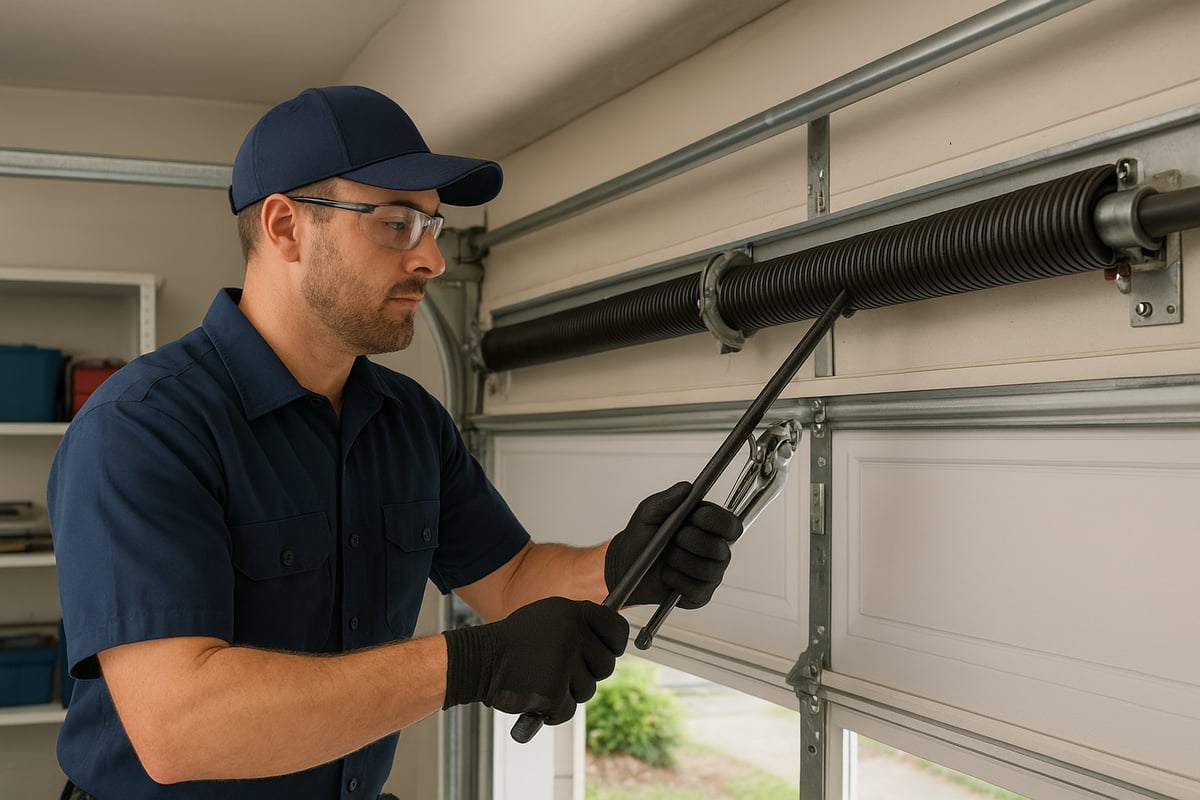
Torsion springs mount on a shaft above the door opening, using rotational force to lift the door weight. These systems offer smoother operation, longer lifespan (15,000 to 20,000 cycles), and safer contained failure modes. Professional installation remains essential due to the extreme tension forces involved.
Extension springs run parallel to the horizontal tracks, stretching and contracting as the door moves. While less expensive initially, extension springs typically last only 10,000 cycles and pose greater safety risks when they break. Safety cables running through the spring center can prevent dangerous projectile failures.
For homeowners dealing with broken or worn springs, professional spring repair services restore proper balance and ensure safe operation while reducing strain on opener motors. Attempting DIY spring replacement on just garage doors can result in serious injury due to the extreme forces involved, with torsion springs holding enough energy to lift 200-400 pounds.
The International Door Association maintains comprehensive technical standards for spring sizing, installation practices, and safety protocols that professional installers follow to ensure reliable, long-term performance.
Safety Standards and Regulatory Compliance
Just garage doors operate under stringent safety regulations that protect families from serious injury. The UL 325 standard governs operator safety requirements, mandating automatic reversal systems and entrapment protection for all residential installations manufactured since 1993.
Required Safety Features for 2026
Modern garage door systems must incorporate multiple redundant safety mechanisms:
- Photo-eye sensors positioned no higher than six inches above the floor detect obstructions
- Automatic force reversal stops and reverses direction when resistance exceeds preset thresholds
- Manual release mechanisms allow emergency disengagement from the opener
- Rolling code technology prevents code grabbing by changing the access code with each use
- Battery backup systems maintain operation during power outages
These features aren't optional luxuries but legally required components for just garage doors installed in residential applications. Testing these safety systems monthly ensures they function correctly when needed.
Property owners with commercial applications face additional requirements. Fire-rated doors in multi-family or commercial settings must comply with NFPA 80 standards, which specify inspection intervals, maintenance documentation, and operational parameters for life-safety opening protectives.
Energy Efficiency and Insulation Performance
The thermal performance of just garage doors significantly impacts whole-home energy consumption, particularly for attached garages sharing walls with conditioned living spaces. Uninsulated garage doors allow substantial heat transfer, forcing HVAC systems to work harder year-round.
Insulation Value Calculations
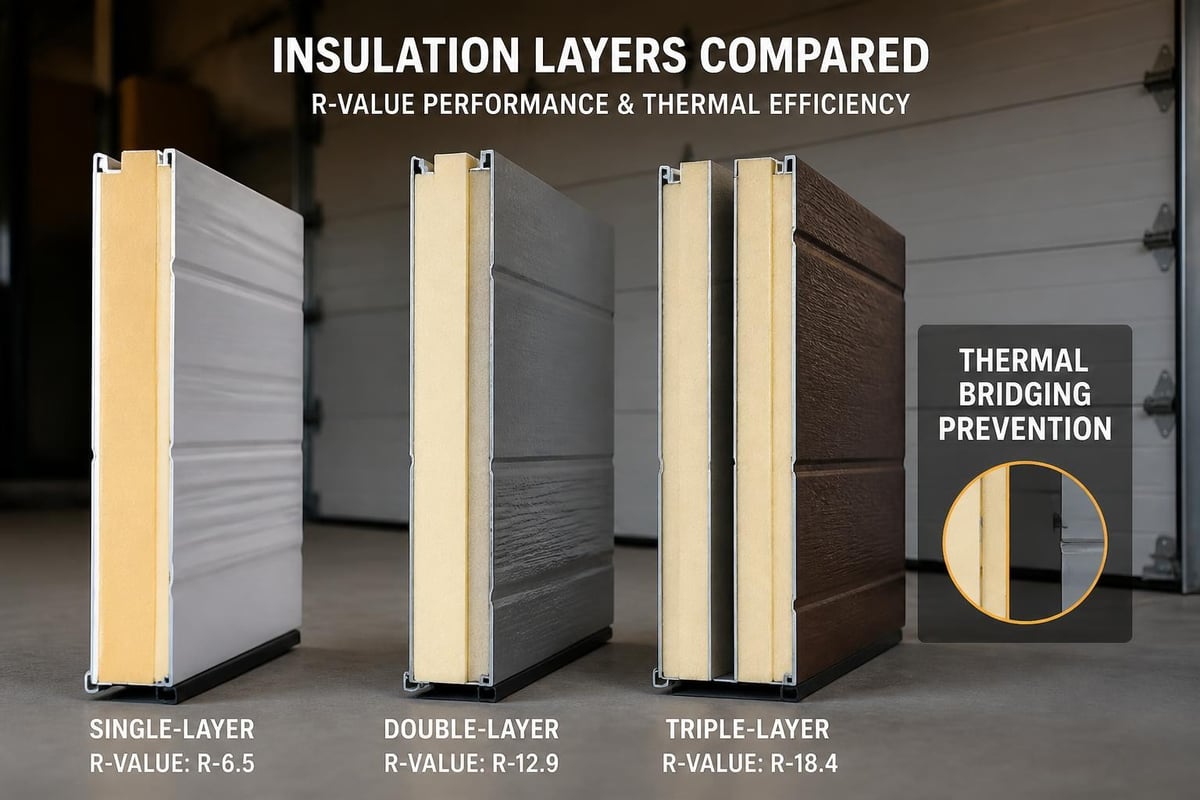
Garage door insulation effectiveness uses R-value measurement, indicating thermal resistance. Higher R-values provide better insulation:
- Non-insulated steel or aluminum: R-1 to R-2
- Single-layer insulated: R-6 to R-10
- Double-layer insulated: R-12 to R-16
- Triple-layer insulated: R-16 to R-18.4
The Department of Energy notes that insulating garage interfaces can qualify for energy-efficiency tax credits when part of comprehensive home air-sealing projects, making upgrades to just garage doors potentially eligible for federal incentives through 2032.
Weatherstripping around the door perimeter addresses air infiltration that undermines insulation performance. Quality bottom seals using EPDM rubber or vinyl bulbs create airtight contact with the floor, preventing drafts and pest entry. Side and top seals require annual inspection and replacement every 3-5 years as materials degrade from UV exposure and temperature cycling.
Style Selection and Architectural Compatibility
Just garage doors serve as dominant visual elements on most home facades, making style selection a critical aesthetic decision. The door style should complement your home's architectural character while reflecting your personal preferences.
Popular Design Categories
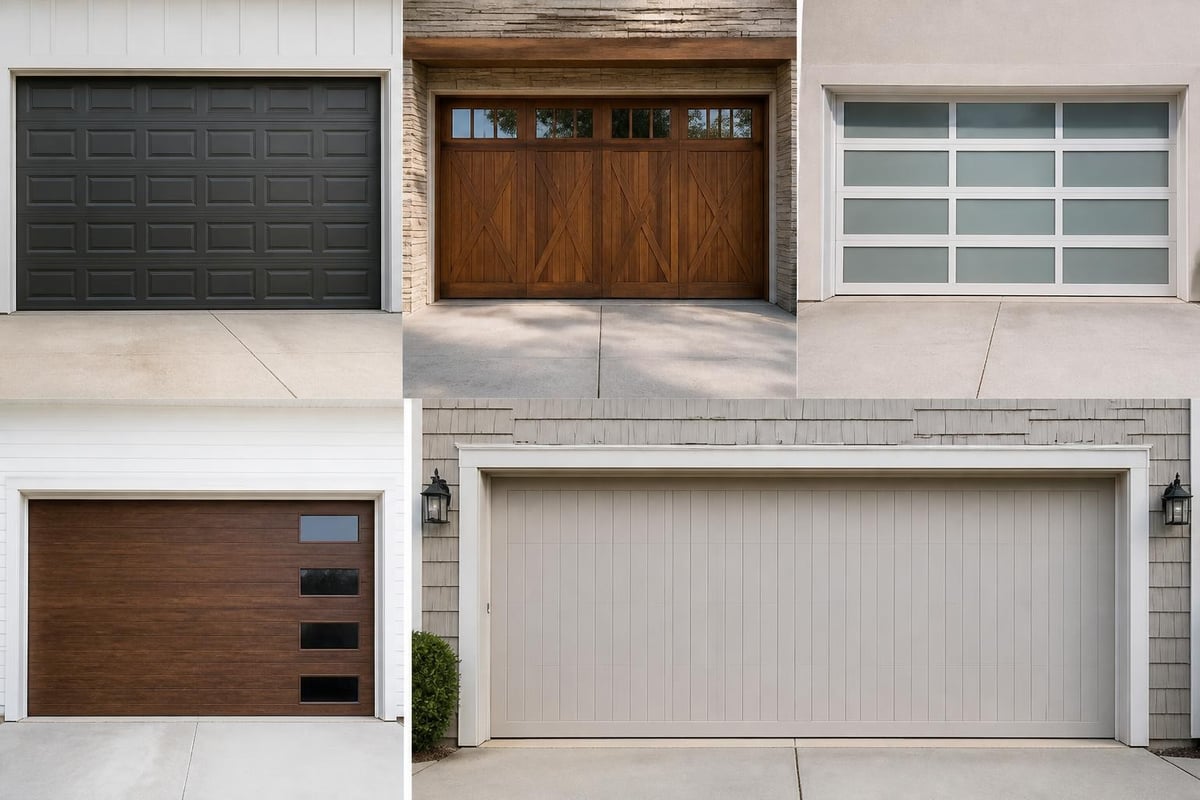
Traditional raised-panel doors feature rectangular embossed sections arranged in symmetrical patterns. These versatile designs work with ranch, colonial, and craftsman architecture, offering timeless appeal with minimal visual risk.
Carriage house designs replicate historical swing-out carriage doors with decorative hardware, window placements, and board-and-batten styling. These doors suit farmhouse, cottage, and vintage-inspired homes seeking authentic period character.
Modern flush panels present clean, minimalist surfaces with horizontal or vertical ribbing options. Contemporary homes with geometric lines and mixed materials pair naturally with these streamlined designs, especially when incorporating aluminum frames with frosted glass panels.
Custom wood doors allow unlimited design freedom, from rustic reclaimed timber to precision-milled contemporary patterns. These premium options command significantly higher investment but deliver unmatched personalization.
This Old House’s comprehensive garage door guide provides extensive visual examples across architectural styles, helping homeowners visualize how different door designs transform curb appeal.
Window configurations within just garage doors add architectural interest while introducing natural light. Common patterns include:
- Single or double rows of horizontal windows across top panels
- Arched window arrangements mimicking carriage-house styles
- Full-view glass panels in modern aluminum frames
- Decorative windows with custom grille patterns
Privacy glass options balance light transmission with security concerns, using frosted, tinted, or obscured glass that prevents clear views into the garage interior.
Opener Technology and Smart Integration
The mechanical opener represents the brain of just garage doors, controlling operation, safety monitoring, and increasingly, smart home connectivity. Opener selection impacts daily convenience, noise levels, and long-term reliability.
Drive System Comparison
Modern openers utilize three primary drive mechanisms, each offering distinct performance characteristics:
Belt-drive openers use reinforced rubber belts for nearly silent operation, making them ideal for garages adjacent to living spaces or bedrooms. Premium polyurethane belts outlast basic rubber variants, providing 15-20 years of service.
Chain-drive systems employ metal chains similar to bicycle components, delivering robust lifting power at lower price points. These workhorses generate more operational noise but handle heavier doors and harsh environments effectively.
Wall-mount jackshaft openers attach directly to the torsion bar, eliminating overhead tracks and freeing ceiling space. These compact units suit garages with low headroom or exposed beam ceilings where traditional openers cannot mount.
| Drive Type | Noise Level | Lifespan | Maintenance | Best Application |
|---|---|---|---|---|
| Belt-Drive | Very Quiet | 15-20 years | Minimal | Attached garages |
| Chain-Drive | Moderate | 15-25 years | Low | Detached garages |
| Jackshaft | Quiet | 15-20 years | Low | Limited headroom |
Smart Features and Connected Control
The 2026 garage door opener market has fully embraced smart home integration, with over 60 percent of new openers including WiFi connectivity as standard equipment. These connected systems enable:
- Smartphone control allowing door operation from anywhere with internet access
- Real-time status notifications alerting you when doors open or close unexpectedly
- Delivery access codes providing temporary entry for package carriers
- Integration with home automation platforms including Alexa, Google Home, and Apple HomeKit
- Vehicle integration through car manufacturers' connected-car apps
Consumer Reports’ smart garage door controller testing evaluates reliability, app performance, and security features across leading brands, providing independent verification of manufacturer claims.
Security considerations for connected just garage doors require careful attention. The CISA guidance on IoT device security recommends choosing openers with encrypted communication protocols, automatic firmware updates, and multi-factor authentication options to prevent unauthorized access through digital vulnerabilities.
Noise Control and Vibration Reduction
Excessive noise from just garage doors disrupts household peace and can indicate mechanical problems requiring attention. Understanding noise sources enables effective mitigation strategies.
Common Noise Sources and Solutions
Operational noise originates from multiple components working in concert:
- Rollers: Steel rollers create grinding sounds against metal tracks; nylon rollers reduce noise by 70 percent
- Hinges: Worn or unlubricated hinges squeak and groan; annual lubrication prevents metal-on-metal friction
- Springs: Torsion springs naturally create operational sounds; excessive noise indicates wearing or impending failure
- Opener motor: Chain drives inherently generate more noise than belt systems during operation
- Structural transmission: Vibrations travel through mounting points into framing and drywall
The ASHRAE noise and vibration control handbook provides engineering principles for understanding structure-borne noise transmission relevant to garage door installation and isolation techniques.
Professional noise reduction strategies include:
- Vibration isolation pads between opener mounting brackets and ceiling joists
- Nylon roller upgrades replacing steel rollers throughout the track system
- Track alignment correction eliminating binding and resistance points
- Belt-drive opener retrofits for attached garages sharing walls with living spaces
- Spring tensioning ensuring proper balance reduces opener strain and noise
For homeowners experiencing unusual sounds from just garage doors, the NextLevel Garage Co. blog offers troubleshooting guidance and maintenance tips specific to Pacific Northwest conditions.
Maintenance Schedules and Preventive Care
Regular maintenance extends the service life of just garage doors while preventing unexpected failures and safety hazards. Establishing a systematic inspection routine identifies developing problems before they cause operational failures.
Monthly Inspection Checklist
Homeowners should perform these basic checks monthly:
- Test photo-eye sensors by placing objects in the door path during closing
- Verify automatic reversal by placing a 2×4 board flat under the closing door
- Listen for unusual grinding, scraping, or squealing sounds during operation
- Visually inspect cables for fraying, rust, or separation from drums
- Check weatherstripping for gaps, cracks, or compression set
Quarterly Maintenance Tasks
Every three months, dedicate time to these preventive measures:
- Lubricate all moving parts including rollers, hinges, and tracks with silicone-based spray
- Clean photo-eye lenses with soft cloth to ensure accurate detection
- Tighten hardware including track mounting brackets and hinge bolts
- Test manual release mechanism to ensure emergency operation capability
- Inspect bottom seal for damage from vehicle contact or deterioration
Annual Professional Service
Even well-maintained just garage doors benefit from professional inspection covering:
- Spring tension measurement and adjustment to manufacturer specifications
- Cable condition assessment and replacement if showing wear indicators
- Track alignment verification using precision levels and straightedges
- Opener force adjustment to prevent excessive closing pressure
- Complete safety system verification including entrapment protection
Property managers overseeing multiple units should maintain detailed maintenance logs documenting inspection dates, findings, and corrective actions taken. This documentation proves valuable for insurance claims, warranty coverage, and regulatory compliance for commercial properties.
Replacement Versus Repair Decision Framework
Determining whether to repair or replace just garage doors requires objective evaluation of multiple factors beyond simple cost comparison. Strategic decision-making balances immediate expenses against long-term value and functionality.
Repair Indicators
Repair makes economic sense when:
- The door system is less than 15 years old
- Only a single component has failed (spring, roller, cable, opener)
- The door panels remain structurally sound without significant dents or warping
- The total repair cost stays below 50 percent of replacement value
- The existing door provides adequate insulation and safety features
Common repair scenarios include broken springs, worn rollers, damaged panels, malfunctioning openers, and track misalignment. Most of these issues can be addressed economically when the overall system remains viable.
Replacement Indicators
Full replacement becomes the better choice when:
- The door exceeds 20 years of age with multiple component failures
- Severe panel damage affects structural integrity or appearance
- The existing door lacks modern safety features including photo-eyes and auto-reversal
- Energy efficiency improvements would significantly reduce utility costs
- Cumulative repair costs over two years approach replacement investment
Strategic replacement timing can maximize value. Replacing just garage doors before complete failure prevents emergency service premiums and allows thoughtful selection rather than rushed decisions under pressure.
For Kitsap County homeowners ready to upgrade, professional installation services ensure proper sizing, secure mounting, spring balance, and smooth operation that delivers long-lasting performance and improved curb appeal.
Permit Requirements and Installation Regulations
Just garage doors replacement projects trigger permit requirements in most Washington jurisdictions, ensuring installations meet structural and safety standards protecting homeowners and future buyers.
When Permits Are Required
Bainbridge Island and Kitsap County typically require building permits for:
- Complete door system replacement including tracks, springs, and panels
- New door openings requiring structural modifications to framing
- Opener installations in commercial applications or multi-family properties
- Fire-rated door installations in attached garages with habitable space above
Simple repairs including spring replacement, roller changes, and panel repairs usually qualify as maintenance not requiring permits. However, verification with local building departments prevents compliance issues during future home sales.
Installation Code Compliance
Professional installations must satisfy multiple code requirements:
- Structural adequacy: Headers must support door weight plus additional dead loads
- Clearance dimensions: Adequate headroom, backroom, and side room for specific door types
- Safety feature integration: Photo-eyes, auto-reversal, and manual release properly installed
- Electrical connections: Opener circuits properly grounded with GFCI protection where required
- Weather protection: Proper flashing and sealing at door-to-wall interfaces
Licensed contractors carry the necessary insurance and bonding to guarantee code-compliant installations, protecting homeowners from liability if installations prove defective or unsafe.
Cost Factors and Budget Planning
Understanding the financial investment required for just garage doors helps homeowners budget appropriately and avoid unexpected expenses during projects. Multiple variables influence total project costs beyond the basic door purchase price.
Price Range Components
Entry-level systems ($800-$1,500 installed) typically include:
- Non-insulated or lightly insulated steel doors
- Basic torsion spring systems
- Standard chain-drive openers
- Limited warranty coverage (1-3 years)
Mid-range systems ($1,500-$3,500 installed) upgrade to:
- R-12 to R-16 insulated steel or composite doors
- Quiet belt-drive openers with basic smart features
- Designer window options and hardware
- Extended warranty coverage (5-10 years)
Premium systems ($3,500-$8,000+ installed) feature:
- Custom wood or high-end composite doors with architectural details
- Ultra-quiet wall-mount or premium belt-drive openers
- Full smart home integration with advanced security features
- Comprehensive lifetime warranties on major components
Additional cost factors affecting just garage doors projects include:
- Door size: Double-wide and oversized openings increase material and labor costs proportionally
- Access challenges: Difficult site access or special equipment requirements add labor expenses
- Disposal fees: Removing and hauling away old door systems may incur separate charges
- Electrical work: New outlet installation or circuit upgrades for openers increase project scope
- Custom options: Unique colors, premium hardware, and special window configurations command premiums
For emergency situations requiring immediate attention, 24-hour repair services provide rapid response when just garage doors fail unexpectedly, though premium pricing typically applies for after-hours service calls.
Seasonal Performance Considerations
Pacific Northwest climate patterns create unique challenges for just garage doors, with temperature swings, high humidity, and persistent moisture affecting performance and longevity throughout the year.
Winter Operation Issues
Cold weather impacts garage door systems in predictable ways:
- Spring tension changes: Metal springs contract in cold, reducing lifting force and causing openers to strain
- Lubricant thickening: Standard lubricants become viscous below 40°F, increasing friction and operational noise
- Metal contraction: Track dimensions change slightly, potentially causing binding at roller contact points
- Frozen weatherstripping: Ice formation between bottom seals and concrete prevents proper closing
Preventive measures for winter reliability include switching to synthetic lubricants rated for low-temperature performance, ensuring proper spring tensioning before cold weather arrives, and applying silicone spray to weatherstripping to prevent ice adhesion.
Summer Humidity Effects
Warm, humid conditions present different operational challenges:
- Wood expansion: Solid wood doors swell with moisture absorption, potentially binding in track systems
- Rust acceleration: Metal components exposed to condensation develop surface corrosion more rapidly
- Seal degradation: UV exposure and heat cycles accelerate weatherstripping deterioration
- Opener thermal protection: Excessive cycling during hot weather can trigger thermal overload shutoffs
Regular inspection and prompt attention to developing issues prevents minor problems from becoming major failures during peak seasonal stress periods.
Just garage doors represent significant investments in home functionality, security, and aesthetic appeal that deserve informed decision-making and proper maintenance attention. Whether you're selecting materials for new construction, evaluating repair-versus-replace scenarios, or optimizing existing systems for better performance, understanding the technical details ensures choices that serve your needs reliably for decades. NextLevel Garage Co. brings comprehensive expertise in garage door installation, repair, and maintenance to Bainbridge Island and throughout Kitsap County, delivering quality workmanship and clear communication that homeowners and businesses depend on for their garage service needs.