

Your garage door opens and closes hundreds of times each year, enduring constant wear from weather, mechanical stress, and daily use. When something goes wrong, the question "should I repair my garage door?" quickly becomes urgent. A malfunctioning door creates security risks, compromises energy efficiency, and disrupts your daily routine. Understanding when to tackle repairs yourself versus calling a professional can save you time, money, and potential injury. This comprehensive guide walks you through common garage door problems, safety considerations, repair options, and how to find qualified help throughout Kitsap County and Bainbridge Island.
Understanding Common Garage Door Problems
Garage doors are complex mechanical systems with multiple failure points. Identifying the specific issue helps you determine whether you need immediate professional help or can safely troubleshoot the problem yourself.
Spring Failures and Balance Issues
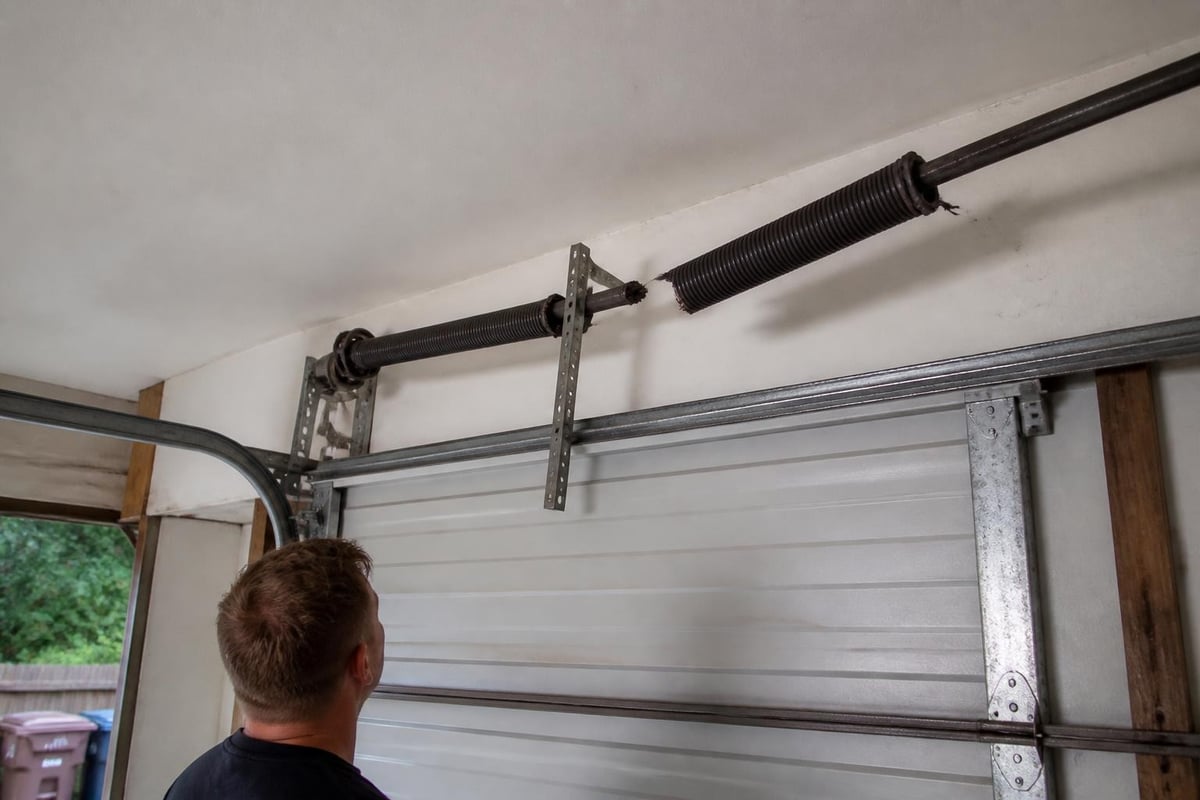
Torsion and extension springs bear the door's full weight, making them the most critical and dangerous components. When you hear a loud bang from your garage, a spring has likely snapped. Signs of spring problems include:
- Door feels extremely heavy when lifting manually
- Door opens only a few inches then stops
- Visible gap in the torsion spring above the door
- Cables hanging loose or off the drums
Never attempt to repair my garage door springs yourself. These components store tremendous tension and can cause severe injury or death when handled improperly. The International Door Association emphasizes the importance of using qualified technicians for spring-related work.
Opener Malfunctions
Modern garage door openers include multiple safety features mandated by federal safety standards. Common opener problems include:
| Issue | Likely Cause | DIY or Pro? |
|---|---|---|
| Door reverses immediately | Photo-eye misalignment or obstruction | DIY |
| Motor runs but door doesn't move | Broken gear or chain/belt | Professional |
| Intermittent operation | Limit switch adjustment needed | DIY with manual |
| No response to remote or wall button | Electrical or circuit board failure | Professional |
Check the manufacturer’s maintenance guide for basic troubleshooting steps before calling for service.
Track and Roller Problems
Misaligned tracks, worn rollers, and bent sections prevent smooth operation. You might notice:
- Grinding or scraping noises during movement
- Door jerks or hesitates at certain points
- Visible gaps between rollers and track
- Door hangs crooked when partially open
Minor track adjustments fall within homeowner capabilities, but significant bends or structural mounting issues require professional assessment.
DIY Maintenance vs. Professional Repairs
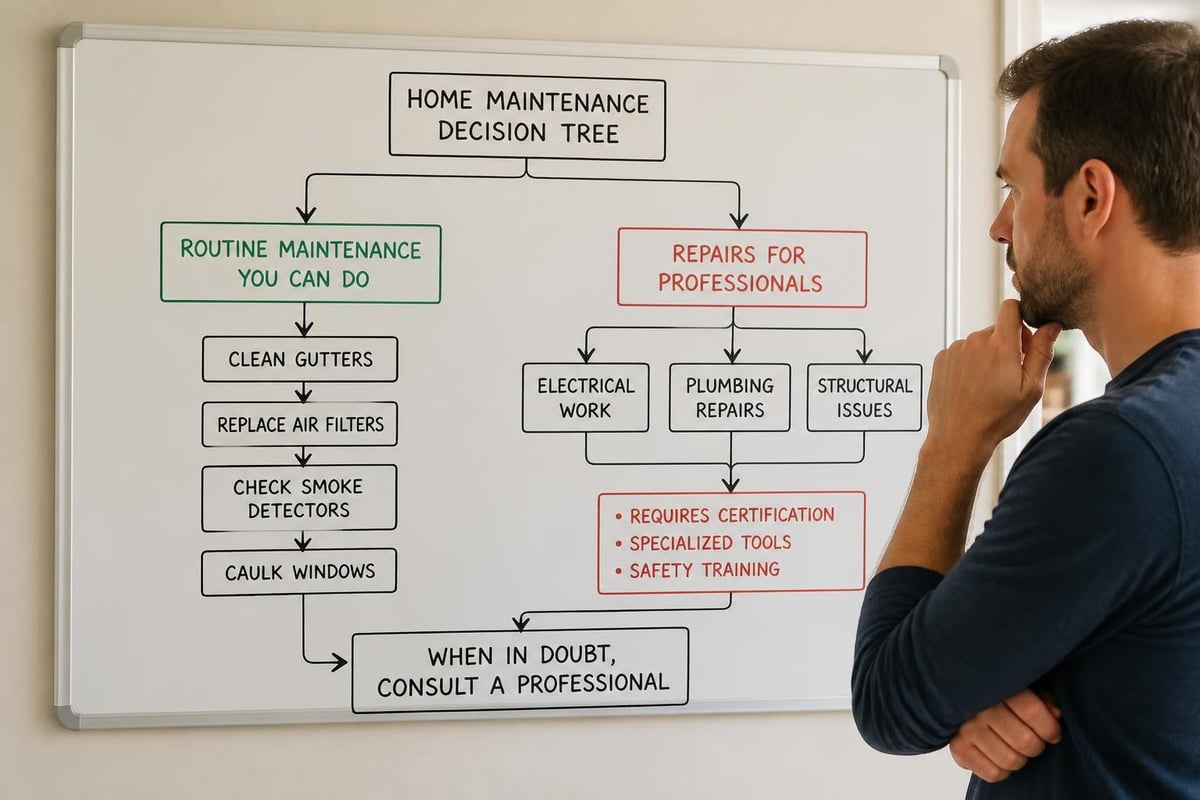
Knowing where to draw the line between routine maintenance and professional intervention protects both your safety and your investment.
Safe Homeowner Tasks
Several maintenance tasks help you repair my garage door issues before they escalate:
Monthly inspections should include visual examination of all moving parts, listening for unusual sounds during operation, and testing the auto-reverse feature by placing a 2×4 board in the door's path.
Quarterly lubrication keeps components moving smoothly. Apply garage-door-specific lubricant to rollers, hinges, springs (exterior only), and tracks. The DASMA maintenance guide provides detailed maintenance schedules.
Hardware tightening addresses the natural loosening from vibration. Use a socket wrench to tighten all roller brackets and bolts, but avoid over-tightening which can strip threads or crack brackets.
When to Call a Professional
Certain repairs demand professional expertise and specialized tools. Contact a qualified technician when facing:
- Any spring replacement or adjustment
- Cable repairs or replacement
- Major structural damage to panels or tracks
- Opener installation or circuit board replacement
- Door won't close with normal force adjustment
Professional repairs often cost less than attempting DIY fixes that cause additional damage. Home Depot’s care guide outlines which tasks require professional tools and training.
Safety Considerations for Garage Door Repairs
Garage doors rank among the largest moving objects in your home, weighing 150-400 pounds depending on size and material. Understanding safety protocols protects you and your family.
Federal Safety Standards
All automatic garage door openers installed after 1993 must comply with UL 325 safety requirements. These standards mandate:
- Photo-eye sensors that reverse the door when the infrared beam breaks
- Downward force adjustment preventing excessive closing pressure
- Manual release mechanisms allowing manual operation during power outages
- Continuous pressure operation on wall-mounted push buttons
Test these features monthly. Place an obstruction in the door's path; it should reverse within two seconds of contact.
Common Repair Hazards
| Hazard | Risk Level | Prevention |
|---|---|---|
| Spring tension release | Extreme | Never adjust or remove springs |
| Pinch points at panel sections | High | Keep hands clear of sections during operation |
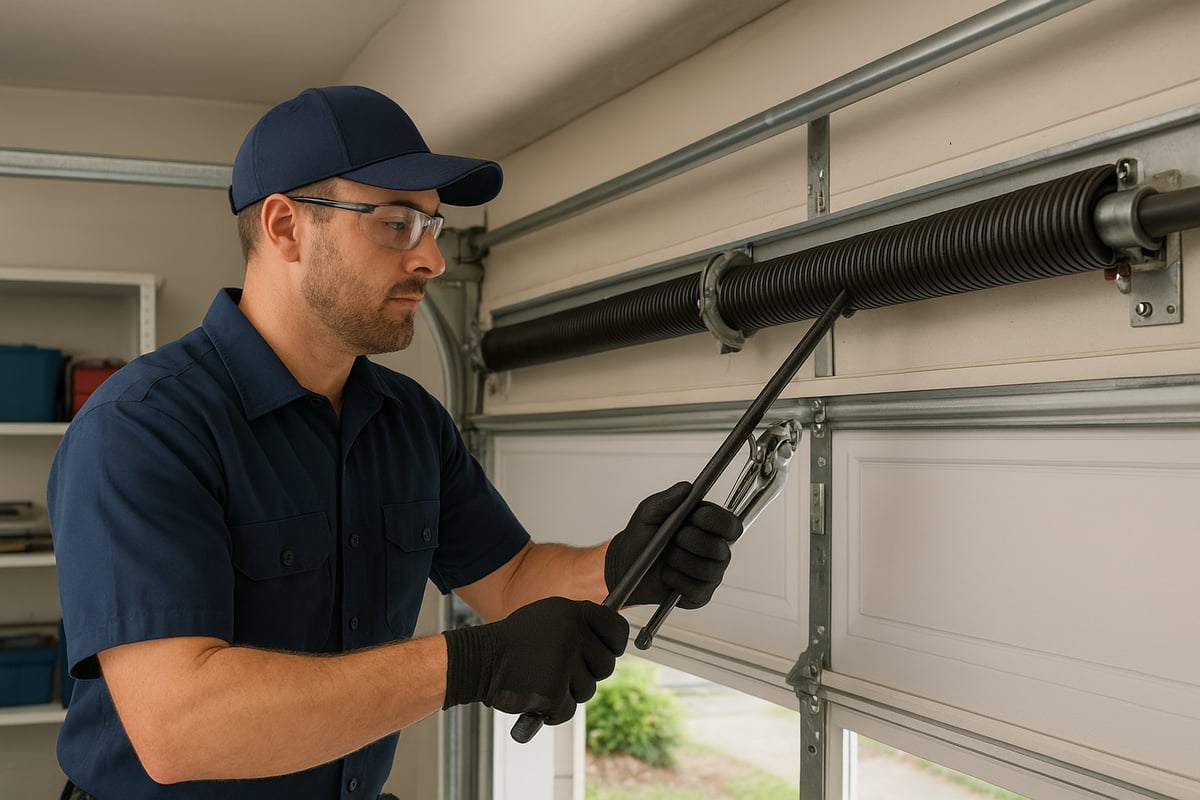
| Falling door during manual operation | High | Always use locking pliers when working on raised door |
| Electrical shock from opener | Moderate | Disconnect power before any opener work |
Before you repair my garage door components, always disconnect the opener and use proper lifting techniques. The door should stay in place when manually lifted halfway; if it falls or rises, spring adjustment is needed.
Emergency Situations
Some garage door problems create immediate safety hazards. For issues like emergency garage door repair situations, prioritize securing the opening and getting same-day professional help. Emergency scenarios include:
- Door stuck in open position overnight
- Spring broke with car trapped inside
- Door fell suddenly and won't lift
- Severe panel damage from vehicle impact
Cost Factors for Garage Door Repairs
Repair costs vary significantly based on the problem's nature, parts required, and labor complexity. Understanding typical pricing helps you budget appropriately and identify fair quotes.
Typical Repair Price Ranges
Spring replacement generally runs $150-$350 for professional service including both springs, considering that springs should always be replaced as a pair for balanced operation.
Opener repairs range from $100 for simple limit switch adjustments to $300-$500 for circuit board or motor replacement. Sometimes replacement makes more financial sense than repairing an older unit.
Panel replacement costs $200-$800 per panel depending on door style and material. For multiple damaged panels, full door replacement often provides better value.
Track and roller work typically falls in the $125-$275 range for realignment and roller replacement on a standard two-car garage door.
Repair vs. Replacement Decisions
Calculate whether to repair my garage door or replace it entirely using these considerations:
- Age of system: Doors older than 15-20 years may need frequent repairs
- Cumulative repair costs: If repairs exceed 50% of replacement cost, consider upgrading
- Energy efficiency: Modern insulated doors significantly reduce heating and cooling costs
- Safety features: Older openers lack modern safety mechanisms required by current codes
- Aesthetic improvements: New doors can enhance curb appeal and property value
When facing major repairs on an aging system, request quotes for both repair and replacement to make an informed decision. Consumer Reports guidance on home security notes that modern garage doors with contemporary security features provide better protection.
Finding Qualified Technicians in Kitsap County
Selecting the right professional to repair my garage door ensures quality work, fair pricing, and reliable warranty coverage. Not all service providers offer the same expertise or accountability.
Certification and Training
Look for technicians with:
Industry certification from organizations like the International Door Association (IDA), demonstrating ongoing education and adherence to current safety standards.
Manufacturer training particularly for specific brands or opener systems, ensuring technicians understand proprietary components and adjustment procedures.
Proper licensing and insurance protecting you from liability if accidents occur during service calls. Always verify insurance coverage before work begins.
Local experience with Pacific Northwest climate challenges like moisture damage, rust, and seasonal temperature fluctuations affecting metal components.
Questions to Ask Before Hiring
Vet potential service providers with these essential questions:
- How long have you been servicing garage doors in Kitsap County?
- Do you carry replacement parts on your service vehicle?
- What warranty do you offer on parts and labor?
- Can you provide recent customer references?
- Do you offer emergency service for urgent repairs?
Reputable companies provide clear answers, written estimates before starting work, and transparent pricing without hidden fees.
For Bainbridge Island and Kitsap County residents seeking dependable service, Garage Door Spring Repair services address one of the most common failure points with professional expertise and safety-first protocols.
Red Flags to Avoid
Protect yourself from substandard service by watching for warning signs:
- Reluctance to provide proof of insurance or licensing
- Pressure to make immediate decisions without written estimates
- Significantly lower prices than competitors (often indicating shortcuts)
- Refusal to explain the problem or show you damaged components
- No warranty or guarantee on repair work
- Cash-only payment requirements
Trust your instincts. Legitimate professionals welcome questions and provide detailed explanations of necessary repairs.
Preventive Maintenance to Reduce Repair Frequency
Proactive care extends your garage door's lifespan and reduces the frequency of expensive repairs. A systematic maintenance schedule catches small problems before they escalate.
Monthly Visual Inspections
Set a recurring calendar reminder to inspect:
- Springs for signs of rust, wear, or stretching
- Cables for fraying, broken strands, or rust
- Rollers for cracks, chips, or excessive wear
- Tracks for debris, dents, or misalignment
- Hardware for loose bolts, worn bearings, or damaged sections
Document your findings with photos to track deterioration patterns over time. This historical record helps technicians diagnose problems when you do need to repair my garage door professionally.
Seasonal Maintenance Tasks
Pacific Northwest weather creates specific maintenance needs:
Spring preparation (March-April):
- Clean tracks of winter debris and salt residue
- Test photo-eye sensors after winter moisture exposure
- Lubricate all moving parts as temperatures warm
- Check weather sealing for winter damage
Fall winterization (October-November):
- Apply anti-rust coating to exposed metal components
- Inspect and replace worn weather stripping
- Test manual release mechanism before storm season
- Verify opener forces haven't changed with temperature drops
Extending Component Lifespan
| Component | Average Life | Extension Strategy |
|---|---|---|
| Torsion springs | 10,000-20,000 cycles | Proper lubrication, balanced loading |
| Extension springs | 8,000-15,000 cycles | Regular inspection, rust prevention |
| Rollers (steel) | 10-15 years | Clean tracks, proper lubrication |
| Rollers (nylon) | 12-20 years | Debris removal, gentle cleaning |
| Opener motor | 10-15 years | Limit switch calibration, clean sensors |

Track your door's cycle count if your opener has this feature. Springs typically need replacement after 10,000 cycles, averaging about 7-10 years for most households.
Understanding Warranty and Service Agreements
Warranty coverage significantly impacts long-term repair costs. Knowing what's covered and for how long helps you plan maintenance budgets and make informed purchasing decisions.
Manufacturer Warranties
New garage doors and openers typically include:
Parts warranties covering defects in materials, usually 1-5 years depending on component quality. Premium springs and openers often carry longer coverage.
Finish warranties protecting against paint peeling, rust-through, or coating failure, ranging from 1 year on economy models to lifetime warranties on premium steel doors.
Motor warranties on openers commonly running 1-5 years, with some manufacturers offering longer coverage on belt-drive or direct-drive models.
Read warranty terms carefully. Many exclude damage from improper installation, lack of maintenance, or unauthorized repairs. When you repair my garage door using non-certified technicians, you may void remaining warranty coverage.
Service Agreement Benefits
Annual maintenance agreements from local providers offer:
- Priority scheduling for emergency repairs
- Discounted service call fees
- Comprehensive safety inspections
- Lubrication and adjustment visits
- Parts discounts on necessary repairs
For doors approaching 10 years old, service agreements often pay for themselves through prevented emergency repairs. Compare agreement costs against your typical annual repair expenses.
Inspection Standards and Compliance
Professional inspections should meet HUD NSPIRE standards for functionality and safety, particularly important for rental properties and commercial applications. Documented inspections provide:
- Compliance verification for insurance requirements
- Safety documentation for liability protection
- Maintenance records affecting property valuations
- Early warning of approaching component failure
Request written inspection reports detailing component conditions, safety test results, and recommended service intervals.
Regional Considerations for Kitsap County Homeowners
Bainbridge Island and greater Kitsap County's marine climate presents unique challenges for garage door systems. Understanding regional factors helps you address local repair needs effectively.
Climate-Related Wear Patterns
Salt air corrosion accelerates rust on exposed metal components, particularly springs, cables, and track sections. Homes within two miles of Puget Sound experience faster deterioration.
Moisture intrusion from persistent rain and fog causes wood doors to swell and warp while promoting rust on metal components. Proper weather sealing requires annual inspection.
Temperature fluctuations between cool, damp winters and dry summers cause expansion and contraction cycles stressing panels, tracks, and mounting hardware.
Coastal Kitsap County residents should repair my garage door components with marine-grade or rust-resistant materials when available. Stainless steel hardware and hot-dipped galvanized springs last significantly longer in coastal environments.
Local Building Codes and Permits
Understanding when permits are required protects you from compliance issues:
- Spring replacement: Generally no permit required for like-kind replacement
- Opener installation: May require electrical permit depending on circuit modifications
- Complete door replacement: Often requires building permit and inspection
- Commercial installations: Always require permits and compliance verification
Check with Kitsap County Building and Planning before starting major repairs. For more information on various garage services, visit the NextLevel Garage Co. blog for local insights and updates.
Finding Parts and Service
Island and peninsula locations can face parts availability challenges. When you need to repair my garage door quickly:
- Ask service providers about parts inventory on service vehicles
- Consider maintaining spare photo-eye sensors and batteries
- Build relationships with local suppliers for common replacement items
- Plan non-emergency repairs during weekdays for better parts availability
Local service providers familiar with regional challenges typically stock parts appropriate for marine environments and understand seasonal demand patterns.
Integrating Garage Door Repairs with Overall Garage Improvements
Addressing garage door problems often reveals opportunities for broader garage enhancements. Strategic planning creates cohesive improvements that increase functionality and property value.
Complementary Upgrades
When scheduling significant repairs, consider coordinating with:
Storage solutions that optimize vertical and wall space, making your garage more functional. Proper garage organization systems prevent damage from items leaning against the door or obstructing tracks.
Floor coatings that protect concrete from moisture, oil, and chemical damage while creating a finished appearance. Professional garage floors installations complement new doors and create a cohesive aesthetic.
Lighting improvements that enhance safety and visibility, particularly important when aging doors are being repaired or replaced. LED lighting reduces energy costs while improving security.
Insulation upgrades that work with insulated doors to create conditioned space, reducing energy transfer and making attached garages more comfortable year-round.
Project Sequencing
Plan garage improvements in logical order:
- Structural repairs to framing, foundation, or door opening
- Door and opener installation or major repairs
- Electrical work for new lighting, outlets, or circuits
- Floor coating application requiring clean, dry conditions
- Storage installation that won't damage finished surfaces
- Final organization and arrangement of tools and equipment
This sequence minimizes damage to finished work and reduces overall project costs by consolidating contractor visits.
Return on Investment
Strategic garage improvements deliver measurable returns:
- New garage doors return 93-97% of cost at resale according to remodeling industry studies
- Improved functionality reduces daily frustration and increases usable storage space
- Enhanced security protects valuable vehicles and tools from theft
- Energy efficiency lowers heating and cooling costs for attached garages
When deciding whether to repair my garage door or pursue broader improvements, consider how coordinated upgrades might provide better long-term value than isolated repairs.
A well-maintained garage door provides years of reliable service, but even the best systems eventually need professional attention. Whether you're facing a broken spring, malfunctioning opener, or simply want to ensure your door operates safely, choosing qualified local service makes all the difference. NextLevel Garage Co. brings expert garage door repair, installation, and comprehensive garage improvement solutions to homeowners and businesses throughout Bainbridge Island and Kitsap County, combining technical expertise with the accountability of local ownership. Contact us today to schedule an inspection or discuss your garage door repair needs.