

Homeowners and property managers throughout Kitsap County often underestimate the complexity and safety considerations involved in garage door opener installation. While some approach this as a straightforward DIY project, professional garage door opener installers bring specialized knowledge, tools, and certifications that ensure your system operates safely and reliably for years to come. The difference between amateur installation and professional workmanship becomes evident in system longevity, noise levels, safety feature activation, and overall performance. Understanding what separates qualified installers from inexperienced technicians helps you make informed decisions that protect your investment and your family's safety.
What Professional Garage Door Opener Installers Actually Do
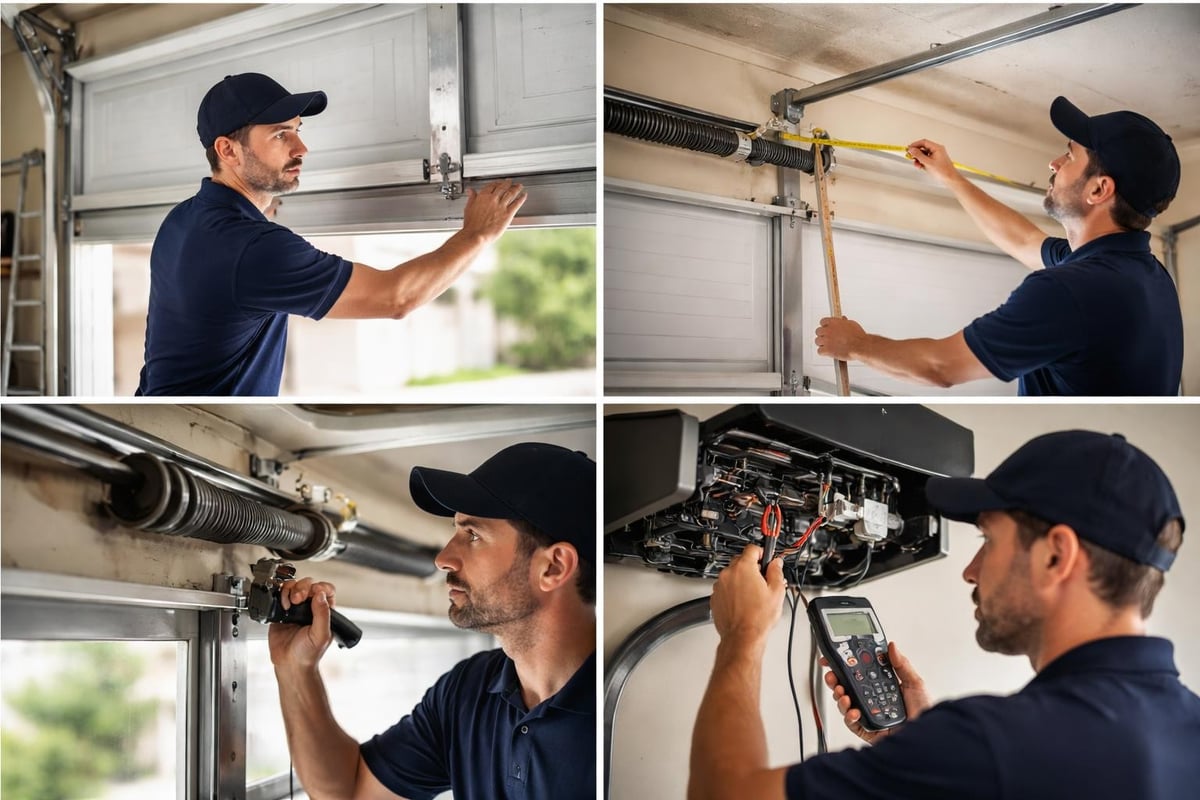
Professional garage door opener installers handle far more than simply mounting a motor to your ceiling. Their work begins with comprehensive assessment of your existing garage door system, including spring balance, track alignment, and structural support capacity.
Initial Assessment and System Compatibility
Before any installation begins, qualified installers evaluate whether your current door can support an automated opener system. They check door weight, measure headroom clearance, inspect spring tension, and identify any structural issues that could compromise installation quality.
Key assessment criteria include:
- Door weight and balance testing
- Headroom and sideroom measurements
- Electrical circuit availability and location
- Door condition and operational smoothness
- Spring system type and condition
This evaluation prevents common installation failures that occur when incompatible systems are forced together. A door with weak or broken springs, for instance, will strain even the most powerful opener motor.
Motor Selection and Mounting Procedures
Experienced garage door opener installers match motor types to specific door configurations and homeowner preferences. Belt-drive systems offer quieter operation ideal for homes with living spaces above garages, while chain-drive models provide reliable performance at lower cost points. Wall-mounted jackshaft openers save ceiling space in garages with limited headroom.
The mounting process requires precision measurement and secure attachment to structural members. Installers locate ceiling joists or install reinforcement brackets to support the opener's weight and operational forces. According to the International Residential Code provisions for garage doors, proper structural support prevents system failure and ensures compliance with building standards.
| Opener Type | Noise Level | Cost Range | Best Application |
|---|---|---|---|
| Belt-Drive | Very Quiet | $$$ | Attached garages, bedrooms above |
| Chain-Drive | Moderate | $ | Detached garages, budget-conscious |
| Screw-Drive | Moderate | $$ | Minimal maintenance preference |
| Wall-Mount | Quiet | $$$$ | Limited headroom, high ceilings |
Critical Safety Features and Compliance Standards
Professional installers prioritize safety features that prevent injury and property damage. The U.S. Consumer Product Safety Commission has documented numerous incidents involving automatic garage door openers, emphasizing the importance of proper safety sensor installation.
Modern garage door opener installers must configure multiple safety systems during every installation. Photo-electric sensors create an invisible beam across the door opening, triggering automatic reversal if any object breaks the beam during closing. Force sensitivity settings prevent the door from crushing objects or people, while manual release mechanisms allow emergency operation during power outages.
Sensor Alignment and Testing Protocols
Safety sensors require precise alignment to function correctly. Professional installers mount sensors at specific heights, typically four to six inches above the floor, and align them perfectly across the door opening. They test sensor response multiple times using various objects to verify consistent automatic reversal.
Standard safety testing includes:
- Obstacle detection with 1.5-inch block
- Reversal force measurement
- Photo-eye alignment verification
- Manual release mechanism testing
- Auto-reverse timing calibration
Installers also program force limits that balance security with safety. Settings too sensitive cause nuisance reversals, while insufficient sensitivity creates hazard conditions. Professional garage door repair expertise informs these calibrations.
Installation Process From Start to Finish
The complete installation process follows systematic steps that ensure reliable operation and code compliance. Experienced garage door opener installers typically complete residential installations in two to four hours, depending on system complexity and existing garage conditions.
Removal and Preparation
When replacing existing openers, installers begin by disconnecting power, removing the old unit, and inspecting mounting locations. They verify that door springs provide proper counterbalance before proceeding. Doors that don't stay open when manually lifted halfway require spring adjustment before opener installation.
Professional teams prepare the workspace by protecting vehicles and belongings, establishing clear access to electrical panels, and organizing tools and components. They verify that all parts listed in the manufacturer's specifications are present and undamaged.
Mounting and Electrical Connection
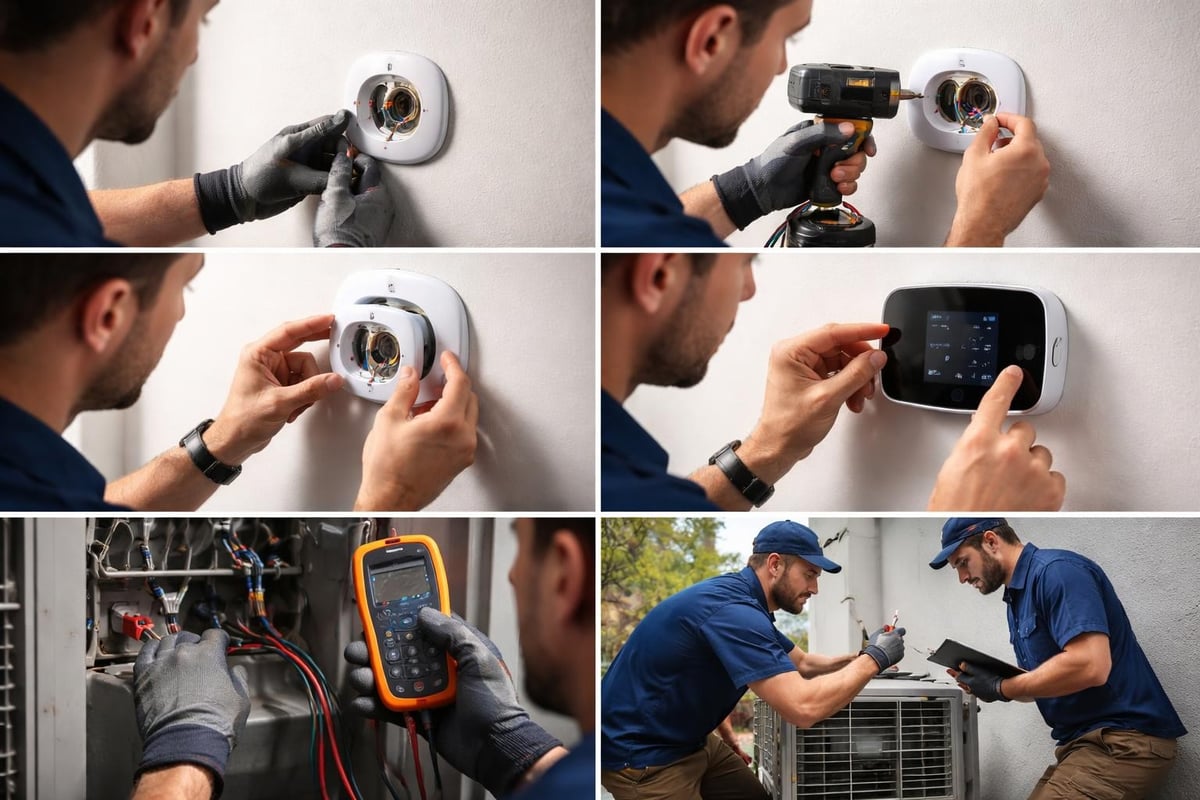
Installers attach the rail assembly to the header bracket above the door, then secure the motor unit to ceiling supports. They maintain manufacturer-specified distances between the rail and door to prevent interference during operation. Electrical connections follow local codes, typically requiring dedicated circuits for opener motors.
Wiring safety sensors demands attention to detail. Installers route sensor wires along door tracks, securing them with appropriate clips while avoiding pinch points. They connect control panels, keypads, and wireless accessories according to manufacturer protocols.
Professional garage door opener installers in Kitsap County also ensure installations meet Washington State electrical codes and obtain necessary permits when required. Local jurisdictions may require inspections for new construction or major renovations.
Choosing Qualified Garage Door Opener Installers
Selecting the right installation team impacts your system's performance for years. Property managers and homeowners should evaluate installers based on specific qualifications, experience levels, and service commitments.
Licensing and Insurance Requirements
Washington State requires contractors performing garage door work to carry appropriate licenses and insurance coverage. Verify that installers maintain current general liability insurance and workers' compensation coverage. Licensed contractors demonstrate commitment to professional standards and accountability.
Essential credentials include:
- State contractor's license
- General liability insurance ($1M minimum)
- Workers' compensation coverage
- Manufacturer certifications
- Industry association memberships
Manufacturer certifications indicate that installers receive ongoing training on specific product lines. Companies like LiftMaster, Chamberlain, and Genie offer certification programs ensuring technicians understand their systems' unique features and installation requirements.
Experience With Different Door Types
Not all garage door opener installers possess equal experience across different door styles and weights. Custom wood doors require different handling than standard steel sectional doors. Carriage-style doors with decorative hardware need installers familiar with weight distribution and mounting challenges.
Ask potential installers about their experience with your specific door type. Request references from similar installations and verify their understanding of your door's particular requirements. Understanding garage door opener technologies helps homeowners ask informed questions during the selection process.
Cost Factors and Service Value
Installation costs vary based on opener type, garage configuration, and regional market conditions. Throughout Kitsap County, professional installation typically ranges from $300 to $600 for standard residential systems, with complex commercial installations commanding higher fees.
| Cost Component | Standard Range | Factors Affecting Price |
|---|---|---|
| Labor | $200-$400 | Complexity, access, permits |
| Opener Unit | $150-$500 | Drive type, horsepower, features |
| Accessories | $50-$200 | Keypads, remotes, battery backup |
| Removal/Disposal | $50-$100 | Old unit complexity, disposal fees |
Value of Professional Installation vs DIY
While manufacturer guides like those from Clopay and Millard Lumber provide DIY instructions, professional installation delivers measurable advantages. Installers complete work faster, guarantee proper safety feature configuration, and provide warranty protection that DIY installations lack.
Professional teams bring specialized tools that ensure precise alignment and adjustment. They identify potential problems before they cause system failures and configure settings optimized for your specific door weight and usage patterns.
If you're ready to upgrade your garage door opener system with professional installation that prioritizes safety and performance, Garage Door Opener Installation services include complete removal of old units, proper mounting, force adjustments, and comprehensive safety testing.
Common Installation Challenges and Solutions
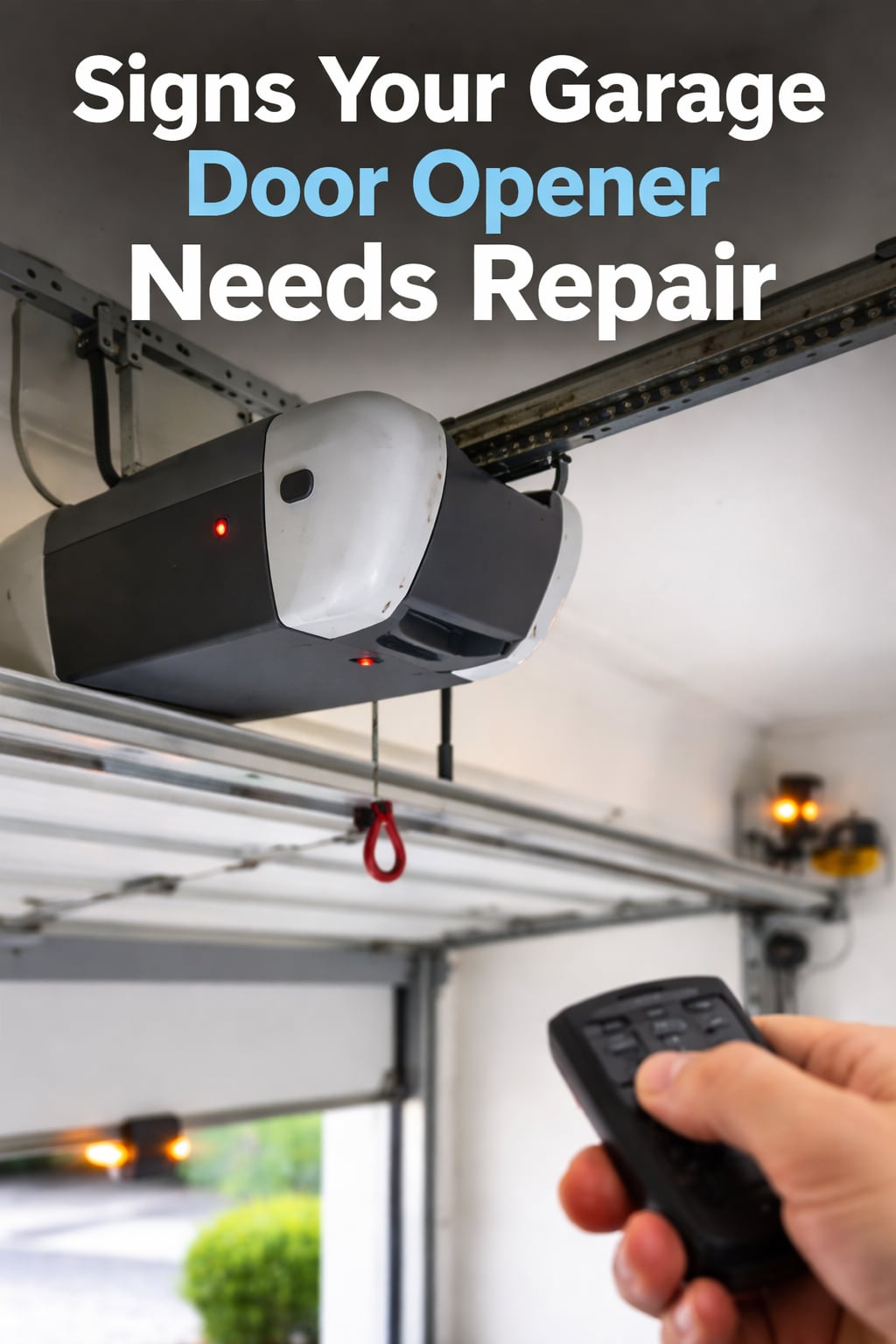
Even experienced garage door opener installers encounter challenges during installations. Understanding these common issues helps homeowners appreciate the value of professional expertise.
Limited Headroom Situations
Garages with finished ceilings, storage racks, or low clearances present mounting challenges. Standard trolley-style openers require minimum headroom specifications that some garages cannot accommodate. Professional installers solve these problems through wall-mounted jackshaft systems or low-headroom trolley configurations.
Jackshaft openers mount beside the door on the wall, eliminating ceiling-mounted rails entirely. These systems work well in garages with cathedral ceilings, finished storage areas, or architectural constraints. Installation requires different mounting techniques and specialized knowledge of side-mount mechanics.
Structural Support Deficiencies
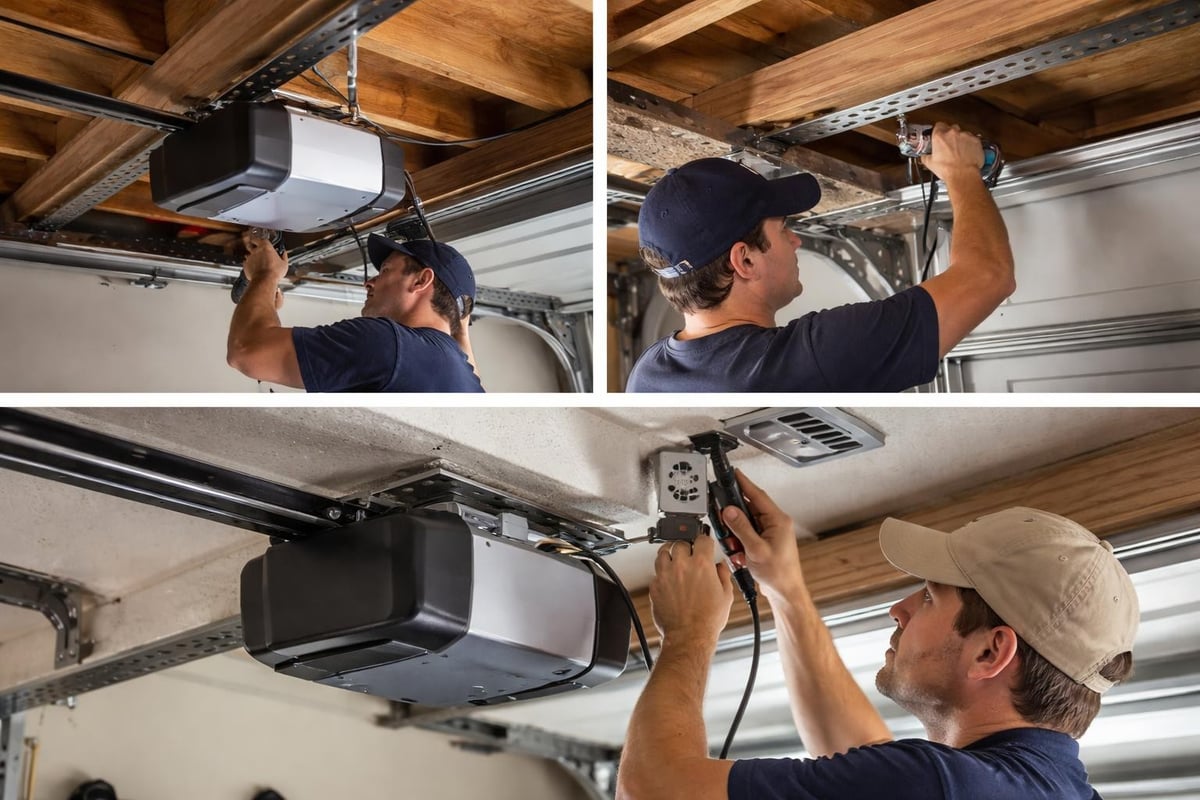
Older homes may lack adequate ceiling support for modern opener systems. Garage door opener installers assess joist spacing, ceiling material composition, and load-bearing capacity before mounting motors. When existing structures prove insufficient, they install reinforcement brackets or redistribute weight across multiple attachment points.
Some installations require cross-bracing between ceiling joists or installation of additional support beams. Professional teams carry materials for these modifications and understand local building code requirements for structural additions.
Smart Technology Integration
Modern garage door opener installers now configure smart home integration as standard practice. Wi-Fi connected openers enable smartphone control, delivery notifications, and security monitoring features that enhance convenience and home protection.
Connectivity Setup and Security
Professional installation includes connecting openers to home Wi-Fi networks, configuring mobile apps, and establishing security protocols. Installers ensure strong network signals reach garage locations, sometimes recommending Wi-Fi extenders for improved connectivity.
Security configuration prevents unauthorized access while enabling convenient features. Two-factor authentication, encrypted communications, and activity logging protect against cyber threats. Professional installers explain these features and help homeowners establish preferences aligned with their security priorities.
Many contemporary systems integrate with platforms like Amazon Key, enabling secure in-garage delivery when homeowners are away. The Wikipedia article on garage door openers traces this technological evolution from simple remote controls to comprehensive smart home ecosystems.
Maintenance Planning and Warranty Protection
Professional garage door opener installers typically provide maintenance recommendations and warranty registration during installation. Understanding these service components maximizes your investment's longevity and protects against unexpected repair costs.
Post-Installation Care Instructions
Qualified installers educate homeowners about monthly safety tests, lubrication schedules, and seasonal adjustments. They demonstrate how to test auto-reverse features, check sensor alignment, and identify warning signs of developing problems.
Recommended maintenance intervals:
- Monthly safety sensor testing
- Quarterly lubrication of moving parts
- Annual professional inspection
- Spring tension verification twice yearly
- Remote battery replacement as needed
Amarr’s safety guidelines emphasize regular testing to prevent accidents and ensure continued reliable operation. Professional installers from companies like NextLevel Garage Co. often provide maintenance schedules customized to Kitsap County's climate conditions.
Warranty Coverage and Registration
Manufacturer warranties typically cover parts for three to five years, with motor warranties sometimes extending to lifetime coverage. Professional installation often includes labor warranties guaranteeing workmanship quality. Installers handle warranty registration, ensuring coverage activates properly and homeowners receive entitled protections.
Warranty terms frequently require professional installation to remain valid. DIY installations may void manufacturer coverage, leaving homeowners financially responsible for premature failures. This represents another compelling reason to choose qualified garage door opener installers over amateur installation attempts.
Regional Considerations for Kitsap County
Kitsap County's maritime climate and building characteristics create specific considerations for garage door opener installation. Professional installers familiar with regional conditions optimize systems for local environmental factors.
Moisture and Corrosion Prevention
The Pacific Northwest's humidity levels accelerate corrosion on garage door components. Experienced local garage door opener installers select motors with appropriate weather resistance and apply protective coatings to vulnerable metal parts. They ensure electrical connections include moisture barriers preventing short circuits during wet seasons.
Proper ventilation becomes critical in preventing moisture accumulation around opener motors. Installers may recommend ventilation improvements or dehumidification solutions for garages prone to condensation problems.
Wind and Weather Resistance
Bainbridge Island and coastal Kitsap County locations experience stronger wind conditions than inland areas. Professional installers account for wind load when selecting opener horsepower and configuring force settings. They ensure weatherstripping remains intact and verify that doors seal properly to prevent wind-driven rain infiltration.
Systems serving properties near saltwater require additional corrosion protection. Stainless steel hardware and specialized lubricants extend component life in these challenging environments. Local garage door services understand these unique requirements.
Emergency Service Availability
Reliable garage door opener installers also provide emergency repair services when systems fail unexpectedly. Understanding their service commitments helps homeowners prepare for potential problems.
Professional companies maintain parts inventory for common repairs and offer priority service to previous installation customers. They provide clear communication about service availability, response times, and after-hours emergency protocols.
The International Association of Certified Home Inspectors recommends establishing relationships with qualified service providers before emergencies occur. Homeowners who choose installers offering comprehensive service coverage gain peace of mind beyond initial installation quality.
Emergency situations might include broken springs, motor failures, or safety sensor malfunctions. Professional teams diagnose problems quickly and carry common replacement parts, often resolving issues during single service calls. Their expertise with multiple opener brands enables them to service systems they didn't originally install.
Commercial Installation Expertise
While residential installations represent the majority of work, professional garage door opener installers also serve commercial clients with specialized requirements. Property managers overseeing warehouses, retail facilities, or multi-family housing need installers experienced with heavy-duty commercial systems.
Commercial openers handle significantly higher cycle counts and door weights than residential models. They require three-phase power connections, advanced control systems, and integration with building access controls. Professional installers understand these complexities and maintain appropriate licensing for commercial electrical work.
Loading dock applications demand installers familiar with high-cycle commercial operators, weather seals designed for climate-controlled facilities, and safety systems meeting OSHA workplace requirements. Experience with these specialized applications separates general contractors from dedicated garage door professionals.
Professional garage door opener installers provide expertise that ensures safe, reliable operation while protecting your investment through proper installation techniques and warranty compliance. Whether you need a quiet belt-drive system for your Bainbridge Island home or a commercial-grade opener for a Kitsap County business property, choosing qualified professionals delivers long-term value that DIY approaches cannot match. NextLevel Garage Co. brings locally-owned expertise to residential and commercial garage door opener installations throughout Kitsap County, combining technical knowledge with commitment to quality workmanship and clear communication that keeps your project on track from assessment through final testing.