

Finding qualified garage door opener installers near me requires more than a simple internet search. Homeowners throughout Kitsap County and Bainbridge Island need professionals who combine technical expertise with reliable service, ensuring their garage door systems operate safely and efficiently for years to come. This comprehensive guide walks you through the essential considerations when selecting a local installer, from verifying credentials to understanding modern opener technologies.
Understanding Why Professional Installation Matters
Many homeowners underestimate the complexity of garage door opener installation. While DIY installation might seem cost-effective initially, professional installers bring specialized knowledge that prevents costly mistakes and safety hazards.
The Safety Factor
Garage door openers involve electrical wiring, heavy mechanical components, and precise calibration. According to federal safety standards for automatic garage door openers, these systems must include specific safety features to prevent injuries and property damage.
Professional installers ensure:
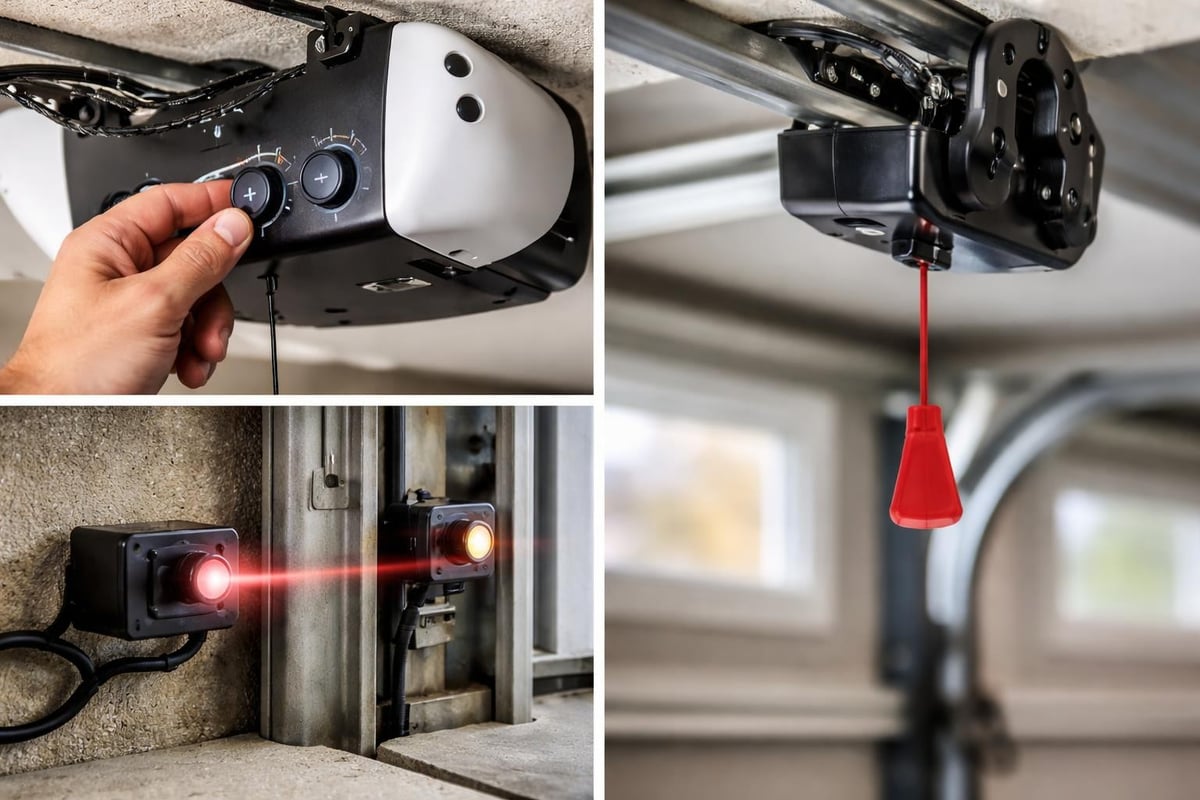
- Proper force adjustment to prevent door reversal failures
- Correct sensor alignment for reliable obstruction detection
- Secure mounting that handles the opener's weight and operational stress
- Code-compliant electrical connections that meet local requirements
- Manufacturer warranty protection that DIY installation often voids
A single miscalibration can turn your garage door into a safety hazard. The door might close with excessive force, fail to reverse when encountering obstacles, or create electrical risks that endanger your family.
Long-Term Cost Considerations
| Installation Approach | Initial Cost | Potential Hidden Costs | Warranty Coverage |
|---|---|---|---|
| Professional Installation | $250-$500 | Minimal | Full manufacturer warranty |
| DIY Installation | $0-$100 | Repair costs, replacement parts, potential injuries | Often voided |
| Bargain Installer | $150-$250 | Callbacks, improper setup, safety issues | Limited or none |
Professional installation protects your investment. When you search for garage door opener installers near me, you're not just paying for labor. You're purchasing peace of mind, proper warranty coverage, and the assurance that your system meets current safety standards.
What to Look for in Local Installers
The installer you choose directly impacts your garage door system's performance and longevity. Kitsap County homeowners should evaluate several critical factors before making a decision.
Credentials and Experience
Start by verifying basic qualifications:
- Valid business license for your county or municipality
- Current liability insurance protecting your property during installation
- Workers' compensation coverage if they employ installation crews
- Manufacturer certifications from major brands like LiftMaster, Chamberlain, or Genie
- Years of experience specifically with garage door opener installation
Ask potential installers how many opener installations they complete annually. Companies specializing in garage services typically handle dozens of installations monthly, developing expertise that part-time handyman services cannot match.
Service Area and Response Time
Geographic proximity matters significantly. When searching for garage door opener installers near me, prioritize companies serving your specific area. Local installers familiar with Bainbridge Island and Kitsap County understand regional building codes, weather considerations, and common installation challenges in Pacific Northwest homes.
Benefits of choosing local installers:
- Faster response times for initial consultations
- Familiarity with local building codes and permit requirements
- Available for follow-up service and warranty work
- Community reputation they must maintain
- Understanding of regional weather impacts on garage door systems
Transparent Pricing and Estimates
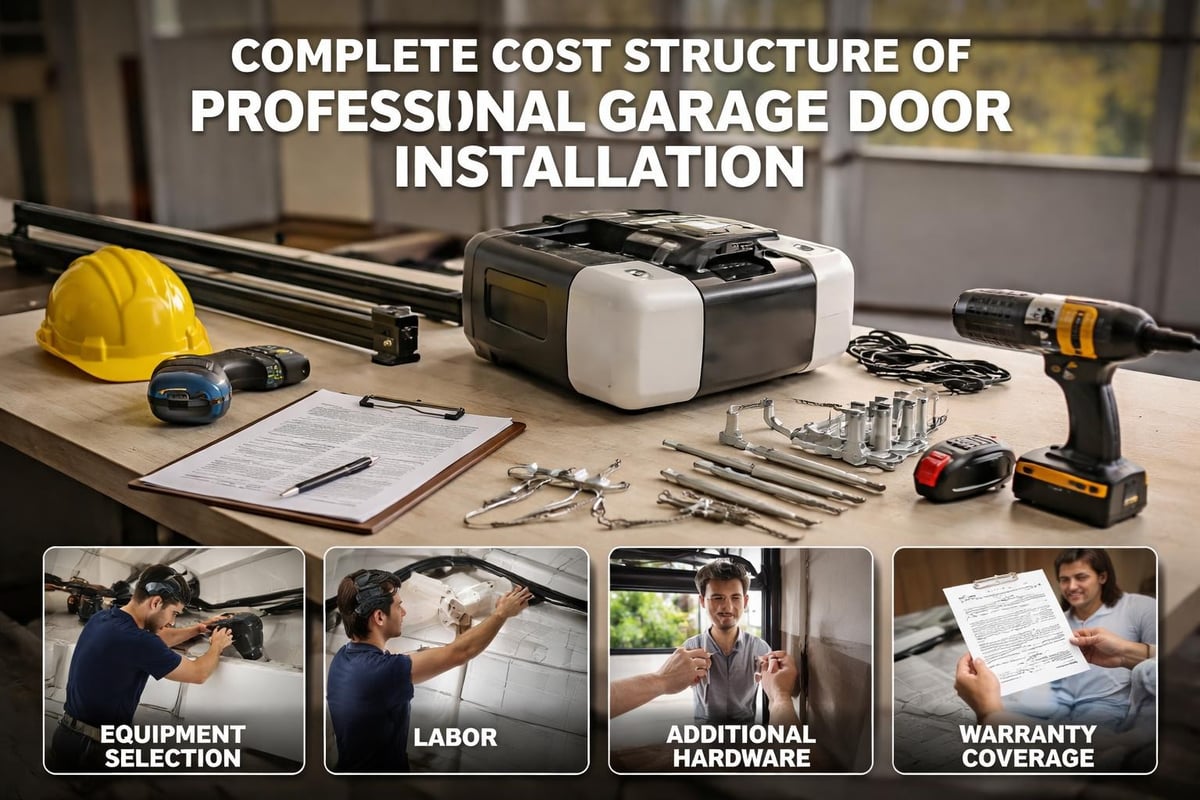
Reputable installers provide detailed, written estimates before beginning work. The estimate should itemize:
- Labor costs for installation
- Opener unit and model specifications
- Additional materials (brackets, wiring, remotes)
- Disposal fees for old opener removal
- Any necessary modifications to existing infrastructure
- Warranty terms for parts and labor
Be cautious of installers who provide only verbal quotes or pressure you to decide immediately. Quality companies give you time to review proposals and compare options.
Evaluating Opener Types and Technologies
When working with garage door opener installers near me, understanding current opener technologies helps you make informed decisions. The right opener type depends on your specific garage configuration, noise tolerance, and budget.
Chain-Drive vs. Belt-Drive Systems
Different drive mechanisms offer distinct advantages:
| Feature | Chain-Drive | Belt-Drive | Direct-Drive |
|---|---|---|---|
| Noise Level | Moderate to loud | Very quiet | Quietest |
| Durability | Excellent | Excellent | Good |
| Maintenance | Regular lubrication | Minimal | Minimal |
| Cost | Most affordable | Mid-range | Premium |
| Best For | Detached garages | Attached garages, bedrooms above | Premium installations |
Professional installers assess your garage's proximity to living spaces and recommend appropriate drive systems. If your master bedroom sits above the garage, investing in a belt-drive or direct-drive system significantly improves quality of life.
Smart Technology Integration
Modern garage door openers in 2026 offer sophisticated connectivity features. Quality installers configure these systems properly during installation:
- Wi-Fi connectivity for smartphone control and monitoring
- Battery backup systems maintaining operation during power outages
- Integration with home automation platforms like Google Home and Amazon Alexa
- Delivery access features allowing secure package delivery
- Activity monitoring tracking when the door opens and closes
For homeowners interested in comprehensive smart home integration, exploring garage door opener technologies in 2026 provides valuable insights into current capabilities and future-proofing your installation.
The Installation Process Explained
Understanding what happens during professional installation helps you prepare your garage and set realistic expectations. When you hire garage door opener installers near me, they follow a systematic process ensuring proper setup and safety.
Pre-Installation Assessment
Before installation day, professional installers evaluate:
- Existing garage door condition and compatibility with new opener
- Current spring balance requiring adjustment before opener installation
- Available electrical outlets and need for new circuits
- Ceiling structure and mounting requirements
- Headroom clearance for opener and track systems
This assessment prevents installation-day surprises and ensures your garage accommodates the selected opener model. Companies like NextLevel Garage Co. conduct thorough pre-installation evaluations as standard practice.
Step-by-Step Installation
Professional installation typically follows this sequence:
Phase 1: Preparation and Removal
- Remove existing opener if present
- Verify door balance and spring tension
- Inspect and adjust track alignment
- Confirm electrical supply meets requirements
Phase 2: Mounting and Assembly
- Install mounting brackets to ceiling structure
- Assemble drive rail and trolley system
- Mount opener motor unit
- Connect drive mechanism to trolley
Phase 3: Door Connection
- Attach trolley arm to garage door
- Verify door moves freely through entire range
- Set travel limits for fully open and closed positions
- Adjust force settings for proper operation
Phase 4: Safety and Testing
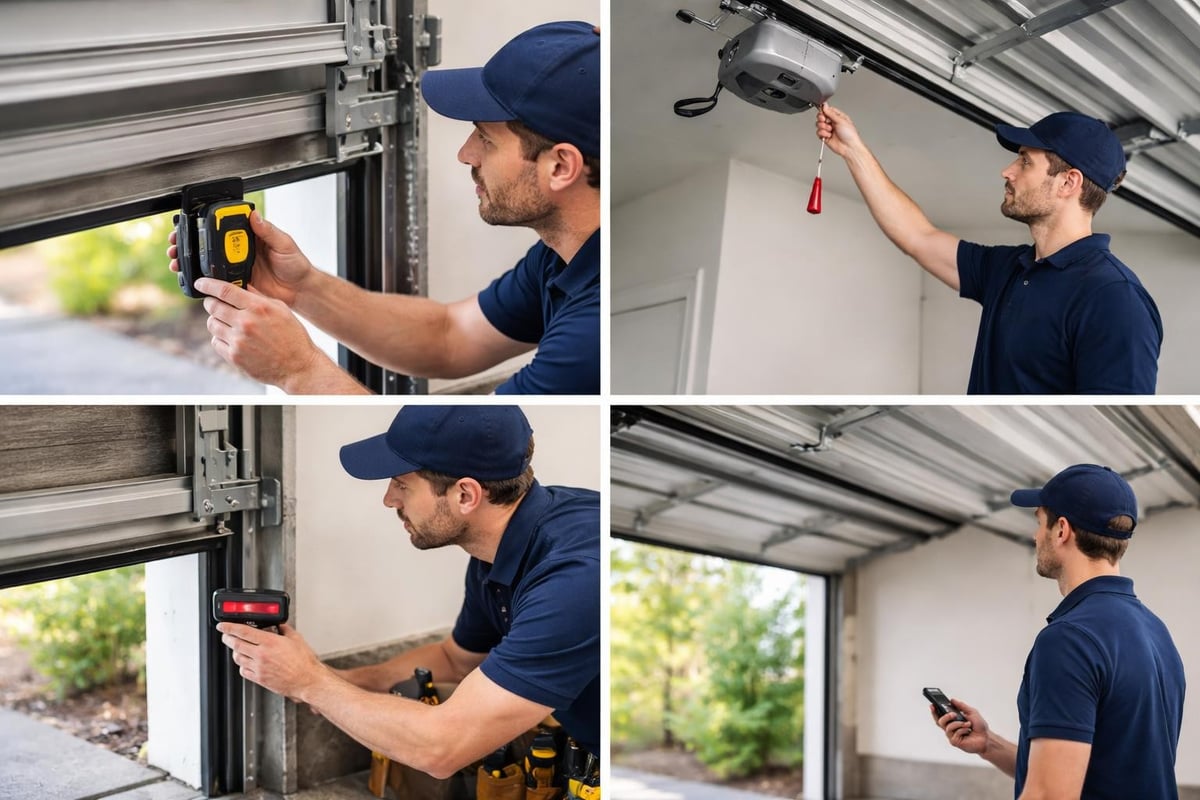
- Install and align photo-eye sensors
- Test auto-reverse on obstruction
- Program remote controls and keypads
- Configure smart features if applicable
- Demonstrate operation to homeowner
The entire process typically requires two to four hours depending on garage configuration and opener complexity. Experienced installers work efficiently while maintaining attention to critical safety details.
Verifying Proper Installation Quality
After garage door opener installers near me complete the work, verify several key performance indicators before signing off on the job. Professional installers welcome this scrutiny and conduct these tests themselves.
Essential Safety Tests
Perform these checks with your installer present:
- Obstruction reversal test: Place a 2×4 board flat under the door. The door should reverse immediately upon contact.
- Photo-eye interruption: Break the sensor beam while closing. The door should stop and reverse.
- Manual release function: Pull the emergency release cord. The door should disconnect from the opener and move freely.
- Balance verification: Disconnect the opener and manually lift the door halfway. It should stay in place without assistance.
- Force adjustment: The door should stop if you apply moderate resistance while closing.
According to Amarr’s garage door safety guidelines, these tests should be performed monthly by homeowners and documented during professional installations.
Performance Benchmarks
Beyond safety, evaluate operational quality:
- Smooth operation without jerking, hesitation, or unusual noises
- Complete closing with proper seal against the garage floor
- Consistent opening to the same position every cycle
- Remote response from reasonable distances (typically 50+ feet)
- Interior button functionality with immediate response
Quality installers ensure these benchmarks before leaving your property. They also provide clear documentation of all settings and adjustments for future reference.
Finding and Vetting Local Installers
The search for garage door opener installers near me yields numerous options, but not all installers offer equal quality and reliability. Effective vetting separates professional services from mediocre alternatives.
Online Research Strategies
Start your search with these approaches:
- Local business directories specific to Kitsap County
- Manufacturer dealer locators from brands like Chamberlain and LiftMaster
- Home service platforms with verified reviews and ratings
- Community recommendations from neighborhood forums and social media groups
- Professional associations like the International Door Association
Cross-reference multiple sources to identify installers appearing consistently with positive feedback. Companies maintaining strong reputations across platforms demonstrate reliable service quality.
Questions to Ask Potential Installers
During initial consultations, ask these critical questions:
About Their Business:
- How long have you been installing garage door openers in this area?
- Are you licensed, bonded, and insured for garage door work?
- Do you employ your installers or use subcontractors?
- What manufacturer certifications does your team hold?
About the Installation:
- What opener brands and models do you recommend for my garage?
- How do you handle disposal of my old opener?
- What warranty coverage comes with your installation?
- Do you perform the safety tests and provide documentation?
About Follow-Up Service:
- What ongoing maintenance do you recommend?
- How quickly do you respond to warranty service calls?
- Do you service other garage door components beyond openers?
Professional installers answer these questions confidently and provide detailed information. Vague responses or reluctance to discuss specifics signals potential problems.
Red Flags to Avoid
Certain warning signs indicate installers you should avoid:
- No physical business address or only P.O. Box listings
- Pressure to decide immediately without time to review options
- Significantly lower prices than competitors without clear explanation
- Unwillingness to provide references from recent customers
- Cash-only payment requirements avoiding paper trails
- No written contracts or detailed estimates
- Unlicensed or uninsured operations putting your property at risk
Trust your instincts. If an installer makes you uncomfortable or avoids answering questions directly, continue your search for more transparent options.
Seasonal Considerations for Installation
Living in the Pacific Northwest presents unique timing considerations when scheduling garage door opener installation. Weather patterns and seasonal demands affect both installation scheduling and system performance.
Optimal Installation Timing
Spring (March-May):
- Moderate temperatures ease installation work
- Increased demand may extend scheduling times
- Good opportunity for comprehensive garage maintenance
Summer (June-August):
- Extended daylight hours accommodate flexible scheduling
- Peak season means longer wait times with popular installers
- Ideal for testing opener performance in warm conditions
Fall (September-November):
- Moderate temperatures return
- Demand decreases, improving scheduling availability
- Excellent time to prepare garage for winter weather
Winter (December-February):
- Cold temperatures may affect installation timeline
- Lowest demand offers best scheduling flexibility and pricing
- Testing opener's cold-weather performance immediately
For residents seeking emergency garage door repair services, understanding seasonal patterns helps set realistic expectations for service availability.
Weather Impact on Performance
Professional installers account for Pacific Northwest weather conditions:
- Humidity management: Proper sealing prevents moisture infiltration affecting electrical components
- Temperature extremes: Force adjustments accounting for seasonal metal expansion and contraction
- Rain protection: Weatherstripping integration preventing water entry during storms
- Wind resistance: Proper door balance maintaining operation during strong winds
Quality garage door opener installers near me configure systems for year-round reliability, not just optimal summer conditions.
Maximizing Your Opener Investment
Beyond basic installation, strategic decisions during the process enhance long-term value and performance. Work with your installer to implement these improvements.
Complementary Upgrades
Consider these additions during opener installation:
- Battery backup systems maintaining functionality during power outages
- Additional remote controls for family members and vehicles
- Keyless entry pads eliminating the need for physical keys
- Security cameras monitoring garage access points
- Upgraded interior lighting improving garage usability
- Smart home integration connecting opener to existing automation systems
Bundling upgrades during initial installation typically costs less than adding them later. Installers can complete wiring and configuration efficiently while already working in your garage.
For homeowners considering broader improvements, reviewing a step-by-step garage renovation checklist helps prioritize projects and coordinate timing.
Maintenance Plans and Service Agreements
Many professional installers offer ongoing maintenance programs providing:
- Annual safety inspections verifying all systems function properly
- Lubrication services extending component lifespan
- Sensor cleaning and alignment maintaining reliable operation
- Force adjustment as door weight and spring tension change
- Priority scheduling for emergency repairs
- Discounted service rates for program members
These programs typically cost $100-$200 annually but prevent expensive emergency repairs and extend opener lifespan significantly. The investment pays for itself through improved reliability and reduced downtime.
Professional Installation vs. Handyman Services
As you evaluate garage door opener installers near me, you'll encounter both specialized garage door companies and general handyman services. Understanding the differences helps you make informed hiring decisions.
Specialized Garage Door Companies
Advantages:
- Deep expertise in garage door systems and opener technologies
- Manufacturer certifications and training
- Specialized tools for precise installation and adjustment
- Comprehensive warranties covering both parts and labor
- Established relationships with parts suppliers
- Knowledge of garage door spring repair and related services
Considerations:
- Potentially higher labor rates reflecting specialized expertise
- Minimum service charges for small jobs
- Scheduling may require more advance notice
General Handyman Services
Advantages:
- Lower hourly rates
- Flexible scheduling for multiple small projects
- Willingness to tackle various garage improvements simultaneously
Considerations:
- Limited specialized knowledge of garage door systems
- May lack manufacturer certifications
- Generic tools rather than specialized equipment
- Potentially voided manufacturer warranties
- Limited availability for follow-up service
- May not carry adequate insurance for garage door work
For complex installations or homes requiring reliable garage access, specialized garage door companies provide superior value despite higher initial costs. Their expertise prevents the expensive mistakes that handyman services sometimes make.
Understanding Warranties and Guarantees
Warranty coverage represents a critical factor when selecting garage door opener installers near me. Comprehensive warranties protect your investment and provide recourse if problems develop.
Manufacturer Warranties
Opener manufacturers typically provide:
- Motor warranties: 5-10 years covering mechanical failures
- Parts warranties: 1-5 years for components like circuit boards and sensors
- Accessory warranties: 1-2 years for remotes and keypads
These warranties require professional installation to remain valid. DIY installation or work by unlicensed installers voids most manufacturer coverage. Always verify warranty terms before purchasing and request written confirmation that installation meets manufacturer requirements.
Installer Workmanship Warranties
Professional installers should guarantee their work separately from manufacturer coverage:
| Warranty Component | Minimum Standard | Premium Service |
|---|---|---|
| Labor Warranty | 90 days | 1-2 years |
| Installation Quality | 90 days | 1 year |
| Service Callbacks | Free for 30 days | Free for 1 year |
| Parts Replacement | Manufacturer warranty only | 1-year comprehensive |
Request written documentation of all warranty terms before installation begins. Quality installers provide clear warranty information without hesitation.
What Warranties Don't Cover
Understanding exclusions prevents future disputes:
- Normal wear and tear from regular use
- Damage from accidents or misuse
- Modifications by unauthorized persons
- Failure to maintain according to manufacturer recommendations
- Act of nature damage from storms, flooding, or earthquakes
- Cosmetic issues not affecting functionality
Professional installers explain these limitations clearly and recommend appropriate maintenance schedules to maximize coverage duration.
Preparing Your Garage for Installation
When scheduling garage door opener installers near me, proper preparation ensures efficient installation and prevents delays. Complete these tasks before installation day.
Space and Access Requirements
Clear these areas:
- Garage floor space beneath opener installation area
- Vehicle removal providing installers full access
- Storage items away from ceiling and door tracks
- Workbench or storage blocking electrical panel access
- Pathway to home entrance for installer access to facilities
Installers need approximately 10-15 feet of clear space centered on the garage door. Removing vehicles and clearing clutter prevents delays and protects your belongings from installation debris.
Electrical Considerations
Verify your garage electrical system meets requirements:
- Dedicated GFCI outlet within 6 feet of opener motor location
- Proper voltage (typically 120V for residential openers)
- Circuit capacity adequate for opener power requirements
- Functional circuit breaker for garage electrical supply
- Wiring condition meeting current electrical codes
If your garage lacks proper electrical infrastructure, discuss requirements during the estimate phase. Electrical upgrades add cost but ensure safe, code-compliant installation.
Professional Garage Door Opener Installation services include electrical assessment and can coordinate necessary upgrades, ensuring your garage door system operates reliably and safely from day one.
Door Condition Assessment
Before installing a new opener, verify your garage door's condition:
- Door balance: Manually lift the door halfway. It should remain in place.
- Spring tension: Door lifts smoothly without excessive effort.
- Track alignment: Door travels smoothly without binding or rubbing.
- Hardware condition: Hinges, rollers, and brackets show minimal wear.
- Panel integrity: No significant damage, warping, or deterioration.
Installers often discover door problems during opener installation. Addressing these issues beforehand prevents delays and ensures your new opener operates optimally. Many homeowners benefit from scheduling comprehensive garage door repair before opener installation.
Smart Features and Future-Proofing
Modern garage door openers offer connectivity and automation features that seemed futuristic just a few years ago. When selecting garage door opener installers near me, ensure they understand and properly configure these technologies.
Current Smart Capabilities
Today's openers integrate with home automation systems:
- Smartphone apps providing remote control from anywhere
- Activity notifications alerting you when the door opens or closes
- Scheduled operation automating door closing at specific times
- Voice control through Alexa, Google Assistant, or Siri
- Guest access with temporary codes for service providers
- Camera integration viewing garage interior remotely
- Geofencing automatically closing door when you leave home
Professional installers configure these features during initial setup, ensuring reliable connectivity and proper security settings. They also train homeowners on effective use of smart capabilities.
Emerging Technologies
Several innovations are becoming standard in 2026:
Enhanced Security Features:
- AI-powered activity recognition identifying unusual door usage patterns
- Integrated security systems with automatic emergency response
- Biometric access controls for keyless, cardless entry
Energy Efficiency:
- Solar-compatible openers reducing grid dependence
- Improved standby power consumption below 1 watt
- Integration with home energy management systems
Predictive Maintenance:
- Sensors monitoring component wear and performance
- Automated service scheduling based on usage patterns
- Mobile alerts recommending preventive maintenance
Installers familiar with these technologies help you select systems supporting future capabilities, protecting your investment as technology evolves.
Cost Factors and Budget Planning
Understanding pricing structures for garage door opener installers near me helps you budget appropriately and identify fair market rates. Several factors influence total installation costs.
Price Components
Equipment Costs:
- Basic chain-drive openers: $150-$300
- Mid-range belt-drive systems: $250-$500
- Premium direct-drive or smart openers: $400-$800
- Commercial-grade operators: $600-$1,500+
Installation Labor:
- Standard installation: $200-$400
- Complex installation (high ceilings, custom mounting): $400-$600
- Smart system configuration: $100-$200 additional
- Electrical upgrades: $150-$500 depending on requirements
Additional Components:
- Extra remote controls: $25-$50 each
- Keyless entry pad: $40-$80
- Battery backup system: $100-$200
- Wi-Fi connectivity module: $50-$100
Total project costs typically range from $400 to $1,500 for residential installations, with most homeowners spending $600-$900 for quality equipment and professional installation.
Value vs. Price Considerations
The cheapest option rarely provides the best value. Consider total cost of ownership:
- Initial installation cost (one-time expense)
- Energy consumption (ongoing monthly cost)
- Maintenance requirements (annual expense)
- Expected lifespan (replacement timeline)
- Warranty coverage (protection against repairs)
- Noise level (quality of life impact)
A $300 difference in initial cost becomes insignificant over a 15-year lifespan if the more expensive system requires less maintenance, operates more reliably, and avoids the need for premature replacement.
Financing and Payment Options
Many professional installers offer payment flexibility:
- Credit card processing with standard transaction fees
- Financing programs through manufacturer partnerships
- Promotional 0% financing for qualified customers
- Senior or military discounts reducing total cost
- Service bundling savings when combining multiple projects
Discuss payment options during the estimate phase. Reputable installers provide transparent pricing without hidden fees or surprise charges.
Regional Considerations for Kitsap County
Homeowners searching for garage door opener installers near me in Kitsap County and Bainbridge Island face unique considerations reflecting the region's geography, climate, and housing characteristics.
Local Building Codes and Permits
Kitsap County enforces specific requirements for garage door work:
- Electrical permits may be required for new circuits or panel upgrades
- Building permits for structural modifications supporting opener installation
- Safety compliance with Washington State building codes
- Wind load considerations for coastal properties
- Seismic requirements for earthquake resistance
Professional local installers navigate these requirements efficiently, obtaining necessary permits and ensuring code compliance. They understand local inspector expectations and complete installations meeting all regulatory standards.
Climate-Specific Installation Practices
Pacific Northwest weather demands specific installation approaches:
Moisture Management:
- Enhanced weatherstripping preventing rain infiltration
- Proper ventilation reducing condensation
- Corrosion-resistant hardware for coastal environments
- Sealed electrical connections protecting against humidity
Temperature Variation:
- Force adjustment accounting for seasonal changes
- Lubricants performing across temperature ranges
- Springs calibrated for regional temperature swings
Storm Preparedness:
- Reinforced mounting for wind resistance
- Battery backup systems maintaining operation during outages
- Manual release accessibility for emergency situations
Installers familiar with Kitsap County conditions implement these practices as standard procedure, ensuring reliable year-round performance.
Island-Specific Service Considerations
Bainbridge Island locations present unique logistical factors:
- Ferry scheduling affecting service appointment availability
- Travel time factoring into service call pricing
- Parts availability requiring proper inventory planning
- Emergency response potentially delayed by ferry schedules
Choosing installers based on Bainbridge Island or with dedicated island service routes ensures better availability and response times than mainland companies making occasional island trips.
Selecting qualified garage door opener installers near me requires careful evaluation of credentials, experience, and service quality. Professional installation ensures your garage door system operates safely, reliably, and efficiently while protecting manufacturer warranties and preventing costly future repairs. Whether you're upgrading an aging opener or installing a new system, working with experienced local professionals provides peace of mind and long-term value. NextLevel Garage Co. serves Bainbridge Island and Kitsap County with professional garage door opener installation, combining technical expertise with transparent communication and quality workmanship that homeowners trust.