

Is your garage door problem keeping you up at night with strange noises or sluggish movement? You might be ignoring the early warning signs that lead to expensive repairs or even safety hazards.
Ignoring a garage door problem can put your family and property at risk. Delayed action often leads to higher costs, increased danger, and unexpected breakdowns.
This guide will help you spot the top 7 garage door problem signs every homeowner should recognize in 2026. You will learn what each sign means and why taking quick action is essential.
Protect your home and wallet by addressing garage door problem symptoms before they turn into major headaches.
Why Early Detection of Garage Door Problems Matters
Ignoring a garage door problem can lead to more than just inconvenience. Every year, thousands of homeowners face unexpected property damage, injuries, or security breaches simply because they overlooked small warning signs. A malfunctioning garage door can leave your home vulnerable to break-ins or even trap your vehicle inside during an emergency. The consequences of neglecting early symptoms are real and often costly.
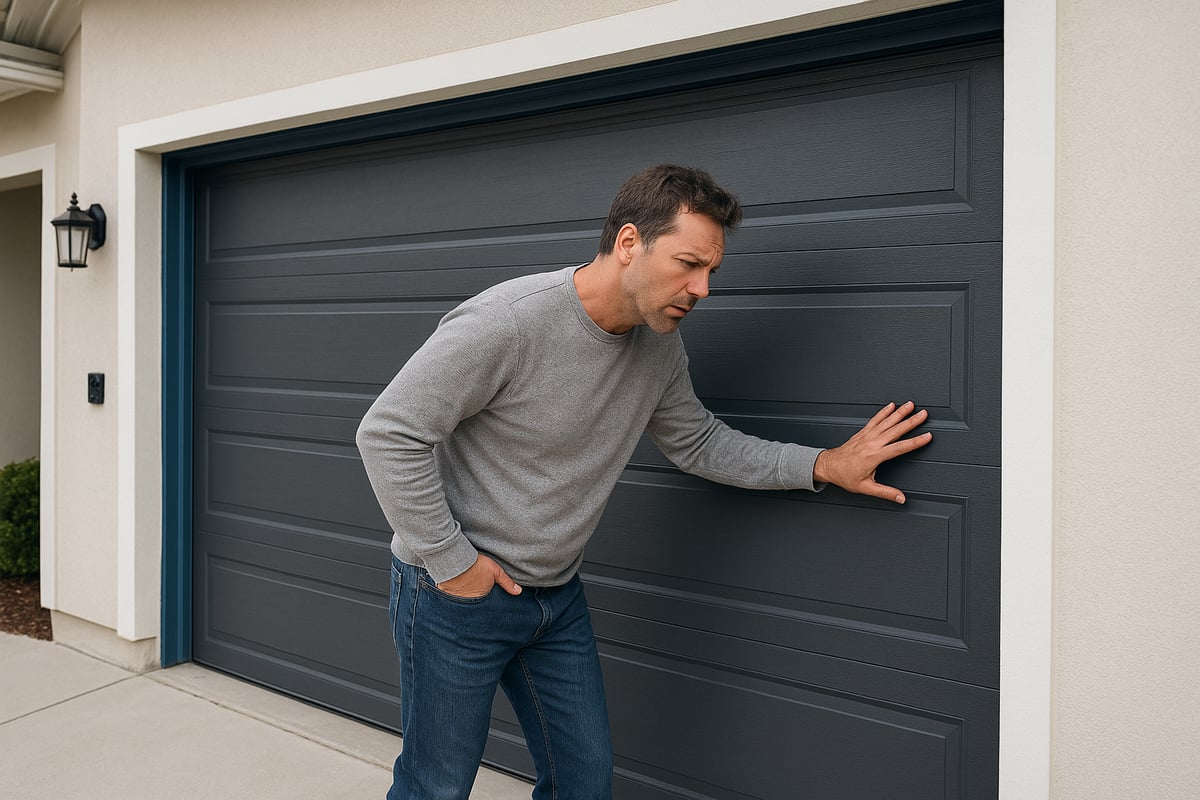
Minor symptoms like squeaks, grinding noises, or slow movement are often the first signal of a garage door problem. Springs, a critical component, generally last about 10,000 cycles or 7 to 9 years, but frequent use or lack of maintenance can shorten their lifespan. When these warning signs are ignored, they can quickly escalate. For example, what starts as a slight hesitation might soon result in the door slamming shut, refusing to reverse, or even coming off its tracks. According to Garage door injury statistics, garage door accidents are more common than many realize, underscoring the need for prompt attention.
The financial impact of delaying repairs is also increasing in 2026. Supply chain disruptions and rising labor costs mean that waiting to address a garage door problem can significantly inflate repair bills. A simple lubrication issue left unchecked may evolve into damaged tracks, broken openers, or even full system replacements. Homeowners are often surprised at how quickly a small repair becomes a major expense.
Early detection and timely intervention offer peace of mind and measurable cost savings. By addressing a garage door problem as soon as it arises, you protect your family, property, and budget from unexpected setbacks. Proactive maintenance not only extends the life of your garage door but also ensures your home remains safe and accessible. Investing a little time now can prevent major hazards and expenses later.
| Risk of Ignoring Problems | Benefit of Early Detection |
|---|---|
| Property damage | Lower repair costs |
| Personal injury | Improved safety |
| Home security risks | Increased peace of mind |
| Higher repair expenses | Longer system lifespan |
7 Garage Door Problem Signs You Should Never Ignore
Every homeowner should know how to spot a serious garage door problem before it escalates. Ignoring early warning signs can lead to safety hazards, property damage, and expensive repairs. In this section, we break down the seven most critical garage door problem signals you must never overlook.
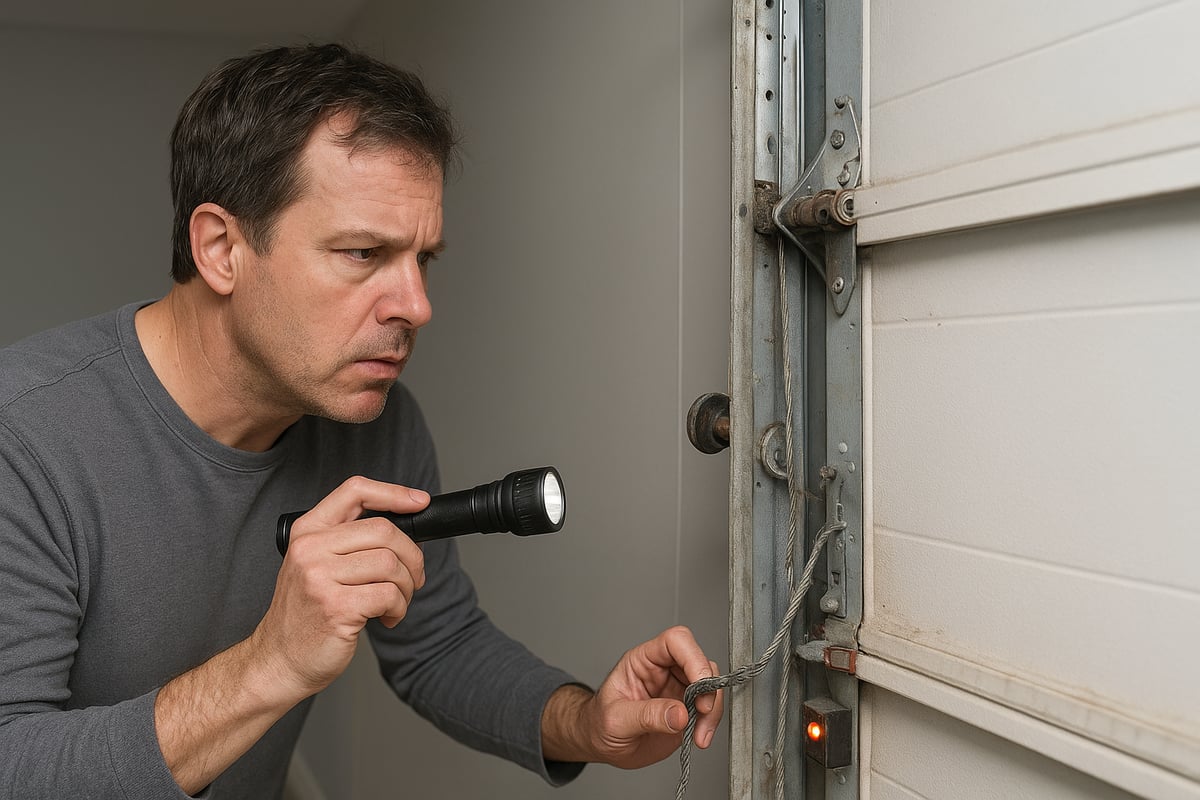
1. Unusual Noises: Squeaking, Grinding, or Banging
One of the earliest indicators of a garage door problem is a sudden change in the sounds your door makes. If your garage door starts squeaking, grinding, rattling, or banging, do not ignore it. These noises often mean something is wearing out or coming loose.
Common causes include:
- Worn-out rollers scraping against metal tracks
- Loose hardware or brackets vibrating
- Lack of lubrication on moving parts
Competitors often say, “A garage door that sounds like it’s reenacting a war scene needs attention.” This is no exaggeration. Persistent squeaks can signal failing bearings, while a loud bang may indicate a snapped spring—a serious garage door problem that can immobilize your door.
Ignoring these sounds can lead to more costly repairs. For example, metal-on-metal grinding can destroy tracks or the opener mechanism. A sudden loud bang, especially if the door stops working right after, is often a spring failure. While lubrication can help with minor squeaks, ongoing noises usually reveal deeper mechanical garage door problem issues.
Remember, unusual noises may be your door’s way of warning you about an impending safety hazard. Addressing a garage door problem early can save you money and prevent accidents.
2. Slow or Jerky Door Movement
A garage door problem often reveals itself through slow or jerky movements. If your garage door hesitates, moves unevenly, or struggles to open and close, it’s time to investigate.
Symptoms to watch for:
- Door moves sluggishly or stalls mid-operation
- Jerky or uneven motion
- Door starts moving but “gives up halfway”
These issues may point to dried-out rollers, blocked tracks, or a garage door opener motor in decline. According to competitors, “Check the rollers to ensure they aren’t dried out.” Delays or stuttering can also mean misaligned tracks or weak springs, both of which are serious garage door problem risks.
A jerky door puts added strain on every part of the system, which can shorten its lifespan and increase the chance of a sudden breakdown. If your door’s movement has changed, do not wait for a total system failure. Instead, have a professional inspect your garage door problem before it worsens.
Proactive attention to these signs can save you from being stuck with a malfunctioning door or facing a costly emergency repair. Addressing this garage door problem promptly is key to extending the life of your door.
3. Door Refuses to Open or Close
One of the most alarming signs of a garage door problem is when the door will not open or close at all. This can leave you stranded or compromise your home’s security.
Scenarios include:
- The door won’t budge when you press the remote or wall button
- It gets stuck partway and won’t move further
- It only responds intermittently
Common causes for this garage door problem include power supply issues, sensor misalignment, broken springs, or obstructions in the tracks. Competitor checklists advise homeowners to check the opener’s power, remote batteries, and safety sensors first.
A stuck garage door problem is not just inconvenient—it can trap vehicles, block emergency exits, or make your home vulnerable to intruders. For example, if you hear a loud bang and then the door will not move, a spring may have snapped. While you can try basic fixes like cleaning sensors or checking power, forcing a stuck door often leads to more expensive garage door problem repairs.
If your troubleshooting does not resolve the issue, call a professional. Quick action can prevent further damage and restore your garage door’s security.
4. Door Comes Off Its Tracks
A garage door problem that involves the door coming off its tracks is both dangerous and urgent. When the rollers slip out of the tracks or the door hangs unevenly, immediate action is required.
Warning signs include:
- Visible gaps between the door and track
- Rollers not sitting properly in the track
- Door appears crooked or sags to one side
This garage door problem can be caused by accidental impact, worn rollers, or bent tracks. Competitors warn, “Stop using the door immediately to avoid making things worse or creating a safety risk.” Continuing to operate an off-track door increases the risk of property damage or personal injury.
In real-life cases, off-track doors have collapsed or required emergency service to prevent further harm. If you notice this garage door problem, do not attempt to fix it yourself. The safest option is to contact a professional for immediate intervention and repair.
Here is a quick table summarizing the urgency and risk:
| Problem | Urgency | Risk Level |
|---|---|---|
| Off-track door | Immediate | High |
Addressing this garage door problem swiftly can prevent accidents and extensive repair costs.
5. Broken or Worn Springs and Cables
Springs and cables are essential for lifting and balancing your garage door. When these parts fail, a severe garage door problem can develop quickly.
Symptoms of trouble:
- Door feels unusually heavy or cannot stay open
- Slams shut or drops suddenly
- Visible gaps in springs or frayed cables
- Loud snapping noise during operation
Springs typically last about 7 to 9 years or 10,000 cycles. Over time, they wear out and can break unexpectedly. A broken spring is a garage door problem that poses a high risk of injury or property damage, especially if the door slams shut.
Cables also play a key role in safe operation. If you notice frayed wires, call for help immediately. Attempting DIY repairs on springs or cables is extremely dangerous due to high tension. Always seek professional replacement for this garage door problem.
Timely attention to worn springs and cables can prevent sudden failures and keep your garage door operating safely.
6. Malfunctioning Safety Sensors or Auto-Reverse Failure
Safety sensors are designed to prevent accidents by reversing the door if something is in its path. When these sensors fail, a hidden garage door problem can put your family and property at risk.
Signs of malfunction include:
- Door does not reverse when an object is present
- Refuses to close or behaves unpredictably
- Sensor lights are off or blinking
A simple safety test: place an object in the door’s path. If the door does not reverse, you have a garage door problem that needs immediate attention. Causes can include dirty sensor lenses, misalignment, wiring issues, or sensor failure.
Non-functioning sensors are especially dangerous for children and pets. For example, a door closing on an object due to faulty sensors is a clear sign of a safety hazard. Regular sensor checks are essential for catching this garage door problem early.
If cleaning and aligning sensors does not solve the issue, call for professional repair. Do not risk operating the door until the garage door problem is fixed.
7. Persistent Remote or Keypad Issues
Consistent trouble with your remote or keypad often points to an underlying garage door problem. If your controls are unreliable, your security and convenience are at stake.
Common issues:
- Remote or keypad does not respond
- Operation is sporadic or delayed
- Door opens on its own without input
Troubleshoot by checking batteries, remote range, antenna alignment, and for possible frequency interference. According to industry experts, “Sometimes the problem could be your remote and not the door itself.” However, persistent malfunctions may indicate opener circuit board failure or signal interference—a more complex garage door problem.
Unresolved control issues can leave your home vulnerable or lock you out. If basic troubleshooting does not work, it is best to consult a professional for diagnosis and repair.
For a comprehensive overview of how professionals address these and other garage door problem signs, explore garage door repair solutions.
When to Call a Professional vs. DIY: Making the Right Choice
Tackling a garage door problem can be tempting, but knowing when to call in an expert is crucial for your safety and your wallet. Some issues may seem minor, yet others pose serious risks that should never be handled alone.
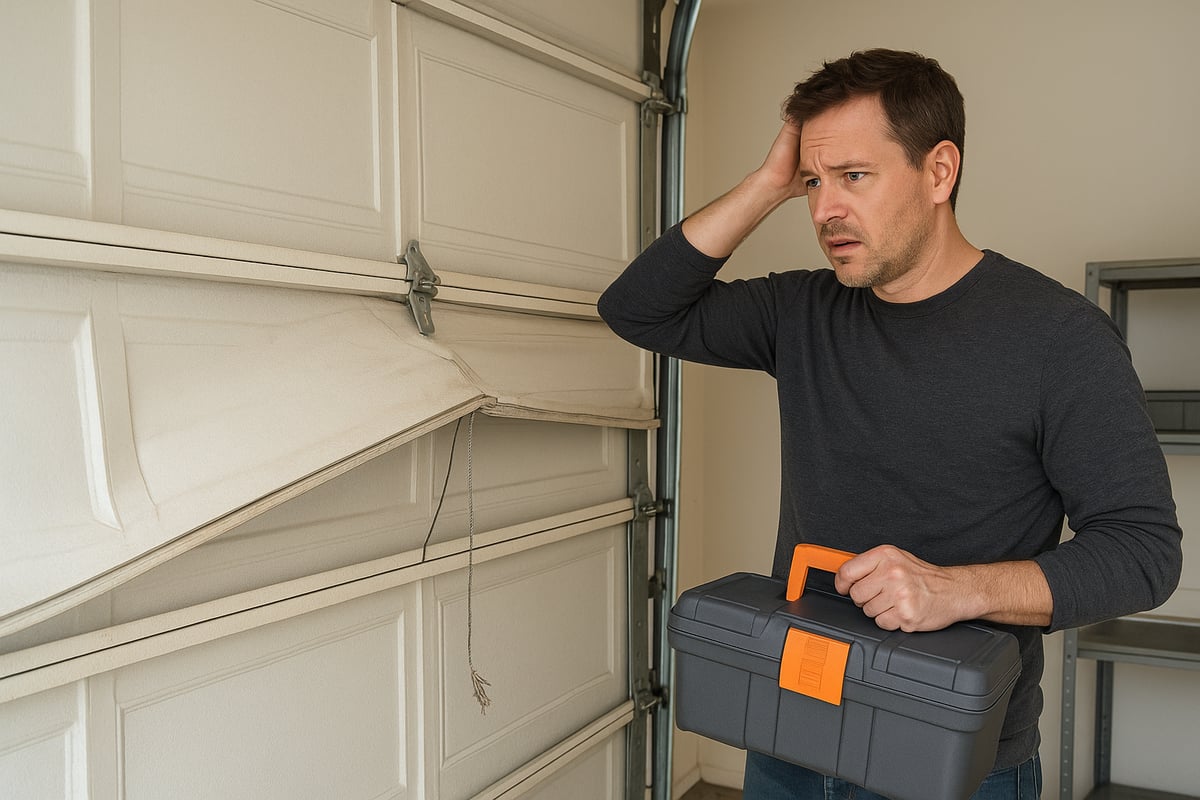
Understanding Your Limits and Safety Risks
When facing a garage door problem, it is important to recognize which repairs are safe for DIY and which demand professional attention.
Safe DIY Tasks:
- Lubricating rollers, hinges, and tracks
- Cleaning and aligning safety sensors
- Tightening loose bolts or screws
- Replacing remote or keypad batteries
These tasks are low risk and help prevent minor garage door problem escalation.
Repairs Requiring a Professional:
- Spring or cable replacement
- Addressing loud bangs or sudden door drops
- Fixing heavy doors that will not move
- Realigning off-track doors
- Repairing frayed or snapped cables
Springs and cables are under extreme tension. Attempting these repairs can result in serious injury or property damage. As one competitor notes, “Spring replacements are under high tension and can be dangerous.” If you hear a loud bang or find your door suddenly immobile, do not try to force it open or closed.
Improper repairs to a garage door problem can void warranties, cause additional mechanical failure, or even lead to accidents. For example, a homeowner who tried to force an off-track door back into place caused the entire door to collapse, resulting in expensive emergency repairs.
Assess your skill honestly. If a task seems complex or involves critical components, it is safer to contact a professional. Use the table below to help decide:
| Task | DIY Safe | Professional Needed |
|---|---|---|
| Lubricate moving parts | ✔ | |
| Replace batteries | ✔ | |
| Clean sensors | ✔ | |
| Replace springs/cables | ✔ | |
| Fix off-track doors | ✔ | |
| Repair heavy doors | ✔ |
If you encounter a garage door problem that involves broken springs, off-track doors, or sudden loud noises, prioritize safety and seek emergency garage door repair help immediately.
Remember, acting quickly on a garage door problem can prevent larger, costlier issues in the future. Value your safety and the long-term health of your garage door by trusting professionals with complex repairs.
Preventive Maintenance Tips to Avoid Costly Garage Door Repairs
Staying ahead of a garage door problem is the smartest way to avoid expensive repairs and sudden breakdowns. Homeowners who adopt a proactive maintenance routine gain peace of mind, enjoy smoother operation, and extend the life of their systems.
Regular care is not complicated, but it does require attention to detail. A few simple steps taken each month and season can help you spot a garage door problem before it escalates.
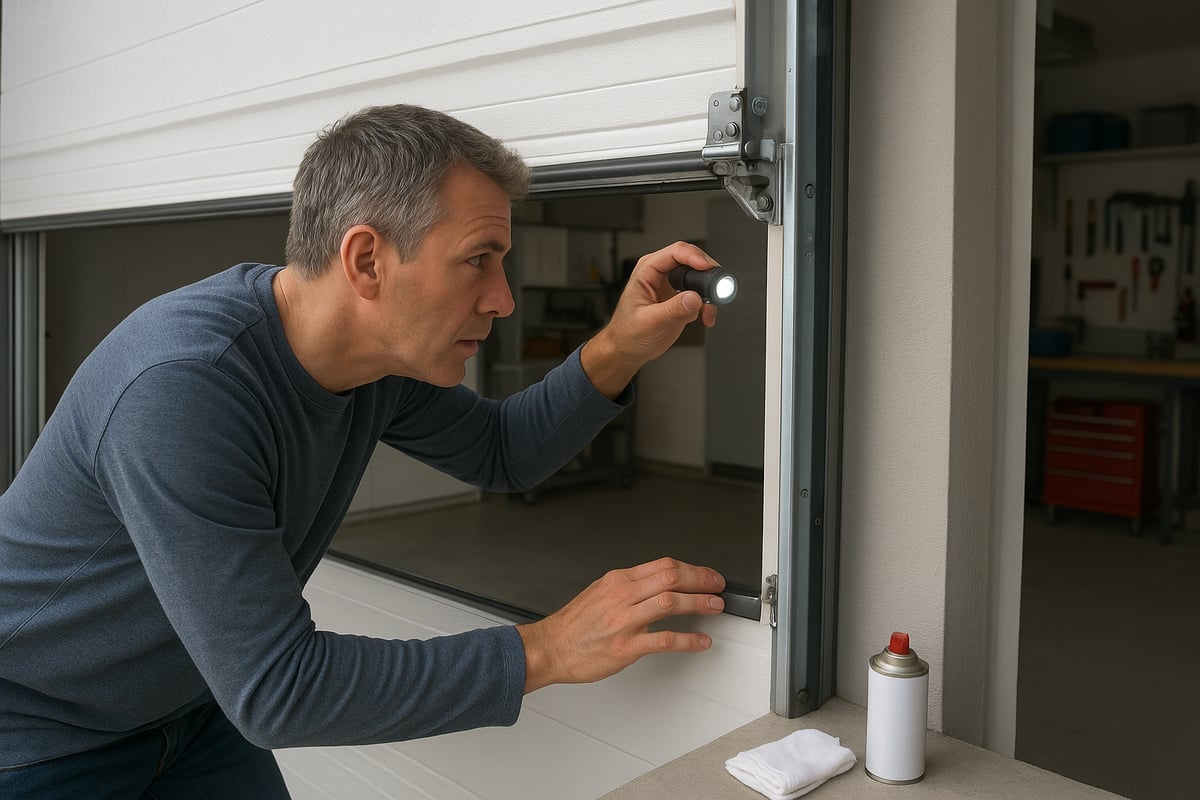
Monthly Visual Inspections
Begin each month with a thorough visual check of your garage door. Look for frayed cables, rust on springs, loose hardware, and misaligned tracks. Pay attention to any new dents, cracks, or warping in the panels.
Open and close the door while watching for jerky movement or uneven operation. These symptoms often signal a developing garage door problem. If you spot any issues, address them quickly or call a professional before they worsen.
- Inspect cables and springs for wear
- Check tracks for debris or bends
- Tighten loose bolts and hinges
Early detection is your best defense against costly repairs.
Lubrication and Sensor Care
Lubrication is key to preventing a garage door problem caused by friction and wear. Every three to six months, apply a high-quality silicone or lithium-based lubricant to rollers, hinges, and springs. Avoid using grease, which attracts dirt and can gum up moving parts.
Do not overlook your safety sensors. Clean the lenses gently with a soft cloth, and check their alignment to ensure proper operation. Dirty or misaligned sensors can trigger false alarms or prevent the door from closing, creating both inconvenience and risk.
Test your garage door’s auto-reverse feature monthly by placing a small object in the door’s path. If the door does not reverse, address the issue right away.
Annual Professional Maintenance & Proactive Checklist
Even with diligent care, some issues require a trained eye. Schedule a professional inspection at least once a year to catch hidden problems and keep your garage door problem-free. Professionals can identify worn parts, test spring tension, and verify opener safety features.
To stay organized, use a maintenance checklist:
| Task | Frequency |
|---|---|
| Visual inspection | Monthly |
| Lubricate moving parts | 3-6 months |
| Clean and align sensors | Monthly |
| Balance test | Semi-annual |
| Professional inspection | Annual |
For an in-depth list, visit these garage door maintenance tips.
By acting on small warning signs and following a routine, you can avoid most emergencies and enjoy reliable performance all year.
Now that you know the warning signs to watch for, staying proactive can make all the difference in keeping your garage door safe and reliable. Addressing issues early not only protects your home and loved ones but also helps you avoid costly emergencies down the road. If you've noticed any of these problem signs or just want peace of mind, let's tackle them together. You deserve a garage that works flawlessly year round. Ready to get expert help from a trusted local team? Call now for a free estimate!
4 Responses