

Facing a broken garage door spring in 2026? The garage door springs repair cost might surprise even the most prepared homeowner. A reliable garage door is essential for daily convenience and home security, so understanding the latest repair costs is crucial.
This guide gives you clear, up-to-date insights on the garage door springs repair cost, what drives those prices, and how to budget wisely. We will break down types of springs, key cost factors, national averages, and tips to save money.
Discover how to avoid unexpected expenses, make informed decisions, and choose the right repair service for your needs. Let’s help you secure your home without breaking the bank.
Understanding Garage Door Springs: Types and Functions
A well-functioning garage door depends on high-quality springs that safely manage the heavy lifting. Understanding the differences between spring systems, why they fail, and the risks of repair is essential for every homeowner. This foundational knowledge allows you to make informed decisions about garage door springs repair cost and helps you spot issues before they become expensive emergencies.
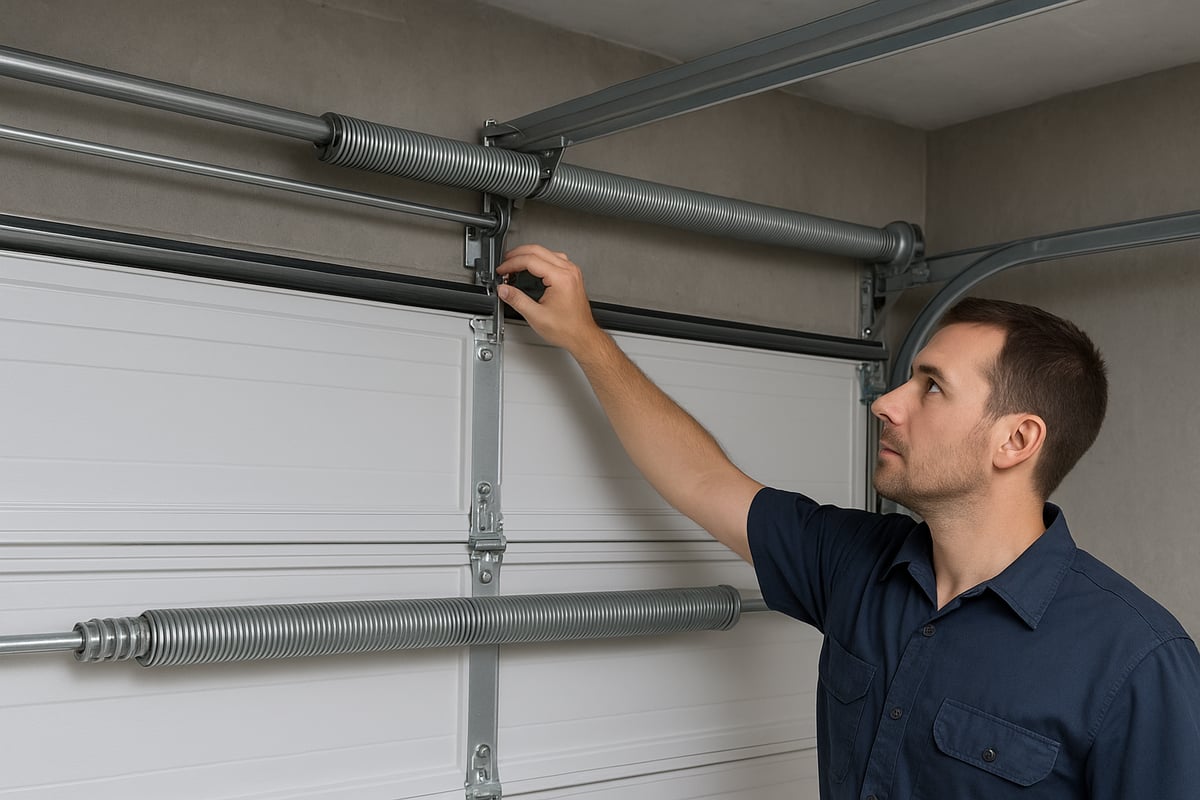
Overview of Garage Door Spring Systems
Garage door springs are the core component responsible for counterbalancing the weight of your door. The two main types are torsion and extension springs. Torsion springs are mounted above the garage door and twist to generate lifting force, while extension springs run parallel to the door tracks and stretch as the door moves.
Here’s a quick comparison:
| Feature | Torsion Springs | Extension Springs |
|---|---|---|
| Location | Above door, on header | Alongside door tracks |
| Typical Lifespan | 7–10 years | 4–7 years |
| Operation | Twisting motion | Stretching motion |
| Safety | Safer, controlled break | Can snap violently |
| Usage (U.S. homes) | 70% | 30% |
Torsion springs tend to be more durable and safer, which can impact garage door springs repair cost over time. Common signs of spring failure include the door refusing to open, loud snapping noises, or visible gaps in the spring. Most residential setups use a single torsion spring, but heavier doors may require a pair for balanced lifting.
Why Springs Fail: Common Causes
Springs are engineered for a set number of cycles, typically around 10,000 openings and closings. Daily use wears them down naturally. Factors like rust, lack of lubrication, or incorrect installation can speed up this process. In 2026, increased climate variability brings more extreme temperature swings, which further stress metal springs, especially after winter freezes.
Improperly matched springs or accidental impacts—such as backing into a closed door—also contribute to early failure. For example, a homeowner in the Midwest reported spring failure after a sudden cold snap, highlighting the role of weather.
Preventive maintenance greatly reduces these risks. Regular inspections, proper lubrication, and timely replacement of worn parts can extend lifespan and lower garage door springs repair cost. For a deeper dive into the most frequent causes and how to prevent them, visit this guide on common causes of garage door spring failure.
Safety Risks of Broken Springs
A broken garage door spring is more than an inconvenience—it can be dangerous. Attempting to fix a spring yourself exposes you to high tension forces that can cause severe injury. In fact, over 20,000 garage door-related injuries are reported annually, often due to DIY repairs.
A snapped spring can cause the heavy door to drop suddenly, risking property damage or personal harm. Manufacturers and insurers strongly warn against untrained repairs, as improper fixes can void warranties or impact claims.
Professional assessment not only improves safety but also helps you accurately understand garage door springs repair cost. Investing in expert service protects your home, your family, and your peace of mind. Always prioritize a licensed technician for repairs, especially when dealing with high-tension components.
Garage Door Springs Repair Cost Factors in 2026
Homeowners in 2026 face a rapidly changing market when it comes to garage door springs repair cost. Understanding the factors that influence pricing can help you plan ahead, avoid surprises, and make informed decisions. Let’s dive into the key elements that shape repair expenses this year.
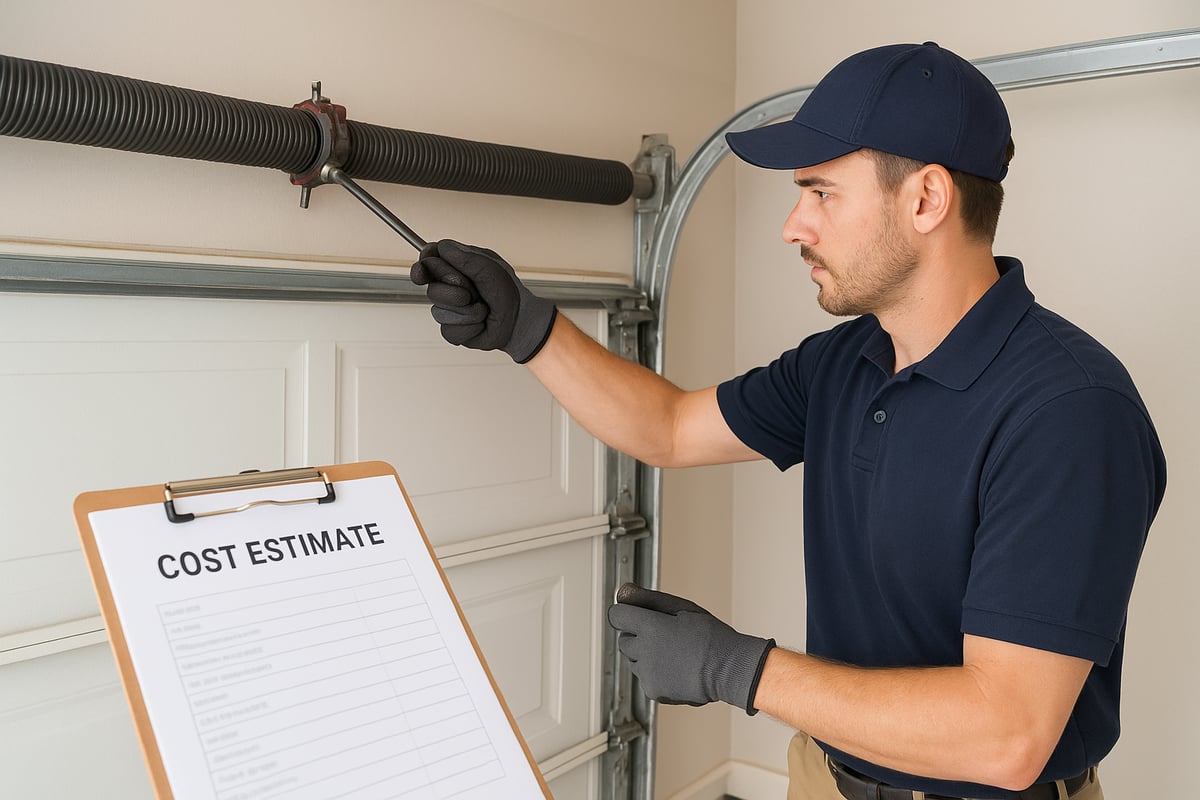
Key Factors Influencing Repair Costs
Several variables combine to determine your garage door springs repair cost. The type of spring is the first major factor. Torsion springs, found in about 70 percent of U.S. homes, are more robust and last longer than extension springs, but they generally cost more to replace.
Door size, weight, and material matter as well. Heavier or custom doors require stronger springs, which can increase both part and labor costs. The number of springs replaced is another consideration: swapping both springs at once, as most manufacturers recommend, will raise the total outlay but can save on future labor.
Labor rates in 2026 continue to climb due to inflation and a shortage of skilled technicians. Geographic location also plays a significant role. Urban areas tend to have higher service costs compared to rural communities, reflecting differences in demand, travel time, and overhead.
Urgency impacts your garage door springs repair cost, too. Emergency or same-day repairs often incur premium charges compared to scheduled appointments. For a more in-depth look at these variables, visit this Factors influencing garage door spring repair costs guide.
For example, a homeowner in Seattle might pay more for urgent repairs than someone in a smaller town due to local market pressures and technician availability.
Typical Price Breakdown: Parts and Labor
Breaking down the garage door springs repair cost reveals several components. Parts are a major expense. Torsion springs typically cost between 70 and 150 each, while extension springs range from 30 to 80 per spring. The choice between standard and heavy-duty springs will influence the final figure.
Labor is the next significant element. Most professionals charge between 100 and 250 per job, depending on complexity and region. Additional hardware, such as safety cables or new bearings, may add to the bill but are sometimes necessary for safety and code compliance.
Service call fees, which cover travel and diagnostics, usually fall between 50 and 100. Some companies offer warranty options that can affect upfront costs but provide long-term value. Here’s a sample breakdown:
| Item | Typical Cost (2026) |
|---|---|
| Torsion Spring (each) | 70–150 |
| Extension Spring | 30–80 |
| Labor | 100–250 |
| Service Call Fee | 50–100 |
| Hardware/Safety Cables | 20–60 |
| Warranty (optional) | 40–100 |
A typical invoice might include two torsion springs at 120 each, 180 for labor, and a 75 service fee, totaling 495 before tax.
Hidden and Extra Costs to Watch For
Beyond the obvious, several hidden elements can influence your garage door springs repair cost. Disposal fees for old springs are sometimes billed separately, especially if local regulations require safe handling.
Upcharges may apply for heavy-duty or high-cycle springs, which offer longer lifespans. After-hours or weekend surcharges are common for emergency repairs, and remote locations can result in additional travel charges. Some companies bundle inspections or tune-ups with spring repairs, which can be cost-effective but may also include upselling of unnecessary parts.
It is wise to read estimates closely and ask for clarification on any bundled or add-on services. For instance, a homeowner might be surprised by a 40 disposal fee or a 60 after-hours surcharge. Carefully reviewing your quote helps you avoid these unexpected expenses and keeps your garage door springs repair cost within budget.
Average Garage Door Springs Repair Costs in 2026
Understanding the garage door springs repair cost is essential for homeowners planning maintenance or sudden fixes in 2026. The price you pay can vary widely based on your location, spring type, and whether you opt for single or double spring replacement. Let’s break down the numbers, regional trends, and compare your options so you can make the most informed decision.
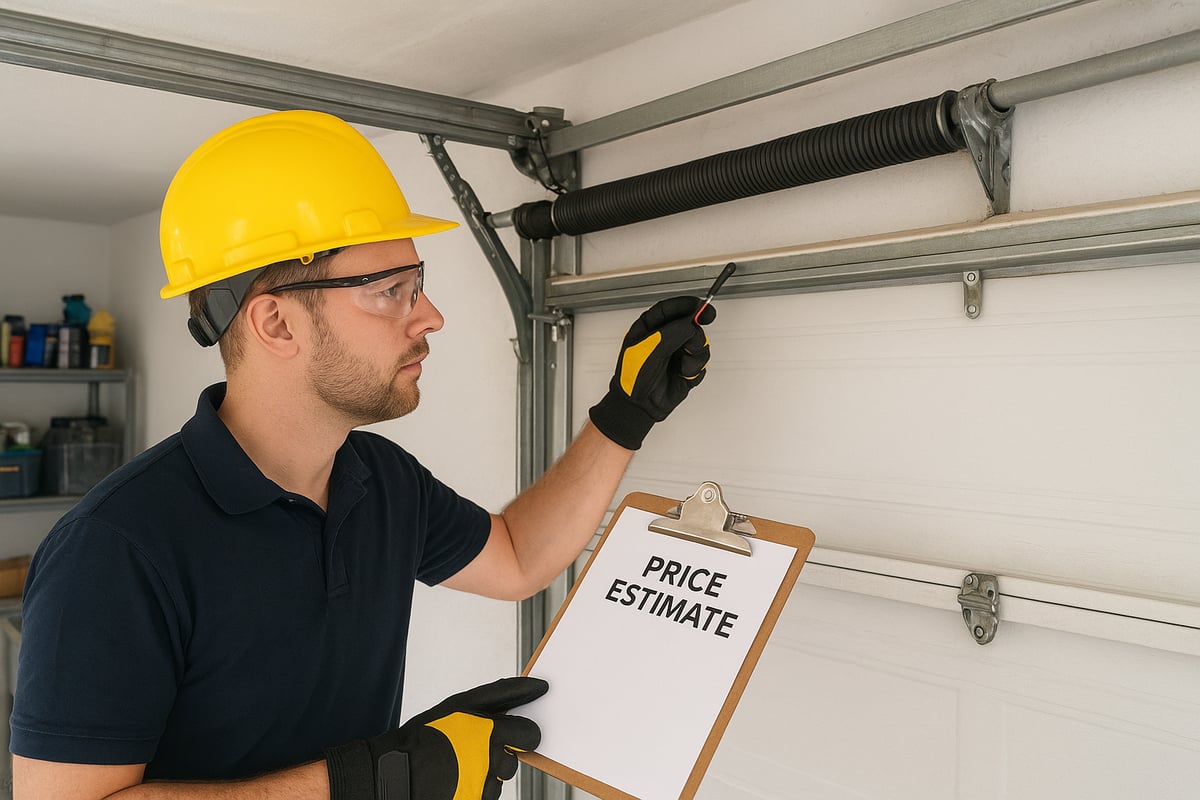
National and Regional Averages
In 2026, the average garage door springs repair cost for a single spring replacement in the United States ranges from $180 to $350. If you need both springs replaced, expect to pay between $250 and $500. These numbers reflect labor, parts, and standard service fees.
Regional pricing differences are significant. For example, homeowners on the West Coast, such as in Seattle, typically see higher rates compared to those in the Midwest or South. Urban areas also tend to have higher labor costs than suburban or rural communities. Here’s a quick breakdown:
| Region | Single Spring Repair | Double Spring Replacement |
|---|---|---|
| West Coast | $250 – $350 | $350 – $500 |
| Midwest | $180 – $260 | $250 – $400 |
| East Coast | $200 – $320 | $275 – $450 |
| South | $180 – $300 | $250 – $400 |
These estimates align with projections from Garage door repair costs in 2026, providing a reliable benchmark for your budget. Always confirm with local companies for the most accurate garage door springs repair cost in your area.
Cost Comparison: Torsion vs. Extension Springs
The type of spring your garage door uses has a direct impact on the garage door springs repair cost. Torsion springs are more expensive up front, typically ranging from $70 to $150 per spring, but offer a longer service life and safer operation. Extension springs are less costly, usually $30 to $80 per spring, but require more frequent replacement.
Here’s a quick comparison:
| Spring Type | Part Cost (each) | Typical Lifespan | Labor Complexity | Pros | Cons |
|---|---|---|---|---|---|
| Torsion | $70 – $150 | 7–10 years | Higher | Safer, durable | Higher cost |
| Extension | $30 – $80 | 4–7 years | Lower | Lower upfront cost | More frequent repairs |
Torsion springs may increase the initial garage door springs repair cost, but their reliability and reduced need for future repairs often result in better long-term value. Extension springs, while cheaper, may lead to more frequent service calls.
Repair vs. Replacement: When to Upgrade
When considering garage door springs repair cost, it’s important to weigh the age and condition of your existing springs. If your springs are approaching the end of their rated cycles or showing signs of rust, gaps, or fatigue, replacement is usually more cost effective than repeated repairs.
Manufacturers often recommend replacing both springs at once, even if only one has failed. This practice avoids uneven wear and can save on future labor costs. For homeowners facing frequent breakdowns or with older systems, upgrading to high-cycle springs may offer significant long-term savings. For example, investing in premium springs now could reduce your overall garage door springs repair cost by minimizing emergency service calls.
Finally, always consider warranty coverage when making your decision. A new set of springs with a strong warranty can offer peace of mind and protect your budget for years to come.
DIY vs. Professional Garage Door Spring Repair
Deciding between DIY and professional repair is a major factor when considering garage door springs repair cost in 2026. The right choice impacts not only your budget but also your safety and long-term peace of mind.
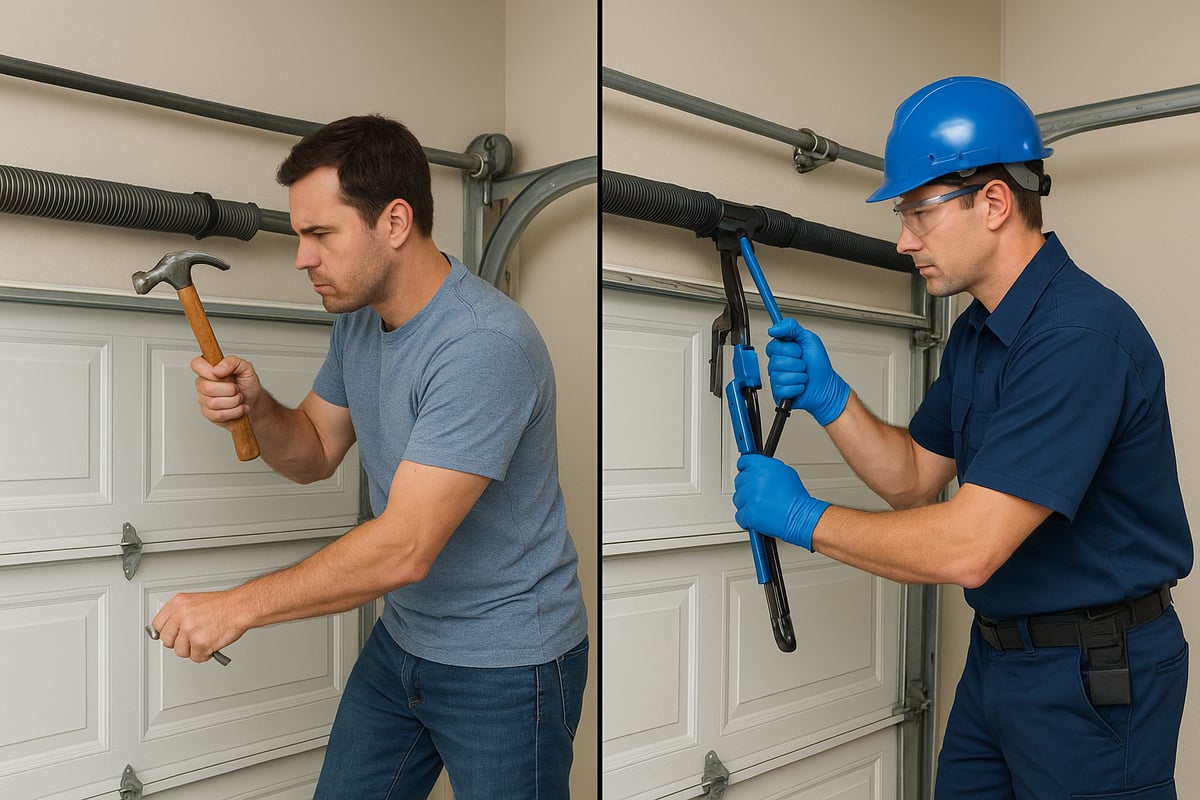
Risks and Rewards of DIY Repair
Many homeowners consider handling their own garage door springs repair cost to save money. DIY repair may appear straightforward, especially with online tutorials and easily available parts. The main appeal is the potential to reduce expenses, with parts-only costs ranging from $50 to $100.
However, the risks are significant. Garage door springs are under extreme tension, making improper handling extremely dangerous. Injuries can occur if the spring snaps or is released unexpectedly. Industry data shows that 1 in 5 DIY spring repairs result in injury, ranging from hand lacerations to more severe trauma.
Common mistakes include using the wrong size spring, incorrect tensioning, or failing to secure the door during work. These errors can lead to property damage or make the door unsafe to operate. In some cases, insurance policies may not cover damages from improper DIY repairs.
Before choosing DIY, it is vital to weigh the risks of injury and additional repair costs against your potential savings. For many, the hazards outweigh the benefits.
Benefits of Hiring a Professional
Hiring a professional for your garage door springs repair cost offers several distinct advantages. Experienced technicians bring specialized tools and training, ensuring the job is completed safely and efficiently. Most reputable companies provide warranties on both parts and labor, giving you added security.
Professional repair also includes a thorough inspection of your entire garage door system. Technicians can identify related issues, such as worn cables or misaligned tracks, preventing future breakdowns. Proper disposal of old springs and adherence to manufacturer standards are standard practice.
Turnaround time is typically much faster with a professional, minimizing inconvenience and risk. For a detailed look at what qualified services offer, see Garage Door Spring Repair Services.
Ultimately, while the upfront garage door springs repair cost may be higher, the value comes from safety, reliability, and long-term performance.
How to Choose a Trusted Garage Door Repair Company
Selecting the right company can make a significant difference in your overall garage door springs repair cost and experience. Start by verifying licensing, insurance, and certifications. These credentials protect you and confirm the provider’s expertise.
Ask for transparent, written estimates that detail all parts and labor. Reliable companies willingly provide local references and showcase positive customer testimonials. Research online reviews and check for a strong Better Business Bureau rating.
Be wary of high-pressure sales tactics or vague pricing. A trustworthy provider will answer your questions, explain options clearly, and offer prompt emergency services if needed. Taking these steps helps ensure your repair is completed safely and at a fair price.
Step-by-Step Guide: What to Expect During Garage Door Spring Repair
When facing a garage door spring issue, knowing what to expect at each stage of the repair can help you feel confident and prepared. Here’s a clear, step-by-step guide so you can understand how the garage door springs repair cost is determined and what happens during a typical service call.
Step 1: Initial Inspection and Diagnosis
The repair process begins with a thorough inspection. A technician will assess the balance of your garage door, identify your spring type, and check for visible damage or signs of wear. Cables, pulleys, and mounting hardware are also inspected for safety.
Clear communication is essential at this stage. The technician will explain their findings, outline the repair options, and discuss how each choice may impact your garage door springs repair cost. For example, a misaligned torsion spring might require more labor than a simple extension spring replacement.
This initial diagnosis ensures all safety risks are addressed before proceeding. Knowing the exact issue helps prevent unnecessary repairs and controls the overall garage door springs repair cost.
Step 2: Cost Estimate and Approval
After the inspection, you’ll receive a detailed written estimate. This includes a line-by-line breakdown of parts, labor, and any additional services. The technician will review warranty options and possible upgrades, such as high-cycle springs.
Transparency is key. You should feel comfortable asking questions about what’s covered and how the garage door springs repair cost is calculated. Many reputable companies offer Garage Door Repair Cost Estimates to ensure you have a clear idea of expenses before any work begins.
No repairs start without your approval. This step safeguards you from hidden fees and helps you budget accurately for your garage door springs repair cost.
Step 3: Spring Removal and Door Securing
Safety comes first during spring removal. The technician disconnects power to the opener and braces the door to prevent accidental movement. Torsion springs are carefully unwound using specialized tools, while extension springs are detached with equal caution.
Damaged or worn springs are then removed. This part of the process is critical to controlling the garage door springs repair cost, as improper removal can lead to property damage or injury.
For example, a professional will demonstrate safe handling techniques, ensuring the rest of your garage door system remains intact. This attention to safety and detail keeps the garage door springs repair cost in check.
Step 4: Installation of New Springs
Next, the correct replacement springs are selected based on door weight and manufacturer specifications. Installation involves mounting the new springs, calibrating tension, and aligning components for smooth operation.
Technicians also inspect and service related hardware, such as bearings and cables. Preventive maintenance tips are often shared at this stage to help you avoid future expenses. Choosing quality springs and professional installation can affect your long-term garage door springs repair cost.
If you want more details on services and pricing, review a Garage Door Spring Replacement Cost guide for additional insights into what’s included. Proper installation is essential for safety and cost control.
Step 5: Testing and Final Adjustments
Once new springs are installed, the technician performs several open and close cycles to ensure smooth movement. They fine-tune the spring tension and check door balance for optimal performance.
Safety features like auto-reverse and manual release are tested to confirm compliance with regulations. Any necessary adjustments are made promptly to avoid future issues that could increase your garage door springs repair cost.
A typical repair includes a walk-through with the homeowner, explaining what was done and demonstrating the improved function. This final review helps ensure satisfaction and transparency regarding the garage door springs repair cost.
Step 6: Cleanup, Disposal, and Payment
The last step involves cleaning up the work area and disposing of old springs and related debris. The technician will review the completed work, go over warranty details, and provide a final invoice.
Payment options are discussed, and you may be asked for feedback or a review. This step wraps up the service, ensuring you understand the total garage door springs repair cost and are satisfied with the results.
A professional approach to cleanup and communication reflects the company’s commitment to quality and helps build trust for future garage door needs.
Tips to Save Money on Garage Door Spring Repairs in 2026
Keeping your garage door running smoothly does not have to break the bank. With the right approach, you can control your garage door springs repair cost while protecting your home and budget. Use these practical strategies to save money throughout 2026.
Regular Maintenance and Prevention
Routine care is your first line of defense against unexpected garage door springs repair cost spikes. Lubricate springs and moving parts annually to reduce friction and wear. Schedule professional inspections to catch early signs of fatigue or rust before they become expensive failures. Adapting your maintenance routine for your climate, such as protecting against moisture or extreme cold, can extend spring lifespan significantly.
For a step-by-step checklist, see these Tips to Maintain Your Garage Doors. Preventive care not only lowers the risk of sudden breakdowns but also keeps your garage door system efficient and safe.
Comparing Quotes and Negotiating
Smart shopping is crucial for managing your garage door springs repair cost. Always request written estimates from at least two or three reputable repair companies in your area. Make sure each quote details the type of springs, labor charges, and any additional fees so you can make a fair comparison.
Do not hesitate to ask about discounts, bundled services, or seasonal promotions. In some cases, companies are willing to match competitor pricing or offer package deals that reduce your overall garage door springs repair cost. Steer clear of estimates that seem unusually low, as they may signal hidden fees or poor quality.
Choosing High-Quality Parts and Warranties
Opting for premium parts may raise your upfront garage door springs repair cost but delivers better value over time. High-cycle springs, rust-resistant coatings, and reputable brands tend to last longer and require fewer replacements. Review warranty terms carefully; a longer warranty may justify a slightly higher initial investment.
Ask your technician about the expected lifespan of proposed springs and whether upgraded hardware is available. Investing in quality now means fewer surprises and lower garage door springs repair cost in the years ahead.
Avoiding Common Pitfalls and Scams
Protect yourself from unnecessary garage door springs repair cost by staying alert to scams. Watch for high-pressure sales tactics, vague estimates, or technicians who push for unneeded repairs. Always verify the company’s licensing, insurance, and customer reviews before agreeing to service.
Red flags include requests for large upfront payments or a reluctance to provide written documentation. Taking these precautions helps you avoid inflated garage door springs repair cost and ensures you receive honest, professional service.
When to Invest in a Full Garage Door Upgrade
Sometimes, repeated repairs indicate it is time to consider a full garage door replacement. If your door is older, severely damaged, or the opener is outdated, compare the ongoing garage door springs repair cost with the price of a new system. A modern door can enhance curb appeal, improve energy efficiency, and boost your home’s resale value.
Weigh the benefits of investing in a complete upgrade against persistent repair bills. In many cases, replacing the entire system leads to greater savings and peace of mind over the long term.
Now that you have a clear understanding of what affects garage door spring repair costs in 2026—from the type of springs to labor rates and the importance of professional service—you can make informed decisions that protect your home and budget. If you’re dealing with a broken spring or just want a transparent, up-to-date estimate, you don’t have to guess or tackle it alone. As a trusted local provider on Bainbridge Island and throughout Kitsap County, we’re here to answer your questions and offer honest guidance every step of the way.
Call now for a free estimate!