

Is your garage door panel showing signs of damage, aging, or wear? Don’t let a small issue become a big problem in 2026. Damaged panels can impact your home’s security, curb appeal, and daily convenience.
This guide offers expert, step-by-step advice for garage panel replacement, focusing on safety, cost-efficiency, and long-lasting results. Discover when to replace panels, how much it costs, the best materials, and proven tips for a smooth process.
Ready to restore function, save money, and boost your home’s value? Follow this comprehensive guide to make informed, confident garage panel replacement decisions.
When Should You Replace Garage Door Panels?
Not sure if your garage panel replacement is needed or if a simple repair will do? Recognizing the right moment to act can protect your home, save money, and prevent unexpected breakdowns. Let us explore the key indicators and decision points every homeowner should know.
Signs of Panel Damage and Wear
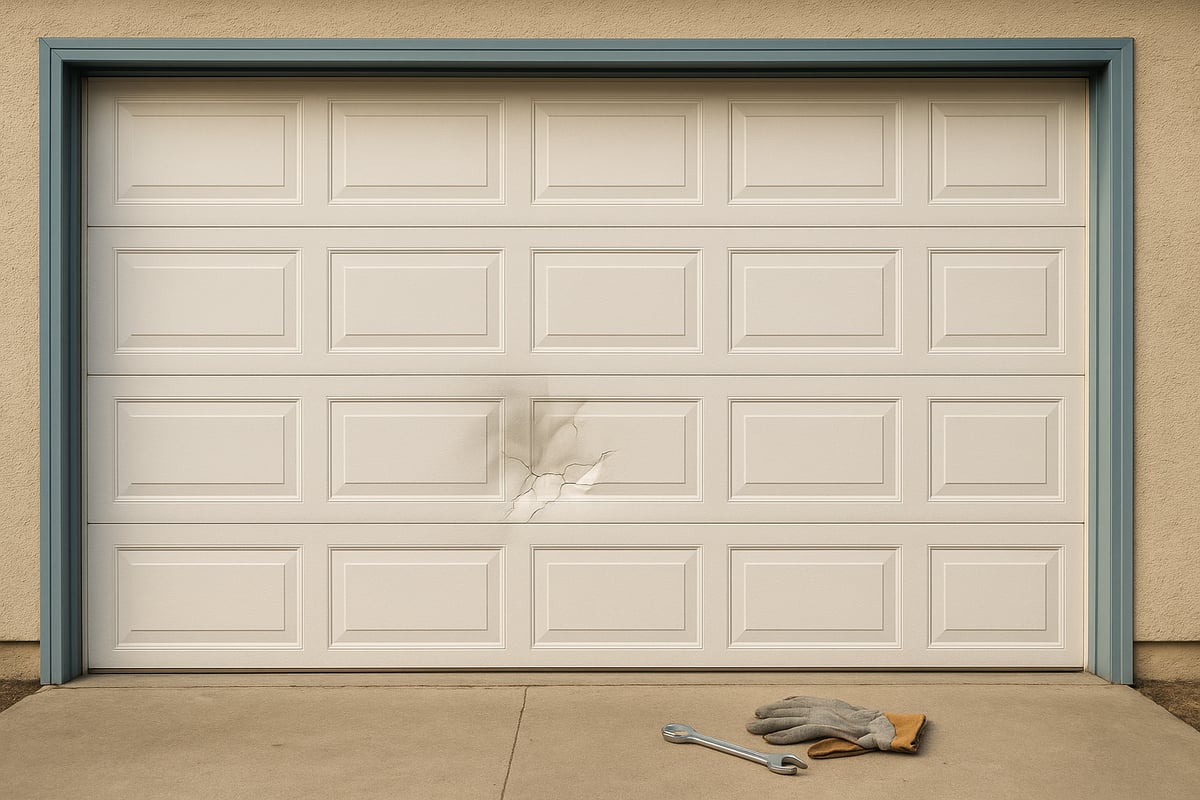
Garage door panels are exposed to daily use and weather, so they naturally show signs of aging or impact over time. Common signs include:
- Dents, cracks, or holes from vehicles, sports equipment, or accidental bumps
- Rust or corrosion, especially on steel panels in damp climates
- Warping or swelling, which is more frequent in wooden doors after heavy rain or humidity
- Broken hinges, loose connections, or misaligned panels that affect how the door opens and closes
It is important to distinguish between cosmetic and structural issues. Cosmetic flaws, like minor scratches, may not impact performance, but structural damage can threaten security and function.
Here is a quick comparison:
| Damage Type | Description | Impact on Door Function |
|---|---|---|
| Cosmetic | Surface scratches, small dents | Usually none |
| Structural | Large dents, cracks, warping | Binding, noise, safety risk |
Statistically, most homeowners face garage panel replacement after 10 to 20 years of regular use. Severe impacts, however, can create urgent needs much sooner. Regular checks help you spot issues before they worsen.
Criteria for Replacement vs. Full Door Replacement
Deciding between garage panel replacement and a full new door depends on several factors:
- Is the damage limited to one or two panels, or do multiple sections show wear?
- How old is your garage door? After 15 to 20 years, matching older panels may be challenging or impossible.
- Are replacement panels for your make and model still available? Custom or discontinued doors often require full replacement.
- Does the damage affect how the door operates or its security? Binding, excessive noise, or visible gaps can signal a bigger problem.
For example, if only one panel is dented and the rest remain in good shape, garage panel replacement is often the most cost-effective choice. However, widespread rust or multiple broken panels may mean it is time to consider a new door. For a deeper comparison, review this Garage Door Replacement Guide to weigh your options.
Remember, a damaged panel can create misalignment, cause noisy operation, and even present safety risks if left unchecked.
When Repair is Sufficient
Not every issue requires full garage panel replacement. Minor dents or scratches that do not affect door movement or security may be fixed with simple repairs. Many small repairs cost less than $150, while replacements typically start at $250.
If you are unsure, schedule a professional assessment. An expert can check for hidden structural damage and advise if a repair is safe or if replacement is necessary. Regular inspections help you make informed choices and keep your garage door running smoothly.
Garage Door Panel Replacement Costs in 2026
Understanding garage panel replacement costs in 2026 helps homeowners budget wisely and avoid surprises. While prices can vary, knowing what impacts the final bill will prepare you for a smooth project. Let us break down the details so you can make informed decisions.
Cost Ranges by Panel Type and Material
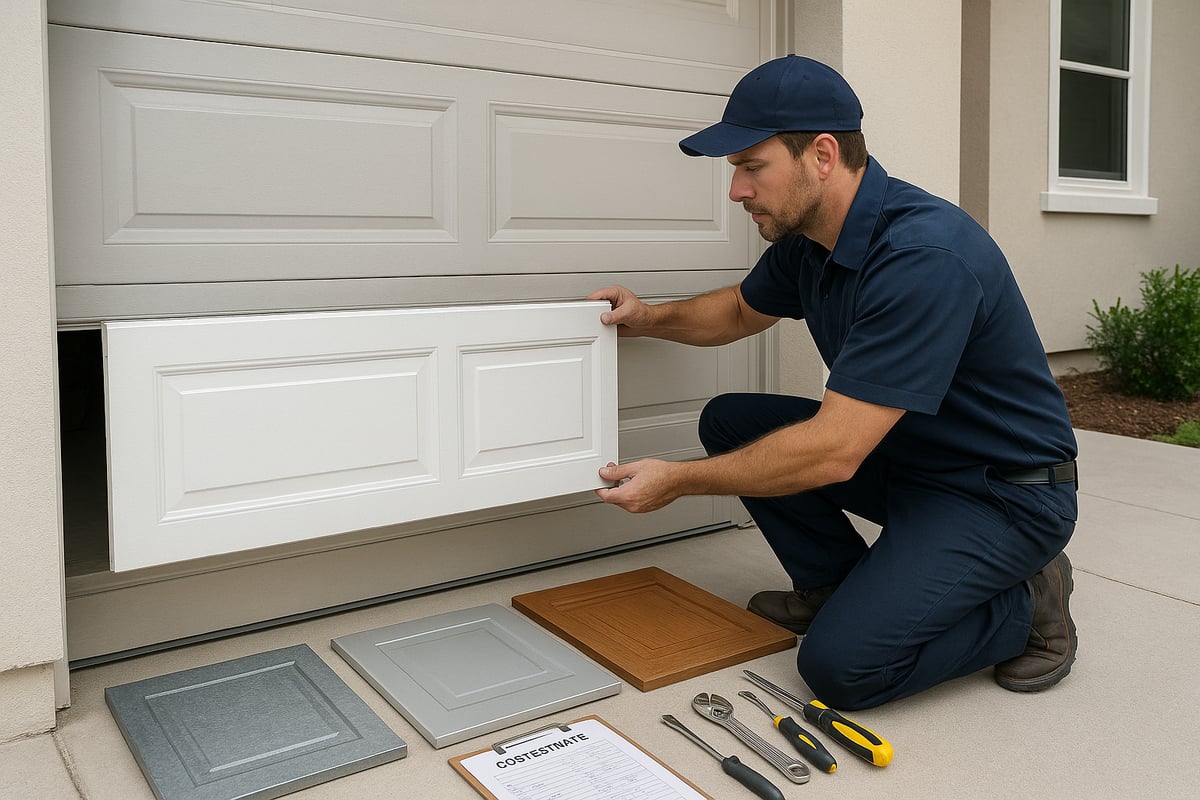
Garage panel replacement costs depend heavily on the panel material you choose. Each material has its own price range and benefits. Here is a quick overview:
| Panel Material | Cost per Panel (2026) | Key Features |
|---|---|---|
| Steel | $300–$500 | Durable, most common, weather-resistant |
| Aluminum | $250–$450 | Lightweight, rust-resistant, dents easily |
| Wood | $400–$900 | Premium look, high maintenance |
| Composite/Faux-Wood | $350–$750 | Weather-resistant, low maintenance |
| Insulated (any type) | $400–$850+ | Energy-efficient, multi-layered |
For example, replacing a standard non-insulated steel panel in 2026 typically costs $350 to $500. Composite and insulated panels are gaining popularity for their durability and energy savings. If you are interested in more granular data, the Garage Door Panel Replacement Costs in 2025 guide offers a detailed breakdown that remains relevant for current trends.
Choosing the right material is critical for balancing upfront costs and long-term value. Remember, garage panel replacement expenses will also reflect your regional market and panel availability.
Labor and Installation Costs
Labor is a significant portion of any garage panel replacement bill. On average, expect to pay $100 to $200 per panel or $75 to $150 per hour for professional installation. Labor covers several tasks:
- Removing damaged panels
- Installing new panels and hardware
- Adjusting tracks and door balance
- Ensuring proper alignment and operation
Additional charges may apply for paint or stain matching ($75 to $150), emergency service, or after-hours work. Urban areas such as Seattle and New York often have higher labor rates due to demand and cost of living.
If your garage panel replacement involves rare or custom panels, labor time can increase because of extra adjustments or fabrication. For a typical job, labor will account for about one-third to one-half of your total cost.
Factors Affecting Final Price
Several variables influence your total garage panel replacement cost. Door size is a primary factor: double garage doors require larger or more panels, raising both material and labor costs. Manufacturer and panel availability also play a role. Custom orders or discontinued models may require special shipping or fabrication, which increases expenses.
Emergency replacements or after-hours service can add $100 to $200 to your bill. Always ask for a detailed estimate before work begins. Keep in mind that older doors may need extra repairs or new hardware, further affecting the final price.
A well-maintained door and timely garage panel replacement can prevent more expensive repairs down the road. Being proactive about damage and understanding cost drivers helps you stay ahead.
Choosing the Right Garage Door Panel Material
Choosing the right material for your garage panel replacement is one of the most important decisions homeowners will make. The material you select affects not only your garage door’s durability and appearance but also its long-term maintenance needs and overall value.
Material Comparison: Pros, Cons, and Lifespan
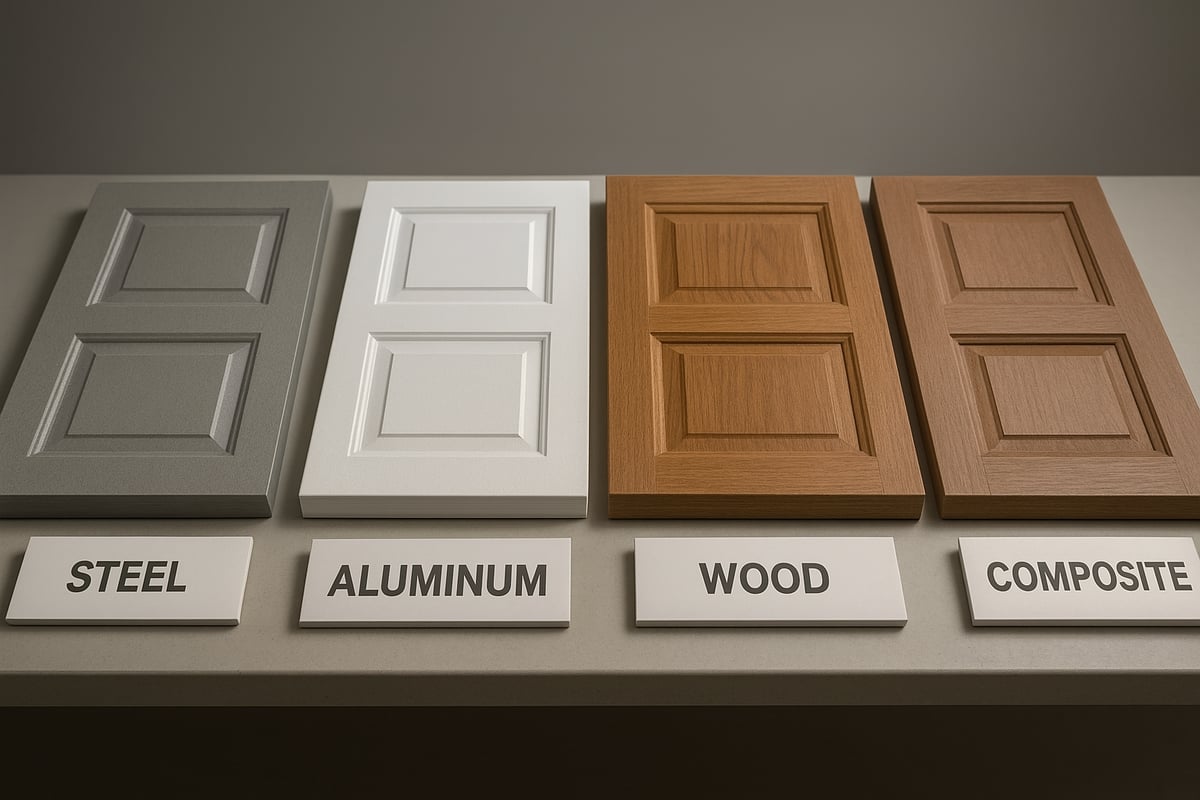
The best material for your garage panel replacement depends on your climate, budget, and style preferences. Here is a comparison of the most common options:
| Material | Pros | Cons | Typical Lifespan |
|---|---|---|---|
| Steel | Durable, affordable, weather resistant | Can dent easily, may rust if scratched | 15-20 years |
| Aluminum | Lightweight, rust resistant | Dents easily, less sturdy | 15-20 years |
| Wood | Classic look, customizable | High maintenance, can warp or rot | 10-15 years |
| Composite | Low maintenance, resists moisture & pests | Slightly higher cost, limited styles | 15-25 years |
| Insulated | Energy efficient, quiet | Higher upfront price | 20+ years |
For many homeowners, steel is the standard choice for garage panel replacement due to its balance of strength and cost. However, in humid or rainy areas, aluminum or composite panels often last longer with less upkeep. Always consider the local climate and how much maintenance you are willing to perform.
Aesthetics and Home Value
Material choice plays a significant role in curb appeal and the value of your home. Matching the new panel’s color, texture, and style to your existing door ensures a seamless look after garage panel replacement.
Customization options include window inserts, decorative hardware, and custom finishes. Wood and faux-wood panels are popular for classic or high-end homes, while steel and composite offer a more modern appearance. An attractive, well-maintained garage door can add up to 4 percent to your property’s value, making material selection an investment in your home’s future.
If you plan to sell your home, focus on materials and finishes that blend well with neighborhood trends. This maximizes resale value and attracts more potential buyers.
Availability and Sourcing in 2026
Garage panel replacement in 2026 offers more choices than ever, with new trends in eco-friendly materials and advanced finishes. Still, sourcing the right panel can be challenging for older or discontinued doors.
Manufacturers are introducing composite panels made from recycled materials, as well as improved insulation technology. However, finding a perfect match for a panel on a 20-year-old door may require custom fabrication. Availability can also impact cost and project timelines.
For a deeper look at how material availability and cost trends affect garage panel replacement, review the Garage Door Panel Replacement Cost Guide 2025. Always work with reputable suppliers who offer warranties and quality assurance to protect your investment.
Step-by-Step Guide: How to Replace Garage Door Panels
Replacing a garage door panel is a detailed process that requires careful planning and the right approach. Whether you are a seasoned DIYer or considering hiring a professional, understanding each stage of garage panel replacement ensures a safer and more successful outcome.
1. Safety First: Preparation and Tools
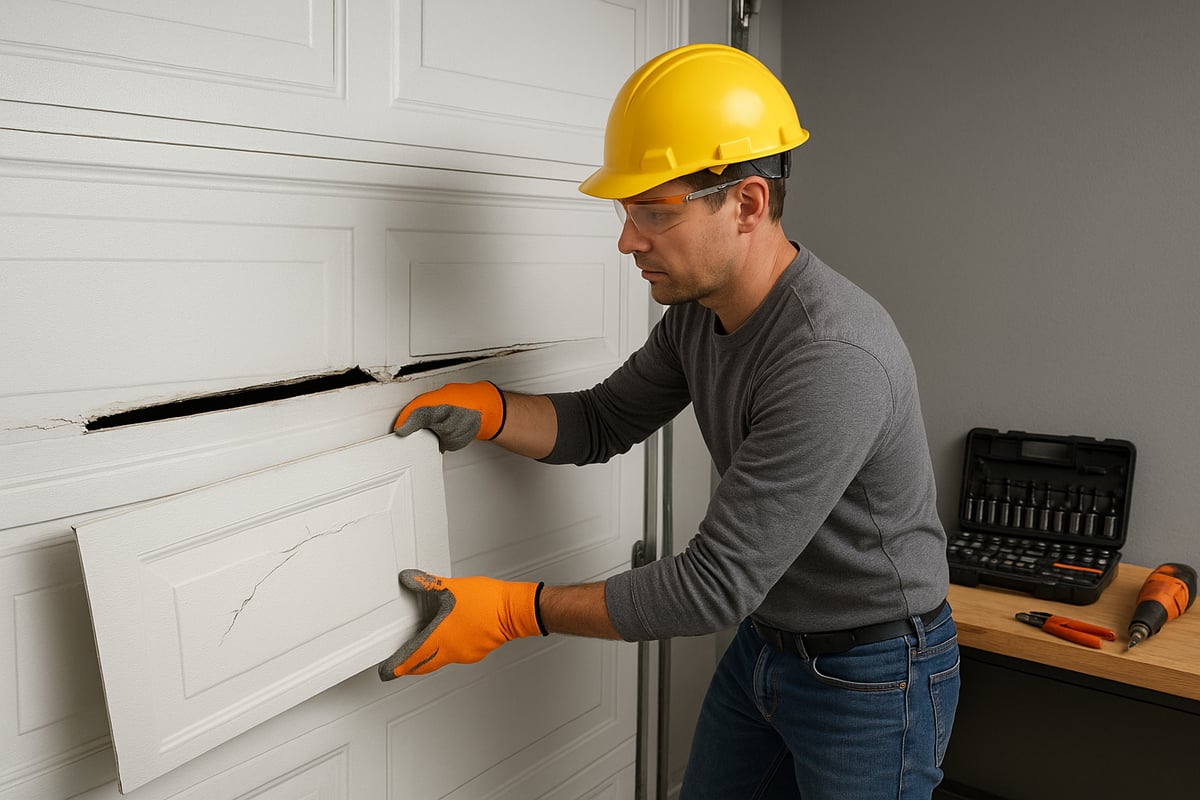
Before starting any garage panel replacement, prioritize safety. Disconnect the garage door opener and ensure the door is fully closed and secured with locking pliers or clamps on the tracks. This prevents accidental movement.
Gather these essential tools:
- Socket set
- Cordless drill
- Pliers
- Safety glasses
- Heavy-duty gloves
Understand that garage door springs are under extreme tension. Mishandling them can lead to severe injury. If you are not experienced with spring systems, hiring a professional is the safest choice. For additional precautionary tips, consult Garage Door Repair Tips before you begin.
A thorough safety check and the right tools set the foundation for a smooth garage panel replacement.
2. Sourcing the Correct Replacement Panel
Accurate measurements are critical. Measure the damaged panel’s height, width, and thickness. Note the manufacturer, model, and color to ensure a proper match. If you have the original paperwork or a serial number, reference it when contacting suppliers.
To find a matching panel:
- Contact the door manufacturer directly.
- Visit local garage door suppliers.
- Bring a photo of your door for visual comparison.
If the exact panel is discontinued, explore custom fabrication or composite options. Some suppliers can replicate older styles, but this may extend lead times and increase costs. Investing time in sourcing helps avoid mismatched panels and supports a seamless garage panel replacement.
3. Removing the Damaged Panel
With safety measures in place, begin removing the damaged panel.
- Unbolt the hinges that connect the panel to adjacent sections.
- Gently slide out the rollers from the tracks.
- Support the panel as it loosens, then carefully lower it.
If the panel is not at the bottom, you may need to detach upper panels first for safe access. Save reusable hardware like rollers and hinges for installation. Work methodically, keeping all parts organized to streamline the next steps in your garage panel replacement.
A table can help you track which hardware can be reused:
| Part | Reusable? | Condition Check |
|---|---|---|
| Hinges | Yes | No cracks |
| Rollers | Yes | Smooth roll |
| Fasteners | Maybe | Not stripped |
Staying organized prevents delays and ensures nothing is overlooked.
4. Installing the New Panel
Position the new panel in the correct spot, aligning it with the track and existing door sections. Reattach hinges and any saved hardware, tightening fasteners securely.
Insert rollers into the tracks, confirming smooth movement. Check that the panel fits flush with adjacent sections and that all connections are tight.
If the door has decorative elements or insulation, install these as directed by the manufacturer. This step is crucial to restoring both the look and function during garage panel replacement.
5. Rebalancing and Testing the Door
Once the new panel is in place, check the overall balance of the garage door. Adjust the spring tension only if you have the proper training and tools. In most cases, this is best left to professionals due to the risk involved.
Test the door by opening and closing it several times. Listen for unusual noises and watch for binding or resistance. Inspect the safety sensors and auto-reverse feature to confirm they are working correctly.
A balanced door ensures your garage panel replacement lasts and operates safely.
6. Final Adjustments and Finishing Touches
Complete the project by painting or staining the new panel to match the rest of the door. Use color-matching services for a seamless appearance. Clean the work area and responsibly dispose of the old panel.
Regular maintenance, such as lubricating hinges and rollers, will extend the life of your garage panel replacement. Schedule periodic inspections to catch minor issues before they become costly repairs.
With careful attention to each step, homeowners can achieve professional-grade results and restore their garage’s security, appearance, and function.
Professional vs DIY Garage Panel Replacement: What’s Best for You?
Deciding between professional and DIY garage panel replacement requires careful consideration of skill level, safety, costs, and long-term results. Many homeowners are tempted to save money by handling repairs themselves, but this approach comes with notable risks. Understanding when to call an expert is key to ensuring safety and protecting your investment.
Assessing Skill Level and Safety Risks
Garage panel replacement is not a simple home improvement. It involves lifting heavy panels, managing mechanical connections, and, most critically, handling high-tension springs. These springs store enormous force and can cause serious injuries if mishandled.
If you do not have experience with mechanical repairs or the proper safety gear, attempting garage panel replacement yourself is risky. According to industry data, injuries from garage door repairs are common, especially among DIYers. Professionals are trained to manage these hazards and follow strict safety protocols.
Before starting, honestly assess your abilities. If you are uncomfortable using power tools or working with heavy components, it is safer to consult an expert. Remember, protecting your well-being is more important than saving a few dollars.
Cost Comparison: DIY Savings vs. Potential Hazards
Many homeowners consider DIY garage panel replacement to cut costs, but savings are not always guaranteed. While you might save $100 to $200 on labor, mistakes can lead to expensive repairs or even injury. For example, improper installation can cause misaligned doors or damage the opener.
Professionals offer more than installation. Their service typically includes warranties, proper tools, and liability insurance. If a DIY project goes wrong, you might void your door’s warranty, face higher repair bills, or need emergency service.
Consider this table for a quick comparison:
| Option | Upfront Cost | Potential Risks | Warranty Coverage |
|---|---|---|---|
| DIY | Lower | High (injury, damage) | Often voided |
| Professional | Higher | Low (covered) | Usually included |
Weigh the true costs before making a decision on garage panel replacement.
When to Hire a Professional
Some situations clearly call for professional garage panel replacement. If your door has multiple damaged panels, is insulated, or uses unfamiliar mechanisms, hiring an expert is the safest choice. Older doors with unique or discontinued hardware also require specialized knowledge for a proper fit.
Additionally, emergency repairs—such as when the door is stuck or jammed—should not be attempted without training. A professional can quickly assess the problem, source the right parts, and restore your door’s function safely.
If you are unsure, schedule a consultation. Most reputable providers offer upfront estimates and can help determine whether a DIY or professional approach is best for your specific garage panel replacement needs.
Choosing a Reputable Service Provider
Selecting the right company for your garage panel replacement is critical. Look for providers who are licensed, insured, and have strong customer reviews. Ask about their experience with your specific door type, warranty coverage, and whether they provide transparent pricing.
It is also wise to choose a service that offers ongoing maintenance advice. For helpful strategies to keep your new panels in top shape, see the guide on Maintain Your Garage Doors Year-Round.
Clear communication and upfront estimates are signs of a trustworthy provider. Investing a little extra time to research your options can ensure your garage panel replacement is safe, reliable, and long-lasting.
Tips to Save Money on Garage Door Panel Replacement
Saving money on garage panel replacement is not just about finding the lowest price. Smart homeowners know that planning, timing, and a few strategic decisions can deliver significant savings without sacrificing quality or safety.
Get Multiple Quotes and Compare Providers
Start by gathering at least two or three estimates from different service providers. Local installers often offer lower rates compared to national chains for garage panel replacement. Comparing quotes not only helps you spot hidden fees, but also gives you leverage to negotiate. For a deeper understanding of what impacts pricing, check out the Garage Door Repair Cost Insights guide for national averages and cost breakdowns.
Replace Multiple Panels at Once
If you have more than one damaged panel, replacing them together can lower your labor costs. Most technicians charge less per panel when jobs are bundled, making garage panel replacement more cost effective. This approach also ensures a uniform appearance and color match across your door. Consider reviewing an Upgrading Your Garage Checklist if you plan to tackle other improvements at the same time.
Look for Off-Season Discounts and Promotions
Scheduling your garage panel replacement during slower months, such as late summer or winter, may qualify you for off-season discounts. Many companies offer promotions or coupons when demand is low. Always ask providers about current deals and be flexible with your timing when possible.
Check Insurance and Warranty Coverage
Before paying out of pocket, review your homeowner’s insurance policy to see if accidental damage is covered. Some manufacturers also provide warranties on panels, which could make your garage panel replacement free or significantly cheaper. Be sure to check the fine print and understand deductibles and exclusions.
DIY Paint Matching and Final Touches
Professional paint or stain matching can add $75 to $150 to your bill. If you are comfortable with a brush, consider doing this step yourself. Many paint stores offer color-matching services to help blend the new panel with your existing door, keeping your garage panel replacement seamless and affordable.
Maintain Your Garage Door for Longevity
Routine maintenance, such as lubricating moving parts and inspecting for minor issues, can help you avoid future garage panel replacement. Address small problems early to prevent them from turning into costly repairs. This proactive approach extends the life of your panels and keeps your door looking and working its best.
Frequently Asked Questions About Garage Panel Replacement
Homeowners often have questions about garage panel replacement, especially with evolving materials, costs, and best practices in 2026. Here, we address the most common concerns to help you make informed decisions and ensure your garage door remains functional and attractive.
Can you replace just one panel of a garage door?
Yes, it is often possible to replace just one panel, provided the rest of the door is in good condition and matching panels are available. Single-panel garage panel replacement is a cost-effective solution when only a small area is damaged, such as from a minor car bump or accidental impact.
However, if your door is older or the manufacturer has discontinued the style, sourcing an identical panel may be challenging. In these cases, you might need to consider custom fabrication or upgrading the entire door for a uniform appearance.
Is it cheaper to replace a panel or the entire door?
In most situations, garage panel replacement is significantly less expensive than replacing the entire door. A single panel typically costs between $250 and $800, while a full garage door ranges from $800 to over $3,500, depending on material and style.
If multiple panels are damaged, or the door is outdated and panels are no longer available, full replacement may be more cost-effective in the long run. Always compare the total costs and consider the age and condition of your current door before making a decision.
How long does panel replacement take?
A professional can usually complete a garage panel replacement in one to three hours. The exact time depends on factors such as the number of panels being replaced, the type of material, and whether custom fabrication is required.
Jobs involving custom or insulated panels might take longer, especially if additional adjustments are necessary. DIY replacement may extend the timeline, particularly for those unfamiliar with the process or lacking specialized tools.
Does a damaged panel affect garage door function?
Yes, a damaged panel can impact the function and safety of your garage door. Even minor dents or warping may cause misalignment, resulting in noisy operation, binding, or difficulty opening and closing.
Severe damage can compromise the door’s structural integrity, creating safety hazards for your family and belongings. Prompt garage panel replacement restores smooth operation, enhances security, and maintains the door’s weather resistance.
Will insurance cover garage panel damage?
Homeowner’s insurance may cover garage panel replacement if the damage is due to accidental impacts, such as a vehicle or sports equipment. However, insurance usually does not cover wear and tear or lack of maintenance.
Always review your policy details and consider the deductible. Filing a claim may be worthwhile for major damage, but for smaller repairs, out-of-pocket payment could be more cost-effective.
How do I find a matching panel for an older door?
Finding a matching panel for an older garage door often involves contacting the manufacturer with your model and serial number. If the style is discontinued, some suppliers offer custom fabrication to replicate the original look.
Current market trends show growing demand for replacement parts as homeowners seek to prolong the lifespan of their garage doors. For more on industry trends and sourcing options, see the Garage Door Replacement Parts Market Analysis.
Now that you know what to look for and how to approach garage panel replacement, you can make confident decisions that protect your home’s security and value. Whether you are weighing the cost of materials, considering a DIY approach, or thinking about the long-term durability of your garage door, having expert guidance makes all the difference. If you are ready to restore your garage’s function and curb appeal with quality workmanship and clear communication, let’s take the next step together. Call now for a free estimate!