

Power outages, mechanical failures, and garage door opener malfunctions can happen at any time, leaving you unable to access your vehicle or stored belongings. Understanding how to manually open garage door systems is an essential skill for every homeowner in Kitsap County and beyond. Whether you're dealing with a storm-related power loss or an unexpected equipment failure, knowing the proper procedures ensures you can safely access your garage without causing damage to the door or risking personal injury. This comprehensive guide walks you through the entire process, from safety considerations to step-by-step instructions.
Understanding the Emergency Release Mechanism
Every automatic garage door opener installed in residential properties includes a manual release mechanism designed for emergency situations. This safety feature allows you to disengage the door from the motorized opener system and operate it by hand.
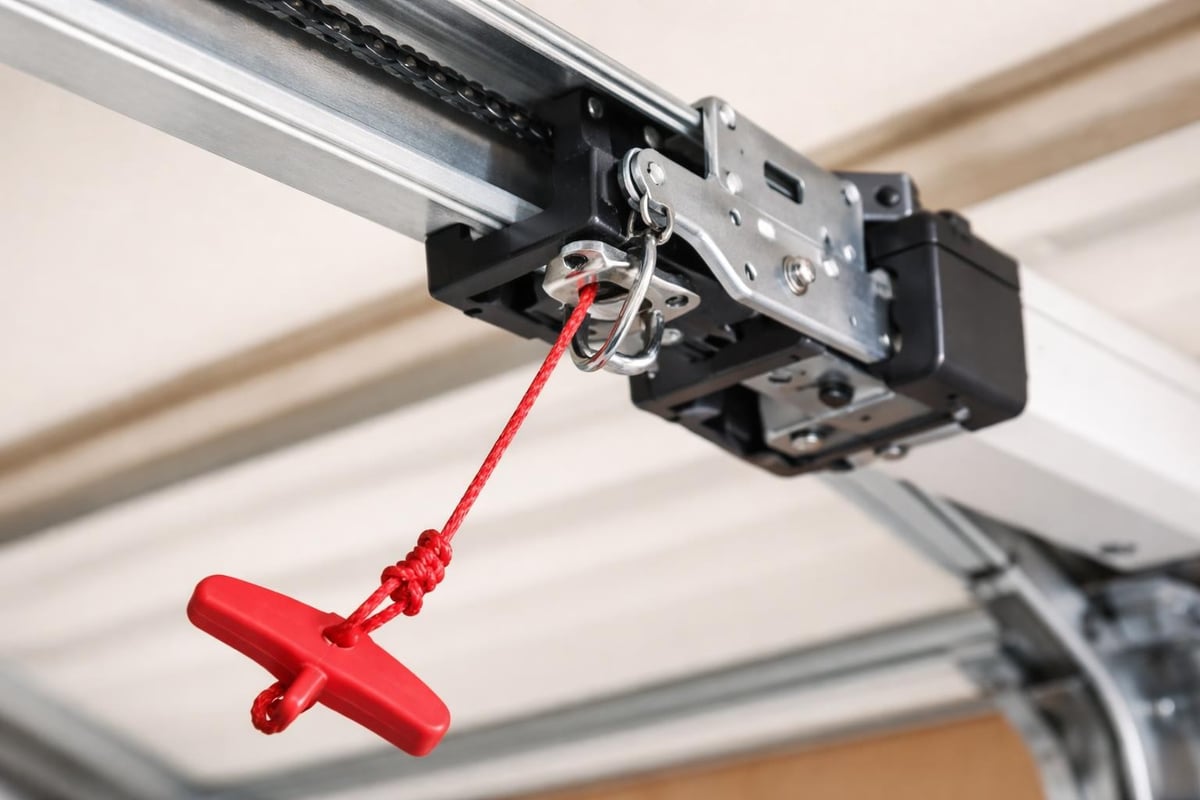
The emergency release typically consists of a red cord or handle attached to a trolley that connects your door to the opener's drive mechanism. When you pull this cord, it disconnects the trolley from the door, allowing manual operation. Understanding how to safely use the emergency release mechanism is crucial before attempting any manual operation.
Locating Your Emergency Release Cord
Most emergency release cords hang from the trolley mechanism that runs along the opener's rail system. The cord is usually red and positioned near the center of your garage door when closed. In some installations, particularly with wall-mounted garage door openers, the release mechanism may be located differently.
If you have difficulty locating your emergency release cord, consult your opener's owner's manual or look for manufacturer labels on the opener unit itself. Many comprehensive guides provide visual references to help identify your specific system's components.
Safety Precautions Before Manual Operation
Before you attempt to manually open garage door systems, take critical safety measures to prevent injury or property damage. These precautions apply whether you're operating from inside or outside your garage.
Check Door Position and Balance
Never attempt to manually release a garage door that's partially open unless absolutely necessary. A door stopped in the open position may have broken springs, and releasing it could cause it to drop suddenly with significant force.
Key safety checks include:
- Ensure the door is fully closed before pulling the release cord
- Look for visible damage to springs, cables, or door panels
- Listen for unusual sounds that might indicate mechanical problems
- Check that the area beneath and around the door is completely clear
A properly balanced garage door should stay in place when manually lifted halfway. If your door falls or shoots upward when released, you likely have a spring issue that requires professional spring repair services.
Clear the Area
Before manually operating your garage door, remove any objects, vehicles, or debris from the door's path. Children and pets should be kept at a safe distance during the entire process. Even a properly functioning door can weigh 150 to 400 pounds, depending on size and materials.
| Door Type | Average Weight | Manual Effort Required |
|---|---|---|
| Single Steel (No Insulation) | 130-150 lbs | Moderate |
| Single Steel (Insulated) | 150-180 lbs | Moderate-High |
| Double Steel (No Insulation) | 200-250 lbs | High |
| Double Steel (Insulated) | 250-350 lbs | Very High |
| Double Wood | 300-400 lbs | Very High |
Step-by-Step Manual Operation Process
Once you've completed your safety checks, you can proceed with the manual operation process. Follow these steps carefully to maintain control and prevent accidents.
Releasing the Door from the Opener
Stand beneath the opener rail where you can easily reach the red emergency release cord. Pull the cord straight down with a firm, steady motion. You should feel the trolley disconnect from the door with a distinct click or snap.
The cord usually has a handle at the end to make gripping easier. Some systems require pulling the cord at an angle toward the door rather than straight down. After pulling the release, the door is now disconnected from the motorized system and ready for manual operation.
Lifting the Door Manually
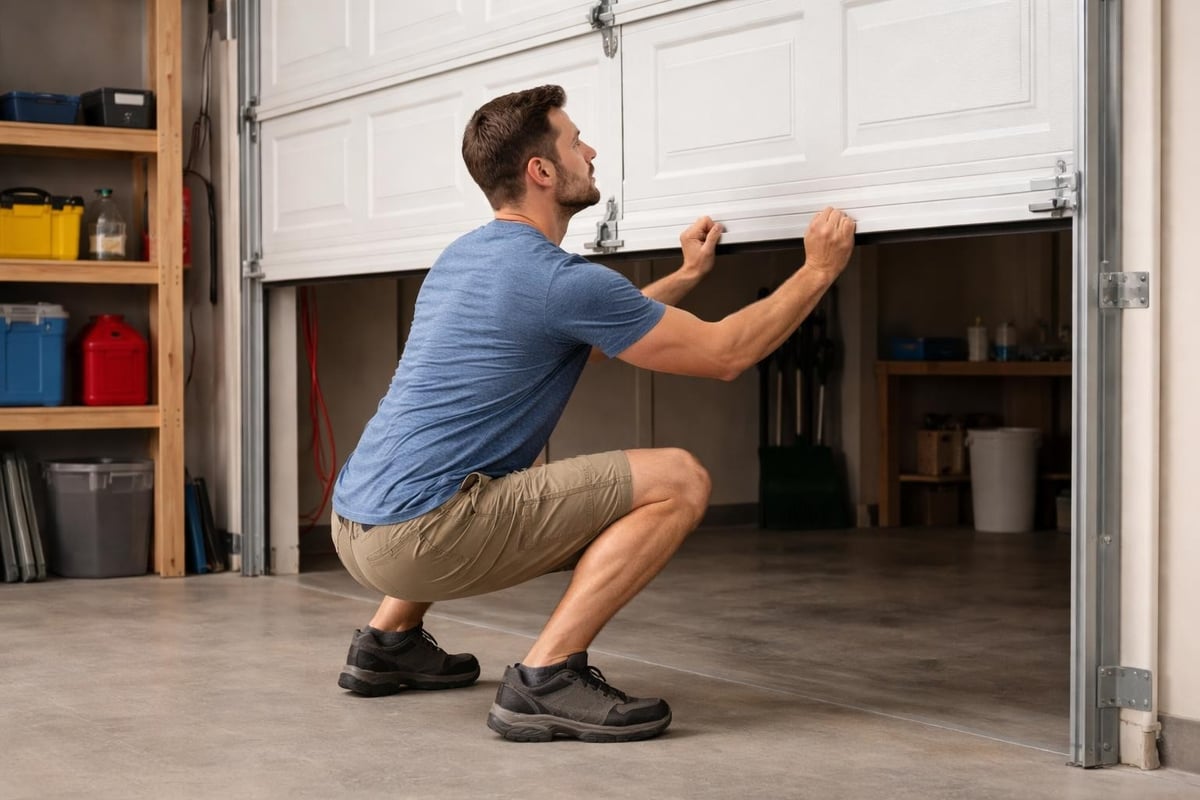
Position yourself at the center of the door, using both handles if your door has them. If handles aren't present, grip the door along the bottom edge using both hands. Lift with your legs rather than your back, maintaining proper posture throughout the motion.
A balanced door should lift smoothly with moderate effort. If the door feels extremely heavy or won't stay open when released, the spring system may be compromised. Understanding common garage door issues helps you recognize when professional assistance is needed.
Securing the Door in the Open Position
Once you've lifted the door to the fully open position, it should stay in place if the springs are properly balanced. However, if you have any concerns about the door falling, you can use locking pliers or C-clamps on the track just below one of the rollers on each side.
Never leave a manually operated door partially open without securing it. The door could drop unexpectedly, causing severe injury or property damage.
Manual Operation from Outside the Garage
Sometimes you may need to manually open garage door systems from the exterior, particularly during power outages when you're locked out. Most modern doors include an external release mechanism for this scenario.
Using the External Key Release
Many garage doors feature a lock cylinder on the outside, typically located near the center of the top section. This lock connects to a cable system that allows you to disengage the opener from outside.
Steps for external manual release:
- Insert the key and turn it to unlock the mechanism
- Pull or turn the handle to engage the release cable
- Lift the door using both hands from the bottom edge
- Secure the door in the open position if needed
Some older models or basic installations may not include this feature. In these cases, alternative methods for manual access require tools or professional assistance.
Security Considerations
The external release mechanism can present a security vulnerability if not properly maintained. Criminals have been known to use coat hangers or similar tools to access poorly secured release mechanisms through gaps in door seals.
Protect your home by ensuring your garage door weather sealing is intact and considering additional security measures like shield protectors for the release mechanism. Many modern garage door systems address this concern with improved safety features.
Reconnecting to Automatic Operation
After manually operating your garage door and power has been restored or the mechanical issue resolved, you'll need to reconnect the door to the opener system. This process is straightforward but requires attention to proper sequencing.
Re-engaging the Trolley
Close the door manually until it reaches the fully closed position. Locate the emergency release cord and pull it toward the opener motor unit rather than straight down. This typically moves the trolley into the reconnect position.
Activate your garage door opener using the wall button or remote control. The opener's trolley will travel along the rail until it reconnects with the door's carriage. You should hear and feel a solid connection when the systems engage.
If the door doesn't reconnect on the first attempt, return it to the fully closed position and try again. Some systems require you to pull the release cord toward the door to reset the mechanism before the opener can re-engage.
Testing Automatic Function
After reconnecting, test the door's automatic operation several times to ensure proper function. Run the door through complete open and close cycles, watching and listening for any unusual behavior, sounds, or resistance.
Check that safety features like auto-reverse sensors are functioning correctly. Place an object in the door's path and attempt to close it-the door should automatically reverse when it contacts the obstruction.
Common Issues During Manual Operation
Even with proper technique, you may encounter problems when attempting to manually open garage door systems. Understanding these common issues helps you respond appropriately and know when to seek professional help.
Door Won't Stay Open
A door that won't remain in the open position indicates spring problems. Torsion springs or extension springs provide the counterbalance that makes lifting the door possible with minimal effort. When springs break or lose tension, the door becomes extremely heavy and won't stay open without support.
Spring replacement is dangerous and should always be handled by trained professionals. The springs store tremendous energy and can cause serious injury if handled improperly. For homeowners throughout Kitsap County, professional garage door repair services provide safe, reliable spring replacement.
Release Mechanism Won't Disengage
If pulling the emergency release cord doesn't disengage the trolley, check for obstructions or damage to the release mechanism. Sometimes paint, debris, or rust can interfere with proper operation. Never force the mechanism-excessive force can break components and create more serious problems.
Modern opener systems often include different engagement mechanisms than older models. If you're unsure about your specific system, consulting manufacturer documentation provides system-specific guidance.
Door Binds or Sticks During Manual Lift
A door that binds, sticks, or feels uneven when manually opening may have track alignment problems, damaged rollers, or other mechanical issues. Continuing to force a binding door can cause additional damage to tracks, rollers, hinges, and door sections.
Inspect the tracks for dents, debris, or misalignment. Check rollers for damage or wear. If you identify problems beyond simple cleaning, professional assessment prevents minor issues from becoming major repairs.
Maintenance for Reliable Manual Operation
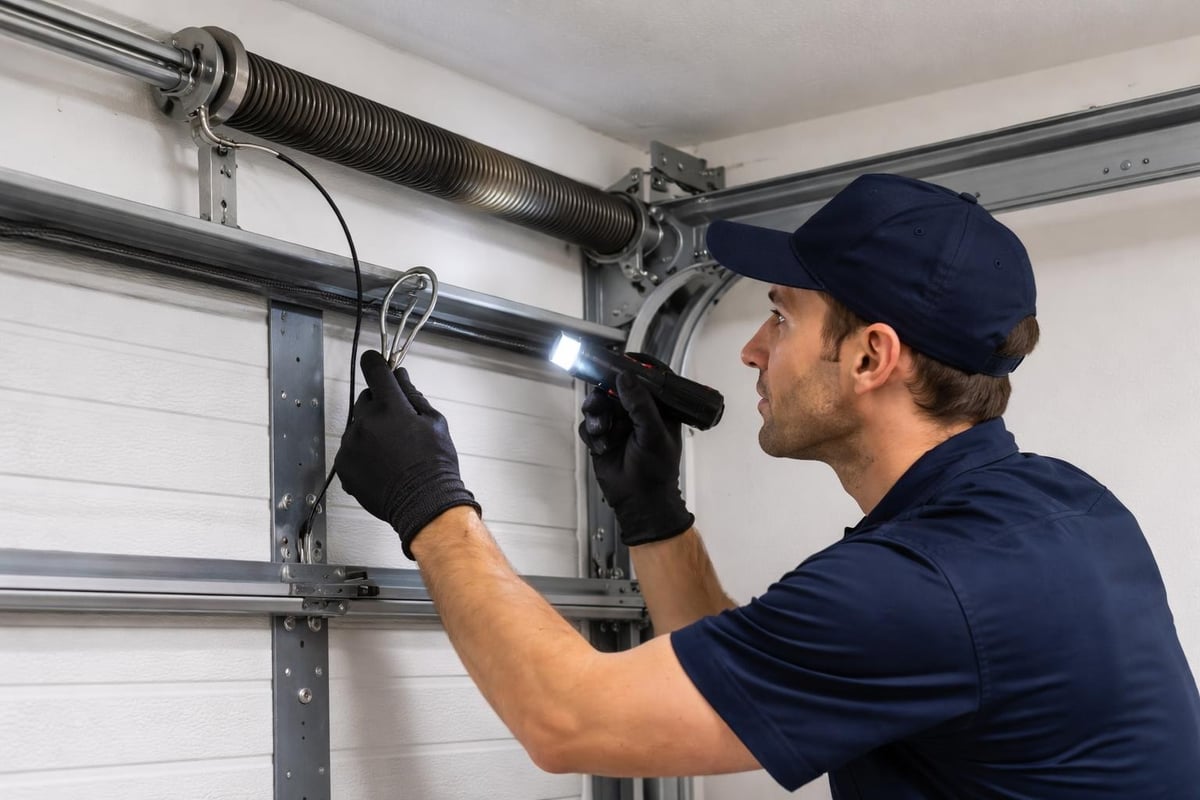
Regular maintenance ensures your garage door will function properly when you need to manually open garage door systems during emergencies. Preventive care also extends the life of all door components and reduces the likelihood of unexpected failures.
Monthly Inspection Checklist
Perform these quick checks every month to catch potential problems early:
- Visual inspection of springs, cables, rollers, and tracks for wear or damage
- Balance test by manually lifting the door halfway and releasing it
- Emergency release test to confirm the mechanism disengages properly
- Hardware check for loose bolts, screws, and fasteners
- Lubrication of moving parts including rollers, hinges, and springs
The balance test is particularly important. A door that doesn't stay in place when released halfway indicates spring tension issues that require adjustment or replacement.
Annual Professional Service
While monthly homeowner maintenance catches obvious problems, annual professional service identifies issues that aren't visible to untrained eyes. Professional technicians have the tools and expertise to properly adjust spring tension, align tracks, and ensure all safety features function correctly.
Many homeowners throughout Bainbridge Island and Kitsap County schedule annual service to prevent emergency situations. For optimal performance and safety, consider establishing a relationship with experienced garage door service providers.
Safety Standards and Regulations
Garage door safety has evolved significantly over the past several decades. Understanding current safety standards helps ensure your system meets requirements and protects your family.
UL 325 Safety Requirements
The U.S. Consumer Product Safety Commission mandates specific safety features for automatic garage door openers, including proper manual release function, force adjustment, and obstruction detection.
Modern openers must include:
- Clearly marked emergency release mechanism
- Auto-reverse when meeting resistance
- Photo-eye sensors to detect obstructions
- Force adjustment to prevent excessive closing pressure
- Manual controls that override automatic operation
If your garage door opener was installed before 1993, it may lack critical safety features. Upgrading to a modern system significantly improves safety and reliability. Professional garage door opener installation ensures compliance with current standards and optimal performance.
Emergency Preparedness
Beyond understanding manual operation, preparation for emergency scenarios ensures you're ready when power outages or equipment failures occur. Keep a flashlight near your garage entrance so you can safely locate and operate the emergency release in darkness.
Consider having battery backup systems installed on your garage door opener. These systems allow automatic operation during power outages, eliminating the need for manual operation in most situations. Battery backup is particularly valuable in regions that experience frequent power interruptions.
When to Call Professionals
While knowing how to manually open garage door systems is valuable, some situations require professional expertise. Attempting complex repairs without proper training and tools creates safety risks and can cause expensive damage.
Broken Springs and Cables
Spring and cable systems store tremendous energy and require specialized tools for safe service. Attempting DIY spring replacement has resulted in numerous serious injuries, including broken bones, lacerations, and worse. Always hire trained technicians for spring-related repairs.
Professional services also ensure springs are properly sized and tensioned for your specific door weight and dimensions. Incorrect spring selection leads to premature failure and poor door performance.
Damaged Tracks or Structural Issues
Bent or damaged tracks affect door alignment and safety. While minor track cleaning is appropriate for homeowners, significant track damage requires professional correction. Attempting to straighten bent tracks without proper equipment often creates worse alignment problems.
Structural issues like damaged door sections, broken hinges, or compromised frames also demand professional assessment. These problems can compromise the door's integrity and create dangerous operating conditions.
Opener Malfunctions
Modern garage door openers include complex electronics, safety sensors, and mechanical components. While basic troubleshooting like checking power connections or cleaning photo-eyes is reasonable, internal opener repairs require technical expertise.
Opener issues often relate to circuit boards, gear assemblies, or sensor calibration. Professional diagnostic equipment identifies these problems accurately, preventing unnecessary parts replacement and ensuring lasting repairs. For residents seeking reliable service, emergency garage door repair provides prompt assistance when you need it most.
Best Practices for Long-Term Reliability
Maintaining your garage door system's reliability requires consistent attention and smart practices. These recommendations help ensure your door functions properly for years to come.
| Maintenance Task | Frequency | DIY or Professional |
|---|---|---|
| Visual Inspection | Monthly | DIY |
| Balance Testing | Monthly | DIY |
| Lubrication | Every 3 months | DIY |
| Weather Seal Check | Every 6 months | DIY |
| Hardware Tightening | Every 6 months | DIY |
| Spring Tension Adjustment | Annually | Professional |
| Complete System Service | Annually | Professional |
| Spring Replacement | As needed | Professional |
Following a structured maintenance approach prevents most emergency situations and extends component life significantly. Most garage door springs last 7-10 years with proper maintenance, while neglected systems may fail in 3-5 years.
Documentation and Records
Keep records of all service, repairs, and maintenance performed on your garage door system. This documentation helps track component age, identifies recurring problems, and provides valuable information when service is needed.
Record the installation date, spring type and size, opener model, and any modifications or upgrades. This information proves invaluable when ordering replacement parts or discussing issues with service technicians.
Understanding Different Door Types
Different garage door designs require slightly different approaches to manual operation. Understanding your specific door type helps you operate it safely and effectively.
Sectional Roll-Up Doors
The most common residential garage door type consists of horizontal sections connected by hinges and supported by tracks on both sides. These doors roll up and overhead using a spring counterbalance system. Manual operation is straightforward with sectional doors when springs are properly balanced.
One-Piece Tilt-Up Doors
Older homes may feature one-piece doors that tilt outward at the bottom and swing up into the garage. These doors require different manual operation techniques and often lack modern safety features. Extra caution is necessary when manually operating tilt-up doors.
Side-Hinged Doors
Traditional swing-out garage doors operate like standard entry doors. While these don't typically connect to automatic openers, understanding their manual operation and security features remains important for homeowners with this style.
For those considering upgrades to modern systems, exploring options through professional garage door installation provides access to safer, more efficient designs with improved manual operation capabilities.
Weather-Related Considerations
Weather conditions throughout the Pacific Northwest can affect garage door operation and create situations where manual operation becomes necessary. Understanding these impacts helps you prepare and respond appropriately.
Cold Weather Challenges
Freezing temperatures can cause lubricants to thicken, making manual operation more difficult. Metal components may contract, affecting alignment and smooth operation. If your garage door is frozen to the ground, never force it open-thaw the ice first to prevent damage to the bottom seal, door sections, or opener system.
Winter storms frequently cause power outages, making knowledge of manual operation particularly valuable. Keep your emergency release mechanism clear of ice and ensure it remains accessible during severe weather.
Wind and Storm Impacts
High winds can affect garage door operation and safety. Never attempt to manually open garage door systems during severe wind events if you can avoid it. Wind can catch an open door and cause it to slam shut with dangerous force or pull it off the tracks entirely.
After significant storms, inspect your garage door for damage before operating it manually or automatically. Following essential safety guidelines helps prevent injuries during post-storm assessments.
Understanding how to safely manually open garage door systems is an essential skill that every homeowner should master. Regular maintenance, attention to safety protocols, and knowledge of when to seek professional help ensure you're prepared for any situation while protecting your family and property. When you need expert assistance with garage door repairs, installations, or emergency service throughout Kitsap County, NextLevel Garage Co. delivers the quality workmanship and clear communication you deserve. Our experienced team is ready to help with everything from routine maintenance to emergency repairs, ensuring your garage door operates safely and reliably year-round.