

A reliable overhead door is essential for the safety, security, and daily convenience of every home and business. Yet, many experience the frustration of unexpected breakdowns, costly repairs, or disrupted routines caused by overlooked overhead door maintenance.
This guide delivers expert-backed, step-by-step overhead door maintenance strategies tailored for 2026. You will discover why regular care matters, essential inspection routines, advanced tips, troubleshooting methods, and guidance on when to call professionals.
Avoid the real risks of poor maintenance. Gain the knowledge to keep your overhead door operating smoothly, extend its lifespan, and save on future expenses.
Why Overhead Door Maintenance Matters in 2026
Unexpected breakdowns can quickly turn a routine day into a costly ordeal. Overhead door maintenance is more important than ever as repair expenses and part shortages continue to climb. Neglecting simple upkeep leads to avoidable emergencies, lost productivity, and even safety threats. Understanding the impact of regular attention to your doors can help you avoid these pitfalls and secure long-term savings.
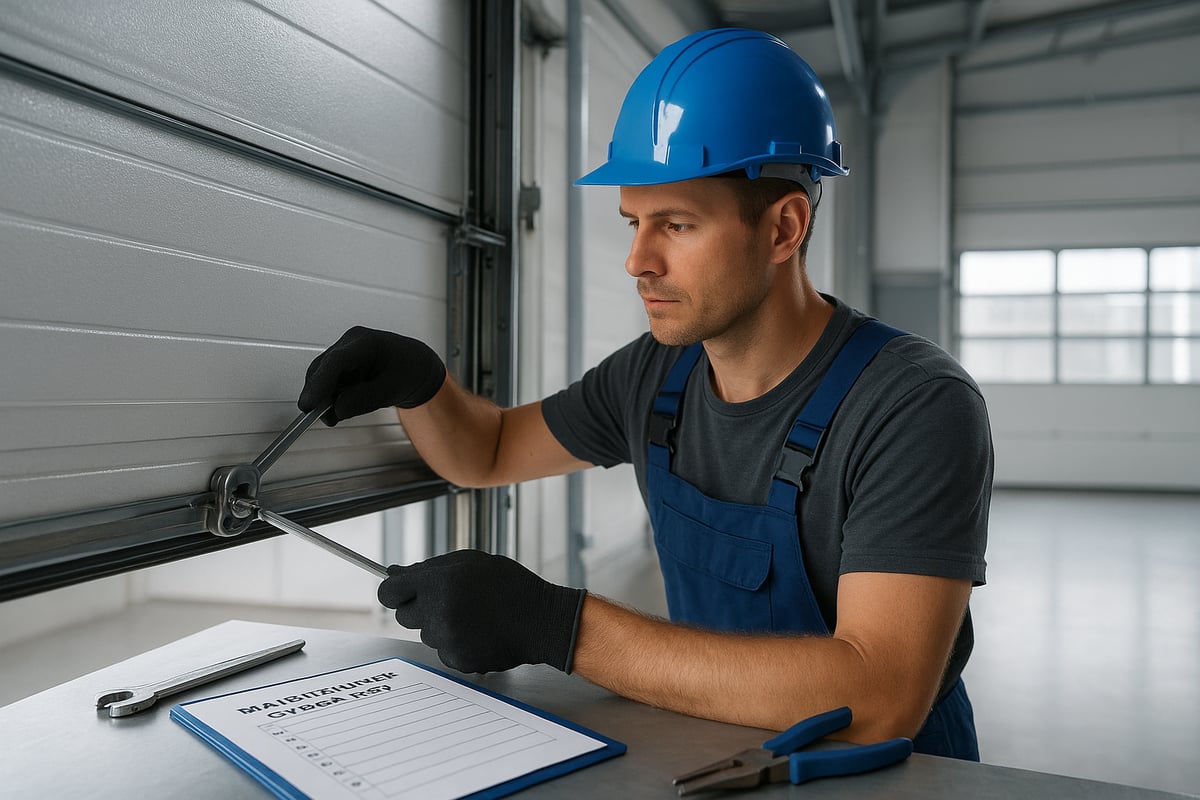
The Cost of Neglect
Ignoring overhead door maintenance often results in sudden breakdowns and steep repair bills. In 2026, supply chain disruptions have made replacement parts more expensive and harder to obtain. Emergency repairs can cost double or triple what routine service would. Industry estimates show that preventative maintenance can cut major repair costs by up to 50 percent.
Neglect also brings risks beyond financial loss. Security vulnerabilities, business downtime, and safety hazards are all more likely when maintenance is skipped. Addressing issues early is always less disruptive than waiting for a crisis.
Longevity and Performance Benefits
Consistent overhead door maintenance extends the lifespan of your doors by several years. Well-maintained systems experience fewer malfunctions, reducing unexpected downtime for both homes and businesses. Competitors highlight that proactive care keeps operations running smoothly and avoids shipment delays.
For example, a commercial facility that regularly services its rollers and tracks can prevent major disruptions. With the garage and overhead door market continuing to grow, as shown by Garage and Overhead Door Market Growth, investing in proper maintenance offers measurable returns over time.
Safety and Compliance
Modern overhead door maintenance is critical for meeting updated safety standards in 2026. Commercial doors must comply with legal requirements like auto-reverse systems and regular sensor testing. Failing to maintain these features can put employees and customers at risk.
Statistics reveal that malfunctioning safety components are a leading cause of workplace injuries involving doors. Routine checks and prompt repairs help ensure compliance and create a safer environment for everyone.
Energy Efficiency and Insulation
Well-sealed and insulated overhead doors play a major role in controlling energy bills. Maintenance routines should always include inspection of weather seals and insulation panels. Gaps or cracks let drafts in and can damage stored items during extreme temperatures.
Competitors note that properly maintained seals can improve energy efficiency by up to 20 percent. This not only saves money but also protects valuable inventory and equipment from temperature swings.
Home and Business Value
Maintaining overhead doors boosts curb appeal and increases property values. Buyers in 2026 are looking for homes and businesses with reliable, updated doors that signal security and care. Insurance companies may also offer incentives for documented maintenance, recognizing the reduced risk of claims.
Failing to keep up with overhead door maintenance can result in higher premiums or denied claims. Investing in regular upkeep pays off through improved appearance, lower costs, and greater peace of mind.
Essential Overhead Door Maintenance Checklist
A proactive overhead door maintenance checklist is essential for keeping your system reliable and safe throughout the year. By following these structured routines, you can prevent costly repairs, minimize downtime, and ensure optimal performance for both residential and commercial doors.
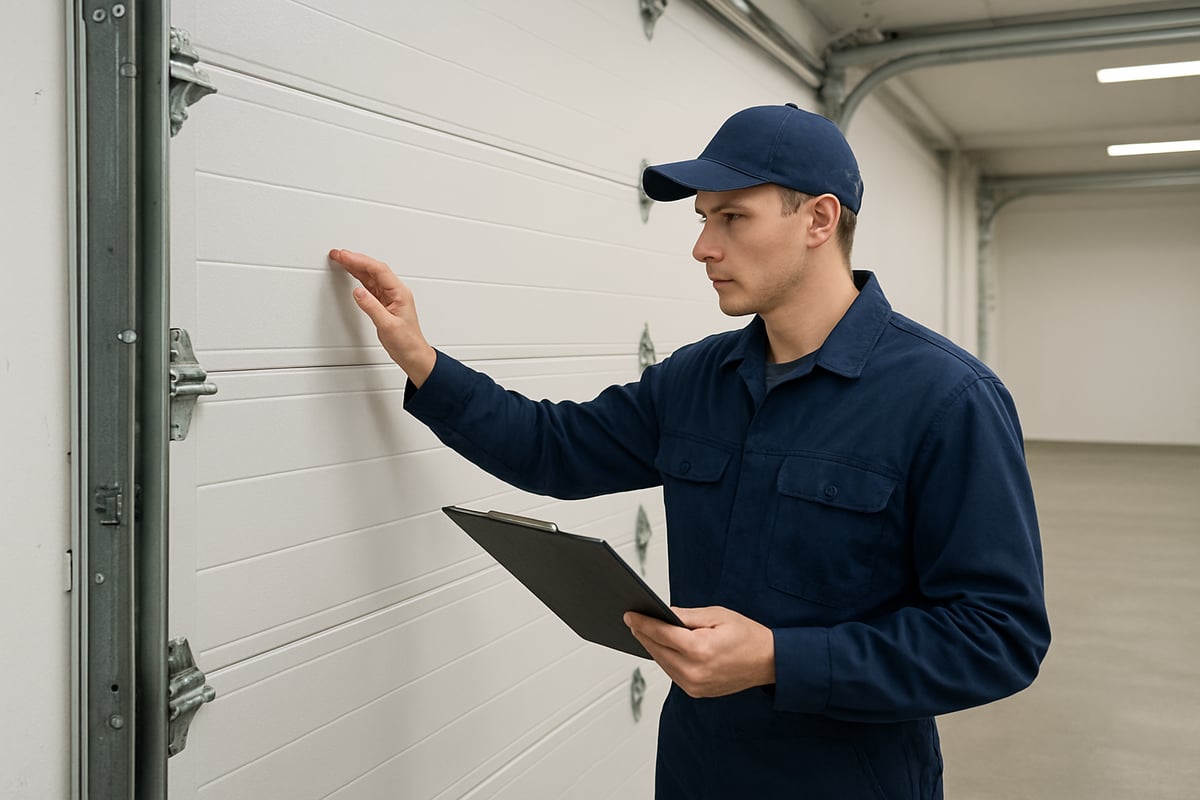
Monthly Visual Inspections
Regular monthly inspections are the backbone of effective overhead door maintenance. Begin by carefully examining the door panels for dents, rust, or warping.
- Inspect all hardware, including bolts, screws, and brackets, for looseness or missing pieces.
- Look for debris, misalignment, or bends in the tracks.
- Check rollers and hinges for visible signs of wear.
A business owner recently caught a warped panel early, preventing a potential operational shutdown. Consistent inspections can help you spot issues before they escalate, saving time and expense.
Lubrication of Moving Parts
Lubricating vital components is a crucial part of overhead door maintenance. Focus on the rollers, hinges, springs, and the inside of the tracks.
- Use a silicone-based or lithium garage door lubricant.
- Avoid household oils like WD 40 on certain parts, as they can attract dirt.
- Apply lubricant sparingly, then wipe away excess to avoid grime buildup.
Proper lubrication not only reduces friction and noise but also extends the lifespan of moving parts. Many experts recommend lubricating at least every three months, especially in high-use settings.
Testing Safety Features
Safety devices are fundamental to any overhead door maintenance routine. Test the auto-reverse function by placing a 2×4 under the door and closing it — the door should quickly reverse.
- Clean and align the photo-eye sensors.
- Test the manual release to ensure it works smoothly in an emergency.
- Review procedures from competitors to confirm you are meeting industry standards.
Documenting these tests helps you comply with safety regulations and reduces accident risks.
Checking Door Balance and Alignment
Door balance is a critical factor in overhead door maintenance. To check, disconnect the opener and manually lift the door halfway.
- The door should remain in place without drifting.
- If it moves, the balance is off and may strain the opener or cause uneven wear.
- Real-world example: An unbalanced door once led to a snapped spring in a busy facility, causing unplanned downtime.
Prompt attention to alignment and balance can prevent major failures.
Weather Seals and Insulation
Inspecting seals and insulation is vital for overhead door maintenance, especially for energy efficiency and pest control.
- Check the bottom and side seals for cracks, gaps, or brittleness.
- Examine insulation panels for moisture or damage.
- Replace worn seals to prevent drafts and water intrusion.
Competitor data shows that well-sealed doors can improve energy efficiency by up to 20 percent, keeping your space comfortable and protected.
Cleaning and Exterior Care
Cleaning is an often-overlooked aspect of overhead door maintenance. Use gentle detergents and a soft cloth to remove dirt from the door’s surface and hardware.
- Address any corrosive substances, such as road salt or chemicals, promptly.
- Repaint or touch up metal and wood doors as needed.
Regular cleaning not only prevents rust, especially in coastal areas, but also maintains your door’s appearance. For further year-round tips, explore these Year-Round Garage Door Maintenance Tips to enhance your routine.
Advanced Maintenance Tips for 2026
Staying ahead with overhead door maintenance is essential in 2026. Advanced care not only protects your investment but also ensures safety, efficiency, and compliance. Below are expert strategies to elevate your maintenance routine.
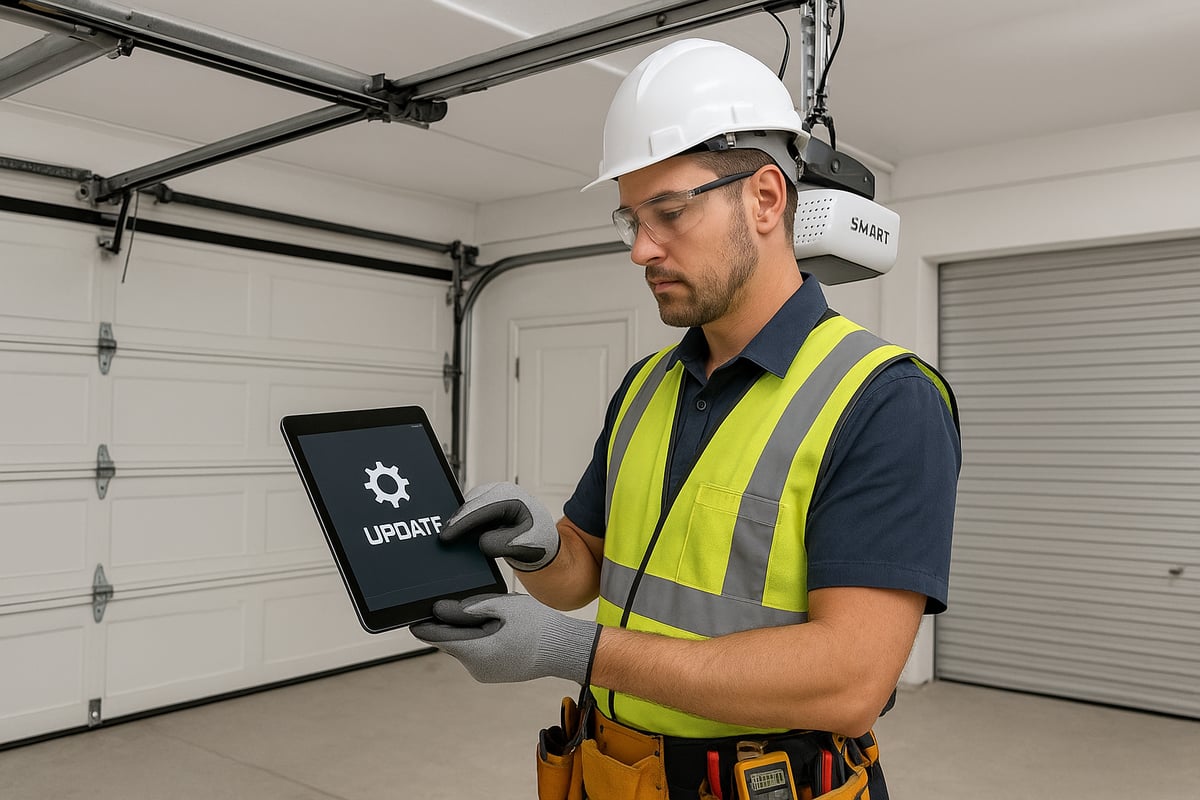
Smart Garage Door Systems Maintenance
Smart openers and IoT-connected overhead doors are now standard for homes and businesses. Routine overhead door maintenance should include updating the firmware on your smart opener, checking for app connectivity, and ensuring Wi-Fi signals are strong throughout the garage.
To prevent disruptions, regularly test all remote and app-based controls. If you encounter frequent Wi-Fi drops or sensor errors, check for interference from other devices and update your router firmware. For a deeper dive into smart opener technology and troubleshooting, see Understanding Modern Garage Door Openers.
Integrating these tasks into your overhead door maintenance schedule reduces unexpected downtime and keeps entry points secure.
Spring and Cable Inspection
Springs and cables are high-tension components critical to overhead door maintenance. Homeowners should only perform visual inspections and leave repairs to professionals due to safety risks.
Inspect for fraying, rust, or uneven gaps. Early detection of wear prevents catastrophic failures, such as snapped springs or cables. If you notice any deformities or hear unusual noises during operation, schedule a professional inspection immediately.
Consistent overhead door maintenance in this area can save you from costly repairs and unsafe conditions.
Weather Adaptation Strategies
Seasonal changes demand tailored overhead door maintenance. In winter, lubricate moving parts to prevent freezing. Spring is the time for deep cleaning after harsh weather, while summer calls for UV protection and checks on insulation due to heat expansion.
For coastal or humid climates, increase inspection frequency to combat corrosion and moisture buildup. A weather-specific checklist ensures your door operates smoothly year-round and minimizes energy loss.
Adapting overhead door maintenance to your local environment extends the life and functionality of your system.
Commercial Overhead Door Considerations
Commercial settings require a different approach to overhead door maintenance. These doors are heavier, operate more frequently, and rely on industrial-grade components.
Schedule more frequent inspections, often quarterly, to check for wear and tear. Loading dock doors, for example, face higher levels of stress and should never be overlooked. Professional maintenance is essential to avoid business interruptions and ensure compliance with safety regulations.
A proactive overhead door maintenance plan reduces emergency repairs and operational downtime.
Record Keeping and Scheduling
Accurate records are vital for effective overhead door maintenance. Use maintenance logs to track inspections, lubrication, and repairs. Digital tools or apps can automate reminders for routine checks, helping you stay consistent.
Well-documented maintenance supports warranty claims and streamlines communication with service professionals. Competitors report that scheduled service reduces unexpected breakdowns and emergency calls.
Keeping organized overhead door maintenance records leads to long-term cost savings and peace of mind.
Preventative vs. Reactive Maintenance
Preventative overhead door maintenance is more cost-effective than waiting for issues to arise. Facilities with routine checks experience 30-40% less downtime than those relying on reactive repairs.
| Maintenance Type | Cost Over Time | Downtime | Risk Level |
|---|---|---|---|
| Preventative | Low | Minimal | Low |
| Reactive | High | High | Elevated |
For example, a facility with a preventative maintenance plan avoided a major breakdown during peak season, saving thousands in lost productivity. Making overhead door maintenance proactive ensures reliability and safety.
Step-by-Step Overhead Door Maintenance Routine
Proper overhead door maintenance is essential to ensure safety, functionality, and long-term value. This routine breaks down the process into manageable steps, making it easy for homeowners and business operators to follow. By systematically addressing each area, you reduce the risk of costly repairs and keep your door operating smoothly throughout the year.
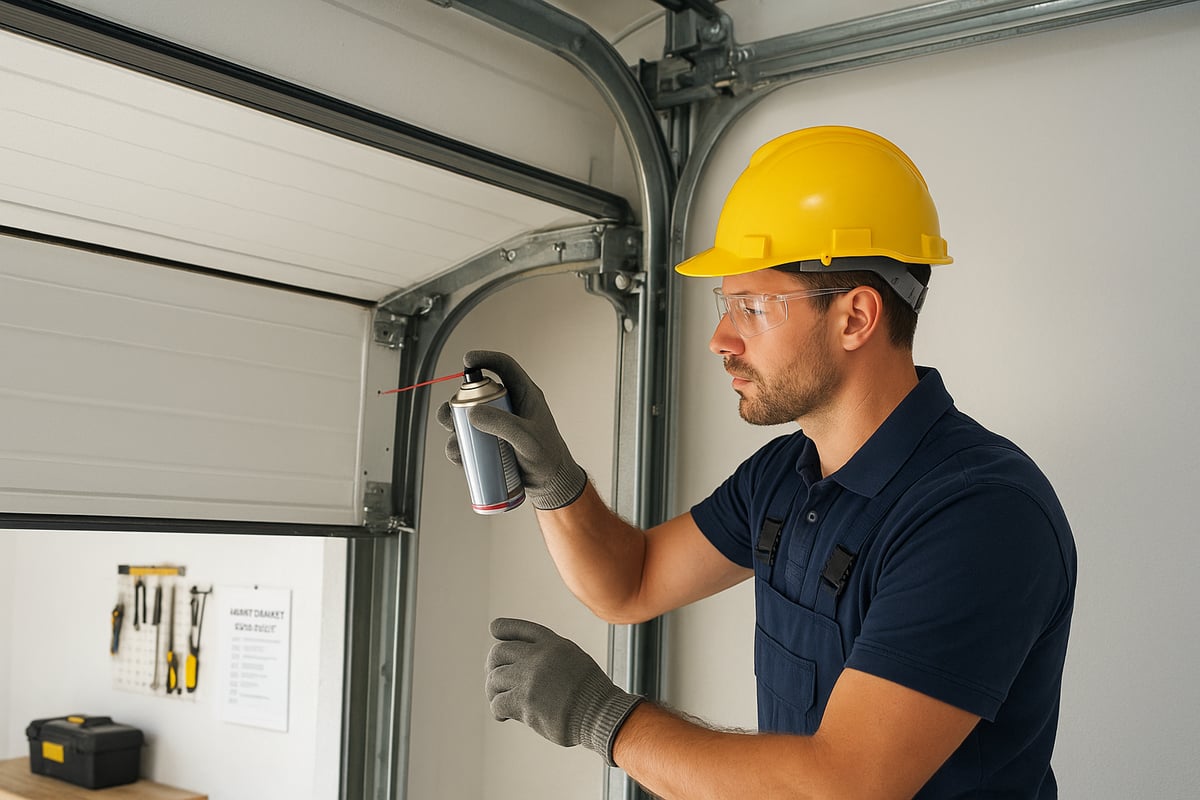
Step 1: Safety First
Before you begin any overhead door maintenance, prioritize safety. Disconnect the power to the door opener to prevent accidental activation. Wear gloves and safety glasses to protect yourself from sharp edges and moving parts. Keep children and pets away from the work area.
Reviewing Safety Tips for Overhead Doors can help you avoid common hazards, especially in high-traffic areas. Taking these precautions ensures a safe environment and reduces the risk of injury during your maintenance routine.
Step 2: Visual Inspection
Walk around the overhead door and inspect all visible components. Look for dents, rust, or warping on panels. Check the hardware for loose or missing bolts, screws, and brackets. Examine the tracks for debris, bends, or misalignment.
Pay close attention to the rollers and hinges for signs of wear. Document any issues you find, as this record will be helpful for future overhead door maintenance and troubleshooting.
Step 3: Clean and Remove Debris
Remove any dirt, leaves, or debris from the tracks and around the door. Use a soft brush or cloth to clean the photo-eye sensors gently. Clogged tracks and dirty sensors can lead to operational problems, including jamming or reversing unexpectedly.
Regular cleaning as part of overhead door maintenance prevents buildup that could affect the door's movement and safety features.
Step 4: Lubricate Moving Parts
Apply a silicone-based lubricant to the rollers, hinges, springs, and bearings. Avoid using products like WD-40 on certain components, as they can attract dirt. Wipe away excess lubricant to prevent grime buildup.
Proper lubrication reduces friction, minimizes noise, and extends the lifespan of moving parts. Incorporate this step into your quarterly overhead door maintenance routine, or more often in high-use environments.
Step 5: Test Door Balance and Alignment
Disconnect the door opener and manually lift the overhead door halfway. A properly balanced door should remain in place without drifting. If the door moves up or down, it may indicate an imbalance, which can strain the opener and cause uneven wear.
Noting balance issues during overhead door maintenance helps prevent more significant problems, such as snapped springs or misaligned tracks. If you notice persistent imbalance, contact a professional for adjustment.
Step 6: Test Safety Features
Test the auto-reverse function by placing a solid object, like a 2×4, beneath the door and attempting to close it. The door should reverse immediately upon contact. Clean the photo-eye sensors and interrupt the beam to ensure the door will not close.
Check the manual release mechanism for smooth operation in case of emergency. Regular safety feature testing is a vital part of overhead door maintenance, as it ensures compliance and protects users from injury.
Step 7: Inspect and Replace Weather Seals
Look at the bottom and side weather seals for cracks, brittleness, or gaps. Damaged seals can lead to drafts, water intrusion, and increased energy bills. Inspect insulation panels for moisture or visible damage.
Replacing worn seals during overhead door maintenance improves energy efficiency and keeps pests and debris out. This simple step also protects stored items from moisture and temperature fluctuations.
Step 8: Reconnect and Test Operation
After completing inspections and adjustments, reconnect the power to the opener. Operate the overhead door several times, listening for unusual noises and observing the door's smoothness. Check for any irregular movement or delays.
If you notice minor issues, address them immediately. For persistent or complex problems, schedule professional overhead door maintenance to prevent further damage.
Step 9: Log Maintenance Activities
Record the date, actions taken, and any issues discovered during your overhead door maintenance routine. Keeping a maintenance log helps with warranty claims and future troubleshooting.
Consider using a digital tool or app to set reminders for regular checks. Consistent record-keeping ensures you never miss a critical step in maintaining your overhead door.
Troubleshooting Common Overhead Door Problems
Even the most diligent overhead door maintenance routine can’t prevent every issue. Knowing how to troubleshoot common problems helps keep your garage door running smoothly and minimizes costly downtime. Here’s how to address the most frequent challenges, with practical tips and examples to guide you.
Door Won’t Open or Close
When your door refuses to move, start with these checks. Power failures are a top culprit, so confirm the opener is plugged in and the circuit breaker is on.
- Replace remote batteries if needed
- Realign or clean the photo-eye sensors
- Inspect for visible obstructions in the tracks
For example, a homeowner resolved a stuck door by wiping dust from the sensor lens. Consistent overhead door maintenance prevents these issues from escalating.
Noisy Operation
Unusual noises during operation often signal a need for overhead door maintenance. Listen for grinding, squeaking, or rattling.
- Tighten loose bolts and screws
- Lubricate rollers, hinges, and tracks with a recommended product
- Replace worn-out rollers
Competitor data shows that regular lubrication can reduce noise by up to 60 percent. Addressing noise early avoids bigger mechanical problems later.
Door Reverses Unexpectedly
If your door starts closing but then reverses, the safety system may be reacting to an obstruction or dirty sensor.
- Clean the photo-eye sensors with a soft cloth
- Remove any debris blocking the sensor path
- Check for misaligned tracks
A business avoided costly downtime by simply clearing leaves from the tracks. This highlights the value of routine overhead door maintenance.
Slow or Jerky Movement
A door that moves slowly or in fits and starts often points to problems with the tracks, springs, or opener.
- Clean dirt and debris from the tracks regularly
- Inspect springs for signs of wear or imbalance
- Check opener settings and adjust as needed
For persistent problems, schedule a professional overhead door maintenance visit. Early action limits damage and keeps your system running efficiently.
Remote/App Malfunctions
Smart features add convenience but can also introduce new troubleshooting steps.
- Re-sync your remote with the opener
- Update the app and check Wi-Fi connectivity
- Replace remote batteries if unresponsive
If problems persist, consult your manual or seek professional support. Reliable overhead door maintenance includes keeping tech components updated.
Visible Wear or Damage
Regularly inspect for frayed cables, cracked panels, or rust on metal parts. These are signs that overhead door maintenance is overdue.
- Schedule a professional inspection for any visible damage
- Replace damaged panels, cables, or hinges promptly
- Address rust before it spreads
Timely intervention can prevent hazards and extend your door’s lifespan. If you spot significant damage, consider contacting Emergency Garage Door Repair Services for urgent help.
When to Call a Professional for Overhead Door Maintenance
Knowing when to involve a professional in your overhead door maintenance routine is crucial for both safety and long-term value. While many tasks can be managed in-house, certain situations require specialized skills, advanced tools, or regulatory compliance.
Recognizing Complex Issues
Some overhead door maintenance tasks present significant safety hazards. High-tension springs and cables should never be adjusted by untrained individuals, as improper handling can cause severe injury. Persistent imbalance, loud grinding noises, or recurring operational failures often indicate deeper mechanical problems. For example, attempting to fix a broken spring without the right expertise can result in dangerous accidents. Always defer these repairs to licensed professionals for your safety.
Routine Professional Inspections
Scheduling annual or semi-annual overhead door maintenance checks is considered best practice for both homes and businesses. Professionals conduct thorough assessments, using advanced diagnostic tools to inspect hidden components that may not be visible during routine checks. Many providers now offer detailed reports and preventative service plans, helping you avoid unexpected breakdowns. Regular inspections also ensure compliance with evolving safety standards such as those outlined in UL 325 Compliance for Overhead Doors, which is essential for legal and insurance requirements.
Upgrades and Modernization
Modern overhead door maintenance often includes evaluating whether your system meets current performance and safety benchmarks. Upgrading to smart openers, adding insulation, or retrofitting for commercial compliance are tasks best handled by trained technicians. If your door is outdated or frequently failing, it may be time to consider a full replacement. For guidance on when maintenance is no longer sufficient, consult resources like Garage Door Replacement Guidance.
Warranty and Insurance Considerations
Many overhead door warranties require documented professional maintenance to remain valid. Neglecting this can lead to denied warranty or insurance claims if damage occurs. In fact, up to 70 percent of denied claims are linked to insufficient maintenance records. Keeping detailed logs of professional service visits not only supports claims, but also demonstrates your commitment to safety and compliance.
Emergency Repairs
Sometimes, overhead door maintenance cannot wait. Stuck, damaged, or unsafe doors can disrupt daily operations and pose security risks. Many service providers offer 24/7 emergency repairs to minimize business downtime and restore safe access quickly. Relying on professionals ensures that urgent issues are addressed efficiently and in accordance with industry standards.
Choosing a Qualified Technician
Selecting the right expert for your overhead door maintenance is vital. Look for the following qualifications:
| Criteria | Why It Matters |
|---|---|
| Licensing & Insurance | Ensures accountability |
| Local Reputation | Indicates reliability |
| Transparent Quotes | Prevents unexpected expenses |
Whenever possible, choose local, owner-operated businesses for personalized service and accountability. A qualified technician protects your investment and peace of mind.
Seasonal Overhead Door Maintenance Calendar
Keeping your overhead door maintenance on a seasonal schedule is the best way to prevent unexpected issues and maintain optimal performance year-round. By following a structured calendar, you ensure that every key component receives attention at the right time. This approach not only extends the life of your door but also supports safety, energy efficiency, and peace of mind.
Spring Maintenance
Spring is the ideal time to tackle a thorough overhead door maintenance routine after winter’s challenges. Start by deep cleaning the door exterior and tracks to remove salt, dirt, and debris that can cause corrosion. Inspect for any signs of rust or water damage, paying close attention to metal components.
Lubricate all moving parts to ensure smooth operation as temperatures rise. Test safety features like auto-reverse and sensor alignment, following OSHA Guidelines on Overhead Doors for safe practices. Replace worn weather seals to keep out spring moisture and pests. Proactive spring overhead door maintenance helps prevent costly repairs later in the year.
Summer Maintenance
High temperatures and sunlight can impact overhead door maintenance needs during summer. Check insulation and weather seals to ensure your garage or commercial space stays cool and energy efficient. Inspect the door’s exterior for fading, warping, or UV damage, and touch up paint or finish as needed.
Clean sensors and electronics to prevent malfunctions due to dust or humidity. Test door operation several times, listening for unusual noises that might signal a need for lubrication or adjustment. Addressing these overhead door maintenance tasks in summer minimizes the risk of heat-related issues and keeps your system reliable.
Fall Maintenance
As temperatures drop, fall is the time to prepare your door for colder months with targeted overhead door maintenance. Inspect and replace weather seals to block drafts and moisture. Test the battery backup on your opener to ensure operation during power outages. Remove leaves and debris from tracks and around the base of the door.
Lubricate moving parts again, as cooler weather can increase friction. Check insulation panels for any signs of damage or moisture buildup. Completing these overhead door maintenance steps in fall helps protect your investment and ensures your door operates smoothly throughout winter.
Winter Maintenance
Winter overhead door maintenance focuses on preventing freezing and condensation issues. Lubricate parts as needed to keep them moving freely in cold temperatures. Inspect for ice buildup on tracks and use a recommended de-icer if necessary. Check seals and insulation to stop cold air and moisture from entering.
For those in Kitsap County and other coastal areas, increase inspection frequency due to higher humidity and salt air, which can accelerate corrosion. Schedule quarterly checks if your property is near the water. A consistent winter overhead door maintenance routine safeguards against weather-related damage and system failures.
Maintenance Log Template
| Date | Task Performed | Issues Found | Next Steps |
|---|---|---|---|
| 2026-03-15 | Cleaned tracks, lubricated | None | Check seals in April |
Keep a digital or physical log to track seasonal overhead door maintenance. This record supports warranty claims and helps you stay on schedule.
Taking care of your overhead door isn’t just about preventing breakdowns—it’s about protecting your safety, saving money, and keeping life running smoothly. With the expert tips and maintenance routines we’ve covered, you can confidently extend the life of your garage door and avoid costly surprises. If you’re ready to take the next step or want personalized advice for your home or business here in Kitsap County, let’s connect. You deserve quality workmanship and clear answers, and that’s exactly what we provide at NextLevel Garage Co.
One Response