

Power outages, mechanical failures, and emergency situations can strike at any moment, leaving your vehicle trapped inside the garage. Understanding how to open an automatic garage door manually is an essential skill every homeowner should master. Whether you're facing a storm that knocked out electricity across Kitsap County or dealing with a malfunctioning opener, knowing the proper technique ensures you can access your garage safely and efficiently. This comprehensive guide walks through the entire process, from safety precautions to step-by-step instructions, helping you handle unexpected situations with confidence.
Understanding Your Automatic Garage Door System
Before attempting manual operation, you need to understand the components that make your automatic garage door function. Modern garage door systems consist of several interconnected parts that work together to provide automated convenience.
Key Components of Automatic Systems
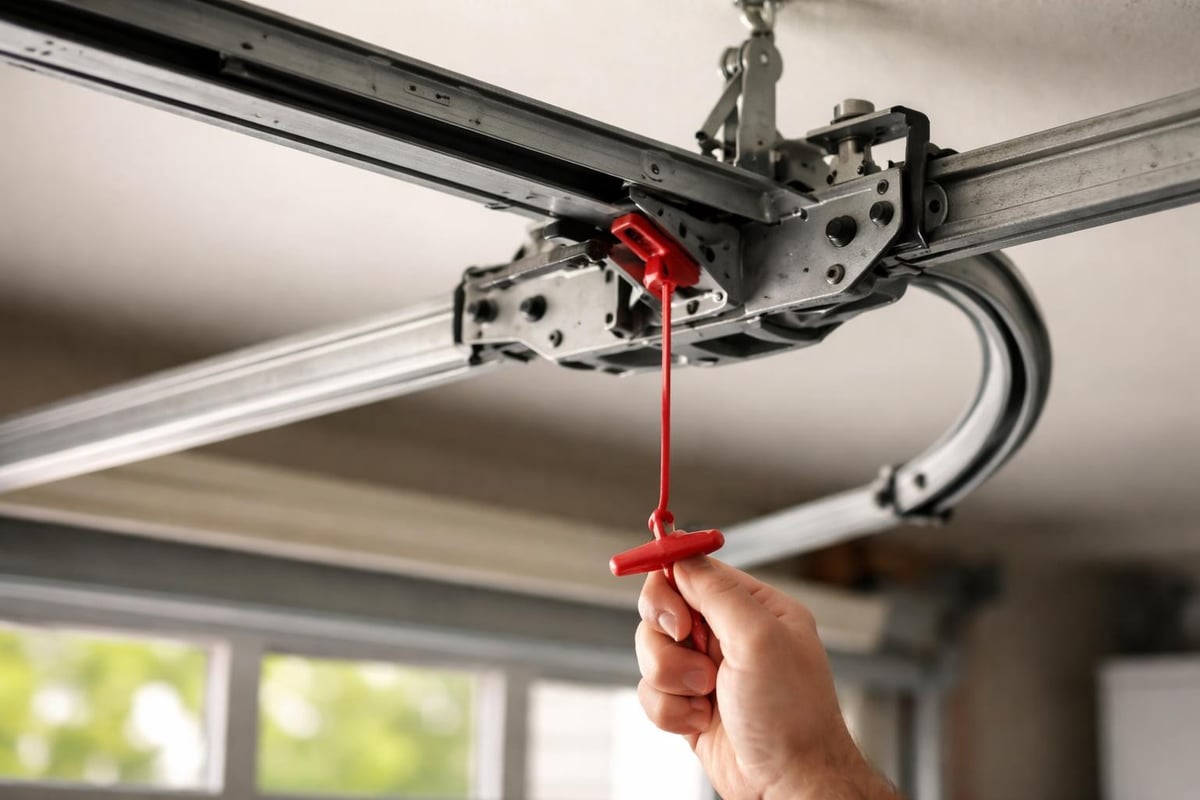
The garage door opener motor mounts to the ceiling and connects to the door through a rail system. A trolley moves along this rail, attached to the door via a J-arm or straight arm. The emergency release cord, typically red and hanging from the trolley, serves as your manual override mechanism.
Spring systems provide the actual lifting force:
- Torsion springs mount above the door and twist to create tension
- Extension springs run along the horizontal tracks on each side
- Counterbalance systems offset the door's weight for easier operation
- Cable drums wind and unwind to facilitate smooth movement
The automatic opener doesn't actually lift the heavy door. Instead, it provides the initial push while properly balanced springs handle most of the weight. This design means understanding garage door opener technologies helps you appreciate why manual operation remains possible even when power fails.
Safety Precautions Before Manual Operation
Safety must always come first when learning how to open an automatic garage door manually. The combination of heavy panels, high-tension springs, and moving parts creates potential hazards that require careful attention.
Critical Safety Checks
| Safety Element | What to Check | Why It Matters |
|---|---|---|
| Door Position | Fully closed preferred | Prevents sudden drops |
| Spring Condition | No visible breaks or gaps | Ensures weight support |
| Track Alignment | Straight and secure | Prevents binding |
| Clear Pathway | No obstructions below | Protects people and property |
Never attempt manual operation if you notice broken springs, damaged cables, or severely bent tracks. A garage door can weigh between 130 and 350 pounds depending on size and material. Without functioning springs to counterbalance this weight, the door becomes extremely dangerous to handle.
Important warnings to remember:
- Always keep hands and fingers away from panel sections and hinges
- Never stand directly under a door during manual operation
- Ensure children and pets remain at a safe distance
- Wear work gloves to protect your hands from sharp edges
- Use proper lifting techniques to avoid back strain
If you observe significant damage or suspect spring failure, contact professional garage door services rather than attempting DIY repairs. The risks associated with garage door spring issues far outweigh the inconvenience of waiting for expert assistance.
Step-by-Step Manual Opening Process
The actual process of how to open an automatic garage door manually follows a logical sequence. Following these steps carefully ensures safe operation while minimizing the risk of damage to your door system.
Locating and Engaging the Release Mechanism
Start by identifying the emergency release cord. This red handle hangs from the trolley carriage that connects your opener to the door. In most residential installations, you'll find it hanging approximately six feet from the ground in the center of the garage.
Pull the release cord straight down with firm, steady pressure. You should hear a distinct click or snap as the trolley disconnects from the opener carriage. Some systems require pulling toward the door rather than straight down, so check your owner's manual if resistance feels unusual.
The door is now disconnected from the automatic opener and ready for manual operation. This disengagement allows the door to move freely along its track system without motor interference.
Lifting the Door Safely
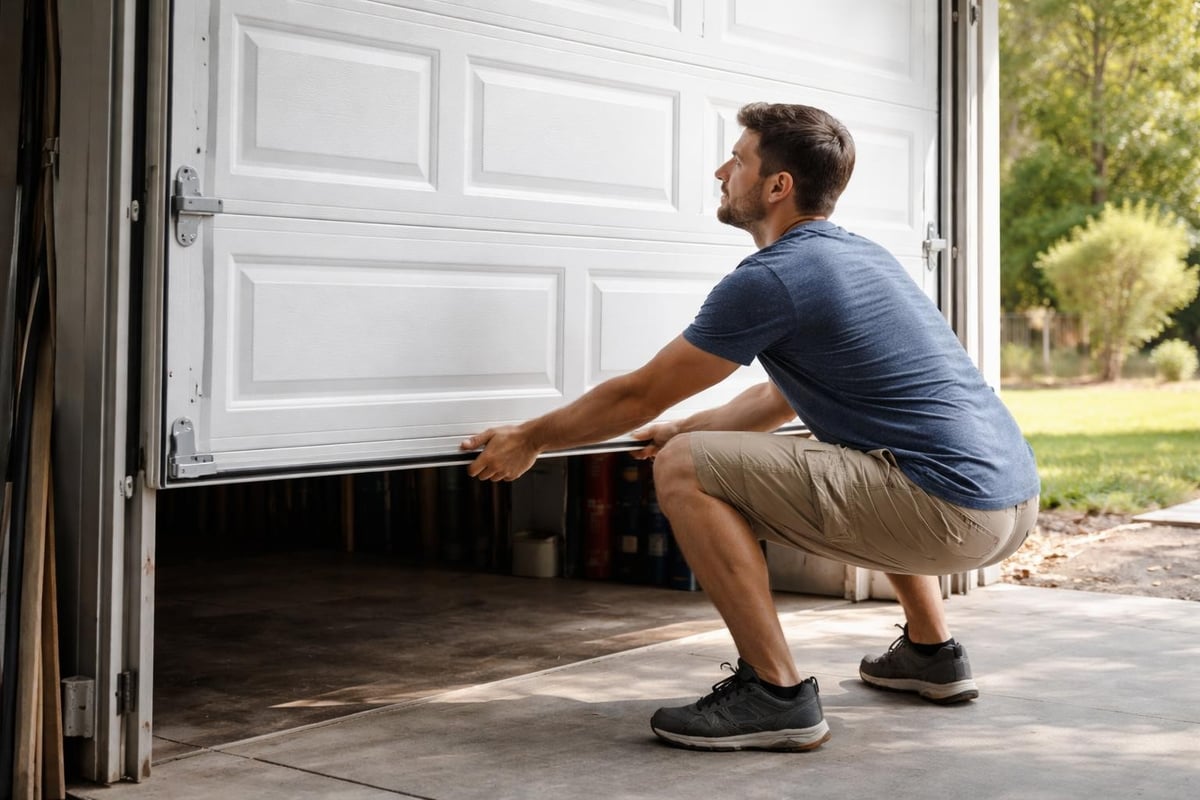
Position yourself in the center of the door, standing close to the panels. Grip the door handle with both hands, or if no handle exists, place your hands on the bottom panel edge at hip width apart.
- Bend at the knees while keeping your back straight
- Lift smoothly using leg muscles rather than your back
- Allow the spring system to assist with the weight
- Raise the door until it reaches the fully open position
- Ensure the door stays in place without support
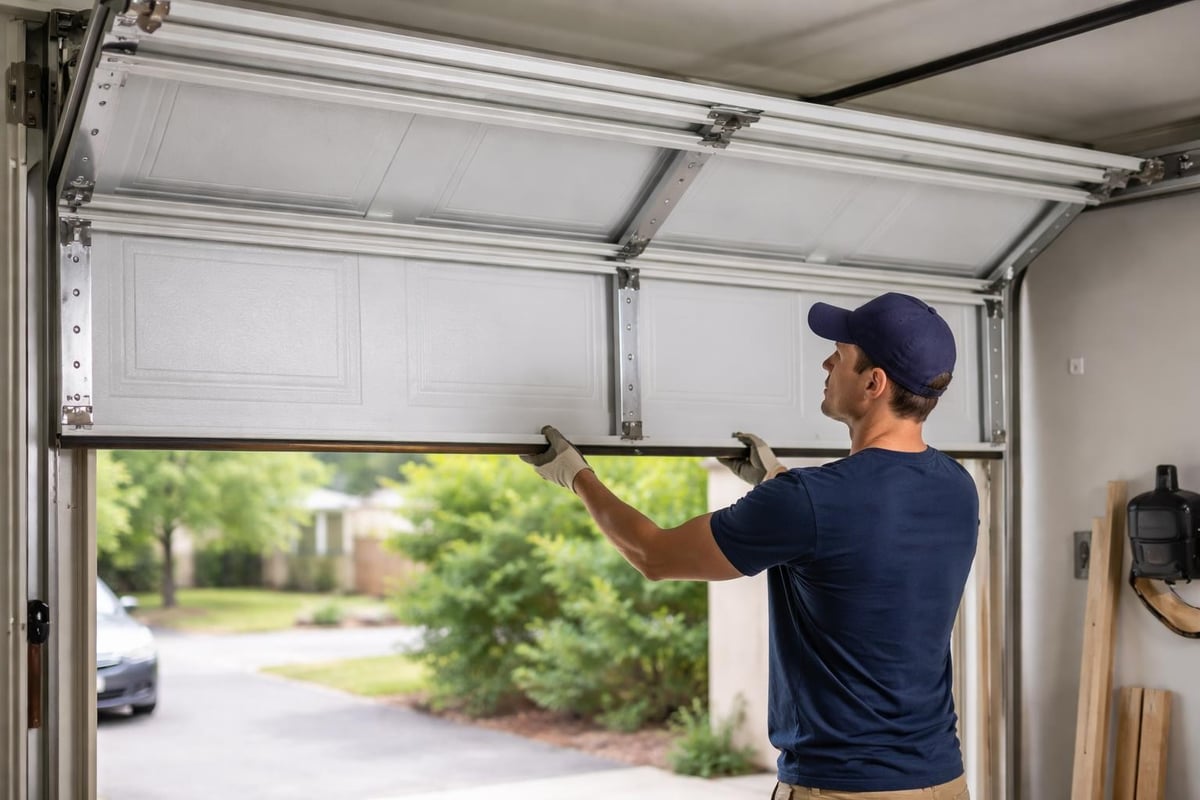
A properly balanced door should remain stationary when lifted halfway. If the door feels extremely heavy, drops quickly, or won't stay open, stop immediately. These symptoms indicate spring problems that require professional garage door repair before continuing use.
Securing the Door in Open Position
Once fully raised, most garage doors should stay open on their own. The track design and spring tension create a stable position that prevents unwanted movement. However, some situations require additional securing measures.
If your door tends to drift downward:
- Use locking pliers or a C-clamp on the vertical track below the lowest roller
- Insert a sturdy object like a 2×4 under the door as a temporary support
- Never rely on objects that could shift or collapse under the door's weight
Remember that securing the door open is a temporary solution. Once you no longer need access, lower the door carefully and address any balance issues before restoring automatic operation.
Closing the Door Manually
Lowering a garage door requires even more caution than raising it. Gravity works against you during this process, making controlled descent essential for safety.
Stand in the center position again with a firm grip on the door handle or bottom panel. Lower the door gradually, maintaining constant control throughout the descent. Don't let the door drop or slide through your hands.
The door should descend smoothly without binding or sticking. If you encounter resistance, stop and inspect the tracks for obstructions or alignment issues. Forcing a stuck door can cause serious damage to panels, rollers, or track systems.
Reconnecting the Automatic Opener
After manually closing the door, you'll need to re-engage the automatic opener before normal operation resumes. This process varies slightly depending on your opener model.
Pull the emergency release cord toward the opener motor. This action should allow the trolley to slide back into position with the carriage. You may need to activate the opener's wall button or remote to complete the reconnection.
Listen for the engagement click as the trolley locks back into place. Test the automatic function by pressing the wall button to verify proper reconnection. The door should respond normally to remote and wall controls.
Troubleshooting Common Manual Operation Issues
Even when following proper procedures for how to open an automatic garage door manually, you might encounter unexpected challenges. Recognizing these issues helps you respond appropriately.
Door Won't Budge After Release
A door that refuses to move after disengagement typically indicates binding in the track system or complete spring failure. Check for objects lodged in the tracks, rollers that have jumped off the track, or visible spring damage.
| Problem | Likely Cause | Recommended Action |
|---|---|---|
| Extreme heaviness | Broken springs | Call professional service |
| Scraping sounds | Misaligned tracks | Inspect and clear obstacles |
| One side lifts | Broken cable or spring | Stop and seek expert help |
| Door shakes violently | Roller or hinge damage | Professional assessment needed |
Never force a door that won't move smoothly. The resistance indicates a problem that could worsen with continued attempts, potentially causing injury or expensive damage.
Release Cord Breaks or Detaches
Emergency release cords can wear out over time, especially in older installations. If the cord breaks when pulled, the trolley mechanism remains accessible but requires a different approach.
You can manually disengage the trolley using pliers or a similar tool to operate the release lever directly. This method requires careful manipulation to avoid damaging the mechanism. Consider this a temporary fix until you can replace the release cord assembly.
For homeowners who want reliable, properly functioning garage door systems, Garage Door Opener Installation provides modern, well-maintained equipment that includes robust emergency release systems designed to function when you need them most.
When to Call Professional Services
While knowing how to open an automatic garage door manually serves you well during emergencies, certain situations demand professional expertise. Attempting complex repairs without proper training creates safety hazards and can void warranties.
Contact garage door professionals when you notice:
- Broken or damaged springs that have lost tension
- Cables that appear frayed, loose, or detached
- Significant track damage or misalignment
- Panel damage affecting structural integrity
- Opener motor that won't reconnect after manual operation
- Unusual noises during manual or automatic operation
For Kitsap County homeowners, emergency garage door repair services provide quick response times when you face urgent situations. Professional technicians carry the specialized tools and replacement parts needed to restore safe operation efficiently.
Maintaining Your Garage Door System
Regular maintenance reduces the likelihood of needing to open your automatic garage door manually due to mechanical failures. A well-maintained system operates reliably for years with minimal intervention.
Monthly Inspection Checklist
Perform visual inspections at least once monthly to catch developing problems early. Look for signs of wear on moving parts, listen for unusual sounds during operation, and test the manual release mechanism periodically to ensure it functions properly.
Key maintenance tasks include:
- Lubricating rollers, hinges, and springs with appropriate garage door lubricant
- Tightening loose hardware on tracks, brackets, and mounting points
- Testing the door balance by disconnecting the opener and lifting manually
- Cleaning the photo-eye sensors that control safety reversing features
- Inspecting weather stripping for damage that allows drafts and moisture
Professional tune-ups twice yearly complement your DIY maintenance efforts. Trained technicians identify issues you might miss and perform adjustments that require specialized knowledge. Following these maintenance guidelines extends your garage door's service life significantly.
Seasonal Considerations for Pacific Northwest Homes
Bainbridge Island and surrounding Kitsap County areas experience unique weather patterns that affect garage door performance. Winter moisture, temperature fluctuations, and coastal air create specific maintenance needs.
Cold weather can cause metal components to contract, affecting door balance and automatic opener force settings. Humidity promotes rust on springs and hardware, particularly in garages with poor ventilation. Regular inspection and protective treatments help your system withstand these environmental challenges.
Power Outage Preparedness
Since power failures represent the most common reason for needing to know how to open an automatic garage door manually, preparing for outages makes practical sense. Simple preparations ensure you're never truly trapped.
Keep a high-quality flashlight in an easily accessible location inside your garage. Power outages often occur during storms when natural light may be limited. Having reliable illumination makes the manual operation process safer and easier.
Consider these backup power options:
- Battery backup systems that integrate with your garage door opener
- Portable generators sized appropriately for your home's needs
- Solar-powered battery charging stations for essential devices
- Manual override keys for exterior access when needed
Battery backup systems have become increasingly popular in 2026, offering seamless transition during power interruptions. These systems automatically engage when main power fails, allowing normal opener operation for several cycles depending on battery capacity.
Teaching Household Members the Process
Everyone in your household who drives should understand how to open an automatic garage door manually. This knowledge proves invaluable during emergencies when you might not be home.
Conduct a family training session where each person practices the entire sequence under your supervision. Start with the safety checks, demonstrate the release mechanism, and guide them through the lifting and lowering process.
Create a simple instruction sheet that includes photos and hangs near the garage door opener button. This quick reference helps household members remember the steps during stressful situations when memory might fail.
Children old enough to drive should learn this skill as part of their vehicle responsibility training. However, younger children should never attempt manual garage door operation due to the weight and potential hazards involved.
Alternative Access Methods
Understanding how to open an automatic garage door manually represents just one aspect of garage access planning. Multiple access methods provide redundancy when primary systems fail.
Exterior emergency release systems allow manual operation from outside your garage. These specialized locks install near the top of the door and connect to the release mechanism via a cable. They're particularly valuable if you arrive home during a power outage and can't access the interior release cord.
Side doors or pass-through doors offer alternative entry points that don't depend on the main garage door system. If your garage lacks such access, consider adding one during your next garage renovation project.
Smart garage door openers with cellular connectivity can operate even during power outages if equipped with battery backup. These advanced systems send alerts to your smartphone when power fails, allowing you to monitor your garage remotely.
Mastering how to open an automatic garage door manually protects you from being stranded during power outages or mechanical failures. By understanding your system's components, following proper safety protocols, and performing regular maintenance, you ensure reliable access to your garage under any circumstances. When you need expert assistance with garage door installation, repair, or maintenance throughout Kitsap County, NextLevel Garage Co. delivers professional service with the quality workmanship and clear communication that homeowners deserve. Our experienced team stands ready to help you maintain a safe, functional garage door system that serves you reliably for years to come.