

Is your garage door suddenly heavy, noisy, or refusing to open? You might have a broken spring, which is a serious risk to both your safety and your home’s security. Many homeowners are surprised to learn that garage door springs operate under hundreds of pounds of tension.
This comprehensive guide to garage door spring repair service will give you the knowledge you need to handle these issues with confidence. Most people will experience a broken spring at least once, but quick action and the right information can help you avoid injuries and costly mistakes.
Imagine your garage door working smoothly again after a professional repair. Read on to learn how springs work, recognize signs of trouble, compare repair and replacement options, and discover the best steps for keeping your garage door safe and reliable.
Understanding Garage Door Springs
A reliable garage door starts with the right springs. If you are searching for a garage door spring repair service, understanding the components that make your door function is essential. Springs are responsible for lifting and lowering hundreds of pounds with ease, yet they often go unnoticed until something goes wrong.
Types of Garage Door Springs
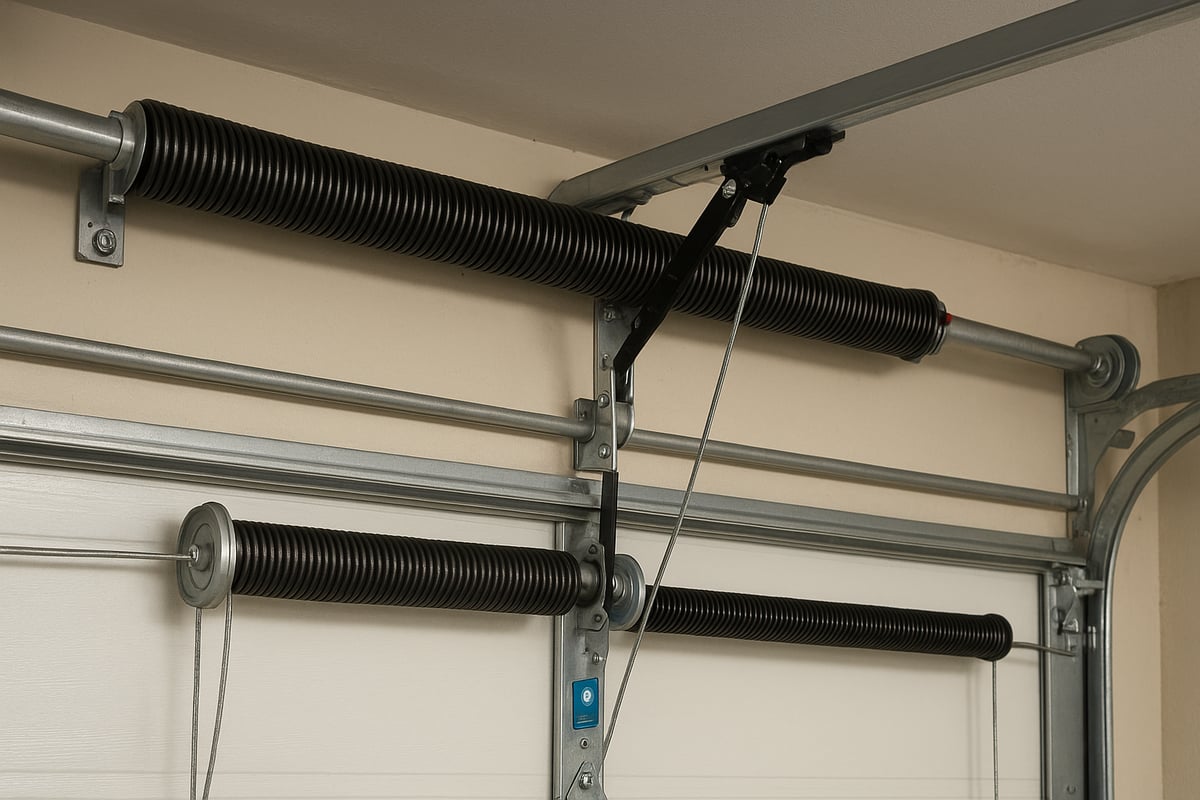
Garage doors typically use one of two spring systems: torsion springs or extension springs. Each type affects the reliability, safety, and lifespan of your garage door spring repair service.
Torsion springs are mounted horizontally above the garage door opening. These springs twist to store mechanical energy, which is then released to lift the door. Most modern installations use torsion springs because they offer smoother operation, improved balance, and enhanced safety features.
Extension springs are found along the tracks on either side of the door. They stretch and contract to counterbalance the door’s weight. Extension springs are more common in older or lighter garage doors but lack some of the safety and durability advantages of torsion models.
Here is a quick comparison:
| Feature | Torsion Springs | Extension Springs |
|---|---|---|
| Location | Above door opening | Along side tracks |
| Mechanism | Twisting | Stretching |
| Lifespan | 15,000 cycles (avg) | 10,000 cycles (avg) |
| Safety | More secure, less risk | Prone to snapping |
| Prevalence (2026) | 70%+ of US homes | Less common |
The correct spring type is vital for your garage door spring repair service, as it ensures the door operates safely and efficiently. For example, torsion springs are now the standard in new installations due to their longevity and performance. According to recent industry data, over 70% of U.S. households rely on torsion springs for their garage doors.
If you want to explore more about the differences and professional solutions, Garage Door Spring Repair provides a detailed overview of both systems and their repair considerations.
How Springs Work in Your Garage Door System
Springs are the heart of any garage door system. Their primary job is to store mechanical energy as the door closes, then release it to help lift the heavy door when opening. This process dramatically reduces the effort needed by the opener or even manual lifting, which is why a garage door spring repair service is crucial when springs fail.
The garage door system includes several interconnected components. Springs work in tandem with cables, drums, and pulleys. When properly balanced, the tension in the springs matches the door’s weight, resulting in smooth, controlled movement. An imbalance can cause the door to lift unevenly, make loud noises, or wear out parts prematurely.
Common signs of spring imbalance include:
- The door moves up or down crookedly
- Grinding or squeaking noises during operation
- The door feels unusually heavy or difficult to lift
Maintaining proper tension is essential for safety and performance. A garage door spring repair service will inspect these elements, ensuring the system runs smoothly and helping you avoid unexpected breakdowns.
Understanding these fundamentals empowers homeowners to make informed decisions about repairs, maintenance, and upgrades. The right knowledge is the first step toward a reliable, long-lasting garage door.
Signs Your Garage Door Spring Needs Repair or Replacement
Noticing changes in how your garage door operates can be the first warning sign that you need a garage door spring repair service. Catching these issues early keeps you safe and prevents expensive, unexpected breakdowns. Below, we will walk through the most common symptoms of spring failure and help you distinguish spring problems from other garage door issues.
Common Symptoms of Spring Failure
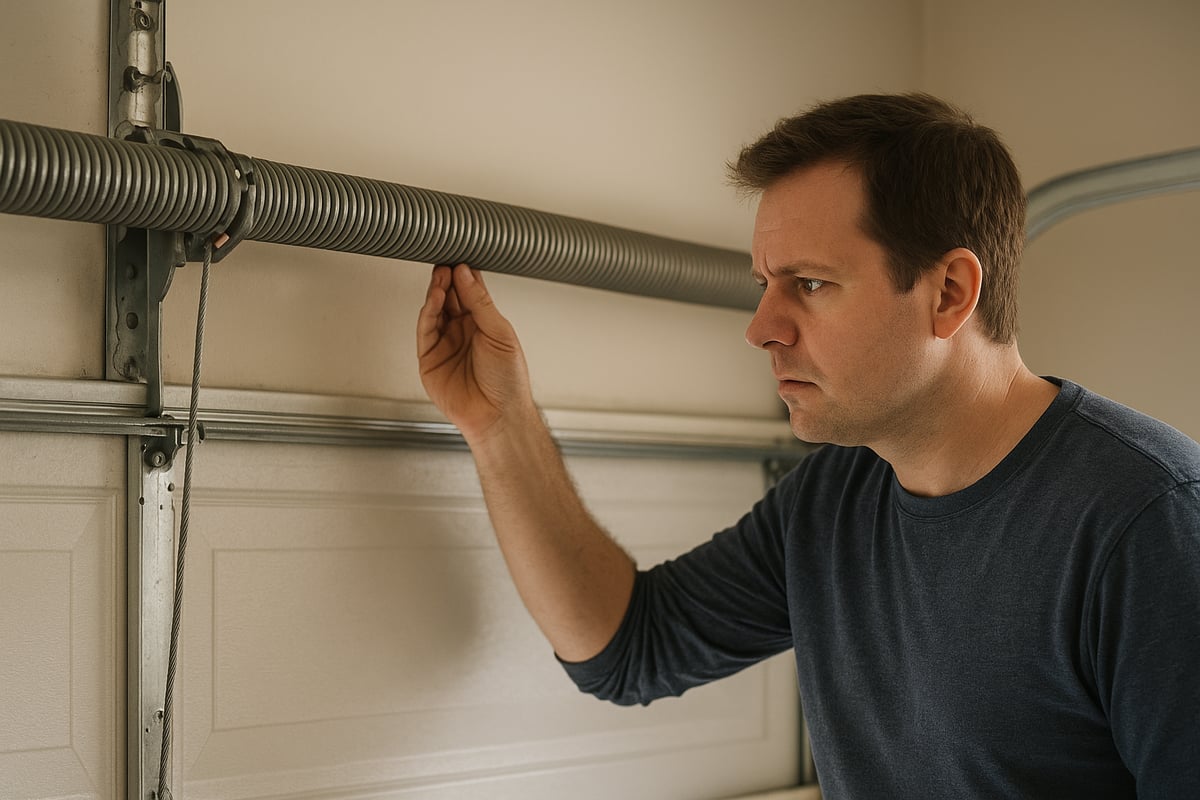
A failing spring often announces itself with a loud bang from the garage as the metal coil snaps under tension. If you suddenly hear this, it is a strong indicator you need a garage door spring repair service.
Other signs are more subtle, but equally important to recognize:
- The garage door feels unusually heavy or refuses to open, even with the automatic opener engaged.
- The door slams shut or drops rapidly instead of closing smoothly, risking injury or property damage.
- You notice a visible gap or separation in the spring coil, suggesting a break or severe wear.
- Loose or hanging cables dangle from the mechanism, indicating the spring is no longer supporting the door's weight.
- The door moves unevenly or appears crooked as it travels along the tracks.
- Grinding, squeaking, or creaking noises increase during operation, especially near the spring area.
Consider this example: A homeowner attempts to manually lift the garage door and finds it nearly impossible. This classic scenario almost always points to the need for a garage door spring repair service.
For a quick comparison, review the table below:
| Symptom | Likely Cause | Action Needed |
|---|---|---|
| Door heavy, won't open | Broken spring | Call garage door spring repair service |
| Opener hums, no movement | Spring or opener | Inspect springs, check opener |
| Door slams shut | Failed spring | Immediate professional repair |
| Noises, uneven movement | Spring or hardware | Professional inspection |
Ignoring these warning signs can lead to further damage and pose a serious safety risk. The sooner you schedule a garage door spring repair service, the greater your chances of avoiding costly repairs and maintaining a secure home.
Diagnosing Spring Issues vs. Other Garage Door Problems
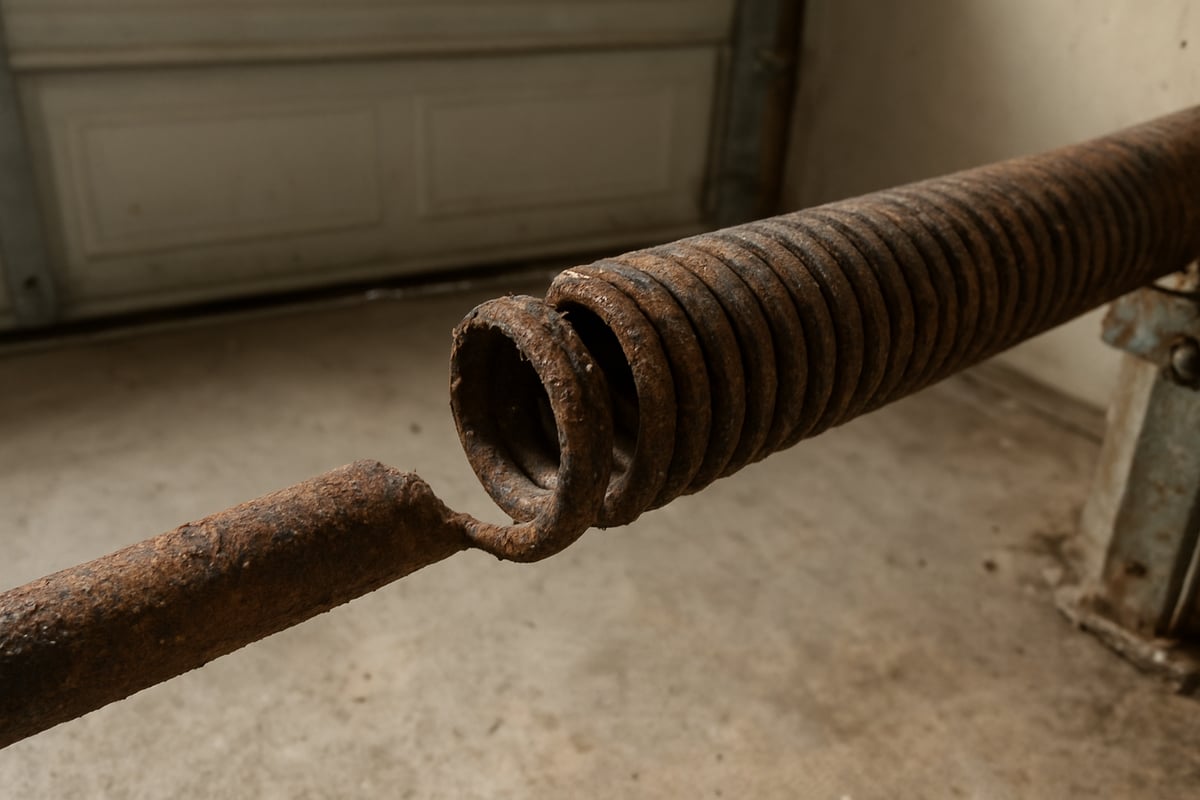
Proper diagnosis is key to effective repairs. Begin by visually inspecting your springs for any signs of wear, such as rust, deformation, or a clear gap in the coil. If you see any of these, a garage door spring repair service is your safest option.
Sometimes, the problem may be with the opener rather than the spring. If the motor runs but the door does not move, or if the door operates intermittently, check the opener's settings and remote batteries. However, if the door is difficult to lift manually or falls quickly, the spring is likely to blame.
To help clarify, here are steps for homeowners:
- Inspect both torsion and extension springs: Look for breaks, gaps, or excessive stretching.
- Check cables and pulleys: Loose or tangled cables often point to spring failure.
- Do not use the door if a spring is broken: Operating the door in this state can cause further harm and serious injury.
According to recent safety reports, attempting to open a garage door with a broken spring is a leading cause of garage door injuries. If you are uncertain whether to repair or replace the spring, a Garage Door Spring Replacement Service can provide expert guidance and ensure your system is restored safely.
Always prioritize professional help for garage door spring repair service needs. Timely, expert attention protects both your family and your property.
What Causes Garage Door Springs to Break?
Garage door springs are one of the most stressed components in any residential garage system. Understanding the main causes of spring failure helps homeowners make better decisions about garage door spring repair service and maintenance.
The most common reason for spring failure is simple wear and tear. Every time you open or close your garage door, the springs complete a cycle. Most are rated for 10,000 to 15,000 cycles, which translates to about seven to ten years of typical use. When the spring reaches its rated cycle life, the likelihood of failure increases dramatically. In fact, over 90% of spring failures occur after a spring has completed its expected number of cycles.
Rust and corrosion are major contributors to early spring failure. Moisture in the air, especially in coastal regions like Kitsap County, accelerates rust formation. When metal springs corrode, they lose strength and become brittle, making them much more likely to snap without warning. Homeowners in these environments should be vigilant about checking for signs of rust and consider regular maintenance as part of their garage door spring repair service plan.
Poor maintenance is another frequent culprit. Springs require periodic lubrication to reduce friction and prevent metal fatigue. If lubrication is neglected, the added friction can cause the spring to wear out prematurely. Imbalanced doors also put uneven stress on the springs. If one spring is working harder than the other, it will fail faster, potentially causing the entire door system to become unsafe.
Extreme temperature fluctuations can further weaken metal springs. Cold weather can make metal more brittle, while heat can cause expansion and contraction. Over time, these changes can lead to cracks and stress points. High-quality springs from reputable manufacturers tend to last longer, while inferior products may fail well before their rated lifespan.
Here is a summary of main causes and their effects:
| Cause | Description | Effect on Spring Life |
|---|---|---|
| Normal Wear and Tear | Usage cycles accumulate over time | Predictable failure after cycles |
| Rust and Corrosion | Moisture causes metal degradation | Early snapping, safety risks |
| Poor Maintenance | Lack of lubrication, debris buildup | Accelerated wear, uneven stress |
| Imbalanced Doors | Unequal tension or weight distribution | Shortened lifespan, sudden break |
| Temperature Fluctuations | Expanding and contracting metal | Cracking, loss of strength |
| Low-Quality Materials | Inferior steel, poor manufacturing | Premature failure |
To minimize the risk of spring failure, homeowners should follow regular upkeep routines. Applying lubricant, checking for rust, and scheduling annual inspections can significantly extend spring life. For a comprehensive list of maintenance best practices, see these Garage Door Maintenance Tips – The Home Depot.
If you notice any signs of trouble, such as a heavy or noisy door, it is time to call a professional garage door spring repair service. Taking proactive steps will help you avoid sudden breakdowns and keep your home safe and secure.
Garage Door Spring Repair: DIY vs. Professional Service
Facing a faulty garage door spring can be stressful. When your door stops working, you may wonder if you should attempt a fix or call a professional garage door spring repair service. Understanding the risks and benefits of each approach will help you make the safest and most cost-effective choice.
The Dangers of DIY Spring Repair
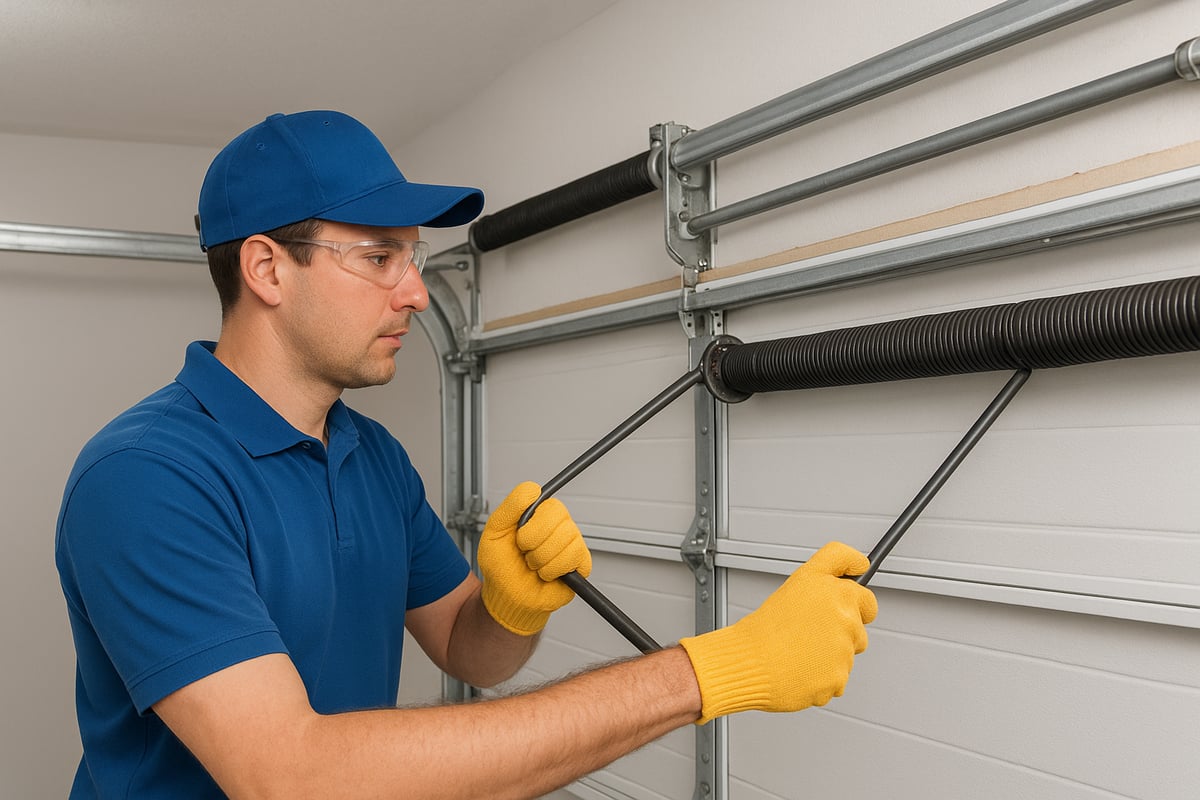
Garage door springs are tightly wound metal coils that hold immense tension. Attempting a garage door spring repair service without proper training can be extremely dangerous. Every year, thousands of homeowners are injured while trying to fix broken springs.
Here are the main risks associated with DIY garage door spring repair service:
- Severe injury: Springs can snap violently, causing broken bones, lacerations, or worse.
- Property damage: Incorrect handling may damage your garage door, opener, or surrounding structure.
- Specialized tools required: Most repairs need unique tools and knowledge not found in typical home toolkits.
- Voided warranties: Many manufacturers will not honor warranties if non-professionals attempt repairs.
- Higher costs: DIY mistakes often result in more expensive repairs down the line.
Consider this real-life scenario: A homeowner attempts a garage door spring repair service using only basic tools. The spring slips, damaging the opener and causing the door to fall, leading to even higher repair costs.
The statistics are sobering. According to Over 30,000 Annual ER Visits Linked to Garage Doors, thousands of emergency room visits each year are tied to DIY garage door repairs, with spring-related injuries topping the list. This highlights the importance of relying on a professional garage door spring repair service for your safety.
If your garage door spring is broken, attempting to operate the door can cause it to slam shut unexpectedly. This increases the risk of personal injury and further damage. Always prioritize safety over speed or convenience when it comes to spring repairs.
When Professional Service Is Essential
A professional garage door spring repair service offers expertise, safety, and peace of mind. Certified technicians know how to accurately diagnose spring problems and prevent related issues.
When should you hire a professional garage door spring repair service?
- You notice a broken or stretched spring.
- The door feels unusually heavy or won't open.
- You see loose or hanging cables near the springs.
- There is a loud bang or visible gap in the spring coil.
Professionals follow a strict process to ensure your garage door operates safely:
- Inspect and identify the type of spring and the nature of the failure.
- Remove worn or broken springs using proper safety techniques.
- Install new springs that match your door’s weight and specifications.
- Adjust and balance the system for smooth operation.
- Test the door and inspect related hardware for any hidden issues.
Choosing a reputable garage door spring repair service means you get:
- Correct parts installed for your specific door.
- Proper tensioning and balancing to prevent uneven wear.
- Warranty protection on both parts and labor.
- Same-day service for most repairs, minimizing inconvenience.
Professional technicians also provide clear estimates and walk you through the repair process. They ensure your garage door is safe, reliable, and compliant with manufacturer guidelines.
Investing in a professional garage door spring repair service protects your family, your property, and your budget. In the long run, it saves you time, money, and unnecessary risk.
What to Expect from a Garage Door Spring Repair Service
When you schedule a garage door spring repair service, understanding the process can help you feel confident about what happens next. Reliable companies follow strict safety protocols and ensure your door is restored to optimal condition. Choosing a trusted garage door spring repair service is the key to a safe, lasting result.
The Spring Repair Process: Step-by-Step
A professional garage door spring repair service starts with a comprehensive safety assessment. Your technician will inspect the entire door system, looking for visible spring damage, worn cables, or hardware issues. This initial step ensures any hidden risks are identified before work begins.
Next, the technician determines which type of spring your system uses and diagnoses the cause of failure. Accurate identification is essential for selecting the correct replacement parts and avoiding future problems.
The removal of broken or worn springs is carried out with specialized tools. Safety is paramount, as springs are under significant tension. Professionals follow strict procedures to prevent injury and property damage.
Once the faulty springs are removed, new, high-quality springs are installed. The technician matches the springs to your door’s weight and size, ensuring smooth and balanced operation. Proper installation is crucial for both performance and longevity.
Adjustment and balancing come next. The technician fine-tunes spring tension so the door opens and closes evenly, reducing strain on the opener and other components. This step helps prevent premature wear and noisy operation.
A thorough inspection of cables, drums, and related hardware follows. Any additional issues are addressed on the spot, giving you peace of mind that the entire system is safe.
Finally, the technician tests the door several times to confirm smooth operation. Many reputable companies offer warranties, with some providing up to 5 years on spring parts. According to industry statistics, leading providers complete same-day repairs for over 90 percent of garage door spring repair service requests.
Questions to Ask Your Garage Door Technician
Before any garage door spring repair service begins, it is wise to ask the right questions to ensure you receive quality workmanship and protection.
Consider the following:
- Are you fully licensed and insured for garage repairs?
- What type of warranty do you provide on both springs and labor?
- Are the replacement springs rated for my door’s weight and usage frequency?
- Will you inspect and adjust the entire garage door system, not just the springs?
- Can I have a written, itemized estimate before work starts?
Asking these questions helps you avoid hidden costs and ensures your garage door spring repair service meets high standards. Technicians should be transparent about their process and willing to explain each step. This approach protects your investment and supports long-term door safety.
For homeowners who want to learn more about related issues or broader repair topics, visiting a comprehensive Garage Door Repair resource can provide additional clarity.
Remember, most reputable companies guarantee same-day service for the majority of spring repairs. Taking the time to verify credentials and warranties ensures your garage door spring repair service is both safe and effective.
Cost of Garage Door Spring Repair in 2026
Understanding the cost of a garage door spring repair service is essential for homeowners planning ahead. In 2026, prices have stabilized, but several factors influence the final bill. Knowing what to expect helps you budget more accurately and avoid unpleasant surprises.
Average Cost of Garage Door Spring Repair Service in 2026
The typical cost for a garage door spring repair service ranges from $200 to $500 per spring in 2026. This estimate includes both parts and labor for most single-door residential applications. Double-door systems or heavier doors may require larger springs, which increase the price.
To help set realistic expectations, here is a quick cost breakdown:
| Spring Type | Average Cost (Per Spring) |
|---|---|
| Torsion Spring | $250–$500 |
| Extension Spring | $200–$350 |
Emergency calls, after-hours service, or rural locations can push costs higher. For the most current pricing details, refer to How Much Does Garage Door Spring Replacement Cost? (2026).
Factors That Influence Your Final Bill
Several elements impact the total cost of a garage door spring repair service. The type of spring is a primary factor, as torsion springs generally cost more due to their durability and complexity. Door weight also plays a role, since heavier doors require stronger, often pricier springs.
Additional components may need replacement during the repair:
- Cables
- Drums
- Safety cables
- End bearings
Labor rates vary by provider, and some companies offer bundled pricing for multiple springs or complete hardware upgrades. If your garage door system is outdated or you need emergency service, expect higher fees.
A double-door spring replacement is usually more expensive. This is due to the need for larger springs and reinforced hardware to manage the extra weight.
Why Quality, Warranties, and Professional Service Matter
Investing in a high-quality garage door spring repair service pays off over time. Premium springs last longer and contribute to the safe, smooth operation of your door. Reputable companies provide warranty coverage on both parts and labor, which protects your investment and offers peace of mind.
Insurance may cover some repair costs, especially if a sudden failure causes property damage. Always check your policy and ask your technician about warranty terms before approving repairs.
Homeowners who opt for professional garage door spring repair service report up to 40% fewer repeat failures compared to DIY or low-cost alternatives. This translates to long-term savings and greater safety for your home.
In summary, understanding the true costs and value of a garage door spring repair service helps you make informed, confident decisions that protect your property and family.
Preventative Maintenance and Spring Longevity Tips
Regular maintenance is the foundation of a reliable garage door spring repair service. Preventative care not only extends the lifespan of your springs but also helps avoid unexpected breakdowns and costly emergencies. By following a few simple routines, you can keep your garage door running smoothly year after year.
1. Lubrication, Rust Prevention, and Balance Checks
Keeping your springs properly lubricated is essential for any garage door spring repair service. Apply a silicone-based lubricant to the coils and moving parts every six months. This reduces friction, minimizes noise, and helps prevent metal fatigue.
Moisture can cause rust, which weakens springs and shortens their lifespan. Wipe down springs regularly and ensure your garage stays dry. If you live in a humid climate, consider using a rust-inhibitor spray for added protection.
Balance checks are another crucial step. With the door closed, disconnect the opener and lift the door halfway. A well-balanced door will stay in place. If it moves or feels heavy, it may be time to call a garage door spring repair service.
2. Annual Inspections, Upgrades, and Maintenance Plans
Scheduling an annual professional inspection is one of the best ways to prevent spring failures. Technicians can identify hidden wear, adjust tension, and replace worn components before they cause problems. Many companies offer maintenance plans that include regular tune-ups, which can extend spring life by two to three years.
For households with frequent use, upgrading to high-cycle springs is a smart investment. These springs are engineered for more cycles, providing longer-lasting performance and reducing the need for frequent garage door spring repair service.
For more detailed advice, check out 10 Tips to Maintain Your Garage Doors Year-Round, which covers essential steps for all garage door systems.
| Maintenance Task | Frequency | Benefit |
|---|---|---|
| Lubricate springs | Every 6 months | Reduces wear, prevents noise |
| Professional inspection | Annually | Detects issues early, ensures safety |
| Rust prevention | As needed | Extends spring lifespan |
| Balance check | Every 6 months | Prevents uneven wear, improves operation |
3. Early Warning Signs and Longevity Statistics
Catching early warning signs is vital for maximizing the value of your garage door spring repair service. Look for gaps in the coil, sagging springs, or new noises during operation. Addressing these issues promptly can prevent emergencies and save on larger repair bills.
Statistically, well-maintained springs last up to 50 percent longer than neglected ones. This means routine care can turn a typical seven-year lifespan into nearly a decade of trouble-free use. Maintenance plans are especially effective in spotting problems before they escalate, keeping your system safe and reliable.
Staying proactive ensures your garage door spring repair service delivers long-term results. Regular attention, paired with professional support, helps you avoid inconvenience and costly repairs. Make preventative care a habit, and your garage door will reward you with smooth, dependable operation for years to come.
If you’ve noticed your garage door becoming heavy, noisy, or unreliable, it’s likely time to address your springs before a minor inconvenience turns into a major headache. As we’ve discussed, garage door spring issues can pose real safety risks, but with the right expertise, you can restore smooth operation and peace of mind. At NextLevel Garage Co., we’re committed to helping Kitsap County homeowners with honest advice, quality repairs, and clear communication every step of the way. If you’re ready to get your garage door working like new again, Call now for a free estimate!
3 Responses