

Garage door springs represent one of the most critical components in your home's garage system, yet they remain among the most overlooked until they fail. When a spring breaks, your garage door becomes inoperable or even dangerous. Understanding garage door repairs springs helps homeowners throughout Kitsap County make informed decisions about maintenance, safety, and professional service needs. This comprehensive guide explores everything you need to know about spring systems, repair options, and when to seek expert assistance.
Understanding Garage Door Spring Systems
Garage door springs work through stored mechanical energy that counterbalances the door's weight, making it possible to lift hundreds of pounds with minimal effort. These springs bear significant tension and wear down through thousands of cycles over their lifespan.
Torsion Springs vs. Extension Springs
Two primary spring types serve residential and commercial garage doors. Torsion springs mount horizontally above the door opening on a metal shaft, twisting to create torque that lifts the door. Extension springs attach along the horizontal tracks on each side, stretching and contracting as the door operates.
| Spring Type | Location | Lifespan | Best For |
|---|---|---|---|
| Torsion | Above door opening | 15,000-20,000 cycles | Single and double doors |
| Extension | Along side tracks | 10,000-15,000 cycles | Lighter single doors |
Torsion springs generally provide smoother operation and longer service life, making them the preferred choice for most modern installations. Extension springs cost less initially but require more frequent replacement and pose different safety challenges.
How Spring Failure Occurs
Springs fail due to metal fatigue from repeated stress cycles. Every time you open or close your garage door, the springs complete one full cycle. For a typical homeowner opening the door four times daily, springs reach their cycle limit within ten to fifteen years.
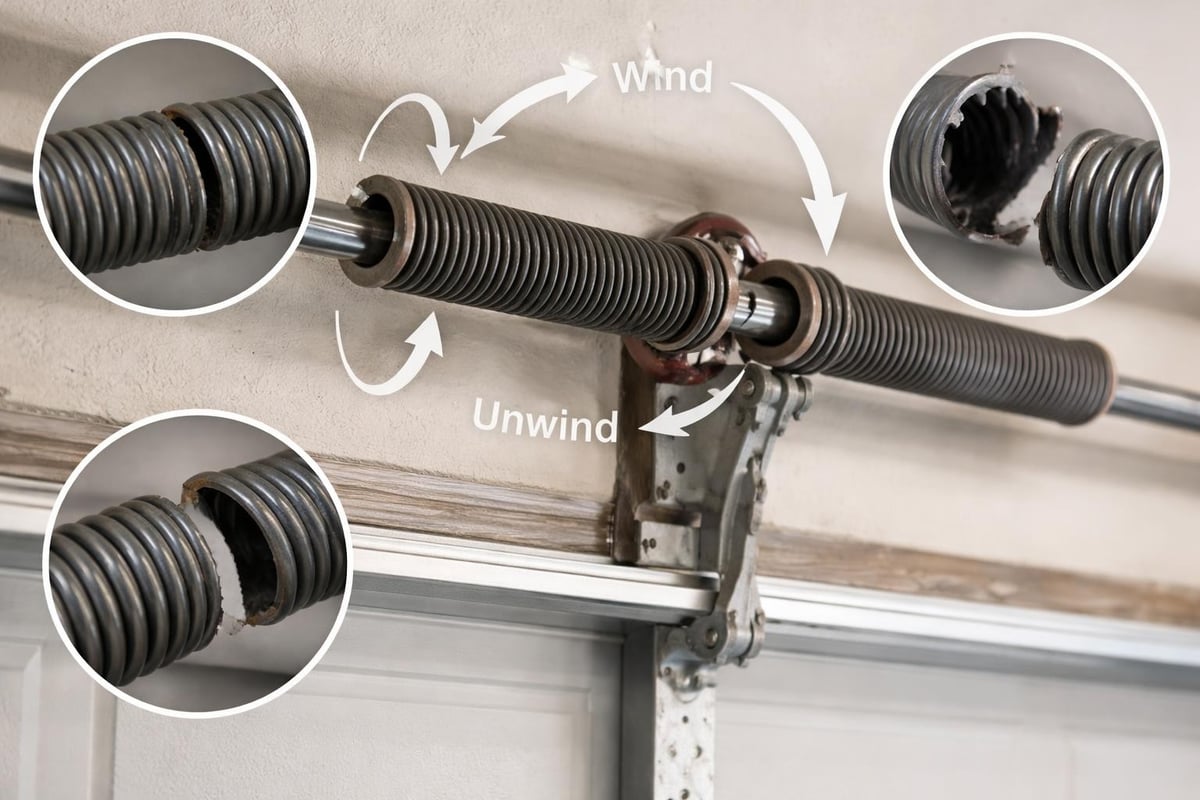
Environmental factors accelerate spring deterioration. Coastal humidity in Bainbridge Island and surrounding Kitsap County areas can cause rust formation, weakening the metal structure. Temperature fluctuations stress the spring material, and lack of lubrication increases friction and wear.
Warning signs include:
- Loud bang or popping sound when the spring breaks
- Door becomes extremely heavy to lift manually
- Door opens only six inches and stops
- Visible gap in the torsion spring coil
- Door hangs crooked or off-balance
Safety Concerns With Garage Door Springs
Garage door springs operate under extreme tension, storing enough energy to seriously injure or kill someone if mishandled. According to safety guidelines from industry experts, springs rank among the most dangerous components homeowners encounter.
A standard residential garage door weighs between 150 and 400 pounds depending on material and insulation. The springs support this entire weight through constant tension. When a torsion spring breaks, it releases this energy instantly, creating dangerous projectile potential.
Why DIY Spring Repair Is Hazardous
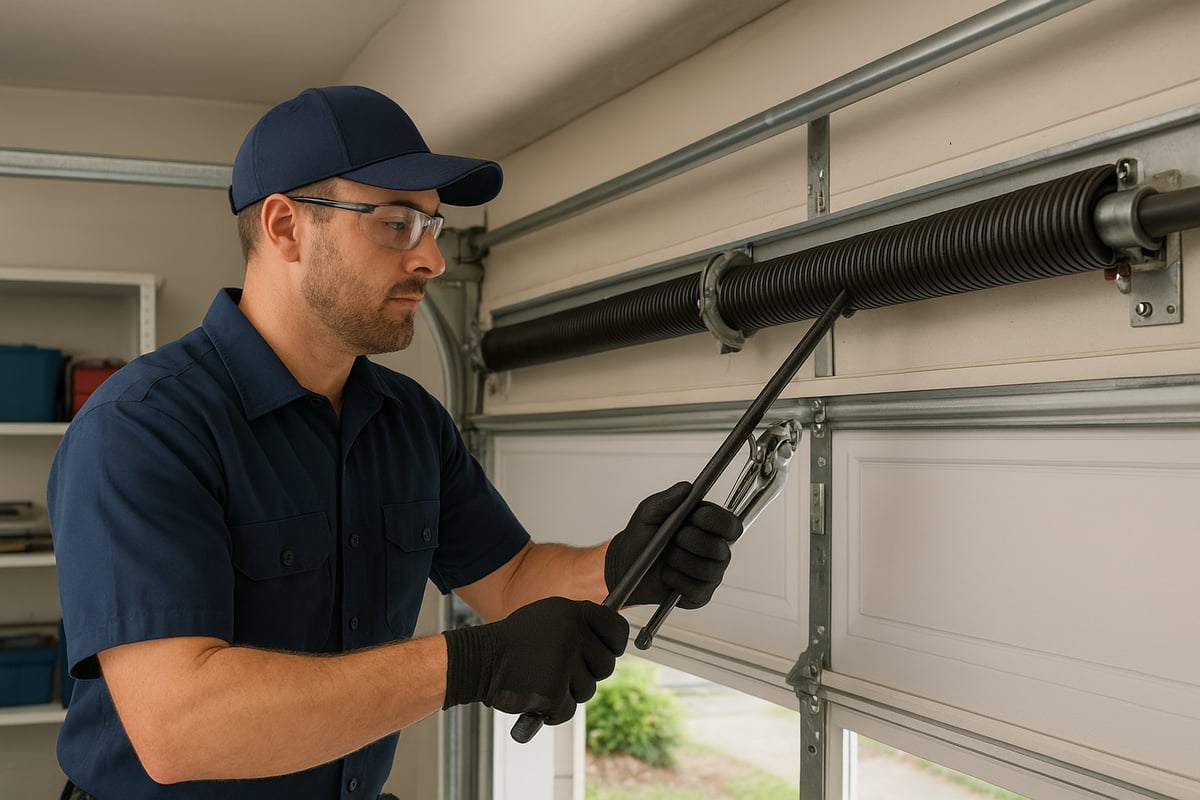
Professional technicians use specialized tools designed specifically for garage door repairs springs work. Winding bars fit precisely into the spring winding cone, allowing controlled tension adjustment. Attempting repairs without proper equipment leads to:
- Severe hand and finger injuries from slipping winding bars
- Facial trauma if springs snap during installation
- Crushed limbs from falling doors
- Property damage from uncontrolled door movement
The specialized knowledge required for safe spring replacement includes understanding spring sizing, tension calculation, and door balancing. Incorrect spring tension causes premature opener failure, track damage, and unsafe operation.
Professional Safety Protocols
Licensed garage door technicians follow strict safety procedures during spring repairs. They secure the door in place, release existing spring tension gradually, and use calibrated tools to measure and install replacement springs accurately.
Professional service ensures proper spring selection based on door weight, height, and track configuration. Using incorrect spring specifications creates imbalance that damages other components and creates ongoing safety hazards.
Types of Spring Repairs and Replacements
Garage door repairs springs encompass several service categories depending on the problem severity and system configuration.
Emergency Spring Replacement
When springs break completely, emergency replacement becomes necessary to restore door function. Most homeowners discover broken springs when attempting to leave for work, making same-day service crucial for maintaining daily schedules.
Emergency replacements require:
- Complete removal of broken spring components
- Measurement verification for replacement springs
- Installation of new springs with proper tension
- Door balance testing and adjustment
- Safety mechanism verification
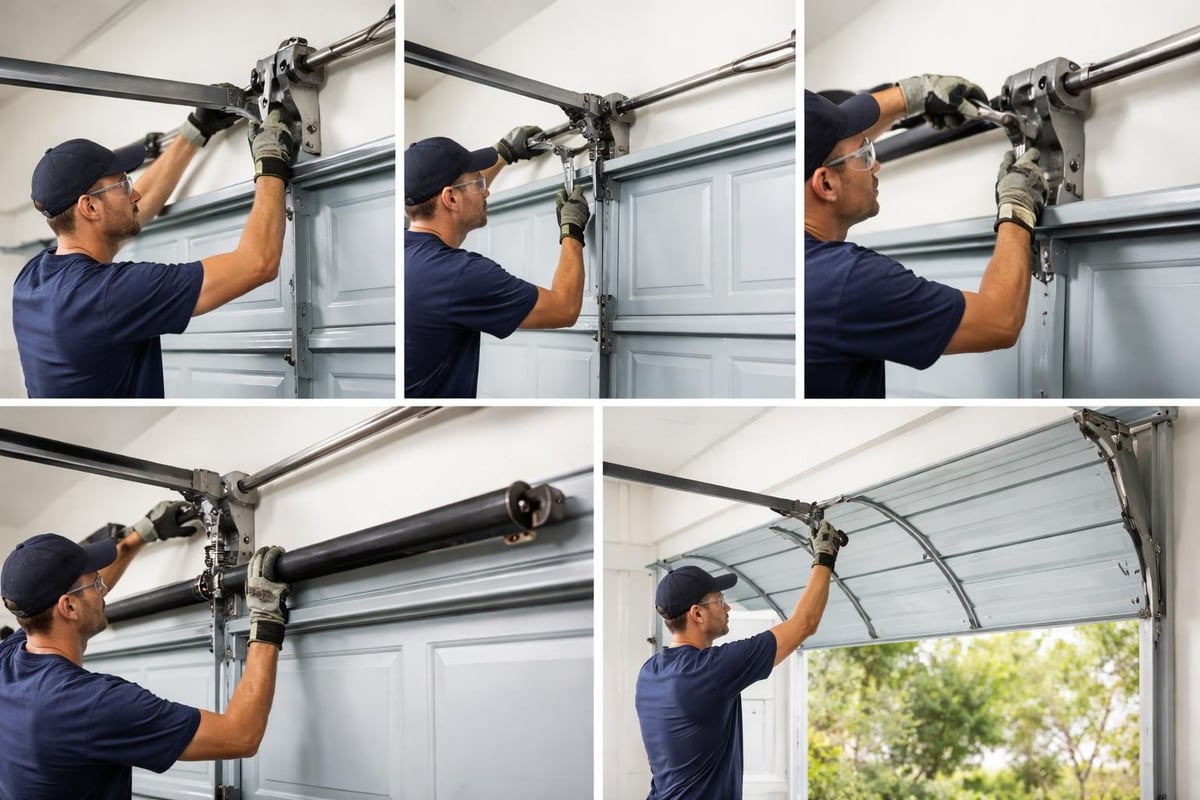
Professional technicians replace both springs simultaneously even if only one broke. The remaining spring has completed the same number of cycles and will likely fail soon, making dual replacement cost-effective.
Preventive Spring Replacement
Regular maintenance helps prevent spring failures that leave homeowners stranded. Replacing springs before they break completely avoids emergency service fees and scheduling disruptions.
Signs indicating preventive replacement needs include:
- Springs showing visible rust or corrosion
- Door operation becoming sluggish or uneven
- Springs stretched or showing gaps between coils
- Door requiring extra opener force to lift
- Springs approaching 10,000 cycle threshold
Scheduling preventive replacement during routine maintenance visits saves money compared to emergency calls. Technicians can coordinate spring replacement with other service needs like annual garage door maintenance for comprehensive system care.
Spring Repair Costs and Value Factors
Understanding pricing structures for garage door repairs springs helps homeowners budget appropriately and recognize fair market rates.
Cost Components
Spring replacement costs vary based on several factors that reflect material quality, labor complexity, and service timing.
| Cost Factor | Impact Range | Notes |
|---|---|---|
| Spring quality | $50-$150 per spring | Higher cycle ratings cost more |
| Labor charges | $75-$150 | Includes service call and installation |
| Emergency fees | $50-$100 additional | After-hours or same-day service |
| Number of springs | Double for two-spring systems | Most doors require two springs |
Total typical costs range from $200 to $400 for complete torsion spring replacement on standard residential doors. Extension spring replacement typically costs $150 to $250 since the springs cost less but require similar labor.
Premium springs rated for 30,000 or 50,000 cycles cost more initially but deliver better long-term value through extended service life. For homeowners planning to stay in their homes long-term, investing in higher-quality springs reduces future replacement frequency.
Geographic Pricing Variations
Service costs in Kitsap County reflect regional labor rates and travel considerations. Bainbridge Island service may include ferry time or higher cost-of-living adjustments compared to mainland areas. Obtaining quotes from local garage door service providers ensures accurate pricing for your specific location.
Selecting the Right Springs for Your Door
Proper spring selection requires precise measurements and calculations that account for door weight, height, and configuration.
Critical Measurements
Spring specifications include:
- Wire size: Diameter of the spring wire, typically ranging from 0.192 to 0.273 inches
- Inside diameter: The inner dimension of the spring coil
- Length: Overall spring length when unwound
- Wind direction: Left-wound or right-wound configuration
Professional technicians measure door weight using spring scales and calculate required lifting force. Incorrectly sized springs create dangerous imbalances that stress all system components.
Door material significantly impacts spring requirements. Insulated steel doors weigh substantially more than single-layer doors of the same size. Decorative carriage-style doors and custom wood doors require specialized spring calculations for proper counterbalance.
Matching Springs to Door Types
Different door styles demand specific spring configurations. Single-car garage doors typically use one or two torsion springs depending on weight. Double-car doors almost always require two springs for balanced lifting.
For homeowners considering door replacements, coordinating spring specifications with new door selection ensures optimal performance. Resources like guides on choosing the best garage door for your home help match door weight to appropriate spring systems.
Spring Maintenance Best Practices
While garage door repairs springs eventually require professional replacement, proper maintenance extends spring lifespan and prevents premature failure.
Lubrication Schedule
Springs need lubrication every three to six months to reduce friction and prevent rust. Use silicone-based or lithium-based garage door lubricant, not WD-40 or general-purpose oils that attract dirt.
Lubrication procedure:
- Close the door completely to release spring tension
- Wipe springs with clean cloth to remove dirt
- Apply lubricant along entire spring length
- Open and close door several times to distribute lubricant
- Wipe excess to prevent dripping
Regular lubrication reduces friction heat that accelerates metal fatigue. This simple maintenance task can add thousands of cycles to spring lifespan, delaying replacement needs significantly.
Visual Inspection Points
Monthly visual inspections catch developing problems before they cause failures. Look for:
- Rust formation on spring surfaces
- Gaps or separations in spring coils
- Unusual sounds during door operation
- Uneven door movement or hanging
- Cable fraying near spring attachment points
Document spring condition over time through photos. Progressive deterioration becomes easier to track, helping schedule replacement before emergency failure occurs.
Professional Inspection Frequency
Annual professional inspections provide expert evaluation of spring condition and overall system health. Technicians measure spring tension, check balance accuracy, and identify wear patterns invisible to homeowners.
Professional service includes comprehensive door safety checks that extend beyond springs to cables, tracks, rollers, and opener function. Catching multiple issues during one service visit saves money compared to separate emergency calls for each failing component.
When to Call Professional Spring Repair Services
Knowing when to seek professional help versus attempting maintenance yourself protects your safety and ensures proper repairs.
Situations Requiring Immediate Professional Service
Broken springs demand professional attention regardless of homeowner mechanical skills. The tension forces involved create life-threatening hazards that specialized training and equipment mitigate.
Call professionals immediately when:
- You hear a loud bang indicating spring failure
- The door won't open or opens only partially
- The door falls rapidly when opening
- You see broken spring components
- The door hangs at an angle
Understanding when professional intervention becomes necessary prevents injury and additional property damage. Attempting to force a door open with broken springs risks personal injury and bends tracks, damages panels, and breaks opener components.
For homeowners experiencing spring failures, professional garage door spring repair services provide safe, efficient solutions with warranties protecting the investment. Experienced technicians complete repairs quickly, typically within one to two hours for standard residential applications.
Questions to Ask Service Providers
Selecting qualified professionals for garage door repairs springs ensures quality workmanship and fair pricing. Important questions include:
- How many years has your company served the local area?
- Are technicians licensed and insured?
- What warranty covers parts and labor?
- Do you stock replacement springs for same-day service?
- What brands and quality levels do you offer?
Reputable companies provide transparent pricing, explain repair options clearly, and offer guarantees on workmanship. Local providers serving Kitsap County understand regional weather impacts on garage door systems and recommend appropriate spring specifications.
Spring Types for Commercial Applications
Commercial and industrial facilities require heavy-duty spring systems that withstand frequent daily cycles and support substantially heavier doors.
High-Cycle Springs
Commercial operations opening doors dozens of times daily need springs rated for 50,000 to 100,000 cycles. These industrial-grade springs use thicker wire and specialized treatments for extended durability.
Commercial spring features:
- Oil-tempered wire for superior strength
- Powder coating to resist corrosion
- Larger wire diameters (up to 0.375 inches)
- Custom sizing for oversized door applications
- Reinforced attachment hardware
Installation of commercial springs requires specialized knowledge of commercial door systems, including sectional doors weighing over 1,000 pounds and rolling steel doors used in warehouses and loading docks.
Specialty Spring Applications
Custom garage configurations sometimes require unique spring solutions. Side-mounted torsion springs work in situations where overhead mounting isn't feasible. Duplex spring systems combine multiple springs on one shaft for extremely heavy doors.
Agricultural buildings, aircraft hangars, and commercial storage facilities often need engineering consultation to design appropriate spring systems. Professional installers coordinate with door manufacturers to ensure spring specifications match door weight and usage requirements perfectly.
Impact of Weather on Spring Performance
Environmental conditions in the Pacific Northwest significantly affect garage door spring longevity and performance.
Humidity and Corrosion
Coastal proximity in Bainbridge Island and Kitsap County exposes garage door components to salt-laden air that accelerates corrosion. Rust weakens spring wire, creating stress concentration points where breaks initiate.
Protective measures include:
- Powder-coated or galvanized springs
- Increased lubrication frequency
- Dehumidification in enclosed garages
- Regular cleaning to remove salt deposits
Springs in consistently humid environments may require replacement every seven to ten years instead of the typical twelve to fifteen years in drier climates.
Temperature Extremes
Metal springs contract in cold weather and expand in heat, affecting tension and door balance. Extreme temperature swings common in winter and summer create additional stress cycles beyond normal operation.
Cold weather impacts:
- Increased spring brittleness
- Thickened lubricant reducing effectiveness
- Slower door operation
- Higher risk of sudden failure
Homeowners should avoid forcing cold, sluggish doors to open. Allowing the garage to warm slightly or using the manual release reduces stress on cold-stiffened springs.
Upgrading Spring Systems During Renovations
Garage renovations present ideal opportunities to upgrade spring systems alongside other improvements.
Coordinating with Door Replacement
When replacing garage doors, upgrading to higher-quality springs maximizes the investment. New doors often weigh differently than old ones, requiring new spring calculations regardless.
Premium spring options include:
- EZ-Set torsion springs for simplified future replacement
- Quiet operation springs with special dampening
- Stainless steel springs for maximum corrosion resistance
- Color-coded springs for easy identification
Resources on upgrading your garage help homeowners coordinate spring upgrades with comprehensive improvement projects that enhance functionality, safety, and property value.
Converting Between Spring Types
Some homeowners convert from extension to torsion springs during renovations. Torsion systems provide smoother operation, better balance, and improved safety compared to extension springs.
Conversion requires:
- Installing torsion spring mounting hardware above the door
- Removing extension spring tracks and cables
- Reconfiguring cable routing for torsion system
- Balancing the door with new spring tension
- Adjusting opener settings for different resistance
Professional installation ensures proper conversion execution. Improper conversions create dangerous operating conditions and void manufacturer warranties on doors and openers.
Understanding garage door repairs springs empowers homeowners to maintain safe, reliable garage door operation while recognizing when professional expertise becomes essential. Regular maintenance, quality spring selection, and timely professional service protect your investment and ensure family safety. For expert spring repair and comprehensive garage door service throughout Kitsap County, NextLevel Garage Co. delivers the quality workmanship and clear communication homeowners deserve.