

Replacing a garage door represents a significant investment that impacts both your home's curb appeal and its overall value. Understanding the garage door replacement cost helps homeowners throughout Kitsap County and beyond make informed decisions about this important upgrade. From material selection to installation complexity, numerous factors influence the final price tag. This comprehensive guide breaks down everything you need to know about garage door replacement expenses in 2026, including typical price ranges, cost variables, and strategies to maximize your investment.
Factors That Influence Garage Door Replacement Cost
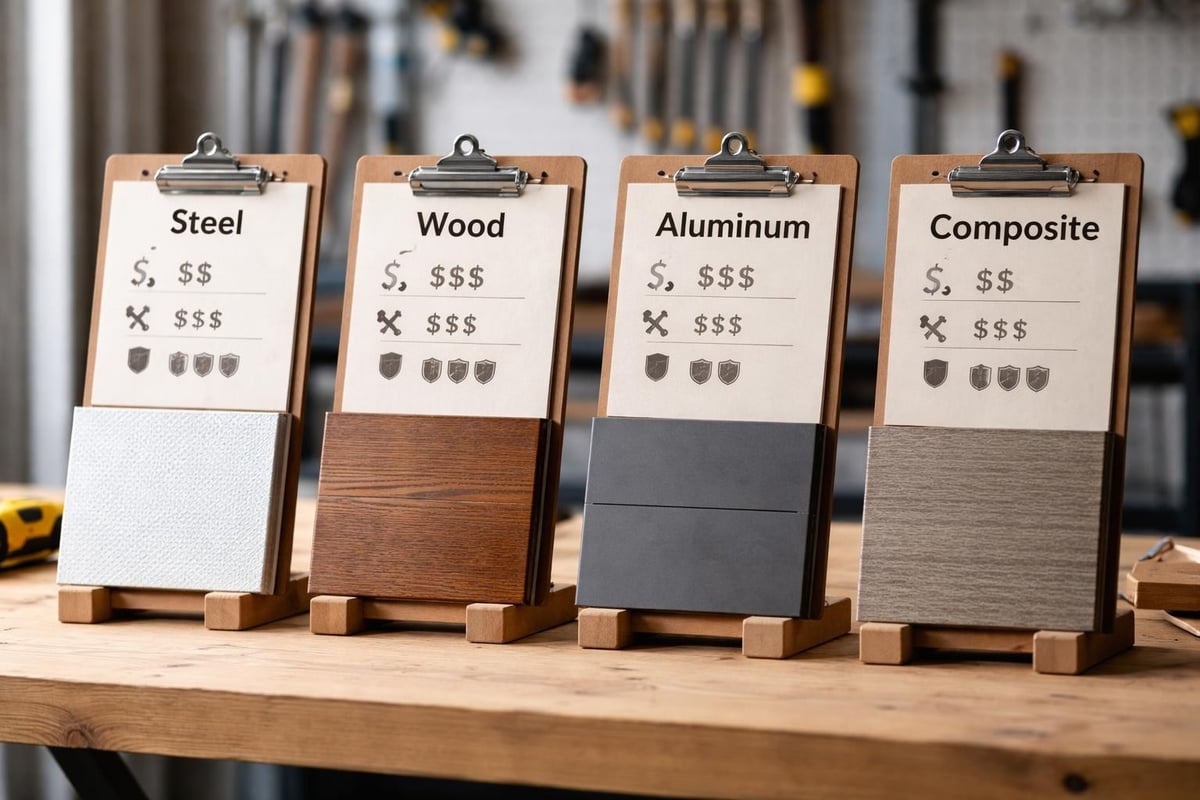
Multiple elements combine to determine your total garage door replacement cost. The size of your garage opening stands as the most obvious factor, with single-car doors ranging from 8 to 10 feet wide and double-car doors spanning 16 feet or more. Material choice significantly impacts pricing, as steel, wood, aluminum, and composite options each carry different price points and maintenance requirements.
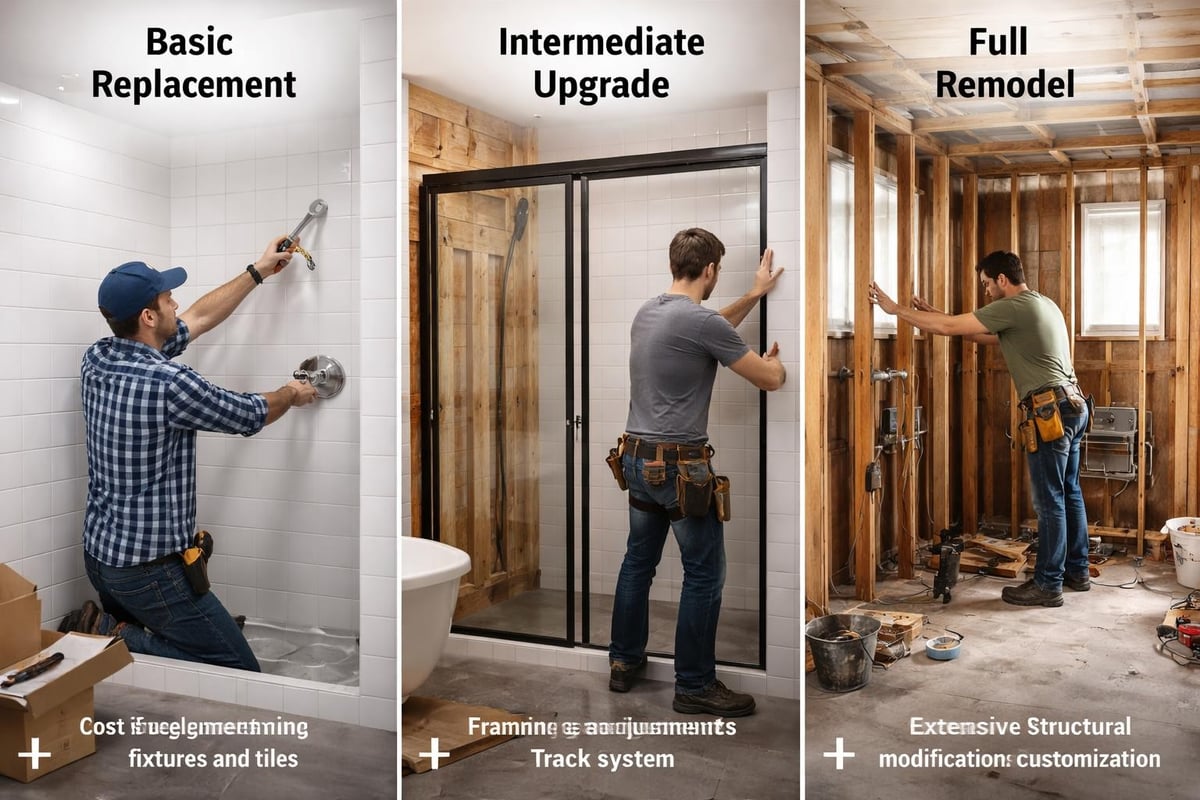
Installation complexity also affects your bottom line. A straightforward replacement on existing tracks costs less than a complete system overhaul requiring new framing, weather sealing, and structural modifications. Regional labor rates vary considerably across different markets, with professional installation in the Pacific Northwest often reflecting local cost-of-living adjustments.
Material Selection and Price Points
The garage door material you select directly impacts both upfront costs and long-term value. Steel doors dominate the market due to their durability and affordability, typically ranging from $600 to $2,500 for the door itself. These doors resist denting, require minimal maintenance, and offer excellent insulation options when paired with polyurethane or polystyrene cores.
Wood garage doors provide unmatched aesthetic appeal but command premium prices between $1,200 and $4,000 or more. Cedar, redwood, and hemlock varieties each offer distinct grain patterns and natural beauty. Wooden doors demand regular maintenance including staining, sealing, and protection against moisture damage, particularly in the humid climate common around Bainbridge Island.
Aluminum doors present a lightweight, rust-resistant option ideal for contemporary home designs. Prices typically fall between $800 and $2,000, making them a mid-range choice. These doors work exceptionally well in coastal environments where salt air might corrode other materials.
Average Garage Door Replacement Cost Breakdown
According to industry data on garage door replacement expenses, homeowners spend between $1,000 and $4,500 on complete garage door replacement projects in 2026. This range encompasses both the door unit and professional installation services. Single-car garage doors with basic steel construction fall on the lower end, while custom double-car doors with premium materials and advanced features reach the higher price brackets.
The national average sits around $2,100 for a standard replacement project. However, regional variations and specific project requirements can push costs above or below this median. Detailed breakdowns of garage door costs reveal that installation labor typically accounts for 25-35% of the total project expense.
Single vs. Double Garage Door Costs
| Door Type | Basic Range | Mid-Range | Premium |
|---|---|---|---|
| Single Car (8-10 ft) | $800-$1,500 | $1,500-$2,500 | $2,500-$4,000 |
| Double Car (16 ft) | $1,200-$2,000 | $2,000-$3,500 | $3,500-$6,000+ |
| Custom Sizes | $1,500-$3,000 | $3,000-$5,000 | $5,000-$10,000+ |
Single-car garage doors require less material and simpler installation procedures, naturally resulting in lower costs. Double-car doors span wider openings and need stronger support systems, driving up both material and labor expenses. Custom-sized doors for oversized garages or unique architectural requirements command the highest prices due to specialized manufacturing and installation expertise.
Installation Labor and Additional Expenses
Professional installation ensures proper operation, safety compliance, and warranty protection. Labor costs for garage door replacement typically range from $300 to $800, depending on project complexity and regional market rates. Simple replacements on existing tracks with compatible hardware fall toward the lower end, while complete system installations requiring track replacement, header modifications, or structural reinforcement cost more.
Removal and disposal of your old garage door adds $100 to $300 to most projects. Some contractors include this service in their base installation fee, while others charge separately. Always clarify what's included in quoted prices to avoid unexpected expenses.
Additional costs may include:
- New garage door opener installation ($250-$600)
- Weather sealing and insulation upgrades ($100-$400)
- Window inserts or decorative hardware ($150-$800)
- Smart home integration features ($100-$500)
- Structural repairs or reinforcement ($200-$1,500)
Garage Door Styles and Their Cost Implications
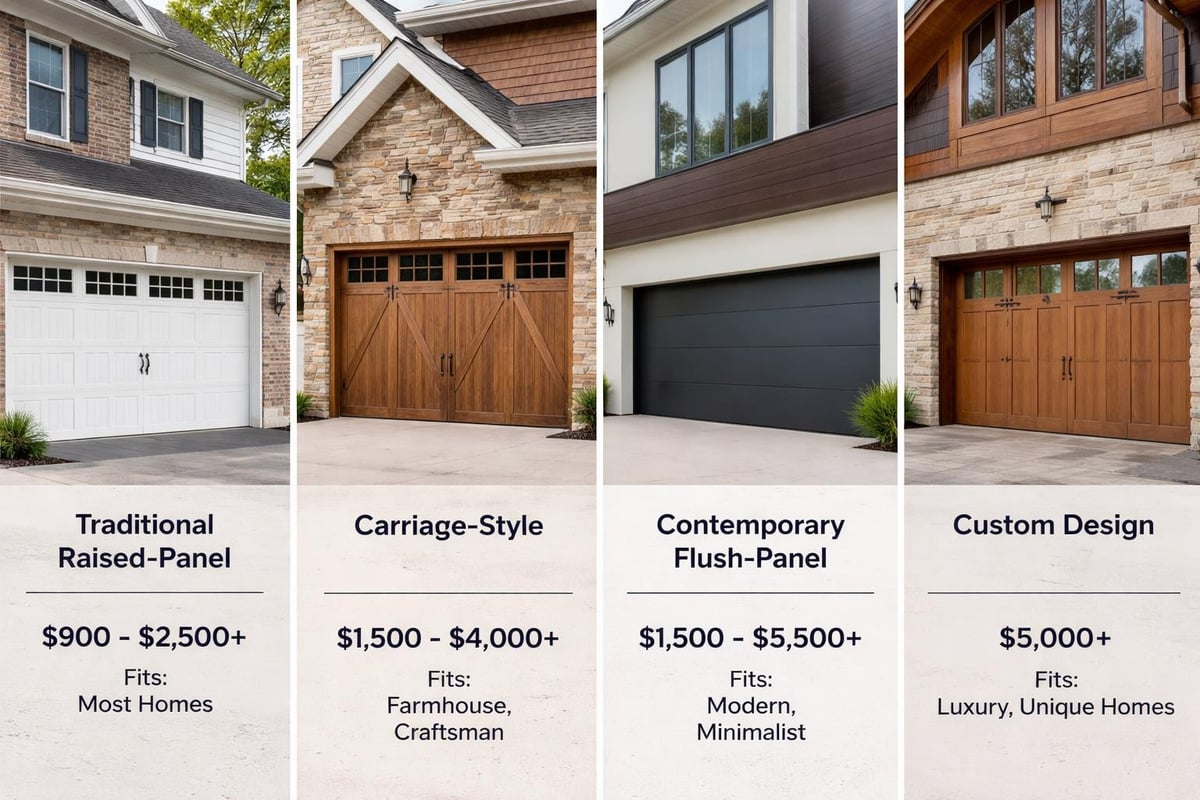
Different garage door styles carry varying price tags based on design complexity and manufacturing requirements. Traditional raised-panel doors represent the most economical option, offering classic aesthetics at $600 to $1,800 for single-car sizes. These doors feature rectangular panels that create depth and visual interest while maintaining straightforward construction.
Carriage-style doors mimic historic swing-out barn doors but operate on modern track systems. Their detailed craftsmanship and decorative hardware push prices to $1,500-$4,000 or higher. Homeowners appreciate how these doors enhance curb appeal and complement traditional or craftsman-style architecture.
Contemporary flush-panel doors deliver sleek, minimalist aesthetics perfect for modern homes. Prices range from $1,200 to $3,500 depending on material and finish quality. These doors often incorporate aluminum frames with frosted glass panels, creating striking visual statements.
Design Features That Affect Pricing
Window configurations significantly impact garage door replacement cost. Standard window inserts add $200 to $600, while custom glass panels with decorative frames can increase costs by $1,000 or more. Insulated glass options provide energy efficiency benefits but command premium prices.
Decorative hardware including hinges, handles, and magnetic accents transforms basic doors into custom showpieces. Budget $100 to $500 for quality hardware sets that enhance visual appeal without compromising functionality. High-end forged iron or hand-crafted bronze hardware can exceed $1,000 for complete sets.
Insulation and Energy Efficiency Considerations
Insulated garage doors cost 20-40% more than non-insulated alternatives but deliver substantial long-term benefits. R-values measure insulation effectiveness, with higher numbers indicating better thermal resistance. Basic insulation (R-8 to R-12) adds $200 to $400 to door costs, while premium insulation (R-16 to R-18) increases expenses by $500 to $800.
For attached garages, proper insulation reduces heat transfer between the garage and living spaces. This translates to lower heating and cooling costs throughout the year, particularly in climates with significant seasonal temperature variations. Polyurethane foam insulation outperforms polystyrene alternatives by filling door panels completely and providing superior R-values per inch.
Weather sealing complements insulation by preventing air infiltration around door edges. Quality seals cost $50 to $150 but dramatically improve energy efficiency and pest protection. Replace weather stripping every 3-5 years to maintain optimal performance.
Cost-Saving Strategies for Garage Door Replacement
Strategic planning helps homeowners manage garage door replacement cost without sacrificing quality. Timing your project during off-peak seasons (late fall through early spring) may yield better contractor availability and competitive pricing. Many garage service providers offer reduced rates during slower periods to maintain steady workflow.
Consider these approaches to maximize value:
- Obtain multiple detailed quotes from reputable contractors
- Choose standard sizes rather than custom dimensions
- Select mid-range materials that balance cost and durability
- Retain functional components like tracks and springs when possible
- Bundle garage door replacement with other home improvements
- Take advantage of manufacturer rebates or seasonal promotions
Homeowners seeking professional garage door services should verify contractor credentials, insurance coverage, and warranty terms before committing to any project. Quality installation protects your investment and ensures years of reliable operation.
Comparing DIY vs. Professional Installation
Some homeowners contemplate DIY garage door replacement to reduce costs. While purchasing a door directly saves on markup, installation complexity and safety risks make professional service worthwhile for most projects. Garage door systems involve heavy components, high-tension springs, and precise adjustments that require specialized tools and expertise.
DIY installation eliminates labor costs ($300-$800) but introduces significant risk factors. Improperly installed doors malfunction, create safety hazards, and void manufacturer warranties. Torsion springs store tremendous energy and can cause severe injuries if handled incorrectly. Professional installers carry liability insurance and guarantee their workmanship, providing peace of mind that DIY projects cannot match.
Garage door installation expenses reflect the value of expertise, safety protocols, and proper equipment. Professional teams complete installations efficiently, typically finishing single-door replacements in 3-5 hours compared to full-day or multi-day DIY attempts.
Long-Term Value and Return on Investment
Garage door replacement delivers strong returns when selling your home. Real estate professionals consistently rank garage doors among the top home improvements for recouping investment, with quality replacements recovering 75-90% of costs in increased home value. Enhanced curb appeal attracts potential buyers and creates positive first impressions that influence purchasing decisions.
Beyond resale value, new garage doors provide immediate benefits including improved security, quieter operation, and reduced maintenance requirements. Modern doors incorporate safety features like photoelectric sensors and automatic reversal systems that protect family members and pets from accidents.
Consider total cost of ownership when evaluating options. A premium door with superior insulation, durable construction, and comprehensive warranty may cost more initially but require fewer repairs and deliver greater energy savings over its 20-30 year lifespan. Conversely, budget doors might need replacement in 10-15 years, potentially increasing long-term expenses.
Warranty Coverage and Protection Plans
Manufacturer warranties vary significantly across brands and models. Basic warranties cover manufacturing defects for 1-5 years, while premium warranties extend protection to 10 years or longer. Some manufacturers offer lifetime warranties on specific components like springs, rollers, or structural elements.
Installation warranties from professional contractors typically cover workmanship for 1-2 years. Extended service agreements provide additional protection through scheduled maintenance visits and priority repair service. Evaluate warranty terms carefully, noting exclusions, transfer restrictions, and required maintenance conditions.
| Warranty Component | Basic Coverage | Premium Coverage |
|---|---|---|
| Door Panels | 1-3 years | 10+ years |
| Springs | 1-2 years | Lifetime |
| Hardware | 1 year | 5-10 years |
| Finish/Paint | 1 year | 3-5 years |
| Installation | 90 days – 1 year | 1-2 years |
Regional Cost Variations in the Pacific Northwest
Garage door replacement cost in Kitsap County and surrounding areas reflects Pacific Northwest market conditions. Labor rates in this region typically exceed national averages due to higher living costs and strong demand for skilled tradespeople. Expect installation labor to range from $350 to $900, compared to $300-$700 nationally.
Material costs remain relatively consistent across regions, though transportation expenses for specialty products may add 5-10% to prices in island communities like Bainbridge Island. Local building codes and permit requirements also influence total project costs, with some jurisdictions requiring inspections or specific safety features.
Coastal environments demand careful material selection. Salt air accelerates corrosion in steel components, making galvanized or vinyl-coated hardware essential for long-term durability. Garage door repair specialists familiar with local conditions can recommend appropriate materials and protective treatments.
Smart Technology Integration Costs
Modern garage doors increasingly incorporate smart home technology for enhanced convenience and security. Wi-Fi-enabled garage door openers allow smartphone control, activity monitoring, and integration with home automation systems. These systems add $150 to $400 to standard opener costs but deliver significant functionality improvements.
Additional smart features include:
- Battery backup systems for power outage operation ($150-$300)
- Security cameras with motion detection ($100-$400)
- Keypad entry systems with rolling codes ($50-$150)
- Vehicle recognition and automatic opening ($200-$500)
- Integration with voice assistants and smart home platforms ($0-$200)
Smart technology becomes increasingly valuable for rental properties, vacation homes, or households managing package deliveries and contractor access. The ability to monitor and control garage door operation remotely provides security benefits that justify the additional investment for many homeowners.
Maintenance Requirements and Ongoing Costs
Regular maintenance extends garage door lifespan and prevents costly repairs. Annual professional inspections cost $75 to $150 and identify potential issues before they cause system failures. Understanding proper garage door maintenance helps homeowners protect their replacement investment.
Typical maintenance expenses include:
- Lubricant and cleaning supplies ($20-$40 annually)
- Weather stripping replacement ($50-$100 every 3-5 years)
- Photo sensor alignment and testing (included in inspections)
- Spring adjustment or replacement ($150-$350 as needed)
- Track cleaning and hardware tightening ($75-$125 annually)
Wooden doors require additional maintenance including refinishing every 2-3 years at $200-$500 per application. Steel and aluminum doors need minimal upkeep beyond occasional washing and lubrication, making them attractive options for homeowners seeking low-maintenance solutions.
Financing Options for Garage Door Replacement
Several financing approaches help homeowners manage garage door replacement cost. Home equity lines of credit (HELOCs) offer low interest rates and tax-deductible interest for qualifying homeowners. Personal loans provide quick access to funds without using home equity as collateral, though interest rates typically exceed HELOC rates.
Many garage door companies partner with financing providers to offer promotional terms including 0% interest for 12-24 months or extended payment plans. These programs make replacement affordable through manageable monthly payments. Read terms carefully to understand deferred interest provisions that can significantly increase costs if balances remain unpaid after promotional periods end.
Credit cards with promotional APR periods provide another option for smaller projects. Rewards programs may offset costs through cash back or points accumulation. Avoid carrying balances beyond promotional periods when higher standard rates apply.
Permits and Code Compliance Considerations
Most garage door replacements don't require building permits when installing like-for-like replacements on existing openings. However, structural modifications, opening enlargements, or commercial installations often trigger permit requirements. Permit costs range from $50 to $200 depending on local jurisdiction fee structures.
Building codes address safety features including:
- Automatic reversal systems that detect obstructions
- Manual release mechanisms for emergency operation
- Photoelectric sensors preventing closure on obstacles
- Proper electrical wiring and grounding
- Structural support adequacy for door weight
Professional contractors familiar with local codes ensure compliance and handle permit applications when necessary. DIY installers bear responsibility for understanding and meeting all regulatory requirements, adding complexity to self-installation projects.
Choosing the Right Contractor for Your Project
Contractor selection significantly impacts project outcomes and satisfaction. Research candidates thoroughly by reviewing online ratings, checking licensing and insurance status, and requesting references from recent customers. Quality contractors provide detailed written estimates specifying materials, labor costs, timeline, and warranty coverage.
Warning signs of unreliable contractors include:
- Requiring large upfront deposits (50% or more)
- Lack of physical business address or proper licensing
- Pressure tactics demanding immediate decisions
- Unwillingness to provide references or proof of insurance
- Vague estimates without specific material specifications
- Cash-only payment requirements
Reputable garage service providers demonstrate professionalism through clear communication, transparent pricing, and commitment to customer satisfaction. Verify that contractors carry general liability insurance and workers' compensation coverage protecting you from liability if accidents occur during installation.
Material Durability and Lifespan Expectations
Understanding material longevity helps evaluate garage door replacement cost in terms of value over time. Steel doors typically last 20-30 years with proper maintenance, offering excellent durability relative to their moderate price point. Rust-resistant coatings and galvanized components extend lifespan in challenging environments.
Wood doors provide 15-25 year lifespans when properly maintained but may deteriorate faster in humid climates or when maintenance lapses occur. Regular sealing and staining protect wood from moisture damage, rot, and insect infestation. Comparing garage door materials reveals how construction quality affects longevity expectations.
Aluminum doors resist corrosion and typically function well for 20-25 years. Their lightweight construction makes them ideal for larger openings but more susceptible to denting than heavier steel alternatives. Composite materials combine durability with low maintenance requirements, often lasting 25-30 years while resisting moisture, insects, and warping.
Environmental Impact and Sustainable Options
Environmentally conscious homeowners increasingly consider sustainability when selecting garage doors. Recycled steel content reduces environmental impact while maintaining structural performance. Some manufacturers incorporate 60-80% recycled materials in steel door construction without compromising quality or durability.
Energy-efficient doors with superior insulation reduce heating and cooling demands, lowering carbon footprints associated with home climate control. R-18 insulated doors can reduce garage temperature fluctuations by 20-30 degrees, significantly decreasing energy consumption for attached garage spaces.
Sustainable wood options include FSC-certified lumber harvested from responsibly managed forests. While premium-priced, these materials support forest conservation and sustainable forestry practices. Local wood species reduce transportation emissions compared to exotic imports.
Solar-powered garage door openers eliminate electrical consumption and provide reliable operation during power outages. These systems cost $400-$800 installed but deliver ongoing energy savings and environmental benefits. Battery storage systems capture excess solar energy for nighttime operation.
Commercial vs. Residential Replacement Costs
Commercial garage door replacement involves different considerations and typically higher costs than residential projects. Commercial doors accommodate larger openings, heavier-duty operation cycles, and specialized requirements for warehouses, fire stations, or storage facilities. Prices range from $2,000 to $10,000+ depending on size, material, and operational features.
Commercial applications often require:
- Heavy-gauge steel construction for frequent operation
- Insulation meeting commercial building codes
- Advanced opener systems with three-phase power
- Fire-rated doors for code compliance
- Wind-load ratings for specific geographic requirements
Labor costs for commercial installation run higher due to larger door sizes, crane requirements, and more complex electrical and control systems. Commercial garage door services demand specialized expertise and equipment unavailable to typical residential contractors.
Understanding garage door replacement cost empowers homeowners to make informed decisions that balance budget constraints with long-term value and performance expectations. By considering material options, installation complexity, energy efficiency features, and contractor selection carefully, you can invest wisely in this significant home improvement. NextLevel Garage Co. brings professional expertise and quality workmanship to every garage door replacement project throughout Kitsap County, ensuring your investment delivers years of reliable performance and enhanced curb appeal. Contact our team today to discuss your garage door replacement needs and receive a detailed, transparent estimate for your project.