

Thinking of upgrading your home’s curb appeal or boosting its security? Many homeowners are surprised by how much garage door installation cost can truly impact their budget in 2026. With prices shifting due to inflation and changing materials, understanding what you’ll pay is more important than ever.
This guide provides a clear breakdown of garage door installation cost, covering average price ranges, key factors, types of doors, labor and material expenses, regional variations, and proven tips to save money. Ready to get the clarity you need for your next project? Read on for everything you need to make a confident decision.
Garage Door Installation Cost Overview for 2026
If you are planning a garage upgrade, understanding the garage door installation cost in 2026 is essential for a successful project. Prices have shifted with inflation and supply chain changes, so being informed helps you budget accurately and avoid surprises.
Average Cost Ranges
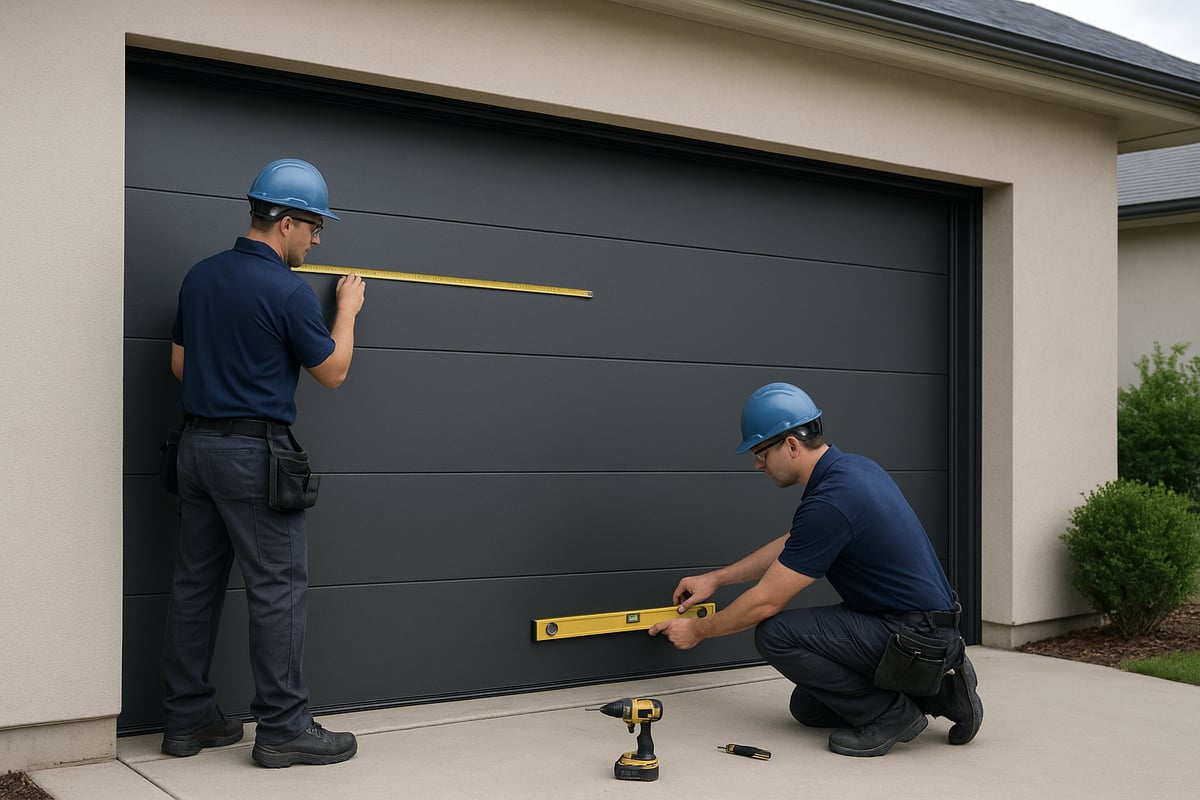
The national average garage door installation cost in 2026 is expected to range from $850 to $3,500 or more. Most homeowners will pay around $1,500 for a standard project.
Single garage doors, such as 8×7 or 9×8 models, usually fall on the lower end, while double doors or larger roll-up options can push costs higher. Inflation and increased material prices since 2025 have raised the average by 10–15 percent.
For example, a standard 8×7 door may cost $900 installed, while a larger commercial roll-up could exceed $3,500. For more detailed breakdowns, the Garage Door Installation Cost Overview page provides up-to-date data.
What’s Included in the Installation Cost
A typical garage door installation cost covers the new door itself, tracks, standard hardware, and basic labor.
However, most quotes do not include openers, insulation, or custom colors. Always review your contractor's estimate to clarify what is included and what will incur extra charges.
A standard installation package often comprises:
- New garage door
- Tracks and springs
- Standard hardware
- Basic labor and setup
Clarifying these details early prevents unexpected expenses later.
Common Additional Expenses
Many homeowners encounter extra fees beyond the base garage door installation cost. Common add-ons include:
- Removal or disposal of the old door ($100–$200)
- Upgraded openers ($300–$600)
- Insulation, windows, or decorative hardware
- Emergency or after-hours installation fees
For instance, a Texas homeowner who chose premium options paid a total of $2,000, including upgraded hardware and disposal. Factoring in these extras ensures your budget reflects the full project.
Cost by Door Size and Type
The size and type of your door significantly affect the garage door installation cost. Single doors cost less than double or oversized doors, such as 10×10 or 12×12 models.
Sectional doors are the standard choice, while one-piece or custom doors can increase both labor and material costs. For example, upgrading from a 9×7 to a 10×8 insulated door can add $200–$400 to your total.
Selecting the right size and style ensures your new door fits your needs and budget.
Regional Price Differences
Garage door installation cost varies by location due to differences in labor rates, materials, and local building codes.
Urban areas, especially on the West Coast, often see higher prices, while rural regions or the Midwest may offer more competitive rates. For example, West Coast installations can exceed $2,000, while similar projects in the South might average $1,200–$1,500.
Climate and local code requirements can also influence both materials and installation methods, impacting your final cost.
Key Factors Affecting Garage Door Installation Cost
When evaluating garage door installation cost, understanding what drives pricing can help you make informed decisions. Multiple variables impact the final bill, from material selection to labor and customization. Let’s break down the primary factors so you can budget with confidence.
Material Choices and Their Impact
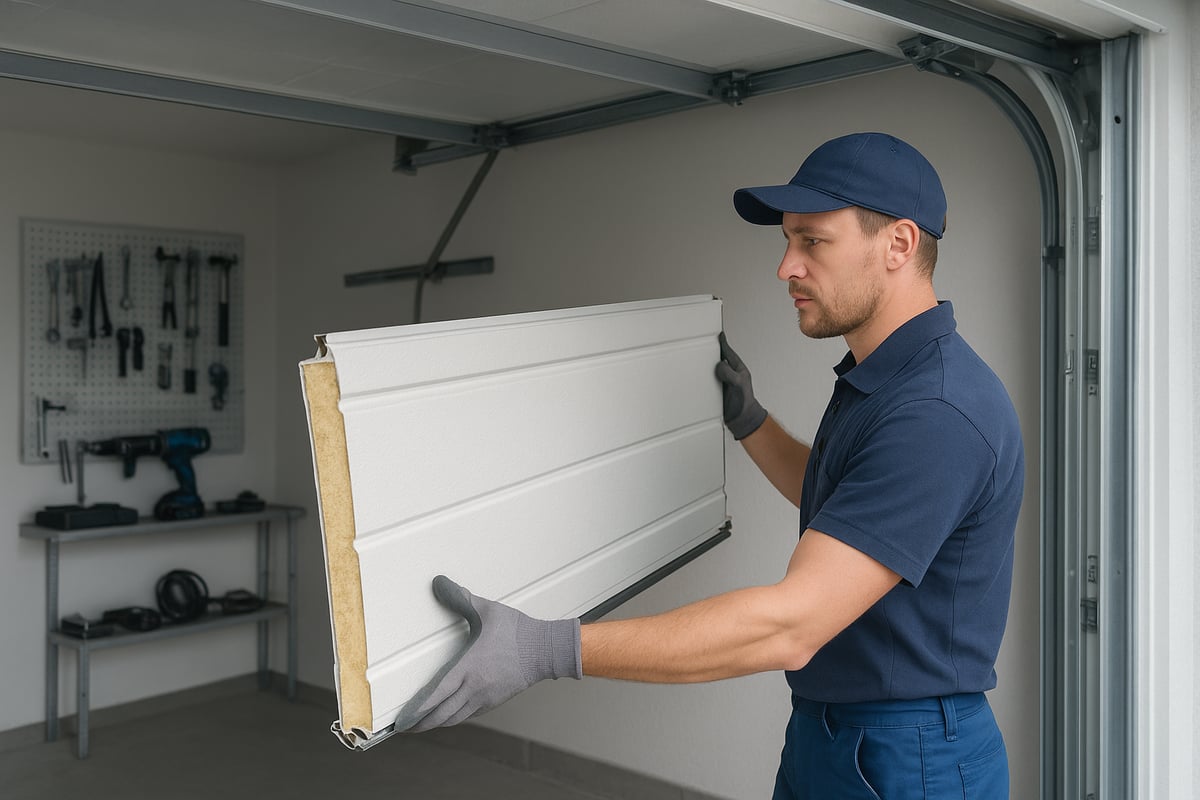
Material selection is one of the most significant drivers of garage door installation cost. Common materials include steel, aluminum, wood, fiberglass, and vinyl, each offering a unique price point and lifespan. Steel doors are generally the most affordable and popular for durability, while wood doors sit at the premium end, prized for their classic appearance but higher upkeep.
For a clear comparison, see the table below:
| Material | Typical Cost Range | Pros | Cons |
|---|---|---|---|
| Steel | $600–$1,500 | Durable, low-maintenance | Prone to rust |
| Wood | $1,200–$4,000+ | Premium look, insulation | Expensive, upkeep |
| Aluminum | $700–$2,000 | Lightweight, rust-proof | Dents easily |
| Fiberglass | $1,000–$2,100 | Weather resistant | Limited styles |
| Vinyl | $900–$1,800 | Low-maintenance | Fewer color options |
To learn more about material costs, visit this Garage Door Material Cost Comparison for up-to-date pricing and details.
Insulation and Energy Efficiency
Insulation plays a crucial role in both comfort and the overall garage door installation cost. Insulated doors, typically using polystyrene or polyurethane, help regulate temperature and reduce noise. The R-value measures a door’s thermal resistance: the higher the R-value, the better the insulation.
While insulated options add $100–$300 to the average installation, they can lower your energy bills over time. For example, insulated models often range from $821 to $1,331. If you live in a region with extreme temperatures, investing in insulation can pay off by boosting energy efficiency and long-term savings.
Door Design, Features, and Customization
Customization and design features can quickly elevate your garage door installation cost. Options like windows, decorative panels, and custom colors allow you to match your home’s exterior, but each upgrade increases the base price.
Choosing factory-applied colors is usually more cost-effective than painting after installation. Features like designer hardware or unique panel patterns also influence total costs. If you’re considering a custom design, expect to pay a premium for both materials and specialized labor.
Opener and Accessory Upgrades
Adding or upgrading a garage door opener is another component of garage door installation cost. Basic openers generally cost $300–$600 installed, but advanced features like smart technology, Wi-Fi integration, or keypad entry can push prices higher.
Premium accessories, such as battery backup systems or high-security locks, add to the investment. When budgeting, factor in both the initial installation and any desired upgrades for convenience or security.
Labor, Company, and Installation Complexity
Labor costs and company choice significantly affect garage door installation cost. National labor rates fluctuate, with urban areas typically commanding higher fees than rural regions. Smaller companies may offer competitive pricing, while larger firms might charge more due to overhead.
Complex installations, such as retrofitting an old garage or making structural adjustments, can increase labor hours and final costs. Always clarify what is included in your quote and confirm if additional work, like code upgrades, is necessary for your project.
Types of Garage Doors and Their Cost Implications
Choosing the right garage door is a major factor in determining your overall garage door installation cost. The type, material, and design you select not only affect your budget but also influence curb appeal and long-term value. Let us break down the main garage door types and how they impact your investment.

Sectional vs. Single-Panel Doors
Sectional garage doors are the most popular choice for homeowners. These doors are made of horizontal panels that bend as the door opens, fitting snugly along the ceiling. Sectional doors typically range from $850 to $2,000 installed, depending on size and features.
Single-panel doors, on the other hand, are constructed as one solid piece. They swing out and up, requiring more clearance in front of the garage. Single-panel doors may cost slightly less, around $800 to $1,500, but installation can be more complex due to space requirements. When comparing garage door installation cost, sectional doors are often easier to maintain and safer for most homes.
- Sectional: Standard, reliable, safer
- Single-panel: Specialty, requires more space
- Example: Sectional doors are recommended for most modern garages
Roll-Up and Custom Doors
Roll-up garage doors are commonly found in commercial settings but are becoming more popular for residential garages, especially where ceiling space is limited. These doors are made of narrow horizontal slats that roll into a coil above the opening. The garage door installation cost for roll-up doors typically starts at $1,500 and can exceed $3,500 for custom sizes or heavy-duty materials.
Custom doors, whether oversized or uniquely designed, also fall into the higher price bracket. For example, a metal roll-up door for a metal building may cost $2,500 or more, reflecting both material and installation complexity.
- Roll-up: Space-saving, durable, higher cost
- Custom: Tailored fit, premium pricing
- Example: Commercial-grade roll-up doors for workshops
Insulated vs. Non-Insulated Doors
Insulation is a key upgrade that directly impacts your garage door installation cost. Insulated doors are designed to improve energy efficiency and temperature control, especially in regions with extreme weather. Adding insulation can increase costs by $100 to $300, but many homeowners find the long-term savings worthwhile.
In climates like Kitsap County, insulated doors help maintain comfortable garage temperatures and reduce energy bills. For example, a Central Texas homeowner paid an extra $250 for insulation, which provided noticeable comfort improvements year-round.
- Insulated: Higher upfront cost, better efficiency
- Non-insulated: Lower cost, less energy savings
- Example: Insulated doors average $821–$1,331
Material-Specific Cost Examples
The material you choose is one of the biggest drivers of garage door installation cost. Steel doors are the most budget-friendly, usually ranging from $600 to $1,500 installed. Wood doors are considered premium, costing between $1,200 and $4,000 or more, depending on craftsmanship and type of wood.
Aluminum, fiberglass, and vinyl offer mid-range options, balancing durability and price. For instance, a homeowner choosing a premium wood carriage house door paid $3,800, while another saved with an economy steel model at $900.
| Material | Typical Installed Cost |
|---|---|
| Steel | $600–$1,500 |
| Wood | $1,200–$4,000+ |
| Aluminum | $900–$2,000 |
| Fiberglass | $1,000–$2,100 |
| Vinyl | $900–$1,800 |
Style and Curb Appeal Upgrades
Upgrading your garage door’s style can transform the look of your home and increase property value. Popular styles include carriage house, contemporary, and fully custom designs. Decorative hardware, window inserts, and custom colors can raise your garage door installation cost by several hundred dollars.
While style upgrades require a larger upfront investment, they often deliver a strong return by boosting curb appeal. If you are unsure which style fits your home and budget, How to choose the best garage door offers helpful tips to guide your decision.
- Carriage house: Classic, elegant, premium cost
- Contemporary: Sleek, modern, variable pricing
- Decorative upgrades: Hardware, windows, color customization
Step-by-Step Guide to Garage Door Installation and Budgeting
Upgrading your garage is a major investment, so understanding each phase of the process is crucial for controlling your garage door installation cost. A step-by-step approach ensures you avoid surprises and make informed decisions for your home and budget.

Step 1: Assess Your Needs and Measure
Begin with a close look at your garage's purpose and layout. Is it a single-car or double-car space? Do you need extra headroom for storage or tall vehicles? These factors directly affect your garage door installation cost, as size and complexity matter.
Measuring the opening is critical. Use a tape measure to record width, height, and side room. Standard sizes, such as 8×7 or 16×7 feet, are typically more affordable, while custom or oversized doors can increase costs. Double-check measurements to avoid expensive mistakes or the need for special orders.
Consider how often you use your garage, the climate in your region, and any unique requirements. Accurate measurements and a clear understanding of your needs help prevent unexpected increases in your garage door installation cost.
Step 2: Choose Materials and Features
Selecting the right material and features is the next key step in managing your garage door installation cost. Options include steel, aluminum, wood, vinyl, and fiberglass, each with its own price range and performance characteristics.
Think about your climate and desired look. Insulated doors offer better energy efficiency, often adding $100 to $300 to the total cost, but may provide long-term savings. Decide if you want windows for natural light, decorative hardware for curb appeal, or advanced weather seals for protection.
Balance your budget with durability and style. Sometimes, choosing a basic steel door with a factory finish offers the best value for garage door installation cost, while custom wood or premium finishes can raise the price significantly.
Step 3: Get Multiple Quotes
Reach out to several reputable installers in your area to compare garage door installation cost estimates. Request detailed, itemized quotes that break down materials, labor, disposal fees, and any extras like openers or insulation.
Be attentive to what's included and excluded. Some companies may offer promotional pricing or bundling, while others charge separately for hardware or warranty upgrades. Ask about warranty terms, installation timelines, and after-sales support.
Comparing quotes from both small, local businesses and larger national companies helps you spot hidden fees and evaluate the overall value. This step is essential for securing the best garage door installation cost and avoiding costly surprises.
Step 4: Plan for Old Door Removal and Site Prep
Before installation, plan for the removal and disposal of your existing garage door. This service usually costs an additional $100 to $200, depending on door size and local rates. Site preparation is also important—clear the area, move vehicles, and check electrical outlets for opener installation.
Some installers include haul-away in their garage door installation cost, while others charge separately. For more detail, review this Garage door replacement guide to understand what’s typically involved in the process.
Proper preparation helps installers work efficiently and minimizes the risk of delays or damage. This foresight can save you money and ensure your total garage door installation cost remains on track.
Step 5: Schedule Professional Installation
Once you have selected your installer and finalized your choices, schedule the installation. Most projects take three to six hours, though complex retrofits or custom doors may require more time. On installation day, expect the crew to handle the door, tracks, hardware, and opener if selected.
Inspect the completed work with your installer. Review warranty paperwork, ask for a demonstration of the door and opener, and clarify maintenance recommendations. Professional installation ensures safety, optimal performance, and preserves your investment in garage door installation cost.
How to Save Money on Garage Door Installation in 2026
Looking to trim your garage door installation cost without sacrificing quality? Strategic decisions at every stage of the process can add up to significant savings. From installation methods to smart shopping and negotiation, here are proven tactics homeowners can use to keep costs manageable in 2026.
DIY vs. Professional Installation
One of the first choices that affects your garage door installation cost is whether to do it yourself or hire a pro. DIY installation can save labor fees, but it carries risks. Unless you have experience with heavy doors and mechanical systems, mistakes could void warranties, create safety hazards, or require costly corrections.
Professional installation ensures code compliance and proper function, especially for insulated or custom doors. DIY might be cost-effective for standard, non-insulated doors if you are skilled, but most homeowners benefit from expert help for lasting value and peace of mind.
Timing Your Purchase
When you buy can impact garage door installation cost more than you might think. Prices often rise in spring and summer when demand peaks. If your timeline is flexible, consider scheduling installation in late fall or winter. Many companies offer off-season discounts or promotions to fill their calendars.
By choosing a less busy period, you may also have more negotiating power and faster scheduling options. Always ask about current specials or incentives before committing to a contract.
Bundling Services and Upgrades
Bundling garage door installation with additional services often unlocks discounts. Many companies offer savings if you combine door installation with opener upgrades, floor coatings, or maintenance packages. If you have multiple doors, ask about multi-door pricing.
For example, a bundled quote for a new door plus a smart opener can be more affordable than purchasing each service separately. Always request itemized quotes to see where bundled savings apply and ensure transparency in your final garage door installation cost.
Comparing Brands and Product Lines
The choice of brand and product line has a direct impact on your garage door installation cost. Major brands offer a range of economy, mid-tier, and premium options. Features, durability, and warranties vary, so research is key. To make an informed decision, homeowners can compare top garage door brands for both durability and style.
Selecting a mid-range product often delivers the best balance of price and long-term value. Always check local availability and warranty terms before finalizing your choice.
Negotiating and Financing Options
Do not be afraid to negotiate your garage door installation cost. Ask for price matching, loyalty discounts, or waived fees for old door removal. Some installers offer zero-interest financing or extended payment plans, making large projects more accessible.
Be sure to read the fine print on financing offers and compare total costs. A little negotiation or flexible payment option can help you stay within budget without compromising on quality or safety.
Frequently Asked Questions about Garage Door Installation Costs
Upgrading your garage comes with questions, especially around garage door installation cost. Below, we answer the most common homeowner concerns to help you plan your next project with confidence.
How much does it cost to install a garage door opener?
The price to add a new opener to your garage can range from $300 to $600 installed, depending on brand and features. This is in addition to the overall garage door installation cost. Smart openers or Wi-Fi-enabled units may cost more. For new doors, adding an opener is often simpler, while retrofitting an existing door may involve extra labor. For more details, see this Garage Door Replacement Cost Guide.
Are there ongoing maintenance costs?
Yes, maintaining your garage door ensures longevity and protects your investment. Annual tune-ups typically run $100 to $200, depending on service level and region. Some installation warranties cover basic adjustments, but wear and tear is usually not included. Regular upkeep can minimize future garage door installation cost issues. For year-round tips, check out 10 tips to maintain your garage doors.
How long does installation take?
Most professional installations are completed in three to six hours. However, your specific garage door installation cost may increase if your project involves structural changes or custom doors, which can extend the timeline. Retrofits or complex jobs may take longer, especially if electrical work or permits are required.
Can I reuse my old tracks or hardware?
Reusing existing tracks or hardware may lower your garage door installation cost, but it is not always recommended. New doors often require updated tracks for safety and proper alignment. If your old hardware is worn or incompatible, it is best to upgrade. Ask your installer for guidance on potential savings and safety concerns.
What impacts garage door lifespan?
Several factors influence the longevity of your door, including material, climate, and how often you use it. Steel doors typically last 15 to 30 years with proper care, while wood may require more frequent maintenance. Regular service helps extend lifespan and keeps garage door installation cost predictable over time.
Now that you know what goes into garage door installation costs in 2026—from materials and features to local pricing trends—you’re in a great position to plan your upgrade with confidence. Remember, working with a trusted local expert gives you the advantage of clear communication, fair pricing, and personalized solutions tailored to your home’s needs. If you’re ready to get a clearer picture of your actual costs or want advice specific to your home in Kitsap County, let’s make it easy.
Call now for a free estimate!
3 Responses