

Garage doors endure constant exposure to the elements, accidental impacts, and years of daily operation. When damage occurs, homeowners throughout Kitsap County face an important decision: should you replace individual panels or invest in a complete door system? Understanding garage door panel replacement helps you make informed choices that balance cost, aesthetics, and long-term performance. Whether you're dealing with a dented section from a basketball mishap or weathered panels that have lost their structural integrity, knowing your options ensures your garage remains functional, secure, and attractive.
Understanding When Panel Replacement Makes Sense
Not every damaged garage door requires complete replacement. A single compromised panel often provides the most cost-effective solution, particularly when the damage remains localized and your door is relatively new.
Ideal candidates for panel replacement include:
- Doors with isolated damage affecting only one or two sections
- Relatively recent installations where matching panels remain available
- Situations where the door's mechanical components function properly
- Cases where the overall door structure remains sound and properly aligned
The age of your garage door plays a significant role in this decision. Replacing garage door panels on systems installed within the past five to seven years typically yields better results because manufacturers still produce matching components. Older doors present challenges in finding exact matches for discontinued styles, colors, or materials.
Recognizing the Warning Signs
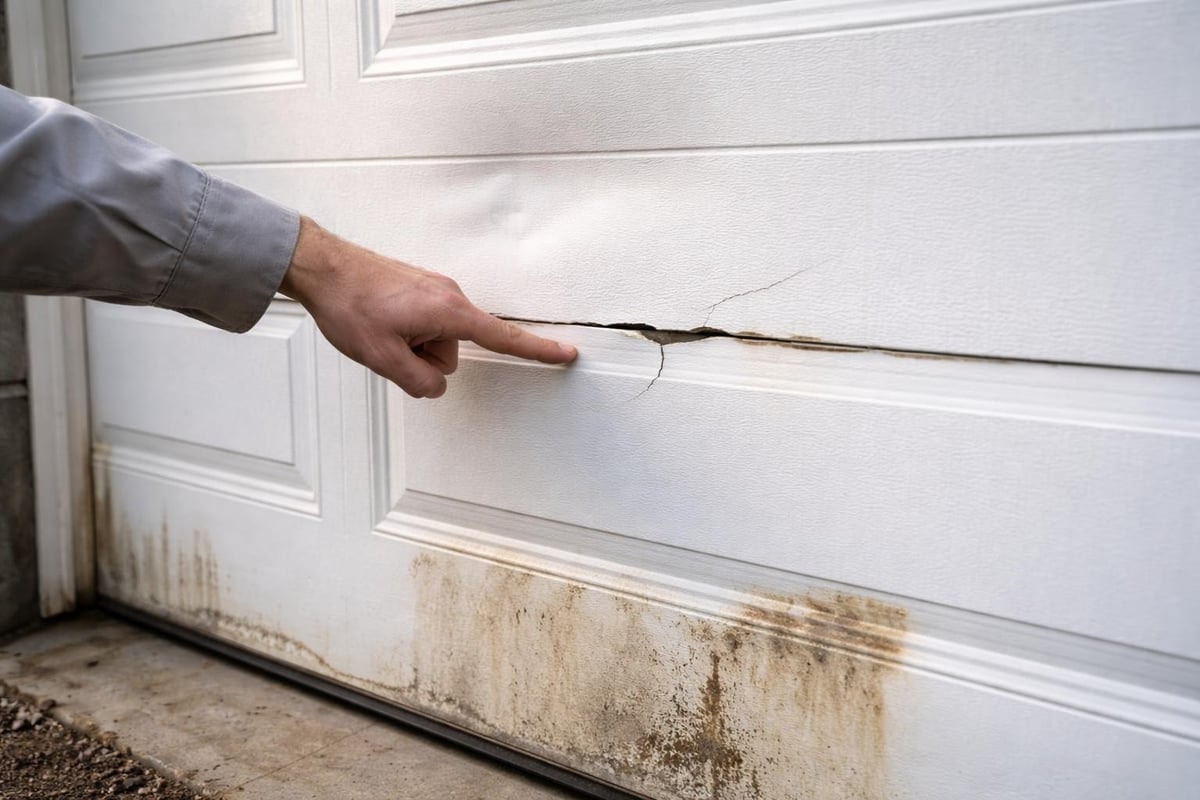
Certain indicators signal the need for garage door panel replacement rather than simple repairs. Visible dents or cracks represent the most obvious signs, but structural concerns often hide beneath the surface.
| Warning Sign | Severity Level | Recommended Action |
|---|---|---|
| Surface dents without structural damage | Low | Monitor or cosmetic repair |
| Deep cracks or splits in panel | High | Immediate replacement |
| Water damage or rot in wood panels | High | Replace affected sections |
| Rust penetration in steel panels | Medium to High | Assess extent, replace if spreading |
| Warping affecting door operation | High | Professional evaluation needed |
Water intrusion represents a particularly serious concern. When moisture penetrates panel surfaces, it compromises insulation, promotes rust in metal components, and can lead to operational failures. Homeowners who notice warning signs of panel damage should address issues promptly to prevent cascading problems throughout the door system.
Cost Considerations and Budget Planning
Understanding the financial aspects of garage door panel replacement helps homeowners plan appropriately and avoid surprises. Multiple factors influence the total investment required for this project.
Panel replacement typically costs between $150 and $800 per section, depending on material quality, design complexity, and regional labor rates. This represents a fraction of complete door replacement, which can range from $800 to $4,000 or more for standard residential installations.
Breaking Down the Expenses
The total cost encompasses several components beyond the panel itself. Labor represents a substantial portion of the investment, particularly when proper safety protocols require spring tension release and panel alignment procedures.
Primary cost factors include:
- Panel material: Steel panels cost $100-$300, while custom wood or composite options reach $400-$800
- Labor charges: Professional installation runs $100-$300 per panel depending on complexity
- Hardware replacement: New hinges, brackets, or rollers add $50-$150
- Color matching: Custom paint or finish matching increases costs by $75-$200
- Emergency service: After-hours or urgent repairs carry premium pricing
Geographic location significantly impacts pricing. In the Pacific Northwest, including Bainbridge Island and surrounding Kitsap County areas, moisture-resistant materials and specialized coatings command premium prices due to the region's climate demands. Working with local garage service professionals ensures proper material selection for coastal conditions.
Panel Replacement Versus Full Door Replacement
Sometimes garage door panel replacement proves less economical than complete system replacement. This decision requires careful evaluation of multiple factors beyond immediate repair costs.
Consider full door replacement when you're replacing more than three panels, when your door exceeds 15 years of age, or when operational issues extend beyond the damaged sections. Additionally, energy efficiency improvements in modern doors may justify replacement even when panel repair remains technically feasible. Choosing the best garage door involves weighing initial investment against long-term performance and energy savings.
The Professional Replacement Process
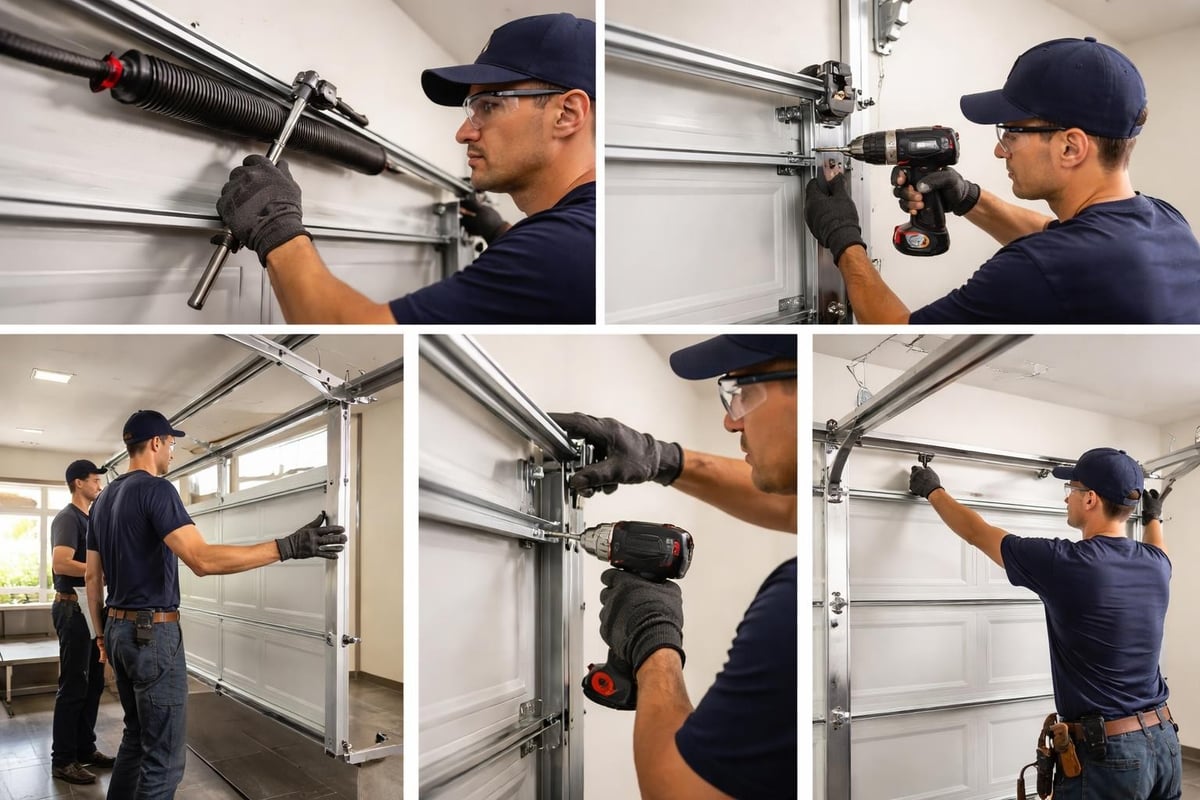
Professional garage door panel replacement follows systematic procedures that ensure safety and proper function. Understanding this process helps homeowners appreciate the complexity involved and recognize why professional expertise matters.
The first critical step involves safely releasing spring tension. Garage door springs operate under extreme force-enough to cause serious injury or death if mishandled. Professional technicians use specialized tools and follow strict protocols to manage this hazard.
Step-by-Step Panel Replacement
- Safety preparation: Disconnect opener, secure door in place, release spring tension
- Hardware removal: Detach hinges, rollers, and mounting brackets from damaged panel
- Panel extraction: Carefully slide damaged section from track system
- New panel installation: Position replacement panel, ensuring proper alignment
- Hardware reinstallation: Attach hinges and brackets with appropriate torque specifications
- Spring rebalancing: Adjust tension to accommodate new panel weight
- Operational testing: Verify smooth operation, proper seal, and safety features
Each step requires precision and attention to detail. Even slight misalignment can cause binding, premature wear on rollers and tracks, or excessive strain on opener motors. The detailed panel replacement process demonstrates why professional installation typically delivers superior long-term results.
DIY Versus Professional Installation
Some homeowners with mechanical aptitude consider tackling garage door panel replacement themselves. While this approach can reduce costs, it introduces significant risks that deserve careful consideration.
The primary concern centers on spring mechanisms. Torsion springs store tremendous energy-a standard residential garage door spring operates under 200-300 pounds of tension. Without proper tools and training, attempting to release or adjust these springs can result in severe injuries.
Safety Considerations for DIY Attempts
Beyond spring hazards, panel replacement presents several technical challenges. Proper alignment requires precision measurements and specialized tools. Incorrectly installed panels create operational problems that accelerate wear on other components.
| DIY Consideration | Risk Level | Mitigation Strategy |
|---|---|---|
| Spring tension release | Extreme | Never attempt without professional tools |
| Panel alignment | Medium | Use laser level and manufacturer specs |
| Hardware torque specifications | Medium | Follow service manual precisely |
| Weight management | Medium | Use helper and proper lifting technique |
| Weatherstripping installation | Low | Follow manufacturer instructions |
For homeowners determined to proceed with DIY installation, comprehensive replacement guides provide valuable instruction. However, even experienced DIY enthusiasts should recognize when professional expertise provides better value through guaranteed workmanship, proper insurance coverage, and manufacturer warranty preservation.
Most garage door manufacturers void warranties when unauthorized individuals perform major repairs or modifications. Professional installation through authorized service providers maintains warranty protection and ensures access to technical support if issues arise.
Material Matching and Aesthetic Considerations
Successfully matching replacement panels to existing sections requires attention to several specifications beyond basic dimensions. Manufacturers frequently update designs, discontinue models, and modify color formulations over time.
Steel panels present the easiest matching challenges, particularly for common white or almond finishes. Wood and composite materials prove more difficult due to natural variation and weathering patterns. Even when you locate the exact model number, a new panel's appearance may differ noticeably from sections that have aged for several years.
Achieving Visual Consistency
Color matching presents unique challenges, especially for custom or specialty finishes. UV exposure, environmental pollutants, and oxidation alter panel appearance over time. A perfectly matched new panel often appears conspicuously different when installed alongside aged sections.
Strategies for better aesthetic results include:
- Replacing panels in less visible door sections when possible
- Considering professional refinishing of all panels to achieve uniform appearance
- Selecting textured finishes that minimize color variation visibility
- Evaluating whether multiple panel replacement provides better overall appearance
When aesthetic consistency proves impossible to achieve, deciding between panel replacement and full door replacement becomes primarily a visual preference question. Homes with high curb appeal priorities or strict HOA requirements may benefit from complete door replacement to maintain uniform appearance.
Professional garage door services maintain relationships with manufacturers and distributors, improving access to discontinued or specialty panels. Their experience identifying suitable alternatives helps achieve acceptable results even when exact matches prove unavailable.
Timing Your Replacement Project
Strategic timing for garage door panel replacement can impact both cost and convenience. Certain seasons offer advantages for scheduling this work, while emergency situations demand immediate attention regardless of timing.
Spring and fall typically provide ideal conditions for panel replacement in the Pacific Northwest. Moderate temperatures simplify material handling and allow proper adhesive curing for weatherstripping. Summer heat can complicate work with thermal expansion, while winter freezing temperatures create safety hazards and material brittleness.
Emergency Versus Planned Replacement
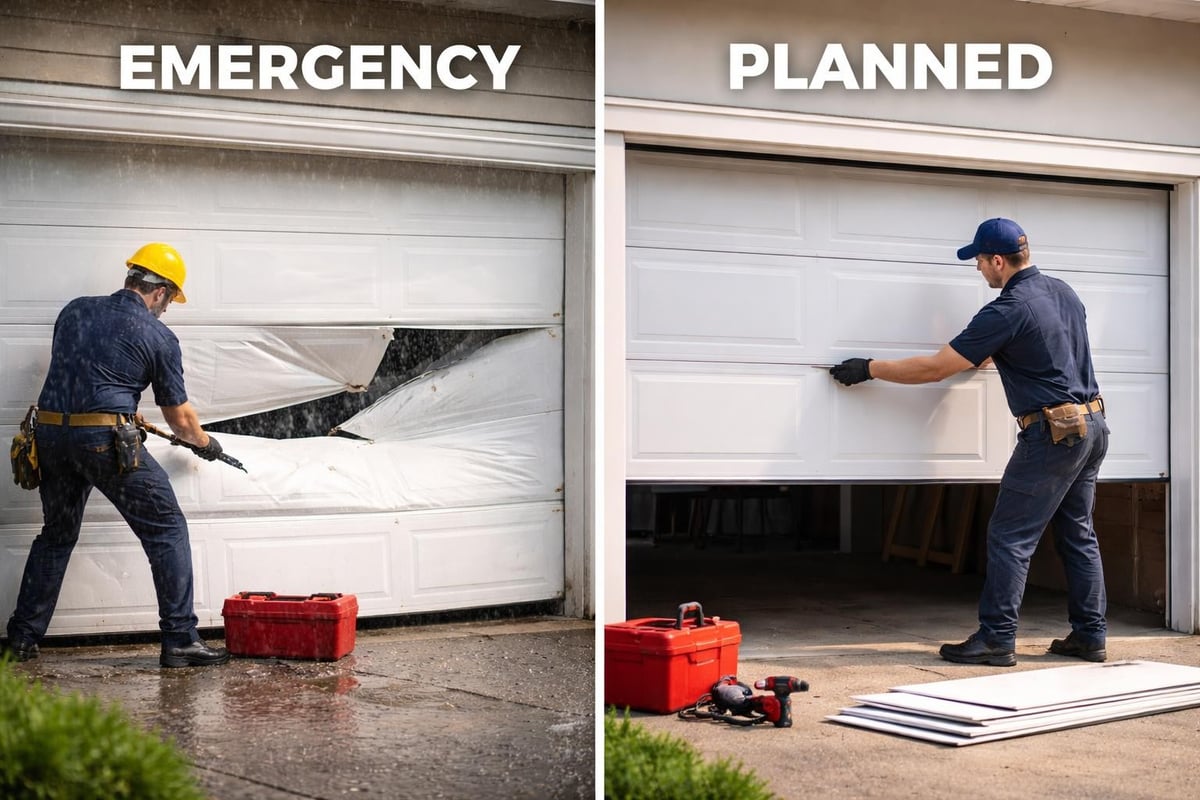
Severe damage compromising security or weather protection requires immediate attention. A panel with significant structural failure leaves your home vulnerable to intrusion and weather damage. Emergency repairs typically cost 20-50% more than planned service due to scheduling premiums and potential after-hours rates.
Emergency garage door repair services provide rapid response for critical situations, but planned replacements offer several advantages. You gain time to research options, compare quotes from multiple providers, and schedule work during convenient timeframes. Additionally, addressing minor damage before it worsens prevents secondary problems and potentially reduces overall costs.
For commercial properties, timely panel replacement proves particularly important. Business operations depend on functional garage doors, and delayed repairs can disrupt workflows, compromise inventory protection, and create safety liabilities.
Extending Panel Lifespan Through Maintenance
Proper maintenance significantly extends garage door panel life and reduces the frequency of replacement needs. Regular attention to specific maintenance tasks prevents many common problems that lead to panel damage.
Year-round garage door maintenance should include monthly visual inspections, quarterly hardware checks, and semi-annual professional service appointments. This proactive approach identifies emerging issues before they require expensive repairs.
Essential Maintenance Tasks
Weatherstripping deterioration represents one of the most common preventable causes of panel damage. When seals fail, moisture penetrates panel edges and promotes rust or rot. Replacing worn weatherstripping costs $50-100 but prevents damage requiring panel replacement.
Critical maintenance activities include:
- Visual inspection for dents, cracks, or finish damage
- Weatherstripping examination and replacement as needed
- Rust treatment on steel panels at first appearance
- Cleaning and repainting wood panels every 3-5 years
- Hardware tightening to prevent vibration damage
- Professional lubrication of moving components
Environmental factors in coastal areas like Bainbridge Island accelerate panel deterioration. Salt air promotes corrosion on metal components while high humidity affects wood and composite materials. Homeowners in these regions benefit from quarterly rather than annual inspection schedules.
Panel protection also depends on proper operational habits. Avoid striking the door with vehicles, sporting equipment, or landscaping tools. Install bumpers or protective padding in garages where panel contact occurs regularly. Teaching family members proper door operation prevents many accidental damage incidents.
Working With Professional Service Providers
Selecting qualified professionals for garage door panel replacement ensures safe, effective results and protects your investment. Several factors distinguish experienced, reputable service providers from less qualified alternatives.
Proper licensing and insurance represent non-negotiable requirements. Garage door work involves significant liability exposure, and uninsured contractors leave homeowners vulnerable to financial risk if injuries or property damage occur during service.
Evaluating Service Provider Qualifications
Request references from recent customers who received similar services. Established professionals maintain portfolios of completed projects and willingly connect potential clients with satisfied customers. Online reviews provide additional insight, though single reviews should be weighted less than overall patterns.
Key qualifications to verify:
- Current state contractor license and local business permits
- General liability insurance with minimum $1 million coverage
- Workers' compensation insurance for all employees
- Manufacturer certifications for specific door brands
- Membership in professional trade associations
- Written warranties covering both parts and labor
Pricing transparency separates professional operations from questionable providers. Detailed written estimates should itemize all costs including materials, labor, disposal fees, and any potential additional charges. Be cautious of quotes significantly below competitors' pricing, as these often indicate inferior materials or incomplete service scope.
Professional technicians arrive with properly equipped service vehicles, branded uniforms, and identification credentials. They communicate clearly about work scope, answer questions thoroughly, and maintain clean work sites. For comprehensive garage door needs, professional installation services provide end-to-end solutions with accountability and quality assurance.
Panel Replacement for Specific Door Types
Different garage door styles present unique replacement considerations. Understanding these variations helps homeowners set appropriate expectations and budget accurately for their specific situation.
Raised panel doors represent the most common residential style and typically offer the easiest replacement process. Manufacturers maintain good parts availability for standard models, and panel interchange between sections follows straightforward procedures.
Material-Specific Considerations
Steel doors dominate the residential market due to their durability, low maintenance requirements, and affordability. Panel replacement for steel doors typically proceeds smoothly when the model remains in production. Rust damage occasionally extends beyond visible areas, requiring careful inspection before committing to panel replacement rather than full door replacement.
Wood and wood composite doors require special attention during panel replacement. Moisture damage often affects adjacent sections even when only one panel shows obvious deterioration. Professional assessment determines whether surrounding panels maintain sufficient integrity or require replacement despite appearing serviceable.
| Door Type | Replacement Difficulty | Typical Cost Range | Special Considerations |
|---|---|---|---|
| Steel raised panel | Low to Medium | $200-$500 | Good parts availability, rust assessment needed |
| Aluminum | Medium | $250-$600 | Denting concerns, lighter weight affects balance |
| Wood carriage house | High | $400-$1,200 | Matching grain patterns, moisture damage assessment |
| Vinyl | Low | $150-$400 | UV damage evaluation, limited repair options |
| Fiberglass | Medium to High | $300-$800 | Cracking tendencies, limited manufacturers |
Carriage house and custom architectural styles present the greatest replacement challenges. These designs often feature unique panel configurations, specialized hardware, and limited parts availability. Comparing garage door brands reveals significant variation in long-term parts support, with established manufacturers maintaining better component availability for older installations.
Insulated versus non-insulated panels affect both replacement procedures and costs. Insulated panels typically cost 30-50% more than non-insulated equivalents but provide superior energy efficiency and noise reduction. When replacing panels on insulated doors, maintaining consistent R-values across all sections ensures optimal thermal performance.
Coordinating Related Repairs and Upgrades
Garage door panel replacement often presents an opportune time to address related maintenance needs or implement upgrades. Coordinating multiple services during a single appointment reduces overall costs and minimizes disruption to your household.
Spring systems deserve attention whenever panel work occurs. If your springs approach their typical 10,000-cycle lifespan or show signs of wear, replacing them during panel service eliminates the need for separate service calls. Technicians have already released spring tension for panel access, making replacement more efficient.
Hardware evaluation should accompany panel replacement projects. Hinges, rollers, and cables that show wear benefit from replacement while the door is partially disassembled. This proactive approach prevents future failures and extends the intervals between service appointments.
When panel damage results from accidental vehicle impact or other structural concerns, evaluating the entire door system makes sense. Tracks may have sustained misalignment, springs could have been overstressed, and opener components might have been strained during the incident causing panel damage.
Homeowners planning renovations or upgrading their garage should coordinate panel replacement with broader improvement projects. Matching new panels to planned exterior color schemes or architectural modifications ensures visual harmony and eliminates the need for premature replacement due to aesthetic changes.
Garage door panel replacement offers a cost-effective alternative to full door replacement when damage remains localized and your door system maintains overall integrity. Understanding when panel replacement makes sense, recognizing quality workmanship, and maintaining your door properly maximizes your investment and ensures years of reliable performance. Whether you're dealing with weather damage, accidental impacts, or age-related deterioration throughout Kitsap County, NextLevel Garage Co. provides expert evaluation, professional installation, and the quality service your home deserves.