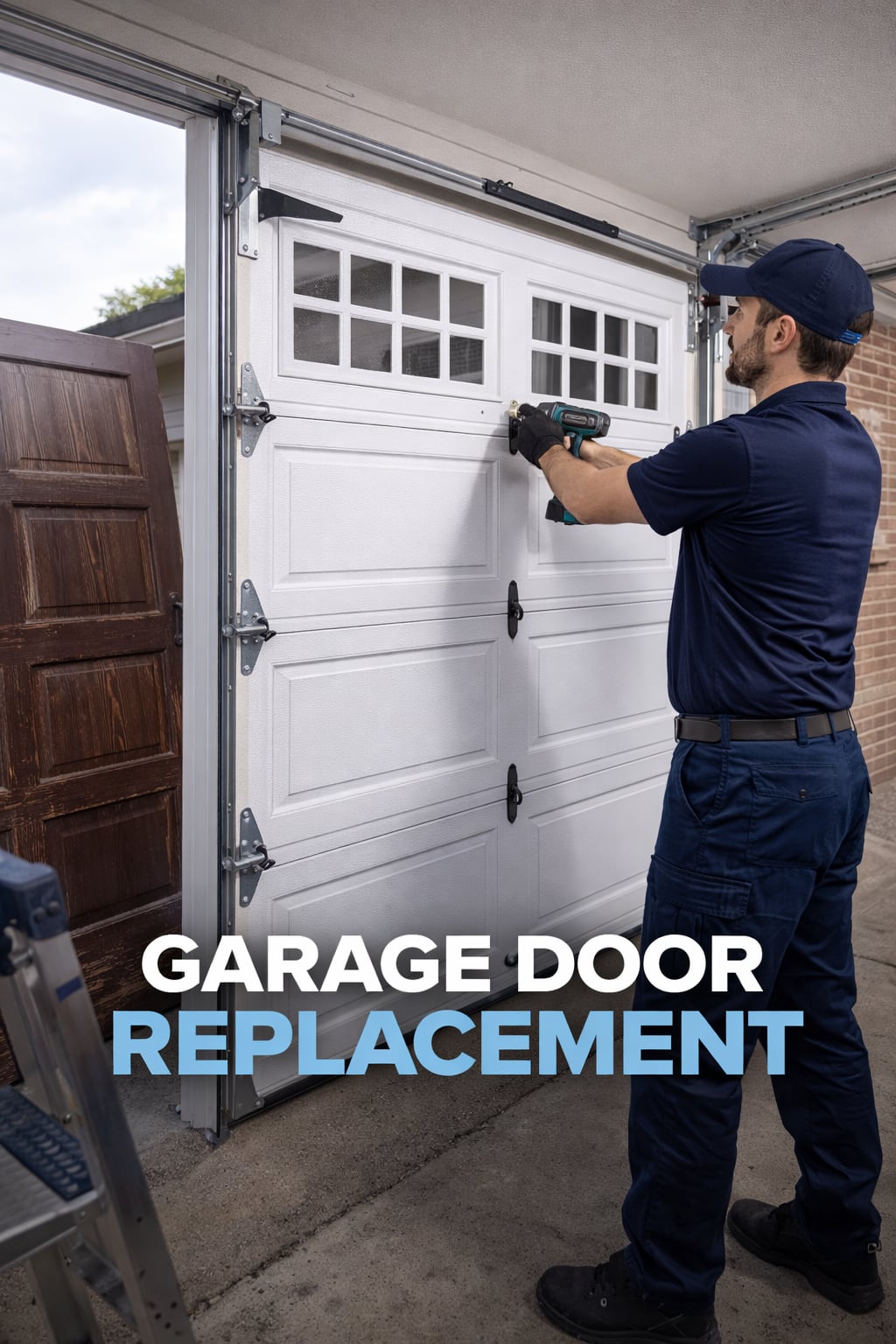

Choosing the right overhead door for your home or business requires careful consideration of multiple factors, from construction quality to long-term performance. This comprehensive overhead door review examines what makes these essential home components reliable, safe, and worth the investment. Whether you're replacing an aging door or installing a new system, understanding the critical elements that separate exceptional products from mediocre ones will help you make an informed decision that serves your needs for decades.
Understanding Overhead Door Construction Quality
The foundation of any solid overhead door review starts with construction materials and build quality. Modern overhead doors use various materials, each offering distinct advantages for different applications.
Steel Door Construction Standards
Steel remains the most popular material for residential and commercial applications. Quality steel doors feature multiple layers, including outer steel panels, internal insulation, and protective coatings. Gauge thickness matters significantly, with 24-gauge steel offering superior strength compared to 25 or 26-gauge alternatives.
Premium steel doors incorporate:
- Galvanized or galvalume steel for rust resistance
- Polyurethane or polystyrene insulation cores
- Reinforced end stiles and vertical rails
- Powder-coat or baked-on paint finishes
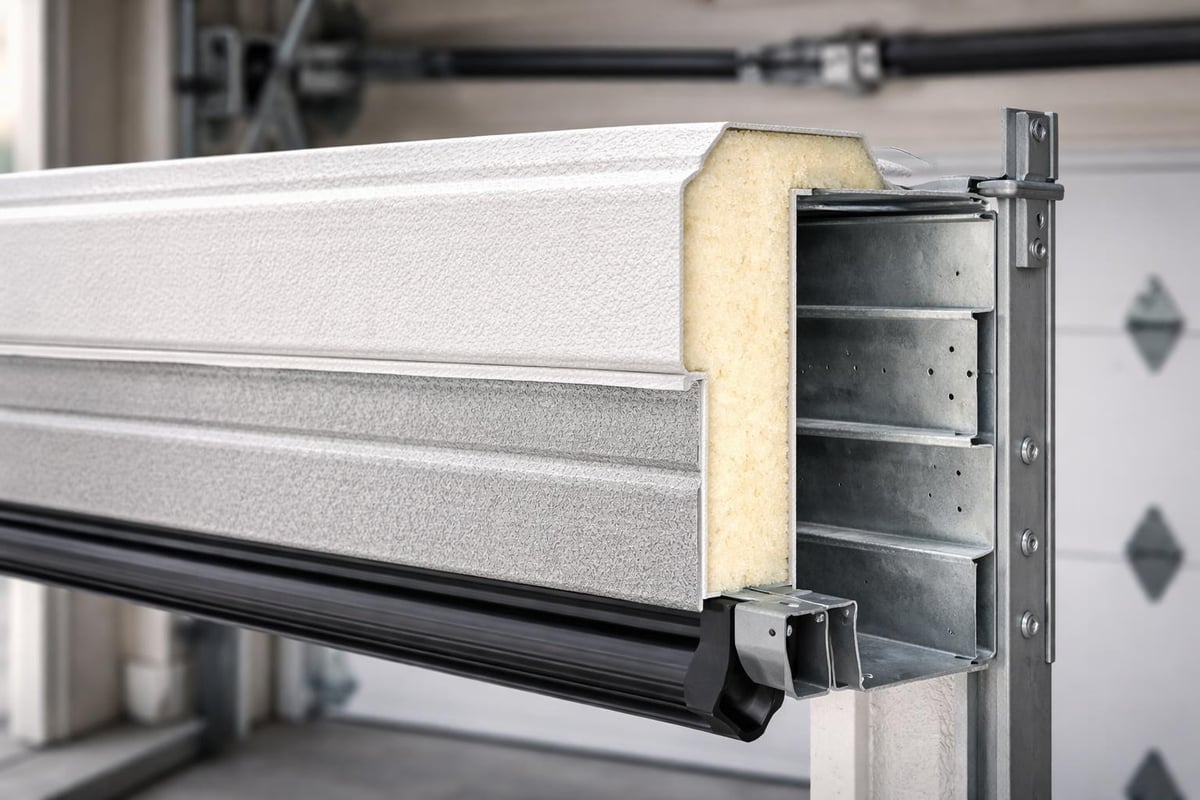
The insulation value, measured in R-value, directly impacts energy efficiency and noise reduction. Doors with R-values between 12 and 18 provide excellent thermal performance for occupied spaces above garages or climate-controlled workshops.
Alternative Material Considerations
Wood, aluminum, and fiberglass each serve specific purposes. Wood doors offer unmatched aesthetic appeal but require regular maintenance to prevent warping, cracking, and weather damage. Aluminum provides lightweight performance ideal for wide openings, while fiberglass resists salt air corrosion in coastal environments.
Material selection should align with your climate, architectural style, and maintenance preferences. Homeowners in Kitsap County often face moisture challenges that favor materials with superior weather resistance.
Safety Features That Matter Most
Any thorough overhead door review must prioritize safety mechanisms that protect families and property. Modern overhead doors incorporate multiple safety systems that prevent accidents and equipment failures.
Spring System Reliability
The spring system bears the door's entire weight, making it the most critical safety component. Torsion springs mounted above the door opening provide superior balance and longevity compared to extension springs. Quality torsion springs feature:
| Spring Type | Cycle Rating | Typical Lifespan | Safety Features |
|---|---|---|---|
| Standard Torsion | 10,000 cycles | 7-9 years | Enclosed design, containment cable |
| High-Cycle Torsion | 25,000+ cycles | 15-20 years | Enhanced wire, corrosion coating |
| Extension Spring | 10,000 cycles | 5-7 years | Safety cables required |
Professional garage door spring repair becomes essential when springs show wear, as broken springs create dangerous situations that require immediate attention.
Photo-Eye Sensors and Auto-Reverse
Federal safety standards require photo-eye sensors that detect obstructions and reverse door movement. Testing these sensors monthly ensures they function properly. Place an object in the door's path during closing; the door should immediately reverse.
Additional safety features include:
- Tamper-resistant bottom brackets
- Pinch-resistant panel designs
- Manual release mechanisms for power outages
- Rolling code technology preventing unauthorized access
Professional installation ensures all safety features meet current building codes and manufacturer specifications. The garage door repair services available through local experts help maintain these critical systems.
Performance Metrics and Real-World Testing
An honest overhead door review evaluates performance under actual operating conditions rather than just specifications. Several key metrics determine whether a door delivers reliable, long-term service.
Operating Smoothness and Balance
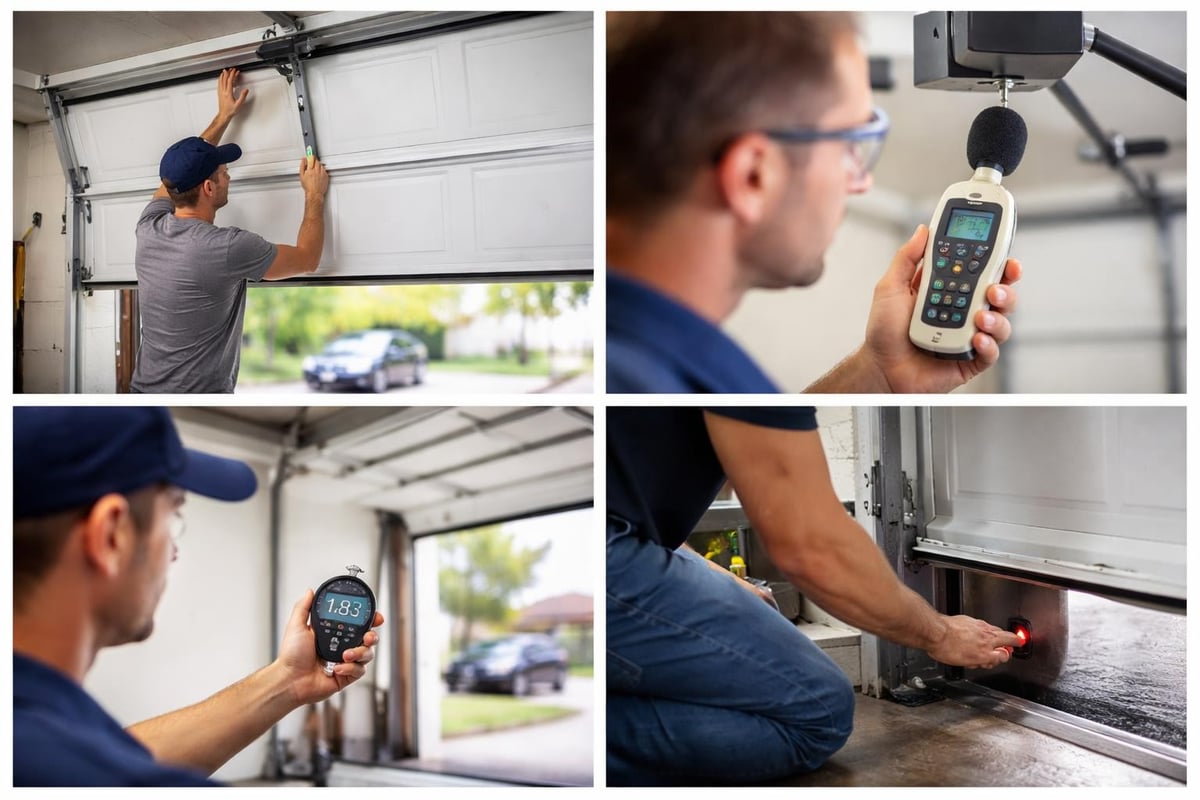
Properly balanced doors operate effortlessly, requiring minimal force to raise or lower manually. Testing door balance involves disconnecting the opener and manually lifting the door halfway; it should stay in place without assistance. Doors that drop or rise indicate spring adjustment needs.
Smooth operation depends on:
- High-quality roller bearings (nylon or steel)
- Properly aligned track systems
- Adequate lubrication on moving parts
- Correctly tensioned springs
Noise Levels During Operation
Quiet operation has become a standard expectation, particularly for homes with living spaces adjacent to garages. Belt-drive openers paired with nylon rollers create the quietest systems, generating less than 50 decibels during operation.
Chain-drive systems produce more noise but offer exceptional durability and value. The garage door opener options available in 2026 include advanced features like DC motors and soft-start technology that reduce vibration and noise.
Insulation Ratings and Energy Efficiency
Energy efficiency significantly impacts comfort and utility costs, making insulation a critical factor in any overhead door review. Understanding R-values and construction methods helps identify truly efficient doors.
R-Value Realities
Manufacturers advertise R-values ranging from R-0 (uninsulated) to R-20 (maximum residential insulation). However, effective R-values depend on installation quality and door construction method.
Polyurethane foam insulation bonds to both steel layers, creating structural rigidity while maximizing thermal performance. Polystyrene board insulation costs less but offers lower R-values and doesn't provide the same structural benefits.
Consider these efficiency factors:
- Weather seal condition along all four edges
- Top and bottom seal compression
- Window glazing if doors include glass sections
- Thermal bridging through metal components
Properly insulated doors reduce HVAC costs for attached garages and improve comfort in workspace environments. The types of garage doors available today offer various insulation options matching specific climate needs.
Climate-Specific Recommendations
Pacific Northwest homeowners benefit from doors rated R-12 or higher, providing moisture resistance and temperature stability during wet winters. Thermal expansion and contraction affect door operation in extreme temperatures, making quality construction essential for consistent performance.
Warranty Coverage and Manufacturer Support
Warranty terms reveal manufacturer confidence in product quality and provide protection against defects. Comprehensive overhead door reviews examine warranty details beyond surface-level marketing claims.
Understanding Warranty Terms
Quality manufacturers offer lifetime warranties on major components including sections, springs, and hardware. However, "lifetime" often means the original purchaser's ownership period, not the door's functional life.
| Component | Premium Warranty | Standard Warranty | Budget Warranty |
|---|---|---|---|
| Door Sections | Lifetime | 10-15 years | 1-3 years |
| Spring System | Lifetime/High-Cycle | 3-7 years | 1 year |
| Hardware | Lifetime | 5-10 years | 1 year |
| Finish | Lifetime/Fade-Proof | 5-10 years | 1-3 years |
| Insulation | Lifetime | 5-10 years | None |
Read warranty fine print carefully. Many warranties require professional installation and exclude normal wear items. Some manufacturers void warranties if non-OEM parts are used during repairs.
Customer Service and Parts Availability
Manufacturer reputation extends beyond product quality to service responsiveness and replacement part availability. Established brands maintain extensive dealer networks and stock parts for discontinued models, while newer manufacturers may struggle with long-term support.
Research customer experiences through independent reviews rather than relying solely on manufacturer testimonials. The garage door selection process benefits from investigating both product quality and company reliability.
Installation Quality Impact on Performance
Even premium doors underperform with poor installation. This overhead door review emphasizes that professional installation directly affects safety, longevity, and daily operation.
Critical Installation Elements
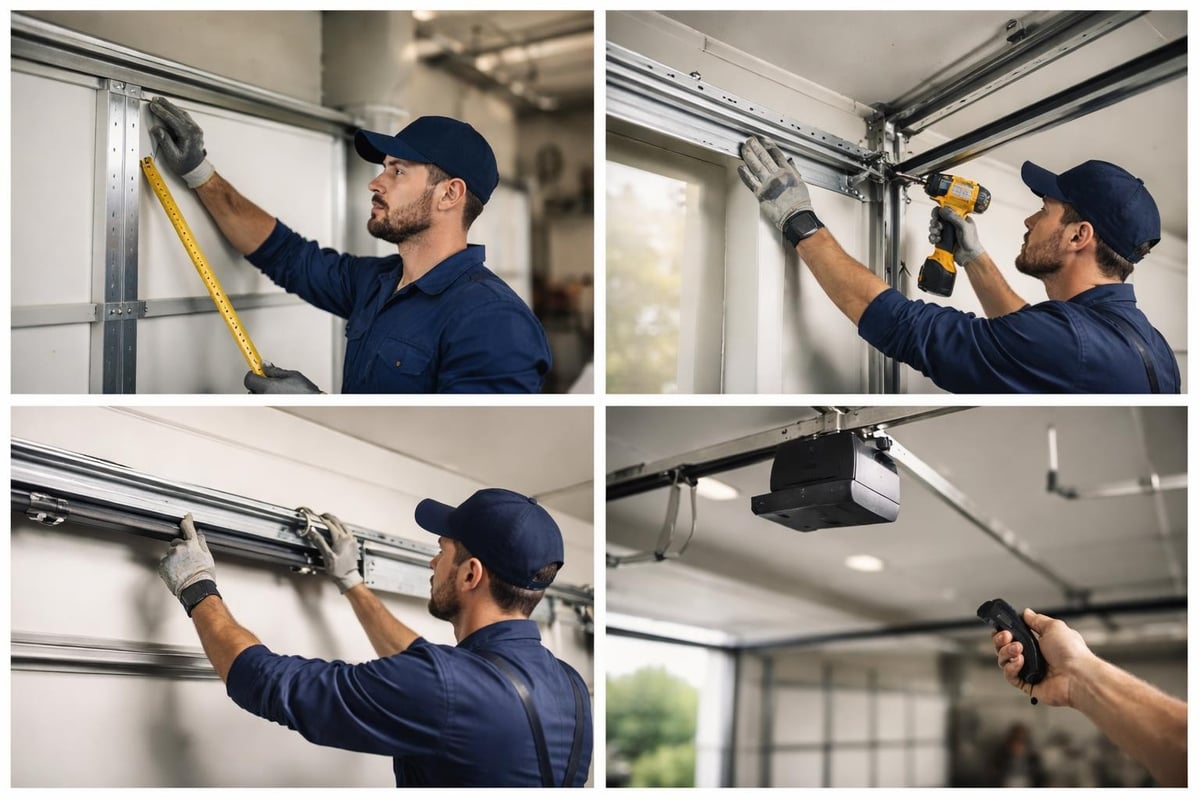
Proper installation requires precise measurements, level track mounting, and accurate spring tension adjustment. DIY installations frequently result in:
- Uneven track gaps causing binding
- Incorrect spring tension creating imbalance
- Missing or improperly adjusted safety features
- Weather seal gaps allowing air infiltration
Professional installers bring specialized tools, technical knowledge, and experience that prevent costly mistakes. They ensure doors meet local building codes and manufacturer specifications, protecting warranty coverage.
The garage door installation services provided by experienced professionals deliver proper function from day one, eliminating the trial-and-error approach that plagues DIY projects.
Opener Compatibility and Integration
Modern doors integrate with smart home systems, WiFi-enabled openers, and battery backup systems. Proper opener matching considers door weight, spring type, and desired features. Undersized openers strain under heavy door loads, while oversized units waste energy and cost more upfront.
When evaluating your options, consider reading through comprehensive garage door opener buying guides that explain drive mechanisms, horsepower ratings, and smart features available in 2026.
Maintenance Requirements for Longevity
Long-term overhead door performance depends on consistent maintenance addressing wear before failures occur. Understanding maintenance needs helps evaluate total ownership costs in any overhead door review.
Monthly and Quarterly Tasks
Visual inspections identify problems early when repairs cost less. Monthly checks should include:
- Testing auto-reverse and photo-eye sensors
- Listening for unusual noises during operation
- Checking weather seals for damage or gaps
- Observing door balance and smooth travel
Quarterly maintenance involves lubricating moving parts with garage-door-specific lubricant, not WD-40 or general-purpose oils. Proper lubrication reduces friction on rollers, hinges, springs, and tracks, extending component life and reducing noise.
Annual professional inspections catch wear patterns homeowners miss. Technicians measure spring tension, check cable condition, adjust track alignment, and verify safety feature calibration. The maintenance guidance available from experienced professionals prevents unexpected failures.
Common Wear Patterns and Solutions
Different components wear at different rates. Rollers typically last 10,000 to 15,000 cycles, while properly maintained springs reach their cycle rating before failure. Cables show fraying at connection points, and weather seals compress over time.
Addressing wear proactively costs significantly less than emergency repairs. Regular maintenance extends door life from 15-20 years to 25-30 years with proper care.
Smart Features and Technology Integration
The 2026 overhead door market offers advanced technology that enhances convenience, security, and integration with home automation systems. Evaluating these features requires understanding which provide genuine value versus marketing hype.
WiFi Connectivity and Remote Monitoring
Smart garage door openers enable remote operation, real-time alerts, and activity monitoring through smartphone apps. Practical benefits include:
- Closing doors left open accidentally
- Granting temporary access to delivery drivers
- Receiving notifications when doors operate
- Integrating with security systems and cameras
Battery backup systems maintain operation during power outages, essential for emergency access. Some systems integrate with voice assistants, allowing hands-free control through Alexa, Google Assistant, or Siri.
Understanding garage door opener technologies helps distinguish essential features from unnecessary complexity that increases cost without adding practical value.
Security Enhancements
Rolling code technology prevents code grabbing, where thieves capture and replay opener signals. Modern openers generate new codes with each use, making unauthorized access nearly impossible. Additional security features include vacation mode, which disables remote operation, and timer-to-close settings.
Consider security needs based on your situation. Homes with direct garage entry benefit most from advanced security features, while detached garages may prioritize other capabilities.
Cost Analysis and Value Assessment
Overhead door prices vary dramatically based on materials, size, features, and installation complexity. Comprehensive overhead door reviews examine total ownership costs rather than just purchase prices.
Price Ranges by Category
| Door Category | Material/Features | Typical Price Range | Expected Lifespan |
|---|---|---|---|
| Budget | 25-gauge steel, minimal insulation | $600-$1,200 | 10-15 years |
| Mid-Range | 24-gauge steel, R-12 insulation | $1,200-$2,500 | 15-25 years |
| Premium | 24-gauge steel, R-18, custom design | $2,500-$4,500 | 25-30 years |
| Luxury | Wood, custom glass, high-tech features | $4,500-$10,000+ | 20-30 years (with maintenance) |
Installation costs add $300 to $800 depending on complexity, with custom doors requiring specialized expertise that increases labor charges. Removing and disposing of existing doors adds $150 to $300.
Long-Term Value Calculations
Annual cost of ownership provides better value assessment than purchase price alone. A $3,000 door lasting 30 years costs $100 annually, while a $1,000 door lasting 12 years costs $83 annually before accounting for higher maintenance and energy costs.
Premium doors offer:
- Lower energy costs through better insulation
- Reduced maintenance expenses from quality components
- Higher home resale value and curb appeal
- Fewer emergency repair calls
Budget doors make sense for rental properties or short-term ownership, while homeowners planning to stay 10+ years benefit from investing in quality.
Brand Comparisons and Market Leaders
The overhead door market includes established manufacturers with decades of experience alongside newer brands offering competitive features. Evaluating brands requires looking beyond marketing to actual performance data.
Established Brand Performance
Major manufacturers maintain consistent quality standards, extensive dealer networks, and reliable warranty support. Brand reputation correlates strongly with product satisfaction in independent surveys.
Top-rated brands consistently deliver:
- Comprehensive warranty coverage with minimal exclusions
- Readily available replacement parts and service
- Design options matching various architectural styles
- Proven track records spanning multiple decades
Research brand comparisons that analyze specific models rather than general brand perceptions, as quality varies within manufacturer product lines.
Value Brand Considerations
Budget-focused brands offer basic functionality at lower prices but may compromise on warranty terms, insulation quality, or component durability. Value brands serve specific needs when budget constraints outweigh long-term performance priorities.
Some value brands source components from the same manufacturers supplying premium brands, offering similar quality at lower prices by reducing marketing expenses and dealer margins. Independent overhead door reviews help identify genuine value versus false economy.
Regional Considerations for Pacific Northwest
Climate and environmental factors significantly impact overhead door performance and longevity. Homeowners in the Pacific Northwest face unique challenges requiring specific door characteristics.
Moisture and Corrosion Resistance
High humidity and frequent rain demand superior weather sealing and corrosion-resistant components. Galvanized hardware, stainless steel hinges, and weather seals designed for wet climates prevent premature rust and degradation.
Wood doors require extensive maintenance in wet climates unless properly sealed and regularly refinished. Steel doors with quality finishes and complete weather sealing systems offer better long-term performance with minimal upkeep.
Salt air affects coastal properties, requiring specialized coatings and materials. Homes near Puget Sound benefit from marine-grade hardware and protective finishes that withstand salt exposure.
Wind Load Requirements
Coastal areas experience higher wind loads requiring reinforced door construction. Building codes specify wind load ratings based on geographic location and exposure. Proper installation ensures doors meet local requirements without over-engineering for unnecessary expense.
Consult with local professionals familiar with regional requirements. Companies serving Kitsap County understand specific challenges faced by Pacific Northwest homeowners and recommend appropriate solutions.
Professional vs. DIY Installation Considerations
Installation method significantly impacts overall satisfaction with overhead door purchases. This overhead door review examines when professional installation justifies the cost versus situations where experienced DIYers might succeed.
Complexity Factors
Torsion spring systems present serious safety hazards during installation, requiring specialized tools and knowledge. Springs under extreme tension cause severe injuries or death when improperly handled. Extension spring systems involve less risk but still require careful attention to safety cable installation.
Professional installation makes sense when:
- Replacing torsion spring doors
- Installing doors over 9 feet wide
- Working with insulated or heavy doors
- Dealing with non-standard openings
- Requiring warranty protection
DIY installation might work for:
- Small utility doors with extension springs
- Experienced individuals with proper tools
- Simple replacements matching existing configurations
- Situations where budget absolutely prevents professional service
Most manufacturers require professional installation to validate warranties. The video guides available online provide helpful information but cannot replace hands-on experience and proper safety training.
Conducting a thorough overhead door review involves evaluating construction quality, safety features, warranty coverage, and long-term performance rather than focusing solely on initial purchase price. Whether you're upgrading for improved energy efficiency, replacing a failing door, or installing a new system, choosing the right overhead door protects your investment and ensures decades of reliable service. NextLevel Garage Co. brings professional expertise to homeowners and businesses throughout Kitsap County, providing quality installation, expert repairs, and honest guidance that helps you select the perfect door for your specific needs and budget.