

When your garage door do not close properly, it creates more than just an inconvenience. It compromises your home's security, exposes your belongings to weather and potential theft, and can indicate underlying mechanical issues that may worsen over time. For homeowners throughout Kitsap County and Bainbridge Island, understanding why garage door do not close and knowing how to address these problems can save time, money, and frustration. This comprehensive guide explores the most common causes behind garage door closure failures and provides actionable solutions to restore normal operation.
Understanding How Garage Doors Close
Before diagnosing why garage door do not close, it helps to understand the closing mechanism. Modern garage doors rely on a coordinated system of components working in harmony. The opener motor provides the force, springs counterbalance the door's weight, tracks guide the movement, and safety sensors prevent closure when obstructions are detected.
When any single component malfunctions or falls out of adjustment, the entire system can fail. Safety features built into garage door systems since 1993 are designed to prevent the door from closing when sensors detect objects, pets, or people in the path. While these features protect your family, they can also trigger false readings that prevent normal operation.
The Role of Safety Sensors
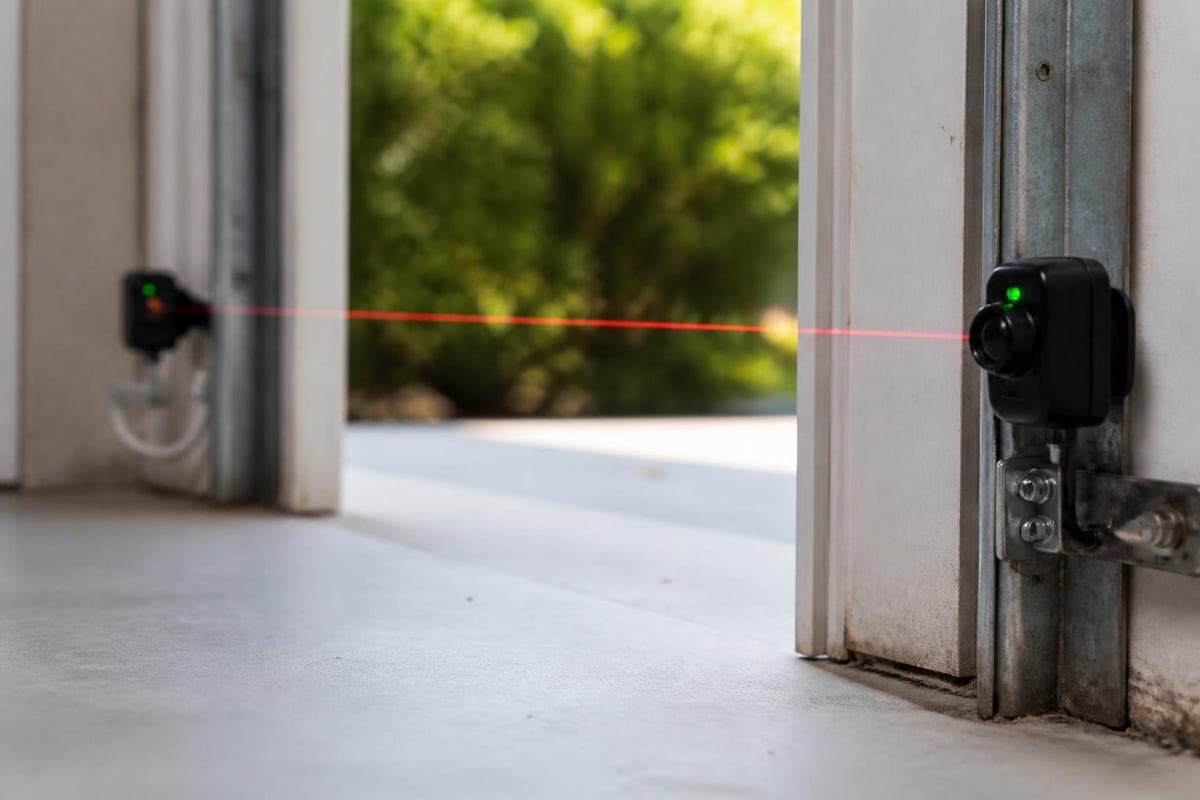
Safety sensors represent the most frequent culprit when garage door do not close completely. These photoelectric eyes mount on either side of the door opening, approximately six inches above the ground. One sensor emits an infrared beam while the opposite sensor receives it.
If anything interrupts this beam during the closing cycle, the door immediately reverses direction. This safety mechanism has prevented countless injuries since becoming mandatory, but sensors require proper alignment and clean lenses to function correctly.
Common Reasons Garage Door Do Not Close
Multiple factors can prevent your garage door from closing properly. Understanding these common issues helps you determine whether you can fix the problem yourself or need professional assistance.
Misaligned or Dirty Safety Sensors
Safety sensor problems account for approximately 60% of closure failures. Sensors can become misaligned from:
- Accidental bumps or impacts
- Vibration from regular door operation
- Settling of the door frame or mounting brackets
- Dirt, dust, or spider webs on the sensor lenses
When sensors lose alignment, the receiving unit cannot detect the infrared beam, triggering the safety mechanism that prevents closure.
Obstructions in the Door's Path
Physical obstructions represent another frequent cause when garage door do not close. Common culprits include:
- Tools, bicycles, or storage items placed too close to the door opening
- Debris accumulation in the door tracks
- Ice buildup during winter months
- Small objects knocked into the sensor beam path
Even minor obstructions can trigger the reversal mechanism, especially if they interrupt the sensor beam.
Track Alignment Issues
Garage door tracks must remain perfectly aligned for smooth operation. When tracks shift out of position, the door may:
- Close partially then reverse
- Stop midway and refuse to move
- Make grinding or scraping sounds
- Appear visibly crooked during operation
Track problems often result from loose mounting brackets, impact damage, or gradual settling of the structure. For significant track issues, professional garage door repair ensures safe correction without further damage.
Mechanical Components Affecting Closure
Beyond sensors and tracks, several mechanical components directly impact whether garage door do not close successfully.
Spring System Problems
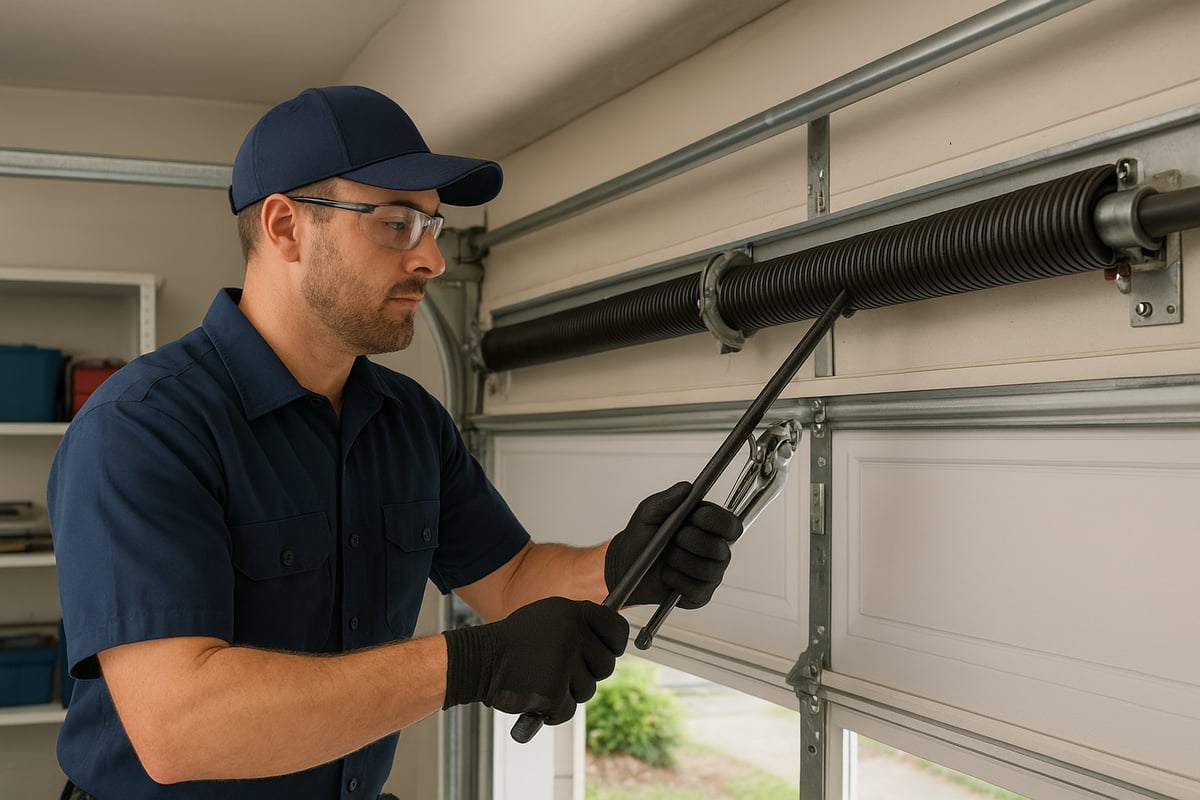
Garage door springs counterbalance the door's weight, making it possible for the opener motor to lift and lower the door smoothly. Torsion springs typically last 10,000 to 15,000 cycles, while extension springs may last slightly less depending on usage patterns.
When springs weaken or break, the door becomes too heavy for the opener to manage safely. The opener's built-in safety mechanism may prevent closure to avoid motor burnout or potential injury. Attempting to manually close a door with broken springs poses serious safety risks due to the extreme weight.
Professional spring replacement addresses this issue safely. This Old House provides detailed guidance on recognizing spring-related closure problems and understanding when professional service becomes necessary.
Limit Setting Adjustments
Garage door openers include adjustable limit settings that determine how far the door travels during opening and closing cycles. Close limit settings tell the motor when the door has reached the fully closed position.
| Limit Setting Issue | Symptom | Solution |
|---|---|---|
| Close limit set too high | Door reverses before touching floor | Adjust close limit downward |
| Close limit set too low | Door presses hard into floor, then reverses | Adjust close limit upward |
| Limit drift over time | Inconsistent closing position | Recalibrate both limits |
Improper limit settings create the impression that garage door do not close when actually the opener simply stops at the wrong position.
Force Setting Problems
Modern openers also feature adjustable force settings that control how much resistance the door can encounter before reversing. These settings prevent the door from crushing objects or injuring people.
Down force settings that are too sensitive may cause the door to reverse at the slightest resistance, including normal friction from weather seals or track rollers. Conversely, settings that are too aggressive can damage the door or opener and pose safety hazards.
Troubleshooting Steps When Garage Door Do Not Close
When faced with a garage door that refuses to close, systematic troubleshooting identifies the root cause efficiently. Follow these steps in order to diagnose the problem.
Visual Inspection First
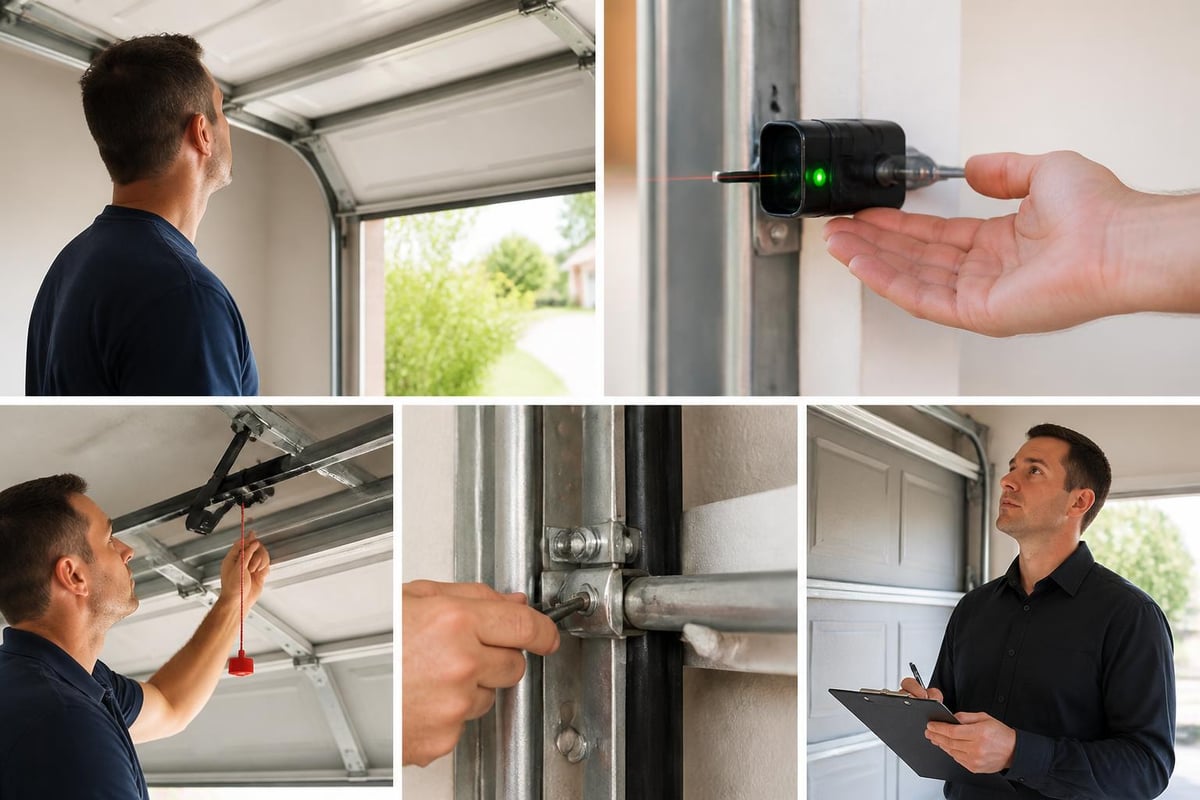
Begin with a thorough visual examination:
- Check for obvious obstructions in the door's path, including items on the floor and debris in the tracks
- Examine safety sensors for alignment, with both indicator lights glowing steadily
- Inspect the door's position in the tracks, looking for any binding or misalignment
- Look for visible damage to panels, tracks, springs, or cables
This initial assessment often reveals simple problems with quick fixes. Broten Garage Door Sales emphasizes the importance of systematic visual inspection before attempting more complex troubleshooting.
Testing Safety Sensors
If visual inspection reveals no obvious issues, test the safety sensors:
- Clean both sensor lenses with a soft, dry cloth
- Verify that both indicator lights are illuminated (check your owner's manual for proper light patterns)
- Gently adjust sensor brackets to ensure both units point directly at each other
- Attempt to close the door while watching the sensor lights
When sensor lights blink or fail to illuminate, the problem likely stems from misalignment, wiring issues, or sensor failure.
Manual Operation Test
Testing manual operation helps differentiate between mechanical and electrical problems:
- Disengage the opener by pulling the emergency release cord
- Attempt to manually raise and lower the door
- Note any unusual resistance, binding, or imbalance
- Observe whether the door stays in place when raised halfway (indicating proper spring balance)
Difficulty during manual operation suggests mechanical issues with springs, tracks, or rollers rather than opener or electrical problems. For persistent garage door problems that resist simple fixes, professional diagnosis prevents further damage.
Opener-Related Issues
Sometimes garage door do not close due to problems with the opener unit itself rather than the door mechanism.
Remote Control and Wall Button Problems
Before assuming complex mechanical failures, verify that control systems function properly:
- Test both the remote control and wall button to determine if one works while the other doesn't
- Replace remote batteries even if they seem functional, as weak batteries can cause intermittent operation
- Check for stuck buttons on wall-mounted controls that may prevent proper signal transmission
- Verify the wall button's wiring connection at both the opener unit and the button itself
When only the remote fails while the wall button works normally, the problem lies with the remote rather than the door or opener.
Opener Motor and Gear Issues
Older garage door openers may experience mechanical wear that affects closing capability:
| Component | Common Issue | Typical Lifespan |
|---|---|---|
| Main gear | Stripped teeth prevent movement | 12-15 years |
| Motor capacitor | Weak starting power | 8-12 years |
| Circuit board | Electronic failures | 10-15 years |
| Drive chain/belt | Excessive slack or wear | 10-20 years |
When the opener motor runs but the door doesn't move, or when unusual grinding sounds accompany operation, internal opener components may have failed. Modern garage door opener technology offers significantly improved reliability and features compared to units manufactured before 2020.
Environmental Factors in Kitsap County
Pacific Northwest weather patterns create unique challenges that can cause garage door do not close situations for Bainbridge Island and Kitsap County residents.
Moisture and Temperature Effects
The region's high humidity and temperature fluctuations affect garage door operation:
- Wood doors expand during wet seasons, potentially binding in tracks
- Metal components can rust or corrode without proper maintenance
- Weather seals become stiff in cold weather, increasing resistance
- Electronic components may malfunction in extreme temperature swings
Regular maintenance adapted to local climate conditions prevents many weather-related closure problems. Homeowners should inspect and lubricate moving parts at least twice annually, ideally in spring and fall.
Seasonal Maintenance Considerations
Kitsap County's distinct seasons require specific attention:
Winter preparation includes checking weather seals, lubricating cold-sensitive components with appropriate products, and ensuring tracks remain clear of ice. Summer maintenance focuses on keeping sensors clean from dust and ensuring adequate ventilation for opener motors in warm weather.
Precision Garage Door Service offers insights into seasonal factors affecting garage door performance across different climate zones.
When to Call Professional Help
While many situations where garage door do not close can be resolved through DIY troubleshooting, certain circumstances require professional expertise.
Safety-Critical Situations
Never attempt repairs in these scenarios:
- Broken or damaged springs
- Frayed or broken cables
- Severely bent or damaged tracks
- Electrical issues with the opener
- Doors that fall rapidly when manually released
These situations pose serious injury risks. Professional technicians have specialized tools, training, and experience to address dangerous repairs safely. For urgent issues requiring immediate attention, emergency garage door repair services provide rapid response.
Complex Diagnostic Requirements
Some problems resist straightforward diagnosis:
- Intermittent failures that occur sporadically
- Multiple simultaneous symptoms
- Recent installation issues
- Unusual sounds without obvious causes
- Electronic or programming complications
Professional technicians bring diagnostic equipment and comprehensive system knowledge that enables efficient problem identification. DoorServPro’s complete guide emphasizes the value of professional assessment for persistent issues.
Cost-Benefit Analysis
Consider professional service when:
- DIY attempts have failed to resolve the problem after following systematic troubleshooting
- Time constraints prevent thorough personal investigation and repair
- Tool requirements exceed what you own or want to purchase for a single repair
- Warranty concerns exist, as DIY repairs may void manufacturer coverage
Professional service often proves more economical than trial-and-error parts replacement or potential damage from incorrect repairs.
Preventive Measures to Avoid Closure Problems
Proactive maintenance significantly reduces the likelihood that garage door do not close issues will arise.
Monthly Visual Checks
Perform quick monthly inspections:
- Watch the door operate through a complete cycle, listening for unusual sounds
- Check spring tension by disconnecting the opener and lifting the door manually
- Verify that safety sensors remain aligned with steady indicator lights
- Look for loose hardware, particularly on track mounting brackets
- Test the emergency release mechanism to ensure it functions properly
These simple checks take less than five minutes but catch developing problems early. Understanding year-round maintenance practices helps maintain optimal performance throughout all seasons.
Lubrication Schedule
Proper lubrication reduces friction and wear:
| Component | Recommended Lubricant | Frequency |
|---|---|---|
| Torsion springs | Garage door lubricant spray | Every 3 months |
| Rollers (metal) | White lithium grease | Every 6 months |
| Hinges | Garage door lubricant spray | Every 6 months |
| Track surfaces | Minimal – clean only | Annually |
| Chain drive | Chain-specific lubricant | Every 6 months |
Never use WD-40 for long-term lubrication, as it attracts dust and breaks down quickly. Purpose-designed garage door lubricants provide superior performance.
Component Replacement Timing
Anticipate component lifespans to schedule replacements before failures occur:
- Springs: Every 7-10 years with average use (10,000+ cycles)
- Rollers: Every 5-7 years for nylon wheels, 10-15 years for steel
- Weather seals: Every 3-5 years depending on exposure
- Opener units: Every 12-15 years for modern models
Proactive replacement prevents situations where garage door do not close due to worn-out parts.
Understanding Garage Door Opener Technology
Modern garage door openers incorporate advanced features that affect closure behavior and troubleshooting approaches.
Smart Opener Features
Contemporary openers installed in 2026 often include:
- Wi-Fi connectivity enabling smartphone control and monitoring
- Battery backup systems maintaining operation during power outages
- Automatic force adjustment that adapts to changing conditions
- Diagnostic reporting that identifies specific problems via app notifications
These features sometimes create unfamiliar symptoms when garage door do not close. For example, smart openers may refuse closure if the app detects unusual force patterns, even when mechanical components appear normal. Advanced Garage Door discusses how modern safety features sometimes trigger unnecessary reversals.
Sensor Technology Evolution
Safety sensors have evolved significantly:
First-generation sensors (1993-2005) used basic infrared beams with simple alignment requirements. Second-generation sensors (2006-2018) added self-diagnostic features and improved weather resistance. Current third-generation sensors (2019-present) incorporate smart detection algorithms that distinguish between genuine obstructions and false triggers.
Understanding your sensor generation helps troubleshoot appropriately. Newer sensors provide diagnostic information through LED light patterns that indicate specific problems.
DIY Repair Limitations and Realistic Expectations
While homeowners can address many situations where garage door do not close, recognizing limitations prevents frustration and potential injury.
Skills and Tools Required
Successful DIY repairs require:
- Basic mechanical aptitude
- Appropriate tools (wrenches, screwdrivers, level, ladder)
- Safety equipment (gloves, eye protection)
- Patient systematic troubleshooting approach
- Understanding of when to stop and call professionals
Never work alone on garage door repairs, especially when dealing with spring tension or heavy door panels.
Time Investment Reality
Simple fixes like sensor cleaning take 10-15 minutes. More complex issues like track adjustment or limit setting calibration may require 1-2 hours. Factor in research time, parts acquisition, and potential do-over attempts when planning DIY repairs.
For busy homeowners throughout Bainbridge Island and Kitsap County, professional service often represents the most efficient path to resolution, particularly for issues affecting security or preventing vehicle access.
Long-Term Solutions and Upgrades
Persistent problems where garage door do not close may indicate the need for comprehensive solutions beyond simple repairs.
Complete Door Replacement Considerations
Consider full door replacement when:
- Repair costs approach 50% of new door installation expenses
- Multiple components require simultaneous replacement
- Age exceeds 20 years for the current door
- Energy efficiency concerns exist with uninsulated or poorly sealed doors
- Aesthetic updates align with home improvement projects
Modern garage doors offer superior insulation, quieter operation, enhanced security features, and improved reliability compared to models manufactured before 2015. Exploring options for complete garage door installation may provide better long-term value than continued repairs on aging systems.
Opener Replacement Benefits
Upgrading to a contemporary opener resolves many chronic issues:
- Quieter operation with belt-drive or direct-drive systems
- Enhanced security through rolling code technology and smartphone monitoring
- Improved safety via advanced sensor systems and automatic force adjustment
- Convenience features including timer-to-close and vacation mode settings
- Better reliability through refined engineering and quality components
When opener-related problems cause garage door do not close situations repeatedly, replacement often proves more economical than ongoing repairs.
Comprehensive System Evaluation
Professional technicians can perform complete system assessments that identify:
- Components approaching end-of-life
- Safety hazards requiring correction
- Efficiency improvements that reduce operating costs
- Upgrade opportunities that enhance convenience and security
This holistic approach prevents future problems and optimizes overall system performance. The expertise available through established local providers ensures appropriate solutions for Pacific Northwest conditions.
Material-Specific Closure Issues
Different garage door materials present unique challenges that can cause garage door do not close problems.
Steel Door Considerations
Steel doors dominate residential installations due to durability and affordability. However, they can experience:
- Panel denting from impacts that interferes with track alignment
- Rust development in coastal environments like Bainbridge Island
- Insulation settling that changes door weight distribution
- Paint deterioration exposing metal to corrosion
Regular inspection catches these issues before they affect closure capability.
Wood Door Maintenance
Wood garage doors require specialized care:
- Seasonal expansion/contraction affects fit within the opening
- Weather seal degradation occurs faster than with synthetic materials
- Paint or stain maintenance prevents moisture absorption and warping
- Hardware corrosion from wood preservative chemicals
Wood door owners should expect more frequent maintenance and adjustment to maintain proper closure.
Composite and Fiberglass Options
Modern composite materials offer advantages:
| Material | Key Benefit | Closure-Related Advantage |
|---|---|---|
| Steel-composite | Dent resistance | Maintains track alignment |
| Aluminum-composite | Light weight | Reduces spring/opener stress |
| Fiberglass overlay | Weather resistance | Minimizes seasonal expansion |
| Vinyl-clad | Low maintenance | Consistent dimensions |
Understanding your door's material helps anticipate and prevent closure problems specific to that construction type.
Resolving situations where garage door do not close requires systematic troubleshooting, appropriate safety precautions, and knowing when professional expertise provides the best solution. Whether addressing sensor misalignment, mechanical wear, or environmental factors affecting operation, prompt attention prevents security risks and protects your investment. For homeowners throughout Kitsap County facing persistent garage door challenges, NextLevel Garage Co. brings local expertise, quality workmanship, and clear communication to every service call, ensuring your garage door operates safely and reliably for years to come.