

Picture this: you are rushing out the door, but your garage door will not budge. In these moments, knowing how to handle quick fix garage doors can make all the difference for your peace of mind.
This guide will equip you with reliable, step-by-step solutions to the most common garage door problems in 2026. Discover troubleshooting basics, fast DIY repairs, expert advice on when to call a professional, essential maintenance tips, and the latest innovations in garage door technology.
Take action now to keep your garage secure and convenient with quick fix garage doors strategies.
Understanding Modern Garage Door Systems in 2026
A well-functioning garage door is essential for home security and daily convenience. Before jumping into quick fix garage doors solutions, it's vital to understand the system you are working with. Modern garage doors in 2026 are more advanced than ever, blending classic mechanical parts with the latest smart technology. This knowledge forms the foundation for accurate troubleshooting and safe repairs.
Types of Garage Doors in 2026
Homeowners in 2026 can choose from several garage door types, each offering unique advantages. The most common options include:
- Sectional doors: Made of horizontal panels that slide upward, these are the most popular due to their reliability and insulation.
- Roll-up doors: Designed for tight spaces, these doors coil into a compact roll above the opening.
- Tilt-up doors: These single-panel doors pivot outward and upward, often found in older homes.
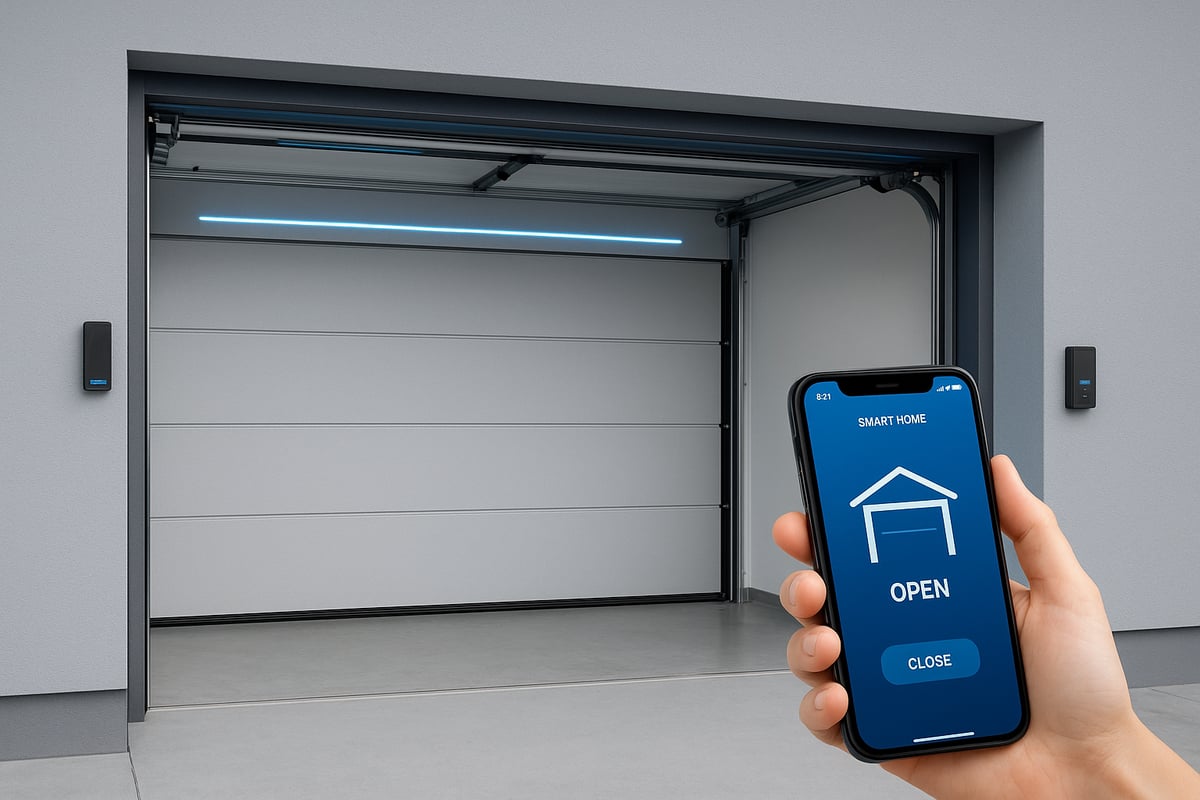
- Smart garage doors: Integrated with automation, these feature built-in Wi-Fi, app controls, and enhanced security.
Over 60% of new homes in 2025 included smart garage door access, reflecting the growing demand for convenience and connectivity in quick fix garage doors solutions.
Key Components and How They Work
Regardless of style, every garage door system relies on several critical components:
| Component | Function |
|---|---|
| Springs | Counterbalance the door's weight |
| Cables | Lift and lower the door |
| Rollers | Guide the door along its track |
| Tracks | Keep the door aligned during movement |
| Opener | Powers automatic opening and closing |
| Sensors | Ensure safe operation and object detection |
| Control Panel | Central interface for user settings |
Understanding each part is crucial when attempting quick fix garage doors tasks. A problem with just one component can affect the entire system, so a thorough inspection helps pinpoint where issues may arise.
Smart Technology Advancements
The evolution of smart technology has transformed garage doors from simple mechanical devices into sophisticated entry systems. Features like home automation, voice control, and smartphone integration are now standard in many homes. Enhanced security options, such as encrypted wireless remotes and real-time alerts, offer peace of mind.
To get a deeper look at these innovations, explore the Understanding Garage Door Opener Technologies resource, which details how modern openers and sensors work together for seamless operation.
With smart systems, quick fix garage doors troubleshooting often involves checking digital diagnostics, updating firmware, or re-syncing devices, all of which can be managed from your phone.
Common Vulnerabilities in Modern Systems
Even with technological advances, certain vulnerabilities persist in 2026 garage door systems:
- Sensor misalignment: Causes doors not to close or reverse unexpectedly.
- Worn or broken springs: Lead to difficulty opening doors or sudden failures.
- Obstructed tracks or rollers: Result in noisy or jerky movement.
- Connectivity issues: Interrupt smart controls or remote operation.
Quick fix garage doors strategies are most effective when these common weak spots are identified early. Regular checks help prevent small issues from turning into major repairs.
Why System Familiarity Matters for Safety
Attempting repairs without understanding your garage door system can be dangerous. High-tension springs and electrical components pose significant risks if mishandled. Before performing any quick fix garage doors maintenance, always review your system’s manual and observe safety guidelines.
If you are ever unsure, consult a professional. Recognizing the limits of DIY can prevent accidents and ensure your garage remains a safe, reliable entry point to your home.
Quick Fixes for Common Garage Door Problems
Garage door trouble can strike at the worst moments. Knowing how to handle quick fix garage doors issues can restore your peace of mind swiftly. This section will help you diagnose problems, offer practical DIY fixes, and clarify when professional help is essential.
Diagnosing the Issue
Before attempting any repairs on quick fix garage doors, accurately identifying the root cause is crucial. Start with a visual inspection. Look for misaligned tracks, loose cables, or physical obstructions. Next, listen for unusual noises such as grinding, banging, or squeaking, as these can indicate worn rollers or faulty springs.
Check the door’s balance by manually lifting it halfway. If it does not stay in place, the springs may be the culprit. Common symptoms to watch for include doors that will not open or close, remotes failing to respond, excessive noise, or the door coming off track.
Modern quick fix garage doors equipped with smart systems often have built-in diagnostic features. Use the control panel or smartphone app to check for error codes or sensor alerts. For example, recent service data shows that faulty sensors cause 35 percent of “door won’t close” issues. By leveraging these diagnostic tools, you can pinpoint problems faster and avoid unnecessary repairs.
Remember, an accurate diagnosis saves time and prevents further damage. Always prioritize safety by observing electrical components and high-tension parts from a distance during your inspection.
Fast DIY Solutions for Garage Door Malfunctions
Once you have identified the problem, several quick fix garage doors tasks can be tackled without professional help. Begin by resetting the garage door opener. Unplug the unit for 30 seconds, then reconnect it to clear temporary glitches and error codes.
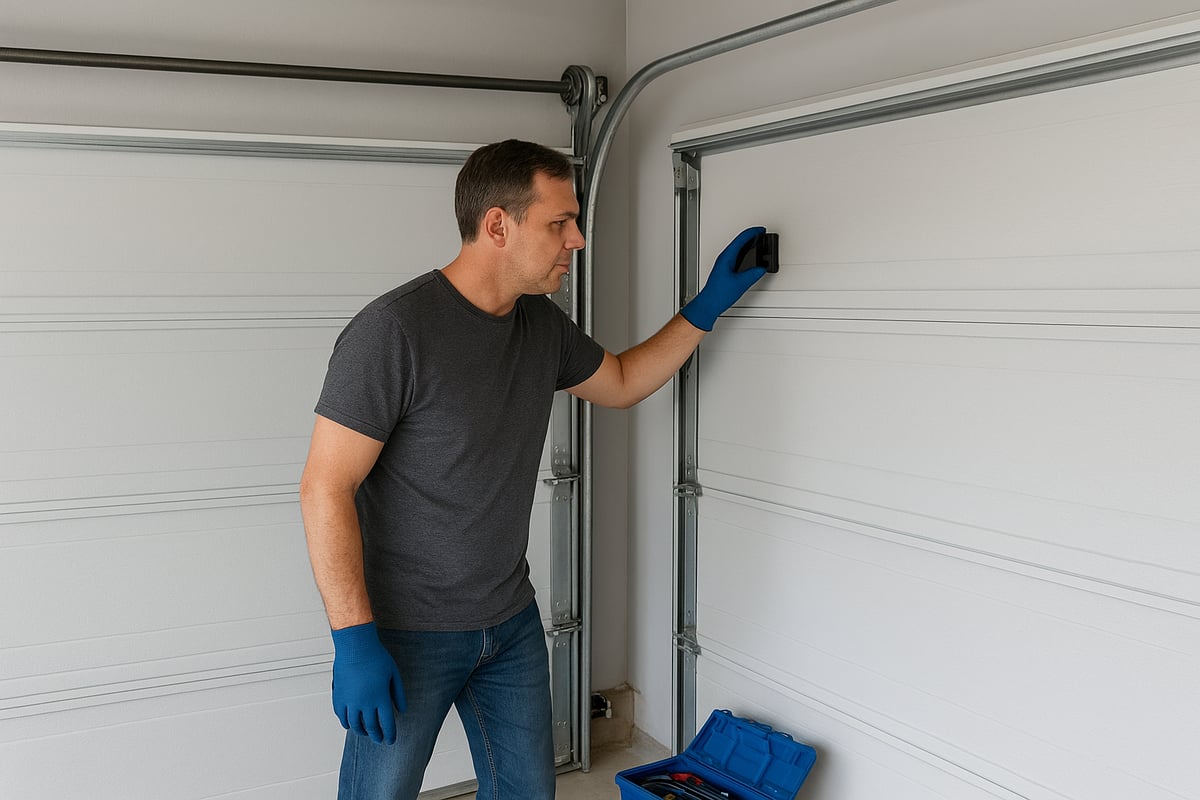
If the door fails to close, inspect the safety sensors. Wipe dust or debris from their lenses and ensure they face each other. Realigning misaligned sensors can resolve most non-closing door cases in under 10 minutes.
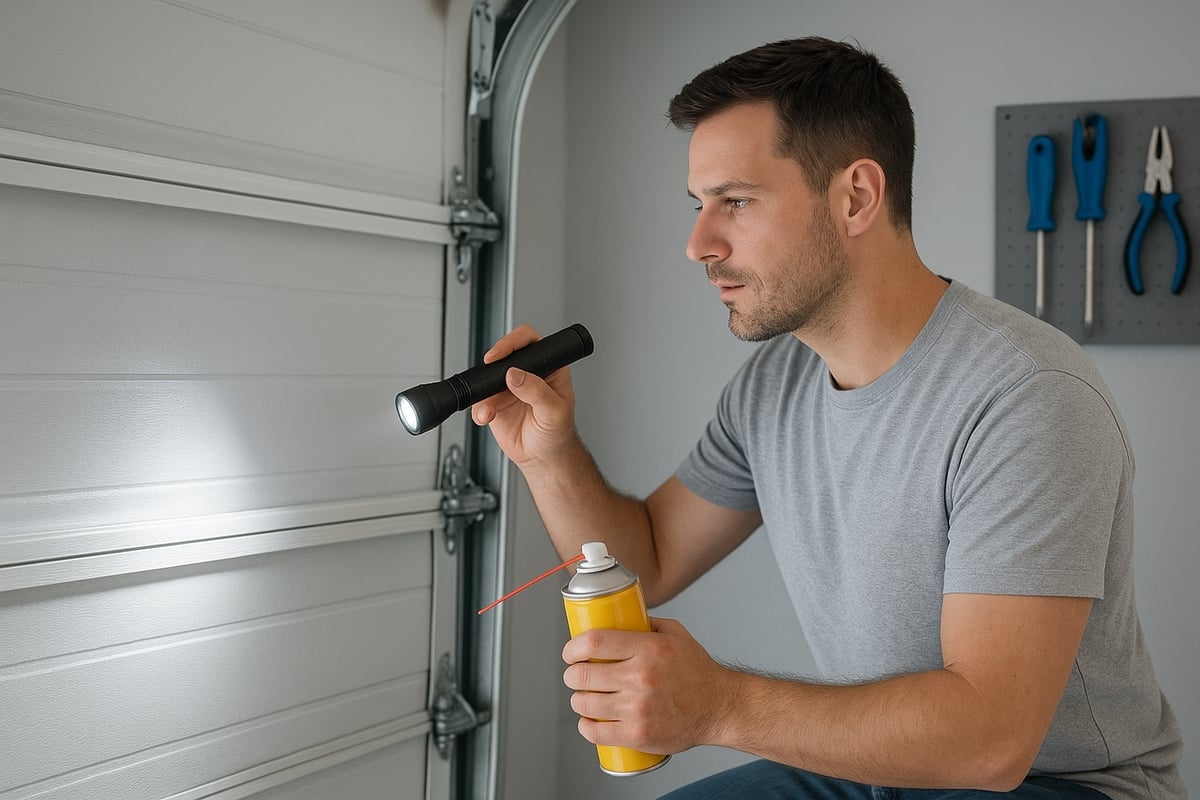
Lubricating moving parts is another vital step. Use a silicone-based spray on rollers, hinges, and tracks to reduce friction and noise. Routine lubrication extends the life of your quick fix garage doors and prevents costly breakdowns.
Tighten any loose hardware with a wrench. Screws, bolts, and brackets can loosen over time, affecting the door’s movement. Also, check for obstructions along the tracks. Remove any debris, small stones, or tools that might block the door’s path.
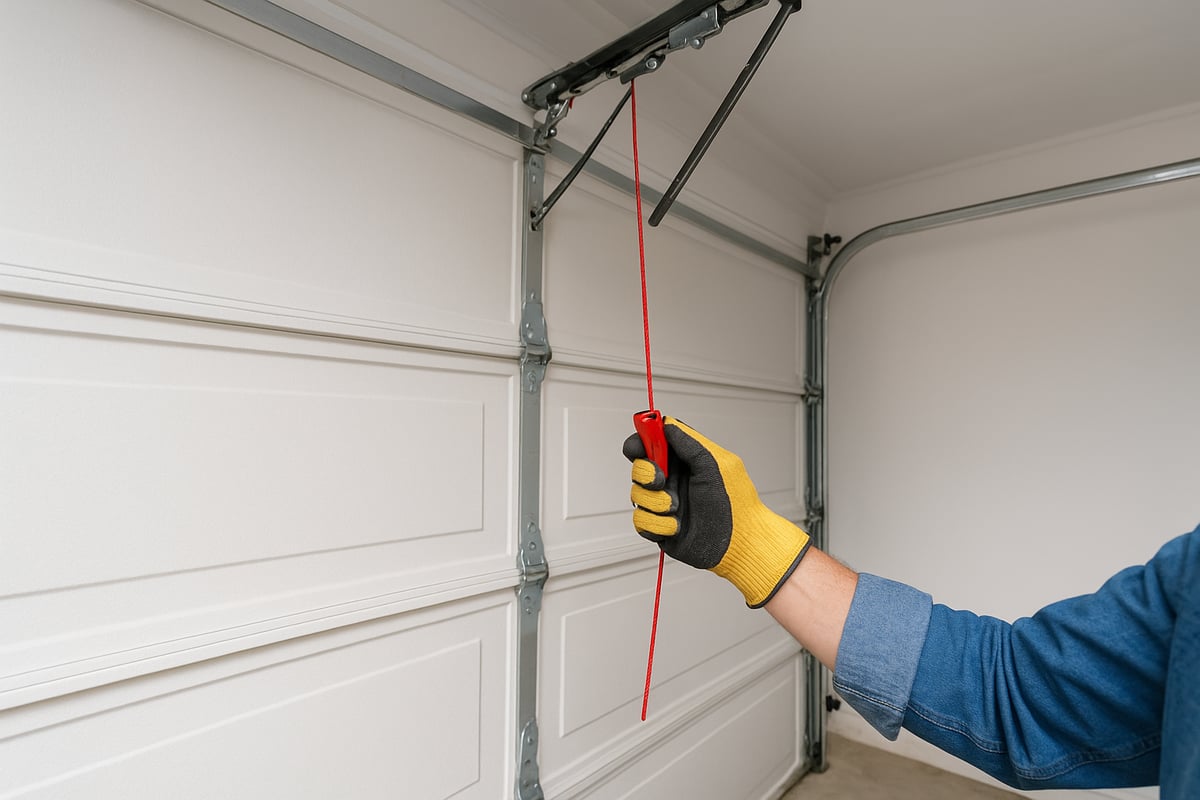
During a power outage, you may need to operate your quick fix garage doors manually. Locate the emergency release cord, usually a red handle, and gently pull it to disengage the opener. Lift the door carefully and secure it in place before moving your vehicle.
Always disconnect power to the opener before performing hands-on repairs. This minimizes the risk of electrical shock or accidental activation. For more detailed steps on urgent fixes, refer to the Emergency Garage Door Repair Guide, which provides additional support for immediate solutions.
When to Call a Professional
While some quick fix garage doors problems can be addressed at home, certain repairs require expert intervention. Broken springs and frayed cables are under high tension and can cause serious injury if mishandled. If you hear a loud bang or notice the door hanging unevenly, stop and contact a professional.
Electrical issues, such as opener motor malfunctions or faulty wiring, pose significant risks. Signs of deeper structural issues include persistent door misalignment, repeated sensor failures, or visible damage to panels and tracks. Attempting DIY repairs on these problems can lead to further damage or void warranties.
Statistics show that spring replacement injuries account for 15 percent of emergency room visits related to garage doors. Professionals offer specialized tools, safety protocols, and warranties that ensure long-term reliability for your quick fix garage doors.
Relying on trained technicians not only preserves your safety but also protects the structural integrity of your door system. When in doubt, seeking professional help is the best course of action.
Step-by-Step Emergency Garage Door Repair Guide
Facing a garage door emergency can be stressful, especially when you need a solution fast. This guide provides clear, actionable steps to tackle urgent issues with quick fix garage doors, so you regain security and convenience without delay.
Stuck Garage Door: Quick Release and Manual Operation
If your garage door suddenly refuses to move, the first step is to stay calm and assess the situation. Quick fix garage doors often have an emergency release cord, usually a red handle hanging from the opener rail. Locate this cord while the door is in the closed position, then pull it down firmly. This disconnects the opener, allowing you to operate the door manually.
Before lifting, check for visible obstructions on the tracks or under the door. Remove any items that might be blocking movement. With the opener disengaged, carefully lift the door using both hands. If the door feels unusually heavy or does not move smoothly, stop and avoid forcing it.
Secure the open door with a clamp or locking pliers on the track to prevent it from sliding down unexpectedly. Troubleshoot the root cause: Was there a power outage? Are the tracks misaligned or blocked? These are common reasons for stuck quick fix garage doors.
After resolving the issue, re-engage the opener by pulling the emergency release cord toward the door and cycling the opener with your remote or wall switch. This ensures your door returns to automatic operation.
Remember, using the manual release is a temporary solution designed for emergencies. Always prioritize safety, and never attempt repairs on high-tension components while the door is in manual mode.
Fast Fixes for Broken Springs and Cables
Broken springs or snapped cables are among the most dangerous garage door issues. Signs include a loud bang, uneven door movement, or the door slamming shut. If you suspect a spring or cable failure in your quick fix garage doors, do not attempt a full repair yourself.
First, avoid using the opener, as this can cause further damage or injury. Support the door from underneath with a sturdy object to prevent it from falling. If a cable is loose, gently secure it away from moving parts. These are only temporary measures until professional help arrives.
Never try to replace springs or cables on your own. The high-tension components in quick fix garage doors can cause serious harm if handled incorrectly. According to industry data, spring replacement injuries account for a significant percentage of garage door repair ER visits.
For safe, reliable repairs, trust certified technicians who have the proper tools and training. If you are unsure where to find help, consider reviewing Professional Garage Door Repair Services to understand when expert intervention is necessary and what to expect from a service call.
Temporary bracing techniques can prevent further damage, but always treat these as stopgap solutions. Prioritize your safety and the long-term reliability of your garage door system by contacting a professional for critical repairs.
Resolving Sensor and Remote Issues Instantly
Sensor and remote failures are among the most common quick fix garage doors problems. If your door will not close, start by inspecting the safety sensors on either side of the garage door frame. Wipe the lenses with a clean, dry cloth and ensure they are perfectly aligned facing each other. Even a slight misalignment can trigger a safety lockout.
Test the door again. If the issue persists, check your remote. Replace its batteries and attempt to reprogram it according to your model’s instructions, especially if you have a 2026 smart opener. Many quick fix garage doors now feature diagnostic lights or app-based alerts to help pinpoint remote or sensor errors.
Interference from nearby Wi-Fi routers or Bluetooth devices can also disrupt operation. Try moving these devices or resetting your opener’s wireless settings. For added security, reset your access codes if you suspect unauthorized attempts to operate your door.
Most remote and sensor issues can be resolved in minutes, restoring your quick fix garage doors to full function. Always follow safety guidelines and consult your owner’s manual for model-specific troubleshooting steps.
Preventative Maintenance for Long-Term Reliability
Consistent preventative maintenance is crucial for ensuring your garage door operates safely and efficiently year-round. By making quick fix garage doors care part of your routine, you can reduce unexpected breakdowns and extend the lifespan of your system. Homeowners who follow a maintenance schedule enjoy quieter operation, improved security, and fewer costly repairs.
Routine Checks and Seasonal Care
Establishing a monthly inspection routine is the foundation of long-term reliability for quick fix garage doors. Start with a visual check of springs, cables, rollers, and tracks, looking for signs of wear, fraying, or misalignment. Listen for unusual noises during operation, which often indicate a need for lubrication or tightening.
Each season brings its own challenges. In colder months, lubricate all moving parts with a silicone-based product to prevent sticking, and check weather-sealing for cracks or gaps. When temperatures rise, tighten hardware and inspect the opener’s performance. Regular lubrication can reduce noise and extend the life of rollers by up to 40 percent.
Use a checklist to stay organized:
- Inspect springs and cables for tension and wear
- Lubricate rollers, hinges, and tracks
- Test the balance of the door
- Clean and align safety sensors
- Examine weather-stripping for leaks
By scheduling annual professional maintenance, you can catch small issues before they become major problems. For more detailed advice, see these Year-Round Garage Door Maintenance Tips, which complement the quick fix garage doors strategies outlined here.
Upgrading for Durability and Security
Modernizing your garage door system is a smart investment for safety and efficiency. Replacing outdated openers with smart, secure models not only improves convenience but also reduces the risk of unauthorized entry. Quick fix garage doors upgrades include installing reinforced panels to withstand impacts and high-cycle springs designed for extended use.
Surge protection is essential for safeguarding electronic openers from power surges, especially during storms. Consider adding features like auto-reverse, motion detection, and remote monitoring. These enhancements provide peace of mind and help you stay ahead of potential issues.
Industry data shows that upgraded smart openers can reduce forced entry attempts by 50 percent. Combining robust materials with advanced technology ensures your garage remains secure and functional, no matter the season.
Cost Savings and Efficiency Tips
Investing in preventative care and upgrades for quick fix garage doors pays off in both the short and long term. Insulating your garage door with energy-efficient materials helps maintain indoor temperatures and can lower utility bills. Compare the costs of DIY maintenance versus hiring a professional—while DIY tasks like lubrication are affordable, complex repairs are best left to experts.
Preventative maintenance saves homeowners an average of $300 per year in repairs, according to recent service data. Always check warranty terms when installing new components, as many manufacturers offer extended coverage for upgraded systems. By staying proactive, you protect your investment and ensure your garage door’s reliability for years to come.
Latest Trends and Innovations in Garage Door Solutions for 2026
The world of garage doors is evolving rapidly in 2026. Homeowners now expect more than just basic open and close—they want intelligence, connectivity, and sustainability. Quick fix garage doors are at the heart of this transformation, offering solutions that blend speed, reliability, and advanced technology.
AI Diagnostics and Predictive Maintenance
Among the most significant innovations are AI-powered diagnostics. These systems continuously monitor the health of your garage door. They detect unusual patterns, predict potential failures, and send instant alerts to your smartphone before a breakdown happens.
For example, AI-powered openers are now capable of predicting worn springs or motor issues. This proactive approach reduces emergency repairs by 30% compared to traditional systems. If you want to dive deeper into how these advancements are shaping the market, check out this resource on AI-powered garage door systems.
Integration with Smart Home Ecosystems
In 2026, quick fix garage doors do not operate in isolation. They are integrated into broader smart home platforms, offering voice control, geofencing, and real-time app notifications.
Imagine driving up to your home and having the garage door open automatically as you approach. Or, use your voice assistant to check the door status while you are away. Multi-protocol compatibility ensures seamless operation with a range of smart devices.
Self-Lubricating and Sustainable Materials
Modern garage doors now feature self-lubricating rollers and hinges, reducing maintenance needs and extending component life. Eco-friendly materials, such as recycled steel and sustainable wood composites, are trending in new installations.
Manufacturers are prioritizing low-VOC finishes and energy-efficient insulation. These features not only lower your carbon footprint but also improve the overall efficiency of your garage.
| Innovation | Benefit | Popularity in 2026 |
|---|---|---|
| AI Diagnostics | Predicts issues, fewer emergencies | Very High |
| Voice/App Controls | Convenient, hands-free operation | High |
| Self-Lubricating Systems | Lower maintenance, longer lifespan | Growing |
| Eco-Friendly Materials | Sustainability, energy savings | Rapidly rising |
| Biometric Access | Enhanced security, no lost remotes | High |
Advanced Security and Access Controls
Security is a top priority for quick fix garage doors. New models come with encrypted wireless remotes, motion detection, and biometric entry options like fingerprint or facial recognition.
These features make unauthorized access nearly impossible. Remote monitoring allows you to receive instant alerts if your garage is accessed unexpectedly.
Market Growth and Future-Proof Solutions
The smart garage door market is projected to grow by 12% annually through 2027, driven by demand for smarter, more reliable solutions. Industry reports highlight how smart garage door controllers market trends are shaping product development, especially in voice-based operation and multi-protocol support.
When considering upgrades, focus on compatibility with future technologies. Investing in AI diagnostics, eco-friendly materials, and robust security features ensures your garage door remains reliable and relevant for years.
Quick fix garage doors are no longer just about speed. They represent the intersection of technology, security, and sustainability. Embracing these innovations brings peace of mind and lasting value to your home.
Frequently Asked Questions About Quick Fix Garage Doors
Facing a sudden garage door issue can disrupt your day. Below, we answer the most common questions about quick fix garage doors to help you restore safety and convenience quickly.
What are the most common garage door problems in 2026?
In 2026, the most frequent issues with quick fix garage doors include non-responsive openers, misaligned or dirty sensors, worn springs, and connectivity glitches with smart systems. Homeowners also report noisy operation and remote failures as top concerns.
How quickly can a typical repair be completed?
Most repairs for quick fix garage doors can be completed within one hour, especially for simple issues like sensor realignment or remote replacement. Same-day service is now available in 90% of urban areas, thanks to improved logistics and technician availability.
Are DIY repairs safe for all garage door issues?
While some quick fix garage doors problems, such as cleaning sensors or changing remote batteries, are safe for DIY solutions, high-tension spring or cable repairs should always be handled by professionals. Attempting complex repairs yourself can lead to injury or further damage.
What warranties or guarantees are available for repairs and parts?
Professional services for quick fix garage doors typically offer warranties ranging from 1 to 5 years on both labor and parts. Always confirm warranty details before authorizing repairs, as coverage may vary by provider and component.
How do I choose between repair and replacement?
Deciding whether to repair or replace quick fix garage doors depends on the extent of damage, age of the system, and overall cost. If repair expenses approach 50% of replacement, or if your door is outdated, upgrading to a new model is often more cost-effective and reliable.
What are the costs of emergency vs. scheduled repairs?
Emergency repairs for quick fix garage doors usually cost more than scheduled service due to urgent response fees and after-hours labor. For a detailed breakdown of recent pricing trends and what influences repair costs, see this garage door repair cost analysis.
Do smart garage doors require special maintenance?
Yes, smart quick fix garage doors need both traditional and digital upkeep. In addition to lubricating moving parts, regularly update software, check Wi-Fi connectivity, and test safety features to ensure reliability. Keeping up with both mechanical and smart maintenance extends system lifespan.
Is the demand for quick fix garage doors increasing?
Absolutely. The demand for quick fix garage doors is rising, with the global market projected to grow steadily through 2034. For more detailed statistics, refer to recent data on garage door repair market growth.
If you have more questions about quick fix garage doors, consult a certified technician or your door’s manufacturer for tailored advice.
After reading through these practical garage door solutions, you can see how a few quick fixes and preventative steps make all the difference for a secure, smoothly running garage. But sometimes, professional help is the fastest and safest way to restore your peace of mind—especially when dealing with complex repairs or the latest smart technology. If you want expert advice, a trustworthy repair, or just need a second opinion, let’s make it simple. Reach out to a local expert who understands your needs. Call now for a free estimate!
Article written using RankPill.
One Response