

When I think about my garage door, I realize it's one of the most used-and often overlooked-components of my home. Operating multiple times daily, my garage door protects vehicles, provides secure access, and significantly impacts curb appeal and energy efficiency. Yet many homeowners, including those throughout Kitsap County, don't give this hardworking system the attention it deserves until something goes wrong. Understanding how to properly care for, maintain, and troubleshoot my garage door can save thousands in repair costs while extending its operational lifespan well beyond the typical 15-20 year expectancy.
Understanding How My Garage Door Functions
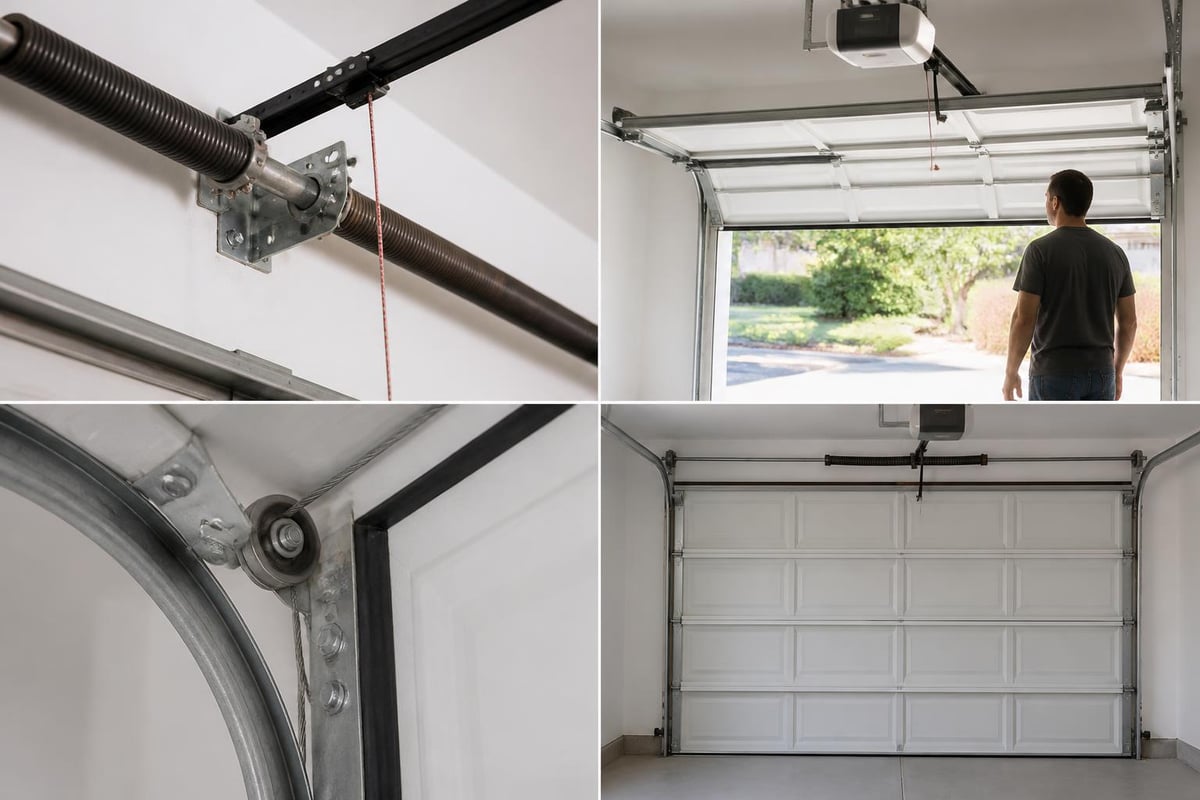
My garage door operates as a carefully balanced mechanical system involving springs, cables, rollers, tracks, and an opener motor working in harmony. The torsion springs mounted above the door or extension springs along the sides provide the counterbalance force that makes a 150-200 pound door feel nearly weightless during operation.
Core Components That Keep My Garage Door Moving
Springs: These are the muscle of my garage door system, bearing most of the weight and tension. Torsion springs typically last 10,000-20,000 cycles depending on quality and usage patterns.
Tracks and Rollers: The vertical and horizontal tracks guide my garage door's movement, while steel or nylon rollers reduce friction. Misaligned tracks can cause binding, uneven movement, or complete failure.
Cables: Steel cables work alongside springs to lift and lower my garage door safely. A broken cable can cause the door to become crooked or drop suddenly.
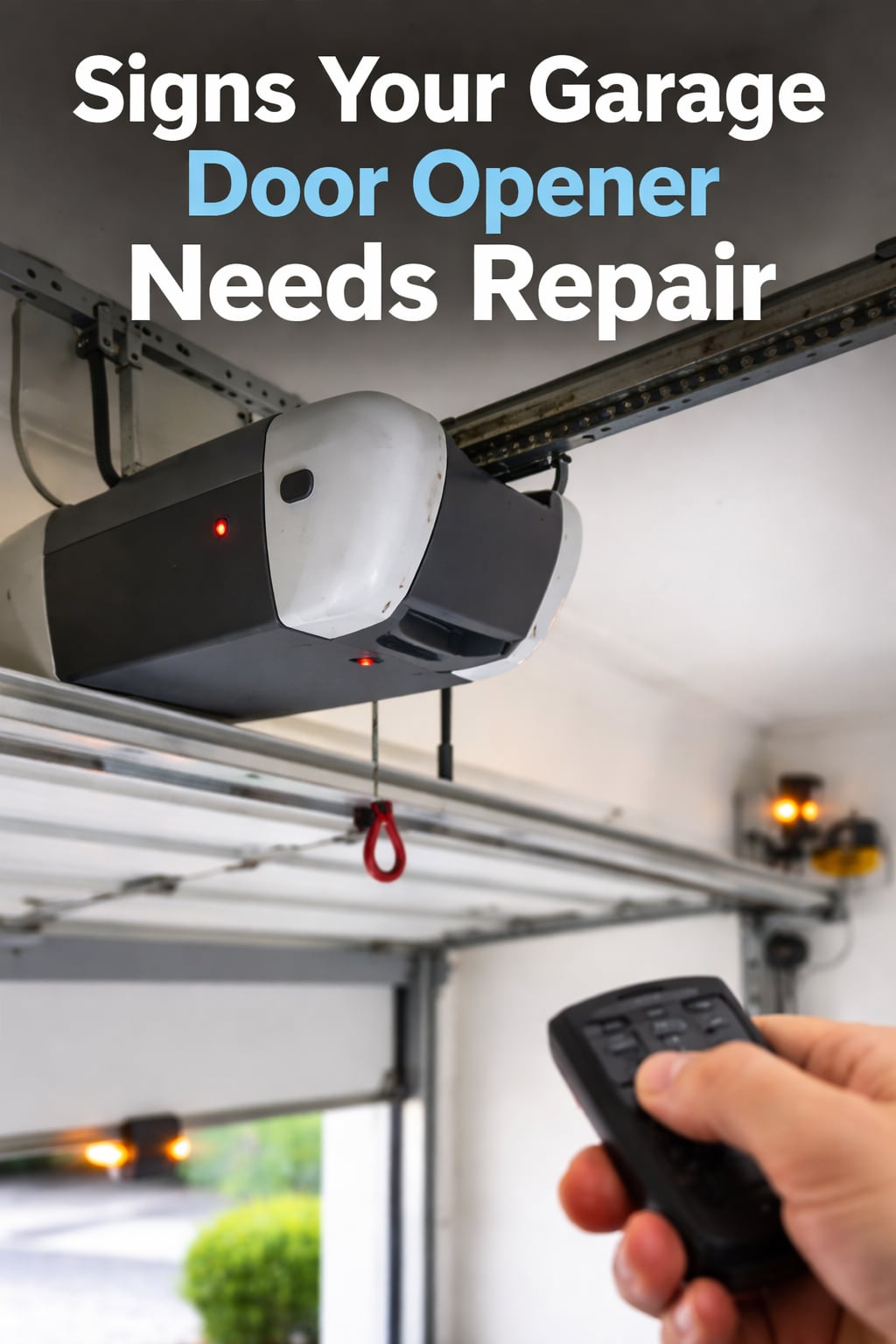
Opener System: The motor unit, chain or belt drive, and safety sensors coordinate automated operation. Modern systems installed in 2026 include smart features and enhanced security protocols.
| Component | Typical Lifespan | Maintenance Frequency |
|---|---|---|
| Torsion Springs | 7-12 years | Annual inspection |
| Extension Springs | 5-10 years | Annual inspection |
| Rollers | 5-7 years | Quarterly lubrication |
| Opener Motor | 10-15 years | Monthly safety test |
| Weather Stripping | 2-5 years | Seasonal check |
Seasonal Maintenance for My Garage Door
Maintaining my garage door requires different attention throughout the year, particularly in the Pacific Northwest climate where moisture, temperature fluctuations, and salt air (near coastal areas like Bainbridge Island) can accelerate wear.
Spring Maintenance Tasks
Spring brings the perfect opportunity to recover from winter weather impacts. I start by thoroughly cleaning my garage door panels with mild detergent and water, removing salt residue, dirt, and debris that accumulated during winter storms.
- Inspect weather stripping for cracks or separation
- Test the auto-reverse safety feature by placing a solid object in the door's path
- Check mounting hardware for loose bolts or brackets
- Apply fresh lubricant to all moving parts
The comprehensive garage door maintenance checklist from Precision Door emphasizes the importance of visual inspections during seasonal transitions.
Summer and Fall Preparations
During warmer months, I focus on ensuring my garage door operates efficiently despite heat expansion. Metal components can expand slightly, affecting alignment and operation. I verify that tracks remain properly spaced and parallel.
Fall maintenance prepares my garage door for winter challenges. I inspect insulation for gaps or damage, replace worn weather stripping, and ensure drainage channels remain clear. These steps directly impact energy efficiency and heating costs, particularly important for Kitsap County homeowners facing increasing energy expenses.
Winter Weather Protection
Winter demands vigilant attention to my garage door's operation. Freezing temperatures can cause lubricants to thicken, metal to contract, and moisture to create ice buildup along the bottom seal.
I keep snow and ice cleared from the door's path, never forcing operation if resistance occurs. If my garage door won't open during freezing conditions, checking for ice bonding the bottom seal to the concrete should be my first troubleshooting step before assuming mechanical failure.
Common Problems I Might Encounter With My Garage Door
Even with diligent maintenance, my garage door will eventually experience wear-related issues. Recognizing early warning signs prevents minor problems from escalating into expensive repairs or safety hazards.
Spring Failure Symptoms
When springs break, my garage door becomes extremely heavy or won't open at all. This represents the most common major repair issue. I should never attempt to operate my garage door with broken springs, as the unbalanced weight can damage the opener motor or cause the door to fall unexpectedly.
Warning signs include:
- Loud bang or snap sound during operation
- Door falls rapidly when opening
- Visible gap in torsion spring coil
- Opener motor runs but door barely moves
Professional Garage Door Spring Repair ensures safe handling of high-tension components that can cause serious injury if mishandled.
Track and Roller Issues
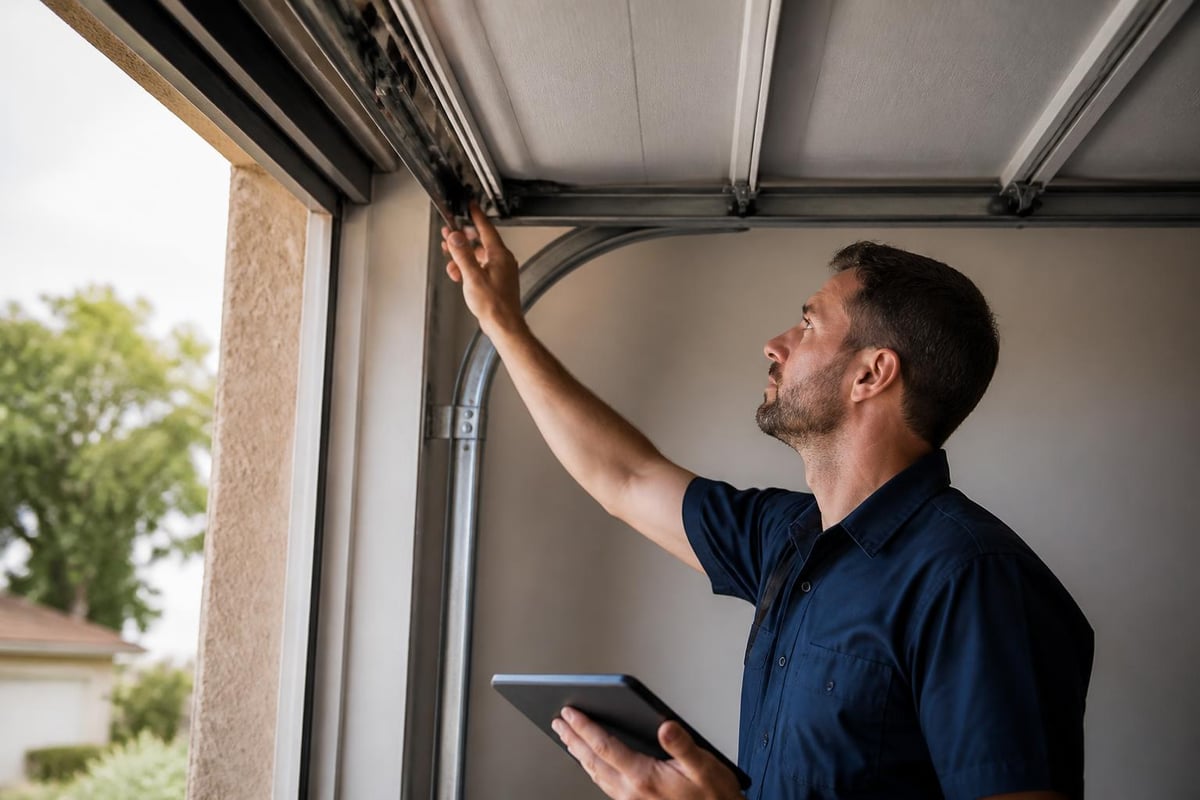
Misaligned tracks cause my garage door to operate roughly, make grinding noises, or bind during movement. I can often spot track problems visually-gaps between rollers and track, bends in the metal, or uneven spacing.
Worn rollers create excessive noise and jerky movement. Steel rollers develop flat spots over time, while nylon rollers can crack or chip. Replacing worn rollers before they seize prevents damage to tracks and other components.
Safety Considerations for My Garage Door
My garage door poses serious safety risks if not properly maintained and operated. According to Amarr’s safety guidelines, garage doors cause thousands of injuries annually, many preventable through basic safety practices.
Monthly Safety Testing Protocol
I test my garage door's auto-reverse function monthly by placing a 2×4 board flat on the ground in the door's path. When closing, the door should immediately reverse upon contacting the obstruction. If it doesn't, I adjust the force settings or contact a professional immediately.
The photo-eye sensors mounted near the floor on each side of my garage door opening provide another safety layer. I test these by waving an object through the beam while closing-the door should stop and reverse instantly.
| Safety Test | Frequency | Expected Result |
|---|---|---|
| Auto-reverse (contact) | Monthly | Immediate reversal upon contact |
| Photo-eye sensors | Monthly | Stop and reverse when beam broken |
| Manual disconnect | Quarterly | Door stays in place when released |
| Balance test | Quarterly | Door holds position halfway open |
Visual Inspection Standards
Each month, I visually inspect my garage door for signs of wear, damage, or deterioration. I look for frayed cables, rust on springs, cracks in panels, and loose hardware. The maintenance guide from The Home Depot provides excellent photographic examples of components requiring attention.
I never place fingers near sections, panels, or hardware while my garage door moves. The pinch points between panels can cause severe crushing injuries.
Lubrication Schedule for My Garage Door
Proper lubrication dramatically extends the life of my garage door components while reducing operational noise and friction. However, using incorrect lubricants or over-lubricating creates problems rather than solving them.
What I Should Lubricate
Every three to four months, I apply silicone-based or lithium-based garage door lubricant to these components:
- Torsion spring coils (light coating along entire length)
- Roller bearings (where shaft enters roller)
- Hinges at all pivot points
- Top of chain or belt drive rail
- Lock mechanism components
What I should never lubricate: tracks themselves. Lubricant on tracks attracts dirt and debris, creating sticky buildup that interferes with roller movement. I only clean tracks with a damp cloth or degreaser when needed.
For comprehensive visual guidance on proper lubrication technique, this expert maintenance video demonstrates correct application methods and product selection.
When to Repair vs. Replace My Garage Door
Deciding whether to repair or replace my garage door depends on several factors: age, extent of damage, energy efficiency, and overall condition. Sometimes what seems like a major problem requires only minor repairs.
Repair Scenarios
I choose repairs when my garage door experiences isolated component failures on a relatively young system. A broken spring, worn rollers, or malfunctioning opener on a 5-7 year old door represents a cost-effective repair situation.
The quick-fix solutions available address many common problems without full replacement. Panel damage from vehicle impact, for example, might only require replacing affected sections rather than the entire door.
Replacement Indicators
Multiple simultaneous problems on my garage door often signal replacement makes better financial sense than sequential repairs. If my 15-year-old door needs springs, cables, rollers, and panel repairs simultaneously, replacement becomes the logical choice.
Modern garage doors installed in 2026 offer significantly improved insulation, quieter operation, enhanced security features, and smart home integration. Choosing the best garage door involves evaluating these advances against repair costs for aging systems.
When considering a new opener, Garage Door Opener Installation provides modern belt-drive or wall-mounted systems that operate virtually silent while offering smartphone control and battery backup features unavailable in older models.
Improving Energy Efficiency Through My Garage Door
My garage door significantly impacts home energy consumption, particularly if the garage shares walls with living spaces or sits below occupied rooms. An uninsulated or poorly sealed garage door allows conditioned air to escape while permitting outdoor temperatures to infiltrate.
Insulation Options and R-Values
Garage door insulation quality is measured in R-value, with higher numbers indicating better thermal resistance. Basic single-layer steel doors offer R-values around 0-2, while insulated doors range from R-8 to R-18.
For Kitsap County's moderate climate with cold, wet winters and mild summers, an R-value between R-12 and R-16 provides excellent energy efficiency without excessive cost. Polyurethane foam injection provides superior insulation compared to polystyrene panels, filling the entire door cavity and adding structural strength.
Weather stripping around the perimeter and along the bottom seal prevents air infiltration. I replace weather stripping when it becomes brittle, cracked, or compressed. Quality vinyl or rubber seals typically last 3-5 years before requiring replacement.
Smart Technology Integration
Modern garage door systems in 2026 incorporate smart features that enhance both convenience and security. I can monitor my garage door status remotely, receive alerts if left open, and grant temporary access to delivery services or guests through smartphone apps.
Understanding garage door opener technologies helps me select systems compatible with my home automation preferences and security requirements.
Professional Service vs. DIY Maintenance for My Garage Door
Some aspects of garage door care fall clearly within DIY capabilities, while others demand professional expertise and specialized tools. Knowing which is which prevents injuries and costly mistakes.
Safe DIY Tasks
I can confidently handle these maintenance tasks myself:
- Visual inspections of all components
- Cleaning door surfaces and windows
- Tightening accessible hardware
- Lubricating moving parts
- Testing safety features
- Replacing weather stripping
Regular attention to year-round maintenance tips keeps my garage door operating smoothly between professional service visits.
When I Need Professional Help
Spring replacement, cable repair, and track adjustment require professional service. Garage door springs store enormous tension-attempting DIY spring replacement has caused numerous serious injuries and fatalities. The specialized tools and training professionals possess make these repairs safer and more reliable.
If my garage door comes off track, I should stop using it immediately and call for service. Continuing to operate a misaligned door causes progressive damage to multiple components.
| Task Category | DIY Appropriate | Professional Required |
|---|---|---|
| Visual inspection | ✓ | |
| Lubrication | ✓ | |
| Spring replacement | ✓ | |
| Cable repair | ✓ | |
| Track alignment | ✓ | |
| Panel replacement | ✓ | |
| Opener installation | ✓ |
The detailed maintenance insights from Archute help homeowners understand the distinction between routine care and professional service needs.
Cost Considerations for My Garage Door Services
Understanding typical costs helps me budget appropriately and recognize fair pricing when seeking professional services. Garage door repair and replacement costs vary based on door size, material quality, complexity of issues, and regional labor rates.
Average Repair Costs in 2026
Spring replacement typically ranges from $200-$400 depending on spring type and door weight. Cable replacement costs $150-$300 per cable. Roller replacement averages $10-$15 per roller plus labor, while track repair or replacement runs $125-$350 per track.
For detailed pricing information, reviewing garage door opener repair costs provides realistic expectations before scheduling service.
Replacement Investment
New garage door installation costs vary dramatically based on size, material, insulation level, and design complexity. Basic single-car doors start around $800-$1,200 installed, while premium custom designs for oversized openings can exceed $5,000-$8,000.
Comparing top garage door brands helps identify options balancing quality, aesthetics, and budget constraints for specific needs.
Emergency Situations With My Garage Door
Occasionally, my garage door experiences problems requiring immediate attention rather than scheduled maintenance. Recognizing true emergencies versus situations that can wait until regular business hours prevents unnecessary panic while ensuring safety.
True Emergency Scenarios
A garage door stuck in the open position overnight represents a security emergency, particularly if vehicles or valuable equipment remain exposed. Similarly, a door that won't open when I need to leave for work or emergencies requires rapid response.
Broken springs that cause the door to fall or hang crooked create safety hazards demanding immediate professional attention. Operating the door in this condition risks further damage and potential injury.
Access to emergency garage door repair services provides peace of mind during unexpected failures.
Manual Operation Knowledge
Every homeowner should know how to manually open their garage door during power outages or opener failures. The red emergency release cord disconnects the opener trolley, allowing manual operation.
Important: I should only pull the emergency release when my garage door is fully closed. Releasing it while the door is open on a broken spring system can cause the door to crash down violently.
Understanding how to open my garage without power ensures I'm never trapped or locked out during electrical outages common during Pacific Northwest winter storms.
Long-Term Planning for My Garage Door
Strategic planning helps me maximize my garage door's lifespan while avoiding unexpected failures at inconvenient times. Tracking maintenance history, budgeting for eventual replacement, and staying current with technology advances ensures my garage door remains reliable and efficient.
Maintenance Documentation
I maintain records of all service, repairs, and part replacements on my garage door. This documentation helps identify patterns, track warranty coverage, and provide valuable information to future service technicians or home buyers.
Notes should include dates of spring replacements, roller changes, lubrication schedules, and any adjustments made to opener settings or safety features. Many homeowners use smartphone photos dated automatically to document condition over time.
Proactive Replacement Timing
Rather than waiting for complete failure, I plan garage door replacement when multiple components approach end-of-life simultaneously. A 12-15 year old door showing spring fatigue, worn rollers, faded finish, and outdated opener technology makes an excellent replacement candidate before cascading failures occur.
Proactive replacement allows me to choose timing, compare options thoroughly, and potentially take advantage of seasonal promotions rather than accepting whatever's available during an emergency situation.
Enhancing Curb Appeal Through My Garage Door
Beyond functionality, my garage door significantly impacts home appearance and value. Since garage doors often occupy 30-40% of a home's front facade, their style, condition, and finish profoundly affect curb appeal.
Style Modernization Options
Contemporary garage door designs in 2026 feature clean lines, bold colors, and mixed materials. Carriage-house styles with decorative hardware remain popular, while modern flush-panel designs with minimal ornamentation appeal to contemporary architecture enthusiasts.
Window configurations add natural light and visual interest. I can choose from traditional divided-lite patterns, modern horizontal window strips, or contemporary frosted glass panels that provide privacy while admitting light.
Color and Finish Selection
My garage door color should complement the home's overall color scheme rather than matching exactly. Contrasting or coordinating colors create visual interest and architectural definition.
Modern factory finishes include textured surfaces mimicking wood grain, ultra-durable powder coating, and UV-resistant paints maintaining color integrity for decades. For Kitsap County's marine environment, corrosion-resistant finishes prevent premature deterioration from salt air exposure.
Working With Professional Service Providers
Selecting qualified professionals for my garage door service ensures quality workmanship, appropriate safety protocols, and lasting results. Not all garage door companies provide equivalent expertise or customer service standards.
Evaluating Service Providers
I look for companies demonstrating:
- Proper licensing and insurance coverage
- Manufacturer certifications for specific brands
- Transparent pricing without hidden fees
- Clear communication throughout service process
- Warranty coverage on parts and labor
Reading reviews and seeking referrals from neighbors helps identify reliable local providers with proven track records serving Kitsap County communities.
Service Expectations
Professional garage door technicians should explain problems clearly, present repair options with honest cost-benefit analysis, and complete work efficiently while respecting my property. They should clean up completely and test all safety features before considering the job complete.
For comprehensive service addressing all aspects of garage functionality, exploring resources about upgrading your garage provides valuable context beyond just the door itself.
Maintaining my garage door through regular inspections, seasonal care, and timely professional service protects my investment while ensuring reliable daily operation. From understanding core components and safety protocols to recognizing when repairs make sense versus replacement, informed homeowners can extend their garage door's lifespan significantly beyond industry averages. Whether you're addressing routine maintenance, troubleshooting unexpected problems, or planning a complete upgrade, NextLevel Garage Co. provides expert guidance and professional service throughout Kitsap County, ensuring your garage door operates safely, efficiently, and beautifully for years to come.