

A garage door off track isn’t just inconvenient, it can quickly become a safety hazard and lead to expensive repairs if left unresolved. When your garage door off track issue strikes, it disrupts your daily routine and exposes your home to further mechanical damage. This guide offers a clear, step-by-step approach for homeowners in 2026 to diagnose, repair, and prevent garage doors from going off track. You will discover common causes, early warning signs, essential safety tips, detailed DIY repair steps, guidance on when to call a professional, prevention strategies, and answers to frequently asked questions. Take control of your garage’s safety and restore smooth operation with practical solutions.
Understanding Why Garage Doors Go Off Track
A garage door off track is more than a minor inconvenience. It can disrupt your day, put your family at risk, and lead to expensive repairs if not handled properly. To address this issue effectively, it is important to understand the underlying causes and how your garage door system functions in various environments.
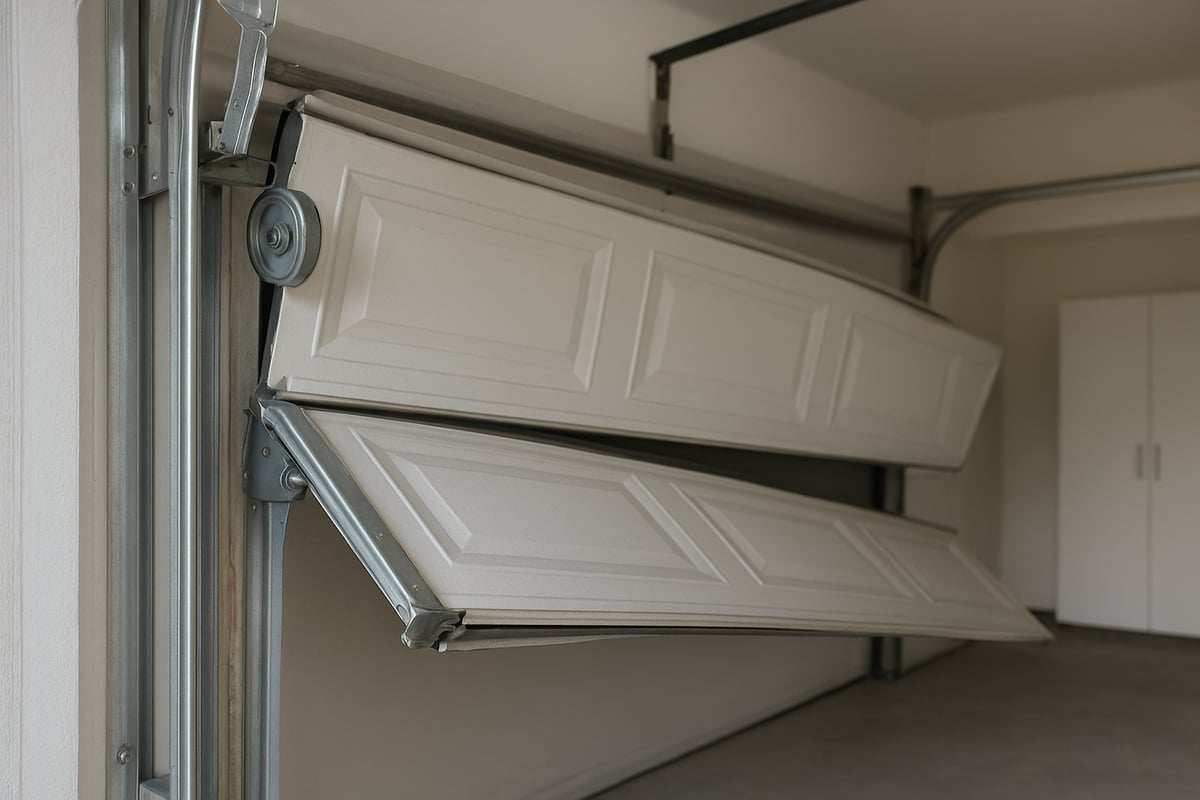
Common Causes of Off-Track Garage Doors
Several factors can lead to a garage door off track. Most commonly, worn or derailed rollers are at fault. Over time, rollers can deteriorate from repeated use or lack of lubrication, causing them to wobble or jam. Track damage is another frequent culprit. Impacts from vehicles, stray objects, or poor initial installation can bend or misalign tracks, making derailment more likely.
Broken springs or cables create uneven tension, which often results in the door lifting at an angle. If a cable snaps, the extra strain can pop rollers out of the track. Door impacts, such as accidentally hitting the door with a car or bike, can also misalign tracks and rollers. Loose hardware, like nuts, bolts, or brackets, may shift over time due to vibration, allowing parts to slip out of place. Finally, lack of regular maintenance allows dirt and debris to build up, increasing friction and wear.
Here’s a quick comparison of common causes and their frequency:
| Cause | Frequency | Typical Result |
|---|---|---|
| Worn Rollers | High | Jamming, instability |
| Track Damage | High | Misalignment, derailment |
| Broken Springs/Cables | Medium | Uneven lift, derailment |
| Door Impacts | Medium | Bent tracks, off-track |
| Loose Components | Medium | Misalignment |
| Lack of Maintenance | High | Increased wear, derailment |
According to industry statistics, damaged tracks, worn rollers, and broken cables account for the majority of garage door off track incidents. For more details on what causes these problems and quick solutions, visit this Garage Door Off Track? Quick Fixes Explained guide.
How the Garage Door Mechanism Works
The garage door off track issue can often be traced back to how the system operates. The main components include rollers, which glide along metal tracks mounted to the sides of the door frame. Springs and cables balance the door’s heavy weight, allowing the opener system to lift and lower the door smoothly.
Proper alignment and balance are essential. If the tracks are even slightly bent or misaligned, or if a roller is worn, the entire system becomes unstable. Springs hold significant tension, and cables distribute the load evenly. For example, if a single cable breaks, the door may lift unevenly, straining the remaining rollers and causing them to pop out of the track. This mechanical chain reaction highlights why even a small failure can lead to a garage door off track event.
Routine inspection of these core parts helps maintain balance and alignment. When all components work in harmony, the door operates smoothly and safely.
Environmental and Usage Factors
Environmental conditions and daily usage also play a major role in keeping your garage door off track or on track. Fluctuations in temperature can cause the metal tracks to expand or contract, leading to subtle shifts in alignment. During winter, freezing temperatures and moisture can warp tracks and stiffen rollers, increasing the risk of derailment.
Garages that experience high traffic see more wear and tear. Frequent opening and closing, or repeated impacts from hurried drivers, can accelerate the breakdown of rollers and tracks. For example, after a severe winter storm, a homeowner noticed a spike in garage door off track problems due to warped tracks and ice buildup. This real-world scenario underscores the importance of monitoring your door’s condition, especially after extreme weather or heavy use.
By understanding these environmental and usage factors, you can take proactive steps to minimize the chances of a garage door off track situation occurring in your home.
Warning Signs and Early Detection
Recognizing the early signs of a garage door off track is essential for maintaining safety and avoiding costly repairs. Many homeowners overlook subtle changes in door movement or sound, but prompt attention to these warning signs can prevent mechanical failure and injury. By learning how to spot symptoms and check your garage door system, you can address issues before they escalate.
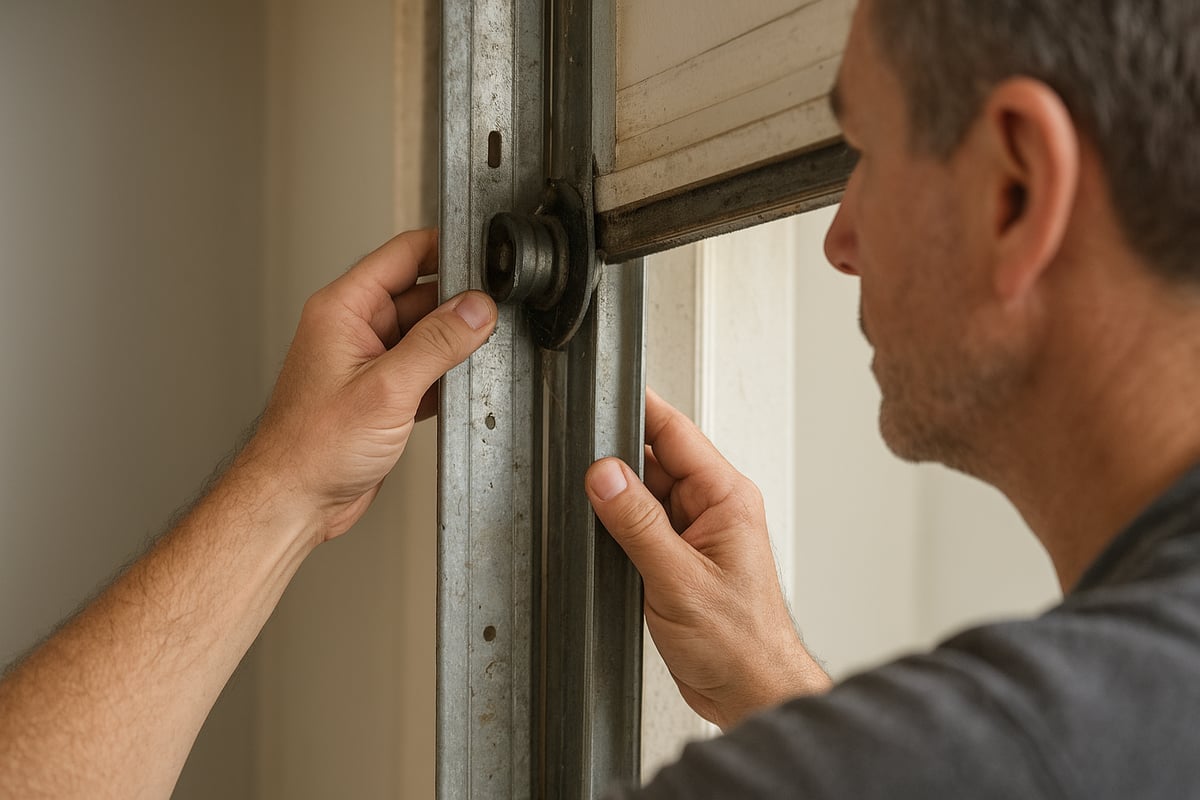
Symptoms of an Off-Track Garage Door
Identifying the symptoms of a garage door off track can save you from unexpected breakdowns. Look for these common indicators:
- The garage door appears uneven or hangs at an angle.
- Rollers are visibly out of their tracks, or you notice gaps between the rollers and the metal track.
- Unusual grinding, popping, or scraping noises occur during operation.
- The door gets stuck, only opens or closes halfway, or refuses to move altogether.
- The garage door opener strains, reverses unexpectedly, or fails to move the door.
If you notice any of these signs, stop using the door immediately. Continuing to operate a garage door off track can worsen the problem and increase safety risks. Prompt attention helps prevent further mechanical damage.
How to Perform a Visual and Functional Check
A proactive approach to checking your garage door off track can make a significant difference. Follow these steps for a thorough inspection:
- Examine both tracks for dents, bends, or debris that could obstruct smooth movement.
- Inspect all rollers, ensuring they are seated correctly in the tracks and not worn or damaged.
- Check cables for fraying, rust, or slackness.
- Look for loose bolts or brackets along the tracks and door frame.
- Remove any obstructions or dirt from the track.
- Disconnect the opener and manually raise and lower the door to feel for resistance or sticking.
For more comprehensive inspection advice and safety tips, refer to the Garage Door Safety Guidelines. As an example, if your door stops halfway and a roller is visibly out of place, this signals the need for immediate attention to avoid a full derailment.
Importance of Early Intervention
Addressing a garage door off track at the first sign of trouble is crucial. Early intervention offers several key benefits:
- Prevents additional damage to tracks, rollers, and the opener mechanism.
- Reduces the risk of injury from a door that could fall or collapse.
- Saves on repair costs, as fixing minor misalignments is significantly less expensive than major repairs.
Industry data shows that homeowners who act quickly can save up to 60% on repair expenses. Timely detection and repair of a garage door off track not only protect your investment but also ensure your family's safety and peace of mind.
Safety First: Precautions Before Attempting Repairs
When dealing with a garage door off track, safety must always come first. These doors are heavy, under high tension, and small mistakes can lead to serious injuries or expensive damage. Before you even think about a DIY fix, take a moment to understand the real risks involved.

Risks Associated with Off-Track Garage Doors
A garage door off track poses significant hazards. The weight of most residential garage doors ranges from 130 to over 400 pounds. If the door is not properly secured, it could slam shut unexpectedly, causing severe injury.
The springs and cables that assist in lifting the door are under extreme tension. Mishandling these components can result in sudden releases of energy, which may lead to lacerations, broken bones, or worse. Attempting to force a stuck garage door off track back into place can bend tracks further, break rollers, or damage the opener system.
Even a small oversight, such as a loose bolt or bracket, can escalate into a much bigger problem. That is why it is crucial to respect the power and complexity of a garage door off track before attempting any repairs.
Essential Safety Steps
To safely approach a garage door off track situation, follow these essential steps:
- Disconnect the power: Unplug the garage door opener to prevent accidental activation.
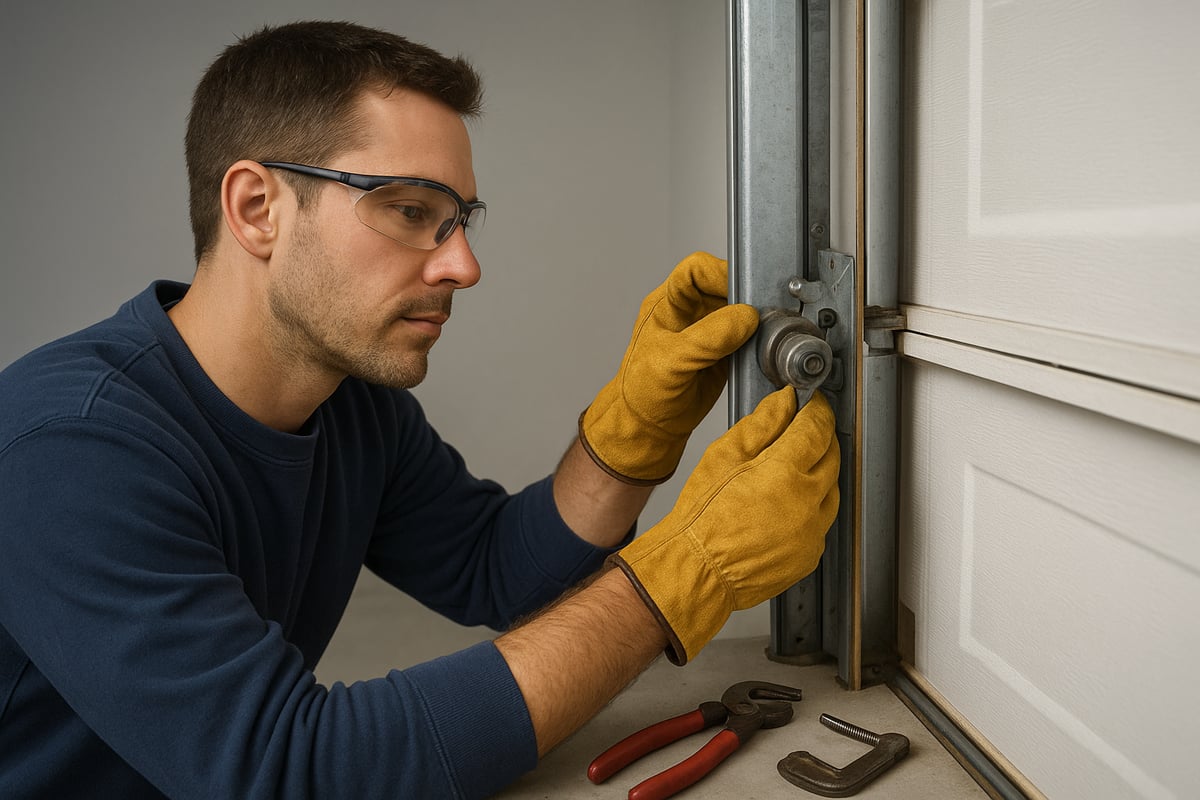
- Secure the door: Place C-clamps or locking pliers below the bottom roller on both sides to keep the door from moving.
- Wear protective gear: Always use gloves and safety glasses to shield against sharp hardware and flying debris.
- Inspect before touching: Carefully check for broken springs or cables without applying force.
- Avoid high-tension repairs: Never attempt to repair broken torsion springs or cables yourself.
If you are unsure about any step or the garage door off track problem seems more complex, it is better to pause and reconsider. These precautions protect both you and your property from preventable mishaps.
When to Seek Professional Help Immediately
There are times when a garage door off track situation is simply too risky for DIY. If you notice broken or loose cables, damaged springs, or if the door is completely off its tracks and cannot be lifted manually, it is time to call an expert.
Severely bent or twisted tracks also require specialized tools and expertise. Forcing repairs in these cases can worsen the damage or even void your warranty. One homeowner attempted a DIY fix on a spring-loaded system and ended up with a hand injury that required stitches—a harsh reminder of the dangers involved.
For safe, reliable results, consider reaching out to Garage door repair services if you encounter any of these red flags. Professional technicians have the training, tools, and experience to restore your garage door off track system without putting anyone at risk.
Step-by-Step Guide: How to Fix a Garage Door Off Track
A garage door off track can disrupt your day and put your safety at risk. If you are comfortable with basic tools and safety steps, you can often restore smooth operation on your own. Follow these detailed steps to address a garage door off track, prevent further damage, and keep your home secure.
Step 1: Disconnect Power and Release Emergency Cord
Start by unplugging the automatic garage door opener. This prevents accidental activation while you work on the garage door off track.
Next, locate the red emergency release cord, usually hanging from the opener rail. Pull the cord downward to disengage the door from the opener mechanism. This step allows you to move the door manually, ensuring safety and control during the repair.
Taking these precautions helps protect you from unexpected movement and electrical hazards. If you skip this step, the garage door off track could shift suddenly, leading to potential injury or more serious issues.
Step 2: Secure the Door and Assess the Situation
Once the power is disconnected, keep the garage door off track from moving by placing C-clamps or locking pliers just below the bottom rollers on both sides. This secures the door in place and prevents accidental falls.
Carefully inspect the entire track. Look for visible damage, such as bends, dents, or debris that could have caused the garage door off track. Identify which rollers have come out of the track or if any are missing or damaged.
A thorough assessment at this stage ensures you address the right issues and avoid further complications. Take notes or photos if you need to reference them later.
Step 3: Realign Tracks and Rollers
Use a pair of pliers to gently open the edge of the track where the roller has come off. Carefully guide the roller back into the track, making sure not to force or bend any components. For a garage door off track with minor dents, use a rubber mallet to flatten the metal and restore alignment.
Once the roller is back in place, close the track opening securely with the mallet or hammer. Double-check that the roller moves smoothly within the track. If you notice major bends or the roller refuses to stay in place, it may be time to seek emergency garage door repair.
Proper realignment is essential for the long-term function of a garage door off track. Rushing this step could result in repeated derailments.
Step 4: Check and Tighten Hardware
After realigning the rollers, examine all track brackets, bolts, and fasteners along the entire track system. A loose bolt or bracket can easily cause a garage door off track situation to recur.
Using a wrench or ratchet, tighten any loose hardware. Pay close attention to the brackets attached to the wall and ceiling, as these provide critical support for the track.
A simple check and tightening routine can make a big difference in preventing future issues. If you encounter stripped or missing hardware, replace it before moving forward.
Step 5: Align Tracks and Test Level
With the rollers and hardware secured, use a carpenter’s level to check that both vertical tracks are straight and parallel. Misaligned tracks are a leading cause of a garage door off track, so this step is crucial.
If you spot any misalignment, loosen the mounting brackets and gently adjust the tracks until they are properly aligned. Retighten all bolts to lock the tracks in place.
Testing for level and alignment ensures the garage door off track problem does not return. This process also reduces strain on the opener and rollers, promoting longer system life.
Step 6: Lubricate Moving Parts
Once everything is aligned, apply a silicone-based garage door lubricant to the rollers, hinges, and inside the tracks. Avoid using products like WD-40 or grease, which attract dust and debris and can worsen a garage door off track.
Lubrication reduces friction and noise, helping the rollers move smoothly. This step also lowers the risk of future derailments and extends the life of key components.
Regular lubrication is a simple maintenance task that can make a significant difference in the performance of your garage door off track system.
Step 7: Test Door Operation Manually and With Opener
Before finishing, manually lift and lower the garage door off track several times. Listen for unusual noises and watch for jerky or uneven movement.
If the door operates smoothly, reconnect the opener and test automatic operation. Observe the door as it opens and closes, ensuring the rollers stay in the track and there is no strain on the motor.
If you notice continued problems or the garage door off track issue persists, repeat the adjustments or consider professional help. Testing both manual and powered operation ensures a complete, reliable fix.
When to Call a Garage Door Professional
A garage door off track is not just a simple inconvenience. In some cases, the situation demands immediate attention from a specialist. Knowing when to seek professional help can prevent accidents and save on costly repairs down the road.
Signs That Require Expert Intervention
Certain warning signs indicate that a garage door off track should not be handled alone. If you notice broken torsion or extension springs, it is critical to call a professional. Severely bent, twisted, or detached tracks also require expert tools and training.
If the rollers are broken, missing, or completely outside the track, professional intervention is necessary. Likewise, if the door is off center and cannot be lifted manually, avoid further attempts to move it. These scenarios pose significant safety risks and require specialized knowledge to address effectively.
Risks of DIY Repairs Beyond Basic Fixes
Attempting to fix a garage door off track without proper training can be dangerous. High-tension components, such as springs and cables, can cause severe injury or even death if mishandled. Forcing repairs may also void manufacturer warranties or result in further system damage.
Statistics show that professional repairs reduce the risk of repeat derailment by 75 percent. DIY fixes beyond simple realignment can make the situation worse and lead to more expensive repairs later. Prioritize safety and consult a qualified technician for complex issues.
What to Expect from a Professional Service
When you call a professional for a garage door off track, expect a thorough inspection of all components, including tracks, rollers, and the opener system. Technicians replace damaged parts with high-quality components and conduct balance and safety testing post-repair.
You will receive transparent pricing and a warranty on the work performed. To keep your door in optimal condition after repairs, professionals often recommend ongoing preventive care, such as these garage door maintenance tips. This ensures long-term reliability and fewer breakdowns.
NextLevel Garage Co.: Local Garage Door Repair Experts
NextLevel Garage Co. specializes in resolving any garage door off track issue promptly and safely throughout Bainbridge Island and Kitsap County. The company offers same-day and emergency services for off-track doors, spring and cable replacement, and full system diagnostics.
All technicians are fully licensed, bonded, and insured, providing peace of mind for homeowners. NextLevel Garage Co. stands out with free estimates, transparent pricing, and a satisfaction guarantee. For both residential and commercial garage door needs, their expertise ensures your system returns to safe, smooth operation quickly.
Preventing Garage Doors From Going Off Track Again
A proactive approach is the best way to avoid the hassle and hazards of a garage door off track. By following consistent maintenance routines, investing in quality upgrades, and educating everyone in your household, you can keep your garage door system running smoothly for years to come.
Routine Maintenance Tips
Regular maintenance is the first line of defense against a garage door off track. Start by cleaning the tracks each month to remove dust, debris, and any obstructions that can cause rollers to derail.
Lubricate all moving parts, including rollers, hinges, and tracks, every six months. Use a silicone-based lubricant rather than grease, which can attract dirt.
Inspect rollers and cables for signs of rust, wear, or fraying during seasonal clean-ups. Tighten all hardware, such as track brackets and bolts, annually to prevent loosening over time.
For a detailed checklist, refer to the Garage Door Maintenance Guide, which covers essential tasks for keeping your door on track.
Scheduling Professional Tune-Ups
Even with diligent maintenance, some issues are best caught by a trained eye. Schedule a professional garage door tune-up at least once a year. Technicians can spot early signs of misalignment, worn components, or balance problems that may lead to a garage door off track.
A typical tune-up includes balance checks, lubrication, track alignment, and a safety inspection. Professional servicing helps prevent minor issues from becoming major repairs.
According to industry data, regular tune-ups can extend the lifespan of your entire garage door system by up to 30 percent. Investing in expert maintenance now means fewer emergencies and peace of mind later.
Upgrading Components for Durability
If your garage door off track issue recurs, upgrading certain components can be a smart solution. Consider replacing old metal rollers with nylon or ball-bearing rollers for quieter, smoother performance.
Heavy-duty tracks offer enhanced durability, especially in high-traffic garages or if you have experienced frequent derailments. Reinforced tracks are less likely to bend or misalign.
Upgrading to modern hardware and opener systems also boosts reliability. Homeowners who invest in these improvements often see a dramatic reduction in off-track incidents and overall repair needs.
Educating Household Members
Preventing a garage door off track is a team effort. Teach children not to play near the garage door and remind drivers to avoid bumping the door with vehicles or bikes.
Encourage everyone in your household to report unusual noises, jerky movement, or any visible misalignment right away. Swift action can stop a minor issue from turning into a costly repair.
For additional tips on safety and accident prevention, visit Garage Door Safety: Proper Maintenance and Preventing Accidents. A little education goes a long way toward keeping your garage safe and functional.
Frequently Asked Questions About Garage Doors Off Track
A garage door off track can raise many questions for homeowners. Below, find answers to the most common concerns about this issue.
Why do garage door rollers come off track?
The most frequent causes of a garage door off track include worn rollers, misaligned tracks, debris buildup, or opener malfunctions. Lack of lubrication and accidental impacts can also contribute.
Can I fix a garage door off track myself?
For minor misalignments or debris, DIY fixes are possible if you follow safety guidelines. However, if the garage door off track involves broken springs, cables, or the door is too heavy, contact a professional.
How much does it cost to repair an off-track garage door?
Repair costs for a garage door off track can vary, but minor fixes typically range from $125 to $350. Extensive damage or replacement of major components will increase the price.
How do I prevent my garage door from going off track again?
Regular cleaning, lubrication, and periodic inspections help keep your garage door off track incidents to a minimum. Address small issues quickly to avoid larger repairs.
What are the risks of using a door that’s off track?
Operating a garage door off track can cause further damage, increase repair costs, and create safety hazards. The opener may strain or fail entirely. For opener-related issues that could contribute to a door going off track, see this garage door opener repair guide.
How often should I maintain my garage door?
Clean tracks every month, lubricate moving parts twice a year, and schedule a professional tune-up annually to keep your garage door off track issues in check.
When should I replace my garage door instead of repairing it?
If your garage door is over 20 years old or has multiple failing components, replacement is often more cost-effective than repeated repairs.
If your garage door has slipped off track and you’re ready to restore peace of mind and smooth operation, you don’t have to tackle it alone. The step by step guide above empowers you to spot early warning signs and handle minor fixes, but for complex issues or if you’d simply like a professional touch, expert help is just a call away. NextLevel Garage Co. is committed to providing reliable repairs and clear communication so you can get back to your routine quickly and safely. Take the next step toward a hassle free garage—Call now for a free estimate!
4 Responses