

An over head door is one of the most frequently used mechanical systems in residential and commercial properties, opening and closing dozens of times each day. Whether it's the garage door at your Bainbridge Island home or the loading dock entrance at your Kitsap County business, these essential access points combine convenience with security. Understanding how over head door systems function, recognizing when they need attention, and knowing what safety features to prioritize can prevent costly repairs, property damage, and serious injuries. This comprehensive guide explores everything property owners need to know about selecting, maintaining, and safely operating over head door systems.
Understanding Over Head Door Systems and Components
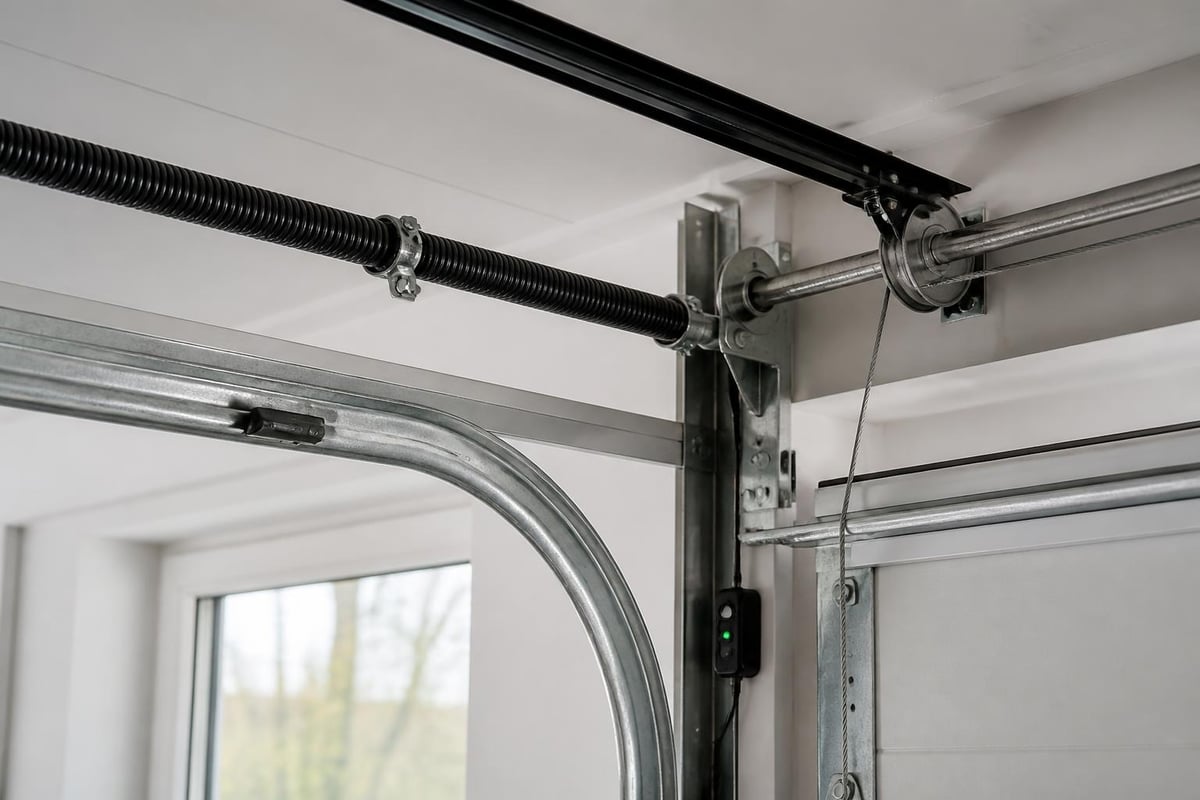
An over head door operates through a sophisticated balance of mechanical components working together seamlessly. The system includes the door panels themselves, torsion or extension springs that counterbalance the door's weight, cables that support and guide movement, tracks that direct the door's path, rollers that enable smooth operation, and typically a motorized opener that automates the process.
Core Mechanical Elements
The spring system represents the heart of any over head door assembly. Torsion springs mount horizontally above the door opening and twist to store energy, while extension springs stretch along the horizontal tracks on each side. These springs bear the door's full weight, allowing even manual operation to feel relatively effortless when properly balanced.
Key components that ensure smooth operation include:
- High-tensile steel springs rated for thousands of cycles
- Heavy-duty rollers with sealed bearings for longevity
- Reinforced steel tracks properly aligned and secured
- Lift cables with safety containment systems
- Weather seals that protect against elements
The door panels themselves vary significantly in construction. Residential applications typically use insulated steel panels, wood composite designs, or aluminum frames with glass inserts. Commercial settings often require more robust materials capable of withstanding heavy daily use and potential impacts.
| Component | Residential Lifespan | Commercial Lifespan | Replacement Indicators |
|---|---|---|---|
| Torsion Springs | 10,000-20,000 cycles | 5,000-15,000 cycles | Door feels heavy, uneven opening |
| Rollers | 10-15 years | 3-7 years | Excessive noise, visible wear |
| Cables | 15-20 years | 8-12 years | Fraying, rust, slack |
| Weather Seals | 5-7 years | 3-5 years | Visible cracks, light gaps |
Motor and Automation Technology
Modern over head door openers have evolved far beyond simple motor operation. Today's systems integrate smartphone connectivity, battery backup capabilities, and advanced safety features. Belt-drive systems offer whisper-quiet operation ideal for attached garages, while chain-drive models provide reliable performance at a lower price point. Wall-mounted jackshaft openers save ceiling space in commercial applications where overhead room is limited.
Security features now include rolling code technology that changes the access code with each use, preventing code grabbing by potential intruders. Photo-eye sensors create an invisible beam across the door's path, immediately reversing the door if anything interrupts the signal during closing.
Safety Considerations for Over Head Door Operation
According to safety experts who analyze overhead door hazards, improper installation, inadequate maintenance, and user error contribute to thousands of injuries annually. The tremendous force generated by spring systems and the weight of the door panels themselves create serious crushing and entrapment risks.
Critical Safety Features
Every over head door installed in 2026 should include comprehensive safety systems. Entrapment protection represents the most critical feature, using sensors and auto-reverse mechanisms to prevent the door from closing on people, vehicles, or objects. Commercial overhead door safety requirements mandate these protections, but residential owners benefit equally from these technologies.
Manual release mechanisms allow disconnecting the door from the opener during power outages or emergencies. However, this feature requires careful understanding because releasing a door with a broken spring can result in the door crashing down uncontrollably.
Essential safety practices include:
- Never stand or walk under a moving over head door
- Keep hands and fingers away from panel joints and hardware
- Test auto-reverse monthly by placing a 2×4 in the door's path
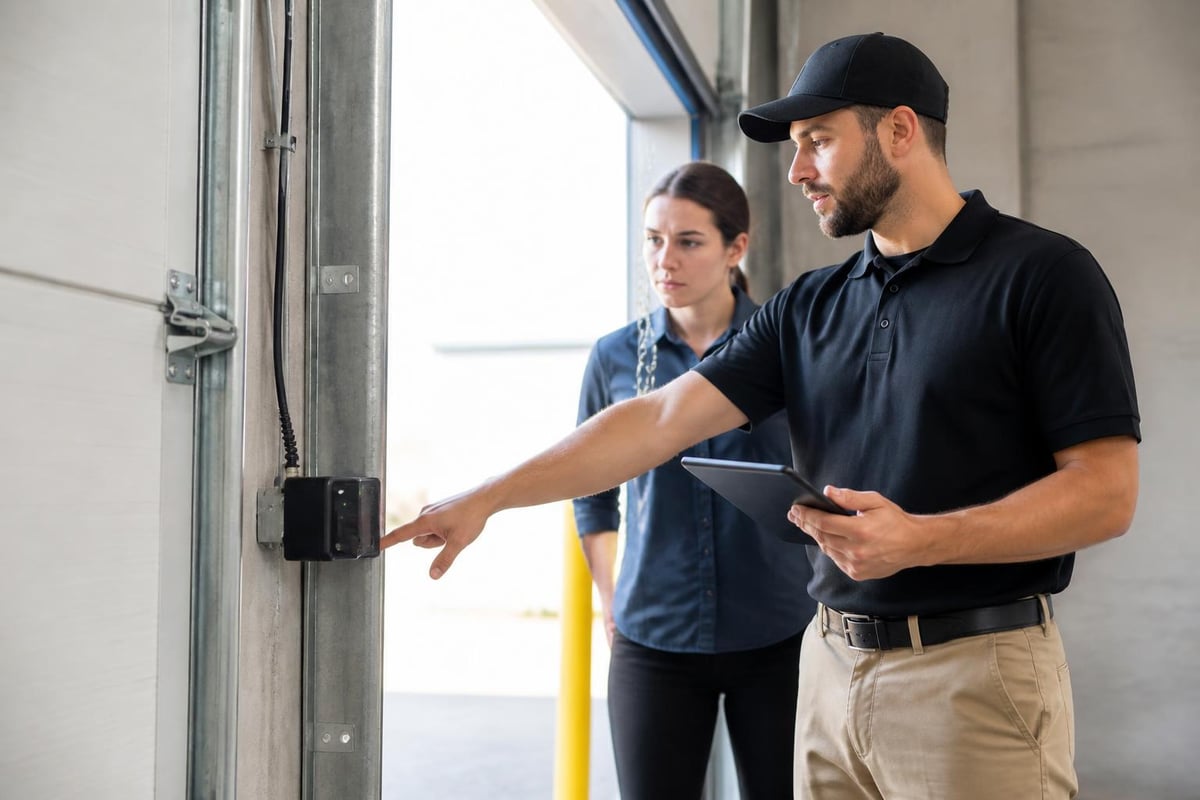
- Ensure photo-eye sensors are aligned and unobstructed
- Schedule professional inspection annually
Loading Zone and Commercial Applications
Safety tips for overhead doors in loading zones emphasize the importance of clear operational protocols and employee training. Commercial environments face heightened risks due to frequent operation, multiple users, and the pressures of logistics deadlines. Establishing strict rules about when doors open and close, who operates them, and how to respond to malfunctions protects both employees and property.
For businesses throughout Kitsap County, implementing commercial garage door services that include regular maintenance schedules reduces downtime and liability exposure. Commercial over head door systems require more frequent inspection due to higher cycle counts and environmental exposure.
Selecting the Right Over Head Door for Your Application
Choosing an appropriate over head door involves evaluating multiple factors specific to your property and usage patterns. Climate conditions in the Pacific Northwest demand doors that resist moisture, provide adequate insulation, and withstand wind loads during winter storms. The door's R-value indicates its insulation effectiveness, with higher numbers representing better thermal performance.
Residential Selection Criteria
Homeowners should consider their garage's primary function when selecting an over head door. An attached garage beneath living spaces benefits from a well-insulated door that minimizes heat transfer and reduces noise transmission. Detached structures may prioritize durability and security over insulation values.
Design aesthetics matter significantly for curb appeal and property values. Carriage-house style doors complement traditional architecture, while sleek modern panels suit contemporary homes. Many manufacturers offer customizable options including window configurations, hardware accents, and color selections.
| Door Type | R-Value Range | Best Applications | Price Range |
|---|---|---|---|
| Non-insulated Steel | R-0 to R-4 | Detached garages, mild climates | $ |
| Insulated Steel | R-12 to R-18 | Attached garages, energy efficiency | $$ |
| Carriage-style Composite | R-8 to R-16 | Historic homes, aesthetic priority | $$$ |
| Premium Insulated | R-18 to R-20 | Climate extremes, living space above | $$$$ |
Commercial and Industrial Requirements
Commercial applications demand doors engineered for high-cycle operation and specific environmental conditions. Comparing high-speed doors to conventional overhead doors reveals significant differences in operational speed, energy efficiency, and maintenance requirements. High-speed doors open in seconds rather than the 12-15 seconds typical of conventional systems, reducing air exchange and improving climate control in temperature-sensitive facilities.
Wind load ratings become critical for coastal locations or buildings with exposure to strong weather patterns. Bainbridge Island properties near the waterfront require over head door systems rated for sustained winds and potential debris impacts. Industrial warehouse door services should evaluate these environmental factors during specification.
Size limitations vary by door type and manufacturer. Conventional sectional doors typically max out around 20 feet wide and 14 feet high for single panels, while commercial rolling doors can accommodate much larger openings. Multiple-panel configurations allow covering expansive openings while maintaining operational reliability.
Maintenance Requirements and Best Practices
Proper maintenance extends over head door lifespan dramatically while preventing unexpected failures and safety hazards. A systematic approach addressing lubrication, balance adjustment, hardware inspection, and component replacement keeps systems operating reliably for decades.
Monthly Maintenance Tasks
Visual inspection represents the first line of defense against system failures. Examine springs for signs of wear, including gaps in coils or rust accumulation. Check cables for fraying, particularly near attachment points where stress concentrates. Listen for unusual sounds during operation that might indicate roller wear, track misalignment, or opener issues.
Testing the door balance ensures springs maintain proper tension. Disconnect the opener using the manual release, then manually lift the door halfway. A properly balanced over head door should stay in place without rising or falling. Significant movement in either direction indicates spring adjustment needs.
Monthly maintenance checklist:
- Visually inspect all moving components
- Test auto-reverse safety feature
- Check weather seal condition
- Listen for unusual operational sounds
- Verify photo-eye alignment
Seasonal and Annual Service
Professional garage door opener repair should occur annually, with technicians performing comprehensive system evaluations. Spring tension adjustment requires specialized tools and knowledge because these components store dangerous amounts of energy. Attempting DIY spring replacement has resulted in numerous serious injuries and deaths.
Lubrication maintains smooth, quiet operation while preventing premature wear. Apply garage door specific lubricant to rollers, hinges, springs, and tracks biannually. Avoid using general-purpose oils or WD-40, which attract dust and eventually gum up moving parts. Silicone-based or lithium grease formulations designed for garage applications provide optimal performance.
Track alignment affects door operation significantly. Tracks should maintain parallel positioning with consistent gaps from the door edge. Bent or misaligned tracks cause binding, excessive roller wear, and potential over head door off-track situations that require professional correction.
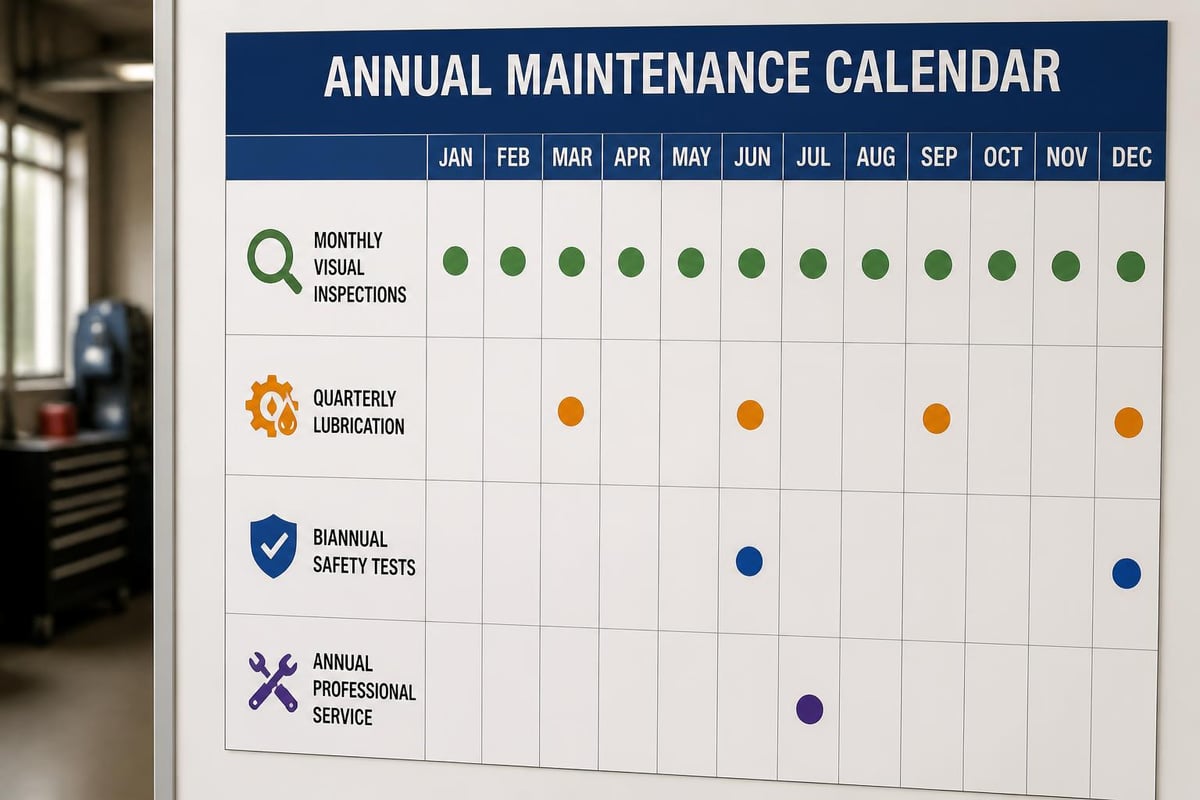
For homeowners seeking comprehensive guidance, year-round garage door maintenance tips provide detailed instructions for preserving system performance through all seasons.
Professional Installation and Repair Considerations
While some minor over head door maintenance tasks suit capable DIY homeowners, installation and major repairs demand professional expertise. The combination of heavy components, high-tension springs, and complex mechanical systems creates significant injury risks for untrained individuals.
When to Call Professionals
Spring replacement represents the most dangerous DIY attempt. Torsion springs contain enough stored energy to cause severe injury or death if improperly handled. Extension springs, while somewhat less dangerous, still pose significant risks. Professional technicians use specialized winding bars, proper safety equipment, and systematic procedures that protect against spring-related accidents.
Commercial door installation safety emphasizes the importance of proper training and equipment. Commercial over head door systems involve even greater weights and forces than residential applications, multiplying the potential consequences of errors. Professional installers carry liability insurance protecting property owners from damages resulting from installation defects.
Cable replacement also requires professional attention because cables work in conjunction with springs under high tension. A broken cable can allow the door to fall suddenly, and replacing cables involves releasing and reapplying spring tension.
Situations requiring professional service:
- Broken or worn springs requiring replacement
- Cable damage or detachment
- Significant track damage or misalignment
- Complete door or opener installation
- Major balance or operational issues
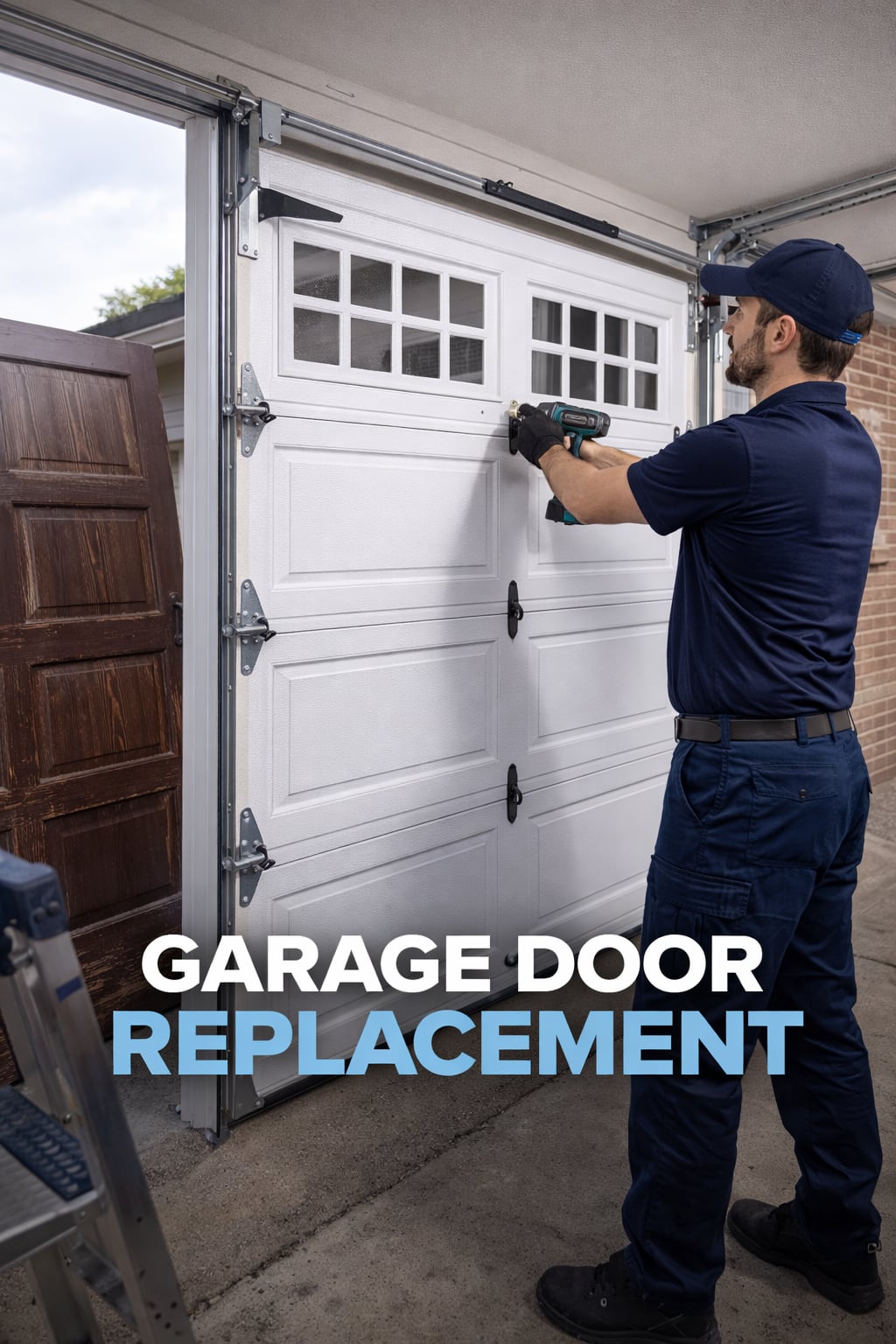
Professional Garage Door Installation ensures proper sizing, secure mounting, and complete safety system integration. Experienced technicians evaluate structural support, install appropriate hardware for your door type, and calibrate opener systems for optimal performance and longevity.
Evaluating Service Providers
Selecting a qualified over head door service provider protects your investment and safety. Verify proper licensing, insurance coverage, and manufacturer certifications. Established companies with local presence provide greater accountability and faster response times than national chains relying on subcontractors.
Request detailed written estimates before authorizing work, including specific part descriptions, labor costs, and warranty information. Reputable providers offer transparent pricing without pressure tactics or significant estimate discrepancies from final bills. For Kitsap County residents, choosing on-time garage door repair services ensures minimal disruption to daily routines.
Energy Efficiency and Insulation Benefits
An insulated over head door contributes significantly to overall building energy efficiency, particularly for attached garages or climate-controlled warehouses. Heat transfer through uninsulated doors impacts HVAC costs and comfort levels in adjacent spaces.
Understanding R-Values and Construction
Door insulation typically uses polyurethane foam or polystyrene panels sandwiched between steel facings. Polyurethane provides superior R-values in thinner profiles, making it ideal when headroom is limited. The foam adheres to both steel faces during manufacturing, creating a monolithic panel that's stronger than polystyrene alternatives.
Thermal bridging occurs where metal components conduct heat through insulation, reducing effective R-values. High-quality insulated doors minimize thermal bridging through careful design that limits metal-to-metal contact paths. Vinyl or thermal-break hinges and hardware further improve thermal performance.
Weather sealing around the door perimeter prevents air infiltration that undermines insulation effectiveness. Bottom seals, side seals, and top seals should form continuous barriers without significant gaps. Replace worn weather stripping promptly to maintain energy efficiency and keep out moisture, dust, and pests.
Climate Control and Noise Reduction
Beyond energy savings, insulated over head door systems reduce noise transmission between spaces. This benefit matters particularly for attached garages where door operation might disturb living areas, or commercial settings where interior noise control improves working conditions.
Temperature stability in garage spaces protects stored items from extreme heat and cold. Vehicles, tools, chemicals, and other stored materials benefit from moderated temperature ranges that insulated doors help maintain.
Emergency Response and Problem Solving
Understanding how to respond when an over head door malfunctions prevents panic and reduces injury risks. Common problems include doors that won't open or close, openers that run but don't move the door, and doors that operate unevenly or make excessive noise.
Common Issues and Immediate Actions
When an over head door refuses to operate, first check the most obvious causes before assuming major system failure. Verify the opener receives power, check for tripped circuit breakers, and ensure wall-mounted controls and remote batteries function properly. Photo-eye misalignment accounts for many "won't close" complaints, requiring only minor sensor adjustment.
If the opener runs but the door doesn't move, the disconnect mechanism may be engaged. The manual release handle, typically a red cord hanging from the opener carriage, disconnects the door from the motor for manual operation. Ensure this handle is in the engaged position to restore automatic operation.
Doors that close partially then reverse may indicate obstruction in the door's path, photo-eye issues, or incorrect travel limit settings on the opener. Clear any obstructions, verify sensor alignment, and consult your opener manual for limit adjustment procedures if comfortable performing basic adjustments.
Emergency response priorities:
- Ensure no one stands under or near the malfunctioning door
- Disconnect opener power if door exhibits dangerous behavior
- Avoid attempting spring or cable repairs
- Contact professional service for assessment
- Use manual operation only if necessary and safe
Power Outages and Manual Operation
During power outages, accessing vehicles and equipment requires manual over head door operation. Modern openers include manual release mechanisms, but using them correctly requires understanding the system's condition. Never disengage the opener on a door with broken springs, as the door will crash down without the counterbalance.
To manually operate during outages, pull the release handle straight down, which disconnects the carriage from the drive system. Lift the door manually, which should move smoothly with moderate effort if springs are properly balanced. After power restoration, simply pull the release handle toward the opener to re-engage automatic operation.
Understanding Industry Standards and Regulations
Essential considerations for commercial overhead doors include compliance with various safety standards and building codes. These regulations protect building occupants and establish liability standards for property owners and service providers.
Residential and Commercial Requirements
The International Building Code (IBC) and International Residential Code (IRC) establish minimum standards for over head door installation and operation. These codes address structural support requirements, safety device mandates, and installation specifications that protect public safety.
OSHA regulations govern commercial door safety, particularly in industrial and warehouse settings. Industry standards organizations develop and maintain specifications that manufacturers and installers follow to ensure consistent safety and performance.
UL 325 represents the key safety standard for over head door operators, establishing requirements for entrapment protection systems. Compliant openers include both monitored and non-monitored entrapment protection, with commercial applications typically requiring more robust monitoring systems.
Professional Certification and Training
Qualified over head door technicians complete industry-recognized training programs covering safety procedures, mechanical principles, electrical systems, and manufacturer-specific products. The International Door Association (IDA) offers certification programs that validate technician knowledge and skills.
Property owners benefit from choosing service providers whose technicians maintain current certifications and participate in ongoing training. Door technology evolves continuously, and technicians must stay current with new products, safety requirements, and best practices.
Understanding over head door systems, from basic operation to safety requirements and maintenance needs, empowers property owners to make informed decisions about selection, service, and daily use. Whether you're managing a commercial facility in Kitsap County or maintaining your Bainbridge Island home, proper attention to these essential access systems prevents costly repairs while protecting occupants from injury. NextLevel Garage Co. brings professional expertise to residential and commercial over head door installation, repair, and maintenance throughout the region, ensuring your systems operate safely and reliably for years to come.