

Imagine arriving home only to find your garage door stuck, leaving your car trapped inside. This common frustration often points to a failed spring, a frequent issue for many homeowners.
This comprehensive guide on garage door spring replacement service in 2026 will help you address this challenge with confidence. You will learn how to identify problems, understand spring types, and make informed choices for both safety and efficiency.
We will explore warning signs, step-by-step replacement, cost considerations, professional versus DIY options, and essential maintenance tips. Let this expert guidance give you peace of mind and keep your garage door running smoothly.
Understanding Garage Door Springs: Types, Functions, and Lifespan
Garage door springs are the backbone of your garage door’s lifting system. Understanding how they work, their types, and what impacts their lifespan is essential when considering a garage door spring replacement service. Let’s explore the fundamentals that every homeowner should know.
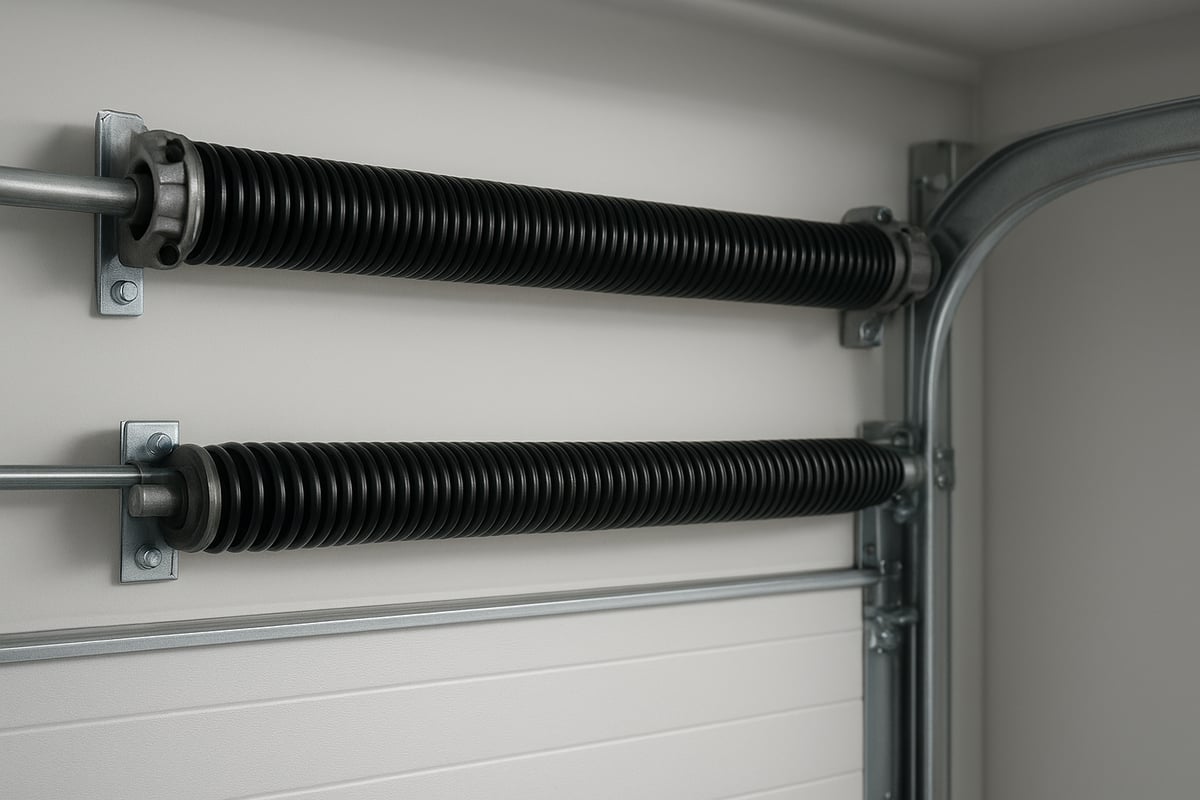
Torsion vs. Extension Springs
Garage door springs come in two main varieties: torsion and extension. Torsion springs are mounted above the door, running parallel to it, and use torque to lift the door smoothly. Extension springs, on the other hand, are installed along the door tracks and stretch or contract to counterbalance the weight.
Torsion springs are favored in most modern homes for their durability and controlled movement, while many older or lighter doors still use extension springs. Commercial settings often require the robust strength of torsion systems. Each type has unique pros and cons, as shown below:
| Spring Type | Pros | Cons | Typical Use |
|---|---|---|---|
| Torsion | Smoother operation, longer lifespan, safer if broken | Higher upfront cost, harder to install | Modern residential, commercial |
| Extension | Lower cost, simpler install | Shorter lifespan, noisier, more dangerous if broken | Older residential |
For a deeper dive into the mechanics and applications of both spring types, see this guide to garage door spring mechanisms.
How Garage Door Springs Work
The main function of garage door springs is to counterbalance the heavy weight of the door, making manual or automatic opening possible with minimal effort. When you activate your garage door, the springs either wind or unwind (torsion) or stretch and contract (extension), storing and releasing energy efficiently.
Physics plays a vital role in this process. Torsion springs generate torque, rotating a shaft that lifts the door evenly, while extension springs use tension to pull the door upward. Imagine a coiled spring above the door that twists as the door moves – this visual helps clarify how energy is stored and released during operation.
A typical garage door spring replacement service will always check the balance and alignment of these springs to ensure optimal performance.
Expected Lifespan & Cycle Ratings
Most garage door springs are rated for 10,000 to 20,000 cycles, with one cycle counting as a full open-and-close motion. The actual lifespan depends on how frequently the door is used. For example, families who open the garage door multiple times daily may need a garage door spring replacement service sooner than those with lighter usage.
Advancements in 2026 have led to springs made from corrosion-resistant materials, offering longer service life even in challenging environments. These innovations help homeowners enjoy a more reliable garage door system for years to come.
Common Causes of Spring Failure
Springs wear out over time due to regular use, which gradually weakens the metal. Rust is another frequent culprit, especially in humid climates, as it accelerates deterioration. Lack of maintenance, such as ignoring lubrication needs, can further reduce longevity.
Manufacturing defects or improper installation can also lead to premature failure. In regions like Kitsap County, moist air and coastal weather can speed up rusting, making professional garage door spring replacement service and regular inspections essential.
Safety Risks of Faulty Springs
A worn or broken spring can pose serious safety hazards. Sudden breakage may cause the door to slam shut, risking property damage or injury. Attempting to repair or replace springs without proper training is extremely dangerous, as these components remain under high tension even when damaged.
Industry safety reports highlight that garage door springs can cause significant injuries if mishandled. In fact, over 30,000 annual ER visits in the U.S. are linked to garage door incidents involving DIY repairs, underscoring the importance of using a trusted garage door spring replacement service for any repairs.
Signs Your Garage Door Springs Need Replacement
Identifying when you need a garage door spring replacement service is critical for safety and convenience. Early detection of spring issues prevents unexpected breakdowns and costly repairs. By recognizing the warning signs, you can address problems before they escalate.
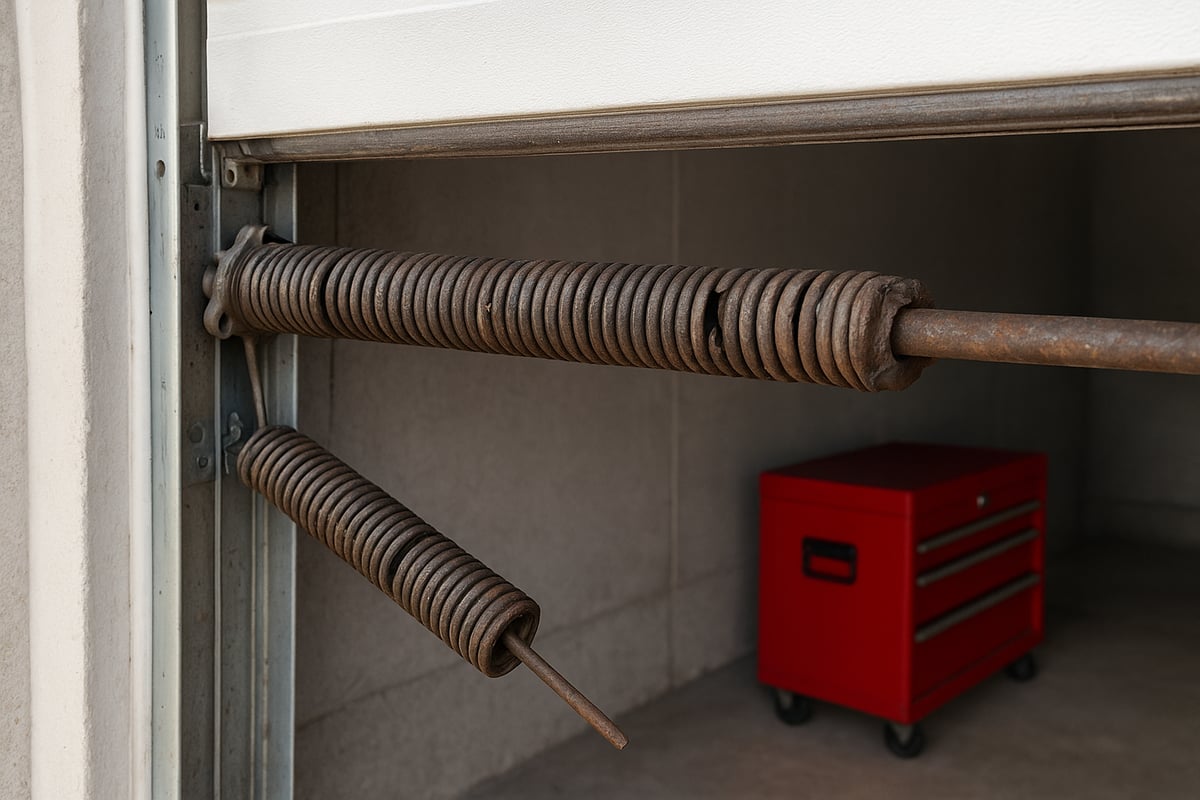
Visual and Performance Indicators
One of the first signs you may need a garage door spring replacement service is a change in how your door looks or operates. If the door refuses to open, closes too quickly, or feels unusually heavy, the springs could be failing.
Inspect the springs for visible gaps in the coils, rust, or stretched metal. Sometimes, the door may appear crooked or sit unevenly when closed. These visual cues strongly indicate that the springs are no longer providing balanced support.
- Door struggles to open or won’t lift
- Visible separation in spring coils
- Door looks lopsided or sags on one side
Addressing these early helps ensure your garage door spring replacement service is performed before any further damage occurs.
Noises and Operational Clues
Unusual sounds are another major indicator that a garage door spring replacement service may be necessary. Listen for loud snapping or popping noises when operating the door, as these can signal a spring has broken or is about to fail.
Persistent squeaking, grinding, or scraping noises during movement often suggest worn-out springs or misaligned components. These operational clues should never be ignored, as they may precede a sudden breakdown.
- Snapping or popping when opening the door
- Squeaking or grinding throughout the cycle
- Increased noise compared to normal operation
If you notice these noises, schedule a garage door spring replacement service immediately to avoid unexpected emergencies.
Testing Spring Functionality
A simple manual test can help confirm if a garage door spring replacement service is required. First, disconnect the automatic opener using the emergency release cord. Carefully lift the door by hand.
A properly functioning spring will allow the door to lift smoothly and stay in place halfway. If the door feels heavy, drops quickly, or is difficult to balance, the springs have likely lost tension and need replacement.
- Use the emergency release cord to disengage the opener
- Lift the door manually and check balance
- Notice any excessive resistance or instability
If these tests reveal issues, contact a professional for a garage door spring replacement service before further problems arise.
Why Timely Replacement Matters
Delaying a garage door spring replacement service can lead to more than just inconvenience. Faulty springs strain the entire door mechanism, increasing the risk of property damage and personal injury.
Prompt replacement helps prevent emergency lockouts and protects your family from sudden spring failures. For example, homeowners in Bainbridge Island have faced costly repairs and safety hazards due to postponed service. According to Over 30,000 annual ER visits linked to garage doors, attempting DIY repairs or delaying professional help significantly raises the risk of injury.
Prioritizing a timely garage door spring replacement service ensures your door operates safely and reliably year-round.
Step-by-Step Garage Door Spring Replacement Process
Replacing a garage door spring requires precision, preparation, and a clear understanding of each step. Whether you are considering a DIY approach or planning to hire a professional, this guide will walk you through the essential phases of the garage door spring replacement service process.
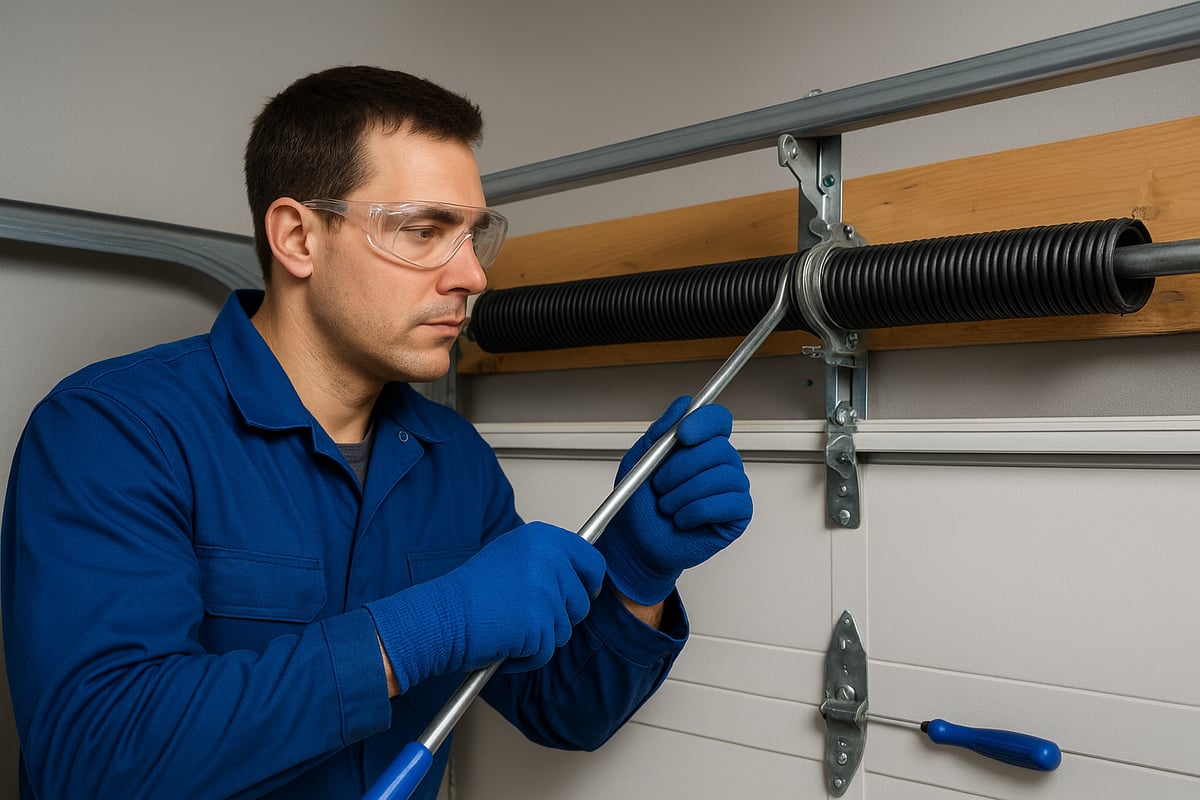
Initial Safety Precautions
Safety is paramount when starting any garage door spring replacement service. Begin by disconnecting electrical power to the automatic opener to avoid accidental activation. Secure the garage door in the closed position using heavy-duty clamps or locking pliers on the tracks. Equip yourself with safety glasses, gloves, and sturdy footwear to protect against flying metal fragments or unexpected movement.
Before proceeding, review the manufacturer's guidelines for your specific door model. Springs are under extreme tension and can cause serious injury if handled improperly. According to The dangers of garage door spring replacement, attempting this repair without proper training increases the risk of accidents. Always prioritize safety, especially if this is your first experience with a garage door spring replacement service.
Diagnosing Spring Type and Failure
Identifying the correct spring type is crucial for a successful garage door spring replacement service. Most residential doors use either torsion springs, mounted above the door, or extension springs, located along the tracks. Examine your setup closely—broken springs often show visible gaps or severe stretching.
Carefully document the spring's dimensions, including coil diameter, wire size, and overall length. These measurements ensure you purchase the correct replacement parts. Inspect for signs of wear, rust, or deformation, which can indicate the cause of failure. Accurate diagnosis at this stage streamlines the entire garage door spring replacement service process and reduces the risk of future complications.
Gathering Necessary Tools and Replacement Parts
A well-prepared toolkit is essential for an efficient garage door spring replacement service. Gather winding bars, adjustable wrenches, locking pliers, sturdy step ladders, and socket sets. For torsion springs, specialized winding bars are non-negotiable for safety and precision.
Choose high-quality replacement springs that meet or exceed 2026 industry standards. Look for corrosion-resistant coatings and cycle ratings appropriate for your usage needs. If you lack access to certain tools, consider local rental options, especially in regions like Kitsap County. Having every required item on hand before starting the garage door spring replacement service saves time and boosts safety.
Removing the Damaged Spring
Begin the removal process by carefully unwinding torsion springs with the correct winding bars, turning in small increments to release stored tension. For extension springs, disconnect safety cables and detach the springs from brackets and pulleys. Always support the door to prevent sudden drops during this phase.
Dispose of broken components responsibly, following local regulations. Take photos or notes during disassembly to aid in correct reinstallation. This step in the garage door spring replacement service demands patience and attention to detail, ensuring all old parts are fully removed before installing new components.
Installing the New Spring
Proper installation is the heart of a successful garage door spring replacement service. Position the new spring precisely, aligning it with mounting brackets and hardware. For torsion springs, use winding bars to apply the manufacturer-specified number of turns, achieving correct tension.
Extension springs require secure attachment to pulleys and safety cables. Double-check all fasteners and ensure the spring is seated evenly. Refer to your documentation and manufacturer instructions for torque settings. A meticulous approach at this stage of the garage door spring replacement service ensures long-term reliability and safety.
Testing and Adjusting the Door
After installation, test the door manually by lifting it halfway and observing its balance. A properly installed spring should allow the door to stay in place without drifting. If the door moves up or down, adjust the spring tension in small increments until balanced.
Reconnect the automatic opener and conduct several open-and-close cycles, listening for unusual noises or resistance. Fine-tune spring tension as needed. This testing phase is vital for confirming that your garage door spring replacement service has restored smooth, safe operation.
Post-Replacement Safety Check
Conclude your garage door spring replacement service with a comprehensive safety inspection. Examine cables, pulleys, and brackets for signs of wear or misalignment. Lubricate moving parts using a silicone-based spray to reduce friction and noise.
Record the service date and details for future reference. Regular maintenance checks following your garage door spring replacement service help extend component lifespan and prevent unexpected failures. If you notice persistent issues, consult a qualified professional for further evaluation.
Professional Garage Door Spring Replacement Services in 2026
Professional garage door spring replacement service is the safest and most efficient way to restore your garage door's performance and security. Entrusting this task to experts ensures every step is performed according to industry standards. Let us break down what you can expect when hiring a professional for your garage door needs in 2026.
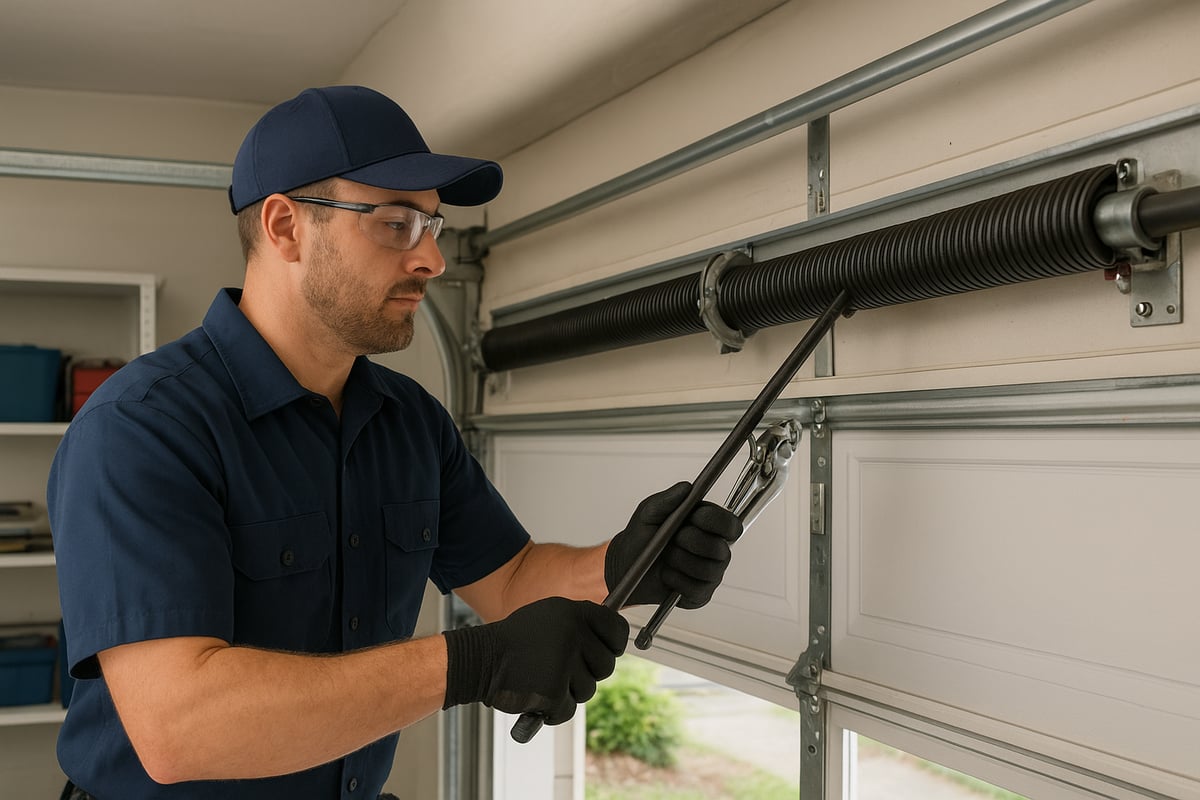
Benefits of Hiring a Professional
Choosing a professional garage door spring replacement service offers several key advantages. First, safety is paramount. Springs are under intense tension and can cause serious injury if mishandled. Professionals have the training and equipment to manage these risks.
Additionally, hiring experts saves time and eliminates guesswork. Technicians can quickly diagnose issues and prevent further damage to your garage door system. Most reputable companies also provide warranties, ensuring peace of mind.
If you want comprehensive solutions, many providers offer garage door repair services that address springs and other critical components. This approach ensures your entire system operates smoothly.
What to Expect from a Service Appointment
When you schedule a garage door spring replacement service, the process is designed for your convenience and safety. Appointments typically last one to two hours, depending on door size and complexity.
A technician will begin with a thorough inspection, confirming the type and condition of your springs. After discussing your options, they will explain the repair process and provide a clear cost estimate. You can expect transparent communication and a detailed overview of the work to be performed.
During the visit, professionals use specialized tools to safely remove and replace the springs, ensuring your system is restored to optimal function.
Cost Factors and Pricing Trends
The cost of a garage door spring replacement service in 2026 typically ranges from $200 to $400 per spring. Several factors influence the final price, including the type of spring, garage door size, and your geographic location.
Emergency services or custom-sized springs may increase costs. For example, prices in Bainbridge Island may be slightly higher than the national average due to local market conditions. However, investing in professional service protects your door and extends its lifespan.
Many companies provide upfront pricing and free estimates, so you can compare options and make informed decisions before proceeding with repairs.
How to Choose a Qualified Local Provider
Selecting a reputable garage door spring replacement service is essential for quality results. Start by verifying that the provider is licensed, bonded, and insured. This protects you from liability in case of accidents.
Next, review customer testimonials and ratings to gauge the company's track record. Look for clear communication, transparent pricing, and a willingness to answer your questions. Watch out for red flags such as hidden fees or poor responsiveness.
A reliable provider should also offer service guarantees and support after the repair is complete, ensuring you receive the best possible value.
NextLevel Garage Co.: Local Expertise for Kitsap County Homeowners
NextLevel Garage Co. is a trusted name for garage door spring replacement service in Bainbridge Island and Kitsap County. The team is fully licensed, bonded, and insured, offering both same-day and emergency appointments when you need urgent repairs.
Homeowners appreciate transparent, upfront pricing and free in-home estimates. All work is performed by experienced local technicians who are committed to professionalism and quality results.
With a strong community reputation and numerous five-star reviews, NextLevel Garage Co. delivers peace of mind and long-lasting solutions. Contact them at (206) 488 4636 or nextlvlgarages@gmail.com for expert assistance.
DIY vs. Professional Garage Door Spring Replacement: Risks and Rewards
Taking on a garage door spring replacement service yourself can seem appealing, especially if you are comfortable with home repairs. However, before grabbing your tools, it is essential to weigh the potential benefits and risks. In this section, we will explore the realities of DIY versus professional service, highlight common pitfalls, and clarify the liability implications every homeowner should consider.
Pros and Cons of DIY Replacement
Choosing a DIY approach for garage door spring replacement service offers both advantages and challenges. The main benefit is cost savings, as you avoid labor fees and only pay for parts. DIY projects can also be rewarding for those with mechanical skills and experience.
However, the risks are significant. Garage door springs are under high tension, and improper handling can cause serious injury. Specialized tools and knowledge are often required, especially for torsion springs. If you are unsure about the type of spring your door uses, resources like Different types of garage door springs can help clarify your setup. Ultimately, the decision comes down to balancing your skill set against the potential hazards.
When to Attempt DIY and When to Call a Pro
A garage door spring replacement service may be manageable for simple extension springs, particularly if you have prior experience and follow detailed instructions. However, torsion spring systems are complex and best left to professionals. If your garage door is unusually heavy, features multiple springs, or you encounter signs of severe wear, calling a certified technician is the safest route.
In urgent situations, such as a door stuck shut or a broken spring late at night, seeking emergency garage door repair ensures quick, safe resolution. Manufacturer warranties may also require professional installation, protecting your investment and reducing future risks.
Common Mistakes and How to Avoid Them
Many homeowners underestimate the technical demands of a garage door spring replacement service. Frequent errors include:
- Choosing the wrong spring size or type
- Applying incorrect tension, which can damage the door or opener
- Skipping essential safety steps, like securing the door or wearing eye protection
To avoid these pitfalls, always consult your owner’s manual, double-check measurements, and use the correct tools. If in doubt, do not hesitate to seek professional advice. Taking shortcuts can lead to costly repairs or personal injury.
Liability and Insurance Implications
Attempting a garage door spring replacement service on your own can have legal and insurance consequences. Improper installation may void your home insurance policy, leaving you financially responsible for damages. Additionally, if an accident occurs, you could be liable for injuries to yourself or others.
Professional installers carry liability insurance and provide warranties, protecting you from unexpected costs. It is important to document all repairs and keep receipts, whether you choose DIY or professional service. Prioritizing safety and compliance with local codes ensures peace of mind for you and your household.
Preventive Maintenance and Extending Spring Life
Proper maintenance is essential to keep your garage door running smoothly and extend the lifespan of your springs. By following a few simple routines, you can avoid unexpected breakdowns and protect your investment in a garage door spring replacement service.
Regular Inspection and Lubrication
Monthly visual checks are crucial for spotting early signs of wear or rust on your garage door springs. Look for gaps, fraying, or corrosion along the coils. Lubricate all moving parts with a silicone-based spray or garage door-specific lubricant to ensure smooth operation. Avoid using heavy oils, as they can attract dust and debris.
For step-by-step guidance, see the Maintain your garage doors year-round blog post, which offers practical tips to support your garage door spring replacement service efforts. Regular care reduces friction, minimizes noise, and helps you spot issues before they become emergencies.
Balancing and Adjustments
Testing your garage door’s balance is a simple yet effective way to prevent undue strain on your springs. Disconnect the opener and lift the door halfway. If it stays in place, your springs are balanced. If it sags or shoots up, tension adjustments are needed. Only attempt minor adjustments if you are confident in your skills.
Annual professional tune-ups are highly recommended, especially for those relying on a garage door spring replacement service. For more detailed steps, consult the Overhead door maintenance guide to keep your door functioning safely and efficiently.
Seasonal and Environmental Considerations
Humidity, salt air, and temperature shifts can all impact garage door springs. In coastal regions like Kitsap County, springs are more prone to rust and corrosion. Applying protective coatings and using corrosion-resistant materials can significantly extend spring life.
Schedule seasonal inspections as part of your garage door spring replacement service routine. This proactive approach helps you adapt to local climate conditions, ensuring reliability year-round. Always prioritize preventive steps to avoid costly repairs and sudden failures.
Now that you understand how crucial safe and effective garage door spring replacement is for your home’s security and daily convenience, it’s important to have a trusted expert by your side. Whether you’ve noticed warning signs or simply want peace of mind, we’re here to help you avoid risks and costly mistakes. NextLevel Garage Co. is dedicated to serving Bainbridge Island and Kitsap County with reliable service, clear communication, and proven craftsmanship. If you’re ready to take the next step or just need honest advice, Call now for a free estimate!
2 Responses