

Did you know your garage door is the largest moving object in your home, operating over 1,500 times each year? As technology and safety standards evolve, a modern garage door inspection in 2026 is more important than ever for protecting your family and property. This guide delivers expert, step-by-step advice for a thorough garage door inspection to help you avoid expensive repairs and ensure peace of mind. You will learn the basics, follow a proven inspection process, review safety features, spot common issues, get maintenance tips, and know when to call a professional.
Understanding Garage Door Inspections: Why They Matter in 2026
Garage doors are used thousands of times each year, making garage door inspection a critical part of home safety and maintenance. In 2026, with evolving safety standards and advanced technology, homeowners must be more proactive than ever. Neglecting regular checks can lead to injuries, property damage, and even voided warranties.
Industry updates for 2026 now require enhanced auto-reverse features and stricter safety protocols. These changes were prompted by real-world incidents, such as malfunctioning sensors causing doors to close on objects or people. Preventive maintenance is not just about safety; it is about protecting your investment. Routine inspections can extend a garage door’s lifespan to 15–20 years, reducing the risk of sudden breakdowns and emergency repairs.
Consider the cost difference: emergency repairs can cost up to four times more than preventive service. Homeowners who prioritize garage door inspection also avoid the inconvenience and stress of unexpected failures. A well-maintained door operates smoothly, quietly, and efficiently, offering both peace of mind and long-term value.
The Role of Regular Inspections
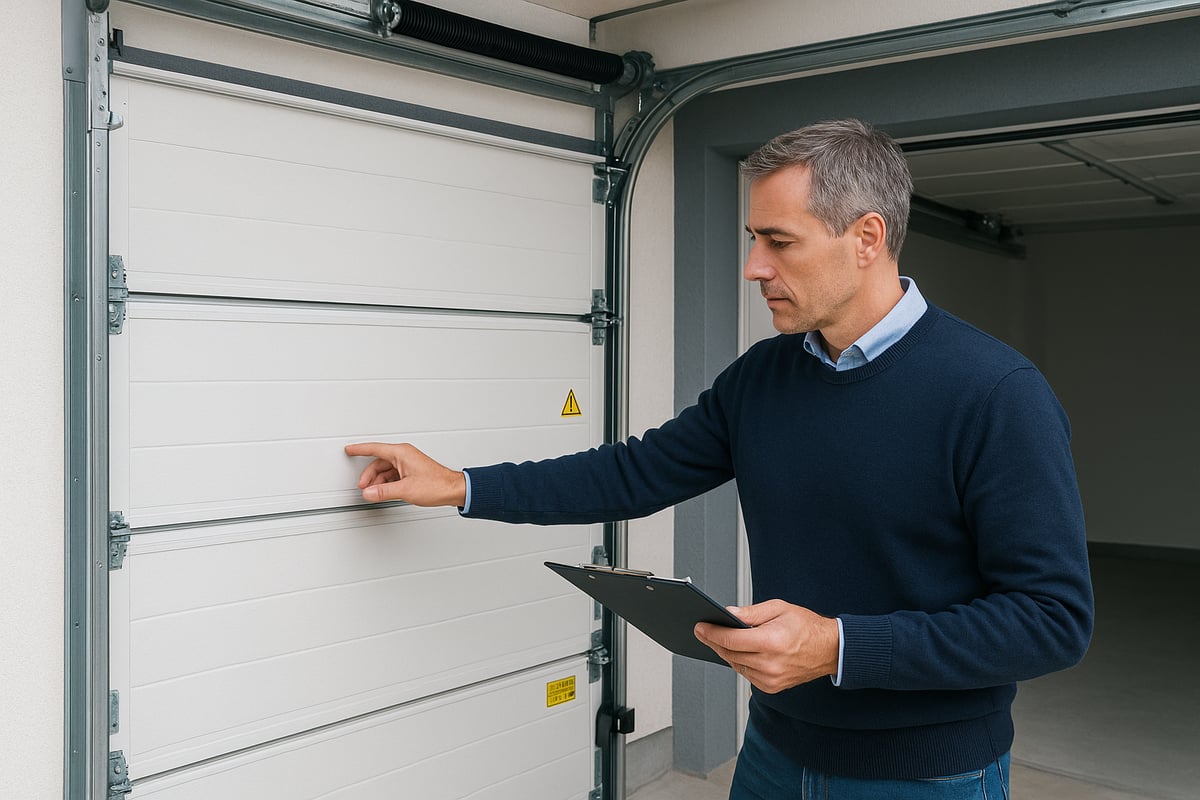
A typical garage door completes over 1,500 cycles each year. Every cycle places stress on components like springs, cables, and rollers. Over time, this wear and tear can cause hidden issues that compromise safety and function. Skipping a scheduled garage door inspection increases the risk of injury and property damage, especially as regulations tighten in 2026.
New standards require all openers to feature more sensitive auto-reverse systems, making compliance checks essential. The cost of neglect can be steep: a malfunctioning sensor may fail to stop a closing door, causing accidents or damaging vehicles.
Regular garage door inspection is a proven way to prevent these risks. Data shows that inspections can double the expected lifespan of your garage door system. In one real-world case, a faulty sensor went unnoticed until a routine check revealed the issue, preventing a potentially costly accident. Ultimately, inspections protect both your family’s safety and your home’s value.
Components Covered in a Comprehensive Inspection
A thorough garage door inspection addresses every system that keeps your door safe and functional. Key components include:
- Door panels: Checked for dents, cracks, and warping.
- Springs: Inspected for rust, gaps, or other signs of wear.
- Cables: Examined for fraying and proper tension.
- Rollers and tracks: Assessed for alignment and debris.
- Opener and sensors: Tested for responsiveness and safety compliance.
Each part plays a vital role in safe operation. For example, worn weatherstripping can let in water and pests, while misaligned tracks can force the door off its rails. According to industry statistics, most garage door failures are caused by neglected hardware or faulty sensors.
Homeowners often overlook small problems that seem minor at first. However, a loose hinge or faded warning label can quickly escalate into a major issue. For a detailed list of what to check, homeowners can refer to this Garage Door Inspection Checklist to ensure nothing is missed during their next garage door inspection.
Step-by-Step Garage Door Inspection Process for Homeowners
Performing a thorough garage door inspection is essential for maintaining safety and preventing unexpected repairs. This process, when done regularly, helps homeowners identify issues before they escalate. Below, you will find a detailed, step-by-step approach designed to guide you through a complete inspection, ensuring every vital component is checked.
1. Initial Visual Assessment
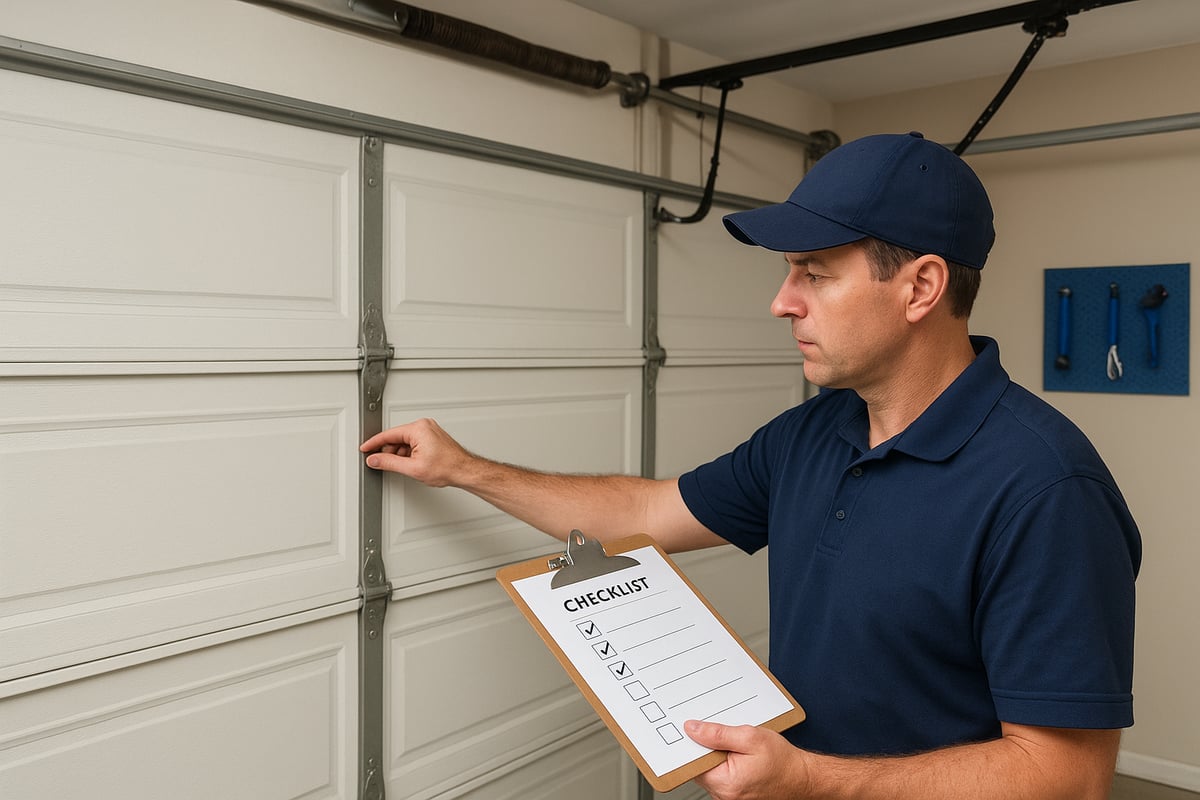
Begin your garage door inspection with a comprehensive visual check. Look closely at the panels for dents, cracks, or warping, as these can weaken structural integrity. Examine the weatherstripping along the bottom and sides for any gaps, tears, or signs of deterioration. Proper weatherstripping helps prevent water, pests, and energy loss.
Inspect the tracks on both sides of the door. They should be straight, free from obstructions, and securely fastened to the wall. Misaligned tracks can cause the door to bind or come off its rails. Check for missing or faded warning labels, especially near the springs and wall controls, as these are crucial for safety compliance.
A significant portion of issues can be spotted during this step. In fact, 70% of problems are visible at this stage. For a deeper dive into what to look for, review this resource on Common Garage Door Problems.
- Look for:
- Dents, cracks in panels
- Worn or missing weatherstripping
- Obstructions or misaligned tracks
- Faded or absent warning labels
Taking your time during this initial garage door inspection helps catch early warning signs, making the rest of the process smoother.
2. Hardware and Spring Evaluation
The next step in your garage door inspection focuses on hardware and springs. Visually inspect torsion or extension springs for gaps, rust, or any visible damage. Springs play a vital role in counterbalancing the door's weight, and damaged springs are a leading cause of accidents.
Check that all brackets, hinges, and fasteners are tightly secured. Loose hardware can cause the door to operate noisily or even collapse. For extension springs, confirm that containment cables are present and in good condition. These cables prevent springs from flying across the garage if they break.
- Inspect:
- Springs for rust, separation, or wear
- Brackets and hinges for tightness
- Containment cables for extension springs
If you encounter any damaged springs, do not attempt DIY repairs. Mark the door as unsafe and contact a professional immediately. Proper hardware assessment is a non-negotiable part of every garage door inspection.
3. Door Operation and Balance Test
A balanced garage door operates smoothly and safely. Start by disconnecting the opener using the manual release handle, which should be red and within easy reach. Carefully lift the door halfway. If it stays in place without drifting, the balance is correct. If it moves up or down, the springs may be failing.
While lifting, pay attention to resistance or unusual noises such as grinding or squealing. The rollers should remain within the tracks at all times. These observations are crucial, as difficulty lifting or excessive noise can signal deeper mechanical problems.
- Steps:
- Disconnect opener with manual release
- Lift door halfway and observe balance
- Listen for abnormal sounds
- Watch rollers during movement
A garage door inspection that includes this balance test helps ensure the system is operating safely and not putting undue strain on components.
4. Opener and Electrical System Check
Reconnect the opener and test its operation. The motor should run smoothly and quietly, without jerking or hesitating. Inspect the drive mechanism—whether chain, belt, or screw—for proper tension and signs of wear.
Check the wall push button’s height; it should be at least five feet above the floor to prevent child access. Test all remote controls and keypads to confirm they work within their expected range. If the opener fails to respond or is inconsistent, electrical issues may be to blame.
- Checklist:
- Smooth, quiet motor function
- Drive mechanism tension and wear
- Wall button placement
- Remote and keypad operation
Electrical and opener checks are core elements in any garage door inspection, helping prevent unexpected failures and ensuring all safety features function as intended.
5. Safety Features and Reversal Tests
Safety features are the backbone of modern garage door inspection protocols. Verify the presence of photoelectric eyes—these sensors should be aligned and installed less than six inches above the floor. Test the auto-reverse function by blocking the sensor beam; the door must reverse immediately.
Conduct the contact reversal test by placing a 2×4 under the door and closing it. The door should stop and reverse upon contact, in line with UL 325 standards. Manufacturers recommend using a 2×4 for accuracy and safety.
- Test:
- Photoelectric sensor alignment
- Auto-reverse function with beam obstruction
- Contact reversal with 2×4
Remember, federal law requires all openers to have functioning auto-reverse systems. These tests are an essential part of every garage door inspection to protect your family and property.
Key Safety Features to Inspect in 2026
Ensuring every garage door inspection in 2026 covers the latest safety features is essential for protecting your family and property. As technology and regulations evolve, homeowners must focus on the updated mechanisms and safeguards that prevent injuries and costly accidents.
Photoelectric Sensors and Auto-Reverse Mechanisms
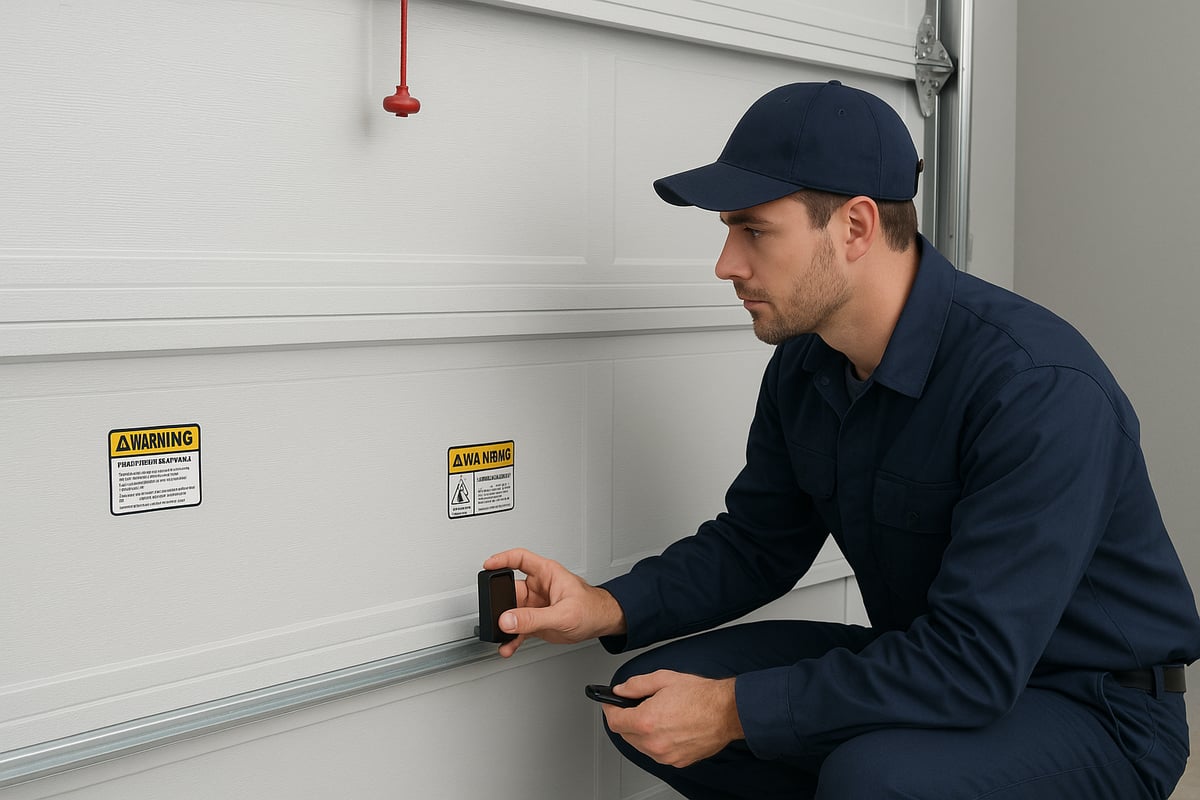
Photoelectric sensors, also known as safety eyes, are installed on each side of the garage door, about six inches above the floor. These sensors create an invisible beam across the door opening. If anything interrupts this beam while the door is closing, the auto-reverse mechanism triggers, causing the door to immediately stop and reverse its movement.
In 2026, updated standards require even greater sensor sensitivity and improved fail-safe systems. This means sensors are less likely to be fooled by dust, dirt, or misalignment. During a garage door inspection, homeowners should check that the sensors are securely mounted, free from debris, and perfectly aligned.
Common issues include blocked or dirty sensors, which can prevent the door from reversing as intended. According to Garage Door Safety Statistics, one in five garage door-related injuries is linked to malfunctioning safety sensors. This highlights why every garage door inspection must include a thorough sensor and auto-reverse test.
Always test the auto-reverse by placing an object like a 2×4 under the door. If the door fails to reverse, it is not safe to operate until repaired. Regular garage door inspection ensures these critical features work as designed.
Manual Release and Emergency Operation
The manual release handle is a vital part of every garage door inspection. This bright red handle, usually hanging from the opener rail, allows you to disconnect the door from the opener. In emergencies such as a power outage or opener malfunction, manual release lets you operate the door by hand.
Inspectors should always check that the handle is clearly marked, easily accessible, and functions smoothly. Testing the manual release during a garage door inspection ensures it is not stuck or obstructed. Best practice is to pull the handle when the door is closed, reducing the risk of sudden, uncontrolled movement.
A garage door inspection should also confirm that the door is balanced and easy to move manually. If the door feels heavy or moves erratically, it could indicate spring or balance issues. Safe manual operation is essential for every homeowner, especially during unexpected situations.
Spring Containment and Cable Safety
Garage door springs are under extreme tension and can be hazardous if they fail. During a garage door inspection, both torsion and extension springs need close evaluation. Torsion springs are mounted above the door, while extension springs run along the sides.
Containment cables are especially important for extension spring systems. These cables run through the springs and prevent them from flying across the garage if they break. Inspectors should verify that containment cables are present, intact, and not frayed.
A properly conducted garage door inspection looks for rust, gaps, or other signs of wear on springs. If any issues are found, only a trained professional should handle repairs. Springs are among the most dangerous components, so safety checks are non-negotiable.
Warning Labels and Child Safety Measures
Warning labels are required on several parts of the garage door system, including the springs, general warning signs, wall control, and bottom bracket. These labels provide vital safety instructions and alert homeowners to potential hazards.
Part of a thorough garage door inspection is checking that all labels are present, readable, and securely attached. Missing or faded labels can lead to misuse or unsafe operation, particularly for families with children.
Child safety also depends on the placement of wall-mounted controls. Controls should be at least five feet above the floor, out of reach of young children. Inspectors should confirm that tamper-resistant brackets are installed and that all safety measures meet current standards. These steps help prevent accidents and ensure peace of mind for homeowners.
Common Garage Door Problems Found During Inspections
A thorough garage door inspection uncovers the issues that can compromise safety and lead to expensive repairs. Homeowners often overlook early warning signs, but identifying these problems promptly is essential for preventing hazards and maintaining smooth operation. For a deeper dive into industry standards and what to look for, review the Garage Door Inspection Standards.
Signs of Wear and Imminent Failure
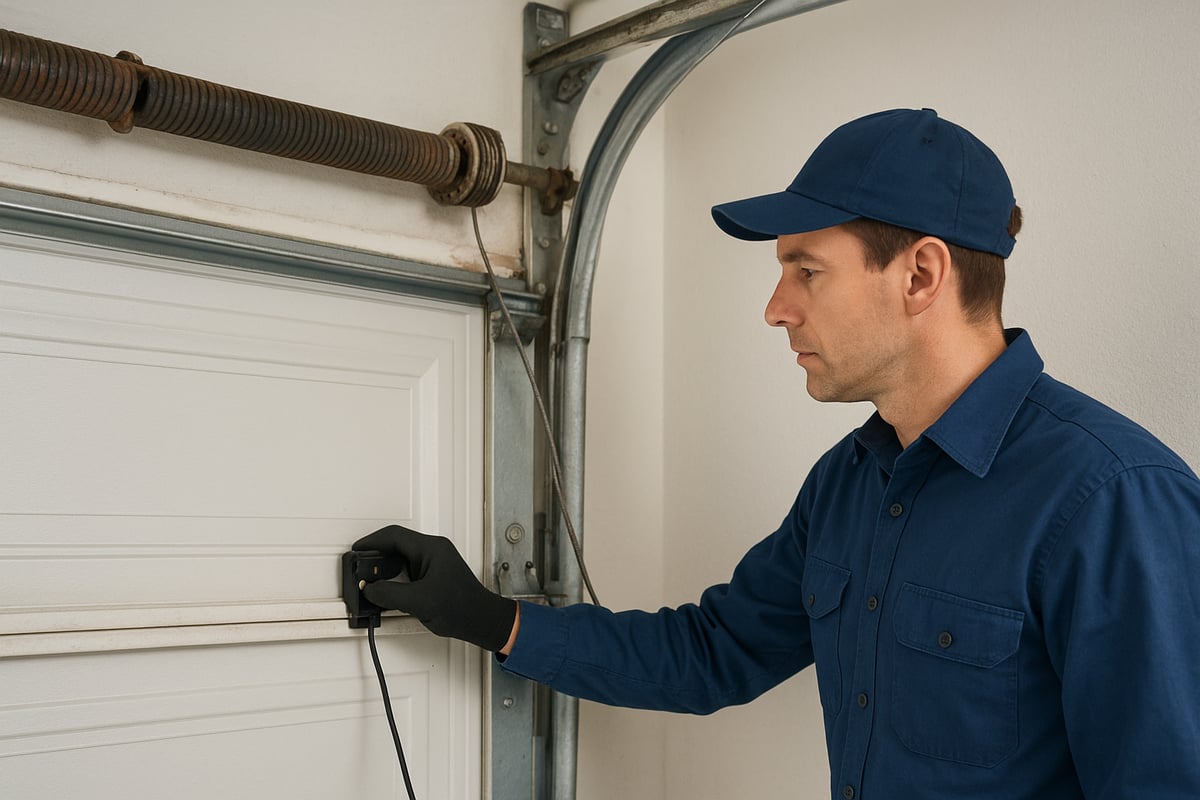
During a garage door inspection, physical wear is often the first indication of trouble. Frayed cables, loose brackets, and rusted springs are all common red flags. These issues can cause sudden breakdowns or even accidents if not addressed quickly.
Look for rollers that have slipped off their tracks or door sections sagging unevenly. Weatherstripping that is cracked or missing leads to water intrusion, energy loss, and pest problems. For instance, finding a frayed cable before it snaps can prevent a costly emergency repair and keep your family safe.
Regularly spotting these signs during a garage door inspection extends the system's lifespan and reduces unexpected failures. Always take note of minor issues before they escalate.
| Problem | Consequence |
|---|---|
| Frayed cables | Sudden door drop |
| Rusted springs | Loss of tension, breakage |
| Sagging panels | Uneven movement, gaps |
| Damaged weatherstrip | Water, pests, energy loss |
Operational Issues and Noises
Unusual sounds are a key indicator during a garage door inspection. Grinding, squealing, or banging noises suggest misalignment or lack of lubrication. Sticking doors or those that reverse unexpectedly often point to worn hardware or opener problems.
If your door binds or hesitates as it moves, check for debris in the tracks or damaged rollers. An opener that overheats or fails to respond consistently may have electrical faults or require maintenance.
Most opener failures can be traced back to neglected lubrication or minor mechanical issues. Addressing these symptoms early during a garage door inspection helps avoid bigger problems down the line.
Sensor and Safety Feature Malfunctions
Garage door inspection must always include a close look at safety sensors and auto-reverse mechanisms. If sensors fail to detect obstructions, the door may not stop or reverse as required, creating a serious hazard.
Test the auto-reverse feature with a solid object, such as a piece of wood. If the door does not respond correctly, it may need a force adjustment or sensor realignment. Sometimes, dust or debris blocks the sensor beam, causing malfunction.
A garage door inspection that overlooks these features can miss critical safety issues. Ensuring all reversal and safety devices work properly is vital for protecting people and property.
Environmental and Age-Related Concerns
Environmental factors play a significant role in garage door inspection findings. Coastal or humid climates can cause corrosion on metal parts, while UV rays degrade plastic components and weather seals.
Older doors, typically those over 15 years, are more likely to lack modern safety features and may have outdated wiring or worn materials. Regular garage door inspection helps identify these age-related risks before they develop into hazards.
By staying alert to environmental damage and the effects of time, homeowners can keep their garage doors reliable and compliant with the latest safety standards.
Essential Garage Door Maintenance Tips for Homeowners
Maintaining your garage door is essential for a safe and reliable home. A regular garage door inspection helps you spot problems early, avoid costly repairs, and extend the life of your system. With a few simple steps, homeowners can keep their garage door running smoothly all year.
Monthly and Seasonal Maintenance Checklist
A thorough garage door inspection begins with a simple, monthly routine. Regular upkeep prevents minor issues from becoming major headaches. Here is a recommended checklist:
- Visually inspect panels, tracks, and hardware for wear, rust, or damage.
- Lubricate springs, rollers, and hinges with a silicone-based garage door lubricant.
- Clean tracks to remove dust and debris.
- Check weatherstripping for gaps or signs of deterioration.
- Test door balance and verify all safety features, including auto-reverse sensors.
Completing these tasks each month supports a safer, more reliable system. For more tips on keeping your door in top shape, visit Year-Round Garage Door Maintenance Tips. Remember, a consistent garage door inspection routine is key to catching issues before they escalate.
What Homeowners Should (and Shouldn’t) Do
While many maintenance steps are safe for DIY, some repairs should always be left to professionals. Here is a quick overview:
| Safe DIY Tasks | Leave to Professionals |
|---|---|
| Cleaning tracks and panels | Spring adjustment or replacement |
| Lubricating moving parts | Cable replacement |
| Visual hardware checks | Opener motor repairs |
| Testing sensors and auto-reverse | Replacing rollers or brackets |
You can safely handle cleaning, lubricating, and basic garage door inspection tasks. However, never attempt spring or cable repairs yourself. Spring tension can cause severe injury if handled improperly. For more details on spring safety and when to call an expert, see Garage Door Spring Repair Information. Data shows that professional maintenance reduces emergency repairs by 60 percent, making expert help a wise investment.
When to Call a Professional
Some garage door inspection findings demand immediate expert attention. Contact a professional if you notice:
- Broken springs or cables
- The door is off-track or unbalanced
- Opener malfunctions or fails to respond
- Safety features do not work during testing
Never ignore warning signs. For example, if you discover a broken spring during a garage door inspection, schedule a professional repair right away to avoid further damage or risk of injury. Timely action ensures your garage door remains safe and operational for years to come.
When to Schedule Professional Garage Door Inspections and What to Expect
Timely garage door inspection is essential for every homeowner seeking to maintain safety, reliability, and compliance with current standards. With evolving technology and regulations in 2026, knowing when to schedule an inspection and what to expect can prevent costly surprises. This section outlines best practices, warning signs, and how professionals deliver thorough results.
Ideal Inspection Frequency
Routine garage door inspection should occur at least once per year for most residential systems. Annual checks help homeowners comply with manufacturer warranty requirements and ensure all safety features remain functional. If your garage door is subject to high use, harsh climates, or commercial demands, more frequent inspections are advised.
Industry data shows that regular inspections reduce emergency repairs and extend system lifespan. For a deeper dive into industry statistics and best practices, visit Garage Door Industry Insights. Staying proactive with scheduled garage door inspection keeps your home safe and your investment protected.
Warning Signs That Demand Immediate Attention
Certain issues signal the need for an immediate garage door inspection. Do not ignore the following warning signs:
- Unusual noises during operation, such as grinding or banging
- Uneven or jerky door movement
- Slow opener response or intermittent function
- Visible damage to panels, springs, or cables
- Sensors or auto-reverse system not working
If you observe any of these problems, arrange for a professional garage door inspection right away. Prompt attention to warning signs helps prevent accidents and major repairs.
What Professional Inspectors Do Differently
A professional garage door inspection goes beyond a basic check. Experts use specialized tools and detailed checklists to assess mechanical, electrical, and safety components. Inspectors examine opener systems, test balance, and verify compliance with updated standards for 2026.
Professionals also identify subtle issues that homeowners may overlook, such as minor wiring faults or advanced opener malfunctions. For more on what professionals look for in opener technology and safety features, see Understanding Garage Door Opener Technologies. Their thorough approach ensures your garage door inspection is both accurate and comprehensive.
How to Prepare for a Professional Inspection
Preparation helps maximize the effectiveness of your garage door inspection. Before your appointment, take these simple steps:
- Clear the area around the garage door and opener
- Make a list of recent issues or unusual noises
- Provide access to remotes, keypads, and manuals
- Gather past service records if available
By organizing your space and information, you enable the inspector to conduct a faster, more thorough garage door inspection. This preparation leads to better results and a safer home.
After learning how regular garage door inspections can protect your family and save you from unexpected repairs, it’s clear that proactive maintenance is the key to peace of mind. As you review your own garage system, remember that every home is unique and even careful homeowners may miss subtle warning signs. At NextLevel Garage Co., we take pride in helping Bainbridge Island and Kitsap County homeowners with expert inspections and honest recommendations—ensuring your garage stays safe and reliable for years to come. If you’d like a professional opinion or just want to know what to expect, Call now for a free estimate!