

A balanced garage door is one of the most critical yet overlooked components of a safe and functional home. Homeowners throughout Kitsap County often take their garage doors for granted until something goes wrong, but understanding proper balance can prevent costly repairs, extend equipment life, and protect your family from serious safety hazards. Whether you're dealing with a residential single-car door or a commercial multi-bay system, maintaining proper balance ensures smooth operation and reduces strain on every component in the lifting mechanism.
Understanding What Makes a Garage Door Balanced
A balanced garage door operates with the perfect tension relationship between its weight and the counterbalance system. When properly balanced, the door should remain stationary when lifted manually to any position, neither falling down nor rising upward on its own.
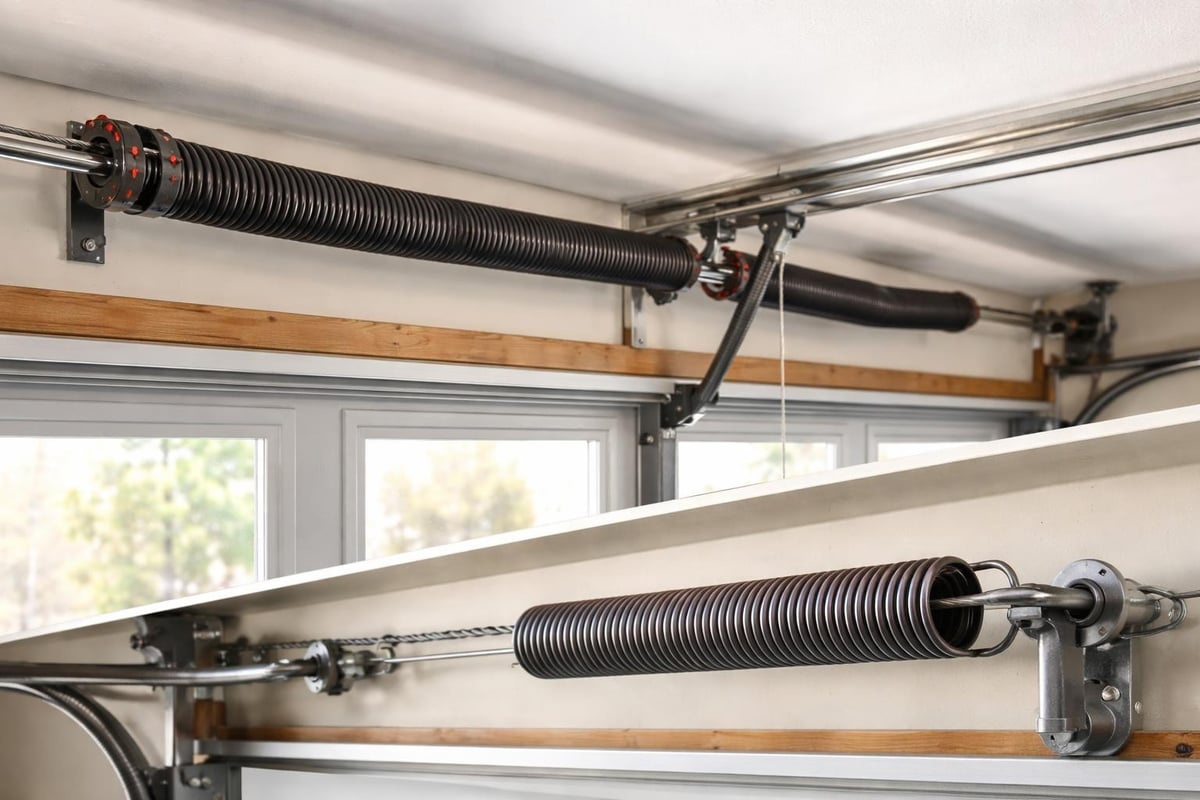
The counterbalance system typically uses torsion springs mounted above the door or extension springs along the tracks. These springs bear the full weight of the door, which can range from 100 pounds for a lightweight single door to over 400 pounds for insulated double doors. The springs compress or stretch to offset this weight, making it possible for your opener motor to lift the door with minimal effort.
The Physics Behind Door Balance
The relationship between spring tension and door weight follows precise engineering principles. Torsion springs twist when the door closes, storing energy that releases when the door opens. Extension springs stretch and contract with door movement, providing counterweight force throughout the cycle.
When this relationship falls out of alignment, the entire system experiences stress. An unbalanced door places excessive load on the opener motor, cable system, rollers, and tracks. According to the U.S. Consumer Product Safety Commission, an improperly balanced door creates significant safety hazards that can lead to unexpected crashes and serious injuries.
Warning Signs Your Door Needs Rebalancing
Recognizing imbalance early prevents major problems. Most homeowners can identify several telltale indicators before complete failure occurs.
Visual and auditory clues include:
- Door closes faster than it opens
- Visible gaps between door panels and floor when closed
- Uneven positioning with one side higher than the other
- Loud grinding, scraping, or squealing sounds during operation
- Jerky or stuttering movement instead of smooth travel
- Door reversing direction unexpectedly mid-cycle
The most reliable test involves disconnecting your opener and manually lifting the door halfway. A properly balanced door will stay in place, while an unbalanced door will either fall toward the ground or rise toward the ceiling. This simple check takes less than 60 seconds and provides immediate insight into your door's condition.
Operational Performance Issues
Beyond the physical test, operational behavior reveals balance problems. If your garage door opener struggles to lift the door or makes excessive noise, understanding modern garage door opener technologies can help you determine whether the issue stems from balance or opener malfunction.
Professional technicians often measure lifting force using specialized gauges. A balanced residential door should require no more than 15 pounds of lifting force at any point in its travel. Commercial doors have different specifications based on size and weight, but the principle remains the same: minimal resistance throughout the entire operating cycle.
Common Causes of Door Imbalance
Understanding why doors lose balance helps homeowners prevent future issues. Several factors contribute to this common problem, some preventable and others inevitable with age.
| Cause | Impact Level | Typical Timeframe |
|---|---|---|
| Spring wear | High | 7-10 years |
| Cable damage | Medium | Variable |
| Track misalignment | Medium | 5-15 years |
| Roller wear | Low to Medium | 10-15 years |
| Panel damage | Variable | After impact |
| Hardware loosening | Low | Ongoing |
Spring Degradation Over Time
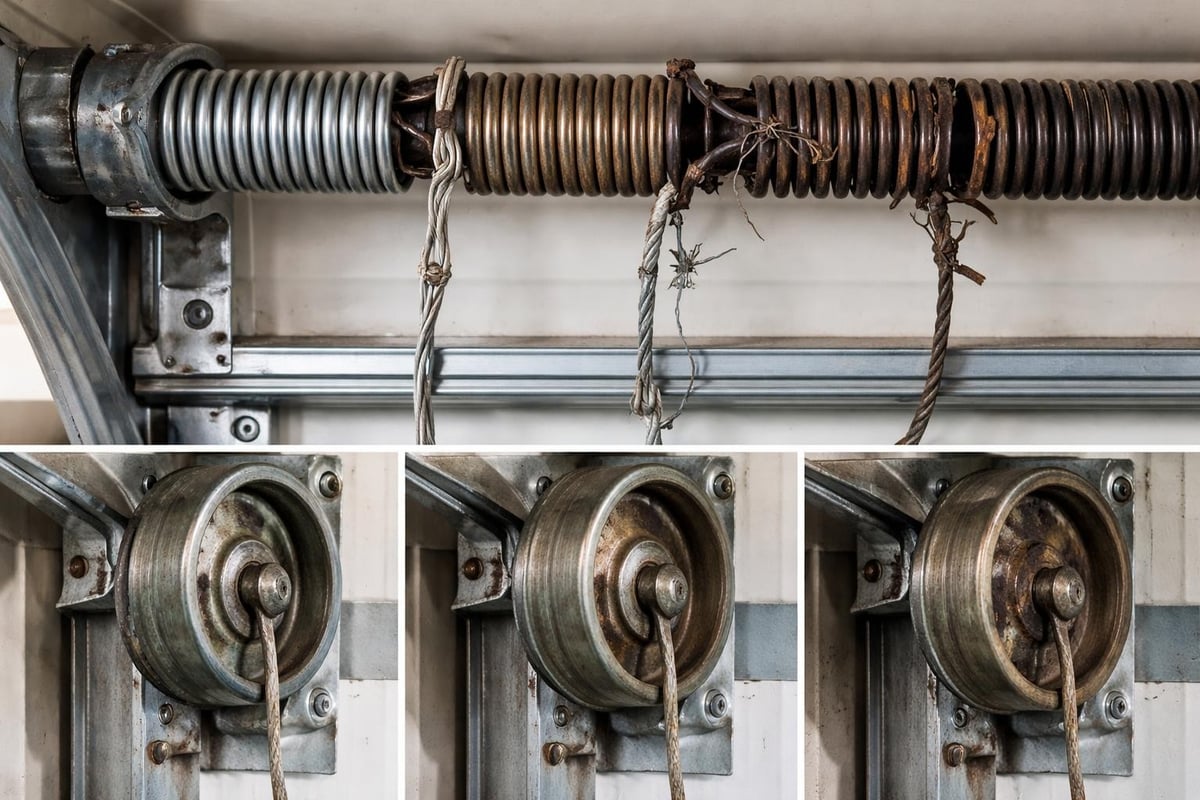
Springs represent the most common balance failure point. Every time your door cycles, springs lose a small amount of tension. Most residential springs are rated for 10,000 to 20,000 cycles, translating to roughly seven to ten years under normal use.
Temperature fluctuations in the Pacific Northwest accelerate spring degradation. Cold winter months cause metal to contract and become brittle, while summer heat leads to expansion. This constant cycling weakens the metal structure until the spring eventually breaks, often with a loud bang that startles homeowners.
Worn-out rollers also affect balance by creating uneven resistance along the track. When rollers develop flat spots or lose bearing integrity, they cause the door to bind at certain positions, mimicking or exacerbating balance problems.
Testing Your Garage Door Balance
Professional testing provides the most accurate assessment, but homeowners can perform basic evaluations between service appointments. Regular testing catches problems before they escalate into safety hazards or expensive repairs.
Step-by-step manual balance test:
- Close the door completely
- Disconnect the opener by pulling the emergency release cord
- Manually lift the door to waist height (approximately four feet)
- Release your grip and observe the door's behavior
- Repeat at chest height and fully open positions
The door should remain stationary at each test position. If it falls more than six inches or rises more than twelve inches, rebalancing is necessary. This test appears simple but provides reliable diagnostic information about spring tension and overall system health.
Professional Diagnostic Methods
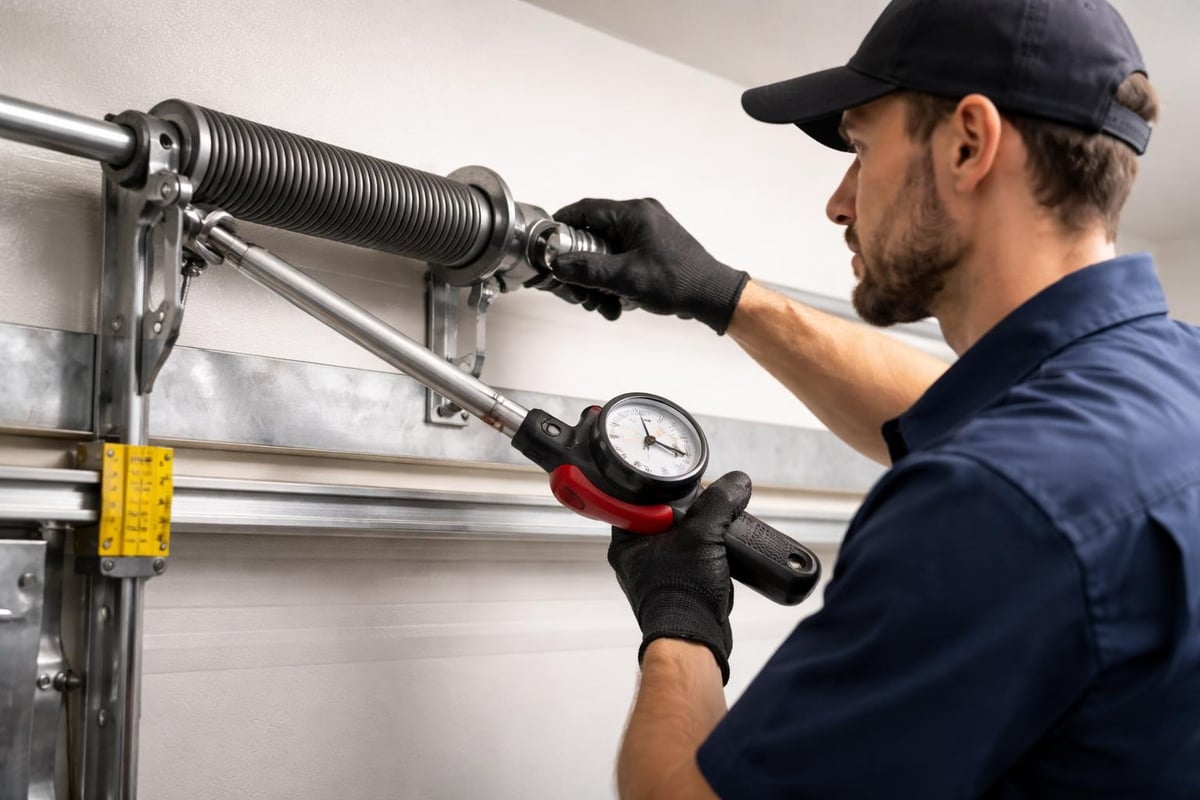
Professional technicians employ more sophisticated testing procedures. They measure spring tension with torque wrenches, check cable alignment with laser levels, and use electronic force gauges to measure lifting resistance at multiple points. These precision measurements identify subtle balance issues that manual testing might miss.
For detailed guidance on performing these tests yourself, resources like this comprehensive balancing guide walk through each step with visual references. However, given the risks involved with spring tension systems, most homeowners should consult professionals for actual adjustment work.
Safety Risks of Operating an Unbalanced Door
The consequences of ignoring balance problems extend far beyond inconvenience. An unbalanced garage door represents a legitimate safety threat that demands immediate attention.
A door that closes too quickly can crush vehicles, possessions, or people in its path. The automatic safety sensors on modern openers provide some protection, but they cannot compensate for excessive closing speed caused by spring failure. Garage door safety features work best when the door operates within normal parameters.
Impact on Family Safety
Children face particular risk from unbalanced doors. Their smaller size and unpredictable movements place them in danger zones where a falling door can cause severe injury. The crushing force of a heavy garage door falling at accelerated speed can cause life-threatening trauma.
According to research on garage door balance importance, unbalanced doors account for a significant percentage of garage-related injuries each year. These incidents often occur when homeowners attempt DIY repairs on spring systems without proper training or tools.
Property damage represents another concern. An unbalanced door that crashes down can damage vehicles parked beneath it, dent door panels, crack concrete floors, or break windows. The repair costs from a single catastrophic failure often exceed the expense of regular professional maintenance.
How Imbalance Affects Your Garage Door Opener
Your garage door opener motor is designed to provide minimal lifting assistance to an already balanced door. When balance fails, the opener must compensate by working harder, leading to premature wear and eventual failure.
Modern opener motors typically generate one-half to one horsepower, sufficient for balanced doors but inadequate for supporting the full weight of heavy insulated panels. Operating under these conditions causes motor overheating, gear wear, and shortened lifespan.
Components affected by opener strain:
- Drive chain or belt stretching and slippage
- Motor gear stripping and replacement needs
- Circuit board overheating and component failure
- Safety sensor misalignment from vibration
- Rail mounting loosening from excessive force
- Trolley assembly wear and potential failure
The cost difference is substantial. A balanced door with regular maintenance allows an opener to last 15 to 20 years. An unbalanced door can destroy a new opener in less than three years, creating an expensive cycle of replacement and repair.
Energy Efficiency Considerations
An unbalanced door also impacts energy consumption. The motor draws significantly more power when struggling against improper tension, increasing your electricity costs over time. While this difference might seem minor on a monthly basis, it compounds over years of operation.
For homeowners considering new garage door installation, understanding balance requirements helps with selecting appropriate spring systems and opener configurations from the start.
Professional Repair vs. DIY Adjustment
The temptation to adjust garage door springs yourself is understandable given the cost of professional service. However, this represents one of the most dangerous DIY projects a homeowner can attempt.
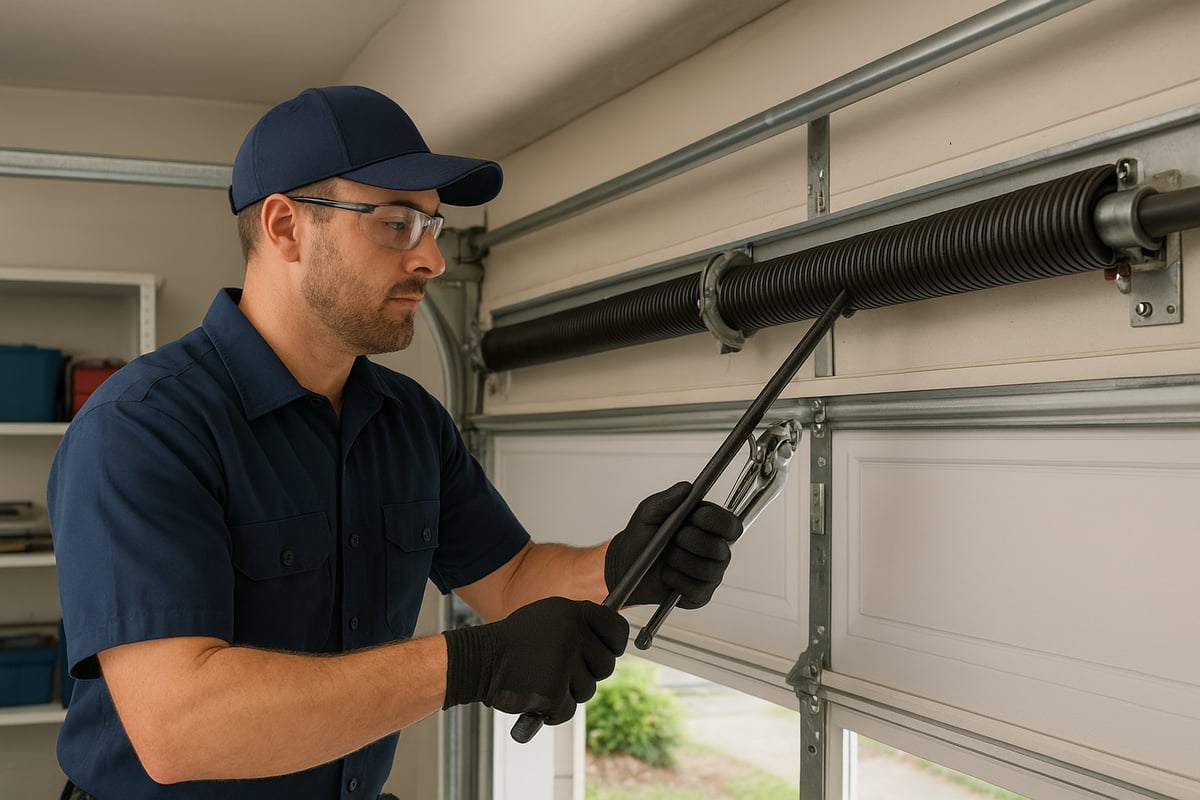
Torsion springs store tremendous energy. A standard residential torsion spring under full tension holds enough force to cause severe injury or death if it releases unexpectedly. The winding bars used to adjust these springs require precise technique and proper tools. Improvising with screwdrivers or using incorrect bar sizes often leads to loss of control and catastrophic results.
| Task | DIY Appropriate | Professional Required |
|---|---|---|
| Visual inspection | Yes | No |
| Manual balance testing | Yes | No |
| Lubricating components | Yes | No |
| Tightening loose hardware | Yes | No |
| Adjusting spring tension | No | Yes |
| Replacing broken springs | No | Yes |
| Cable repair or replacement | No | Yes |
Extension springs carry similar risks despite their different design. When these springs break, they can whip through the air with tremendous force, potentially striking anyone nearby. Professional installation includes safety cables that prevent this whipping action, but many older systems lack these critical safety features.
Professional technicians understand how balanced garage door systems interact with all door components. They recognize when balance problems stem from track alignment, damaged panels, or other issues beyond spring adjustment. Their experience prevents misdiagnosis and ensures comprehensive repairs. For those dealing with spring issues, professional spring repair services provide safe, warrantied solutions.
Preventive Maintenance for Long-Term Balance
Maintaining proper balance requires ongoing attention rather than waiting for failure. A comprehensive maintenance schedule extends door life and prevents unexpected breakdowns.
Monthly maintenance tasks:
- Visual inspection of springs for rust, gaps, or deformation
- Check cables for fraying or damage
- Test door balance using the manual lift method
- Listen for unusual sounds during operation
- Verify safety sensor alignment and function
Quarterly maintenance tasks:
- Lubricate all moving parts with silicone-based spray
- Tighten hardware including track brackets and hinge bolts
- Clean tracks and remove debris
- Inspect rollers for wear or damage
- Test emergency release mechanism
Annual professional maintenance:
- Complete system inspection by certified technician
- Precision balance measurement and adjustment
- Spring tension verification and documentation
- Opener force setting calibration
- Comprehensive safety feature testing
This layered approach catches developing problems before they escalate. Many homeowners find that regular garage door maintenance prevents the majority of emergency repair calls and extends component life significantly.
Environmental Factors Affecting Balance
The unique climate of Bainbridge Island and Kitsap County creates specific challenges for garage door balance. Understanding these environmental factors helps homeowners anticipate maintenance needs.
Temperature and Humidity Effects
Metal springs expand and contract with temperature changes. A spring properly balanced at 70 degrees may exhibit different characteristics at 30 degrees on a winter morning. This variance explains why some homeowners notice seasonal performance changes in their garage doors.
High humidity accelerates rust formation on springs and cables. Coastal properties face particular challenges from salt air exposure, which degrades metal components faster than inland locations. Protective coatings and regular lubrication combat these effects, but replacement intervals often shorten in harsh environments.
Wind exposure creates additional stress on balanced garage door systems. Properties on exposed hillsides or waterfront locations experience strong gusts that can push against closed doors, gradually loosening hardware and affecting alignment. Properly balanced and secured doors resist these forces better than compromised systems.
Upgrading to Improved Balance Systems
Newer garage door technologies offer enhanced balance characteristics compared to older designs. Homeowners replacing aging systems should understand these improvements when making purchase decisions.
High-cycle springs rated for 30,000 or more cycles provide longer service life and maintain tension more consistently. While they cost more initially, their extended lifespan and reduced maintenance requirements often justify the investment. Oil-tempered steel springs resist rust better than standard options, particularly valuable in humid coastal environments.
EZ-Set torsion systems simplify future maintenance by allowing controlled tension adjustment without traditional winding bars. While still requiring professional service, these systems reduce labor time and associated costs for routine adjustments.
For those planning comprehensive upgrades, complete garage renovation planning includes balance system considerations alongside other improvements like flooring, storage, and lighting.
Commercial vs. Residential Balance Requirements
Commercial garage doors present unique balance challenges due to their size and usage patterns. A commercial facility might cycle its doors 50 to 100 times daily compared to 4 to 6 cycles for residential applications.
This intensive use demands more robust spring systems and frequent maintenance intervals. Commercial springs typically receive inspection every three months rather than annually. Balance tolerances are tighter because even small variations multiply across larger door panels, creating significant operational issues.
Industrial garage door installations often incorporate multiple spring sets with redundant safety features. If one spring fails, the remaining springs prevent catastrophic door collapse until repairs can be scheduled. This redundancy is critical for businesses that cannot afford unexpected closures or safety incidents.
Industrial garage door openers designed for commercial applications include features like soft-start motors and precision speed controls that reduce balance-related stress on components.
Recognizing When Replacement Beats Repair
Sometimes the most cost-effective solution involves replacing the entire door rather than continually repairing a failing system. Several indicators suggest replacement makes more financial sense.
If your garage door is over 20 years old and experiencing balance problems, the supporting structure may have deteriorated beyond economical repair. Tracks wear, mounting brackets fatigue, and panels degrade over time. Investing in spring replacement for a door near end-of-life delays the inevitable while potentially compromising safety.
Multiple component failures within a short period indicate systemic problems. When springs break, cables fray, and rollers fail simultaneously, the door is communicating that its service life has ended. Repairing each component individually costs more than comprehensive replacement while leaving other worn parts waiting to fail.
Energy efficiency improvements often justify replacement decisions. Modern insulated doors with proper weather sealing and balanced operation reduce heating and cooling costs significantly compared to older single-layer panels. The energy savings can offset replacement costs over the door's lifetime.
Maintaining a properly balanced garage door is essential for safety, performance, and cost control in your home or business. Regular testing, professional maintenance, and prompt attention to warning signs prevent the majority of serious problems while extending equipment life. Whether you're dealing with minor balance adjustments or need complete system evaluation, NextLevel Garage Co. brings expert service to homeowners and businesses throughout Kitsap County. Our certified technicians provide comprehensive garage door solutions with the quality workmanship and clear communication you deserve.