

Is your garage door making strange noises, refusing to open, or simply not performing as it should? You are not alone. Many homeowners face unexpected garage door challenges that can disrupt daily routines and compromise safety.
A well-functioning garage door is essential for protecting your family, securing your property, and preserving your home's value. Ignoring garage door problems can lead to costly repairs or even emergencies.
That is why this fix it right garage doors guide delivers expert solutions designed to save you time, money, and stress. Here, you will find a complete 2026 resource with professional insights, step-by-step troubleshooting, and preventative strategies.
In this guide, you will discover:
- The most common garage door issues
- Detailed repair walkthroughs
- Proactive maintenance tips
- Upgrade options for modern homes
- Guidance on when to call a professional
Let us help you take control of your garage door’s reliability, safety, and performance.
Understanding Common Garage Door Problems
Is your garage door acting up, making odd sounds, or getting stuck? You are not alone. Many homeowners search for ways to fix it right garage doors when these problems arise. Understanding the root cause is your first step to a safe, convenient, and reliable garage.
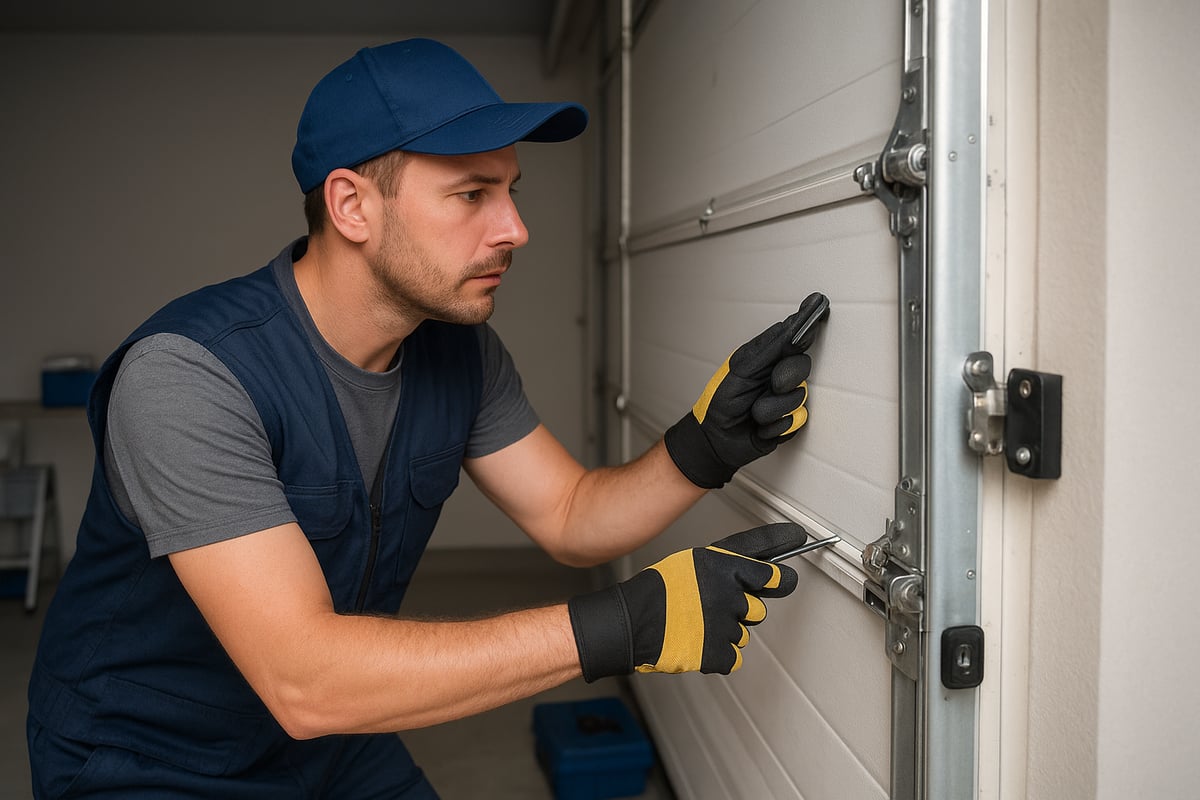
Most Frequent Issues Homeowners Face
Garage doors are complex systems, and even minor faults can disrupt daily routines. The most common problems homeowners encounter include:
- Noisy operation: Squeaking, grinding, or rattling can signal worn rollers, loose hardware, or lack of lubrication. Ignoring these noises can lead to bigger mechanical failures.
- Door won’t open or close: Causes range from sensor misalignment and broken springs to power failures. For example, a sudden power outage in winter can leave your car trapped inside.
- Uneven or jerky movement: This often points to track obstructions, bent rails, or frayed cables. A door that moves unevenly can become a safety hazard if not addressed.
- Remote or keypad malfunctions: Dead batteries, signal interference, or circuit board faults may prevent your remote or keypad from working. A simple battery replacement or reprogramming sometimes solves the issue.
- Weather-related problems: Cold snaps can cause metal parts to contract, making doors stick or seals fail. Homeowners in colder climates, like Toronto, often notice loud noises or stuck doors during winter.
A recent analysis shows there are over 2,900 searches for garage door service each month within a 25-mile radius, highlighting how widespread these issues are.
Early identification is key. Spotting a frayed cable or misaligned sensor before a complete failure can prevent costly repairs and emergencies. If you want to learn more about these issues in depth, the Common garage door problems guide offers practical insights and troubleshooting advice.
By recognizing these warning signs, you can take proactive steps to fix it right garage doors and maintain peace of mind.
Diagnosing vs. Guessing: Why Accurate Assessment Matters
When a garage door malfunctions, guessing the cause can be risky. Many homeowners attempt quick fixes, but without a proper diagnosis, small problems can turn into expensive repairs. The fix it right garage doors approach begins with understanding the risks of DIY misdiagnosis.
- Safety hazards: Attempting repairs on high-tension springs or cables without expertise can cause serious injury.
- Wasted money: Replacing the wrong part or using the wrong tools may not solve the issue, leading to additional costs.
- Loss of convenience: Multiple failed attempts can leave your door stuck or unreliable, disrupting daily routines.
Professionals use a systematic approach. They start with a visual inspection, checking for obvious damage or loose parts. Next, they perform operational tests, listening for unusual sounds and observing door movement. Component analysis follows, where springs, rollers, and sensors are evaluated for wear or misalignment.
For example, a door refusing to close could be due to either misaligned sensors or a faulty opener. A professional can distinguish between these symptoms quickly, ensuring a safe and cost-effective solution.
Accurate diagnosis is the foundation of the fix it right garage doors philosophy. It leads to faster repairs, fewer repeat issues, and greater safety for your home and family. Always take the time to assess before acting, or consult an expert when in doubt.
Step-by-Step Guide: How to Fix Common Garage Door Issues
Tackling garage door problems can feel overwhelming, but you do not need to be an expert to get started. This step-by-step guide will walk you through the most effective ways to fix it right garage doors, ensuring safety, reliability, and peace of mind.
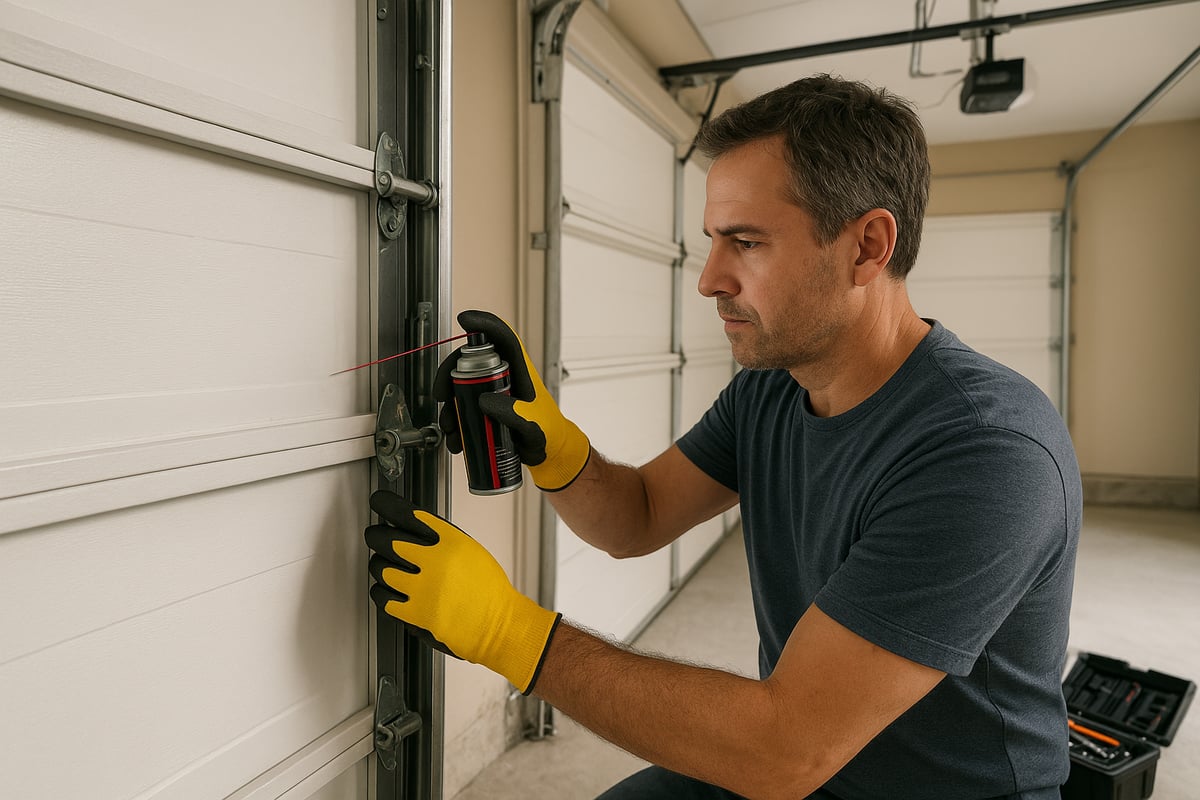
Step 1: Initial Inspection and Safety Precautions
Begin your fix it right garage doors approach with a thorough visual inspection. Look for signs of wear, such as frayed cables, dented panels, or loose hardware. Check for any obstructions on the tracks or floor that might interfere with door movement.
Test the door’s operation using the wall control or remote. Listen for unusual squeaks, grinding, or jerky movements. These warning signs often point to underlying issues.
Prioritize safety throughout the process. Disconnect the power to the opener before any hands-on work. Always use the proper tools and wear gloves and safety goggles to protect yourself from sharp edges or high-tension components.
For example, a broken spring will leave the door heavy and difficult to lift manually. In contrast, a misaligned track might cause the door to veer off course during operation. By starting with a careful inspection, you quickly narrow down the list of potential problems.
Step 2: Lubrication and Basic Maintenance
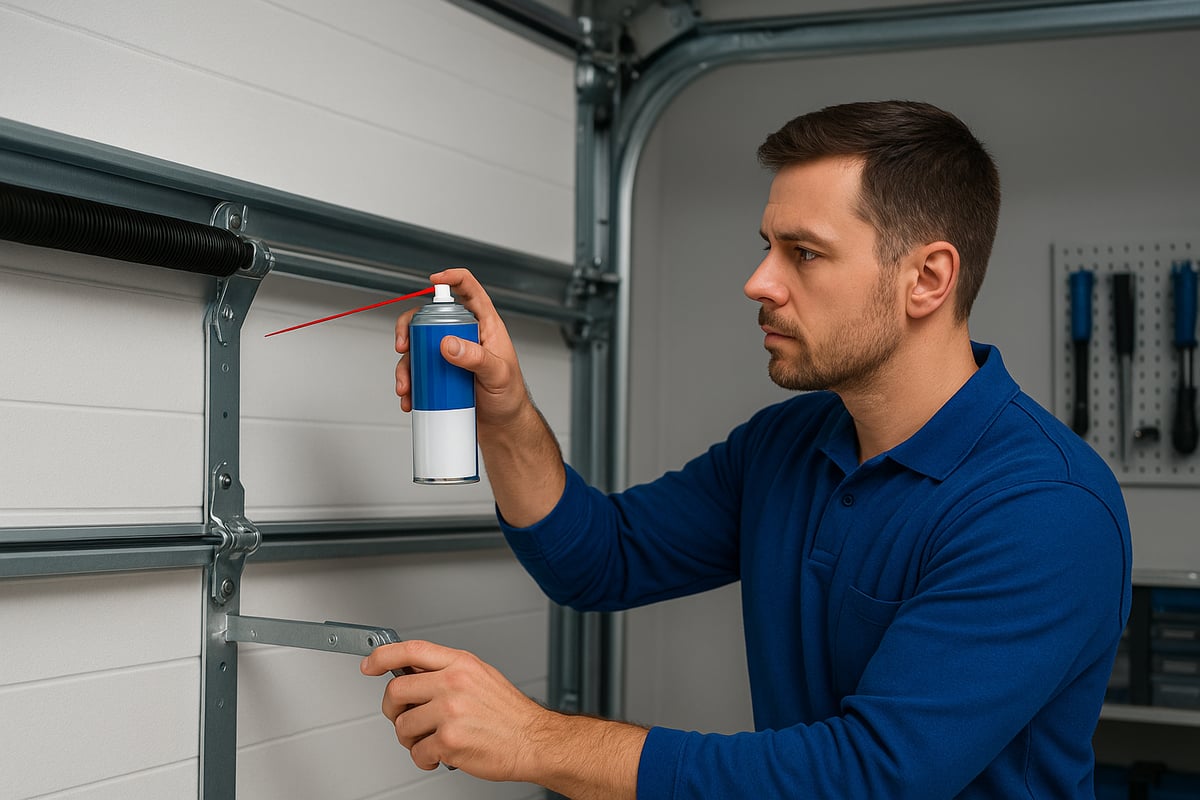
Routine lubrication is essential for fix it right garage doors. Identify all moving parts—rollers, hinges, springs, and tracks. Use a high-quality silicone or lithium-based garage door lubricant, applying a thin layer to each component.
After lubricating, wipe away excess oil to prevent slips and accumulation of dust. Repeat this process at least twice a year, and more frequently in areas with harsh winters or heavy use.
A well-lubricated door operates smoothly and quietly. For instance, Toronto homeowners often apply lubricant before winter to combat cold-related stiffness. Industry data shows regular lubrication can reduce noise and extend the lifespan of garage parts by up to 30%.
By maintaining these simple habits, you help fix it right garage doors and avoid costly repairs.
Step 3: Addressing Door Alignment and Track Issues
If your garage door is moving unevenly or coming off its track, alignment is likely the culprit. Start by examining the tracks for bends, gaps, or debris. Use a level to check for straightness along the entire length.
Tighten any loose bolts or brackets securing the tracks to the wall. If you find significant bends or damage, compare the cost and effort of repair versus replacement. Sometimes, a replacement is safer and more reliable.
For doors that have come off their tracks entirely, follow a detailed guide like Repairing garage doors off track for step-by-step instructions and safety tips. Attempting to force the door back can cause more harm than good.
Fix it right garage doors by addressing alignment early. A door that is properly aligned is safer, lasts longer, and operates more quietly.
Step 4: Troubleshooting Opener and Remote Problems
When your opener or remote stops working, start with the basics. Replace remote batteries, check the power supply, and ensure the opener is plugged in. Next, inspect the sensors near the base of the door—clean them and confirm they are facing each other.
If the remote still does not respond, try reprogramming it using the manufacturer's instructions. In some cases, a power outage or surge may require resetting the opener’s circuit board.
A common fix it right garage doors scenario involves an opener that becomes unresponsive after a storm. Resetting the unit and checking for tripped breakers often resolves the issue.
If these steps do not restore function, the issue could be a faulty circuit board or aged opener, requiring professional attention.
Step 5: Replacing Weather Seals and Insulation
A worn or cracked weather seal can let in water, pests, and cold air. Inspect the bottom and sides of the door for gaps or brittle rubber. Remove the old seal by pulling it free from the groove, then clean the area before installing a new one.
Measure and cut the replacement seal to fit. Slide or press it into place, ensuring a snug fit along the entire edge. For added efficiency, consider upgrading insulation panels inside the door.
Fix it right garage doors by sealing out drafts and moisture. Effective weatherproofing improves energy efficiency and protects your garage’s contents from the elements.
Step 6: When to Call a Professional
Some repairs are best left to experienced technicians. If you detect a broken spring, snapped cable, or severely damaged panel, do not attempt DIY fixes. High-tension components can be extremely dangerous without the right tools and training.
Industry data shows that professional intervention is recommended for spring replacement due to the risk of injury. Attempting these repairs can void your warranty or cause further damage.
Fix it right garage doors by recognizing when to call for help. A certified professional ensures repairs are safe, compliant, and built to last.
Preventative Maintenance for Long-Term Reliability
A proactive approach to garage door care is the cornerstone of long-term performance and safety. Homeowners who prioritize regular upkeep of their fix it right garage doors enjoy smoother operation, fewer emergencies, and greater peace of mind.
Seasonal Maintenance Checklist
Staying on top of seasonal tasks is the best strategy for keeping fix it right garage doors in optimal shape. Each season brings unique challenges, so a tailored checklist is essential.
Spring:
- Inspect springs for wear or rust
- Lubricate all moving parts
- Test and reset opener settings
Summer:
- Clean tracks to remove dust and debris
- Test safety reversal systems
- Check for signs of rust or corrosion
Fall:
- Replace worn weather seals
- Inspect insulation for gaps or damage
- Prepare the door for upcoming cold temperatures
Winter:
- Monitor for freezing or sticking doors
- Lubricate components more frequently
- Check for ice buildup on tracks
For example, organizing the garage ahead of winter ensures easy access to tools and reduces the risk of maintenance being overlooked. Prioritizing these steps for your fix it right garage doors helps prevent minor issues from escalating.
Benefits of Routine Maintenance
Consistent care pays off in several measurable ways. Fix it right garage doors that receive regular attention last longer, require fewer costly repairs, and maintain their safety features.
Consider these proven benefits:
| Benefit | Impact |
|---|---|
| Extended Lifespan | Delays need for replacement |
| Lower Repair Costs | Up to 50% savings over 5 years |
| Enhanced Safety | Auto-reverse and sensors stay reliable |
| Better Energy Efficiency | Weather seals reduce drafts |
Routine maintenance also means you are less likely to face emergencies during extreme weather. By following a schedule, you ensure your garage door remains an asset, not a liability.
DIY vs. Professional Maintenance
Many basic fix it right garage doors tasks can be handled by homeowners. Lubricating hinges, cleaning tracks, and testing opener features are safe and effective DIY jobs when done properly.
However, some maintenance tasks, like spring adjustments or cable repairs, are best left to professionals. Scheduling an annual inspection with a certified technician complements quarterly DIY checks, ensuring nothing is missed. For step-by-step instructions on year-round care, the Step-by-step garage door maintenance guide offers practical tips and visuals.
Choosing the right mix of self-care and expert support means your fix it right garage doors will continue to serve reliably for years to come.
Choosing the Right Garage Door Solutions in 2026
Selecting the right garage door solutions in 2026 requires more than just picking a style. Homeowners want reliability, security, and features that align with their lifestyle. The fix it right garage doors approach emphasizes making informed choices that deliver long-term value and peace of mind.
Latest Trends in Garage Door Technology
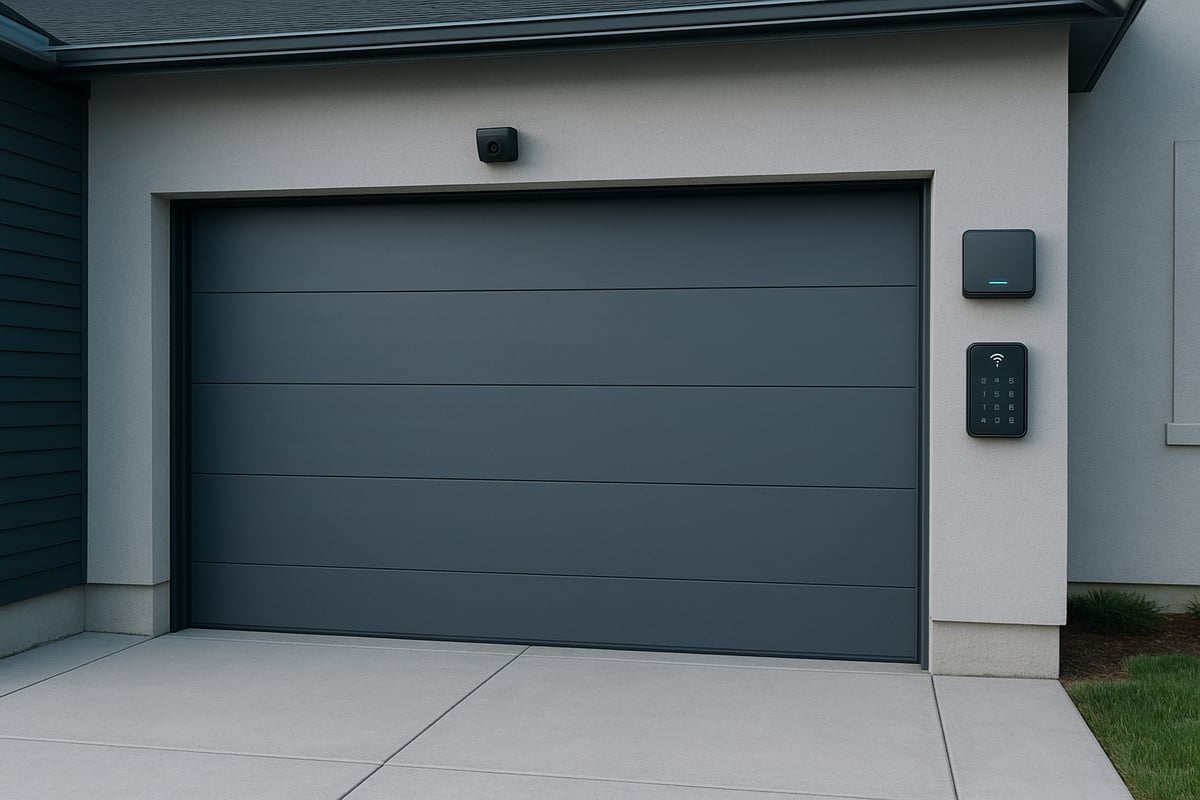
Garage doors have evolved rapidly, offering homeowners more than just basic security. In 2026, smart openers are at the forefront, allowing control through Wi-Fi, mobile apps, and even voice commands. These systems enable real-time monitoring, remote access, and integration with home automation platforms.
Energy efficiency is another priority. Many fix it right garage doors now feature insulated panels, weather seals, and eco-friendly materials that help reduce energy loss. This is especially valuable in regions with harsh winters or hot summers.
Security enhancements are also shaping the industry. Modern doors use rolling code technology, built-in cameras, and advanced sensors to deter intrusion. Customization options abound, with a wide range of styles, finishes, and hardware to match any home’s design.
For those interested in exploring the latest smart opener features, Understanding opener technologies in 2026 provides a detailed look at what’s available and how these innovations can benefit your home.
Data from recent studies reveal that contemporary and panel-style fix it right garage doors remain popular choices, combining aesthetics with advanced performance. Upgrading to these solutions ensures your garage door is both future-ready and visually appealing.
Selecting the Best Service Provider
Choosing who installs or repairs your garage door is as important as selecting the door itself. The fix it right garage doors philosophy stresses the need for a provider who is licensed, insured, and has a proven track record.
Start by reviewing customer feedback. Look at online platforms for ratings and testimonials. Providers with transparent pricing, clear warranties, and a local presence are often more responsive and accountable.
Key qualities to seek in a service provider:
- Proper licensing and insurance
- Positive reviews and local reputation
- Transparent pricing and warranty policies
- Prompt and professional communication
Yelp reviews for companies like 911 Garage Pros and Plano Overhead Garage Door show that owner-operated businesses often deliver personalized service that national chains cannot match. These local experts understand the unique needs of your community and can offer tailored solutions.
When comparing providers, ask about their experience with the specific fix it right garage doors models you are considering. This ensures they can handle the latest technologies and provide support for years to come.
Ultimately, investing time in choosing the right partner will safeguard your home’s security, convenience, and value for the future.
Garage Door Replacement vs. Repair: Making the Right Decision
Deciding whether to repair or replace your garage door is a crucial step for homeowners who want to fix it right garage doors issues efficiently. The right choice can save money, boost home value, and ensure smooth operation for years to come. Let us break down the process so you can make an informed, confident decision.
Factors to Consider
Several factors affect whether you should repair or replace your garage door. Start by considering the age and overall condition. Older doors with frequent breakdowns may cost more in the long run. Evaluate how often you face problems like sticking, loud noises, or remote failures.
Next, compare costs. Sometimes, repeated repairs add up quickly. Use this simple table to weigh your options:
| Factor | Repair | Replacement |
|---|---|---|
| Cost | Lower upfront | Higher upfront, long-term save |
| Lifespan extension | Short-term | 15–30 years |
| Curb appeal | Unchanged | Boosted |
| Safety/features | May remain outdated | Latest tech & safety |
Also, think about convenience. Upgrading from manual to automatic can make daily life easier and raise your property value. If you want to fix it right garage doors and avoid recurring headaches, a one-time investment in a new door often pays off.
Signs It’s Time for Replacement
How do you know repair is no longer enough? Watch for persistent operational issues even after multiple fixes. Extensive rust, cracks, or warping signal that the structure is compromised. If your door lacks modern safety features or uses outdated technology, it may put your family at risk.
For example, many homeowners swap traditional wood doors for insulated steel models that cut energy bills and resist harsh weather. If you notice increased noise, slow operation, or visible wear, it is time to consider a full update. Relying on patchwork solutions is not the way to fix it right garage doors. Instead, look for visible signs and track how often problems reappear.
The Replacement Process Explained
Choosing to replace a garage door is a big step, but the process is straightforward if you follow expert advice. Start by selecting the style, material, and features that match your needs. You can pick from steel, aluminum, wood, or composite, each offering unique benefits.
Professional installation ensures proper alignment, safety, and long-term durability. Installers remove the old door, fit the new one, and test all features for flawless operation. They also dispose of the old door responsibly, often offering eco-friendly recycling options.
Safety is critical during replacement. Review Garage Door Safety Guidelines before starting or hiring a pro. This keeps your household safe and helps you fix it right garage doors with confidence.
Expert Tips for Garage Door Longevity and Performance
Maintaining your garage door is not just about avoiding breakdowns, it is about ensuring your home remains secure, efficient, and convenient. The fix it right garage doors approach centers on proactive care, smart seasonal preparation, and safe organization. Here are expert strategies to keep your system in top shape year after year.
Proactive Care Strategies
Routine care is the foundation of the fix it right garage doors philosophy. Regularly clean the door panels and hardware to prevent dust and debris from causing wear. Inspect moving parts like rollers and hinges for signs of rust, looseness, or damage.
Set a lubrication schedule every six months, choosing a quality silicone or lithium-based product. Apply sparingly to rollers, hinges, and springs, then wipe away excess to reduce mess. Monitor your door’s response time and listen for unusual noises, which often signal issues before they escalate.
- Clean panels and tracks monthly
- Lubricate moving parts twice a year
- Address small issues promptly
Vigilant care can prevent expensive repairs and extend the lifespan of your garage door.
Preparing Your Garage Door for Seasonal Changes
Weather shifts can impact your garage door’s performance. Before winter, ensure weather seals are intact and lubricate all moving components to prevent freezing. In summer, check for swelling or warping of door materials and adjust opener settings for optimal operation.
If you live in an area with harsh winters, like Toronto, consider insulating your garage door. Adjust the force and limit settings on your opener as temperatures change to maintain smooth functionality. Preparing for seasonal shifts is key to the fix it right garage doors mindset.
- Replace worn weather stripping each fall
- Insulate doors in cold climates
- Test opener safety reversal monthly
Proper preparation minimizes the impact of extreme weather and keeps your door running smoothly.
Enhancing Garage Organization and Safety
A well-organized garage not only makes maintenance easier but also improves safety. Keep tracks and entryways clear of clutter to prevent obstructions. Store chemicals and flammable materials away from opener components.
Install motion-activated lights and, if possible, add security cameras for peace of mind. For more detailed safety advice, consult resources like Garage Door Safety Tips for Homeowners.
- Maintain clear pathways around the door
- Store hazardous materials safely
- Upgrade safety features as needed
A tidy, safety-focused garage environment supports long-term door reliability.
Resources for Homeowners
Empower yourself with knowledge. Keep your manufacturer’s manual handy for troubleshooting and maintenance guidelines. Explore trusted repair guides and video tutorials for step-by-step instructions.
Engage with community forums to share experiences and seek advice. DIY checklists and professional advice are invaluable for anyone committed to the fix it right garage doors standard.
- Reference manuals for model-specific info
- Use online tutorials for visual guidance
- Join homeowner forums for support
Staying informed makes maintenance easier and ensures your garage door remains a lasting asset.
Frequently Asked Questions About Garage Door Repairs
Garage door problems can be confusing and stressful. Below, we answer the most common questions homeowners have about how to fix it right garage doors for reliability and peace of mind.
How often should I lubricate my garage door?
Lubricate all moving parts of your garage door at least twice a year. In regions with harsh climates, such as cold or humid environments, increase the frequency to every few months. Proper lubrication helps ensure you fix it right garage doors for quieter operation and longer lifespan.
What are the warning signs of a failing garage door spring?
Look for a door that struggles to open, appears crooked, or makes loud noises. If you notice gaps in the spring or the door feels extremely heavy, avoid using it and contact a professional. Attempting to fix it right garage doors with broken springs on your own is dangerous.
Can I replace my garage door opener myself?
Some opener replacements are manageable for experienced DIYers. However, newer models often require electrical knowledge and careful calibration. If you want to fix it right garage doors and maintain warranties, consider hiring a certified technician.
How do I know if my weather seal needs replacement?
Inspect the bottom and sides of your garage door for cracks, gaps, or brittleness. If you see daylight or feel drafts, it’s time for a new seal. Replacing it helps fix it right garage doors by improving energy efficiency and protecting your garage from the elements.
What should I do if my door won’t open in cold weather?
Check for frozen seals or tracks, and gently clear any ice buildup. Lubrication can prevent sticking. Persistent issues may require professional help, especially if mechanical parts are affected.
Is it worth upgrading to a smart garage door system?
Yes, smart openers add convenience, security, and remote access. With recent advancements, including AI-powered diagnostics and maintenance, smart systems can help you fix it right garage doors with predictive alerts and easy troubleshooting. Learn more about these innovations at AI in Garage Door Industry Statistics.
How do I find a reputable garage door service near me?
Look for companies with strong local reviews, proper licensing, and transparent pricing. Ask about warranties and service guarantees to ensure you get the right support.
If you want your garage door to work safely and smoothly all year long, a proactive approach is key. We’ve covered everything from spotting early warning signs to knowing when to bring in a pro. Whether you’re tackling a quick fix or considering a full upgrade, peace of mind comes from expert guidance and quality workmanship. If you’re ready for clear answers or need help with a repair or installation, let’s make sure it’s handled the right way. For personalized advice or a no obligation quote, Call now for a free estimate!