

Fixing a garage involves far more than addressing a malfunctioning door or patching a crack in the concrete. For homeowners throughout Kitsap County and Bainbridge Island, this essential space serves as both a protective shelter for vehicles and a versatile workspace, making proper maintenance and timely repairs critical to protecting your investment. Whether you're dealing with operational issues, structural concerns, or planning a comprehensive upgrade, understanding the full scope of garage repairs empowers you to make informed decisions about your property.
Understanding Common Garage Problems
Before diving into fixing a garage, homeowners need to identify the specific issues affecting their space. Different problems require distinct solutions, and recognizing symptoms early can prevent minor inconveniences from escalating into expensive emergencies.
Door Operational Issues
Garage doors represent the most mechanically complex component of your garage system. When doors fail to open smoothly, make unusual noises, or operate intermittently, several culprits may be responsible.
Common door problems include:
- Broken or weakened springs that no longer support the door's weight
- Misaligned or obstructed tracks preventing smooth movement
- Worn rollers creating friction and noise
- Malfunctioning sensors interfering with safety systems
- Damaged cables posing serious safety risks
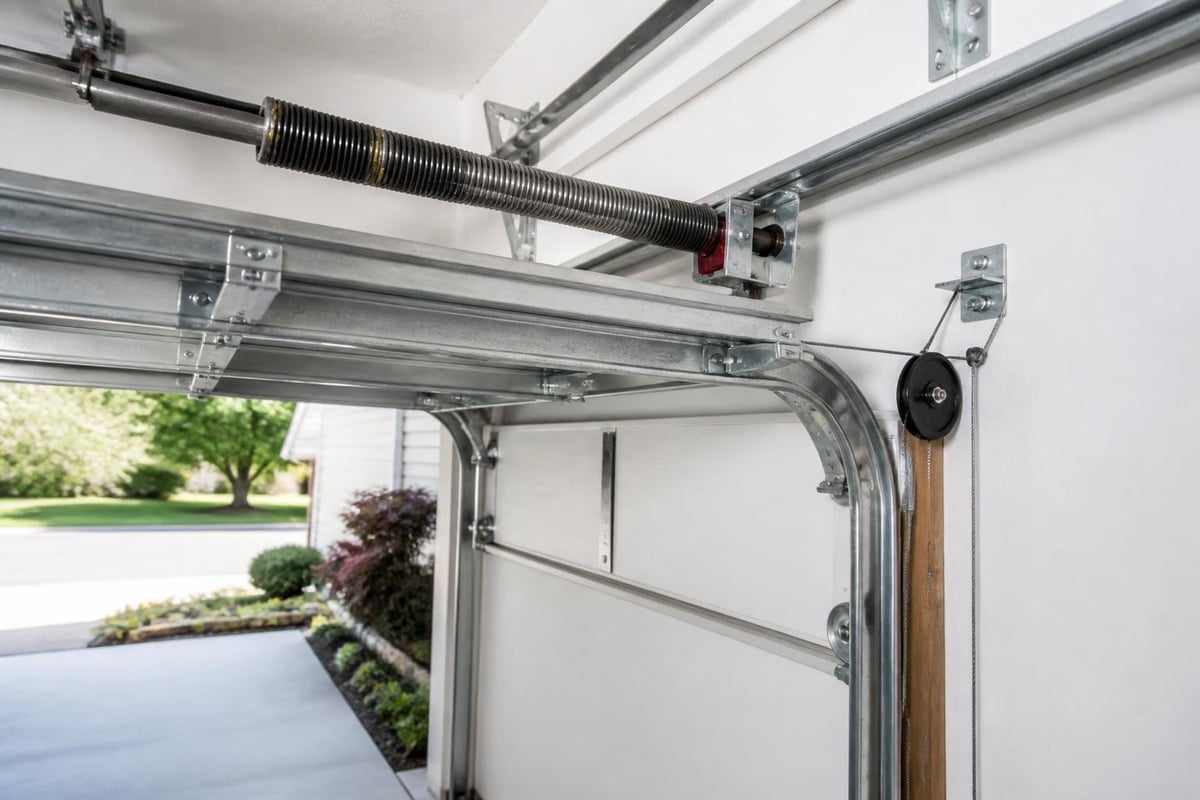
Springs bear the entire weight of your garage door, making them particularly vulnerable to wear. According to comprehensive maintenance guides, springs typically last 10,000 to 15,000 cycles, translating to roughly seven to nine years for average households. When springs break, the door becomes dangerously heavy and should not be operated manually.
Opener and Electrical Problems
Modern garage door openers integrate sophisticated electronics that occasionally require troubleshooting. Professional installation of garage door openers ensures proper setup from the start, but even well-installed systems experience issues over time.
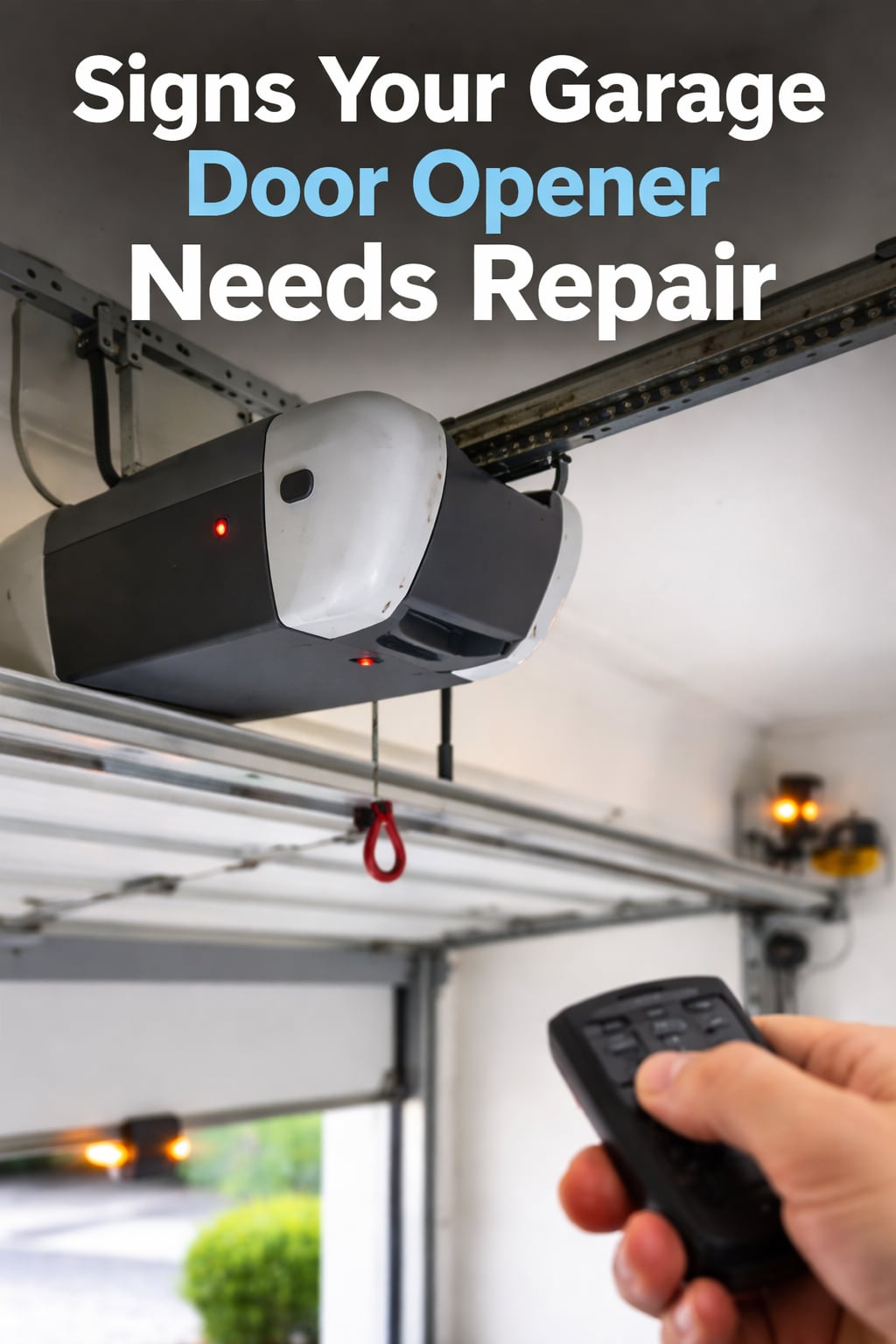
Opener problems manifest in several ways. The unit may struggle to lift the door, indicating motor wear or insufficient power for the door's weight. Remote controls may become unresponsive due to dead batteries, frequency interference, or programming loss. Safety sensors positioned near the floor can become misaligned, preventing the door from closing completely.
Force settings also require periodic adjustment. If your opener reverses too easily or struggles to close completely, the force limits may need recalibration to match your door's current resistance.
Structural and Surface Damage
Beyond mechanical components, fixing a garage often addresses physical deterioration of the structure itself. Concrete floors develop cracks from settling, freeze-thaw cycles, and heavy vehicle loads. These cracks not only look unsightly but can also allow moisture infiltration and worsen over time.
Wall damage may occur from impacts, water intrusion, or simple aging. Moisture problems prove particularly challenging in Pacific Northwest climates, where persistent rain can exploit any weakness in seals, weatherstripping, or drainage systems.
| Issue Type | Common Causes | Urgency Level |
|---|---|---|
| Floor cracks | Settlement, temperature changes, weight | Medium |
| Water infiltration | Poor seals, drainage issues | High |
| Wall damage | Impact, moisture, deterioration | Medium |
| Weatherstripping gaps | Age, compression, temperature | Medium |
Planning Your Garage Repair Project
Successful garage repairs begin with thorough assessment and realistic planning. Homeowners who approach fixing a garage methodically achieve better outcomes while avoiding unnecessary expenses.
Conducting a Comprehensive Inspection
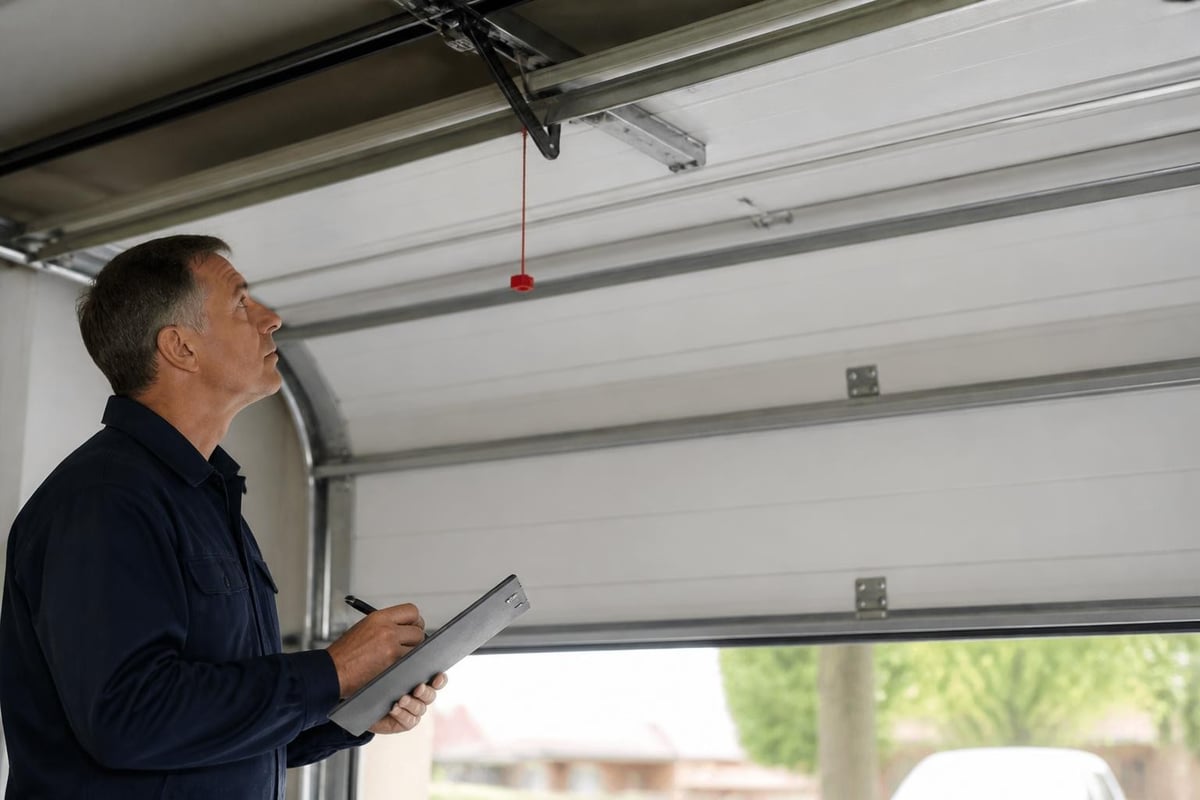
Start by examining every system during different conditions. Operate your garage door several times, watching and listening for unusual sounds, jerky movements, or hesitation. Complete maintenance checklists provide structured frameworks for thorough inspections.
During inspection, document everything you observe. Take photos of cracks, damaged components, and areas of concern. Measure gaps in weatherstripping and note any rust or corrosion on metal parts. This documentation helps when consulting with professionals and serves as a baseline for tracking deterioration over time.
Check all safety features methodically. Place an object in the door's path to verify sensors function correctly. Test the manual release mechanism to ensure you can disengage the opener during power outages. Examine springs, cables, and mounting hardware for signs of wear, fraying, or rust.
Prioritizing Repairs Based on Safety and Function
Not all garage issues demand immediate attention, but some pose genuine safety hazards. Any problem involving springs, cables, or structural integrity should take precedence over cosmetic concerns.
Priority ranking for common repairs:
- Broken springs or frayed cables
- Malfunctioning safety sensors or auto-reverse features
- Structural damage affecting door operation
- Significant water infiltration
- Worn weatherstripping reducing energy efficiency
- Cosmetic damage to panels or surfaces
Understanding typical garage repair costs helps homeowners budget appropriately and distinguish between DIY-friendly projects and those requiring professional expertise.
DIY Maintenance and Minor Repairs
Many aspects of fixing a garage fall within the capabilities of motivated homeowners with basic tools and mechanical aptitude. Regular maintenance prevents many problems from developing in the first place.
Lubrication and Cleaning
Proper lubrication represents the single most effective DIY maintenance task. Moving parts require appropriate lubricants to reduce friction, prevent rust, and extend service life. Apply lithium-based grease or specialized garage door lubricant to rollers, hinges, springs, and the top of the chain or belt drive.
Clean tracks regularly using a damp cloth to remove dirt, debris, and old lubricant buildup. Avoid using WD-40 or similar penetrating oils on tracks, as these attract dirt and create sticky residue. Tracks should remain clean and dry to allow smooth roller movement.
The Home Depot’s maintenance overview emphasizes the importance of seasonal lubrication schedules, particularly before winter when cold temperatures can cause lubricants to thicken and become less effective.
Hardware Tightening and Adjustment
Vibration from daily operation gradually loosens bolts, screws, and other fasteners throughout your garage door system. Walk along the entire door with a socket wrench, tightening all mounting hardware on tracks, hinges, and roller brackets.
Check weatherstripping along the bottom and sides of the door. This flexible seal prevents drafts, moisture, and pests from entering while cushioning the door during closing. Replace weatherstripping when it becomes brittle, compressed, or develops gaps.
Balance testing identifies whether springs maintain proper tension. Disconnect the opener and manually lift the door halfway. A properly balanced door should stay in position without drifting up or down. Doors that fall indicate weakened springs requiring professional adjustment or replacement.
Simple Component Replacements
Some components wear predictably and can be replaced without specialized knowledge. Rollers typically need replacement every five to seven years, particularly if you notice increased noise or resistance during operation. Most rollers simply unbolt from their hinges, allowing straightforward swapping.
Photoelectric sensors occasionally require realignment when bumped or shifted. Clean the lenses with a soft cloth and ensure both units face each other directly with no obstructions in the beam path. Indicator lights on most sensors confirm proper alignment and function.
Remote batteries die regularly and represent the simplest fix when openers become unresponsive. Keep spare batteries on hand and reprogram remotes according to manufacturer instructions when necessary.
Professional Repairs and Safety Considerations
While fixing a garage includes many DIY-friendly tasks, certain repairs absolutely require professional expertise due to safety risks and specialized equipment requirements.
Spring Replacement Dangers
Garage door springs store tremendous mechanical energy to counterbalance hundreds of pounds. When springs break or during replacement, this energy releases with enough force to cause severe injury or death. Torsion springs mounted above the door prove particularly dangerous, requiring specialized tools and training to adjust safely.
Extension springs running along horizontal tracks include safety cables that prevent the spring from becoming a projectile when it breaks. However, replacement still involves significant risk. Professional technicians have the proper winding bars, knowledge of spring calculations, and experience to perform this work safely.
Complex Opener Installations
Modern garage door openers feature smart home integration, battery backup systems, and sophisticated safety mechanisms. Professional installation ensures proper mounting, correct force adjustment, and complete safety feature configuration. Poorly installed openers can damage doors, fail prematurely, or create safety hazards.
For properties needing new opener systems, professional garage door opener installation provides the expertise and warranty protection that DIY installation cannot match. Technicians ensure your opener matches your door's weight and operation requirements while setting all parameters for optimal performance.
When to Call Professionals
Certain situations demand immediate professional attention rather than attempted DIY fixes. Structural damage affecting how the door hangs requires assessment by experienced technicians who understand load distribution and mounting requirements.
If you lack confidence in your mechanical abilities or the problem seems beyond your skill level, professional help prevents injury and often costs less than repairing damage from failed DIY attempts. According to maintenance experts at Archute, attempting spring replacement or major structural repairs without proper training ranks among the most dangerous DIY mistakes homeowners make.
| Repair Type | DIY Appropriate | Professional Required |
|---|---|---|
| Lubrication | Yes | No |
| Hardware tightening | Yes | No |
| Weatherstripping | Yes | No |
| Spring replacement | No | Yes |
| Track realignment | Sometimes | Usually |
| Opener installation | Sometimes | Recommended |
| Panel replacement | No | Yes |
Upgrading Beyond Basic Repairs
Fixing a garage sometimes evolves into an opportunity for meaningful upgrades that enhance functionality, efficiency, and value. Strategic improvements transform basic repair projects into comprehensive enhancement initiatives.
Insulation and Energy Efficiency
Insulated garage doors provide substantial energy benefits, particularly when the garage shares walls with living spaces or includes workspace. Insulation reduces heat transfer, maintaining more stable temperatures year-round and reducing heating and cooling costs.
Weatherstripping upgrades complement insulated doors by sealing gaps around the perimeter. High-quality threshold seals at the bottom of the door prevent water infiltration while blocking drafts. These improvements prove especially valuable in Pacific Northwest climates where moisture control matters as much as temperature regulation.
Floor Coating Systems
Concrete floor damage often accompanies other garage issues, making repair projects ideal times to consider professional coating systems. Epoxy and polyaspartic coatings create durable, chemical-resistant surfaces that resist oil stains, make cleaning easier, and dramatically improve appearance.
Quality floor coatings require proper surface preparation, making them challenging DIY projects. Professional installation includes concrete grinding, crack repair, and multi-layer application systems that far exceed the durability of retail coating kits. These systems typically carry warranties spanning years or decades when professionally installed.
Smart Technology Integration
Modern garage door openers support smartphone control, activity monitoring, and integration with home security systems. Upgrading to smart openers during repair projects provides enhanced convenience and security without requiring separate installation visits.
Smart features include real-time notifications when the door opens or closes, remote operation from anywhere, and integration with voice assistants. For homeowners concerned about security, these features provide peace of mind through constant connectivity and monitoring capabilities.
Preventive Maintenance Schedules
Establishing regular maintenance routines dramatically reduces the frequency and severity of problems requiring major repairs. Fixing a garage becomes far less necessary when systematic care prevents deterioration.
Monthly Quick Checks
Dedicate fifteen minutes each month to basic observation and testing. Operate the door through complete cycles, listening for new sounds or watching for jerky movement. Test the auto-reverse feature by placing a solid object in the door's path. Visually inspect springs, cables, and rollers for obvious wear or damage.
Clean photo-eye sensors and check their alignment. Wipe down weatherstripping and inspect for compression or damage. These simple monthly tasks catch developing problems before they cause failures.
Quarterly Detailed Service
Every three months, perform more thorough maintenance including complete lubrication of all moving parts. Door Pros recommends applying lubricant to hinges, rollers, springs, tracks, and opener mechanisms while cleaning away old lubricant and accumulated debris.
Tighten all accessible hardware using appropriate tools. Check manual release mechanisms to ensure they function smoothly. Inspect tracks for proper alignment and secure mounting. Test door balance by disconnecting the opener and manually operating the door.
Annual Professional Inspection
Schedule professional inspections annually even when no obvious problems exist. Experienced technicians identify wear patterns and potential failures before they cause emergencies. Professional service typically includes spring tension adjustment, comprehensive safety testing, and recommendations for repairs or replacements.
Annual inspections prove particularly valuable for aging systems approaching the end of typical service lives. Technicians provide realistic assessments of remaining useful life, allowing homeowners to plan for eventual replacement rather than facing emergency failures.
Essential annual inspection items:
- Spring tension and condition assessment
- Cable wear and proper installation verification
- Roller and hinge wear evaluation
- Track alignment measurement
- Opener force setting verification
- Safety feature testing and certification
- Weatherstripping effectiveness check
- Hardware security confirmation
Regional Considerations for Kitsap County
Fixing a garage in the Pacific Northwest requires attention to climate-specific challenges that differ from drier or more temperature-stable regions. Homeowners on Bainbridge Island and throughout Kitsap County face unique environmental factors affecting garage systems.
Moisture and Rust Prevention
Persistent humidity and frequent rainfall accelerate corrosion on metal components. Coastal proximity intensifies this effect through salt air exposure. Regular inspection and prompt attention to rust spots prevent minor corrosion from compromising structural integrity.
Apply rust-inhibiting primers to any bare metal exposed through paint chips or wear. Consider upgrading to stainless steel or coated hardware in particularly vulnerable locations. Ensure proper ventilation to reduce condensation buildup inside the garage.
Mold and Mildew Challenges
Damp conditions promote mold growth on organic materials including drywall, wood framing, and stored items. Address any water infiltration immediately to prevent mold establishment. Improve ventilation through properly sized vents or powered exhaust systems.
Weatherstripping and threshold seals play critical roles in moisture control. High-quality seals prevent water from entering during heavy rain while allowing interior moisture to escape. For comprehensive solutions, professional assessment identifies vulnerability points and recommends targeted improvements.
Seasonal Preparation
Winter preparation includes verifying weatherstripping integrity before cold weather arrives. Test heating systems if your garage includes climate control. Ensure snow and ice won't prevent door operation by checking clearances and threshold seal flexibility in cold temperatures.
Spring brings opportunities for deep cleaning and maintenance after winter wear. Inspect for water damage from snow melt or heavy rain. Address any deterioration discovered during winter before summer's drier weather arrives.
Proper garage maintenance and timely repairs protect your investment while ensuring safe, reliable operation throughout the year. By combining regular DIY maintenance with professional expertise for complex repairs, homeowners can avoid emergency situations and extend the service life of their garage systems. When you need expert assistance with fixing a garage, whether for routine maintenance, emergency repairs, or comprehensive upgrades, NextLevel Garage Co. brings professional expertise and quality workmanship to every project throughout Kitsap County. Our team handles everything from door repairs and installations to floor coatings and storage solutions, ensuring your garage operates flawlessly for years to come.