

Replacing a garage door represents one of the most impactful home improvement projects you can undertake in 2026. Whether your existing door has suffered damage from Pacific Northwest weather, operates inefficiently, or simply no longer matches your home's aesthetic, understanding the garage door replace process helps ensure you make informed decisions. This comprehensive guide walks you through everything Kitsap County homeowners need to know about selecting, purchasing, and installing a new garage door.
Understanding When to Replace Your Garage Door
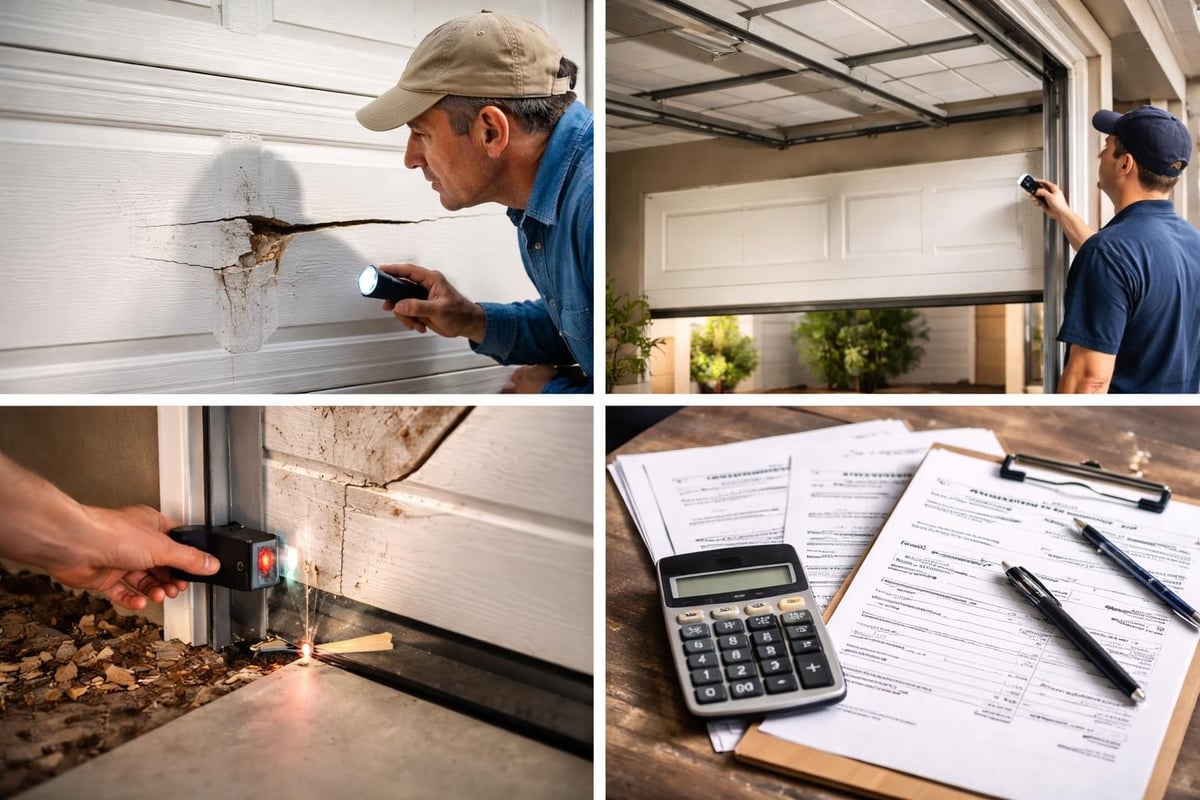
Most homeowners wait until their garage door completely fails before considering replacement, but several warning signs indicate it's time to act sooner. Recognizing these signals early can prevent emergency situations and help you plan your budget accordingly.
Physical Damage and Safety Concerns
Visible damage to panels, tracks, or structural components often necessitates a full garage door replace rather than piecemeal repairs. Dents, cracks, or rust spreading across multiple panels typically cost more to repair individually than replacing the entire system. Safety issues take priority-if your door lacks modern safety features like automatic reverse sensors or exhibits balance problems that could cause sudden closure, replacement becomes essential rather than optional.
Weather exposure in coastal regions like Bainbridge Island accelerates deterioration. Salt air, persistent moisture, and temperature fluctuations cause wooden doors to warp and metal components to corrode faster than in drier climates.
Performance and Energy Efficiency Issues
When your garage door struggles to open or close smoothly, makes excessive noise, or leaves gaps that allow drafts, these performance problems signal aging components. Modern insulated doors significantly outperform models from even ten years ago. According to comprehensive cost breakdowns, homeowners who upgrade to insulated doors often recoup their investment through reduced energy costs, particularly when the garage shares walls with living spaces.
Frequent repair calls also indicate replacement makes financial sense. If you've spent several hundred dollars on repairs in the past year, that money would serve you better invested in a new system with warranty coverage.
Selecting the Right Garage Door Material
The material you choose fundamentally impacts your door's longevity, maintenance requirements, and overall cost. Each option presents distinct advantages suited to different priorities and budgets.
Steel Garage Doors
Steel dominates the residential market for good reasons. These doors offer excellent durability, require minimal maintenance, and come in numerous styles that mimic wood grain or showcase contemporary designs. Insulated steel doors provide superior energy efficiency, with R-values ranging from R-8 to R-18 depending on construction quality.
| Material | Average Lifespan | Maintenance Level | Price Range |
|---|---|---|---|
| Steel (uninsulated) | 15-20 years | Low | $600-$1,200 |
| Steel (insulated) | 20-30 years | Low | $1,000-$2,500 |
| Wood | 15-20 years | High | $1,200-$4,000 |
| Aluminum/Glass | 20-25 years | Medium | $1,500-$5,000 |
Steel doors resist warping and cracking, making them particularly suitable for the variable weather conditions throughout Kitsap County. When you decide to garage door replace with steel, you're investing in reliability that performs consistently across seasons.
Wood and Composite Alternatives
Wooden garage doors deliver unmatched natural beauty and can be customized extensively. However, they demand regular maintenance including painting or staining every few years. Marine climates pose particular challenges for wood, as moisture penetration leads to rot if protective finishes aren't maintained diligently.
Composite materials offer a middle ground-they replicate wood's appearance while resisting moisture, insects, and warping. These doors cost more initially but eliminate the ongoing maintenance burden associated with genuine wood. Understanding various types of garage doors helps you weigh aesthetic preferences against practical considerations.
Calculating Your Garage Door Replace Budget
Financial planning ensures your garage door replace project proceeds smoothly without unexpected costs derailing your timeline. Several factors influence total investment beyond the door itself.
Base Door Costs and Installation
Single-car garage doors (8-9 feet wide) typically range from $600 to $2,000 for the door alone, while double-car doors (16-18 feet wide) run $800 to $3,500 depending on material and features. Professional installation adds $200 to $500 for standard installations, though complex projects involving structural modifications cost significantly more.
Detailed pricing guides break down costs by region, but Pacific Northwest pricing generally runs 10-15% higher than national averages due to labor costs and permit requirements. Setting aside 20% above the quoted price provides a buffer for unexpected complications discovered during installation.
Additional Components and Upgrades
A complete garage door replace often includes related components that enhance functionality and longevity:
- New opener system: $150-$500 depending on horsepower and smart features
- Spring replacement: $150-$300 for torsion springs
- Weather sealing: $50-$150 for comprehensive seals
- Window inserts: $100-$400 per door
- Smart technology integration: $100-$300 for WiFi connectivity and app control
Professional installers recommend replacing springs and openers simultaneously with the door to ensure all components share similar lifespans and work together optimally. For homeowners interested in learning about garage door installation costs specific to our region, detailed resources provide localized estimates.

Professional Installation vs. DIY Replacement
The question of whether to hire professionals or attempt self-installation significantly impacts both project success and safety. Garage door replace projects involve substantial safety risks that shouldn't be underestimated.
Why Professional Installation Makes Sense
Garage doors rank among the largest moving objects in your home, with double-car doors weighing 200-400 pounds. Torsion springs store tremendous energy-enough to cause severe injury or death if improperly handled during removal or installation. Professional installers carry specialized tools, liability insurance, and years of experience managing these hazards.
Professional Garage Door Installation ensures proper sizing, secure mounting, spring balance, and smooth operation. Installers verify that safety sensors align correctly, auto-reverse functions operate reliably, and the door balances perfectly to prevent premature opener wear. Most manufacturers void warranties if installation isn't performed by certified professionals.
Permit requirements in many Washington jurisdictions mandate professional installation with inspection. Attempting DIY work might save initial labor costs but could create liability issues if the door malfunctions and causes property damage or injury.
When DIY Might Be Appropriate
Experienced DIYers with proper tools might consider self-installation for basic single-car doors without torsion springs. Extension spring systems present fewer safety hazards, though they still require careful handling. Step-by-step video guides demonstrate the process, but watching videos doesn't substitute for hands-on experience.
Even confident DIYers should hire professionals for torsion spring installation, structural modifications, or commercial-grade doors. The modest savings don't justify the substantial risks involved.
Choosing Design Styles and Features
Beyond material selection, your garage door's design dramatically affects curb appeal and home value. Modern options extend far beyond basic panels to include architectural details that complement any home style.
Traditional vs. Contemporary Designs
Traditional raised-panel designs remain popular for their versatility and timeless appearance. These doors feature rectangular panels that add depth and visual interest while suiting Colonial, Cape Cod, and Ranch-style homes. Carriage house designs replicate historic swing-out doors with decorative hardware, perfect for Craftsman or Tudor architecture prevalent throughout the Pacific Northwest.
Contemporary homes benefit from flush-panel designs with clean lines, full-view glass doors showcasing aluminum frames, or wood-look steel that balances modern aesthetics with practical durability. When you garage door replace with design-forward options, you're making a statement about your home's character.
| Style Category | Best For | Key Features | Typical Cost Premium |
|---|---|---|---|
| Raised Panel | Traditional homes | Dimensional depth, versatile | Baseline |
| Carriage House | Craftsman, Victorian | Decorative hardware, wood-look | +15-30% |
| Contemporary Flush | Modern architecture | Clean lines, minimal detail | +10-20% |
| Full-View Glass | Modern, industrial | Maximum light, aluminum frames | +40-60% |
Window Configurations and Smart Features
Window placement transforms your door's appearance while adding natural light to interior spaces. Top-row windows maintain privacy while illuminating the garage, while full-panel windows create dramatic visual impact. Frosted or tinted glass balances light admission with security concerns.
Smart garage door technology has evolved significantly by 2026. WiFi-enabled openers allow smartphone control, delivery access for packages, and real-time alerts when the door opens or closes. Integration with home automation systems enables scheduling, voice commands through virtual assistants, and security camera coordination. These features add $100-$300 to your garage door replace project but deliver convenience that modern homeowners increasingly expect. Learning more about garage door opener technologies helps you select systems that match your lifestyle.
The Installation Process Timeline
Understanding what happens during professional installation helps you prepare your property and schedule accordingly. Most residential garage door replace projects complete within 4-6 hours for standard installations.
Pre-Installation Preparation
Your installer conducts an initial assessment measuring the opening, examining the header and side supports, and verifying electrical service for the opener. They'll note any structural concerns requiring remediation before installation proceeds. Clearing the garage of vehicles and stored items provides installers safe working space and protects your belongings from potential damage.
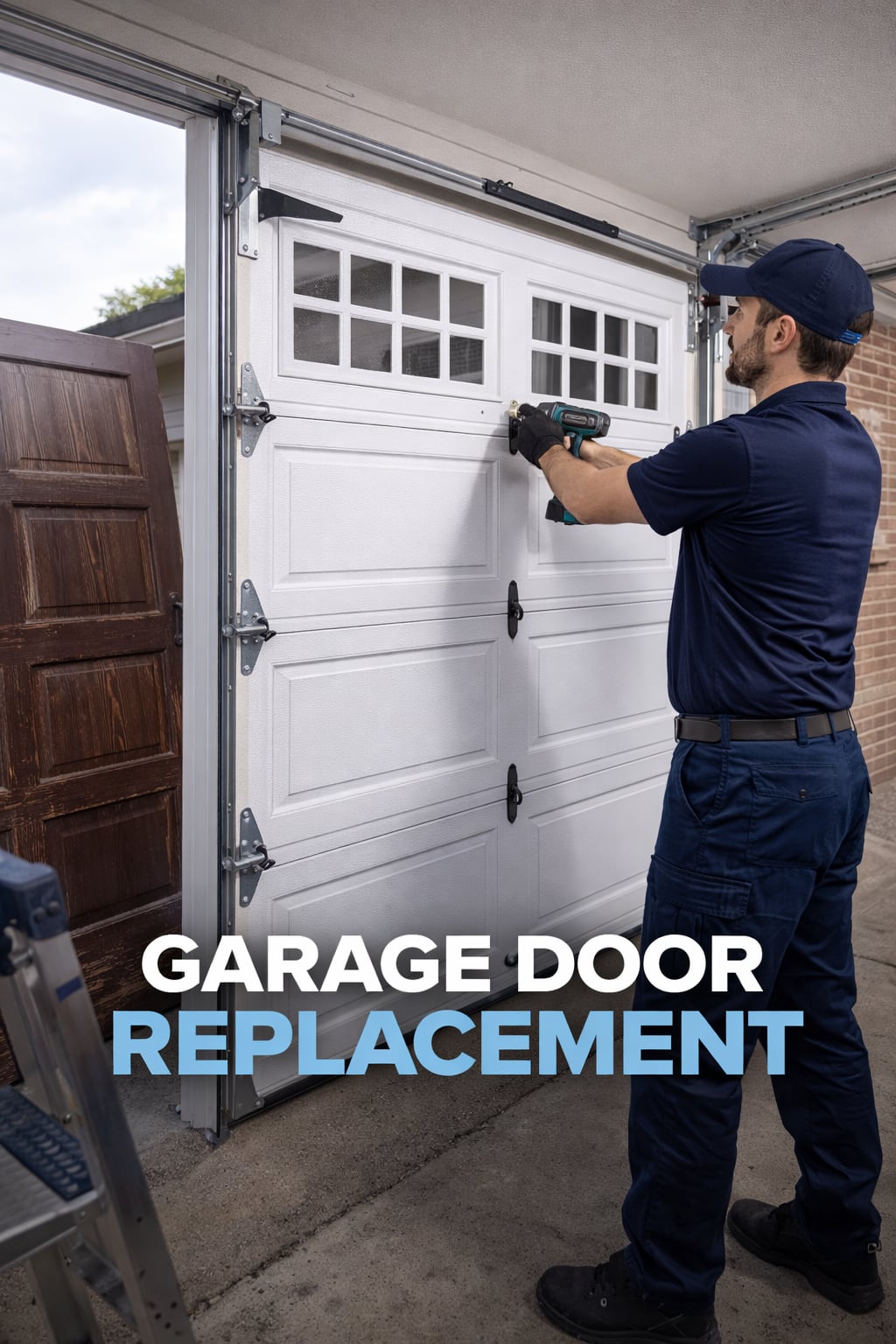
The existing door removal begins with disconnecting the opener, releasing spring tension (the most hazardous step), and dismantling panels. Professional teams work systematically to prevent debris damage to your driveway or surrounding landscape. Disposal of old doors typically includes recycling metal components and responsible disposal of other materials.
New Door Assembly and Testing
Modern garage doors arrive in sections that installers assemble in place. The process follows a precise sequence:
- Install new vertical tracks and secure them to wall studs
- Position and connect door sections starting from the bottom
- Install horizontal tracks and roller assemblies
- Mount and tension torsion springs to manufacturer specifications
- Install and program the opener system
- Adjust limits, force settings, and safety sensors
- Test all functions including manual operation and safety features
Professional installers verify smooth operation across the door's full range of motion, ensuring it doesn't bind or hesitate. They calibrate auto-reverse sensors to detect obstructions as small as a soda can. Final inspection confirms weather seals properly contact the floor and gaps don't compromise security or energy efficiency. For those considering related services, exploring garage organization solutions after your new door installation maximizes your investment.
Maintenance Planning for Long-Term Performance
Your garage door replace investment deserves protection through regular maintenance that prevents premature failure and extends operational life. Establishing a maintenance schedule immediately after installation sets you up for decades of reliable service.
Monthly and Quarterly Tasks
Visual inspections take only minutes but catch developing problems early. Look for frayed cables, loose hardware, worn rollers, and deteriorating weather sealing. Test the auto-reverse function monthly by placing a 2×4 board flat on the floor in the door's path-it should immediately reverse upon contact.
Lubrication prevents friction wear on moving components. Apply garage door lubricant (not WD-40, which attracts dirt) to rollers, hinges, tracks, and springs every three months. This simple task dramatically reduces operating noise and component wear.
Annual Professional Service
Even well-maintained doors benefit from annual professional inspections that address issues beyond typical homeowner expertise:
- Spring tension adjustment as springs naturally lose force over time
- Track alignment verification and correction
- Hardware tightening after thousands of operating cycles
- Safety feature calibration and testing
- Opener mechanism inspection
Professional service costs $100-$200 annually but prevents expensive emergency repairs. Many companies offer service plans that bundle inspection, adjustment, and priority emergency response. Resources about maintaining garage doors year-round provide detailed guidance for protecting your investment.
Maximizing Return on Investment
A garage door replace project delivers returns beyond mere functionality. Understanding how to maximize both immediate enjoyment and long-term value helps you make strategic decisions throughout the selection process.
Curb Appeal and Home Value Impact
Real estate professionals consistently cite garage doors among the top exterior features influencing buyer impressions. An attractive, well-functioning door contributes significantly to curb appeal, particularly since garage doors occupy substantial facade space on many homes. Remodeling studies indicate garage door replacement typically recoups 85-95% of costs when selling, making it one of the highest-return exterior improvements.
Choosing designs that complement architectural style rather than clash with it ensures your garage door replace enhances rather than detracts from overall aesthetics. Coordinating door color with trim, accents, or shutters creates visual cohesion that buyers notice and appreciate. Comparing top garage door brands for durability and style helps you select options that balance immediate appeal with lasting quality.
Energy Efficiency Benefits
Insulated garage doors reduce energy transfer between your garage and exterior, particularly important when the garage shares walls with living areas or contains HVAC equipment. R-value indicates insulation effectiveness-higher numbers mean better insulation. Doors with R-values of 12 or higher significantly reduce heating and cooling costs.
Consider these energy-focused features when you garage door replace:
- Polyurethane insulation: Superior to polystyrene, completely filling door sections
- Thermal breaks: Prevent heat transfer through metal components
- Quality weather stripping: Seals gaps at sides, top, and bottom
- Low-E glass: Reduces heat transfer through window panels
Energy savings accumulate over your door's 20-30 year lifespan, potentially totaling thousands of dollars depending on garage size and climate exposure.
Navigating Permits and Regulations
Bainbridge Island and Kitsap County maintain specific requirements for garage door replace projects. Understanding these regulations prevents project delays and ensures compliance with local codes.
When Permits Are Required
Standard door replacement on existing openings typically requires permits when:
- Structural modifications expand or relocate the opening
- Electrical work extends beyond simple opener replacement
- Commercial properties undergo door replacement
- Historical districts impose design review requirements
Permit costs generally range from $75 to $200 depending on project scope. Processing times vary from same-day approvals for straightforward replacements to several weeks for complex projects requiring plan review. Your installer should clarify permit requirements during initial consultation and typically handles filing on your behalf.
Working without required permits creates potential problems during home sales, insurance claims, or future renovation projects. Professional installers familiar with local requirements ensure your garage door replace project meets all regulatory standards.
HOA and Neighborhood Considerations
Homeowners associations frequently regulate garage door appearance, requiring approval before replacement. Review your HOA covenants to understand:
- Approved color palettes and finish options
- Design style restrictions or requirements
- Application procedures and review timelines
- Window placement or size limitations
Submitting requests early prevents delays once you're ready to proceed. Including door specifications, color samples, and manufacturer information expedites approval processes.
Special Considerations for Coastal Properties
Bainbridge Island's marine environment presents unique challenges that influence material selection and maintenance requirements when you garage door replace.
Salt Air and Moisture Management
Salt air accelerates corrosion on metal components, making material selection particularly important for waterfront properties. Stainless steel hardware resists corrosion far better than standard steel, though it costs 20-30% more. Powder-coated finishes protect door surfaces more effectively than paint, creating barriers against salt and moisture penetration.
Wooden doors require vigilant maintenance in coastal environments. Marine-grade sealants and annual refinishing extend lifespan, but even with diligent care, wood doors deteriorate faster near saltwater. Composite materials engineered to resist moisture provide wood's aesthetic appeal without the vulnerability.
Wind Load Requirements
Properties exposed to strong winds-common along Puget Sound-need doors rated for appropriate wind loads. Building codes specify minimum ratings based on location and exposure. Wind-rated doors feature reinforced construction, heavier-gauge steel, and additional bracing that prevents panel deflection during storms.
Discussing wind load requirements with your installer ensures your garage door replace project meets safety standards while avoiding over-engineering that unnecessarily increases costs.
Troubleshooting Common Post-Installation Issues
Even professional installations occasionally require minor adjustments as new components settle into regular operation. Knowing what's normal versus concerning helps you address issues promptly.
Break-In Period Expectations
New garage doors may exhibit slight stiffness during the first week of operation as lubricants distribute and rollers seat into tracks. Occasional minor squeaks or clicks typically resolve within 10-20 operating cycles. If these sounds persist or worsen, contact your installer for adjustment.
Limit settings sometimes require fine-tuning as springs settle. If your door doesn't close completely or reverses before reaching the floor, your installer can quickly adjust the down-limit screw on the opener. This minor calibration takes only minutes and ensures proper sealing against weather and pests.
When to Call for Service
Contact your installer immediately if you notice:
- Door binding or catching during operation
- Visible cable fraying or spring damage
- Gaps exceeding 1/4 inch along sides or bottom
- Safety sensors not preventing closure when obstructed
- Unusual grinding or scraping sounds
Warranty coverage typically includes adjustments during the first year, so don't hesitate to request service for any performance concerns. Addressing small issues promptly prevents them from developing into major problems requiring expensive repairs. For quick assistance with any concerns, homeowners can explore emergency garage door repair options.
Replacing your garage door transforms both functionality and curb appeal while delivering excellent return on investment when executed with quality materials and professional installation. By carefully selecting appropriate materials, understanding budget considerations, and committing to regular maintenance, your new garage door will provide decades of reliable service. NextLevel Garage Co. brings professional expertise to every garage door replace project throughout Kitsap County, ensuring homeowners receive quality workmanship, clear communication, and lasting results that exceed expectations.