

A properly installed garage door transforms your home's curb appeal while delivering years of reliable performance. Whether you're replacing an aging door or building new construction, understanding the installation process helps you make informed decisions and avoid costly mistakes. For homeowners in Kitsap County and Bainbridge Island, choosing the right approach to garage door installation means balancing quality, safety, and long-term value.
Understanding Modern Garage Door Materials and Styles
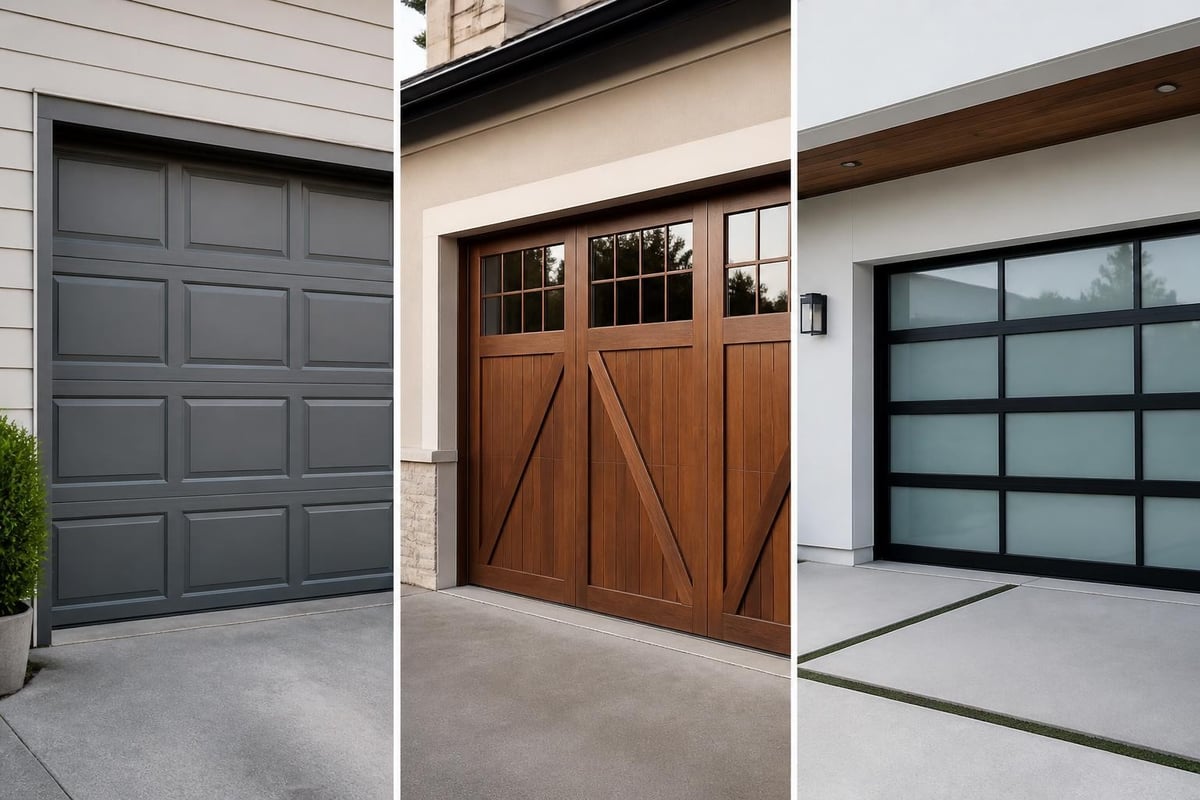
Today's garage doors offer far more variety than simple aluminum panels. Steel doors dominate the residential market, providing excellent durability at multiple price points. Insulated steel doors feature polyurethane or polystyrene foam cores that improve energy efficiency and reduce noise, making them ideal for attached garages or climate-controlled workshop spaces.
Wood and composite materials create traditional carriage-house aesthetics without the extensive maintenance requirements of solid timber. These options work particularly well for historic homes or properties seeking enhanced visual appeal. Modern composite materials resist warping, cracking, and moisture damage while delivering authentic wood-grain textures.
Contemporary Design Trends
Glass and aluminum combinations have gained significant popularity for modern architectural styles. These doors incorporate frosted, clear, or tinted glass panels that maximize natural light while maintaining privacy. The sleek appearance complements contemporary home designs throughout the Pacific Northwest.
Carriage-style doors remain consistently popular across various architectural styles:
- Traditional raised-panel designs with decorative hardware
- Board-and-batten patterns for rustic or farmhouse aesthetics
- Contemporary flush panels with minimal ornamentation
- Custom window configurations for personalized light control
Pre-Installation Planning and Measurements
Accurate measurements form the foundation of successful garage door installation. Opening width and height must account for headroom, backroom, and side room clearances required for track systems and mechanical components. Standard single doors measure 8 to 9 feet wide and 7 to 8 feet tall, while double doors typically span 16 feet wide.
Professional installers assess structural support above the opening, verifying that headers can support the door's weight plus spring tension. Garage doors typically weigh between 130 and 350 pounds depending on size, material, and insulation level. Inadequate structural support creates safety hazards and premature component failure.
| Measurement Type | Single Door | Double Door | Critical Notes |
|---|---|---|---|
| Standard Width | 8-9 feet | 16 feet | Custom sizes available |
| Standard Height | 7-8 feet | 7-8 feet | 8-foot becoming standard |
| Headroom Required | 12 inches minimum | 12 inches minimum | More for operators |
| Side Room Required | 3.75 inches per side | 3.75 inches per side | Depends on track type |
The installation process begins long before physical work starts. Homeowners should verify local building codes and permit requirements, as many jurisdictions require permits for garage door replacement. Understanding these regulations prevents project delays and ensures compliance with safety standards.
Choosing Between Professional and DIY Installation
Garage door installation demands specialized knowledge, tools, and safety precautions. Torsion springs store tremendous energy that can cause serious injury or death if handled improperly. Professional installers undergo extensive training on spring tensioning, bracket installation, and safety release mechanisms.
DIY installation might seem cost-effective initially, but mistakes often prove expensive. Improper spring tension causes premature opener failure, unbalanced doors create binding issues, and incorrect track alignment leads to operational problems. Most manufacturers void warranties when non-certified installers perform the work, eliminating protection against defective components.
Professional installation typically costs between $300 and $800 depending on door size and complexity. This investment includes:
- Proper spring selection and tensioning
- Precise track alignment and leveling
- Secure bracket and hinge installation
- Opener integration and safety testing
- Warranty protection and service guarantees
For homeowners seeking professional expertise, comprehensive garage door installation services ensure proper setup from measurement through final testing. This approach eliminates guesswork while providing accountability for long-term performance.
The Installation Process Step by Step
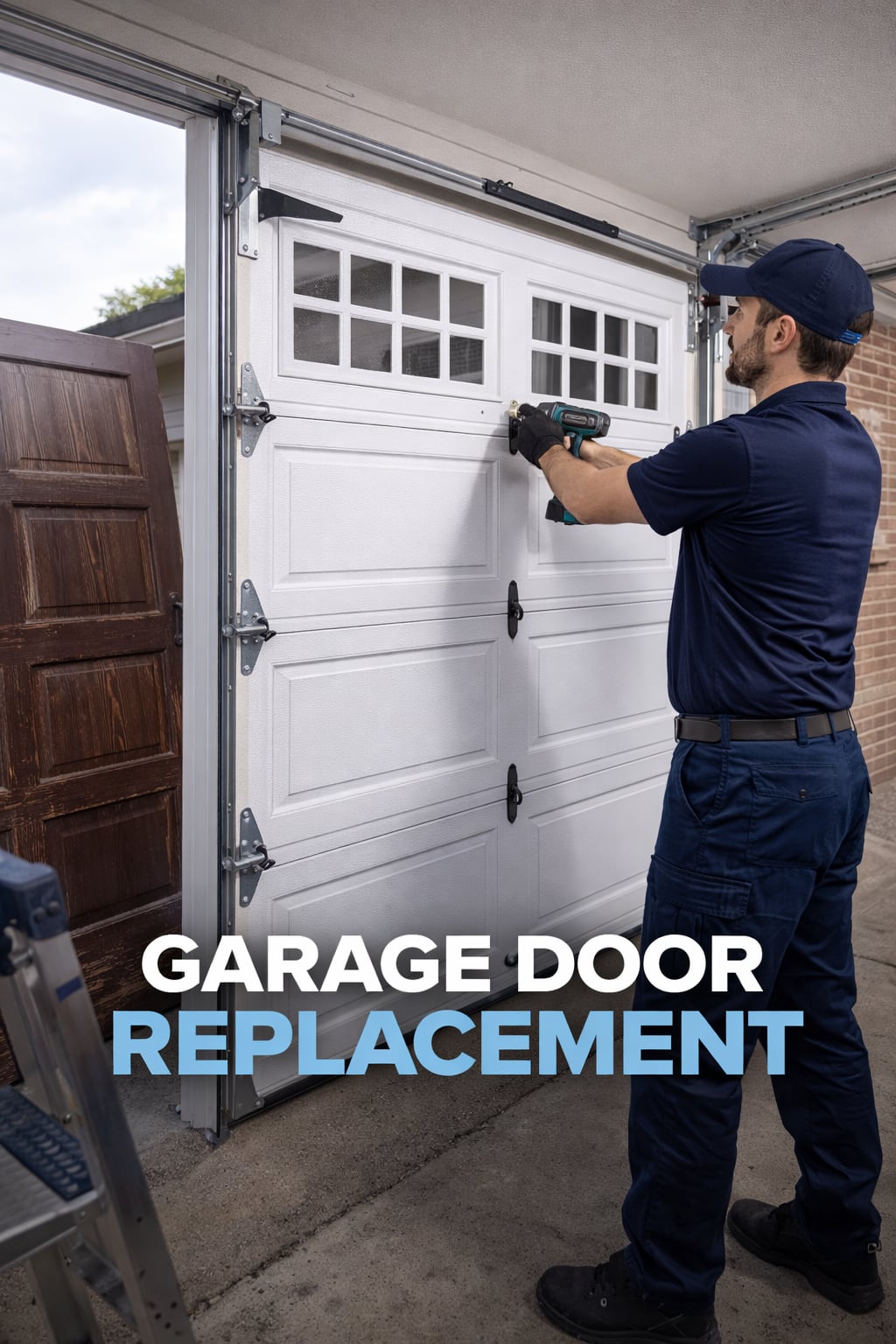
Professional garage door installation follows a methodical sequence that ensures safety and functionality. The process begins with removing the existing door if present, disconnecting the opener, releasing spring tension, and carefully dismantling all components. This phase requires particular caution when handling springs and cables under tension.
Frame preparation involves inspecting and repairing the opening's structural integrity. Installers check for level floors, plumb jambs, and square corners. Any irregularities require correction before proceeding, as even minor misalignment causes operational issues. Weather-stripping channels get attached to jambs, creating moisture and pest barriers.
Panel Assembly and Track Installation
Modern sectional doors assemble panel by panel from the bottom up. Each section connects through hinges that allow the door to articulate around curved track sections. Bottom panels receive reinforcing struts and astragals, providing rigidity and sealing the threshold gap.
Track installation demands precision alignment to ensure smooth operation. Vertical tracks mount plumb to jambs, while horizontal tracks slope slightly toward the rear for proper door positioning. Roller selection impacts noise levels and longevity, with nylon rollers offering quieter operation than steel alternatives.
The curved track section transitions the door from vertical to horizontal travel. This critical component must align perfectly with both vertical and horizontal sections. Installers use levels and measuring tools to verify proper spacing and parallel alignment throughout the track system.
Spring Systems and Balance Adjustment
Torsion springs mount on a shaft above the door opening, counterbalancing the door's weight through controlled torque. These springs require precise winding to create appropriate lifting force. Incorrect spring tension makes doors difficult to operate manually and overworks opener motors, reducing their operational lifespan significantly.
Extension springs offer an alternative system for certain applications, stretching along horizontal tracks as the door descends. While less common in modern installations, these springs work effectively for lighter doors or specific clearance situations. Safety cables thread through extension springs to contain broken spring components, preventing dangerous projectiles.
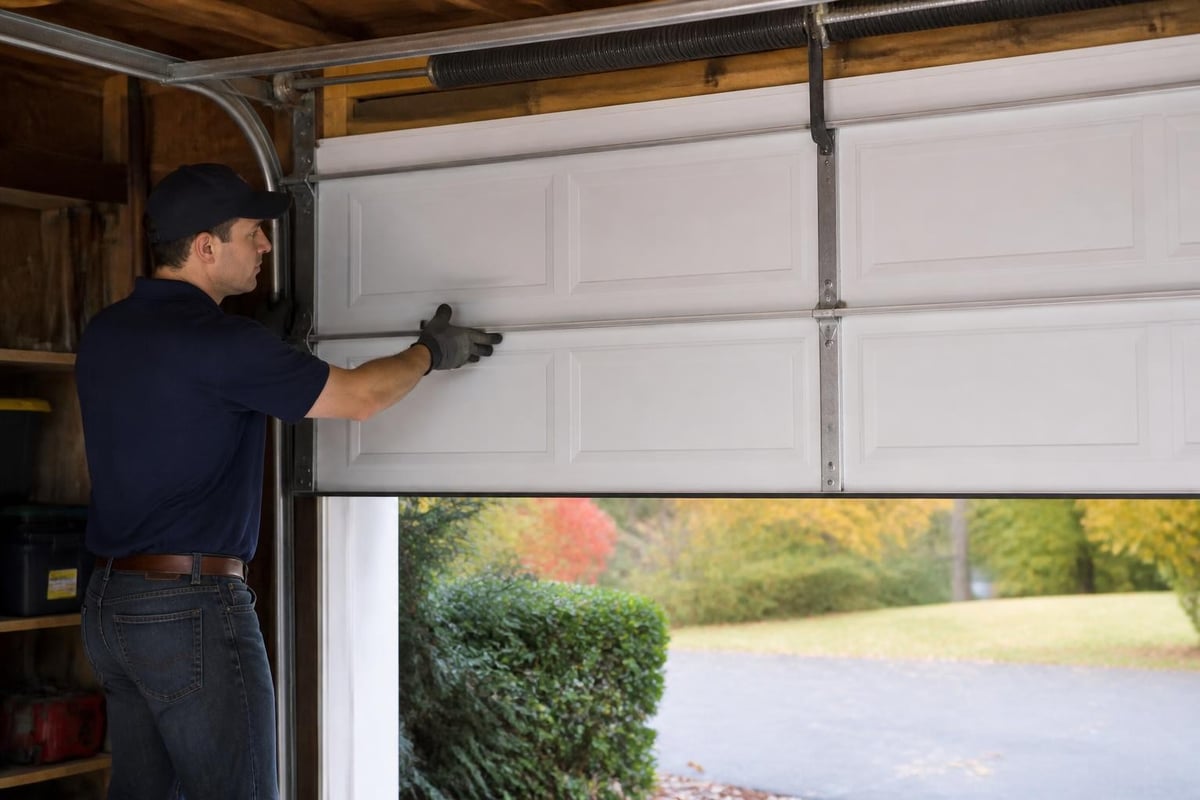
Balance testing represents a critical safety verification step. A properly balanced door remains stationary when manually lifted to mid-height position. Doors that fall indicate insufficient spring force, while rising doors signal excessive tension. Professional installers make fine adjustments to achieve neutral balance across the door's full travel range.
Safety Feature Integration
Modern garage doors incorporate multiple safety mechanisms that prevent injuries and property damage. Photoelectric sensors create an invisible beam across the door opening, reversing closing doors when the beam breaks. These sensors require precise alignment and regular testing to function reliably, as outlined by garage door safety experts.
Auto-reverse mechanisms respond to physical resistance, immediately reversing door direction upon contact with objects or people. Testing this feature involves placing a solid object like a 2×4 board in the door's path and verifying proper reversal. Manual release mechanisms allow emergency operation during power failures, though proper use requires understanding the safety implications detailed in professional safety guidelines.
Pinch-resistant panel designs minimize finger entrapment risks between sections. This feature proves particularly valuable for families with children, reducing injury potential during normal operation. Some manufacturers incorporate viewing windows that eliminate the temptation to peer between panels.
Opener Selection and Installation
Belt-drive openers deliver exceptionally quiet operation, making them ideal for homes with living spaces above or adjacent to garages. The reinforced rubber belt creates minimal vibration and noise while providing reliable lifting power. These units typically cost $200 to $400 more than chain-drive alternatives but offer substantial noise reduction benefits.
Chain-drive systems remain the most economical option while delivering dependable performance for decades. The metal chain creates more operational noise but handles heavier doors effectively. Modern chain-drive units incorporate improved mounting systems that reduce vibration transfer to the home's structure.
Wall-mount jackshaft openers attach directly to the torsion spring shaft, eliminating ceiling-mounted tracks and operators. This configuration maximizes ceiling space for storage while delivering powerful, direct-drive operation. The compact design works particularly well for garages with low ceilings or cathedral-style roof lines.
| Opener Type | Noise Level | Cost Range | Best Applications |
|---|---|---|---|
| Belt-Drive | Very Quiet | $300-$600 | Attached garages, bedrooms above |
| Chain-Drive | Moderate | $150-$350 | Detached garages, budget-conscious |
| Jackshaft | Quiet | $400-$700 | Low ceilings, maximum storage |
| Direct-Drive | Very Quiet | $350-$550 | Minimal maintenance, attached garages |
Smart opener technology enables remote monitoring and control through smartphone applications. These systems send alerts for open doors, allow temporary guest access codes, and integrate with comprehensive home automation platforms. The convenience factor appeals to homeowners who travel frequently or manage vacation properties, as explained in smart opener installation guides.
Code Compliance and Permit Requirements
Building codes establish minimum safety and performance standards for garage door installations. These regulations address structural support requirements, spring containment systems, and electrical specifications for opener circuits. Compliance protects homeowners from liability issues while ensuring installations meet established safety benchmarks.
Permit processes vary by jurisdiction but typically require submittal of door specifications, installation plans, and contractor licensing information. Inspectors verify proper installation techniques, safety feature functionality, and code compliance before approving the work. Operating without required permits risks fines and complicates future property transactions.
Working with licensed professionals who understand local code requirements streamlines the permitting process. Experienced installers know which jurisdictions require permits for replacements versus new installations, saving time and preventing compliance issues. Their familiarity with inspection criteria ensures first-time approval without costly modifications.
Wind Load and Impact Ratings
Coastal regions and areas prone to severe weather require doors rated for specific wind loads. These ratings indicate the door's ability to withstand wind pressure without failure or damage. Higher ratings involve reinforced construction, upgraded hardware, and additional bracing to maintain structural integrity during extreme conditions.
Impact-resistant doors meet stringent testing standards for debris resistance during storms. These specialized units protect homes in hurricane-prone regions while potentially reducing insurance premiums. Kitsap County's moderate climate generally doesn't mandate impact ratings, but wind-load considerations apply to exposed locations.
Long-Term Maintenance and Performance
Regular maintenance preserves garage door functionality and extends component lifespan significantly. Monthly visual inspections identify worn rollers, frayed cables, and loose hardware before minor issues become major failures. Lubricating moving parts with appropriate products reduces friction and noise while preventing premature wear.
Annual professional inspections provide comprehensive assessment of spring tension, cable condition, and safety feature functionality. Technicians measure spring cycles remaining, test auto-reverse mechanisms, and verify proper track alignment. This proactive approach prevents unexpected failures and maintains warranty coverage as detailed in comprehensive garage door maintenance guides.
Spring replacement represents the most significant maintenance expense, typically occurring every 7 to 10 years depending on usage frequency. Professional garage door spring repair ensures safe handling of these high-tension components while restoring proper door balance. Attempting DIY spring replacement without proper training creates substantial injury risks.
Weather-stripping requires periodic replacement to maintain energy efficiency and moisture protection. Bottom seals take the most abuse from contact with concrete floors and debris. Side and top seals deteriorate from UV exposure and temperature fluctuations. Replacement seals cost minimal amounts while delivering substantial performance benefits.
Cost Factors and Budget Planning
Material selection dramatically impacts overall project costs. Basic steel doors start around $500 for single-car openings, while premium insulated models with decorative details reach $1,500 or more. Custom wood doors for oversized openings can exceed $3,000 before installation expenses. Understanding these ranges helps homeowners establish realistic budgets aligned with their aesthetic and performance expectations.
Installation complexity influences labor costs significantly. Standard replacements in existing openings cost less than new construction installations requiring structural modifications. Doors with extensive window configurations, custom hardware, or specialized finishes demand additional installation time. Accessibility challenges like steep driveways or limited workspace increase labor expenses.
Several factors create pricing variations across projects:
- Door size and weight specifications
- Insulation type and R-value requirements
- Window quantity, style, and glazing options
- Hardware finish and decorative element selection
- Opener type and smart technology integration
- Structural modifications or framing repairs
- Permit fees and inspection requirements
Financing options make quality installations accessible without upfront payment burdens. Many manufacturers and installers offer promotional financing with deferred interest periods. Homeowners should compare total costs including interest charges when evaluating financing proposals. The investment in quality installation pays dividends through reduced maintenance costs and extended component lifespan.
Return on Investment Considerations
Quality garage door replacement delivers strong returns when selling homes. Real estate professionals consistently rank garage door replacement among the top projects for recouping investment costs. The combination of improved curb appeal and enhanced functionality appeals to potential buyers evaluating properties.
Energy-efficient insulated doors reduce heating and cooling costs for attached garages and adjacent living spaces. The insulation value moderates temperature fluctuations while reducing drafts throughout the home. These efficiency gains accumulate over years of ownership, offsetting higher initial equipment costs through reduced utility expenses.
Enhanced security features provide peace of mind that transcends simple dollar values. Modern doors with reinforced panels, quality locking mechanisms, and smart monitoring capabilities deter break-in attempts while alerting homeowners to unexpected access. This protection proves particularly valuable for homes undergoing comprehensive garage upgrades.
Safety Considerations Throughout Installation
Professional installers follow strict safety protocols that protect both workers and property owners. Personal protective equipment including safety glasses, gloves, and steel-toed boots provides essential protection during installation activities. Proper ladder usage and fall protection prevents accidents when working at heights during track installation and opener mounting.
Spring handling represents the most hazardous aspect of garage door work. Torsion springs store sufficient energy to cause fatal injuries when released unexpectedly. Professionals use specialized winding bars and follow manufacturer-specified procedures to control tension safely. These precautions align with industry-standard safety recommendations for preventing spring-related accidents.
Electrical safety practices prevent shock hazards during opener installation. Circuits require proper sizing to handle motor loads, and GFCI protection should be installed in garage locations. Licensed electricians should handle any wiring modifications beyond simple plug-in connections. Following established safety protocols ensures code-compliant electrical integration.
Post-installation safety education helps homeowners operate doors properly and recognize potential problems. Understanding manual release mechanisms proves critical during power outages or emergencies. Recognizing warning signs like unusual noises, slow operation, or uneven movement allows prompt professional intervention before minor issues escalate, as emphasized by safety experts.
Seasonal Considerations for Pacific Northwest Installations
Moisture management proves particularly important for garage door installations in Kitsap County's marine climate. Proper weather-stripping installation creates effective barriers against rain infiltration while allowing condensation drainage. Bottom seals must maintain contact with floor surfaces despite minor irregularities or seasonal expansion.
Temperature fluctuations affect material performance and mechanical components throughout the year. Metal tracks expand and contract with temperature changes, requiring proper fastener selection that accommodates movement without loosening. Lubricants must perform across the region's temperature range, maintaining viscosity during winter cold snaps and summer heat.
Wind-driven rain creates unique challenges for exposed garage doors. Proper threshold grading directs water away from door openings, preventing pooling that compromises weather seals. Overhead ventilation helps manage humidity levels inside garages, reducing condensation on door panels and mechanical components. These considerations extend door lifespan while maintaining comfortable interior conditions.
Winter preparation involves inspecting and replacing weather-stripping before wet season begins. Testing auto-reverse mechanisms ensures reliable operation despite temperature-related sensitivity changes. Verifying proper spring tension prevents operational issues when cold weather increases metal stiffness and reduces lubricant effectiveness throughout mechanical systems.
Selecting the Right Installation Partner
Licensing and insurance verification protects homeowners from liability and ensures professional competency. Washington State requires contractor licensing for garage door installation work, with specific endorsements for commercial applications. Insurance coverage should include general liability and workers' compensation, protecting property owners from accident-related claims.
Experience with specific door types matters significantly for complex installations. Custom wood doors, commercial-grade systems, and specialty applications demand expertise beyond standard residential installations. Reviewing portfolios and requesting references helps verify capabilities aligned with project requirements. Established companies demonstrate longevity through satisfied customer bases and consistent quality delivery.
Transparent pricing structures eliminate surprise charges and budget overruns. Detailed written estimates should specify all materials, labor components, and potential additional costs. Understanding warranty coverage for both products and workmanship provides clarity on long-term protection. Reputable installers explain coverage terms and claim processes clearly.
Local knowledge benefits homeowners through familiarity with regional building codes, weather considerations, and supplier networks. Companies serving Kitsap County understand permitting requirements specific to various jurisdictions. Their established relationships with building departments streamline approval processes. Community reputation provides accountability that national chains cannot match.
Communication quality during initial consultations predicts ongoing service experiences. Professional installers listen carefully to homeowner preferences, explain options clearly, and respect budget constraints. They provide realistic timelines and honor scheduled appointments. These characteristics separate quality service providers from companies focused solely on closing sales, as noted by homeowner safety advocates.
Garage door installation combines technical precision with safety expertise to deliver lasting value for your home. The process demands careful planning, quality materials, and professional execution to ensure reliable performance and protection. Whether you're upgrading for improved energy efficiency, enhanced curb appeal, or modern smart home integration, NextLevel Garage Co. brings local expertise and quality workmanship to every project throughout Kitsap County. Their commitment to clear communication and professional service ensures your garage door installation meets the highest standards for safety, functionality, and aesthetic appeal.