

Selecting the right garage door for your home represents one of the most important exterior improvement decisions you'll make in 2026. Beyond aesthetics, this choice affects your home's energy efficiency, security, curb appeal, and daily convenience. With numerous materials, styles, and features available, making informed garage door recommendations requires understanding both technical specifications and practical considerations relevant to the Pacific Northwest climate. Whether you're replacing an aging door or installing one for a new construction project, the right guidance helps you invest wisely in a product that will serve your needs for decades.
Understanding Material Options for Long-Term Performance
Material selection forms the foundation of sound garage door recommendations. Each material offers distinct advantages and trade-offs that align differently with homeowner priorities.
Steel garage doors dominate the residential market for compelling reasons. They provide exceptional strength, security, and low maintenance requirements while remaining budget-friendly. Modern steel doors feature multiple layers with insulation sandwiched between panels, delivering R-values ranging from 6.5 to 20. The embossed or stamped wood-grain finishes available in 2026 offer authentic visual appeal without wood's maintenance burden.
Weighing Material Characteristics
Aluminum doors suit contemporary architectural styles with their clean lines and potential for full-view glass panels. Their lightweight nature reduces strain on opener systems, though they offer less insulation than steel alternatives. Coastal homeowners throughout Kitsap County particularly appreciate aluminum's natural corrosion resistance in salt air environments.
Wood garage doors remain the premium choice for traditional and custom homes. Cedar, redwood, and mahogany create unmatched warmth and authenticity. However, these doors demand regular maintenance including staining or painting every two to three years. The investment pays dividends in curb appeal and property value for homes where aesthetic excellence justifies the higher price point and ongoing care requirements.
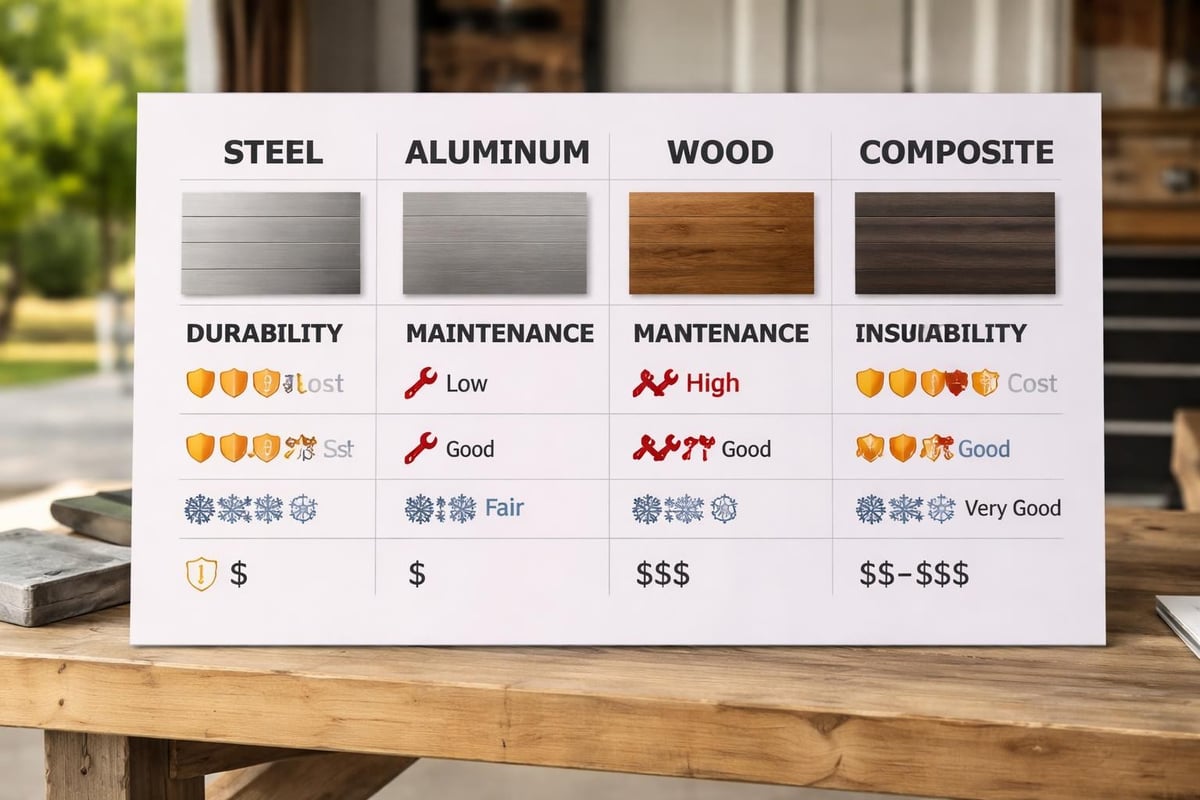
Composite materials blend wood fibers with polymers, creating doors that replicate wood's appearance while resisting warping, cracking, and weather damage. These products represent intelligent garage door recommendations for homeowners seeking wood aesthetics without extensive maintenance obligations. The initial cost exceeds basic steel but remains below solid wood pricing.
| Material | Durability | Maintenance | Insulation | Cost Range |
|---|---|---|---|---|
| Steel | Excellent | Low | Good-Excellent | $$ |
| Aluminum | Good | Low | Fair | $$ |
| Wood | Good | High | Fair | $$$$ |
| Composite | Excellent | Low | Good | $$$ |
Evaluating Insulation and Energy Efficiency
Insulation performance significantly impacts garage door recommendations, particularly in the Pacific Northwest where temperature fluctuations and moisture require careful consideration. Insulated doors provide multiple benefits beyond temperature regulation.
The R-value measures thermal resistance, with higher numbers indicating better insulation. Single-layer steel doors typically offer R-values around 4, while multi-layer insulated doors reach R-16 to R-20. For attached garages or those used as workshops, insulation directly affects home heating costs and workspace comfort during winter months.
Construction Methods Matter
Understanding construction terminology helps homeowners make educated comparisons:
- Single-layer doors consist of one steel panel with minimal or no insulation
- Double-layer doors feature steel exterior with insulation backing
- Triple-layer doors sandwich insulation between steel exterior and vinyl or steel interior panels
Triple-layer construction delivers superior insulation while providing a finished interior appearance and enhanced durability. The additional layers also reduce operational noise significantly compared to single-layer alternatives. According to comprehensive garage door guides, proper insulation can reduce energy costs by 10-20% in homes with attached garages.
Polyurethane foam insulation outperforms traditional polystyrene panels by filling the entire door cavity, creating a more rigid panel that resists denting while maximizing thermal performance. This distinction becomes particularly relevant in garage door recommendations for properties in Bainbridge Island and surrounding Kitsap County communities where dampness and temperature variations challenge door systems year-round.
Selecting Styles That Complement Your Architecture
Architectural harmony elevates curb appeal and property value, making style selection a critical component of garage door recommendations. Modern manufacturers offer extensive design flexibility within each door type.
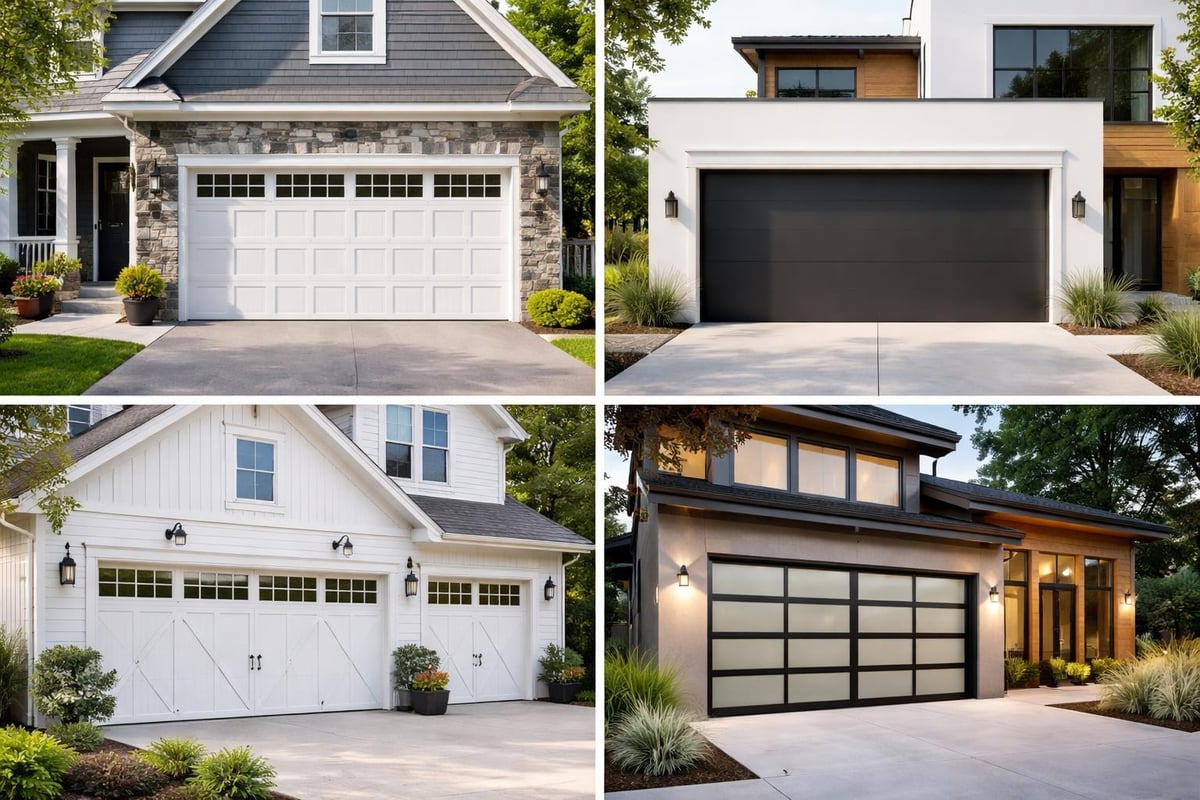
Traditional raised panel doors feature rectangular panels that create classic dimension and shadow lines. These versatile designs complement virtually any architectural style from Colonial to Craftsman. The panels may incorporate various configurations including short, long, ranch, and square patterns.
Contemporary and Carriage House Options
Flush panel doors provide smooth, minimalist surfaces ideal for modern and contemporary homes. Their clean lines emphasize horizontal flow and simplicity. When paired with frosted or clear glass sections, these doors become architectural focal points rather than merely functional elements.
Carriage house designs replicate historic swing-out carriage doors while operating on modern overhead track systems. These doors enhance traditional, cottage, and farmhouse-style homes with authentic period details including decorative hardware, window layouts, and board-and-batten styling. Homeowners seeking distinctive character frequently request carriage house designs in garage door recommendations.
For those planning comprehensive garage improvements, exploring resources like step-by-step renovation checklists provides valuable context for coordinating door selection with broader upgrade projects.
Window placement dramatically alters door appearance and natural light penetration. Options include:
- Top section windows in various patterns (stockton, cathedral, arched)
- Full-view glass doors with aluminum frames
- Scattered decorative windows throughout panels
- No windows for maximum privacy and insulation
Sizing Specifications and Track Configuration
Accurate measurements form the foundation of successful garage door recommendations and installations. Standard residential single doors measure 8 or 9 feet wide by 7 or 8 feet tall, while double doors typically span 16 feet wide. However, custom sizing accommodates non-standard openings common in older homes or specialized applications.
Headroom requirements vary by door type and track configuration. Standard lift systems need approximately 12 inches above the door opening, while high-lift and vertical-lift systems require substantially more clearance. Side room requirements typically demand 3.75 to 4 inches on each jamb for track installation.
Track Systems and Opening Mechanisms
Professional assessment ensures your space accommodates the selected door system. Homeowners with finished garage interiors, storage systems, or ceiling obstructions benefit from expert measurements before finalizing garage door recommendations.
Track configuration affects daily operation and space utilization:
- Standard lift follows a curved track from vertical to horizontal, suitable for most applications
- High lift maintains vertical orientation longer, preserving ceiling space for storage
- Vertical lift runs straight up and back along the ceiling, ideal for maximum ceiling clearance
Understanding how to choose the best garage door involves balancing these technical requirements with aesthetic preferences and budget parameters. The This Old House comprehensive guide offers additional technical insights about door configurations and installation considerations.
Opener Systems and Smart Technology Integration
Modern garage door recommendations increasingly emphasize opener technology and smart home integration. The opener system directly impacts daily convenience, security, and long-term satisfaction.
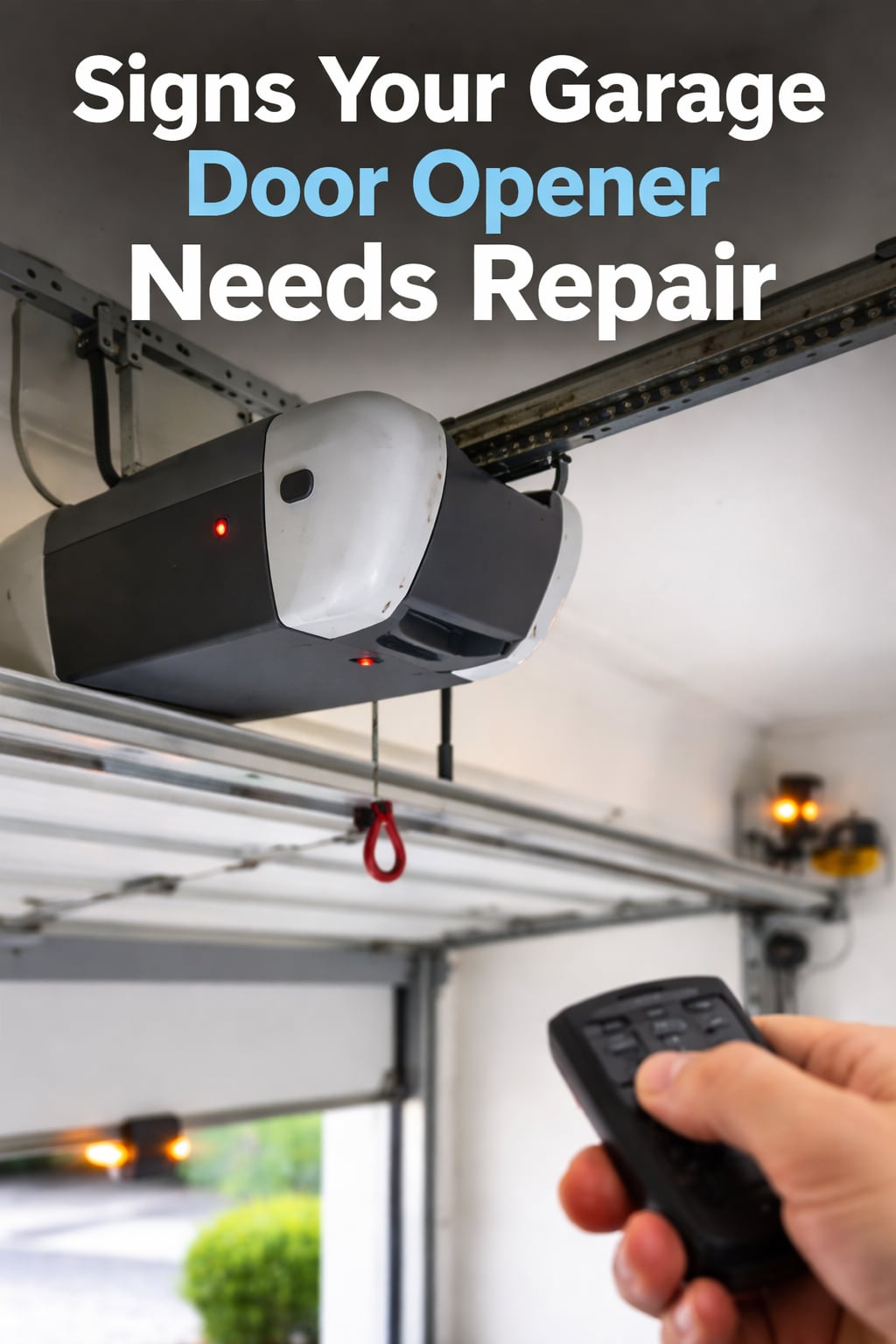
Belt-drive openers use reinforced rubber belts, delivering whisper-quiet operation ideal for homes with living spaces above or adjacent to garages. Their smooth, vibration-free performance justifies the higher initial investment for noise-sensitive environments.
Chain-drive openers employ metal chains to lift doors, creating more operational noise but offering proven reliability and lower purchase costs. These workhorses suit detached garages or situations where noise concerns remain minimal.
Wall-mount openers attach directly to the wall beside the door rather than the ceiling, preserving ceiling space and operating with exceptional quietness through direct-drive mechanisms. These systems suit homes with finished garage ceilings or cathedral garage designs.
For homeowners researching modern options, understanding garage door opener technologies in 2026 provides detailed comparisons of current systems and emerging innovations.
Smart Features and Security Enhancements
Contemporary opener recommendations emphasize connectivity and security features:
- Wi-Fi connectivity for smartphone operation and monitoring
- Battery backup systems maintaining operation during power outages
- Rolling code technology preventing code grabbing by unauthorized users
- Motion-activated lighting with adjustable timing
- Vacation mode disabling remote operation for security during travel
Timer-to-close functions automatically lower doors after preset intervals, addressing the common frustration of wondering whether you closed the garage after leaving home. Some 2026 systems integrate with comprehensive home automation platforms, enabling garage access control within broader security ecosystems.
Professional installation ensures proper force adjustments, safety sensor alignment, and system programming. Garage Door Opener Installation services handle these technical requirements while ensuring code compliance and optimal performance from the first operation.
Safety Features and Code Compliance
Safety represents a non-negotiable priority in responsible garage door recommendations. Modern doors incorporate multiple protection mechanisms mandated by federal regulations and building codes.
Photoelectric sensors installed near floor level on both sides of the opening detect obstructions, immediately reversing descending doors before contact occurs. Regular testing ensures these critical safety devices function properly. Monthly tests involve placing an object in the door path while closing, verifying immediate reversal.
Spring Systems and Balance
Auto-reverse pressure sensors provide secondary protection by detecting resistance if sensors fail or misalign. When the door encounters unexpected resistance while closing, the mechanism automatically reverses direction.
Spring systems demand particular attention in safety-focused garage door recommendations:
- Torsion springs mount above the door, using torque to counterbalance weight
- Extension springs run along horizontal tracks, stretching and contracting during operation
Torsion spring systems offer superior balance, smoother operation, and longer service life. They also confine spring failure consequences better than extension springs, which should always include safety cables to contain broken spring components. Resources like Garage Door Handbook provide extensive safety information for homeowners.
Manual release mechanisms allow doors to disconnect from openers during emergencies, enabling manual operation when power fails. Understanding how to manually open your garage door during outages prevents panic situations and ensures access to vehicles and stored items.
Professional installation verifies all safety features function correctly before the system enters service. Annual professional maintenance identified in year-round maintenance tips ensures ongoing safety compliance and system reliability.
Brand Reputation and Warranty Considerations
Manufacturer selection significantly influences long-term satisfaction and represents a crucial element in comprehensive garage door recommendations. Established brands maintain extensive dealer networks, parts availability, and warranty support that protect your investment.
Leading manufacturers offer varying warranty structures:
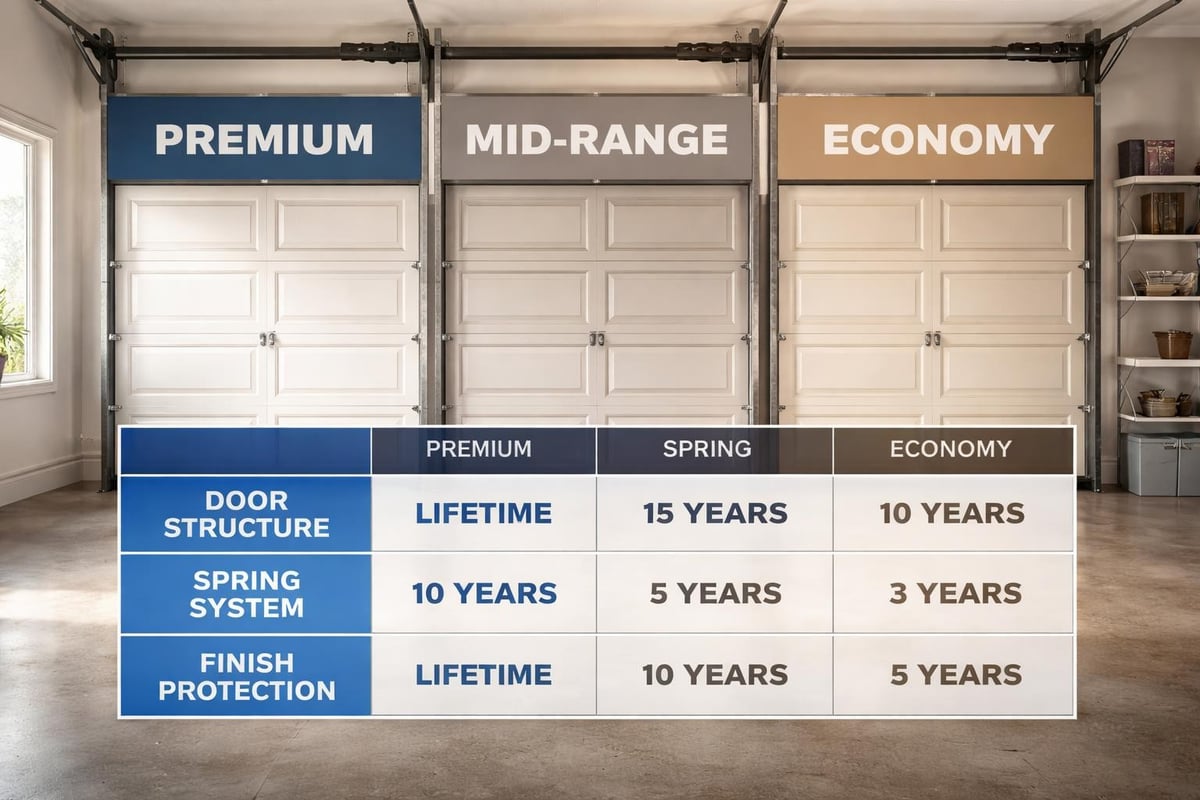
| Brand Tier | Door Warranty | Spring Warranty | Finish Warranty |
|---|---|---|---|
| Premium | Lifetime | Lifetime | Lifetime |
| Mid-Range | 10-15 years | 5-7 years | 10-15 years |
| Economy | 1-5 years | 1-3 years | 1-5 years |
Premium brands justify higher initial costs through superior materials, extensive warranties, and proven longevity. Their products typically feature heavier steel gauges, advanced coating systems, and more sophisticated hardware. The Garage Headquarters buying guide provides detailed manufacturer comparisons and purchasing considerations.
Local Service and Support Networks
Warranty effectiveness depends on local service availability. National brands maintain authorized dealer networks providing installation, service, and warranty claim processing. When comparing options, homeowners should verify local support infrastructure before finalizing garage door recommendations.
Reading comparing top garage door brands helps buyers understand performance differences between manufacturers and identify which brands best align with specific priorities like durability, aesthetics, or budget constraints.
Local dealers often carry multiple brand lines, offering flexibility while maintaining service capability across their product range. This multi-brand approach allows dealers to provide appropriate garage door recommendations at various price points while ensuring long-term support regardless of which option customers select.
Budget Planning and Value Assessment
Realistic budget planning balances immediate costs against long-term value and operating expenses. Comprehensive garage door recommendations address total ownership costs rather than purchase price alone.
Basic single-layer steel doors for standard openings begin around $600-800 for materials, while premium insulated wood or custom designs easily exceed $5,000. Installation labor adds $300-500 for standard projects, with complex installations requiring additional investment.
Cost Factors and Hidden Expenses
Several factors influence final project costs:
- Door size and configuration (single vs. double, standard vs. custom dimensions)
- Material selection and insulation level
- Window inclusion and glass type
- Opener system type and features
- Track configuration requirements
- Removal and disposal of existing door
- Structural repairs or reinforcement needs
Energy savings offset higher upfront costs for well-insulated doors. A quality insulated door may cost $1,200 more than an uninsulated alternative but saves $15-25 monthly in heating costs for attached garages. Over a 20-year service life, energy savings significantly reduce the effective cost premium.
Maintenance costs vary dramatically by material. Wood doors requiring biennial refinishing at $400-600 per service add $4,000-6,000 over twenty years. Steel and composite alternatives eliminate this recurring expense entirely. Professional services like Garage Door Installation provide detailed quotes that account for these long-term value considerations.
Financing options through dealers or home improvement loans spread costs across manageable monthly payments. Some manufacturers offer promotional financing periods, making premium doors more accessible without compromising other home improvement priorities.
Professional Installation Value Proposition
Professional installation represents a critical investment in system performance, safety, and longevity. While experienced DIY enthusiasts can tackle basic door replacements, the complexity and safety risks involved make professional installation the prudent choice for most homeowners.
Garage doors weighing 150-400 pounds present serious injury risks during installation. Torsion springs store tremendous energy, potentially causing severe injuries if improperly handled. Professional installers possess specialized tools, training, and experience managing these hazards safely.
Quality Assurance and Code Compliance
Professional installation ensures:
- Accurate measurements and proper door sizing
- Correct spring calculation and tension adjustment
- Track alignment and smooth operation throughout travel range
- Safety sensor installation and calibration
- Opener mounting and force adjustment
- Weather seal installation preventing drafts and moisture infiltration
Building departments in many jurisdictions require permits for garage door installation, necessitating work meet current code requirements. Professional installers handle permitting, ensuring compliance with local regulations. The Wikipedia overview of garage doors discusses historical safety improvements now reflected in modern building codes.
Warranty protection often depends on professional installation. Many manufacturers void warranties on self-installed products, eliminating crucial protections against defects or premature failure. Professional installation documentation satisfies warranty requirements while providing service history records valuable for future maintenance and repairs.
Local contractors familiar with Pacific Northwest climate challenges provide region-specific garage door recommendations. They understand moisture management, wind load requirements, and salt air corrosion prevention crucial for Kitsap County installations. Finding qualified professionals through resources like trusted garage door company selection tips helps homeowners identify reputable service providers.
Maintenance Requirements for Longevity
Routine maintenance preserves performance and maximizes door system lifespan. Proactive care prevents costly emergency repairs while ensuring safe, reliable operation year after year.
Visual inspections should occur monthly, examining:
- Springs for rust, gaps, or deformation
- Cables for fraying or damage
- Rollers for wear or wobbling
- Hardware for looseness or corrosion
- Weather seals for cracking or gaps
Lubrication extends component life dramatically. Apply white lithium grease or specialized garage door lubricant to:
- Torsion springs
- Roller bearings
- Hinges
- Lock mechanisms
- Opener chain or belt (per manufacturer specifications)
Avoid using WD-40 or similar penetrating oils, which attract dust and debris while providing inadequate long-term lubrication.
Seasonal Adjustments and Professional Service
Balance testing identifies spring wear before complete failure occurs. Disconnect the opener and manually lift the door halfway. Properly balanced doors remain stationary, while unbalanced doors drift up or down. Balance issues require professional spring adjustment or replacement to prevent opener strain and premature failure.
Professional maintenance annually addresses issues beyond homeowner capability:
- Spring tension adjustment
- Roller replacement
- Track alignment verification
- Opener force calibration
- Complete safety system testing
Annual professional service typically costs $100-150, representing excellent value considering repair cost prevention and safety assurance. Comprehensive garage door safety protocols followed by professional technicians identify potential hazards before they cause injuries or system failures.
Climate considerations influence maintenance schedules. Coastal environments accelerate corrosion, requiring more frequent lubrication and hardware inspection. Applying corrosion inhibitors to exposed metal components provides additional protection in salt air conditions common throughout Bainbridge Island and Kitsap County.
Environmental and Sustainability Factors
Environmental consciousness increasingly influences garage door recommendations as homeowners prioritize sustainability alongside traditional performance criteria. Several factors merit consideration for environmentally minded buyers.
Manufacturing processes vary significantly between brands. Some manufacturers utilize recycled steel content exceeding 70% in their doors, substantially reducing environmental impact compared to virgin material production. Wood doors from sustainably managed forests certified by the Forest Stewardship Council provide renewable material options with responsible harvesting practices.
Energy Performance and Carbon Footprint
Energy efficiency represents the most significant environmental contribution of modern garage doors. Well-insulated doors reduce heating and cooling demands, lowering carbon emissions associated with energy consumption. For attached garages, high-performance doors with R-16 to R-20 insulation values can reduce whole-house energy consumption by measurable percentages.
Longevity itself constitutes an environmental benefit. Durable doors lasting 20-30 years avoid premature replacement waste while reducing demand for new material extraction and manufacturing. Quality construction and proper maintenance extend service life dramatically compared to economy products requiring replacement every 5-10 years.
Disposal practices matter when replacing doors. Responsible contractors recycle steel doors, aluminum tracks, and other metal components rather than sending them to landfills. Asking about recycling practices when selecting contractors demonstrates environmental commitment while supporting responsible business operations.
Future-focused garage door recommendations increasingly emphasize durability and efficiency over lowest initial cost. The slight premium for better-insulated, longer-lasting products pays environmental dividends through reduced resource consumption and lower operational energy demands spanning decades of service.
Selecting the right garage door requires balancing numerous technical, aesthetic, and practical considerations specific to your home and priorities. From material selection and insulation performance to opener technology and professional installation value, informed decisions protect your investment while delivering years of reliable service. When you're ready to explore garage door recommendations tailored to your Bainbridge Island or Kitsap County property, NextLevel Garage Co. brings local expertise, quality workmanship, and clear communication to every residential and commercial project. Contact our team to discuss your specific needs and discover how the right garage door enhances your property's value, efficiency, and curb appeal.