

Your garage door is one of the most frequently used mechanical systems in your home, cycling through thousands of operations each year. When it malfunctions, the disruption to your daily routine can be immediate and frustrating. While some homeowners are tempted to tackle repairs themselves, knowing when to call a garage door repair professional can save time, prevent injuries, and ensure the job is done correctly. This guide explores the critical factors that determine when professional expertise is essential, what to look for in a qualified technician, and how to maximize the value of professional service.
Understanding the Complexity of Modern Garage Door Systems
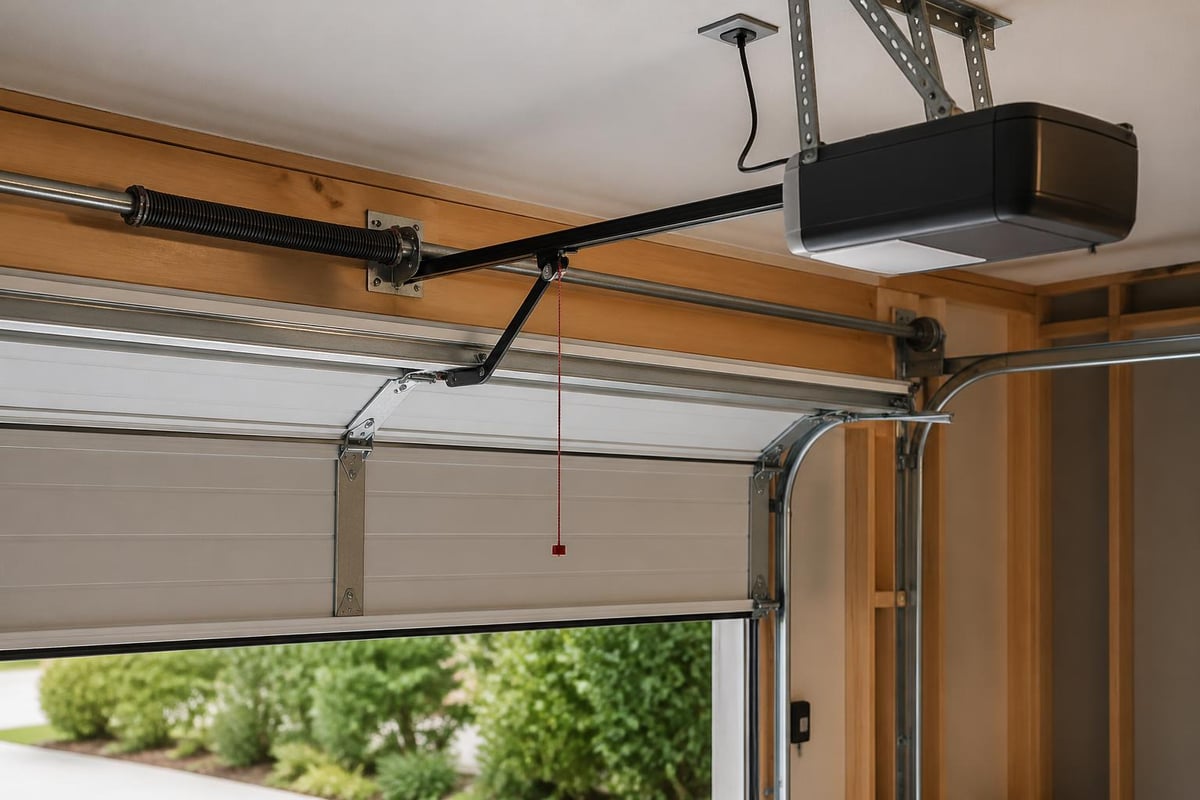
Today's garage doors are sophisticated assemblies combining heavy panels, high-tension springs, complex cable systems, electronic openers, and safety sensors. A typical residential garage door weighs between 150 and 400 pounds, with commercial systems often exceeding these weights significantly. The safety mechanisms required in modern garage doors include photoelectric sensors, auto-reverse functions, and manual release systems that must all work in perfect harmony.
Why Professional Training Matters
A garage door repair professional undergoes extensive training to understand the physics of counterbalance systems, the electrical components of opener mechanisms, and the safety protocols necessary to prevent injury. Unlike plumbing or painting projects where mistakes might cause inconvenience, garage door errors can result in serious injuries or property damage. The torsion springs alone store enough energy to cause severe harm if improperly handled.
Professional technicians also stay current with building codes and manufacturer specifications that change regularly. In 2026, many jurisdictions have adopted stricter safety requirements, and only licensed professionals can ensure compliance.
Common Problems That Require Professional Intervention
Not every garage door issue demands professional attention, but certain problems should never be DIY projects. Understanding which repairs fall into each category protects both your safety and your investment.
Spring Replacement and Adjustment
Garage door springs are under extreme tension and represent the most dangerous component for untrained individuals to service. Extension springs can snap with tremendous force, while torsion springs require specialized tools and knowledge to adjust safely. When springs break, your door becomes inoperable and potentially hazardous. Professional spring work ensures proper sizing, tension calibration, and safe installation practices that prevent future failures.
The expertise required for garage door spring work goes beyond simple replacement. A garage door repair professional evaluates the entire balance system, checks for wear patterns that indicate alignment issues, and ensures the new springs match your door's weight and cycle requirements.
Cable and Drum Issues
Cables work in conjunction with springs to lift and lower your door smoothly. When cables fray, slip off drums, or break entirely, the door can become dangerously unbalanced. A professional identifies whether cable problems stem from worn components or underlying issues like misaligned tracks or damaged drums. They also ensure cables are wound correctly and tensioned appropriately.
| Problem Type | DIY Safe? | Professional Required | Risk Level |
|---|---|---|---|
| Broken spring | No | Yes | Severe injury risk |
| Frayed cable | No | Yes | Door collapse risk |
| Track misalignment | Sometimes | Recommended | Moderate damage risk |
| Opener sensor issue | Maybe | If electrical | Low to moderate |
| Panel dent | Yes | Optional | Cosmetic only |
| Weather seal replacement | Yes | No | None |
Opener Motor and Drive System Failures
Modern garage door openers incorporate sophisticated electronics, including smart home connectivity, battery backup systems, and variable speed motors. When openers fail, diagnosing the root cause requires understanding both mechanical drive systems and electrical circuits. A garage door repair professional can determine whether the issue lies in the motor, circuit board, gear assembly, or external wiring.
Many homeowners waste money replacing entire opener units when only a specific component has failed. Professionals have access to manufacturer parts and diagnostic tools that pinpoint failures accurately. For those interested in understanding more about current technology, garage door opener technologies in 2026 have advanced significantly.
Safety Considerations and Liability Issues
The safety risks associated with garage door repairs extend beyond immediate injury. Improper repairs can create long-term hazards that endanger family members, particularly children and pets. Professional technicians follow strict safety protocols and carry liability insurance that protects homeowners.
Personal Injury Prevention
According to safety organizations, thousands of garage door-related injuries occur annually, many during attempted DIY repairs. The high-tension components can cause crushing injuries, spring-related lacerations, and impacts from falling doors. A garage door repair professional has the training and equipment to work safely around these hazards.
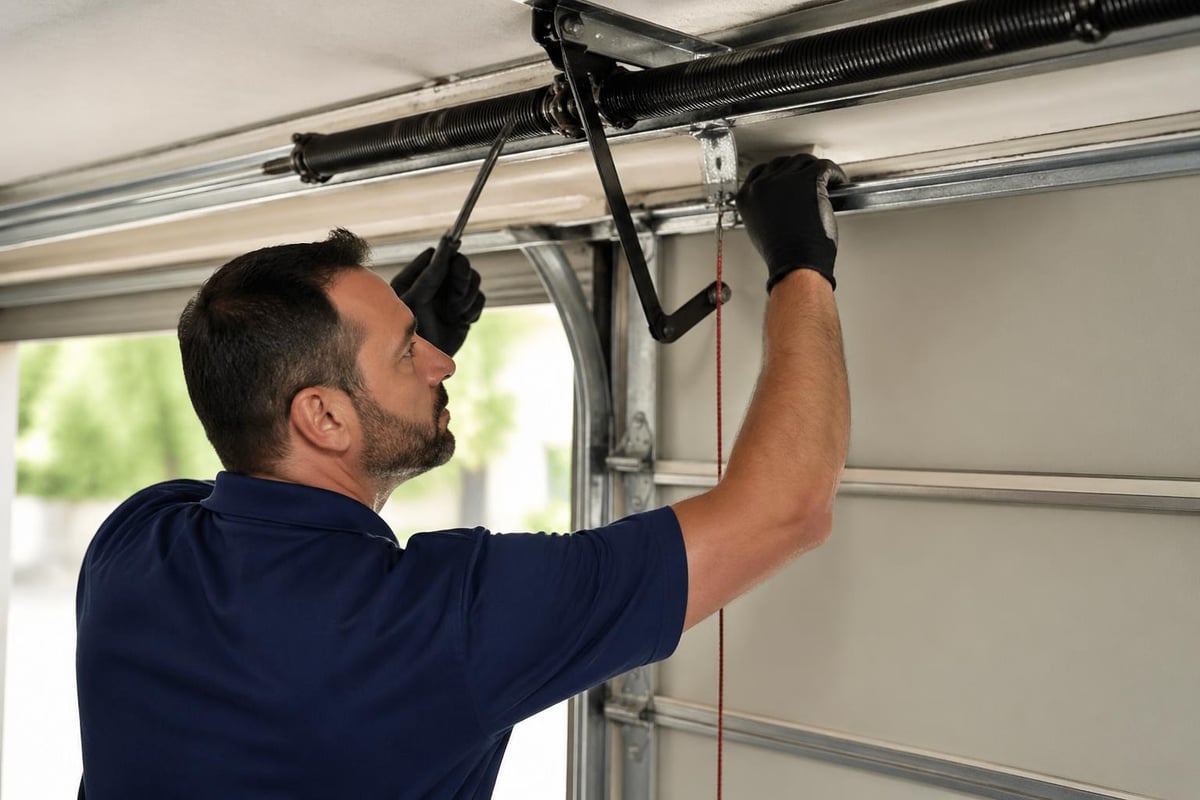
Beyond spring dangers, electrical components pose shock risks, and working overhead creates fall hazards. Professionals use proper safety equipment including spring winding bars, protective eyewear, and stabilization systems.
Property Damage Risks
An improperly balanced door can damage vehicles, destroy door panels, crack trim work, or damage the opener mechanism. Professional repairs include comprehensive testing to verify safe operation under all conditions. They check essential safety features including emergency release functionality, auto-reverse sensitivity, and photoelectric sensor alignment.
Selecting the Right Garage Door Repair Professional
The quality of your repair depends heavily on choosing a qualified, reputable technician. Not all garage door companies provide the same level of expertise or customer service. Several key factors separate exceptional professionals from inadequate ones.
Credentials and Experience
Look for technicians with proper licensing for your area, liability insurance, and workers' compensation coverage. Many reputable professionals hold certifications from industry organizations or manufacturer training programs. Years of experience matter significantly, particularly with complex systems or older door models.
When choosing a garage door repair professional, ask about their specific experience with your door type and brand. A technician familiar with your system can diagnose problems faster and source appropriate parts more efficiently.
Local Reputation and References
Local companies with established reputations have more at stake in providing quality service. They depend on community referrals and online reviews for continued business. Research companies thoroughly through multiple review platforms, and don't hesitate to request references from recent customers.
For residents of Kitsap County, working with a locally owned business means faster response times and familiarity with regional building codes. Local professionals also understand climate-specific issues like rust from marine air or moisture-related problems common in the Pacific Northwest.
Transparent Pricing and Communication
Professional garage door companies provide clear, written estimates before beginning work. They explain what repairs are necessary, why they're needed, and what costs to expect. Beware of technicians who pressure immediate decisions or offer suspiciously low prices that often lead to upselling once work begins.
A quality garage door repair professional communicates throughout the process, explaining findings, discussing options, and ensuring you understand the work being performed. They also provide warranties on parts and labor, standing behind their workmanship.
The Professional Repair Process
Understanding what happens during a professional service call helps homeowners prepare and recognize quality work. The repair process follows systematic steps designed to identify problems accurately and implement lasting solutions.
Initial Assessment and Diagnosis
Professional visits begin with a comprehensive evaluation of the entire door system. The technician examines springs, cables, rollers, tracks, panels, weather seals, and the opener mechanism. They test balance, observe operation cycles, and listen for unusual sounds that indicate specific problems.
This diagnostic phase often reveals issues homeowners didn't notice. For example, a door that seems merely sluggish might have multiple worn rollers, misaligned tracks, and deteriorating springs that could fail soon. Addressing these issues proactively prevents emergency situations.
Repair Execution and Testing
Once problems are identified and approved, professionals work methodically through repairs. They use manufacturer-specified parts, proper tools, and established procedures. For spring replacement, they measure precisely to ensure correct tension. For opener repairs, they verify electrical connections and program settings.
After completing repairs, thorough testing ensures everything functions correctly. This includes multiple operation cycles, force adjustment verification, and safety sensor testing. Many professionals also perform preventive maintenance checks during service calls, lubricating moving parts and adjusting components to extend system life.
When dealing with opener issues specifically, professional installation of new units ensures optimal performance from day one. Garage Door Opener Installation services handle everything from removing old units to programming smart features and testing safety mechanisms.
Documentation and Follow-Up
Quality professionals document all work performed, parts replaced, and adjustments made. This documentation proves valuable for warranty claims, future service needs, and home sale inspections. They also provide maintenance recommendations and answer questions about extending your system's lifespan.
Cost Factors and Value Considerations
Professional garage door repair costs vary based on problem complexity, parts required, and regional labor rates. Understanding pricing structures helps homeowners budget appropriately and recognize fair value.
Typical Repair Cost Ranges
Basic service calls for minor adjustments or sensor realignment typically cost between $100-$200. Spring replacement runs $150-$350 depending on door size and spring type. Cable replacement averages $150-$250, while roller replacement costs $200-$400 for a full set. Major opener repairs or replacements range from $250-$800.
Emergency service outside business hours typically includes premium charges. However, paying for professional service prevents the cascading costs of improper repairs that damage additional components or create safety hazards.
Long-Term Value of Professional Service
While DIY attempts might save immediate costs, professional repairs often prove more economical over time. Correctly installed parts last longer, proper adjustments prevent premature wear, and warranty coverage protects against defects. Professionals also identify potential problems before they cause failures, allowing scheduled repairs rather than emergency calls.
Regular professional maintenance extends system life significantly. A well-maintained garage door can operate reliably for 15-30 years, while neglected systems often fail within 10-15 years. The modest investment in periodic professional service pays dividends in avoided replacements and emergency repairs.
When DIY Maintenance Makes Sense
Not everything requires professional intervention. Homeowners can safely handle certain maintenance tasks that keep systems running smoothly between professional services.
Safe Homeowner Tasks
Visual inspections should occur monthly. Look for frayed cables, worn rollers, loose hardware, and damaged weather seals. Listen for unusual grinding, scraping, or squeaking during operation. Test the manual release mechanism and verify that safety sensors prevent closing when obstructed.
Basic cleaning and lubrication extend component life. Clean tracks with a damp cloth, removing dirt and debris. Apply silicone-based lubricant to rollers, hinges, and springs twice yearly. Avoid WD-40 or similar products that attract dirt and provide inadequate long-term lubrication.
Minor adjustments like tightening loose bolts, adjusting limit switches on openers, or replacing weather stripping fall within homeowner capabilities. However, never attempt spring tension adjustments or cable work without professional training.
For guidance on various maintenance tasks, resources on garage door safety provide helpful information. Additionally, understanding how to manually open your garage door during emergencies proves valuable during power outages or opener failures.
Red Flags That Demand Immediate Professional Attention
Certain symptoms indicate serious problems requiring urgent professional response. Delaying service when these signs appear can lead to complete system failure, safety hazards, or expensive secondary damage.
Critical Warning Signs
- Sudden loud bang followed by door failure typically indicates spring breakage
- Door falls rapidly when opening suggests cable failure or spring issues
- Visible cable fraying or slack means imminent cable failure risk
- Door opens only partway then reverses or stops indicates force imbalance
- Opener motor runs but door doesn't move suggests drive mechanism failure
Additional concerning symptoms include crooked door operation, visible cracks in panels, rollers coming off tracks, and grinding noises from the opener. These problems rarely improve on their own and typically worsen rapidly.
Emergency Versus Scheduled Service
True emergencies include complete door failure, especially when vehicles are trapped inside, broken springs that prevent operation, or safety system failures that create hazard risks. These warrant immediate professional response, even during after-hours periods.
Non-emergency issues like intermittent problems, slow operation, or minor cosmetic damage can wait for regular business hours. However, don't delay scheduling service, as minor problems often indicate developing major issues. For urgent situations, emergency garage door repair services provide rapid response when you need immediate assistance.
Professional Service for Commercial Applications
Commercial garage doors face higher cycle counts, larger sizes, and more demanding operational requirements than residential systems. These factors make professional service even more critical for business applications.
Industrial Door Complexity
Commercial doors often incorporate specialized components like industrial garage door openers, heavy-duty track systems, and advanced control mechanisms. Their size and weight make even basic maintenance potentially dangerous without proper equipment.
Business owners must balance operational downtime against repair costs. A garage door repair professional experienced with commercial systems can diagnose problems quickly, source parts efficiently, and minimize business interruption. They also understand the liability issues businesses face from malfunctioning doors that could injure employees or customers.
Preventive Maintenance Programs
Many commercial clients benefit from scheduled maintenance contracts that provide regular inspections and preventive service. These programs reduce unexpected failures, extend equipment life, and help businesses budget predictably for door system costs. Professional technicians track service history, anticipate component replacement needs, and ensure compliance with commercial safety regulations.
Making an Informed Decision
Choosing between DIY attempts and professional service requires honest assessment of your skills, available time, safety comfort level, and financial resources. For most garage door problems beyond basic maintenance, professional service provides superior outcomes.
A garage door repair professional brings specialized knowledge, proper tools, safety equipment, and experience that prevent common mistakes. They complete repairs efficiently, warranty their work, and often identify additional issues before they cause failures. The peace of mind knowing your garage door operates safely and reliably justifies the service investment for most homeowners and businesses.
When evaluating repair needs, consider the complexity involved, potential risks, and long-term value of professional work. Proper maintenance and timely repairs protect your investment and ensure your garage door serves reliably for decades.
Recognizing when to call a garage door repair professional protects your safety, preserves your investment, and ensures reliable operation of this critical home system. Whether you're dealing with a broken spring, malfunctioning opener, or simply need expert guidance on maintenance, professional expertise makes the difference between proper repairs and costly mistakes. For homeowners and businesses throughout Kitsap County, NextLevel Garage Co. provides the skilled technicians, quality workmanship, and clear communication you need for all your garage door service requirements.