

Imagine rushing out the door, only to find your garage door stuck because of a garage door track bent at the worst moment. This common issue can quickly turn your day upside down, leaving you with safety concerns, unexpected repair bills, and a lot of frustration.
A bent track not only disrupts your routine but can also pose real risks to your home and family. Fortunately, with the right guidance, fixing and preventing these problems is easier than you might think.
This 2026 expert guide will show you how to identify, repair, and safeguard against garage door track bent issues. You will learn about causes, warning signs, step-by-step fixes, when to call in professionals, essential maintenance, and future-proofing tips.
Take control of your garage door’s reliability by exploring the solutions ahead, whether you choose a DIY fix or expert assistance.
Understanding Bent Garage Door Tracks: Causes & Consequences
Discovering your garage door track bent can be both inconvenient and concerning. To address the problem effectively, it is essential to understand what causes this issue, the consequences if it is ignored, and how to spot the early signs before a minor inconvenience becomes a major emergency. This section breaks down the most common causes, risks, warning signs, and emergency scenarios related to a garage door track bent.
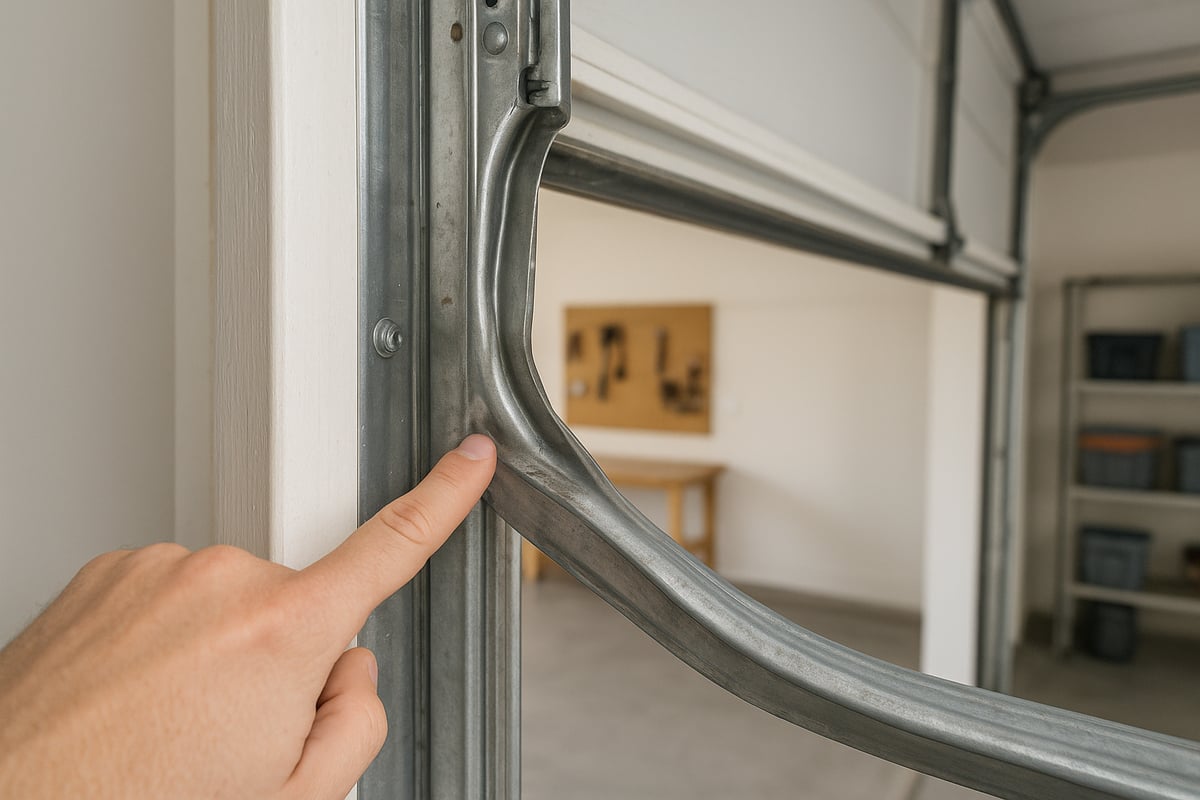
Common Causes of Bent Tracks
A garage door track bent is often the result of daily life and unexpected accidents. The most frequent causes include:
- Accidental impacts from vehicles, bikes, or heavy storage items hitting the track.
- General wear and tear from regular garage door use.
- Poor installation or use of low-quality materials.
- Weather factors such as rust, humidity, or sudden temperature changes.
- Lack of routine lubrication and maintenance checks.
- Unbalanced doors or malfunctioning openers placing extra stress.
For more insight into specific causes like broken cables or weather exposure, see the Top Reasons for a Bent Garage Door Track. Real-world case studies show that even a small bump can lead to a garage door track bent, emphasizing the importance of vigilance.
Risks and Damage from Bent Tracks
Ignoring a garage door track bent can quickly escalate into serious risks. Some of the most significant consequences include:
- The door becoming misaligned or completely stuck.
- Increased strain on rollers, cables, and the opener, leading to further mechanical problems.
- The potential for complete door failure or even detachment from its frame.
- Safety hazards for people, pets, and vehicles in the garage.
- Higher repair costs as minor bends turn into major structural issues.
Industry statistics indicate that the majority of garage door failures trace back to track problems. Addressing a garage door track bent promptly helps you avoid these escalating risks.
Warning Signs Your Garage Door Track is Bent
Spotting the early signs of a garage door track bent can save you from costly repairs. Warning signals include:
- Noisy, jerky, or uneven movement when opening or closing the door.
- Visible gaps, warping, or bowing in sections of the track.
- Rollers that pop out or get stuck during operation.
- The door failing to open or close fully or smoothly.
- Increased resistance or difficulty when using the garage door.
Consider the example of a homeowner who noticed shaking and scraping noises, only to find their garage door track bent after a closer look. Regular checks make a significant difference.
When a Bent Track Becomes an Emergency
Sometimes, a garage door track bent moves from a minor inconvenience to an urgent safety issue. Emergency situations include:
- The door getting stuck open or closed, leaving your home vulnerable.
- The door coming off its track, visibly sagging, or appearing unstable.
- The risk of the door falling and causing injury or property damage.
In these cases, secure the area immediately and avoid using the door. Do not attempt DIY repairs if the door is off-track or unstable. Prioritize safety and contact a professional to handle severe garage door track bent emergencies.
Step-by-Step Guide: How to Fix a Bent Garage Door Track
Discovering your garage door track bent at the worst possible moment can be overwhelming. Fortunately, you can address this problem with the right approach and tools. This step-by-step guide walks you through every stage of repairing a garage door track bent, ensuring safety and reliable operation for years to come.
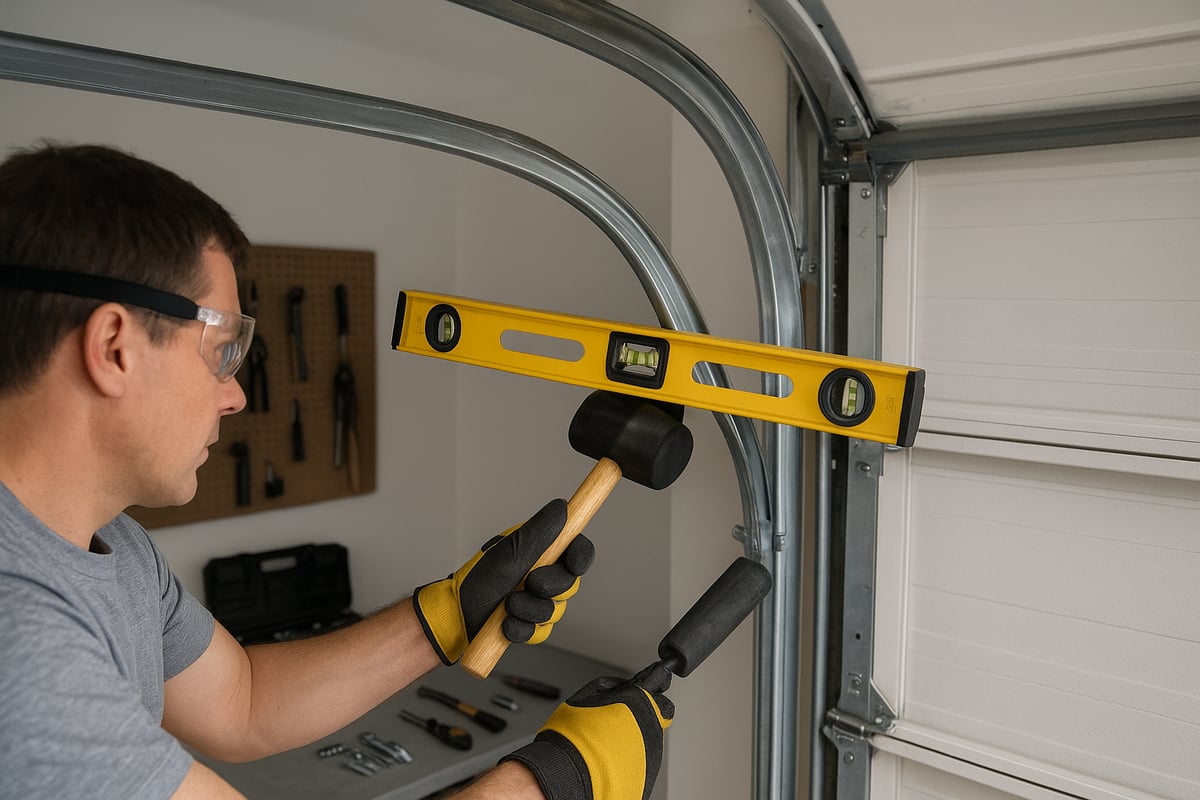
Step 1: Safety First – Preparing for Repair
Before attempting to fix a garage door track bent, prioritize safety above all else. Start by disconnecting the power to the garage door opener to prevent accidental activation. This simple step can eliminate serious risks.
Next, put on safety gloves and eye protection. Even minor repairs can produce sharp metal fragments or sudden movements. Secure the door in place using locking pliers or sturdy clamps on the tracks. This will keep the door from shifting unexpectedly while you work.
Clear the area around the garage door of vehicles, tools, and debris. This gives you unobstructed access and minimizes tripping hazards. Inspect the entire door system for hidden damage, such as frayed cables or cracked rollers, which can complicate the repair. Remember, data from safety organizations show that most garage door injuries occur during hasty or unprepared repairs.
If the garage door track bent severely and the door is off its track or stuck open, consult a Garage door off track guide for immediate steps to secure your property.
Step 2: Identifying the Bent Section(s)
With the area prepped, begin a careful visual inspection to locate where the garage door track bent. Look for warping, bowing, or visible gaps along the track. Often, the bent section appears as a subtle curve or a noticeable kink.
Operate the door manually and listen for scraping or grinding sounds. These noises frequently indicate a garage door track bent in one or more places. Compare both tracks for symmetry and alignment using a level or measuring tape. Even small deviations can lead to uneven movement.
Check for rollers that pop out or get stuck, as this often signals a bent or misaligned section. Distinguishing between minor and severe bends is crucial. Minor bends may only cause slight resistance, while severe bends can prevent the door from moving at all.
If you observe the garage door track bent near mounting brackets or in multiple spots, document the findings. This record will help during repair or if you consult a professional later.
Step 3: Loosening Track Hardware
Once you have pinpointed where the garage door track bent, it is time to loosen the track hardware. Locate all bolts, screws, and brackets securing the affected track to the wall or ceiling. Use the appropriate tools to gently loosen these fasteners. Do not remove them completely unless necessary, as this can lead to further misalignment.
If the rollers obstruct your access to the bent area, remove them carefully. Keep all hardware organized in a tray or small container for easy reassembly. Avoid over-loosening, which can cause the track to sag or shift unexpectedly.
Many homeowners make the mistake of removing too much hardware at once, resulting in a misaligned garage door track bent even further. Take your time and work methodically, checking the stability of the track after each adjustment.
Step 4: Straightening the Track
With the hardware loosened, you are ready to address the garage door track bent directly. Use a pair of sturdy pliers, a rubber mallet, or a specialized track tool to apply gradual, even pressure to the affected section. Start at the center of the bend, working outward in small increments.
Check the alignment frequently with a level to ensure the track returns to its original position. For severe bends, you may need to partially replace the damaged section of the track. Avoid over-bending or forcing the metal, as this can weaken the structure and cause future problems.
A homeowner recently restored a garage door track bent near the bottom using only basic tools and careful adjustments. However, if the track resists correction or begins to crack, stop and reassess. In some cases, replacing the track is safer and more effective than repeated attempts to straighten it.
Step 5: Reassembling and Testing
After straightening, begin reassembling the garage door track bent area. Reinstall the rollers, making sure they fit smoothly within the track. Tighten all bolts, screws, and brackets evenly to secure the track to the wall or ceiling.
Test the door manually by lifting it along the track. It should move smoothly and without abnormal noises or sticking. If you notice resistance or misalignment, make small adjustments as needed. Avoid reconnecting the power to the opener until you are confident the garage door track bent section is fully resolved.
Perform several open and close cycles to confirm the repair. This manual check is vital for ensuring the long-term reliability of the garage door system.
Step 6: Final Safety Check
Conclude your repair by performing a comprehensive safety check. Inspect all moving parts, including rollers, hinges, and cables, for any signs of damage caused by the garage door track bent issue. Lubricate the tracks and rollers using a garage door-specific lubricant to ensure smooth operation.
Verify that the safety sensors are properly aligned and functional. Once all checks are complete, reconnect the garage door opener and test the remote operation. Document the repair details for future reference or warranty purposes.
By following these steps, you can confidently fix a garage door track bent problem and restore secure, smooth operation to your garage.
Professional vs. DIY: When to Call a Garage Door Expert
When you notice a garage door track bent, deciding between a do-it-yourself fix and calling a professional can feel overwhelming. Understanding the severity of the issue, the risks involved, and the long-term costs will help you make the most informed choice. Let’s break down what you need to consider before picking up your tools or the phone.

Assessing the Scope of Damage
The first step is to determine if your garage door track bent issue is minor or severe. If the bend is slight and there is no structural damage, a careful DIY approach may be safe. However, if you see the door off its track, notice damaged rollers or cables, or suspect the frame is compromised, professional help is essential.
Trying to fix a significant garage door track bent problem yourself can escalate costs and create safety hazards. For a thorough list of potential issues, explore Common garage door problems, which details when professional intervention is recommended.
Remember, improper repairs can void warranties and put property at risk. Always evaluate the full situation before starting any work.
Benefits of Hiring a Professional
Hiring an expert for a garage door track bent repair brings several advantages. Professionals have access to specialized tools and quality replacement parts, ensuring the job is done right the first time.
They can also diagnose related issues, such as opener malfunctions or spring wear, that you might overlook. Most reputable services offer warranties on both labor and parts, providing added peace of mind.
A professional repair is often faster and far safer than tackling the garage door track bent issue alone. According to industry insights, many homeowners save both time and money by relying on skilled technicians.
What to Expect from a Garage Door Service Visit
When you call in a pro for a garage door track bent, expect a thorough process. The technician will begin with a detailed inspection and diagnosis, explaining all available options clearly.
You’ll receive a transparent estimate before any work begins. Most repairs involve either straightening or replacing the affected track section, followed by preventative maintenance checks.
A typical visit concludes with safety testing and recommendations for future care. Many customers report quick, efficient solutions that restore smooth garage operation in a single visit.
Cost Considerations: DIY vs. Professional Repair
Cost is a key factor when dealing with a garage door track bent. DIY repairs often require purchasing tools and materials, which can add up for even minor fixes.
Professional repairs or replacements may have higher upfront fees, but they include expertise, quality parts, and warranties. Consider the long-term value of safety and reliability.
| Repair Type | Typical Cost | Pros | Cons |
|---|---|---|---|
| DIY | Low-Moderate | Immediate, hands-on | Risk of error, no warranty |
| Professional | Moderate-High | Safe, guaranteed | Higher initial cost |
Sometimes, investing in a professional for your garage door track bent saves money and stress over time, especially if insurance or warranties are involved.
Maintenance Tips to Prevent Bent Garage Door Tracks
Preventing a garage door track bent scenario starts with proactive care and attention to detail. Regular maintenance not only extends the lifespan of your garage door system but also helps you avoid unexpected breakdowns and costly repairs. By following a structured approach, you can keep your garage door operating smoothly year-round.
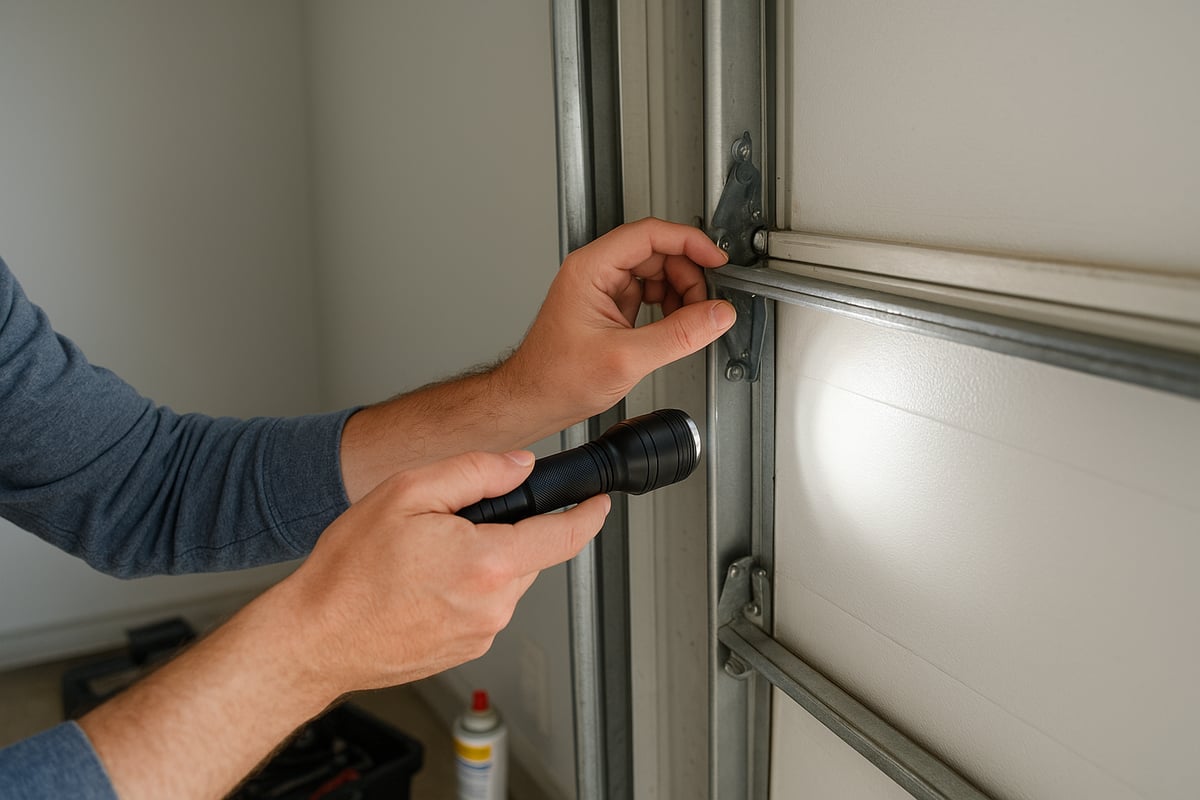
Routine Inspection Checklist
A consistent inspection routine is your first line of defense against a garage door track bent problem. Begin with a visual scan of the tracks, rollers, and mounting hardware for any signs of wear, looseness, or misalignment.
Listen carefully as the door operates. Any scraping, squeaking, or popping noises can indicate early track issues. Check the door’s balance by disconnecting the opener and lifting the door manually to ensure it moves smoothly and stays in place.
Inspect for rust, debris, or obstructions along the tracks. Address these issues promptly to prevent further damage. Aim to perform these checks at least once a month, or more often if your garage sees heavy use.
Lubrication and Cleaning Best Practices
Proper lubrication is essential to prevent a garage door track bent from developing due to excess friction or resistance. Use a silicone-based or garage door-specific lubricant on tracks, rollers, and hinges.
Clean the tracks with a soft cloth to remove dust and debris. Avoid harsh chemicals that could corrode metal surfaces. Take care not to over-lubricate, as buildup may attract more grime and lead to operational issues.
For a comprehensive guide on year-round maintenance, refer to these Year-round garage door maintenance tips. Adapting your cleaning schedule to the seasons helps protect your garage door system in every climate.
Balancing and Aligning the Garage Door
A well-balanced door is vital in preventing a garage door track bent from recurring. To check balance, disconnect the opener and lift the door halfway. If it stays put, balance is likely correct. If it moves, springs may need adjustment.
Check alignment using a level along the tracks. Any visible tilting or unevenness should be corrected promptly. Minor adjustments to the track brackets can help restore proper alignment.
If you notice persistent imbalance, unusual resistance, or cannot align the tracks safely, consult a professional. Improper adjustments can lead to further complications or even injury.
Upgrading Hardware and Components
Investing in higher-quality materials can significantly reduce your risk of a garage door track bent incident. Modern tracks and rollers made from reinforced steel or nylon offer improved durability and smoother operation.
Consider anti-rust coatings and weather-resistant hardware for added protection, especially in harsh climates. Replacing worn rollers, hinges, or brackets before they fail reduces the likelihood of track deformation.
For homeowners embracing smart technology, ensure new hardware is compatible with advanced garage door systems. Upgrades can lead to fewer repairs and a more reliable garage door experience.
Preventive Measures for High-Traffic and Commercial Garages
High-traffic garages are especially prone to garage door track bent problems due to frequent use and greater physical stress. Installing protective guards or bumpers along the track’s lower sections helps shield against accidental impacts.
Educate all users on safe garage door operation and the importance of avoiding forceful closures. Schedule regular professional inspections to catch early signs of wear or imbalance.
Monitor and adjust opener force settings to prevent unnecessary strain on the tracks. In commercial environments, consider a maintenance contract for scheduled tune-ups to ensure your system remains in top condition.
Innovations & Future-Proofing Garage Door Tracks in 2026
Garage door technology is evolving rapidly, offering homeowners smarter, safer, and more resilient solutions for every garage door track bent concern. Staying informed about these innovations can help you make decisions that protect your investment and keep your garage running smoothly for years to come.
Smart Technology and Track Monitoring
In 2026, smart technology is transforming how homeowners handle garage door track bent issues. Advanced sensors now monitor track alignment in real time, instantly alerting you to any misalignment or developing bends. These sensors connect with smart home systems, allowing remote diagnostics and control through your smartphone.
Predictive maintenance has become the norm. Mobile apps notify you when your garage door needs attention, helping prevent costly repairs before problems escalate. For practical steps on integrating smart maintenance with your routine, consider these Garage Door Maintenance Tips.
Many 2026 garage door openers include built-in track sensors, offering peace of mind and reducing the risk of unexpected malfunctions.
Advanced Materials and Engineering
Manufacturers are rethinking the materials used in garage door track bent repairs and replacements. Reinforced steel, aluminum, and advanced composites are now standard, providing greater strength and durability. These materials resist warping and bending, even after years of daily use.
Corrosion-resistant coatings extend the lifespan of tracks, especially in humid or coastal environments. Modular track designs have also gained popularity, making it easier to replace damaged sections without a full overhaul.
Recent data shows that the use of these advanced materials has significantly reduced incidents of garage door track bent failures, helping homeowners avoid disruptions and expensive service calls.
Sustainable and Eco-Friendly Solutions
Sustainability is shaping the future of garage door track bent prevention and repair. Modern tracks are often made from recyclable metals and manufactured using green processes, reducing environmental impact.
Energy-efficient door systems are designed to minimize operational strain, which not only helps the environment but also reduces the chance of track bending. Many manufacturers now offer incentives for upgrading to eco-friendly garage door components.
Homeowners who have invested in sustainable garage upgrades report lower maintenance needs and improved performance. This shift toward greener solutions supports both your home’s longevity and the planet’s well-being.
Trends in Garage Door Safety and Design
Safety and design trends for 2026 directly address common garage door track bent risks. Enhanced safety features protect families and pets, with sensors that stop the door if an obstruction is detected in the track area.
Customizable track designs are now available, allowing for unique garage layouts and improved curb appeal. Modern tracks feature finishes and colors that complement the overall garage design, blending function with aesthetics.
Regulatory updates require stricter safety standards for garage door installations and repairs. Experts predict ongoing innovation in both technology and design, making future garage door track bent issues even easier to prevent and resolve.
Troubleshooting Other Common Garage Door Track Issues
Garage door track bent issues are not limited to obvious bends. Other problems, like rust, misalignment, and worn rollers, can cause similar symptoms and damage. Recognizing and addressing these related issues is key to long-lasting, safe garage operation.
Dealing with Rust and Corrosion
Rust is a frequent cause of garage door track bent problems, especially in humid or coastal environments. Early signs include orange or brown discoloration, pitting, and flaking along the track. If left untreated, corrosion can weaken the track and lead to misalignment or complete failure.
To address rust, start by cleaning affected areas with a wire brush. Apply a rust converter or protective spray to halt further damage. Regular lubrication is essential to prevent future corrosion. For practical advice on cleaning and lubricating tracks, visit Garage Door Maintenance: 8 Simple Tips.
If rust has compromised the structural integrity, replacing the section may be safer than repair. Consistent maintenance reduces the risk of garage door track bent issues due to corrosion.
Fixing Misaligned Tracks
A misaligned track often mimics a garage door track bent scenario, causing the door to bind or move unevenly. Symptoms include gaps between the track and rollers or the door veering off course. Misalignment can result from impact, loose hardware, or foundation shifts.
To fix misalignment, first loosen the mounting brackets slightly. Use a level to ensure the track is plumb and parallel to the door. Gently tap the track into position, then retighten the hardware. Double-check alignment before operating the door. For more on the causes of misalignment, see Common Causes of Unbalanced Garage Door Tracks.
Prompt attention to misalignment prevents further wear and escalation into a garage door track bent emergency.
Addressing Roller and Hinge Problems
Worn or damaged rollers and hinges can contribute to a garage door track bent by increasing friction and causing the door to drag. Inspect rollers for flat spots, cracks, or excessive wobbling. Hinges should be free of rust and move smoothly.
Replace damaged rollers with heavy-duty or nylon alternatives for quieter operation. Lubricate both rollers and hinges with a silicone-based product to minimize resistance. Upgrading these components can extend the lifespan of your garage door and reduce the likelihood of track damage.
Neglecting roller and hinge maintenance may lead to recurring garage door track bent issues and premature part failure.
Preventing Recurring Track Issues
Recurring garage door track bent problems often stem from underlying causes, such as unbalanced doors or incorrect opener force settings. Addressing only the visible symptoms may offer temporary relief, but thorough repairs and preventive care are essential for lasting results.
- Schedule periodic professional inspections.
- Keep a maintenance log to track repairs and issues.
- Educate household members on proper garage door use.
- Monitor and adjust opener force settings as needed.
For more insights into preventing ongoing track issues, consult resources on unbalanced garage door tracks. Comprehensive maintenance and early intervention are your best defenses against chronic garage door track bent problems.
Now that you know what causes bent garage door tracks and how to spot the warning signs, you’re already ahead in protecting your home and your peace of mind. Whether you’re considering a DIY fix or weighing the benefits of professional help, it’s always smart to get advice from experts who understand the unique needs of Bainbridge Island and Kitsap County homes. If you’re ready to prevent further damage, ensure your family’s safety, and restore smooth operation for years to come, let’s connect. Call now for a free estimate!
3 Responses