

Few things are more frustrating than pressing your garage door remote and hearing nothing in response. When your garage opener stopped working, it disrupts your daily routine and can leave you stuck outside or unable to secure your vehicle. Whether you're facing a completely unresponsive system, strange noises, or intermittent operation, understanding the underlying causes helps you determine whether you need a simple fix or professional intervention. For homeowners throughout Kitsap County, from Bainbridge Island to Silverdale, addressing opener failures quickly restores convenience and security to your property.
Common Reasons Your Garage Opener Stopped Working
Power issues rank among the most frequent culprits when your garage opener stopped working. A tripped circuit breaker, blown fuse, or unplugged unit can render your system completely non-functional. Before investigating complex mechanical problems, check your electrical panel and ensure the opener's power cord remains securely connected to the outlet.
Remote control problems often mimic complete system failures. Dead batteries represent the simplest explanation, but signal interference, lost programming, or damaged transmitters can also prevent your opener from responding. Testing with the wall-mounted button inside your garage helps isolate whether the issue stems from the remote or the opener itself.
Mechanical and Sensor Failures
Physical obstructions or misaligned safety sensors frequently cause garage openers to stop working properly. Modern openers include photo-eye sensors that prevent the door from closing on objects or people. When these sensors become dirty, misaligned, or damaged, they trigger safety protocols that halt operation entirely.
Key mechanical issues include:
- Broken or worn drive gears inside the opener mechanism
- Damaged trolley assemblies that connect the opener to the door
- Stripped coupling mechanisms on chain or belt drives
- Worn motor brushes in older opener models
- Disconnected emergency release handles that prevent re-engagement
Limit switch problems can also make it seem like your garage opener stopped working. These switches tell the motor when the door has reached its fully open or closed position. Misadjusted limit switches may cause the door to reverse unexpectedly or refuse to move at all.
Troubleshooting Steps When Your Opener Fails
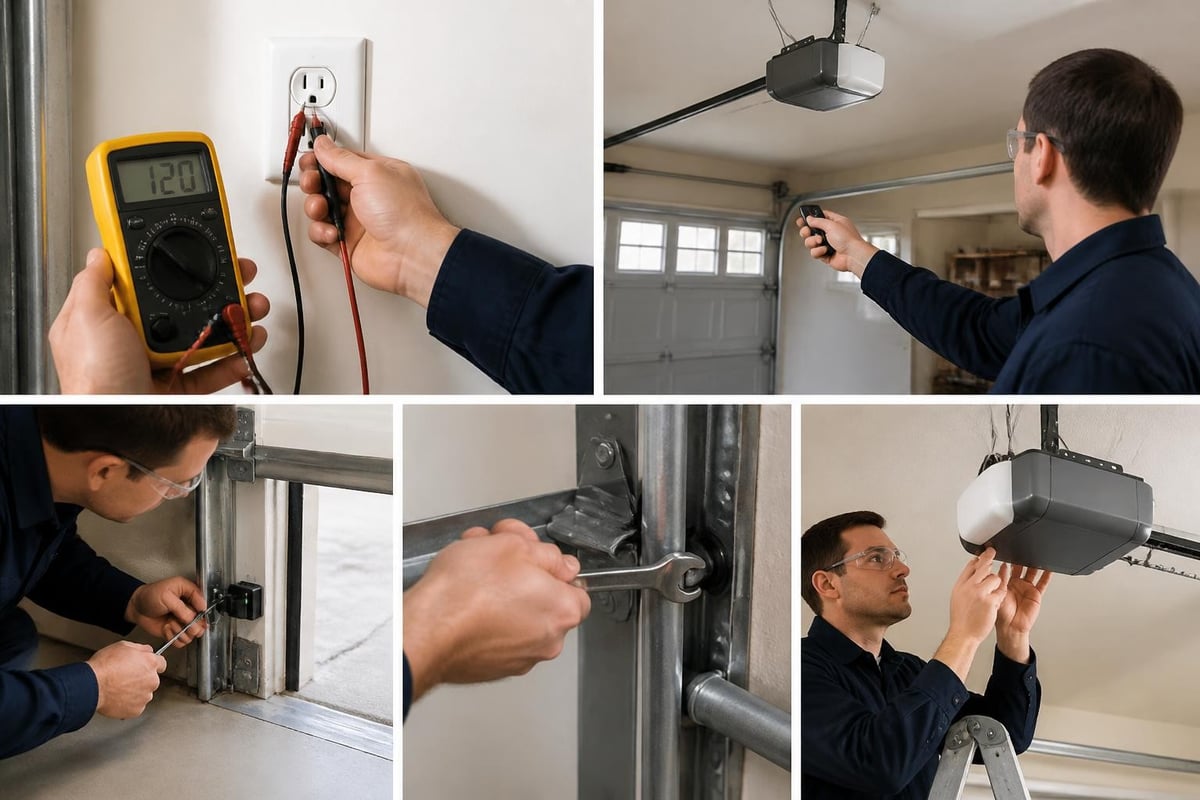
Start your investigation by verifying power supply to the unit. Check that the opener is plugged into a functioning outlet, test the circuit breaker, and look for any GFCI outlets that may have tripped. Many homeowners discover their garage opener stopped working simply because someone accidentally unplugged it while cleaning or moving items in the garage.
Next, test both the remote control and the wall-mounted button. If the wall button works but the remote doesn't, you've isolated the problem to the transmitter. Replace remote batteries first, then try reprogramming the device according to your manufacturer's instructions. This troubleshooting guide offers detailed steps for addressing remote and control panel issues.
Inspecting Safety Sensors
Safety sensors require careful examination when your garage opener stopped working. These sensors mount on either side of the garage door opening, about six inches above the floor. Each sensor should display a steady LED light, typically green or red depending on the manufacturer.
| Sensor Issue | Visual Indicator | Solution |
|---|---|---|
| Misalignment | Blinking or no light | Adjust bracket position until lights steady |
| Dirty lens | Dim or flickering light | Clean sensor lenses with soft cloth |
| Wiring problem | No light at all | Check wire connections at sensor and opener |
| Damaged sensor | Inconsistent behavior | Replace sensor unit |
Clean the sensor lenses with a soft, dry cloth and ensure nothing obstructs the beam between them. Even cobwebs or dust can interrupt the infrared signal. Loosen the mounting brackets slightly and adjust the sensors until both lights shine steadily, indicating proper alignment.
Examining Mechanical Components
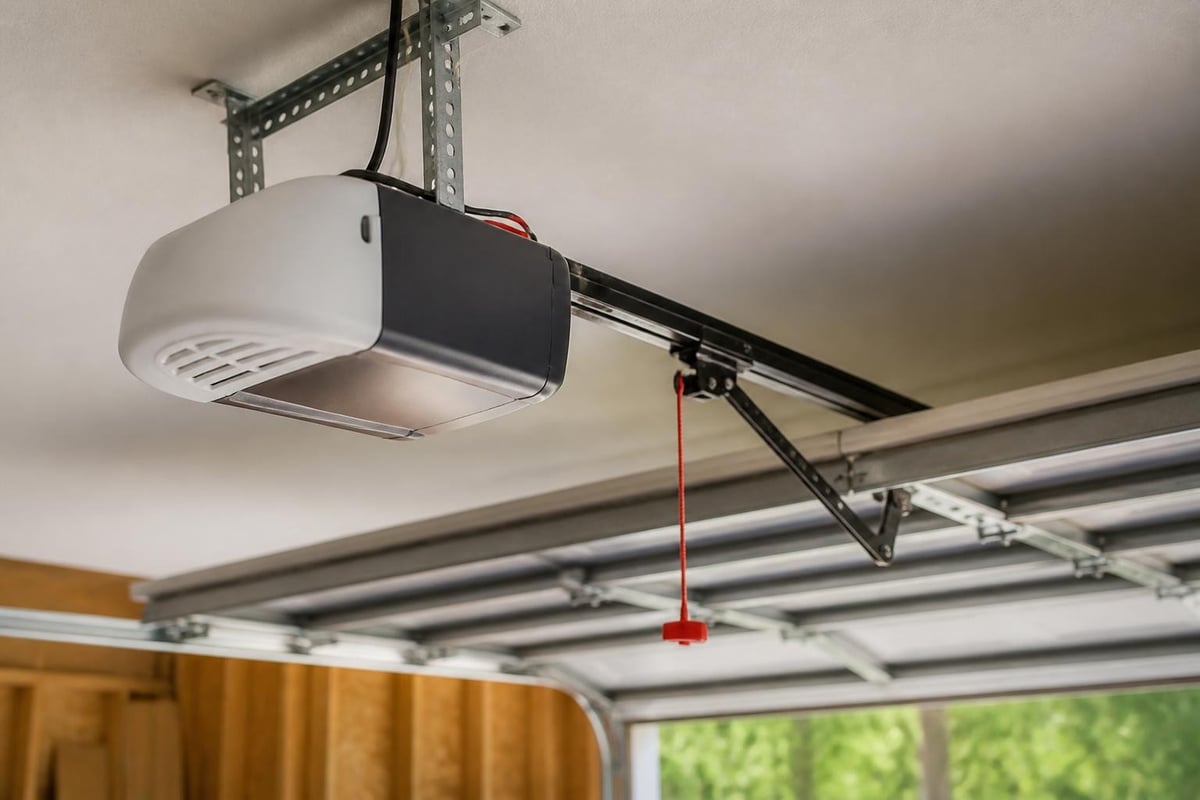
When your garage opener stopped working despite having power and clear sensors, mechanical failures may be responsible. Inspect the drive system connecting the motor to the door. Chain drives can stretch or break, belt drives may crack or slip, and screw drives can strip their threads over time.
Look for physical damage to the trolley assembly that runs along the rail. This component connects the opener to the door's J-arm attachment. A broken trolley or damaged rail can prevent the opener from transferring force to the door. Regular maintenance helps prevent these mechanical failures from developing.
Drive System Assessment
Different opener types experience distinct mechanical problems. Chain-drive openers produce more noise and vibration, which can loosen hardware over time. Belt-drive systems run quieter but may develop cracks in the reinforced rubber belt. Screw-drive mechanisms require specific lubricants and can bind if the threaded rod accumulates dirt or lacks proper maintenance.
Mechanical inspection checklist:
- Examine the drive chain, belt, or screw for visible damage
- Check all mounting bolts and brackets for tightness
- Inspect the trolley for cracks or broken components
- Verify the J-arm connection to the door remains secure
- Look for worn or damaged gears inside the opener housing
If you hear the motor running but the door doesn't move, a stripped gear inside the opener head is likely. This common failure requires professional repair or unit replacement. Attempting to operate the opener repeatedly in this condition can damage the motor permanently.
Spring and Door Balance Issues
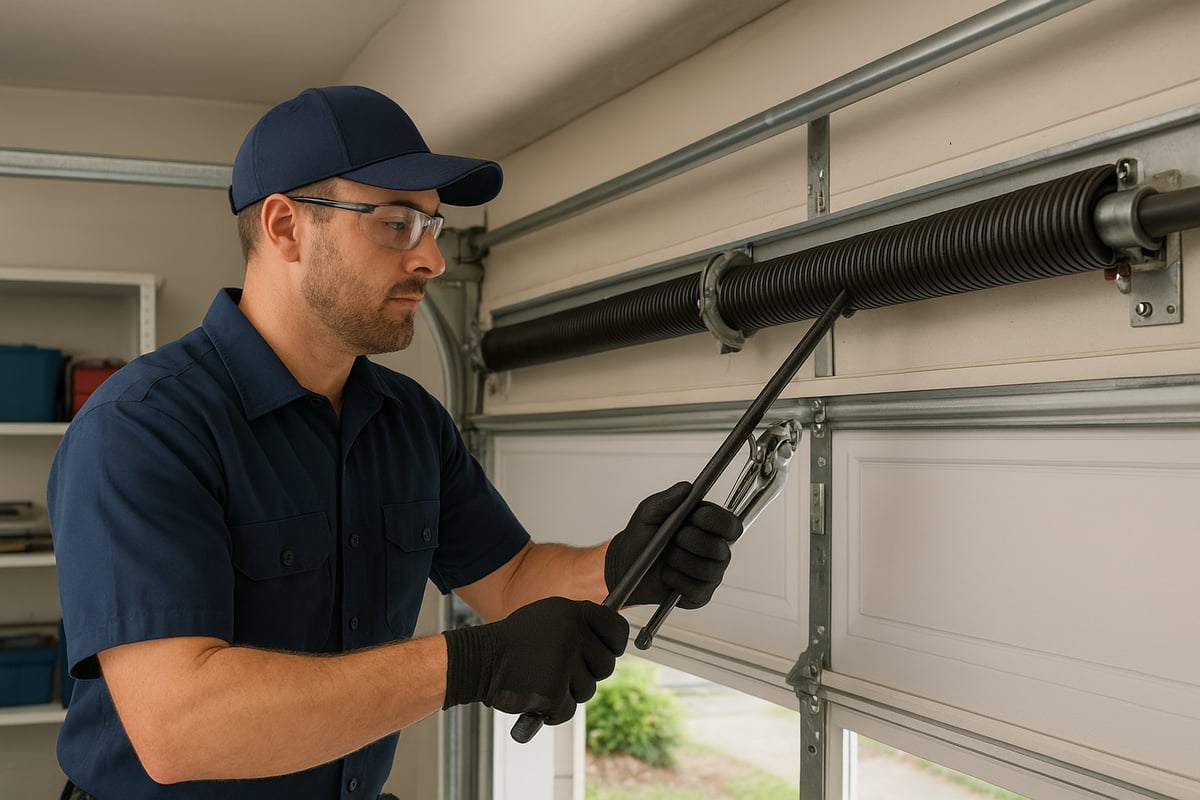
Sometimes what appears to be an opener malfunction actually stems from problems with the garage door itself. When your garage opener stopped working, the door's springs may have failed. Torsion springs mounted above the door or extension springs along the tracks bear the door's weight, making it easy for the opener to lift.
A broken spring makes the door extremely heavy, often too heavy for the opener motor to lift. Test this by disconnecting the opener using the emergency release handle and manually lifting the door halfway. A properly balanced door should stay in place when released. If it drops quickly, the springs need attention.
Professional Garage Door Spring Repair restores proper balance and prevents premature opener failure. Attempting DIY spring replacement is dangerous, as torsion springs store tremendous force and can cause serious injury if mishandled. Working with professionals ensures safe installation and correct tension adjustment for smooth operation.
Door Track and Roller Problems
Misaligned tracks or damaged rollers can also make it seem like your garage opener stopped working. When tracks bend or shift out of alignment, they create excessive friction that the opener cannot overcome. Rollers with worn bearings or broken wheels produce grinding noises and prevent smooth movement.
Inspect the vertical and horizontal track sections for dents, gaps, or misalignment. Use a level to verify the tracks remain plumb and parallel to each other. Tighten all track mounting brackets and check that rollers spin freely without wobbling or binding. Bob Vila’s maintenance guide emphasizes the importance of regular track and roller inspection.
Limit Switch Adjustment and Programming
Limit switches control how far the door travels during opening and closing cycles. When these switches lose their calibration, your garage opener stopped working correctly, even though the motor and drive system function normally. The door may reverse immediately after starting, stop short of fully opening, or refuse to close completely.
Most modern openers use electronic limit switches adjustable through the control panel or smartphone app. Older models feature manual adjustment screws on the opener housing. Consult your owner's manual for specific adjustment procedures, as incorrect settings can damage the door or opener.
Reprogramming and Reset Procedures
Factory resets resolve many electronic glitches when your garage opener stopped working unexpectedly. This process clears all stored settings and remote codes, allowing you to start fresh with new programming. The reset procedure varies by manufacturer, typically involving holding a specific button combination for several seconds until indicator lights flash.
After resetting, you'll need to reprogram all remote controls, keypads, and smart home integrations. For keypad-specific issues, ensure you're entering the correct PIN and following the proper programming sequence. Some systems require you to press the learn button on the opener before entering codes on the keypad.
When to Call Professional Service
Some situations demand professional expertise when your garage opener stopped working. Electrical problems beyond simple power supply issues require licensed technicians who understand garage door circuitry and safety requirements. Motor replacements, internal gear repairs, and circuit board diagnostics fall into this category.
Professional service is essential for:
- Circuit board failures or burnt components
- Motor replacement or internal gear repair
- Spring replacement or tension adjustment
- Track realignment requiring specialized tools
- Opener installation or complete system upgrades
Attempting complex repairs without proper training risks personal injury and can void manufacturer warranties. Homeowners in Kitsap County can rely on experienced technicians who understand local building codes and climate-related wear patterns. For comprehensive opener services, garage door opener repair addresses both mechanical and electrical failures.
Preventive Maintenance to Avoid Future Failures
Regular maintenance prevents many situations where your garage opener stopped working unexpectedly. Monthly visual inspections catch developing problems before they cause complete failures. This maintenance checklist outlines essential tasks that extend opener lifespan and reliability.
Schedule professional inspections annually, especially before winter months when garage doors face increased operational demands. Professional technicians identify subtle problems that escape untrained eyes, including worn components, improper tension, and developing electrical issues.
Monthly Maintenance Tasks
Consistent monthly care keeps your opener running smoothly year-round. Test the door's balance by disconnecting the opener and manually lifting it halfway. Clean and align safety sensors, checking that indicator lights remain steady. Listen for unusual noises during operation, as grinding, squealing, or excessive vibration signals developing problems.
| Frequency | Task | Purpose |
|---|---|---|
| Monthly | Test door balance | Prevent motor strain |
| Monthly | Clean sensor lenses | Ensure safety system works |
| Quarterly | Lubricate moving parts | Reduce wear and noise |
| Quarterly | Tighten hardware | Prevent loosening from vibration |
| Annually | Professional inspection | Catch hidden problems early |
| Annually | Force adjustment | Maintain safety compliance |
Apply garage door lubricant to rollers, hinges, and springs according to manufacturer recommendations. Avoid WD-40 or general-purpose lubricants, as they attract dust and can damage plastic components. Specialized garage door lubricants contain the right viscosity and additives for the demanding conditions these mechanisms face.
Understanding Opener Lifespan and Replacement
Even well-maintained openers eventually reach the end of their service life. Most residential garage door openers last 10-15 years with regular maintenance. When your garage opener stopped working and requires expensive repairs, replacement often makes more economic sense than continued maintenance of an aging system.
Modern openers offer significant advantages over older models. Battery backup systems keep your garage accessible during power outages, while smartphone connectivity provides remote monitoring and control. Enhanced safety features, quieter operation, and improved energy efficiency make new openers worthwhile investments. Communities throughout Kitsap County, including those working with a Silverdale garage door company, benefit from these technological advances.
Evaluating Repair Versus Replacement
Calculate the total cost of ownership when deciding between repair and replacement. If your opener requires multiple repairs within a short timeframe, or if parts become difficult to source for older models, replacement provides better long-term value. Consider the door's age and condition as well, since new openers paired with old doors may reveal additional problems.
Professional assessments help homeowners make informed decisions about repair versus replacement. Experienced technicians evaluate the entire system, identifying whether problems stem from the opener alone or reflect broader door system issues. This comprehensive approach prevents repeated service calls and ensures lasting solutions.
Climate Considerations for Kitsap County Homeowners
Pacific Northwest weather patterns create unique challenges for garage door openers. High humidity, temperature fluctuations, and salt air near the coast accelerate component wear. When your garage opener stopped working during winter months, cold temperatures may have caused lubricants to thicken or metal components to contract and bind.
Moisture infiltration affects electrical components, particularly in older openers lacking proper weatherproofing. Condensation can corrode circuit boards, short out wiring connections, and rust mechanical parts. Regular inspection of weather seals around the opener housing prevents moisture-related failures.
Regional maintenance priorities include:
- Checking weatherproofing around electrical connections
- Applying corrosion-resistant lubricants to exposed metal parts
- Inspecting seals and gaskets for moisture infiltration
- Testing battery backup systems before storm season
- Verifying proper ventilation to prevent condensation buildup
Coastal properties face additional challenges from salt air exposure. Stainless steel hardware and protective coatings help resist corrosion, while enclosed opener designs shield sensitive components from environmental damage. Homeowners near the water should increase inspection frequency to catch corrosion early.
Smart Opener Technology and Connectivity Issues
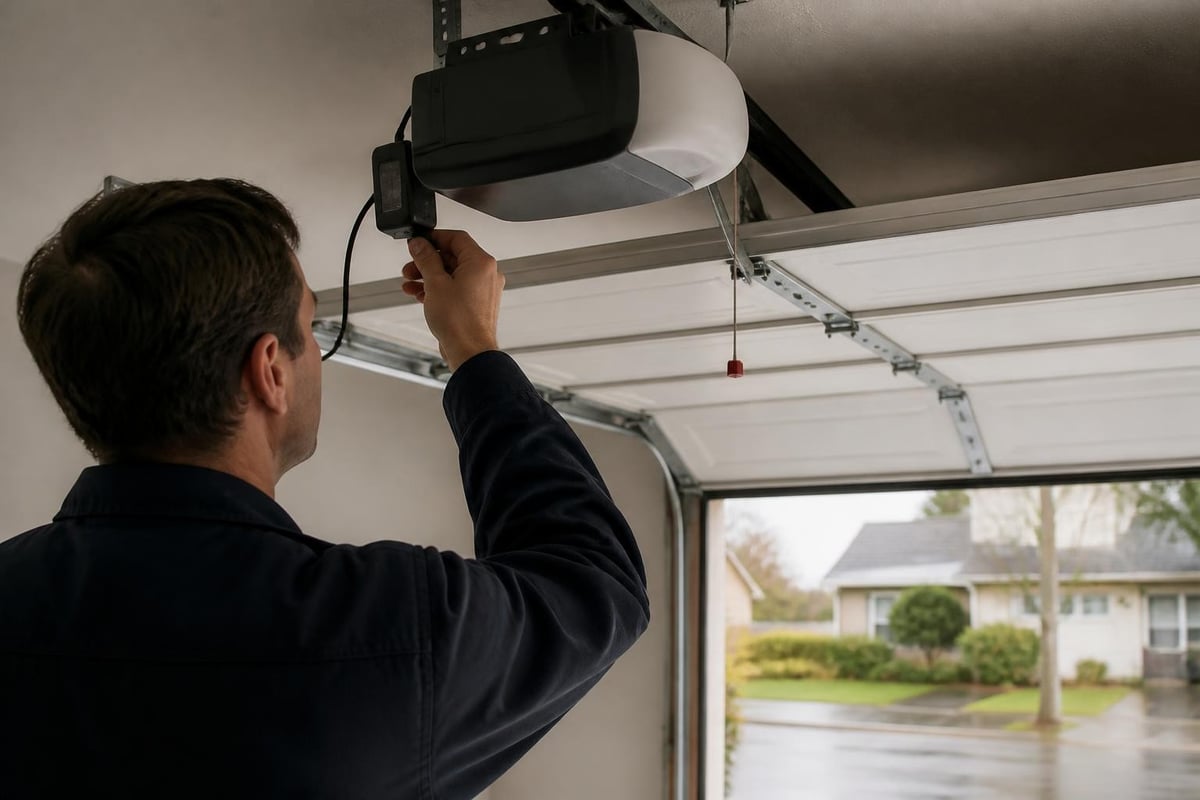
Modern smart garage door openers introduce new troubleshooting considerations when your garage opener stopped working. Wi-Fi connectivity problems, app malfunctions, and integration failures with home automation systems can prevent otherwise functional openers from responding to commands.
Verify your internet connection and router functionality first. Move closer to the garage with your smartphone to rule out signal strength issues. Restart the opener's Wi-Fi module by unplugging the unit for 30 seconds, then reconnecting power. Check for firmware updates through the manufacturer's app, as outdated software causes many smart opener problems.
Integration and Compatibility Problems
Smart home platform changes sometimes break previously working integrations. When Amazon, Google, or Apple updates their systems, garage door opener compatibility may temporarily fail. Check the manufacturer's website for known issues and compatibility updates addressing these platform changes.
Security features in smart openers can also cause apparent malfunctions. Geofencing settings, scheduled access restrictions, and multi-factor authentication requirements may prevent operation under certain conditions. Review your app settings to ensure security features haven't inadvertently blocked legitimate access.
Understanding why your garage opener stopped working empowers you to address simple problems quickly while recognizing when professional help is necessary. Regular maintenance, prompt attention to developing issues, and proper troubleshooting techniques keep your system reliable year-round. For homeowners and businesses throughout Kitsap County facing persistent opener problems or needing expert diagnosis, NextLevel Garage Co. delivers professional repair and installation services backed by quality workmanship and clear communication. Our locally owned team serves Bainbridge Island and surrounding communities with comprehensive garage door solutions that restore your convenience and security.