

Replacing an entire garage represents one of the most significant home improvement investments you'll make. Whether you're dealing with structural damage, outdated functionality, or simply want to enhance your property's curb appeal, understanding the garage replacement process helps you make informed decisions. This comprehensive guide walks you through the critical considerations, cost factors, and planning steps to ensure your garage replacement project delivers long-term value for your Bainbridge Island or Kitsap County property.
Understanding When Garage Replacement Becomes Necessary
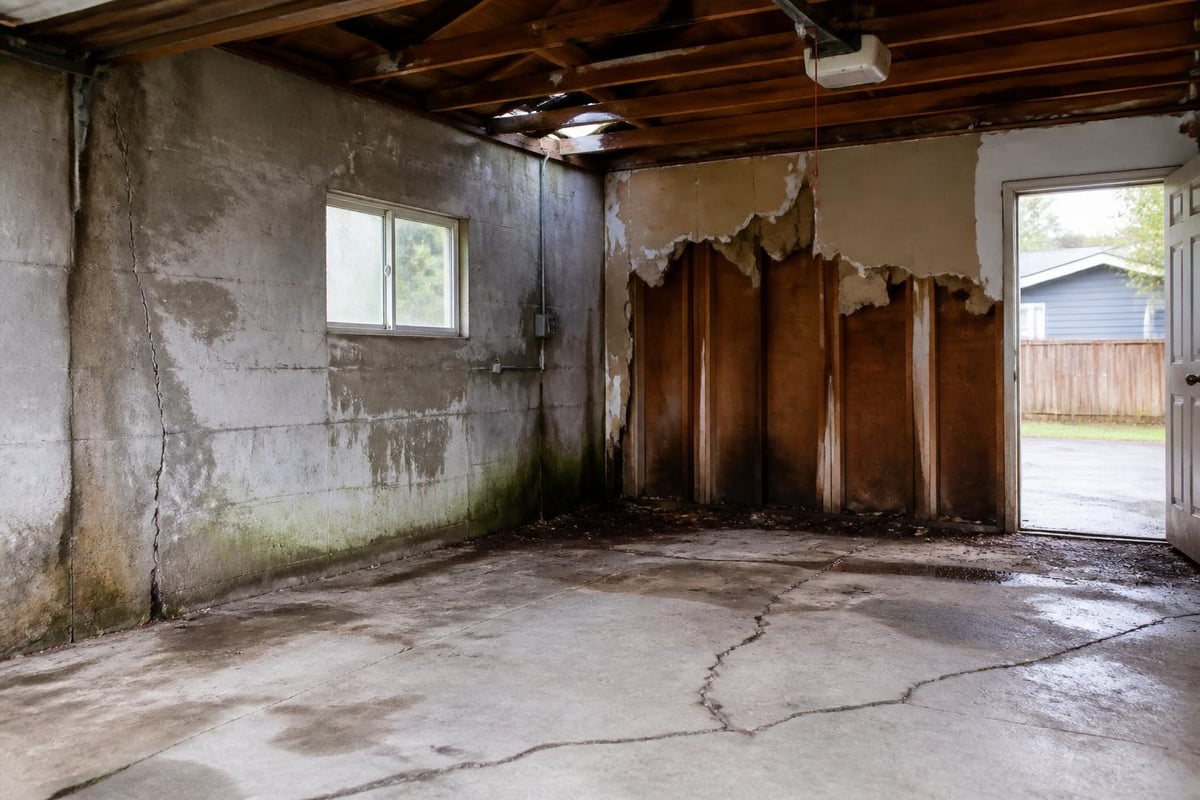
Not every garage issue requires complete replacement, but certain conditions make it the most practical solution. Structural deterioration tops the list of reasons homeowners choose full garage replacement over repair. When foundation cracks, rotting framing members, or significant settling compromise the building's integrity, patching individual problems often proves more expensive than starting fresh.
Critical Signs Your Garage Needs Replacement
Several warning signs indicate you've moved beyond simple repair territory:
- Foundation failure with extensive cracking, shifting, or water infiltration
- Roof collapse or severe sagging that affects the entire structure
- Wall deterioration where multiple studs show rot or termite damage
- Outdated building codes that make your garage non-compliant with current regulations
- Poor design that limits functionality or vehicle access
Water damage deserves special attention. A garage that experiences chronic flooding or moisture problems may have fundamental drainage or grading issues that repair work can't fully address. In these situations, comprehensive garage replacement allows you to correct the underlying problems while building a structure that meets modern standards.
Many homeowners also pursue garage replacement for lifestyle upgrades rather than structural necessity. Converting a single-car garage to accommodate two or three vehicles, adding workshop space, or creating room for storage solutions requires expanding the footprint beyond what additions can reasonably provide.
Garage Replacement Cost Factors and Budget Planning
According to recent garage door installation cost data, homeowners should expect significant variation in replacement expenses based on several key variables. The national average for basic garage construction ranges from $15,000 to $40,000 for a standard two-car structure, though custom designs and premium materials can push costs considerably higher.
Breaking Down Your Replacement Investment
| Cost Category | Budget Range | Key Factors |
|---|---|---|
| Foundation & Site Prep | $3,000-$8,000 | Demolition, grading, permits |
| Structure & Framing | $8,000-$20,000 | Size, materials, complexity |
| Doors & Windows | $2,000-$6,000 | Style, insulation, automation |
| Finishing & Systems | $2,000-$10,000 | Flooring, electrical, HVAC |
Size represents the primary cost driver in any garage replacement project. A standard single-car garage (12×22 feet) costs substantially less than a three-car structure (32×22 feet). Each additional square foot adds both material and labor expenses, but larger garages often provide better cost efficiency per square foot than smaller builds.
Material selection significantly impacts your bottom line. Steel framing costs more upfront than traditional wood construction but offers superior durability and lower maintenance requirements. Similarly, choosing insulated garage door installation over basic uninsulated models increases initial expenses while reducing long-term energy costs.
Understanding average installation costs helps you set realistic budget expectations and identify where you want to invest versus economize. Keep in mind that Kitsap County building permits typically add $1,000 to $2,500 to your project cost, depending on structure size and complexity.
Material Options for Modern Garage Replacement
Today's garage replacement projects offer far more material choices than the basic wood-frame structures of previous decades. Each option presents distinct advantages in terms of durability, maintenance requirements, and aesthetic appeal.
Comparing Primary Construction Materials
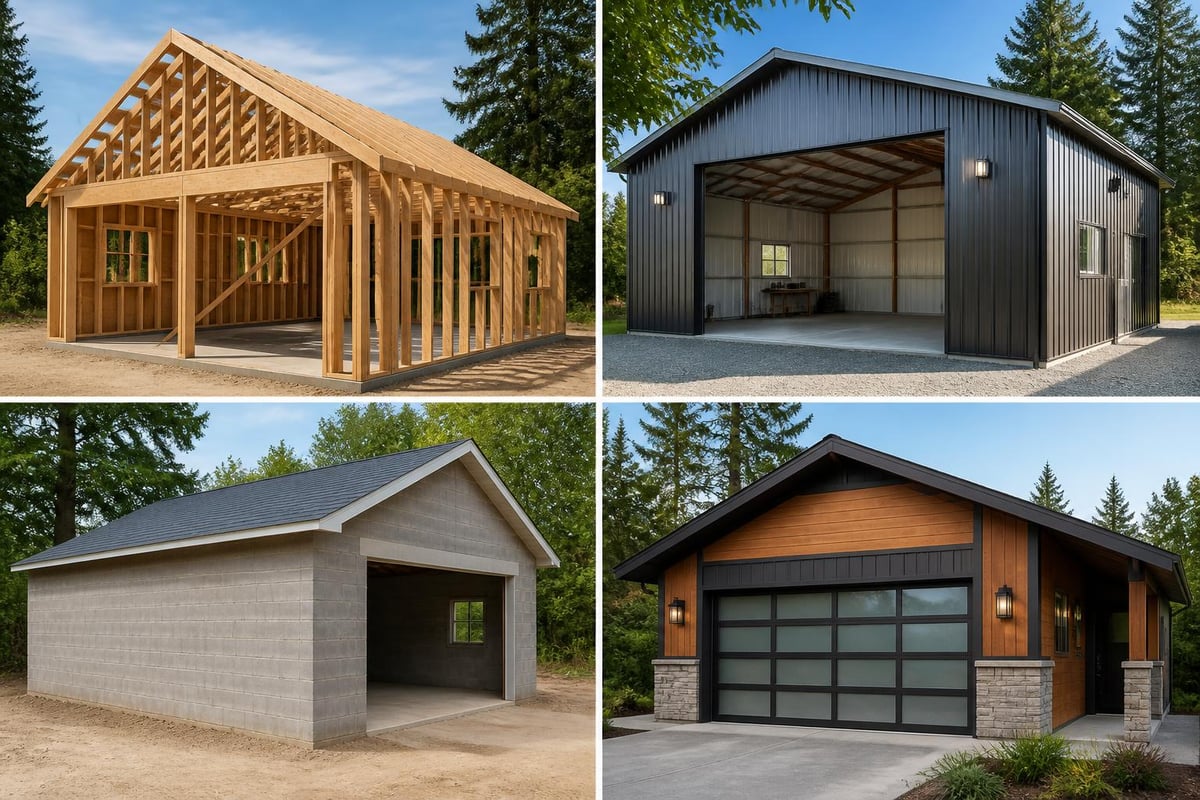
Traditional wood framing remains the most common choice for residential garage replacement. It offers design flexibility, straightforward installation, and familiar construction methods that most contractors can execute efficiently. However, wood requires regular maintenance and shows vulnerability to moisture, pests, and fire.
Steel construction delivers exceptional strength and fire resistance while eliminating concerns about rot or insect damage. Modern steel framing systems install quickly and maintain structural integrity for decades with minimal upkeep. The higher initial investment often pays dividends through reduced long-term maintenance costs and potential insurance savings.
- Prefabricated metal buildings offer the fastest installation timelines
- Stick-built steel framing provides maximum design customization
- Hybrid approaches combine steel framing with traditional finishing materials
Concrete block construction provides unmatched durability and fire protection. These structures withstand severe weather events and require virtually no maintenance over their service life. The substantial upfront cost and limited design flexibility make concrete block less popular for residential applications, though it excels for commercial garage replacement projects.
The roof system deserves equal consideration during garage replacement planning. Asphalt shingles match most home exteriors and provide reliable performance at modest cost. Metal roofing costs more initially but lasts 50+ years with minimal maintenance. For attached garages, matching your home's existing roofing material maintains visual cohesion.
Planning Your Garage Replacement Project Timeline
Realistic timeline expectations prevent frustration and help you coordinate other aspects of your property maintenance. A typical garage replacement from planning through completion spans 8 to 16 weeks, though various factors influence the actual duration.
Project Phase Breakdown
- Design and permitting (2-4 weeks): Finalizing plans, obtaining permits, scheduling contractors
- Demolition and site preparation (3-7 days): Removing old structure, grading, establishing foundation forms
- Foundation work (1-2 weeks): Pouring concrete, curing time, inspection
- Framing and structural elements (1-2 weeks): Walls, roof framing, sheathing
- Doors, windows, and exterior finishing (1-2 weeks): Installation and weatherproofing
- Interior systems and finishing (1-2 weeks): Electrical, flooring, final details
Weather significantly impacts garage replacement schedules in the Pacific Northwest. Rain delays concrete work and exterior finishing, while cold temperatures extend curing times. Spring and summer provide the most reliable working conditions, though experienced contractors can manage winter construction with proper planning.
Permitting processes vary by jurisdiction, but Kitsap County typically requires 2-4 weeks for plan review and approval. Submit your applications early and maintain communication with the building department to avoid unexpected delays. Some garage door repair and finishing work can proceed while waiting for final inspections, helping you regain garage functionality sooner.
Maximizing Return on Investment Through Strategic Decisions
Garage replacement represents a substantial investment, and strategic choices during planning maximize your financial return. According to industry cost analysis, homeowners typically recover 60-80% of their garage replacement costs upon resale, with percentages varying based on neighborhood expectations and overall home value.
Matching neighborhood standards proves critical for ROI optimization. In areas where most homes feature two-car attached garages, replacing a deteriorating single-car structure with a modern two-car version often returns 75-85% of costs. Conversely, building an elaborate three-car garage in a neighborhood of modest single-car structures typically yields lower returns.
High-Value Upgrades Worth Considering
- Insulated doors and walls reduce energy costs and add year-round functionality
- Quality flooring systems enhance appearance and protect against stains and damage
- Adequate electrical capacity supports modern tools, electric vehicles, and workshop needs
- Proper lighting design improves safety and usability
- Smart opener technology adds convenience and security
Professional garage door opener installation with modern features like smartphone control and battery backup enhances daily convenience while appealing to tech-savvy buyers. These systems cost modestly more than basic models but deliver disproportionate value in user experience and resale appeal.
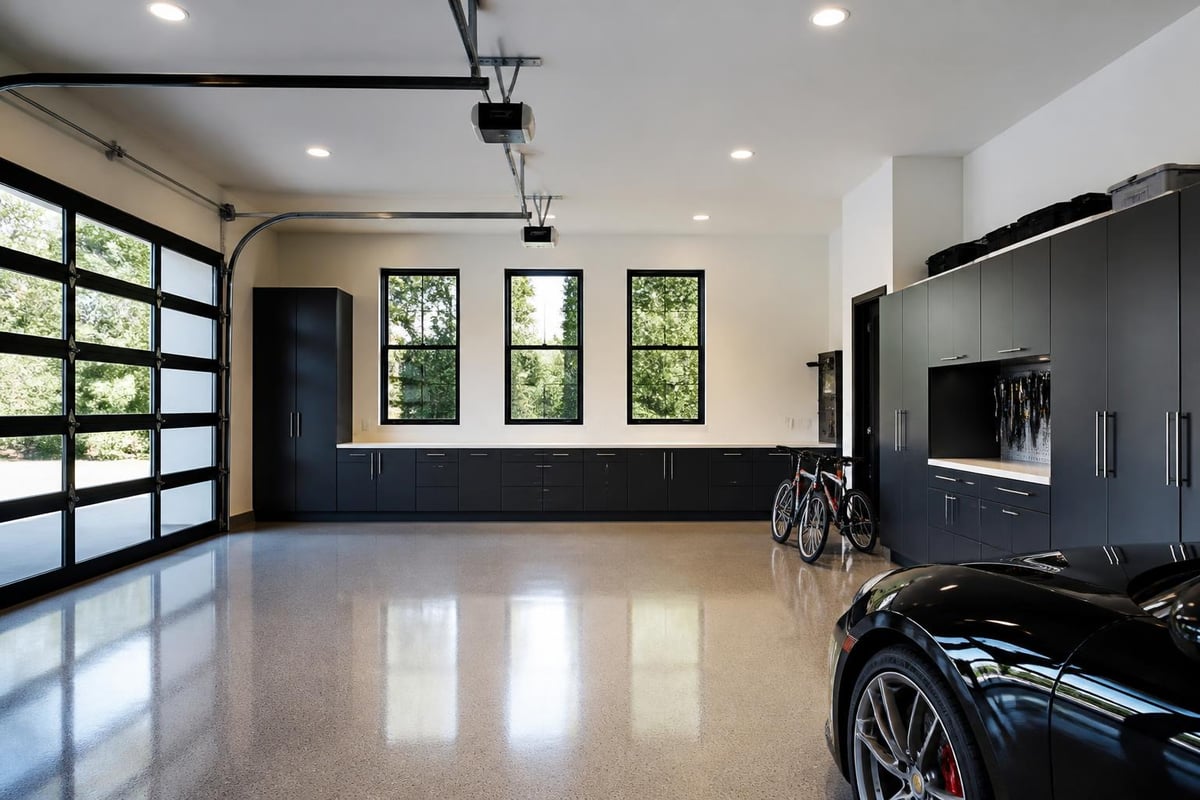
Storage integration during garage replacement creates valuable organizational space without requiring future modifications. Built-in shelving, overhead storage racks, and dedicated tool cabinets maximize usable space while maintaining clean aesthetics. For comprehensive solutions, explore professional garage organization options that complement your new structure.
Design Considerations for Functional Garage Spaces
Beyond basic vehicle storage, thoughtful garage replacement design accommodates diverse uses and adapts to changing needs over time. Ceiling height represents one of the most commonly overlooked specifications. Standard 8-foot ceilings provide adequate vehicle clearance but limit storage options and feel cramped. Increasing to 9 or 10-foot ceilings costs minimally during new construction while dramatically improving functionality.
Door placement affects traffic flow and interior organization. Multiple access points enhance convenience, particularly for garages serving dual purposes as workshops or hobby spaces. A person door to the backyard eliminates the need to raise the main door for quick access, while a door connecting to the home interior proves essential for attached garages.
| Design Element | Standard Option | Enhanced Option | Value Impact |
|---|---|---|---|
| Ceiling Height | 8 feet | 10 feet | Moderate |
| Door Access | Single overhead door | Multiple doors plus pedestrian entry | High |
| Window Placement | None or minimal | Strategic natural lighting | Moderate |
| Electrical Service | 100-amp subpanel | 200-amp with EV charging prep | High |
| Flooring | Basic concrete | Epoxy coating or tiles | High |
Window placement balances natural light benefits against security concerns and wall space for storage. Strategic window positioning near workbench areas provides task lighting without consuming prime storage walls. For detached garages, windows on multiple walls create cross-ventilation that prevents moisture buildup and improves summer comfort.
Consider future needs during garage replacement planning. Electric vehicle charging requirements continue growing, making it prudent to install 240-volt circuits even if you don't currently own an EV. Similarly, oversizing the electrical service panel allows for future additions without costly upgrades.
Navigating Permits and Building Code Requirements
Garage replacement projects require various permits and must comply with current building codes, which have evolved significantly over recent decades. Your old garage likely predates modern energy efficiency requirements, fire safety standards, and accessibility provisions that new construction must meet.
Essential Permit and Code Considerations
Setback requirements dictate minimum distances from property lines, often ranging from 3 to 10 feet depending on your zoning designation. Verify these specifications before finalizing garage placement, as violations can force costly modifications or even demolition. Corner lots typically face additional restrictions due to sight line requirements for traffic safety.
Energy codes now mandate minimum insulation R-values for walls and ceilings, which vary by climate zone. In Western Washington, expect requirements for R-13 to R-21 wall insulation and R-30 to R-49 ceiling insulation. These standards ensure your garage replacement meets contemporary efficiency expectations while reducing heating costs if you maintain climate control.
Fire safety codes affect attached garages particularly stringently. Requirements typically include:
- Fire-rated drywall on walls adjacent to living spaces
- Self-closing doors between garage and home interior
- Proper sealing to prevent carbon monoxide infiltration
- Smoke detector placement in specific locations
Foundation specifications must account for local soil conditions and frost depth. Kitsap County's moderate climate requires foundations extending 18 inches below grade in most areas, though site-specific geotechnical analysis may recommend deeper footings for unstable soils or steep slopes.
Working with licensed contractors familiar with local codes ensures compliance without requiring you to master technical specifications. Most jurisdictions require inspections at multiple project stages, including foundation, framing, electrical, and final completion. Budget time for these inspections and any resulting corrections in your project schedule.
Choosing Between Attached and Detached Garage Replacement
The attached versus detached decision significantly influences project complexity, cost, and long-term satisfaction. Each configuration offers distinct advantages depending on your property characteristics and usage priorities.
Attached garages provide unmatched convenience, particularly in inclement weather. Direct interior access eliminates exposure to rain or cold when moving between vehicle and home. They typically cost less to build since they share walls with the existing house and require less exterior finishing. However, attached garages pose greater challenges for noise insulation and require stringent fire safety measures.
Detached garage replacement offers several compelling benefits:
- Complete design freedom without constraints from existing architecture
- Noise isolation for workshop activities or loud hobbies
- Fire safety buffer separating potential automotive hazards from living spaces
- Flexibility in placement to optimize sun exposure or property flow
- Future expandability without affecting the main home
Site characteristics often determine the practical choice. Narrow lots may lack space for detached structures meeting setback requirements, while properties with challenging topography might make attached construction prohibitively expensive. Evaluate your specific lot constraints before committing to either approach.
Consider resale implications when deciding between configurations. In neighborhoods where attached garages represent the norm, buyers may view detached structures as less desirable despite potential functional advantages. Conversely, properties with well-designed detached garages can command premium pricing when they offer features like workshop space or RV storage that attached garages cannot provide.
Working with Professional Contractors for Garage Replacement
Selecting qualified contractors represents perhaps the most critical decision in your garage replacement journey. The contractor you choose influences project quality, timeline reliability, and overall satisfaction far more than any other single factor.
Contractor Evaluation Criteria
Licensing and insurance verification should precede any serious discussions. Washington State requires contractors to hold valid licenses for projects exceeding $1,000, and you should confirm active coverage for both general liability and workers' compensation. These protections shield you from financial responsibility for accidents or substandard work.
Portfolio review reveals the contractor's experience with projects similar in scope and complexity to your garage replacement. Request references from recent clients and actually contact them to discuss their experiences. Pay particular attention to how contractors handled unexpected challenges and whether they completed work within promised timelines and budgets.
Detailed written estimates prevent misunderstandings about project scope and costs. Quality contractors provide itemized proposals specifying materials, labor, timeline, and payment schedule. Comparing multiple estimates helps identify outliers and understand where different contractors allocate resources.
Communication style matters tremendously over multi-week projects. During initial consultations, assess whether contractors listen to your priorities, explain technical concepts clearly, and respond promptly to questions. These early interactions typically predict how they'll handle inevitable mid-project decisions and adjustments.
For homeowners in the Bainbridge Island and Kitsap County area, working with local contractors offers advantages beyond convenience. Local professionals understand regional building codes, weather patterns, and permit processes intimately. They also maintain reputations within the community that incentivize quality work and customer satisfaction.
Preparing Your Property for Garage Replacement
Proper site preparation before contractors arrive helps your project proceed smoothly and avoids unexpected delays. Clearing the work area extends beyond just the garage footprint to include access routes for equipment and material delivery.
Remove vehicles, tools, and stored items well before demolition begins. Many homeowners underestimate the volume of contents in their garage until faced with relocating everything. Consider renting temporary storage if you lack alternative space, particularly for temperature-sensitive items or materials requiring weather protection.
Utility disconnection requires coordination with service providers. Electrical service to the existing garage must be safely disconnected before demolition, and you may need temporary panels if the garage houses your main electrical service. Similarly, verify whether your garage contains water lines, gas service, or telecommunications equipment requiring relocation.
Notify neighbors about the upcoming project, particularly for attached garages in dense neighborhoods. Construction noise and contractor vehicles inevitably create temporary inconvenience, and advance warning demonstrates consideration while potentially preventing complaints. Some homeowners provide neighbors with project timelines and contractor contact information to address concerns directly.
Establishing material staging areas helps contractors work efficiently while minimizing property damage. Designate sections of your driveway or yard where lumber, roofing materials, and equipment can sit without blocking access or damaging landscaping. Clear communication about these logistics during contractor selection prevents misunderstandings later.
Garage replacement represents a significant investment in your property's functionality, safety, and value. By understanding cost factors, material options, design considerations, and planning requirements, you position yourself to make informed decisions that deliver lasting satisfaction. Whether you're addressing structural failure or pursuing lifestyle improvements, thorough preparation and professional execution ensure your new garage serves your needs for decades to come. NextLevel Garage Co. brings local expertise and commitment to quality workmanship for homeowners throughout Bainbridge Island and Kitsap County, helping you navigate every aspect of your garage project from initial planning through final completion.