

The automotive service industry is experiencing a technological revolution that's reshaping how vehicles are diagnosed, repaired, and maintained. Modern vehicles are essentially computers on wheels, equipped with dozens of sensors, electronic control units, and sophisticated software systems that require specialized knowledge and equipment to service properly. High tech auto service represents the new standard in automotive care, where traditional mechanical expertise merges with advanced diagnostic capabilities, remote monitoring systems, and precision calibration tools. This transformation affects every aspect of vehicle maintenance, from routine oil changes that now require digital service resets to complex repairs involving advanced driver assistance systems and hybrid powertrains.
The Evolution of Automotive Technology and Service Requirements
Today's vehicles contain more computing power than the spacecraft that landed on the moon, fundamentally changing what it means to provide quality automotive service. Modern cars feature multiple interconnected computer systems that control everything from engine performance to safety features, creating new challenges and opportunities for service providers.
The shift toward high tech auto service began with the introduction of onboard diagnostics (OBD-II) systems in 1996, which standardized how vehicles communicate fault codes and performance data. Since then, the complexity has increased exponentially. Current vehicles may have 100 million lines of code or more, controlling adaptive cruise control, lane-keeping assistance, automatic emergency braking, and countless other features that require specialized diagnostic equipment and training.
According to industry research, auto service centers are transforming into data hubs that leverage remote diagnostics and real-time vehicle performance tracking. This evolution enables proactive maintenance strategies that identify potential failures before they occur, reducing downtime and preventing costly breakdowns.
Advanced Diagnostic Equipment and Capabilities
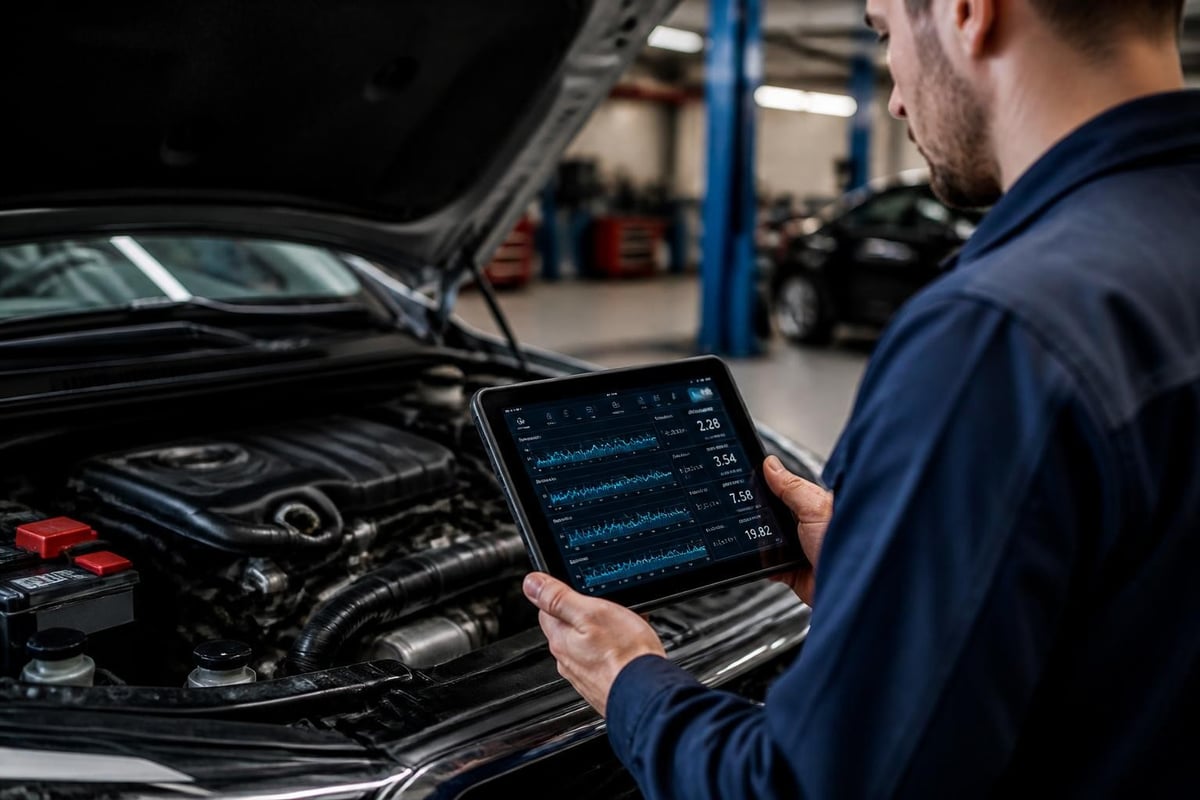
Professional high tech auto service facilities now invest heavily in sophisticated diagnostic platforms that go far beyond simple code readers. These systems provide:
- Bi-directional scanning that allows technicians to command vehicle systems to test functionality
- Live data streaming from multiple sensors simultaneously for accurate troubleshooting
- Manufacturer-specific software that accesses proprietary systems and calibration protocols
- Network topology mapping to identify communication failures between control modules
- Guided diagnostic trees that streamline the troubleshooting process
The financial investment in diagnostic equipment can exceed $50,000 for a comprehensive setup, representing a significant commitment to providing quality service. However, this technology dramatically reduces diagnostic time and improves repair accuracy, benefiting both service providers and vehicle owners.
Critical Systems Requiring Specialized Service Expertise
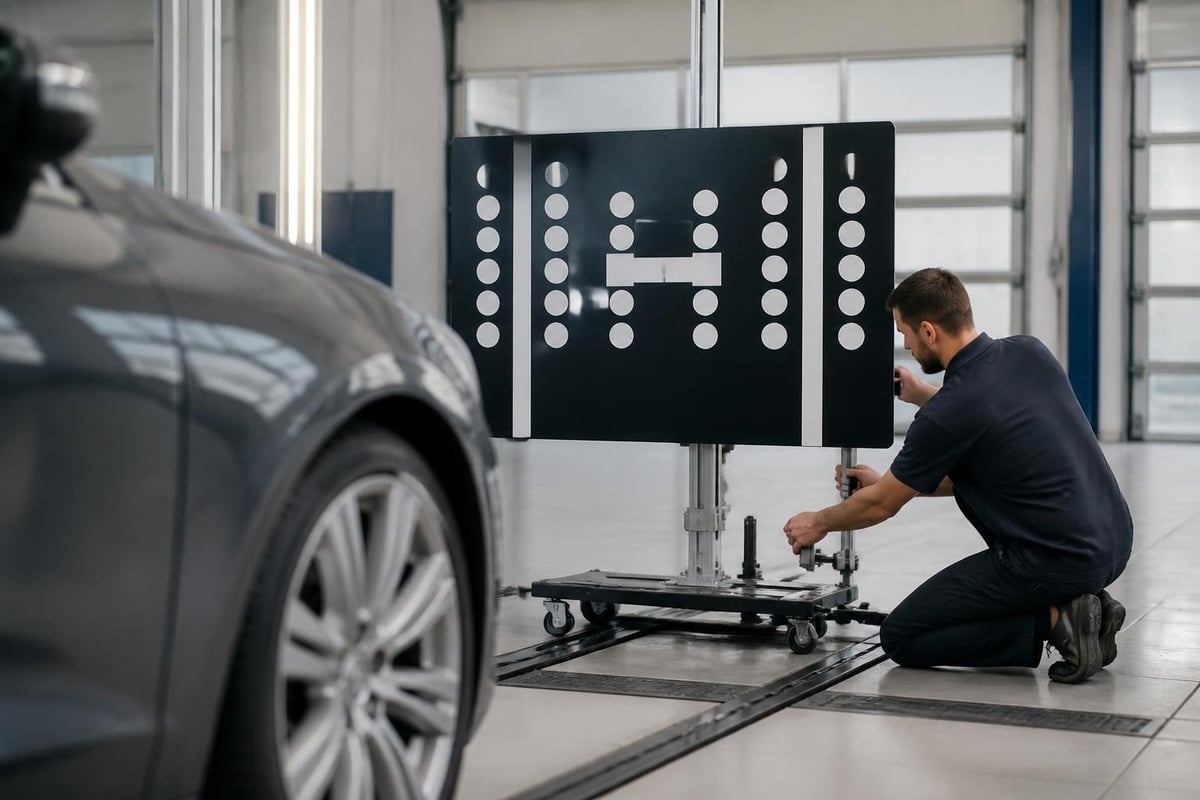
The proliferation of safety-critical electronic systems has created new service requirements that demand precise calibration and validation procedures. Advanced Driver Assistance Systems (ADAS) have become standard equipment on most new vehicles, fundamentally changing collision repair and service protocols.
| ADAS Feature | Service Requirement | Equipment Needed |
|---|---|---|
| Adaptive Cruise Control | Radar calibration after windshield replacement | Radar targets, alignment rack |
| Lane Departure Warning | Camera aiming and calibration | Calibration patterns, level surface |
| Automatic Emergency Braking | Sensor validation and software updates | OEM diagnostic tools, test track |
| Blind Spot Monitoring | Sensor alignment after body work | Corner radar targets, scan tools |
| 360-Degree Camera | Multi-camera calibration and stitching | Calibration mats, specialized software |
Recent analysis shows that independent repair shops must adapt to ADAS and EV technologies to remain competitive. The article emphasizes how these systems require static and dynamic calibration procedures that must be performed whenever sensors are disturbed or certain repairs are completed.
Electric Vehicle Service Considerations
High tech auto service increasingly includes electric vehicle (EV) maintenance, which presents unique challenges and opportunities. Unlike conventional vehicles, EVs have fewer moving parts but require specialized knowledge of high-voltage systems, battery management, and electric drive components.
Safety protocols for EV service include:
- High-voltage disconnect procedures following manufacturer specifications
- Insulated tool requirements rated for 1000V or higher
- Personal protective equipment including insulated gloves and face shields
- Isolation testing before and after repairs
- Coolant system service for battery thermal management
The battery management systems in modern EVs continuously monitor cell voltages, temperatures, and state of charge through sophisticated algorithms. Service technicians need access to manufacturer diagnostic software to interpret this data, perform battery health assessments, and update control module programming as needed.
Connectivity and Remote Diagnostics Transforming Service Models
The integration of telematics and cellular connectivity into vehicles has fundamentally changed how high tech auto service is delivered. Over-the-air updates now allow manufacturers to deploy software patches, feature enhancements, and even performance improvements without requiring a service center visit.
Remote diagnostics capabilities enable service advisors to review fault codes, monitor vehicle health data, and prepare repair estimates before customers arrive at the facility. This proactive approach improves efficiency and enhances the customer experience by reducing diagnostic time and providing more accurate service recommendations.
Research indicates that high-tech imaging systems enhance transparency and trust between auto service centers and customers. Digital vehicle inspections using tablets or smartphones allow technicians to document conditions with photos and videos, providing clear evidence of needed repairs and building customer confidence in service recommendations.
Data Analytics and Predictive Maintenance
Modern high tech auto service leverages big data and artificial intelligence to predict component failures before they occur. Fleet management systems analyze millions of data points across vehicle populations to identify failure patterns and recommend preventive service intervals.
Individual vehicle owners benefit from this technology through manufacturer-connected services that send maintenance reminders, alert drivers to developing issues, and even schedule service appointments automatically. This shift from reactive to predictive maintenance reduces unexpected breakdowns and optimizes service intervals based on actual usage patterns rather than generic mileage recommendations.
Industry experts note that AI and automation are reshaping traditional workflows in auto repair shops, enhancing both efficiency and customer service capabilities.
Training and Certification Requirements for Modern Technicians
The complexity of high tech auto service demands continuous education and specialized certifications for technicians. The days of learning through hands-on experience alone have passed, replaced by formal training programs that combine traditional mechanical skills with advanced electronics and software expertise.
Major certification programs include:
- ASE (Automotive Service Excellence) certifications covering specific technology areas
- Manufacturer-specific training for proprietary systems and diagnostic procedures
- ADAS calibration certification programs from equipment manufacturers
- High-voltage safety training for hybrid and electric vehicle service
- Cybersecurity awareness for connected vehicle systems
Service facilities invest thousands of dollars annually per technician in training to maintain competency with evolving vehicle technologies. This investment is essential as the auto repair industry changes faster than ever, requiring continuous adaptation to remain competitive.
The Skills Gap Challenge
The automotive service industry faces a significant shortage of technicians qualified to work on modern vehicles. Attracting younger workers to the profession requires highlighting the technology-focused nature of contemporary automotive service, which bears little resemblance to the stereotype of dirty, low-tech manual labor.
High tech auto service positions now require problem-solving skills similar to IT professionals, combined with the mechanical aptitude traditional to the trade. Compensation has increased accordingly, with master technicians at well-equipped facilities earning salaries comparable to skilled tradespeople in other industries.
Customer Communication and Service Transparency
Technology has transformed how service providers communicate with customers about vehicle needs and repair procedures. Digital vehicle inspections allow technicians to document conditions with annotated photos, videos, and detailed notes that customers can review on their smartphones.
Modern service management software enables:
- Real-time repair status updates via text message or app notifications
- Digital approval workflows for recommended services
- Detailed repair history accessible online
- Transparent pricing with parts and labor breakdown
- Warranty tracking and service reminder scheduling
Research shows that high inbound call volumes create missed opportunities for auto dealerships, emphasizing the importance of efficient communication systems. Independent service providers can differentiate themselves through responsive communication and transparent processes.

| Traditional Service Communication | High Tech Auto Service Communication |
|---|---|
| Phone call requesting appointment | Online scheduling with instant confirmation |
| Verbal vehicle walk-around | Video inspection with annotated findings |
| Written estimate on carbon paper | Digital estimate with photos and approval links |
| Phone call for status updates | Automated text updates at each milestone |
| Paper invoice at pickup | Emailed invoice with detailed breakdown |
Integration Challenges and Solutions
While high tech auto service offers numerous advantages, implementation presents challenges that facilities must address. Capital investment requirements for diagnostic equipment, specialized tools, and training can be substantial, particularly for independent shops competing with dealer networks.
Smaller facilities may struggle with the pace of technological change and the need to support multiple vehicle manufacturers with different diagnostic platforms and calibration procedures. Strategic approaches include:
- Specialization in specific vehicle brands or technology systems
- Equipment sharing through cooperative arrangements with other shops
- Subscription-based diagnostic software that reduces upfront costs
- Partnered training programs through equipment suppliers
- Gradual capability expansion aligned with customer base needs
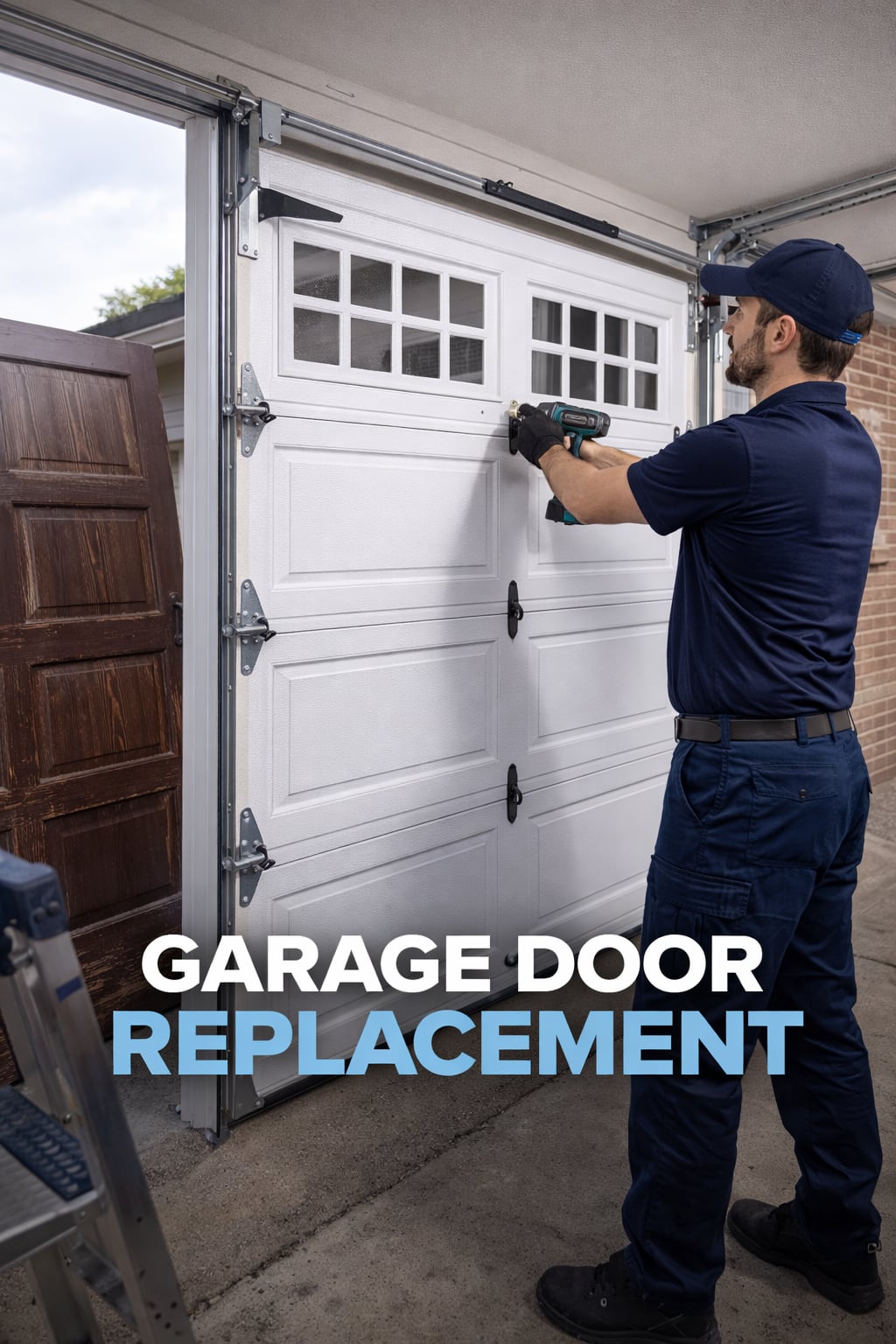
The principle of focusing on core competencies applies beyond automotive service. Just as repair shops specialize in specific systems, homeowners benefit from partnering with specialists for their residential needs. For instance, professional garage door installation requires expertise in proper sizing, spring balance, and safety systems that parallel the precision needed in automotive service.
Security and Privacy Considerations
Connected vehicles generate vast amounts of data about driving patterns, locations, and vehicle usage. High tech auto service providers must implement appropriate cybersecurity measures to protect customer information and prevent unauthorized access to vehicle systems.
Best practices include:
- Secure networks isolated from public internet access for diagnostic equipment
- Regular software updates for diagnostic platforms to patch vulnerabilities
- Data retention policies that comply with privacy regulations
- Employee training on information security and customer privacy
- Secure disposal procedures for diagnostic reports containing personal information
The same connected systems that enable remote diagnostics and over-the-air updates can potentially be exploited by malicious actors. Service providers must balance the convenience of connectivity with appropriate security measures.
Liability and Documentation Requirements
The increasing complexity of vehicle systems creates new liability considerations for service providers. Detailed documentation of diagnostic findings, calibration procedures, and test results becomes essential to demonstrate proper service completion and protect against potential claims.
Many high tech auto service facilities now retain diagnostic scan data, calibration reports, and test drive recordings as part of their permanent service records. This documentation proves invaluable when questions arise about service quality or when subsequent failures occur that may be unrelated to completed repairs.
Future Trends Shaping Automotive Service
The trajectory of high tech auto service points toward even greater integration of artificial intelligence, augmented reality, and automation in coming years. Predictive analytics will become more sophisticated, enabling service providers to identify potential failures weeks or months in advance based on subtle changes in sensor data patterns.
Augmented reality systems are already being piloted that overlay repair procedures, torque specifications, and wiring diagrams directly onto the technician's field of view through smart glasses. This technology reduces lookup time and improves repair accuracy, particularly for technicians working on unfamiliar vehicle models.
Autonomous vehicles will introduce entirely new service paradigms, as these vehicles may self-diagnose issues and automatically schedule service appointments, potentially even driving themselves to the repair facility. However, the complexity of autonomous systems will require even more specialized training and equipment than current ADAS technologies.
Industry observers note that increasing complexity makes repairs more challenging for traditional shops, creating opportunities for facilities that invest in technology and training to differentiate themselves through superior capabilities.
The Local Service Advantage
Despite increasing vehicle sophistication, local service providers maintain significant advantages over large dealer networks. Personalized customer relationships, flexible scheduling, and competitive pricing continue to attract customers who value convenience and trust over brand affiliation.
High tech auto service capabilities at independent facilities have reached parity with dealers for most repair procedures, with many shops investing in manufacturer-specific diagnostic equipment and training. The key differentiator often comes down to customer service quality and communication transparency rather than technical capability.
Local businesses understand their communities and can tailor services to meet specific regional needs. Whether providing automotive diagnostics or residential garage services, establishing long-term customer relationships through quality workmanship creates sustainable competitive advantages that technology alone cannot replicate.
High tech auto service represents the present and future of automotive maintenance, combining traditional mechanical expertise with advanced diagnostic capabilities and digital communication tools. The same commitment to quality workmanship, clear communication, and specialized expertise that defines modern automotive service applies equally to residential garage services. Whether you need diagnostic expertise for your vehicle or professional service for your home's garage systems, NextLevel Garage Co. brings that same dedication to excellence to Kitsap County homeowners and businesses. Contact us today to experience the NextLevel difference in garage door repair, installation, floor coatings, and storage solutions.