

When your automatic garage door opener fails during a power outage or mechanical breakdown, knowing how do you manually close a garage door becomes essential knowledge for every homeowner. Whether you're dealing with a sudden storm, equipment malfunction, or simple power interruption, the ability to secure your garage manually protects your home, vehicles, and belongings. This comprehensive guide walks you through the process safely and efficiently, with specific considerations for homeowners across Kitsap County and the Pacific Northwest.
Understanding Your Garage Door's Manual Operation System
Every modern garage door includes a manual release mechanism designed specifically for emergency situations. This safety feature, mandated by federal regulations, allows you to disconnect the door from the automatic opener and control it by hand.
The Emergency Release Cord
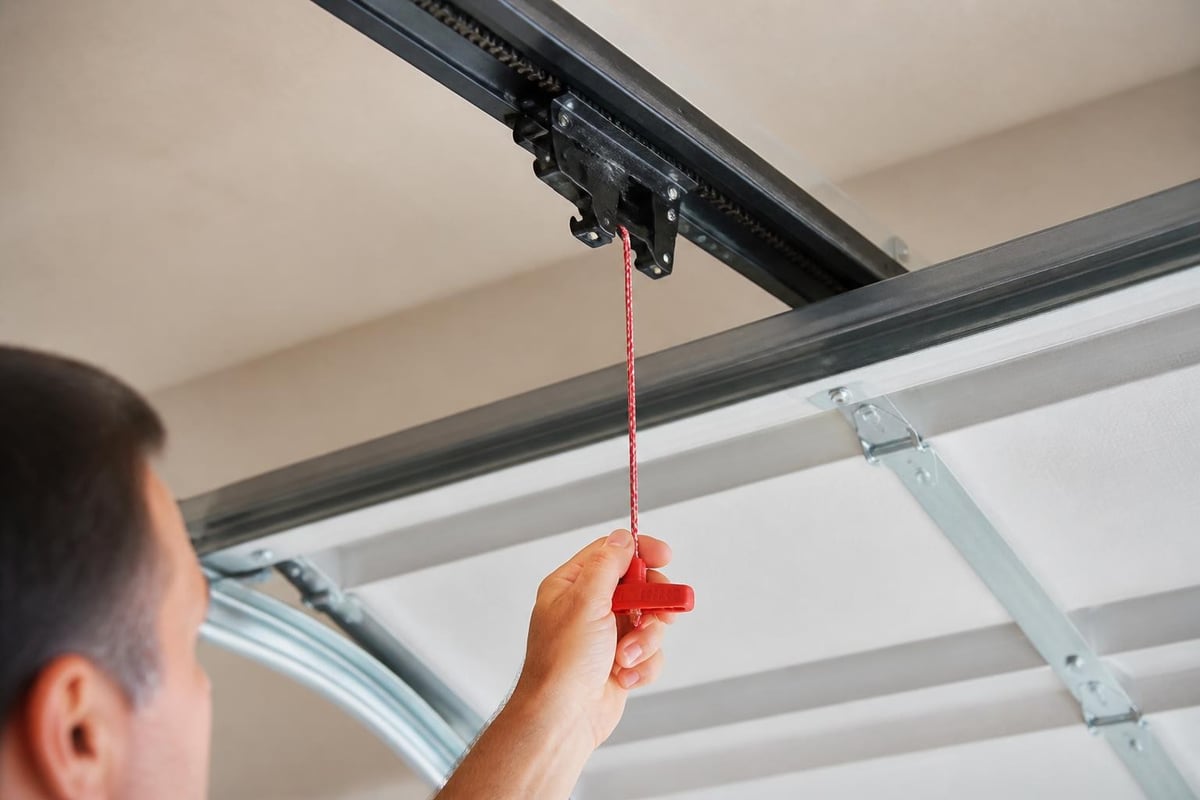
The emergency release cord typically hangs from the opener's trolley mechanism, usually identified by a red handle. This cord serves as your primary tool when you need to manually operate your door. When pulled, it disengages the trolley from the opener carriage, transferring full control to you.
Key components of the release system:
- Red handle attached to a cord or rope
- Trolley mechanism that connects to the opener
- Carriage that rides along the rail
- Reconnect lever for re-engaging automatic operation
According to federal safety regulations for garage door operators, manufacturers must provide clear instructions for manual operation. Understanding these components before an emergency strikes prepares you for quick, confident action.
Safety Precautions Before Manual Operation
Before attempting to manually close your garage door, several critical safety checks protect you from injury. Garage doors are heavy pieces of equipment, with residential doors weighing between 130 and 350 pounds depending on size and materials.
Assess Door Balance and Springs
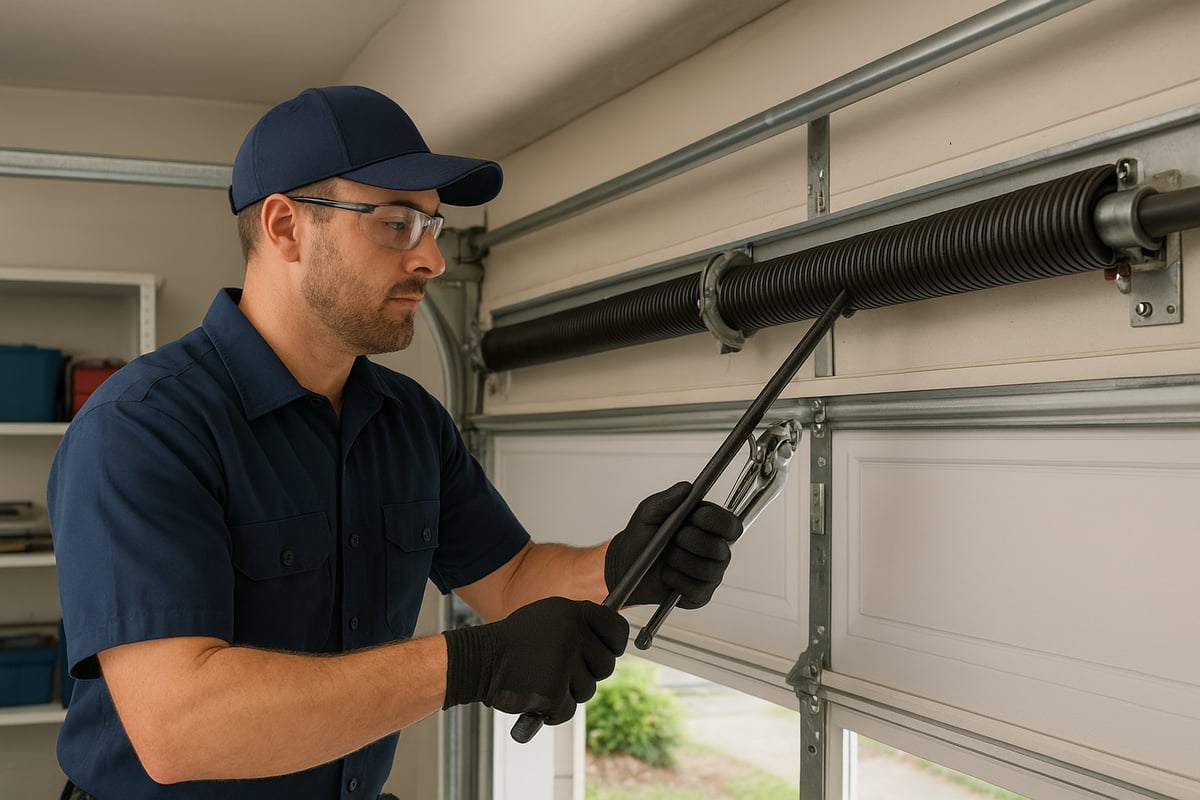
A properly balanced door should stay in place when lifted halfway and released. If the door slams down or shoots up, you likely have a spring issue that requires professional attention. Never attempt to manually operate a door with broken springs, as the full weight becomes unmanageable and dangerous.
Safety checklist before manual operation:
- Verify no one is standing beneath the door
- Clear obstacles from the door's path
- Check for broken cables or springs
- Ensure adequate lighting in the garage
- Put on work gloves to protect your hands
For homeowners in Bainbridge Island and surrounding areas, seasonal weather changes can affect spring tension and door balance. Garage Door Spring Repair addresses these issues before they create dangerous situations. Regular maintenance ensures your door remains safe for both automatic and manual operation.
Weather and Environmental Considerations
Pacific Northwest winters bring unique challenges for garage door operation. Cold temperatures can cause lubricants to thicken, making doors heavier and harder to move. Rain and moisture may cause wooden doors to swell, increasing friction and weight.
Step-by-Step Process: How Do You Manually Close a Garage Door
Understanding how do you manually close a garage door requires following a specific sequence to ensure safety and prevent damage to your door system.
Step One: Locate and Pull the Emergency Release
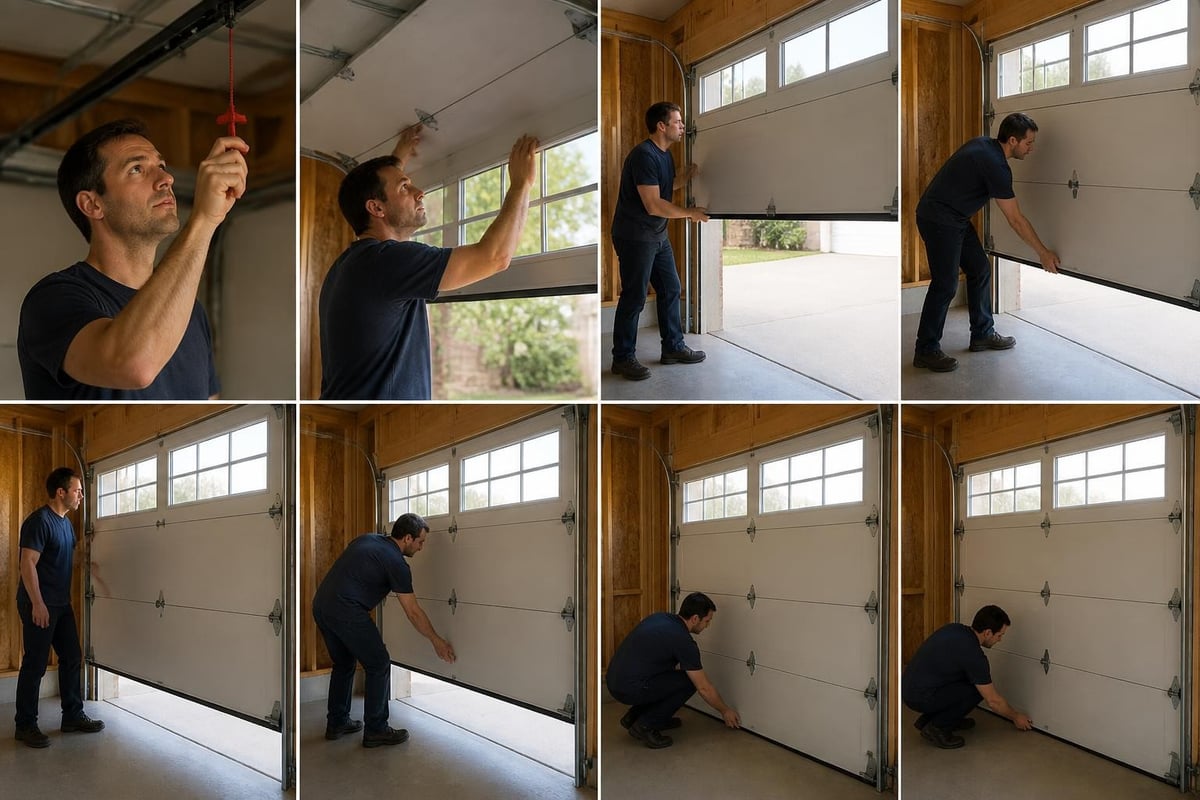
Stand inside your garage with the door in any position. Locate the red emergency release handle hanging from the opener trolley. Pull down firmly on this handle until you hear or feel the trolley disconnect from the opener carriage. The Chamberlain Group’s official manual operation guide emphasizes pulling straight down rather than at an angle to avoid damaging the mechanism.
Step Two: Test the Door's Movement
Before fully closing, lift the door slightly to test its weight and balance. A properly functioning door should move smoothly without excessive force. If the door feels extremely heavy or won't budge, stop immediately and inspect for broken springs or cables.
| Door Position | Expected Weight Feel | Action Required |
|---|---|---|
| Fully Open | Moderate, balanced | Safe to proceed |
| Partially Open | Light, stays in place | Safe to proceed |
| Feels very heavy | Excessive force needed | Stop, call professional |
| Falls rapidly | Spring tension loss | Stop, call professional |
Step Three: Lower the Door Carefully
With both hands positioned on the inside bottom panel, slowly lower the door toward the ground. Use your legs, not your back, to control the descent. Keep your fingers away from panel joints where pinching can occur.
Proper lowering technique:
- Bend at the knees, maintaining straight back posture
- Use both hands for balanced control
- Lower in smooth, controlled movements
- Watch for obstacles in the door's path
- Guide the door all the way to the ground
The process described by safety experts at Trotter Overhead Door emphasizes maintaining control throughout the entire closing process, never letting the door drop under its own weight.
Step Four: Secure the Door
Once fully closed, engage any manual locks your door may have. These typically slide into slots in the door track. If your door doesn't have manual locks, the weight alone should keep it closed, though this isn't as secure as a locked position.
Common Challenges and Solutions
Even when following proper procedures, you may encounter obstacles when manually closing your garage door. Recognizing these issues helps you respond appropriately.
The Door Won't Move
If pulling the emergency release doesn't allow door movement, check whether the opener is in "lock" mode. Some models have a vacation lock feature that prevents all operation. Additionally, frozen tracks during winter months can prevent movement until thawed.
The Door Falls Too Quickly
A door that drops rapidly indicates broken or damaged springs. Common issues that prevent proper garage door closure include spring failures, which require immediate professional intervention. Do not attempt to catch or slow a falling door, as the weight can cause serious injury.
Difficulty Lifting for Closing Position
Some situations require you to first lift a partially open door before lowering it fully closed. If the door won't lift, don't force it. This resistance often signals mechanical problems that need professional diagnosis.
Re-Engaging the Automatic Opener
Once power returns or repairs are complete, you'll need to reconnect the door to the opener system. This process is essentially the reverse of disengagement.
Reconnection Steps
With the door fully closed, pull the emergency release cord toward the door (away from the opener motor). This positions the trolley for re-engagement. Then, using your garage door remote or wall button, activate the opener. The trolley will travel along the rail and reconnect with the carriage, often with an audible click.
Reconnection verification:
- Press the wall button or remote
- Listen for the trolley engaging the carriage
- Allow the door to complete one full cycle
- Test automatic operation several times
- Confirm smooth, quiet operation
If reconnection doesn't occur automatically, you may need to manually push the trolley toward the opener while activating the motor. The specific process varies by manufacturer and model.
When to Call Professional Help
While knowing how do you manually close a garage door empowers you during emergencies, certain situations demand professional expertise. Attempting DIY repairs on springs, cables, or major mechanical components creates serious safety risks.
Signs You Need Professional Service
Broken springs represent the most common reason to avoid manual operation. The springs counterbalance the door's weight, and without them, you're lifting or lowering the full mass. Other red flags include frayed cables, bent tracks, or damaged rollers.
| Problem | DIY Manual Close? | Professional Needed? |
|---|---|---|
| Power outage only | Yes | No |
| Broken spring | No | Yes |
| Frayed cable | No | Yes |
| Bent track | No | Yes |
| Motor failure | Yes | Yes for repair |
| Frozen door | Carefully | If damage suspected |
For residents throughout Kitsap County, having a reliable local service provider ensures quick response during emergencies. Expert technicians can assess whether your door is safe for manual operation and identify underlying issues before they escalate.
Preventive Maintenance for Manual Operation Readiness
Regular maintenance ensures your garage door operates smoothly whether automatic or manual. This proactive approach prevents emergency situations and extends your door's lifespan.
Monthly Inspection Tasks
Visual inspections catch problems early. Look for worn rollers, loose hardware, and frayed cables. Test the door's balance by disconnecting the opener and lifting the door halfway. It should stay in position without rising or falling.
Essential maintenance activities:
- Lubricate rollers, hinges, and springs every three months
- Tighten loose bolts and hardware
- Clean and lubricate tracks
- Test auto-reverse safety features
- Check weather stripping for gaps
The Brothers Garage Door Service safety guide recommends wearing gloves during all maintenance activities to protect hands from sharp edges and pinch points.
Seasonal Considerations for Pacific Northwest Homes
Kitsap County's marine climate creates specific maintenance needs. Salt air accelerates corrosion on metal components. Winter moisture can freeze in tracks and mechanisms. Spring pollen and summer dust accumulate in rollers and tracks.
Applying appropriate lubricants protects against these environmental factors. Avoid using WD-40 as a lubricant, as it's a solvent that attracts dirt. Instead, use silicone-based or lithium-based products designed specifically for garage doors.
Teaching Family Members Manual Operation
Everyone in your household should know how do you manually close a garage door. During emergencies, you may not be home when action is needed.
Creating a Practice Routine
Conduct periodic drills, similar to fire safety practice. With the door closed and power still on, demonstrate the emergency release process. Let family members practice pulling the cord and feeling the door's weight under controlled conditions.
Family training components:
- Identify the emergency release cord location
- Practice pulling the release mechanism
- Demonstrate proper lifting and lowering technique
- Show manual lock engagement
- Practice reconnecting the opener
According to Garage Pros KC’s manual operation guide, regular practice builds muscle memory and confidence, reducing panic during actual emergencies.
Safety Rules for Children
While children should understand the emergency release concept, only adults or older teenagers should perform manual operation. The door's weight and pinch points create risks for younger children. Establish clear rules about who operates the door and when.
Alternative Access Planning
Even knowing manual operation procedures, consider backup access plans. If your garage is your primary home entrance, having alternative keys and entry points prevents lockout situations when the door won't operate.
Power Outage Preparation
Pacific Northwest storms regularly cause power outages. Keep flashlights near the garage entrance and consider battery-powered emergency lights. If you rely on your garage for vehicle access during work commutes, plan alternative parking during extended outages.
Homeowners across Bainbridge Island and the greater Kitsap County region benefit from understanding their specific door models and mechanisms. Different manufacturers use varying release mechanisms and reconnection processes. Keep your owner's manual accessible, or download digital copies to your phone for emergency reference.
Door Types and Manual Operation Variations
Different garage door styles present unique considerations for manual operation. Understanding your specific door type helps you prepare for emergency situations.
Sectional Doors
Most residential garages feature sectional doors with horizontal panels connected by hinges. These doors roll up on tracks using wheels or rollers. When manually operated, sectional doors require careful attention to keep all rollers aligned in their tracks. Forcing a misaligned door can bend tracks or damage rollers.
Tilt-Up Doors
Older homes may have one-piece tilt-up doors that swing out and up. These doors operate differently, often using springs mounted on the door's sides rather than torsion springs above. Manual operation requires sufficient clearance in front of the garage as the door tilts outward.
Comparison of manual operation by door type:
| Door Type | Difficulty Level | Special Considerations |
|---|---|---|
| Sectional | Moderate | Keep rollers in tracks |
| Tilt-up | Easy to Moderate | Requires outward clearance |
| Carriage | Moderate | Often heavier due to materials |
| Side-hinged | Easy | Manual by design |
For those considering upgrades or replacements, understanding different garage door brands and their operational characteristics helps inform decisions about future manual operation ease.
Emergency Scenarios Requiring Manual Operation
Understanding when and why you need to manually close your garage door helps you respond appropriately to various situations.
Power Outages
Extended power losses during winter storms represent the most common manual operation scenario. Without electricity, automatic openers become inoperable. If your vehicle is trapped inside, knowing how do you manually close a garage door becomes critical for leaving or returning home.
Opener Malfunctions
Motor failures, circuit board problems, or remote control issues may require manual operation until repairs are completed. Unlike power outages, these situations may allow for re-engaging the automatic system once the door is repositioned correctly.
Security Situations
If you notice suspicious activity or need to secure your property quickly, manual operation provides immediate control independent of electrical systems. Manual locks offer additional security beyond automatic closures.
Residents seeking reliable repair services for opener malfunctions can explore solutions for common garage door repair needs specific to the Pacific Northwest climate and conditions.
Documentation and Owner Resources
Keeping proper documentation accessible ensures you have reference materials during emergencies when internet access may be unavailable.
Essential Documents to Maintain
Store your garage door owner's manual in a waterproof container in the garage. Include contact information for your installation company and local repair services. Document your door's model number, spring specifications, and installation date for future reference.
Recommended documentation checklist:
- Owner's manual (paper and digital backup)
- Warranty information
- Service history records
- Emergency contact numbers
- Spring and cable specifications
- Installation diagrams or photos
Taking photos of your door system's components, particularly the spring assembly and opener connections, provides valuable reference material for both DIY maintenance and professional service calls.
Mastering manual garage door operation provides peace of mind during emergencies while protecting your home and property. Regular practice and maintenance ensure your door remains ready for both automatic and manual operation when needed. If you're experiencing persistent issues with your garage door, need spring repairs, or want to ensure your door is properly balanced for safe manual operation, NextLevel Garage Co. serves homeowners and businesses throughout Kitsap County with professional garage door services, clear communication, and quality workmanship you can trust.