

Power outages can strike at the most inconvenient times, leaving you stranded outside your home or trapped inside your garage. Whether you're dealing with severe weather on Bainbridge Island or unexpected electrical failures throughout Kitsap County, knowing how to open garage without power is an essential skill every homeowner should master. This comprehensive guide walks you through multiple methods, safety precautions, and professional solutions to ensure you're never locked out during an emergency.
Understanding Your Garage Door Emergency Release System
Every modern garage door opener comes equipped with an emergency release mechanism designed specifically for power outages. This critical safety feature allows you to disconnect the automatic opener and operate your door manually.
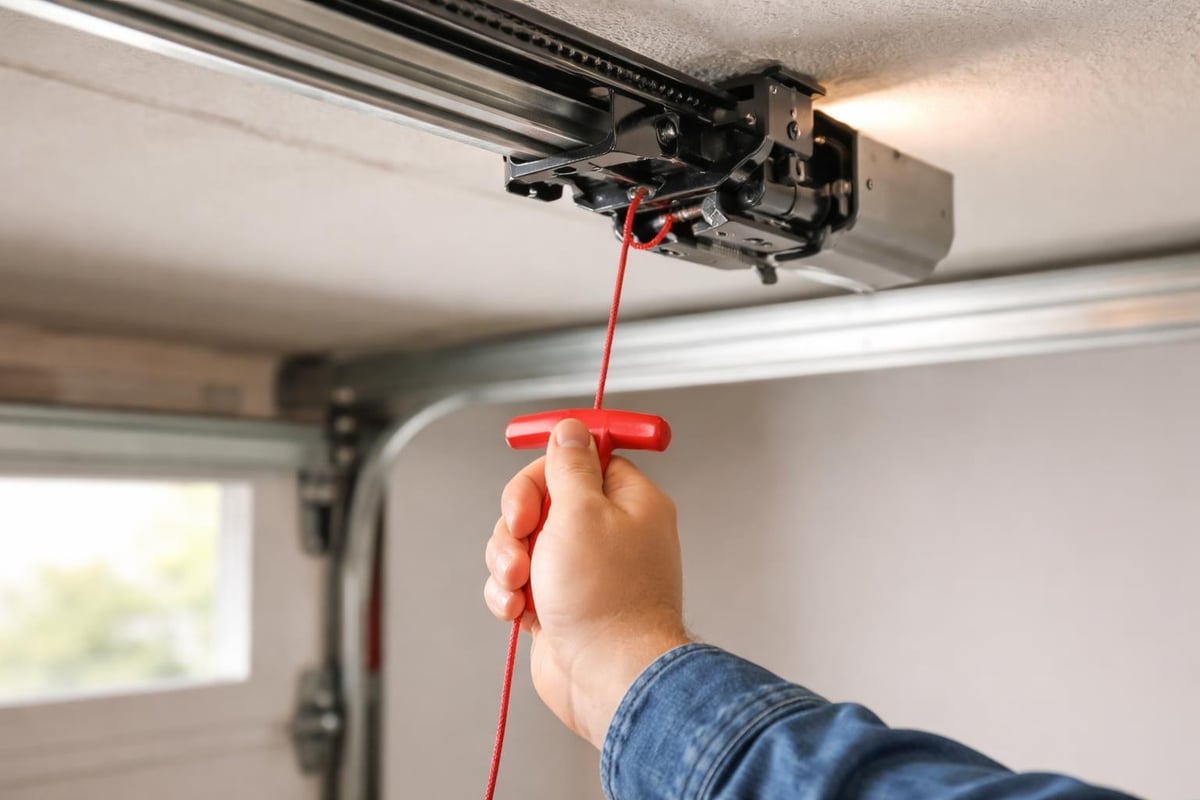
The emergency release handle typically appears as a red cord with a handle hanging from the opener rail. This cord connects to a release lever that disengages the trolley from the door carriage. Once you pull this handle, your garage door becomes independent from the motorized system.
Locating the Emergency Release Handle
Finding your emergency release shouldn't be difficult, but it helps to know what you're looking for before an emergency strikes:
- Standard location: Hanging from the center rail near the front of the door
- Handle color: Usually red, sometimes yellow or white
- Typical height: Within reach when standing inside the garage
- Label marking: Often includes text like "Emergency Release" or "Door Release"
Most garage door manufacturers place this handle in plain sight, but some older systems may have different configurations. Taking a moment to locate and familiarize yourself with this mechanism today can save valuable time during an actual outage.
Step-by-Step Process to Open Your Garage Door Manually
Learning how to open garage without power requires understanding the proper sequence to avoid injury or damage to your door system.
Preparing for Manual Operation
Before you disengage the opener, take these essential safety steps:
- Ensure the door is fully closed – Never disengage an open or partially open door, as it could come crashing down
- Clear the area – Remove vehicles, tools, and obstacles from the door's path
- Check for obstructions – Look for items in the door tracks or threshold
- Verify the door balance – A properly balanced door should stay in place when partially opened
Properly preparing your workspace prevents accidents and makes the manual operation process smoother and safer.
Disengaging the Automatic Opener
With your door closed and area cleared, you're ready to disconnect the opener system:
- Pull the emergency release handle straight down with steady pressure
- You'll hear a click or snap indicating the trolley has disengaged
- The handle should move freely once disconnected
- Keep hold of the cord – you'll need it to re-engage later
The door is now in manual mode. If you feel significant resistance when pulling the handle, stop and contact a professional, as this may indicate a mechanical problem.
Lifting the Door Safely
Now comes the physical work of opening your garage door without power. This process requires proper technique to avoid injury:
- Grip the bottom handle or bottom section of the door with both hands
- Bend at the knees, not at the waist, to use your leg muscles
- Lift smoothly and steadily – avoid jerking motions
- Raise to full open position until the door catches in the horizontal tracks
Important safety note: Garage doors typically weigh between 130 and 350 pounds depending on size and material. If the door feels unusually heavy or won't stay open, the springs may be broken or unbalanced. In this case, professional spring repair should be your next step.
| Door Type | Approximate Weight | Difficulty Level |
|---|---|---|
| Single aluminum | 130-150 lbs | Easy |
| Single steel insulated | 180-220 lbs | Moderate |
| Double aluminum | 200-250 lbs | Moderate |
| Double steel insulated | 280-350 lbs | Difficult |
Opening Your Garage From the Outside During Power Outages
Being locked out during a power failure presents a unique challenge. Fortunately, many garage doors include an external release mechanism for exactly this scenario.
Using the Emergency Key Release
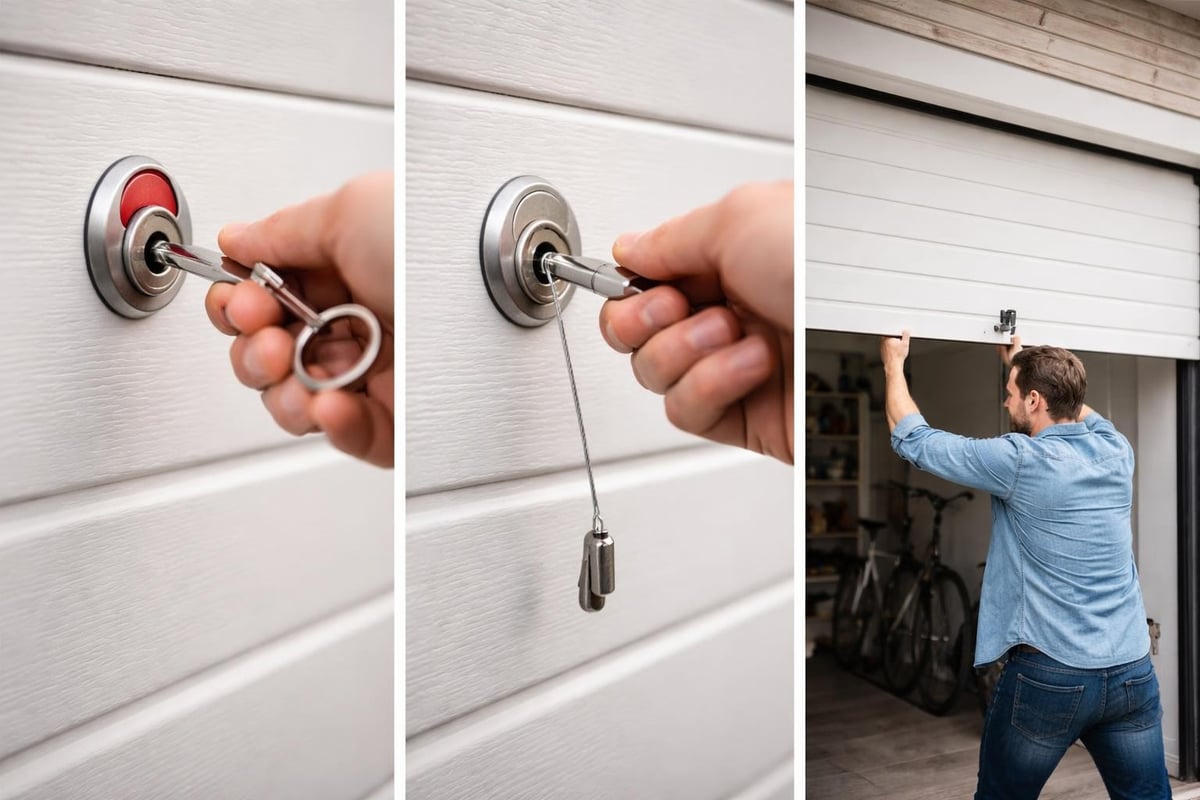
Most modern garage doors feature an external keyhole, typically located near the top center of the door. This emergency release lock provides access to an internal cable mechanism:
- Insert your emergency release key into the exterior lock cylinder
- Turn the key and pull the tumbler assembly outward
- This action pulls an internal cable that releases the trolley
- Manually lift the door from the outside using the bottom handle
Keep your emergency key in a safe, accessible location separate from your main keyring. Many homeowners store a spare key with a trusted neighbor or in a secure outdoor location.
Alternative Entry Methods
If your garage door lacks an external release or you've lost the key, consider these alternatives:
- Side entry door: Many garages have a standard entry door – use this to access the interior release
- Window access: Some garage windows can provide entry, though this method carries security risks
- Service door: Attached garages often connect to the house through an interior door
Never attempt to force the garage door open from the outside, as this can cause serious damage to the track system, panels, or springs. When in doubt, professional emergency service is the safest solution.
Re-Engaging Your Automatic Opener After Power Restoration
Once electricity returns to your home, you'll need to reconnect your garage door to the automatic opener system. Understanding this process prevents damage and ensures smooth operation.
Closing the Door First
Never attempt to re-engage the opener with the door in the open position. This critical step prevents potential motor strain and trolley misalignment:
- Manually lower the door to the fully closed position
- Ensure the door sits evenly on the threshold
- Check that all rollers are properly seated in the tracks
- Verify the door is not binding or catching
Reconnecting the Trolley
The re-engagement process varies slightly by manufacturer, but these general steps apply to most systems:
- Pull the emergency release handle toward the door (opposite of the disengagement direction)
- Activate the door opener using your wall button or remote
- Listen for engagement – you'll hear the trolley reconnect with the carriage
- Test operation by opening and closing the door with the remote
Detailed instructions for manual mode operation can help troubleshoot any reconnection difficulties you might encounter.
Some newer opener models feature automatic reconnection – simply pressing the wall button while the door is closed will re-engage the system without manual intervention.
Backup Power Solutions for Garage Door Openers
Investing in backup power options eliminates the need to manually operate your garage door during most outages. Modern technology offers several reliable solutions for Kitsap County homeowners.
Battery Backup Systems
Many contemporary garage door openers include integrated battery backup or offer it as an add-on feature. These systems provide:
- Automatic activation when wall power fails
- Multiple open/close cycles (typically 20-50 depending on battery capacity)
- Maintenance-free operation with sealed lead-acid or lithium batteries
- Recharging capability that automatically restores power when electricity returns
Professional installation ensures proper integration with your existing opener system. The investment typically ranges from $150 to $400 depending on battery capacity and opener compatibility.
Portable Generator Solutions
For extended outages common during winter storms on Bainbridge Island, a portable generator provides comprehensive backup power:
- Calculate your opener's wattage (usually 300-600 watts)
- Select appropriate generator capacity (at least double the opener's requirement)
- Use proper extension cords rated for the power load
- Follow safety protocols including outdoor operation only
Generators offer the advantage of powering multiple home systems simultaneously, making them ideal for comprehensive emergency preparedness.
Solar-Powered Backup Options
Emerging technology now brings solar backup systems to the residential garage door market. These eco-friendly solutions combine solar panels with battery storage to provide:
- Independent power generation during daylight hours
- Reduced dependency on grid electricity
- Environmental sustainability benefits
- Long-term cost savings on electricity
When considering backup power options for your garage, evaluate factors including outage frequency in your area, door usage patterns, and budget constraints.
Common Problems When Opening Garage Doors Without Power
Even with proper technique, you may encounter challenges when attempting to open garage without power. Recognizing these issues helps you respond appropriately.
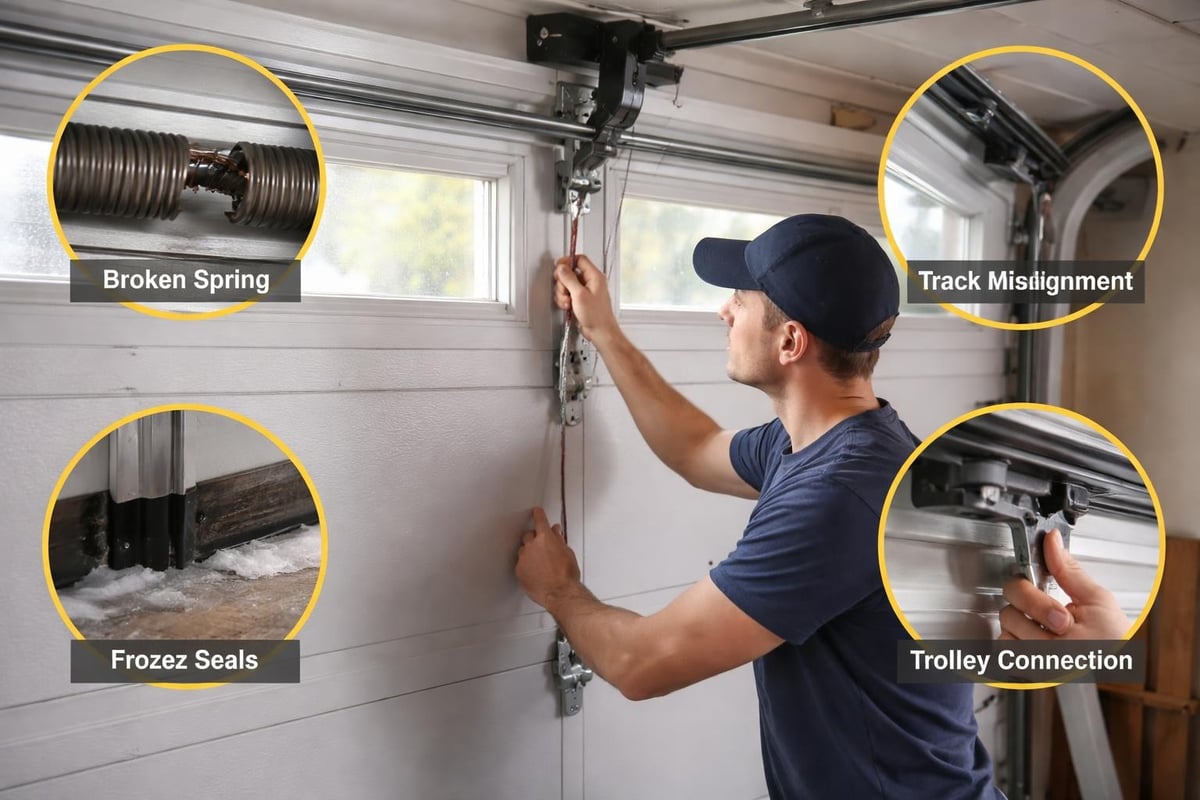
Broken or Damaged Springs
The most common problem preventing manual operation involves spring failure. Warning signs include:
- Excessive door weight making lifting nearly impossible
- Uneven lifting with one side heavier than the other
- Loud banging sound heard before the power outage
- Visible spring separation or damage when inspecting the system
Never attempt to manually operate a garage door with broken springs. This creates serious injury risk and can damage the door panels, tracks, and opener. Professional garage door spring repair restores safe operation and proper weight balance.
Torsion springs contain extreme tension and should only be handled by trained technicians. Attempting DIY spring repair ranks among the most dangerous home maintenance activities.
Frozen or Stuck Doors
Winter weather in Washington State can cause doors to freeze to the threshold or become stuck in the tracks:
| Problem | Cause | Solution |
|---|---|---|
| Ice bonding | Door frozen to ground | Apply de-icer, warm water (not hot) |
| Track ice | Frozen rollers or rails | Thaw carefully with heat gun on low setting |
| Weatherstripping frozen | Ice buildup on seals | Gently break ice seal, replace damaged seals |
| Paint seal | Paint stuck between door and frame | Score paint line with utility knife |
Understanding proper maintenance techniques helps prevent these seasonal issues before they strand you during an outage.
Off-Track or Misaligned Doors
If your door binds, catches, or won't move smoothly during manual operation, the rollers may have come out of the tracks. This serious issue requires immediate attention:
- Stop attempting to open the door
- Look for visible gaps between rollers and track rails
- Check for bent or damaged track sections
- Listen for grinding or scraping sounds
Operating an off-track door risks further damage and potential collapse. Professional track repair service safely realigns the door and addresses underlying causes.
Safety Precautions and Best Practices
Knowing how to open garage without power involves more than just the mechanical process. Following proper safety protocols protects you, your family, and your property.
Pre-Outage Preparation
Take these proactive steps before an emergency occurs:
- Test the emergency release quarterly to ensure it functions properly
- Practice manual operation with family members when the power is on
- Lubricate moving parts twice yearly to ensure smooth manual operation
- Inspect the spring system for signs of wear or damage
- Mark emergency tools with reflective tape for easy location in darkness
Documentation matters too. Keep your garage door opener manual in an accessible location, noting the model number and installation date for reference during service calls.
During Manual Operation
While operating your door manually, maintain these safety practices:
- Never stand under a moving door – even in manual mode
- Keep children and pets clear of the work area
- Use proper lifting technique to prevent back injury
- Wear work gloves to protect hands from sharp edges
- Ensure adequate lighting using flashlights or portable lights
If you smell gas, hear unusual mechanical sounds, or notice structural damage to the door or frame, stop immediately and evacuate the area.
When to Call Professional Help
Some situations require expert intervention rather than DIY solutions. Contact professional service when you encounter:
- Broken springs – visible gaps, cables hanging loose, or extreme door weight
- Structural damage – bent tracks, damaged panels, or frame issues
- Opener malfunction – inability to re-engage after power restoration
- Cable problems – frayed, broken, or off-drum cables
- Persistent binding – door won't move smoothly despite attempts to clear obstacles
Modern garage door openers integrate sophisticated technology and mechanical systems that benefit from professional installation and maintenance. Professional garage door opener installation ensures your system includes the latest safety features, battery backup options, and emergency release mechanisms optimized for reliable performance.
Upgrading Your System for Better Emergency Preparedness
If you frequently struggle with power outages or find manual operation challenging, consider upgrading your garage door system. Modern solutions offer significantly improved emergency functionality.
Smart Opener Technology in 2026
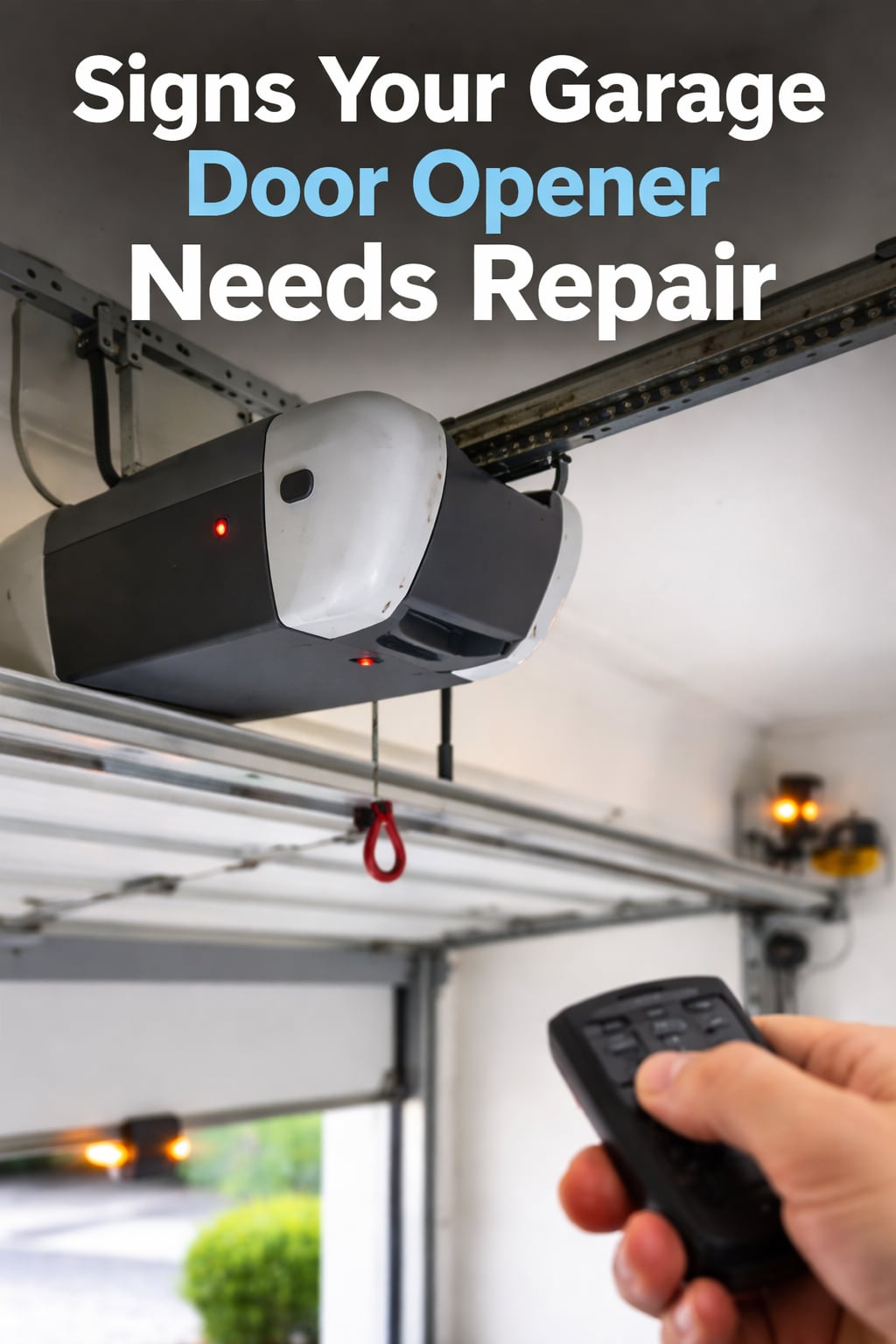
Contemporary garage door openers provide advanced features that enhance safety and convenience during power disruptions:
- Smartphone integration allowing remote monitoring and alerts
- Battery backup indicators that warn of low charge before outages
- Auto-close timers that secure your garage if you forget
- Motion detection sensors that prevent closing on vehicles or people
Modern opener technologies continue evolving with features like Wi-Fi connectivity, voice control compatibility, and predictive maintenance alerts.
Door Balance and Spring Upgrades
Proper door balance makes manual operation significantly easier during emergencies. Consider these improvements:
| Upgrade Type | Benefit | Typical Lifespan |
|---|---|---|
| High-cycle springs | 25,000+ cycles vs. standard 10,000 | 8-12 years |
| Dual spring systems | Better weight distribution | 7-10 years |
| Insulated doors | Reduced weight, better balance | 15-20 years |
| Nylon rollers | Smoother operation, less friction | 10-15 years |
Investing in quality components reduces the physical effort required to open garage without power and extends the overall system lifespan.
External Access Improvements
For homeowners concerned about being locked out during outages, several external access solutions provide peace of mind:
- Keyless entry pads with battery backup that function during outages
- Bluetooth proximity unlocking using your smartphone
- Side entry door installation providing alternate garage access
- Emergency key release systems on all exterior doors
These additions ensure you're never completely locked out, even if your main opener system fails.
Regional Considerations for Kitsap County Residents
Living in the Pacific Northwest presents unique challenges that affect how you should prepare for garage door emergencies. Understanding these regional factors helps you make informed decisions.
Weather-Related Power Outages
Bainbridge Island and surrounding Kitsap County areas experience distinctive weather patterns that can interrupt power:
- Winter windstorms bringing down power lines and trees
- Heavy rain events causing localized flooding and electrical issues
- Snow and ice during occasional Arctic outbreaks
- Summer thunderstorms with lightning strikes affecting infrastructure
Preparing for these seasonal patterns means ensuring your emergency release system remains accessible and functional regardless of weather conditions. Regular maintenance becomes especially important in our marine climate where moisture and salt air accelerate corrosion.
Local Building Codes and Requirements
Washington State building codes include specific requirements for garage door safety systems. When upgrading or replacing your system, ensure compliance with:
- UL 325 safety standards for automatic garage door operators
- Photo-eye sensor requirements preventing closing on obstructions
- Emergency release accessibility mandates
- Battery backup recommendations for new construction
Working with local professionals familiar with Kitsap County garage services ensures your system meets all current safety standards and building code requirements.
Community Resources and Support
During extended outages affecting large areas, community resources become valuable:
- Emergency shelter locations throughout Kitsap County
- Local hardware stores carrying replacement batteries and parts
- Community notification systems for power restoration updates
- Neighborhood support networks for checking on vulnerable residents
Establishing connections with reliable local service providers before emergencies occur means faster response times when you need assistance most.
Maintaining Your Manual Release System
Your emergency release mechanism requires periodic maintenance to ensure it functions when needed. Neglecting this simple system can leave you stranded during the next power failure.
Monthly Visual Inspections
Conduct quick checks of your release system:
- Verify the handle moves freely without binding or sticking
- Check cable condition for fraying, rust, or damage
- Test the lever mechanism to ensure smooth engagement and disengagement
- Inspect mounting hardware for loose bolts or worn components
These simple inspections take less than five minutes and provide peace of mind that your emergency system remains operational.
Annual Lubrication Schedule
Proper lubrication ensures smooth operation during emergencies:
- Disconnect the opener using the emergency release
- Apply silicone-based lubricant to the release mechanism pivot points
- Work the lever back and forth to distribute lubricant
- Wipe excess lubricant to prevent attracting dirt and debris
- Reconnect the opener and test normal operation
Avoid using WD-40 or petroleum-based products, as these can gum up mechanisms over time. Quality silicone or lithium-based garage door lubricants work best in our climate.
Documentation and Familiarization
Create a simple emergency procedure document for your household:
- Laminate instructions showing the emergency release location
- Include photos demonstrating the proper pulling technique
- Post near the garage entry door for quick reference
- Review procedures with all family members annually
When everyone in your household knows how to open garage without power, you eliminate panic and confusion during actual emergencies. Practice runs with the power on help family members understand the weight and effort required.
Cost Considerations and Value Analysis
Understanding the financial aspects of garage door emergency preparedness helps you make informed decisions about upgrades and professional services.
Professional Service vs. DIY Approach
While learning manual operation is free, certain situations justify professional investment:
| Service Type | Typical Cost Range | When It's Worth It |
|---|---|---|
| Emergency release installation | $75-$150 | Older doors lacking modern safety features |
| Battery backup addition | $150-$400 | Frequent outages or critical access needs |
| Spring replacement | $200-$400 | Impossible manual operation due to broken springs |
| Full system upgrade | $800-$2,000 | Doors over 15 years old or major functionality issues |
Professional service provides warranty protection, proper installation, and safety assurance that DIY approaches cannot match.
Long-Term Investment Value
Consider these factors when evaluating garage door improvements:
- Home resale value – Modern systems with backup power increase property appeal
- Insurance considerations – Proper safety features may reduce liability concerns
- Convenience factor – Stress-free operation during emergencies has intrinsic value
- Damage prevention – Proper systems avoid costly repairs from forcing stuck doors
Investing in quality components and professional installation typically costs less over time than repeated emergency repairs to damaged systems.
Understanding how to open garage without power protects you from being stranded during unexpected outages and ensures your safety during emergency situations. From locating your emergency release handle to implementing backup power solutions, these skills and upgrades provide peace of mind for homeowners throughout Kitsap County. When you need professional assistance with garage door installation, repair, or emergency service, NextLevel Garage Co. offers expert solutions backed by quality workmanship and clear communication. Our locally owned team serves Bainbridge Island and the surrounding communities with comprehensive garage services designed to keep your home accessible and secure, no matter the circumstances.