

Your garage door makes a statement every time you arrive home. It's the largest moving component of your house, occupying up to 30% of your home's facade. When you level up garage door performance and appearance, you're investing in more than just functionality-you're enhancing security, energy efficiency, and curb appeal. Whether you're dealing with a noisy opener, outdated panels, or simply want to modernize your home's exterior, understanding how to optimize your garage door system delivers measurable returns.
Understanding the Impact of a High-Performance Garage Door
The decision to level up garage door systems goes beyond aesthetics. Modern garage doors incorporate advanced technology, superior insulation, and safety features that weren't available even five years ago. Homeowners in Kitsap County face unique challenges from coastal moisture, temperature fluctuations, and salt air exposure that accelerate wear on mechanical components.
A well-maintained garage door operates 1,500 times per year on average. That's more cycles than most household appliances endure. When components fail, they rarely do so gradually. Springs snap without warning, cables fray and break, and worn rollers create grinding noises that disturb the entire household.
Key Performance Indicators
- Balance and alignment: Properly balanced doors reduce strain on openers by 40%
- Noise levels: Modern systems operate at 55 decibels or less (quieter than normal conversation)
- Opening speed: Quality openers complete cycles in 12-15 seconds
- Energy efficiency: Insulated doors reduce heating and cooling costs by 10-20%
- Safety compliance: Current models include automatic reversal and photo-eye sensors
According to garage door safety experts, annual inspections prevent 80% of emergency failures. The investment in preventive maintenance pays dividends in avoided repair costs and extended system lifespan.
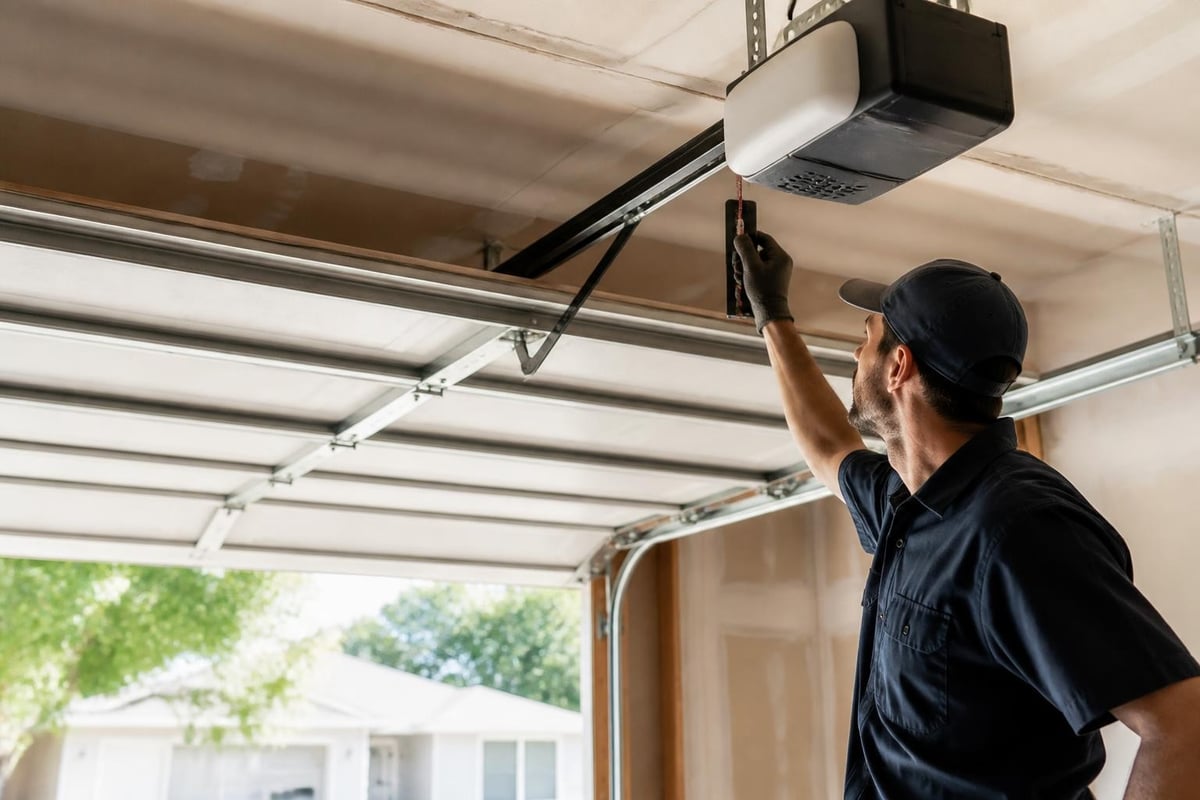
Essential Maintenance Strategies to Level Up Garage Door Performance
Regular maintenance transforms average garage doors into reliable, long-lasting systems. The difference between a door that lasts 10 years and one that serves you for 25 years often comes down to consistent care.
Monthly Visual Inspection Protocol
Begin with observation. Watch your door complete a full cycle from both inside and outside the garage. Listen for unusual sounds-grinding, squeaking, or rattling indicates specific issues. Check for jerky movement, hesitation, or asymmetrical operation.
What to examine during monthly inspections:
- Springs for rust, gaps, or elongation
- Cables for fraying or looseness
- Rollers for wear patterns or cracks
- Tracks for dents or obstructions
- Weatherstripping for tears or compression loss
- Panel alignment and gap consistency
The comprehensive maintenance approach recommended by professionals includes testing the door's balance. Disconnect the opener and manually lift the door halfway. A properly balanced door stays in place. If it falls or rises, spring tension needs adjustment-a job for trained technicians due to the extreme forces involved.
Quarterly Deep Maintenance Tasks
Every three months, perform more intensive maintenance. Clean tracks with a damp cloth to remove accumulated grit and debris. Tighten all visible hardware including hinges, brackets, and roller mounting bolts. Vibration loosens fasteners over time, and loose hardware accelerates wear.
Lubrication stands as the single most impactful maintenance task homeowners can perform. Use white lithium grease or garage door-specific lubricant on rollers, hinges, and springs. Avoid WD-40, which attracts dust and provides only temporary benefit. Focus on metal-to-metal contact points where friction occurs.
| Component | Lubrication Frequency | Product Type | Application Method |
|---|---|---|---|
| Torsion springs | Every 3 months | White lithium grease | Light coating |
| Rollers | Every 3 months | Silicone spray | Inside bearing housing |
| Hinges | Every 3 months | White lithium grease | Pivot points |
| Track rails | Never | None | Keep clean and dry |
| Weather seal | Annually | Rubber conditioner | Wipe-on application |
Professional maintenance checklists emphasize consistency. Setting calendar reminders ensures tasks don't slip through the cracks during busy seasons.
Upgrading Components to Level Up Garage Door Functionality
Sometimes maintenance isn't enough. Older systems lack the efficiency, safety features, and convenience that modern components deliver. Strategic upgrades transform outdated garage doors into smart, efficient systems.
Opener Technology Advances
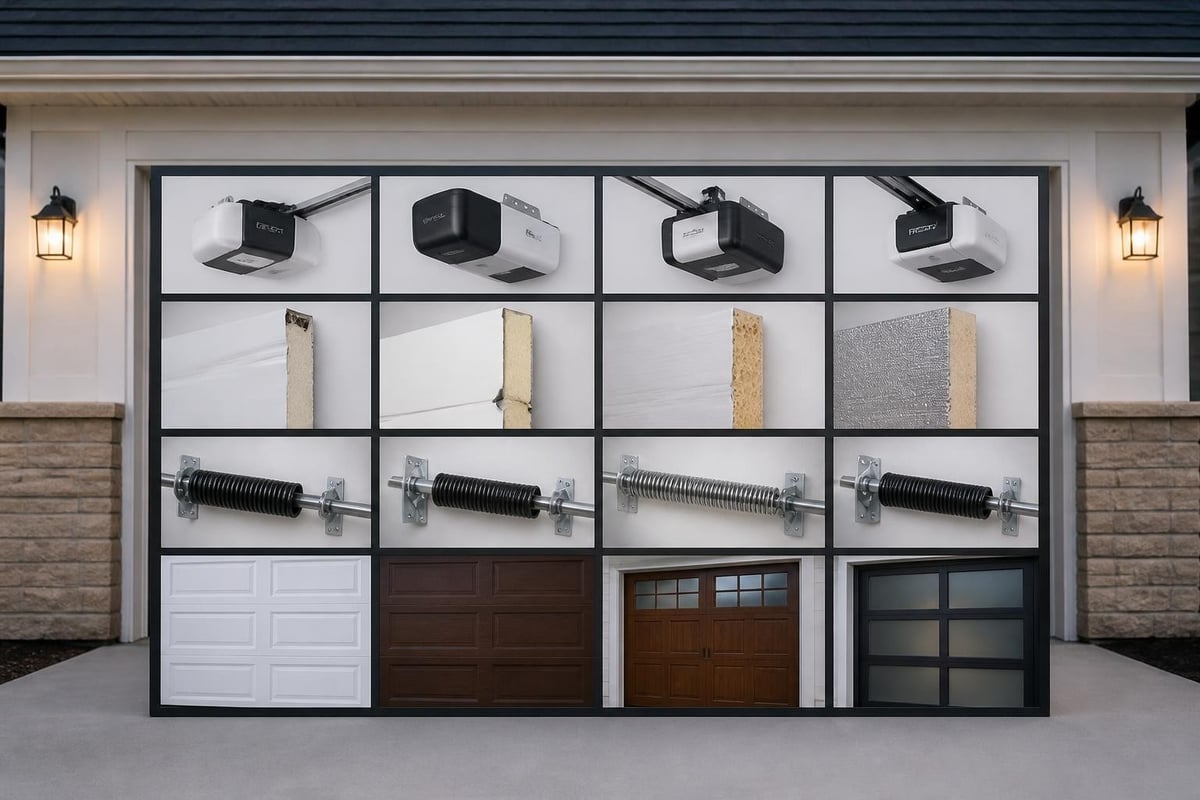
Belt-drive openers represent the gold standard for residential applications. They operate virtually silent, making them ideal for homes with bedrooms adjacent to or above the garage. Wall-mounted jackshaft openers free up ceiling space, operate with exceptional power, and provide superior security through direct drive mechanisms.
Smart openers integrate with home automation systems, allowing remote monitoring and control. You can verify closure status from anywhere, receive alerts when the door operates, and grant temporary access to delivery personnel or service providers. These features aren't luxury items-they're practical solutions for modern lifestyles.
When you install a Garage Door Opener, professional calibration ensures the force settings meet current safety standards. Improper adjustment creates dangerous conditions where doors fail to reverse upon obstruction or reverse prematurely during normal operation.
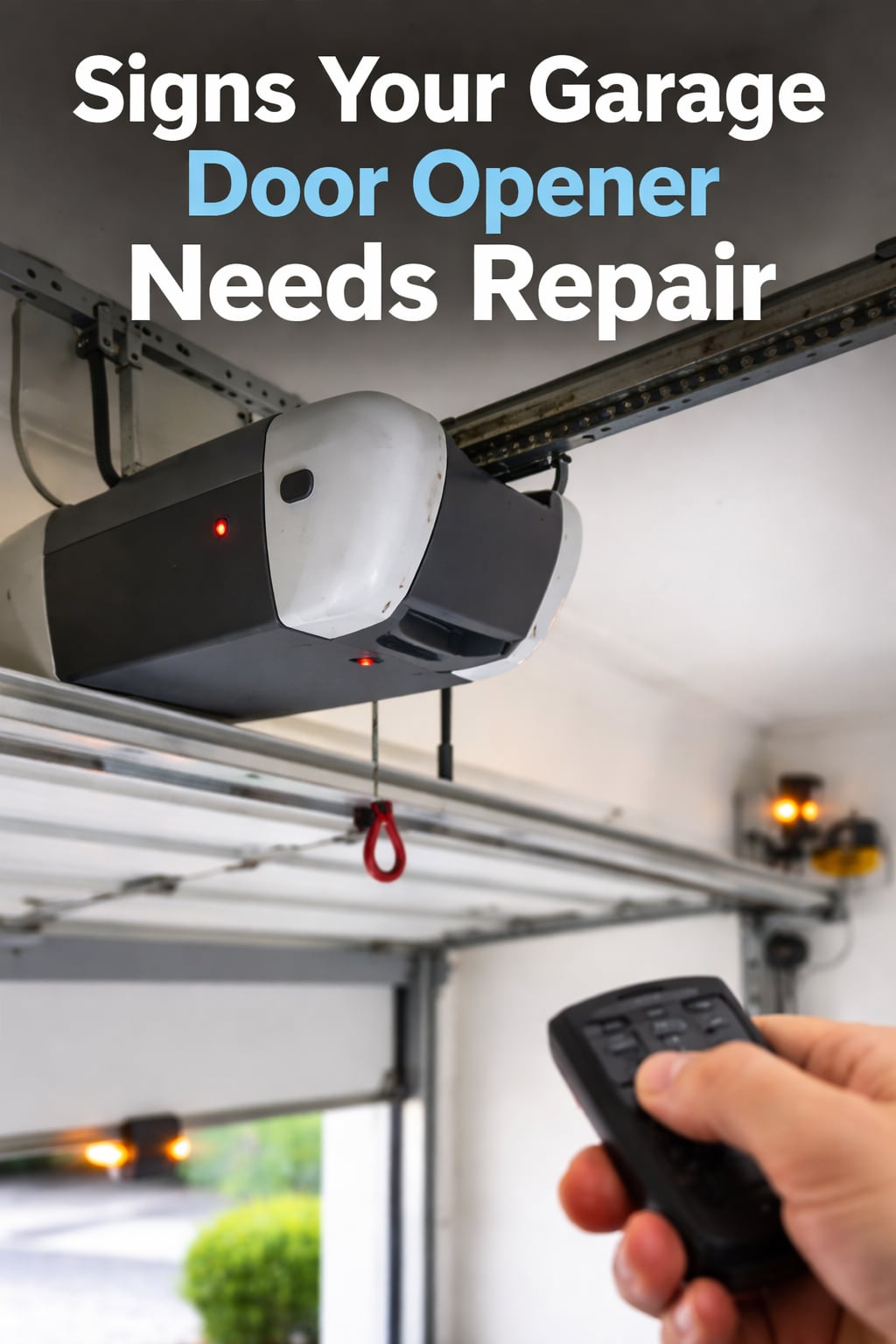
Insulation Improvements
Uninsulated garage doors allow substantial energy transfer. In coastal Washington, where winter temperatures regularly drop into the 30s, thermal efficiency matters. Insulated doors maintain more stable garage temperatures, protecting stored items and reducing load on HVAC systems serving adjacent living spaces.
R-value ratings quantify insulation effectiveness. Standard options include:
- R-6: Single-layer steel with minimal insulation
- R-12: Two-layer construction with polystyrene core
- R-18: Three-layer construction with polyurethane foam
The upgrade from uninsulated to R-12 doors can reduce energy waste by 15-25%, according to energy efficiency research. For homeowners using garages as workshops or hobby spaces, insulation dramatically improves comfort.
Spring System Optimization
Springs do the heavy lifting. When you level up garage door spring systems, you're investing in the heart of door operation. Torsion springs mounted above the door provide superior balance and longevity compared to extension springs stretched along the track.
Spring upgrade benefits:
- Extended lifespan (30,000-50,000 cycles vs. 10,000-15,000)
- Smoother operation with less vibration
- Reduced noise during opening and closing
- More consistent performance across temperature ranges
- Enhanced safety with contained failure mode
Professional installation ensures proper torque and winding. Incorrectly installed springs create dangerous situations where sudden releases cause property damage or injury.
Safety Features That Level Up Garage Door Security
Security and safety represent non-negotiable aspects of garage door systems. Modern features protect both property and people, addressing vulnerabilities that older systems present.
Rolling Code Technology
Older garage door openers use fixed codes that determined criminals can intercept and replicate. Rolling code technology generates a new access code with each use, making unauthorized entry virtually impossible. This upgrade provides peace of mind without changing how you interact with your system.
Photo-Eye Sensors
Federal regulations mandate photo-eye sensors on all openers manufactured since 1993. These invisible beams cross the door opening near floor level. When interrupted during closing, the door immediately reverses, preventing entrapment or crushing injuries.
Test photo-eyes monthly by placing an object in the door path during closing. The door should reverse instantly. Misaligned sensors cause operational issues-the door refuses to close or reverses randomly. Cleaning sensor lenses and checking mounting stability resolves most problems.
Manual Release Mechanisms
Power outages shouldn't trap your car inside. All automatic openers include emergency release handles, typically red and hanging from the trolley mechanism. Understanding proper operation prevents damage to the door or opener during manual operation.
| Safety Feature | Purpose | Testing Frequency | Professional Service Needed |
|---|---|---|---|
| Auto-reverse (pressure) | Stops/reverses on resistance | Monthly | Annually for calibration |
| Photo-eye sensors | Detects obstructions | Monthly | As needed for alignment |
| Manual release | Allows manual operation | Twice yearly | Never (user-operated) |
| Pinch-resistant panels | Prevents finger injuries | Visual inspection quarterly | Never (design feature) |
| Tamper-resistant brackets | Secures high-tension cables | Annual inspection | Always (high danger) |
Choosing the Right Time to Replace Your Garage Door
Even well-maintained doors eventually reach end of life. Recognizing replacement indicators prevents being forced into emergency decisions when failure occurs.
Age and Wear Assessment
Doors older than 15 years often lack modern safety features and energy efficiency. Visible panel deterioration, persistent operational issues despite repairs, and increasing noise levels signal replacement time. Cost-benefit analysis helps clarify decisions: if repair costs exceed 50% of replacement value, replacement makes financial sense.
Structural damage from vehicle impact, severe weather, or foundation settling may render doors irreparable. Twisted tracks, bent panels, or frame misalignment often cost more to repair than replace, particularly when labor hours multiply.
Style and Curb Appeal Considerations
When you level up garage door aesthetics, you transform your home's entire appearance. Realtors consistently cite garage doors among the top three exterior improvements affecting perceived home value. Modern designs include carriage-house styles, contemporary aluminum and glass combinations, and traditional raised-panel configurations.
Popular style trends in 2026:
- Modern farmhouse with board-and-batten overlays
- Full-view aluminum frames with frosted glass
- Recessed panel designs with clean lines
- Faux wood finishes on steel construction
- Custom paint colors matching architectural details
Material selection balances aesthetics, durability, and maintenance requirements. Steel doors offer strength and low maintenance. Wood provides authentic beauty but requires periodic refinishing. Aluminum suits contemporary designs with large glass sections. Fiberglass resists salt air corrosion in coastal areas.
Return on Investment Analysis
The 2026 Cost vs. Value Report consistently ranks garage door replacement among the highest-ROI exterior improvements. Homeowners typically recoup 85-95% of costs when selling, with some markets exceeding 100% recovery.
Beyond resale value, consider quality-of-life improvements. Quiet operation, reliable performance, enhanced security, and improved energy efficiency deliver daily benefits that justify investment regardless of sale plans. The difference between tolerating a problematic door and enjoying smooth, efficient operation affects daily satisfaction with your home.
Working with Professional Installation and Repair Services
Some homeowners possess the skills and tools for minor maintenance, but garage door systems involve dangerous spring tension, precise adjustments, and specialized knowledge. Understanding when to call professionals prevents injury and ensures proper function.
Tasks Requiring Professional Expertise
Spring replacement tops the list of dangerous DIY attempts. Torsion springs store 200-400 pounds of force. Improper handling causes serious injury when that energy releases uncontrolled. Extension springs, while less powerful, still present significant risk.
Track alignment and adjustment requires precision measurement and specialized tools. Bent or misaligned tracks cause uneven wear, opener strain, and potential door derailment. Cable replacement involves spring tension management and proper cable routing through sheaves and drums.
Opener installation encompasses electrical work, proper mounting, force adjustment, and safety feature calibration. Incorrectly installed openers fail prematurely, damage doors, and create safety hazards through improper force settings or bypassed safety features.
Questions to Ask Service Providers
Vetting service providers protects your investment. Licensed, insured professionals guarantee workmanship and carry liability coverage protecting homeowners from installation errors.
Essential provider qualifications:
- How long have you operated in Kitsap County?
- Do you carry current liability insurance and worker's compensation?
- What warranties cover parts and labor?
- Can you provide local references from recent customers?
- Do you maintain manufacturer certifications?
- What's your typical response time for emergency repairs?
Local companies understand regional challenges. Coastal moisture affects component longevity differently than inland climates. Providers familiar with Bainbridge Island and Kitsap County conditions recommend appropriate materials and maintenance schedules.
Seasonal Preparation to Level Up Garage Door Longevity
Washington's distinct seasons demand specific garage door care. Proactive seasonal maintenance prevents weather-related failures and extends system life.
Spring and Summer Preparations
Warmer months provide ideal conditions for comprehensive maintenance. Regular inspections identify winter damage before issues escalate. Clean and lubricate all moving parts. Test auto-reverse features and photo-eye alignment.
Examine weatherstripping along door bottoms and sides. UV exposure and temperature cycling degrade rubber seals. Replace damaged weatherstripping before fall rains begin. Check panel finish for fading, chalking, or deterioration. Address finish issues promptly to prevent moisture penetration and panel damage.
Fall and Winter Readiness
As temperatures drop, metal components contract. Springs lose tension, requiring adjustment to maintain proper balance. Test door balance monthly during cold months. Lubricate components with cold-weather formulas that don't thicken in low temperatures.
Clear tracks of debris, leaves, and standing water. Moisture freezing in tracks causes binding and motor strain. Verify weatherstripping maintains good seal. Gaps allowing cold air infiltration waste energy and risk freezing condensation inside the garage.
Seasonal maintenance timeline:
| Season | Priority Tasks | Expected Duration | Professional Service |
|---|---|---|---|
| Spring | Full lubrication, track cleaning, weatherstrip inspection | 45-60 minutes | Optional |
| Summer | Panel finish check, hardware tightening, sensor cleaning | 30 minutes | Optional |
| Fall | Balance test, weatherstrip replacement, lubrication | 60 minutes | Recommended |
| Winter | Monthly balance monitoring, track clearing | 15 minutes monthly | As needed |
Smart Technology Integration for Modern Garage Doors
Technology transforms how homeowners interact with garage doors. Smart integration delivers convenience, security, and monitoring capabilities that traditional systems can't match.
Connectivity Features
Wi-Fi-enabled openers connect directly to home networks, enabling smartphone control without additional hubs. MyQ, LiftMaster, and Chamberlain platforms offer iOS and Android apps with real-time status updates, operation history, and remote control.
Integration with home automation ecosystems including Amazon Alexa, Google Home, and Apple HomeKit enables voice control and routine automation. Program doors to close automatically at bedtime, receive notifications when kids arrive home, or grant temporary access to service providers.
Battery Backup Systems
Power outages don't just mean manual operation. Battery backup systems maintain automatic operation during outages, crucial for safety and convenience. Models provide 20-50 cycles per charge, ensuring you're never trapped inside or locked out during storms.
Video Integration
Mounting cameras near garage doors creates comprehensive security coverage. Many homeowners integrate video doorbells or dedicated security cameras with garage door systems, receiving visual confirmation of closure and activity monitoring when away.
The systems work together through platforms like IFTTT (If This Then That), creating powerful automation. Garage door opening triggers camera recording. Motion detection sends alerts and activates lighting. The possibilities extend well beyond basic open/close functions.
Understanding the Full Cost of Garage Door Ownership
Smart financial planning accounts for both initial investment and ongoing costs. When you level up garage door systems, understanding total ownership costs prevents budget surprises.
Initial Investment Breakdown
Basic single-car doors start around $800 installed, while premium custom designs exceed $4,000. Double-car doors range from $1,200 to $6,000 depending on materials, insulation, and features. Openers add $300-$800 including installation.
Smart technology integration adds $100-$300 to opener costs. Battery backup systems cost $150-$250 installed. These upfront investments deliver long-term value through enhanced convenience and reliability.
Ongoing Maintenance Budget
Annual professional maintenance runs $125-$200 in most markets. This preventive service identifies developing issues before they cause failures, ultimately saving money on emergency repairs. DIY maintenance costs approximately $30-$50 annually for lubricants and minor supplies.
Budget $200-$400 annually for potential repairs. Spring replacement averages $200-$300. Roller replacement costs $150-$250. Opener circuit boards run $150-$300. Cable replacement ranges $150-$250. Building a maintenance reserve prevents financial stress when repairs arise.
Energy Savings Calculations
Insulated doors reduce heating and cooling costs by $100-$300 annually depending on garage usage, climate zone, and HVAC efficiency. Over a 20-year door lifespan, that represents $2,000-$6,000 in savings, often exceeding the premium paid for insulated construction.
Maximizing Curb Appeal Through Strategic Design Choices
Visual impact matters. Your garage door creates immediate impressions for visitors, neighbors, and potential buyers. Strategic design choices maximize aesthetic appeal while maintaining functionality.
Color Selection Psychology
Neutral colors provide timeless appeal and broad market acceptance. White, beige, and gray coordinate with diverse architectural styles. Bold colors make statements but limit future flexibility. Dark colors absorb heat, accelerating panel expansion and finish degradation in sun-exposed locations.
Coordinate garage door color with trim, shutters, and entry doors rather than siding. This approach creates visual cohesion without overwhelming the facade. Consider architectural style: traditional homes suit classic raised panels in subtle colors, while contemporary designs welcome bold colors and modern materials.
Window Configuration Impact
Windows add natural light and visual interest but reduce insulation and privacy. Top-row windows maintain functionality while minimizing visibility into the garage. Frosted or tinted glass provides light transmission without clear views. Decorative window patterns complement architectural styles from Victorian to craftsman to modern.
Hardware and Accessories
Decorative hardware transforms plain doors into custom focal points. Magnetic handles, hinges, and straps add dimension and character without requiring structural modifications. Black hardware suits modern aesthetics. Oil-rubbed bronze complements traditional styles. Coordinate finishes with exterior lighting and house numbers.
The goal isn't creating the most elaborate design, but selecting elements that harmonize with your home's character while reflecting personal preferences. When you level up garage door appearance thoughtfully, you enhance your entire property's presentation.
Transforming your garage door from purely functional to exceptional doesn't require complete replacement in every case. Strategic maintenance, thoughtful upgrades, and professional service combine to maximize performance, efficiency, and aesthetic appeal. Whether you need routine maintenance, component upgrades, or complete system replacement, NextLevel Garage Co. brings local expertise and quality workmanship to every project throughout Kitsap County. Contact their team to discuss how professional garage services can enhance your home's value, security, and daily convenience.