

Are you thinking about upgrading your garage door in 2026? With so many styles and price points, it can be tough to figure out what you’ll actually pay. Homeowners often struggle to estimate the true new garage door installation cost, leading to unexpected expenses and confusion.
This guide gives you clarity with the latest data and real-world examples. We’ll break down average costs, major price factors, door types, labor and material details, and regional trends. You’ll also learn smart ways to save and avoid surprises. Get ready to make an informed, confident decision for your home.
Average Cost of New Garage Door Installation in 2026
Thinking about the new garage door installation cost for 2026? Understanding the latest price trends is key before you set your budget. Installation costs have shifted in recent years, influenced by inflation, supply chain changes, and evolving homeowner preferences.
National Average Price Ranges
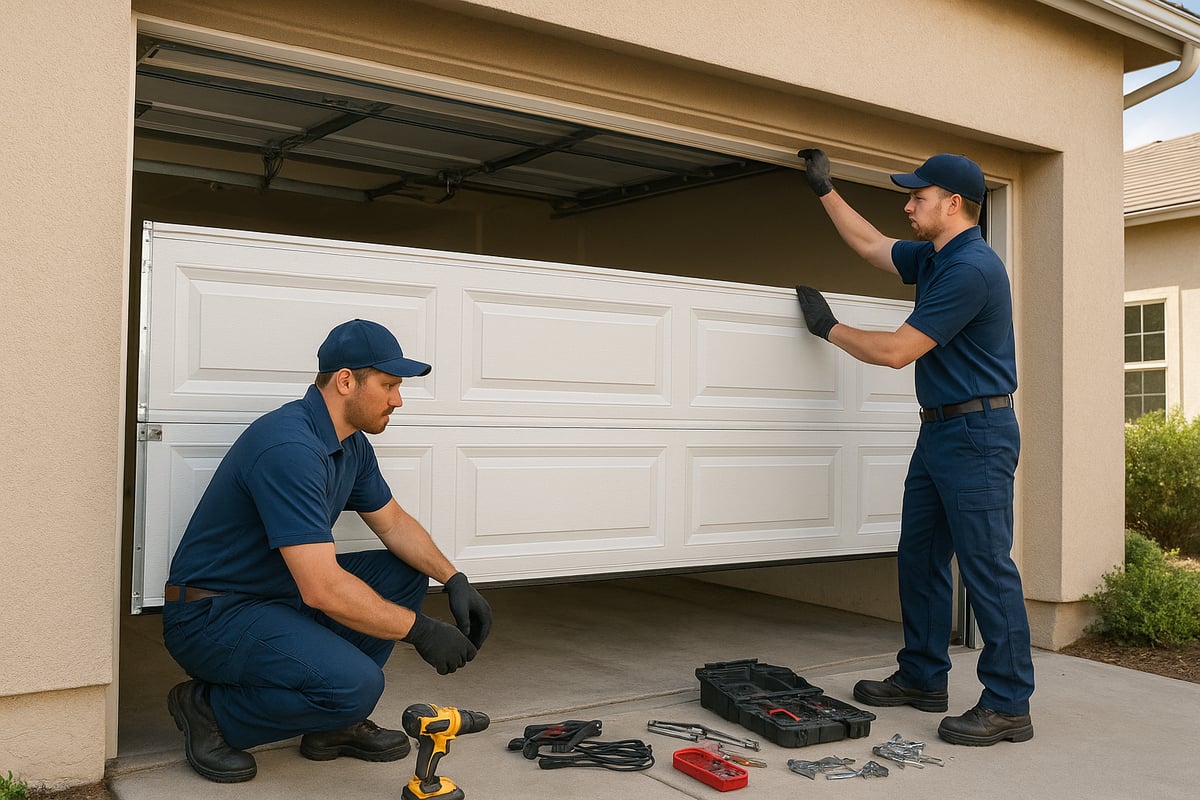
The national average new garage door installation cost in 2026 ranges widely, depending on the door type and features. For standard single-car garage doors, you can expect to pay between $850 and $1,500. Double garage doors or those with insulation typically start at $1,500 and can exceed $3,500.
Recent industry data shows that low-end installations, such as basic uninsulated steel doors, fall on the lower end of the spectrum. Mid-range options, like insulated steel or composite doors, average around $1,200 to $2,200. High-end installations, including custom wood or premium insulated models, often reach $3,500 or more.
For a deeper dive into these numbers, check out this Garage Door Installation Cost Guide for breakdowns and current statistics. Inflation and supply chain issues have led to a 5-10% increase in prices since 2024, making up-to-date research crucial.
Cost by Garage Door Size and Type
Garage door size is a major factor in determining your new garage door installation cost. Standard single doors (8×7 or 9×8 feet) are the most affordable, usually landing between $850 and $1,400. Double doors (16×7 feet) typically cost $1,500 to $2,800, depending on materials and insulation.
Custom or oversized doors, such as 10×10 or 12×12 roll-up models for commercial use, can easily surpass $3,500. Sectional doors are the most popular and often less expensive to install than single-piece or roll-up doors. For example, a 12×12 roll-up for a metal building might run $2,800 to $5,000, especially if heavy-duty materials or commercial hardware are required.
Single-piece tilt-up doors are less common but can be more affordable for smaller garages. Always factor in size and type when calculating your total new garage door installation cost.
Cost by Material
Material selection plays a significant role in your new garage door installation cost. Here is a quick comparison of typical 2026 prices by material:
| Material | Average Cost (Single Door) | Insulated Option | Visual/Performance Notes |
|---|---|---|---|
| Steel | $900–$1,800 | +$200–$400 | Durable, low maintenance |
| Wood | $1,500–$3,500+ | +$400–$600 | Premium look, more upkeep |
| Aluminum | $1,200–$2,000 | +$250–$500 | Lightweight, modern appearance |
| Fiberglass | $1,000–$2,200 | +$300–$500 | Weather resistant, moderate price |
| Vinyl | $950–$1,900 | +$250–$400 | Dent resistant, easy to maintain |
Insulated steel doors are especially popular, combining good value and efficiency. For example, the average insulated steel door costs around $1,400, while a wood carriage-style door of similar size might exceed $3,500. These choices directly impact your new garage door installation cost and performance over time.
Regional Price Variations
Where you live can significantly impact your new garage door installation cost. Urban areas, such as Seattle or San Francisco, tend to have higher labor rates and increased demand, pushing prices above the national average. In contrast, rural markets may offer lower labor costs but face higher material delivery fees.
Weather requirements also affect pricing. For instance, homes in coastal zones may need wind-rated doors, adding $300 to $600 to the total. In snowy regions, reinforced tracks and insulation upgrades are common and can increase project costs.
In 2026, high-demand markets are seeing more frequent surcharges due to skilled labor shortages. Always get local quotes and consider regional influences when planning your new garage door installation cost.
Key Factors Influencing Garage Door Installation Cost
Understanding what drives your new garage door installation cost is essential for making informed decisions. Several variables can significantly impact your final bill, from the materials you choose to the complexity of the install and warranty options. Here’s a detailed look at the primary factors every homeowner should consider.
Material and Construction Quality
The type of material you select plays a major role in your new garage door installation cost. Steel doors are popular for their durability and moderate price, while wood offers classic style at a premium. Aluminum and fiberglass provide lightweight, rust-resistant options. Vinyl is valued for low maintenance.
Insulated doors, double or triple-layer construction, and custom finishes can further increase costs but often improve energy efficiency and longevity. For example, a two-layer insulated steel door will cost more than a basic single-layer steel panel, but the investment may pay off in lower energy bills and improved comfort.
When weighing options, remember that initial savings on a basic door could mean higher maintenance or replacement costs in the long run.
Labor and Installation Complexity
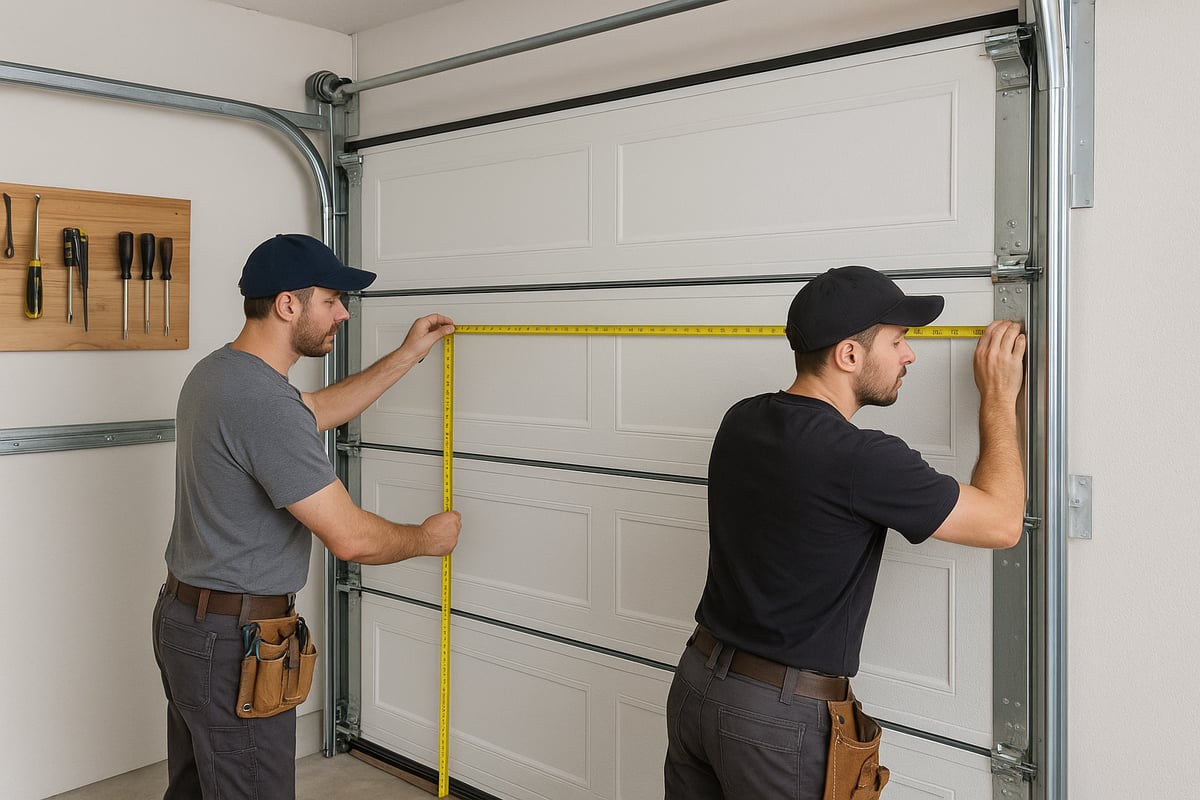
Labor expenses form a significant portion of your new garage door installation cost. In 2026, average labor rates hover around $40 per hour, but this can vary by region and installer experience. Standard installations are straightforward, but custom fits, structural changes, or retrofitting older garages can require extra labor and drive up the price.
Removal and disposal of the old door typically add $100 to $200. If your project involves unique site challenges or complex framing, expect higher fees. For a detailed breakdown of how labor and complexity affect pricing, see the Garage Door Installation Cost Breakdown.
Always ask for itemized quotes to ensure you understand what services are included.
Hardware, Openers, and Accessories
Your choice of hardware and accessories also impacts the new garage door installation cost. Adding a new automatic opener ranges from $300 to $600 or more, depending on technology and features. Upgrades like smart openers, keypads, and advanced security systems can increase expenses.
Essential hardware such as tracks, springs, and safety sensors must be included, and choosing decorative hardware or adding windows can further affect the price. For instance, upgrading to a model with windows or custom handles may add $200 to $500.
Be sure to factor in all hardware and accessory choices when budgeting for your installation.
Permits, Codes, and Local Requirements
Local regulations can influence your new garage door installation cost in several ways. Many municipalities require permits for garage door replacement, with fees varying widely based on location. Meeting building codes, such as those for wind resistance or snow load, may necessitate upgraded doors or hardware.
Homeowners in coastal or high-wind regions often need reinforced doors, which can raise costs by several hundred dollars. Always check with your installer about necessary permits and code compliance.
Accounting for these requirements upfront helps avoid unexpected expenses and ensures your installation meets safety standards.
Additional Services and Warranties
Many companies offer extended warranties and service packages that can affect your new garage door installation cost. Extended warranties may cover parts and labor for up to 10 years and typically add $150 to $350 to the total price. Maintenance plans, which include regular inspections and tune-ups, can offer peace of mind and prolong your door’s lifespan.
Emergency or after-hours installation services often come at a premium. For example, a standard warranty may cover manufacturing defects, but a premium plan could include accidental damage or priority service.
Evaluate the value of these extras based on your needs and the long-term performance you expect from your new garage door.
Types of Garage Doors and Their Cost Implications
When considering a new garage door installation cost, the type of door you select plays a significant role in your overall investment. Each style offers unique benefits, features, and price points. Understanding these differences can help you make a choice that matches your home's needs and your budget.
Sectional Garage Doors
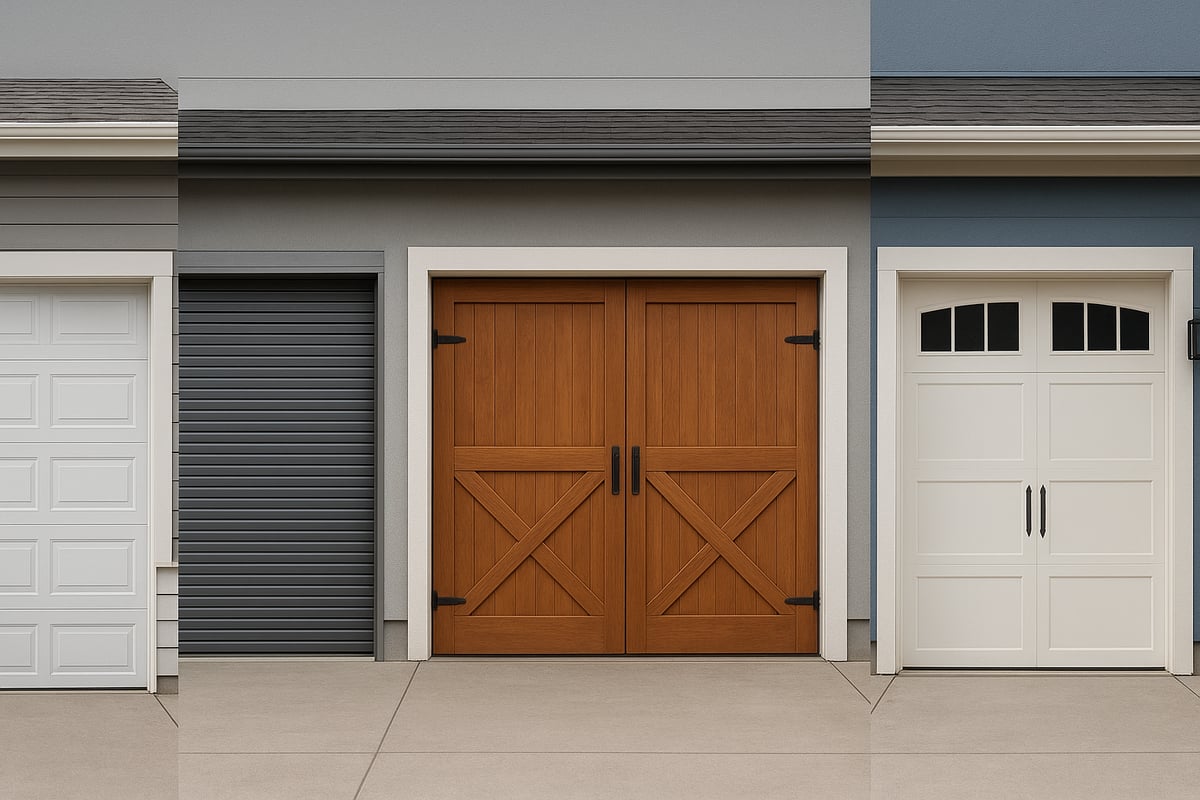
Sectional garage doors are the most commonly installed option in residential settings. These doors consist of panel sections that move vertically, then rest parallel to the garage ceiling. Their popularity stems from excellent insulation, security, and design variety.
For a standard insulated sectional door, the new garage door installation cost in 2026 typically ranges from $1,000 to $2,000, depending on size, material, and added features. Upgrades such as windows or custom finishes can increase the price. If you want to compare designs and performance, check out How to Choose the Best Garage Door for more details.
Sectional doors are valued for durability and energy efficiency, making them a cost-effective choice for many homeowners.
Roll-Up Garage Doors
Roll-up garage doors are a practical option for commercial properties or garages with high clearance needs. These doors roll into a compact coil above the opening, saving space and offering robust security.
The new garage door installation cost for a roll-up door starts at around $1,200 for a basic 8×7 model, with large commercial sizes like 12×12 reaching $3,500 or more. Material and insulation choices can impact the final price. Roll-up doors are ideal for warehouses, workshops, and spaces where maximizing ceiling space is a priority.
Their durability and low maintenance requirements make roll-up doors a smart investment for high-use environments.
Side-Hinged and Swing-Out Doors
Side-hinged and swing-out doors provide a distinctive, traditional appearance. These doors open outward like barn doors, offering easy pedestrian access and a vintage aesthetic.
The new garage door installation cost for side-hinged models generally falls between $1,500 and $4,000, depending on materials and custom designs. Custom wood swing-out doors, for example, can exceed $5,000 due to craftsmanship and premium materials. While installation is more complex, these doors can enhance curb appeal and suit historic homes.
However, swing-out doors require ample exterior clearance and are less common in modern neighborhoods.
Tilt-Up/Single-Panel Garage Doors
Tilt-up, or single-panel, garage doors are constructed from one solid piece that tilts upward to open. Common in older homes, these doors offer a simple design but lack the insulation and safety features of modern sectional doors.
The new garage door installation cost for tilt-up doors ranges from $900 to $1,800, with prices influenced by material and customization. Retrofitting older garages with tilt-up doors may involve structural modifications, which can increase labor expenses.
While tilt-up doors are affordable, they are less energy efficient and may not meet current safety standards in all areas.
Custom and Carriage-Style Doors
Custom and carriage-style garage doors are designed for homeowners seeking a personalized, upscale look. These doors often feature intricate woodwork, decorative hardware, and premium finishes.
A custom wood carriage door can drive the new garage door installation cost up to $6,000 or more, especially when using exotic materials or handcrafted details. In comparison, a standard steel carriage-style door generally costs between $2,500 and $4,000.
These options offer unmatched curb appeal and can increase home value, but the investment is substantially higher due to materials and craftsmanship.
Step-by-Step Guide: The Garage Door Installation Process and Cost Breakdown
Planning a garage door upgrade? Understanding the full process and cost structure is essential for anyone concerned about new garage door installation cost. Here, we break down each stage, from initial assessment to final walkthrough, so you know what to expect and how to budget wisely.
Step 1: Initial Assessment and Measurement
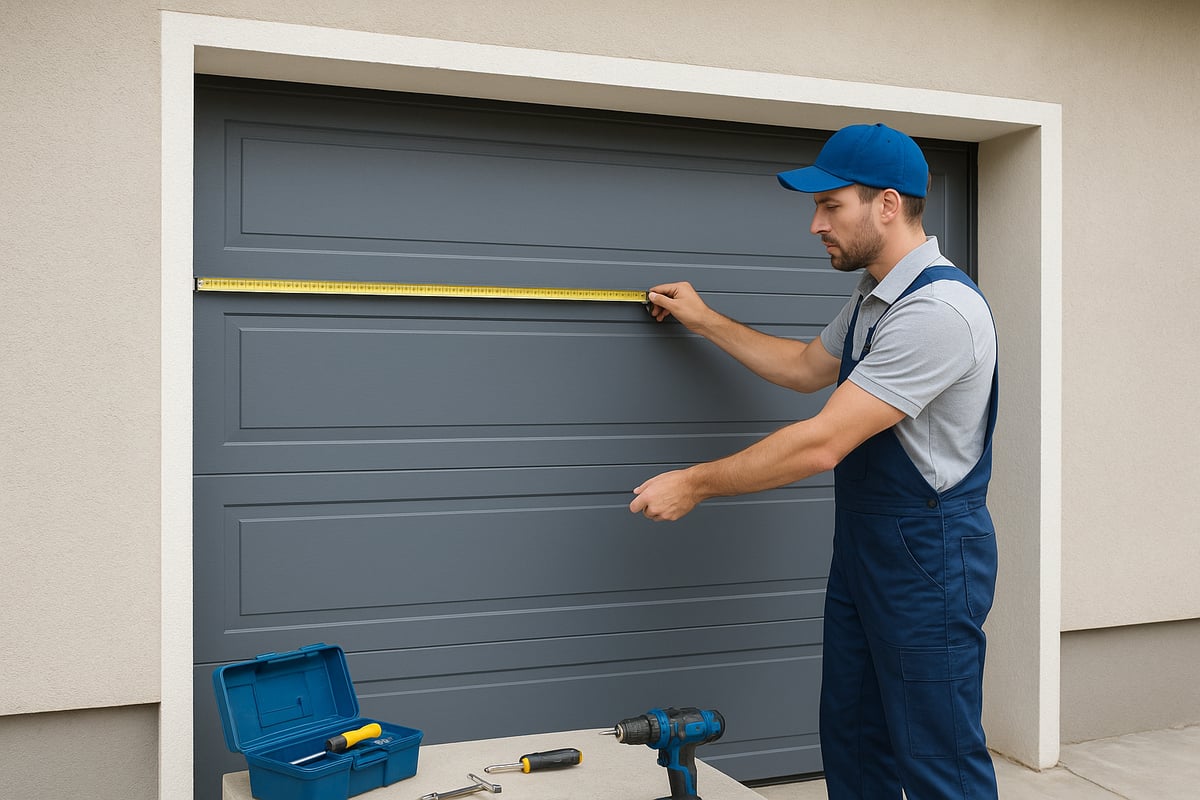
Every successful installation begins with a thorough site assessment. Professionals visit your home, take precise measurements, and evaluate the existing structure. This step is critical because accurate sizing and identification of any site-specific challenges will affect your new garage door installation cost.
Some companies offer this consultation for free, while others may charge $50 to $100, especially if detailed structural analysis is required. During this visit, installers look for obstacles like uneven flooring, low ceilings, or obstructions that could impact installation time and cost.
A careful assessment ensures you avoid costly surprises later and get the right fit for your new door.
Step 2: Selecting the Right Door and Features
With measurements in hand, the next step is choosing the ideal door for your needs. Decisions here directly impact your new garage door installation cost. You will select the size, material (steel, wood, aluminum, etc.), insulation level, and style.
Upgrades such as windows, decorative hardware, or high-performance insulation can raise the price by several hundred dollars. For example, opting for an insulated steel model over a basic non-insulated door can increase the cost but pays off in energy savings and comfort.
Carefully weighing these options helps you balance aesthetics, performance, and budget.
Step 3: Obtaining Quotes and Scheduling Installation
Once you know your preferences, request detailed quotes from multiple installers. A transparent quote should outline labor, materials, hardware, and disposal fees, giving you a clear picture of your new garage door installation cost.
Compare at least three written estimates to ensure competitive pricing and service. Consider lead times, which can vary based on demand and material availability in 2026. Some installers may offer bundled discounts or seasonal promotions.
For a deeper dive into what influences these costs, see the Garage Door Installation Cost Factors guide for up-to-date insights.
Step 4: Removal of Old Door and Site Preparation
Before the new door goes in, the old one must come out. Removal and disposal typically add $120 or more to your new garage door installation cost. Installers will also check for any structural repairs needed, such as fixing damaged frames or tracks.
If your garage has significant wear or requires modifications to accommodate a modern system, expect extra labor and material charges. Addressing these issues upfront ensures a smooth installation and avoids delays.
Preparation at this stage is key for a safe, code-compliant result.
Step 5: Professional Installation
Installation day involves several hours of work. For a standard door, the process usually takes about 3.5 hours. More complex setups, like custom doors or integrated openers, may extend the timeline and new garage door installation cost.
Installers handle all aspects, from mounting tracks and panels to fitting springs and sensors. Safety checks and building code compliance are mandatory. If you choose premium features or smart openers, labor and hardware costs will rise accordingly.
Professional workmanship ensures your investment performs reliably for years to come.
Step 6: Final Inspection, Cleanup, and Walkthrough
The last step is a thorough inspection and walkthrough. Technicians test the door’s operation, verify safety features, and ensure everything meets standards. They also provide care instructions and answer your questions about ongoing maintenance and warranty coverage.
Cleanup includes removal of all packaging and leftover materials, leaving your garage tidy. At this point, your new garage door installation cost should be fully transparent, with no hidden fees.
A comprehensive final review guarantees satisfaction and peace of mind.
How to Save Money on New Garage Door Installation in 2026
Looking for ways to cut your new garage door installation cost without sacrificing quality? Smart planning, material choices, and negotiation can lead to significant savings. Let’s explore the top strategies for 2026 homeowners.
Timing Your Project for Best Pricing
Timing is everything when it comes to managing your new garage door installation cost. Prices often spike during spring and early summer, when demand is highest. If you schedule your project in late fall or winter, you may find off-peak discounts and faster service availability.
Many suppliers and installers offer seasonal promotions or bundled deals during slower months. It’s wise to track current trends and market rates. For up-to-date pricing data and to compare material and installation costs by season, review the 2026 Garage Door Prices resource. Planning ahead and being flexible with your timeline can help you secure the best value.
Choosing Value-Driven Materials and Features
Selecting the right materials is a key factor in controlling your new garage door installation cost. Steel and aluminum doors generally offer durability at a lower price point than wood or custom finishes. Insulated doors may cost more upfront, but they can reduce long-term energy bills and increase home comfort.
When considering upgrades, focus on features that deliver the best return on investment. For example:
- Basic insulation for climate control
- Standard designs with limited windows
- Low-maintenance finishes
Weigh the aesthetic appeal of premium materials against their impact on your budget. Prioritize performance and longevity to maximize every dollar spent.
Comparing Multiple Quotes and Negotiating
Never settle for the first estimate you receive. Comparing at least three detailed quotes is essential for a fair new garage door installation cost. Make sure each quote includes:
- Labor and material breakdowns
- Hardware and opener options
- Warranty details and disposal fees
Ask about price matching or bundling discounts on accessories. Don’t be afraid to negotiate, especially if you are flexible on timing or brand. Watch for hidden fees and clarify what is included. A transparent, itemized quote helps you make an informed decision and avoid unexpected expenses.
DIY vs. Professional Installation: Pros, Cons, and Risks
Considering a do-it-yourself approach can lower your new garage door installation cost, but there are important risks to weigh. DIY might be feasible for simple cosmetic updates like painting or trim, but full door installation is complex and requires specialized tools.
Professional installers ensure code compliance, safety, and warranty protection. Attempting the job yourself may void warranties or lead to costly mistakes. Save DIY for minor tasks and leave structural work to certified experts. In most cases, investing in professional installation delivers peace of mind and long-term value.
[NextLevel Garage Co.: Local Expert Garage Door Installation in Kitsap County, WA]
When considering your new garage door installation cost, partnering with a trusted local expert can make all the difference. NextLevel Garage Co. is a locally owned business specializing in both residential and commercial garage door installation and repair throughout Kitsap County.
Homeowners value their commitment to transparent pricing, exceptional workmanship, and a truly personalized service experience. NextLevel Garage Co. offers free in-home consultations and detailed estimates, ensuring you have a clear understanding of every aspect of your project.
Their service area includes:
- Bainbridge Island
- Poulsbo
- Hansville
- Suquamish
- Indianola
- Kingston
- Silverdale
- Surrounding communities
Ready to get started or want to learn more about your options? Visit NextLevel Garage Co. for expert guidance and to schedule your free consultation today.
Frequently Asked Questions About Garage Door Installation Costs
If you are considering a new garage door, you likely have several questions about the new garage door installation cost. Below, we address the most common concerns homeowners share, using current data and real-world examples to provide clear, actionable answers.
How Long Does Garage Door Installation Take?
The average time for a standard new garage door installation cost project is about 3.5 hours. This timeframe covers most single or double doors with typical materials and hardware. More complex jobs, such as custom doors or those requiring opener integration, may extend to a full day.
Factors that can increase installation time include unique garage layouts, structural repairs, or the need to upgrade hardware. For example, retrofitting an older home or adding advanced openers can add several hours. Always confirm estimated timelines with your installer before scheduling your project.
What Are the Most Expensive Garage Door Features?
Some features can significantly increase your new garage door installation cost. Insulated doors, custom windows, smart openers, and premium materials like solid wood or heavy-gauge steel are often the priciest upgrades.
Below is a table summarizing common upgrades and their average cost impact:
| Feature | Typical Added Cost |
|---|---|
| Insulation | $200–$600 |
| Custom Windows | $200–$500 |
| Smart Opener | $300–$600 |
| Premium Material | $500–$1,500+ |
To compare how different brands and features affect your total investment, visit Compare Top Garage Door Brands for more detailed information.
Does a New Garage Door Increase Home Value?
A new garage door installation cost can be a smart investment for boosting curb appeal and resale value. National real estate studies consistently rank garage door replacement among the top home improvement projects for return on investment, with some reports showing an average ROI of over 90 percent.
Homebuyers notice the visual impact and appreciate modern features like insulation and smart technology. Upgrading your garage door not only enhances your property's appearance but can also make your home more attractive to potential buyers.
Are There Tax Credits or Rebates for Garage Door Installation in 2026?
Many homeowners can offset their new garage door installation cost through tax credits or rebates, especially when choosing energy-efficient insulated doors. In 2026, some utility companies and state programs offer incentives for upgrading to doors with high energy performance ratings.
To find current offers and application details, check with your local utility provider or city government. For a broader analysis of cost factors and potential savings, see Garage Door Replacement Cost Analysis.
Now that you have a clear picture of what goes into garage door installation costs in 2026—from materials and style choices to regional trends and ways to save—it’s easy to see why getting expert guidance matters. As you consider your options, remember that working with a trusted, local team ensures transparent pricing and quality workmanship every step of the way. If you’re ready to take the next step or want a detailed estimate tailored to your home, we’re here to help.
Call now for a free estimate!