

When your overhead door refuses to open, it's more than an inconvenience-it can disrupt your entire day and potentially compromise your home's security. Whether you're dealing with a residential garage door on Bainbridge Island or managing a commercial property in Kitsap County, understanding why an overhead door not opening occurs helps you respond quickly and safely. This comprehensive guide walks through the most common causes, diagnostic steps, and solutions to get your door functioning properly again.
Understanding Why Overhead Doors Fail to Operate
An overhead door not opening typically stems from one of several mechanical, electrical, or safety-related issues. These doors operate through a complex system of springs, cables, tracks, rollers, and motorized openers that must work in perfect coordination.
The average garage door opens and closes more than 1,500 times per year, making it one of the most frequently used mechanical systems in your home or business. With this level of use, wear and tear naturally accumulates on critical components.
Spring System Failures
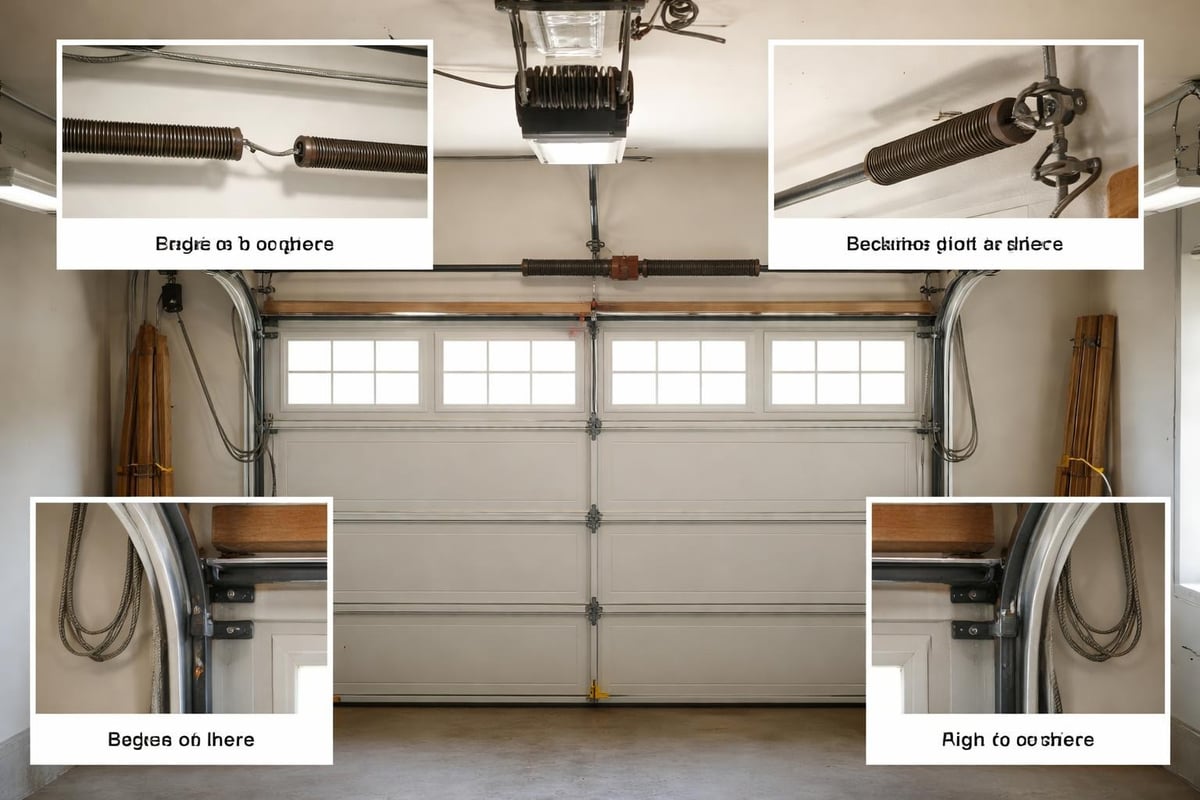
Torsion springs and extension springs bear the entire weight of your door, making them the most critical components in the lifting mechanism. When these springs break or lose tension, the door becomes too heavy for the opener to lift safely.
Common spring-related symptoms include:
- Loud bang or snap sound before the door stopped working
- Door opens only a few inches before stopping
- Visible gap in the torsion spring above the door
- Opener motor runs but door doesn't move
- Door feels extremely heavy when attempting manual operation
Springs have a finite lifespan measured in cycles, typically between 10,000 and 20,000 openings depending on quality. Temperature fluctuations in the Pacific Northwest can accelerate spring fatigue, particularly during winter months when metal contracts and becomes more brittle.
Opener Motor and Drive System Problems
Modern garage door openers include sophisticated safety features and mechanical components that can malfunction. When your overhead door not opening issue involves the motor system, you'll need to examine several potential failure points.
| Component | Common Issue | Solution Approach |
|---|---|---|
| Motor gear | Stripped or worn teeth | Gear replacement by professional |
| Drive belt/chain | Broken or disconnected | Belt/chain replacement and tension adjustment |
| Trolley carriage | Disengaged or broken | Reconnect emergency release or replace carriage |
| Circuit board | Electronic failure | Professional diagnosis and replacement |
| Limit switches | Misadjusted settings | Recalibrate open/close limits |
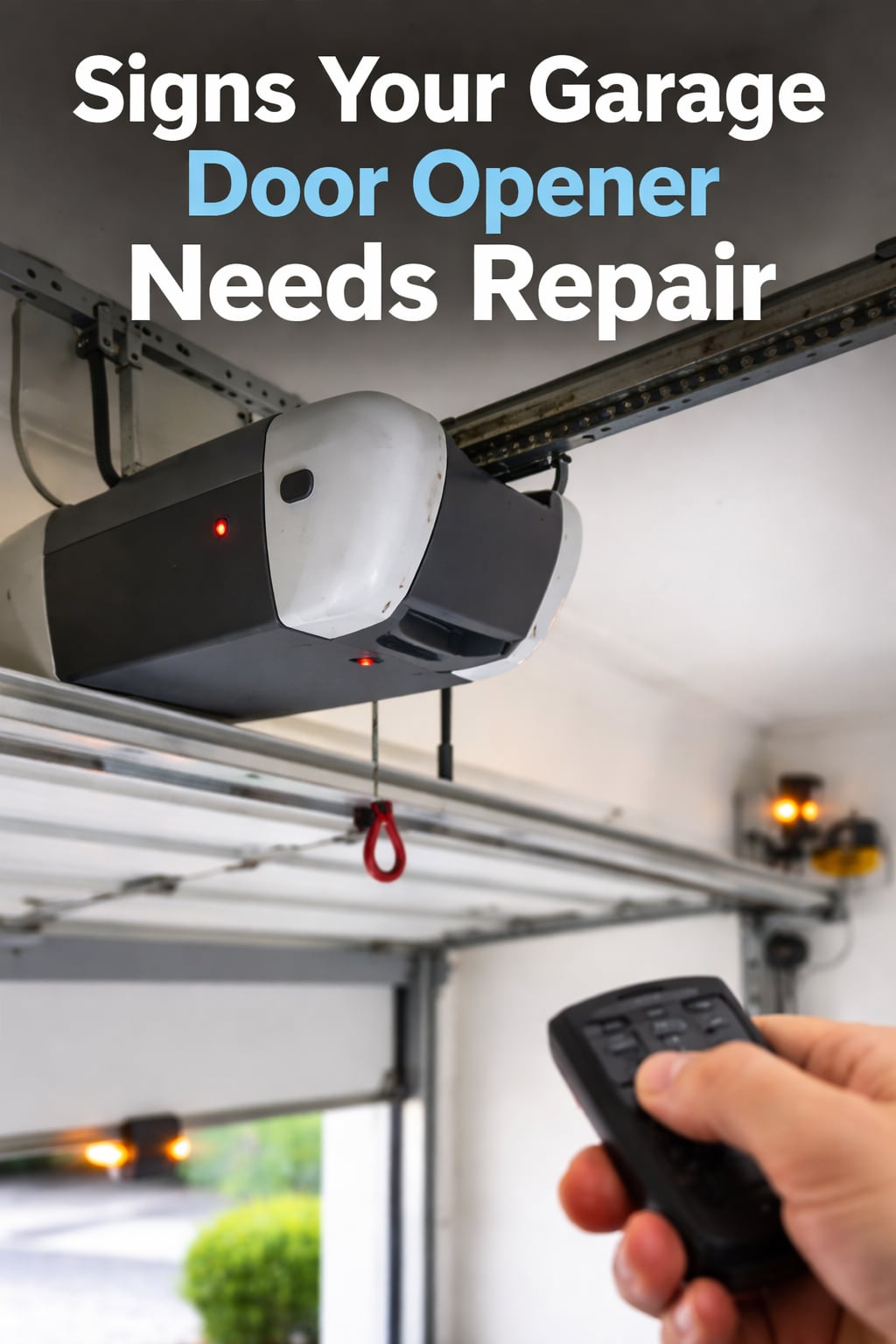
The red emergency release cord that hangs from your opener trolley allows manual operation during power outages. However, if this cord was pulled while the door was open, the trolley may have disconnected from the drive mechanism. You'll hear the motor running, but the door won't move because the opener isn't engaged with the door itself.
Safety Sensor Malfunctions
Federal regulations require photoelectric safety sensors on all garage door openers manufactured after 1993. These sensors prevent the door from closing on objects, pets, or people in the doorway.
When sensors malfunction or become misaligned, they can prevent the door from operating in both directions. Check for these indicators:
- Blinking lights on the opener or wall control panel
- Door reverses immediately after starting to close
- Door won't close at all but opens normally
- Sensor lights are off or only one side is illuminated
Sensor alignment issues often result from vibration over time, accidental bumps, or settling of the door frame. The sensors must face each other directly with an unobstructed beam path approximately six inches above the garage floor.
Professional garage door repair services can quickly diagnose sensor problems and ensure proper alignment according to safety standards.
Track and Roller Issues
The vertical tracks that guide your door must remain properly aligned and free from obstructions. Even minor misalignment can create enough resistance to prevent the door from opening.
Inspect your tracks for these common problems:
- Bent or damaged track sections from impact or age
- Debris accumulation blocking the roller path
- Loose mounting brackets allowing track movement
- Worn rollers with flat spots or seized bearings
- Vertical track gaps from settling or improper installation
Diagnosing Track Problems
Stand inside your garage and manually lift the door about halfway. If you feel binding, jerking, or uneven resistance, track or roller issues are likely culprits. The door should glide smoothly with minimal effort when the spring system is properly balanced.
A comprehensive troubleshooting approach helps identify whether the problem originates in the tracks, rollers, or other components. Visual inspection combined with operational testing provides the most complete diagnostic picture.
Cable System Failures
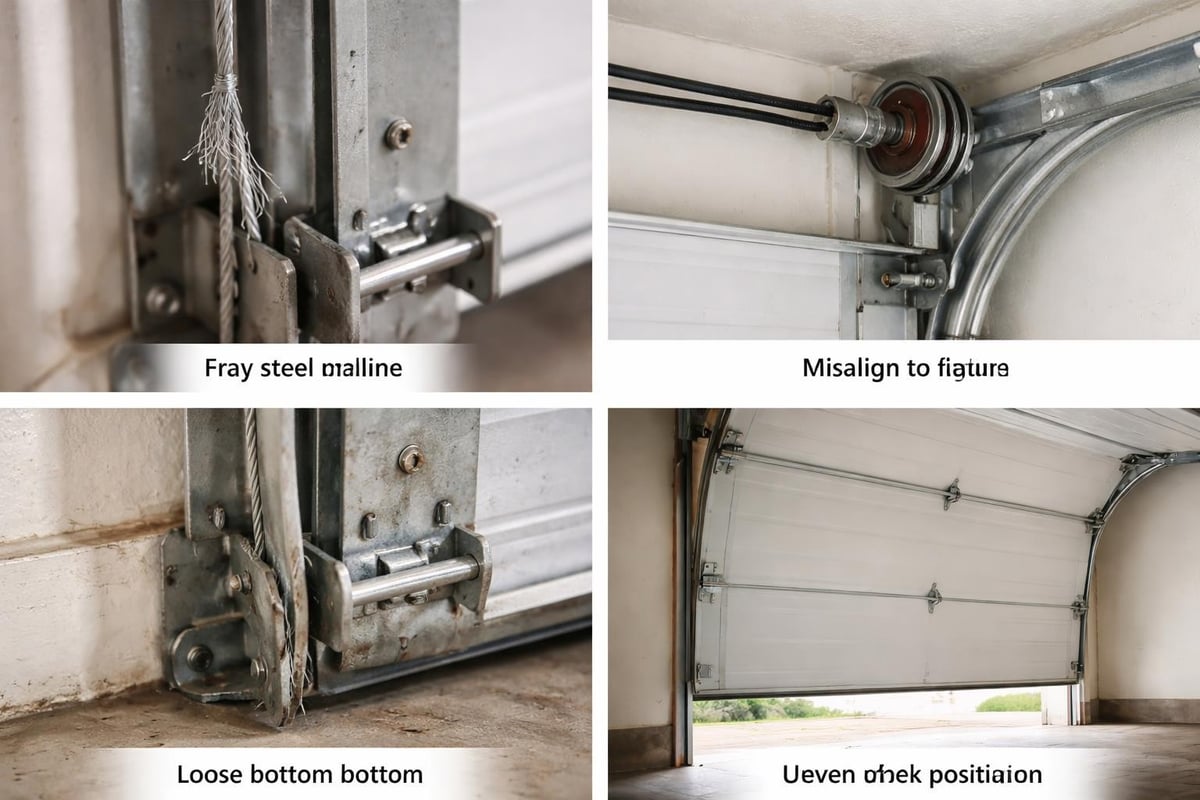
Lift cables work in conjunction with springs to raise and lower your door safely. When cables snap, fray, or slip off their drums, the door becomes unsafe to operate and may hang at an angle.
Warning signs of cable problems:
- Door hangs crooked when opening
- One side rises faster than the other
- Visible frayed or broken cable strands
- Cable loose or detached from bottom bracket
- Grinding or scraping sounds during operation
Never attempt to operate an overhead door with damaged cables. The remaining cable and spring system must compensate for the broken component, creating dangerous imbalances and potential for complete failure. According to garage door safety experts, cable failures account for a significant percentage of garage door injuries each year.
Power Supply and Remote Control Issues
Sometimes the simplest explanations prove correct. Before assuming major mechanical failure, verify basic electrical and signal transmission functionality.
Power and Electrical Checks
Start with these fundamental diagnostic steps:
- Confirm the opener unit receives power (look for lit display or standby light)
- Test the wall-mounted control panel inside the garage
- Check circuit breakers and GFP outlets for trips
- Verify the power cord hasn't been unplugged accidentally
- Inspect for visible damage to wiring or connections
If the wall control operates the door but remotes don't work, you're dealing with a signal transmission issue rather than a mechanical problem preventing the overhead door not opening.
Remote and Keypad Troubleshooting
Modern openers use rolling code technology that changes the access code with each use, enhancing security but occasionally causing synchronization issues. Try these solutions:
- Replace remote batteries with fresh ones
- Reprogram remotes according to manufacturer instructions
- Clear the opener's memory and re-add all remotes
- Check for interference from LED bulbs or other wireless devices
- Verify keypad batteries and programming
For complex opener systems, professional garage door opener repair ensures proper configuration and troubleshooting of electronic components.
Weather-Related Operation Problems
Pacific Northwest weather presents unique challenges for garage door operation. Temperature swings, moisture, and seasonal changes affect door components differently than in more stable climates.
| Weather Condition | Effect on Door | Prevention Strategy |
|---|---|---|
| Cold temperatures | Metal contraction, sluggish lubricants | Winter-grade lubricants, spring adjustment |
| High humidity | Rust formation, wood swelling | Regular lubrication, weather sealing |
| Freezing rain | Ice buildup on bottom seal | Heated threshold, proper seal maintenance |
| Strong winds | Vibration stress, track misalignment | Wind load rated doors, reinforcement struts |
During winter months, your overhead door not opening may result from ice forming between the door bottom and the garage floor. Never force the door or increase opener force settings to overcome ice-this can damage the motor or strip gears.
Manual Operation and Emergency Release
Every garage door includes a manual release mechanism allowing operation during power outages or opener failures. Understanding proper manual operation prevents injury and additional damage.
The emergency release handle typically consists of a red cord hanging from the opener trolley. Pulling this cord disengages the trolley from the drive mechanism, allowing you to lift the door manually.
Safe Manual Operation Procedure
Follow these steps when using manual mode:
- Ensure the door is fully closed before pulling the release cord
- Stand clear of the door path when pulling the release
- Lift the door smoothly using both hands on the bottom section
- Secure the door in the open position with locking bars or clamps
- Re-engage the opener by pulling the release cord toward the motor
If the door won't stay open when manually lifted, your springs lack sufficient tension to counterbalance the door's weight. This indicates spring adjustment or replacement is necessary. Do not continue attempting manual operation under these conditions.
Understanding safety protocols and maintenance requirements helps prevent accidents during emergency manual operation.
When Professional Service Becomes Necessary
While some overhead door issues allow for DIY troubleshooting, certain problems require professional expertise and specialized tools for safe resolution.
Situations requiring professional service:
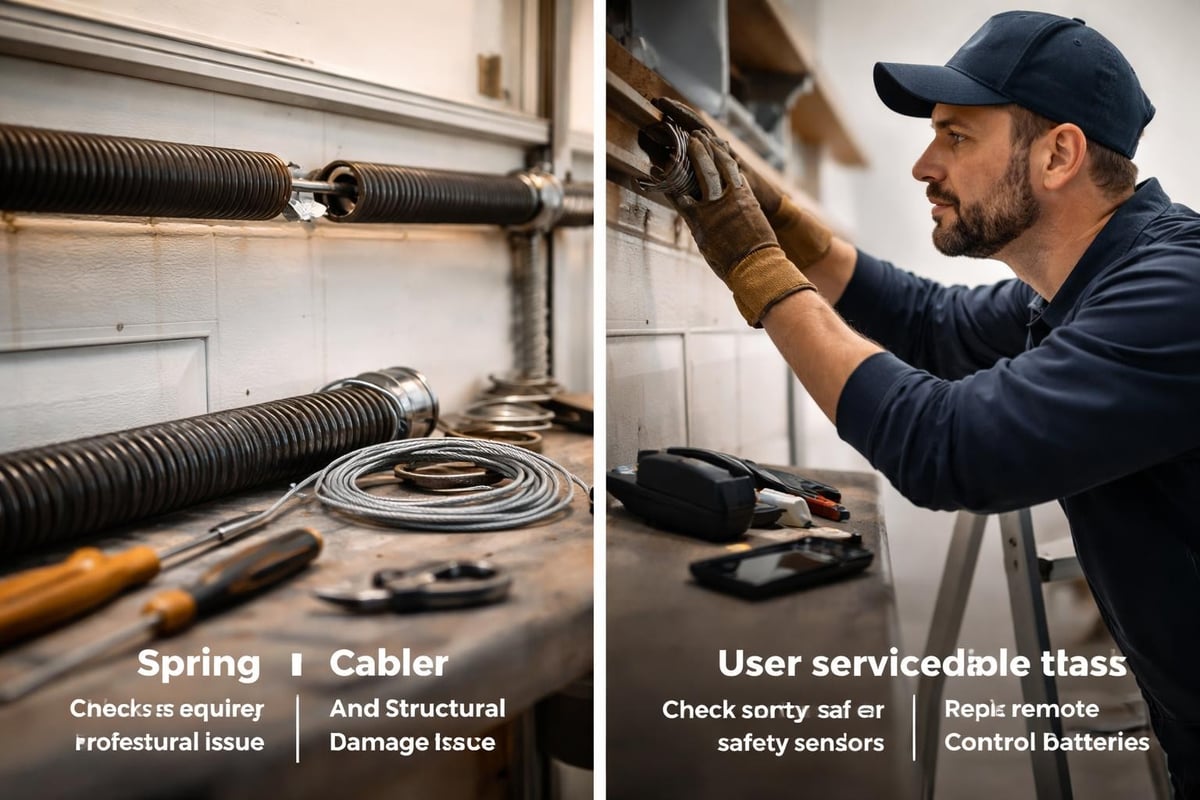
- Any problem involving springs, cables, or high-tension components
- Structural damage to tracks, panels, or door framework
- Opener motor failures requiring internal repair
- Electrical issues beyond basic power supply checks
- Doors that have completely detached from mounting systems
Spring replacement ranks among the most dangerous garage door repairs due to the extreme tension stored in these components. Attempting DIY spring work has resulted in serious injuries including broken bones, lacerations, and worse.
For property owners experiencing an overhead door not opening emergency, emergency garage door repair services provide rapid response to restore security and functionality. Professional technicians carry specialized tools, replacement parts, and the expertise to diagnose complex problems quickly.
Preventive Maintenance for Reliable Operation
Regular maintenance dramatically reduces the likelihood of your overhead door not opening unexpectedly. Establishing a quarterly maintenance routine catches small problems before they escalate into complete failures.
Essential Maintenance Tasks
Monthly visual inspection checklist:
- Check springs for rust, gaps, or visible damage
- Inspect cables for fraying or wear
- Test safety sensor alignment and response
- Listen for unusual sounds during operation
- Observe door balance and smooth travel
Quarterly service activities:
- Lubricate all moving parts with silicone-based lubricant
- Tighten hardware including bolts, brackets, and hinges
- Clean tracks and remove debris accumulation
- Test manual release and re-engagement
- Verify weather seal integrity
Annual professional inspection:
Professional technicians can identify wear patterns, measure spring tension accurately, and adjust systems for optimal performance. Annual service typically includes comprehensive testing of safety features and mechanical components that homeowners cannot easily assess.
Opener Technology and Upgrade Considerations
If you're experiencing frequent problems with an older opener system, upgrading to modern technology may prove more cost-effective than continued repairs. Current opener systems include features that enhance reliability, security, and convenience.
Modern openers offer several advantages over units manufactured before 2010:
- Battery backup systems for operation during power outages
- Smartphone connectivity for remote monitoring and control
- Quieter belt drive systems for improved noise reduction
- Enhanced safety features exceeding current UL 325 requirements
- Variable force settings that adapt to changing conditions
When dealing with chronic opener-related issues causing your overhead door not opening reliably, professional installation of a quality opener system eliminates multiple potential failure points simultaneously. Garage Door Opener Installation provides access to current technology with proper mounting, adjustment, and safety compliance.
Door Balance and Spring Tension
Proper balance represents one of the most critical factors in reliable garage door operation. An unbalanced door places excessive strain on the opener motor, accelerates component wear, and can prevent the door from opening properly.
Testing Door Balance
Disconnect the opener using the emergency release with the door fully closed. Manually lift the door to approximately waist height and release it. A properly balanced door should:
- Remain stationary at any point in its travel
- Require minimal effort to lift
- Not slam closed when released
- Travel smoothly without binding or jerking
If the door falls when released or requires significant effort to lift, spring adjustment or replacement is necessary. This work should always be performed by trained professionals due to the dangerous forces involved.
The relationship between spring tension and door weight must be precisely calibrated. Different door weights, panel configurations, and insulation levels require specific spring calculations for proper operation. Understanding how spring systems work helps property owners recognize when professional adjustment becomes necessary.
Common Mistakes That Worsen Problems
When facing an overhead door not opening, well-intentioned troubleshooting can sometimes create additional damage. Avoid these common errors that complicate repairs and increase costs.
Mistakes to avoid:
- Increasing opener force settings to overcome resistance from binding or broken components
- Continuing to operate a door with visible cable or spring damage
- Attempting DIY spring replacement without proper tools and training
- Forcing a frozen door rather than addressing ice buildup safely
- Ignoring intermittent problems until complete failure occurs
When homeowners increase force settings to compensate for mechanical problems, the opener motor experiences excessive strain leading to premature failure. The underlying issue remains unresolved while additional components sustain damage.
Similarly, operating a door with one broken spring places double the normal load on the remaining spring, often causing it to fail rapidly. What begins as a single spring replacement can quickly become a complete spring system overhaul due to continued use during partial failure.
Diagnostic Decision Framework
Systematic diagnosis saves time and prevents unnecessary service calls for simple problems while ensuring you don't overlook serious safety concerns.
Follow this decision tree when your overhead door not opening:
- Test the wall control – If it works but remotes don't, address signal/battery issues
- Check power supply – Verify circuit breakers, outlets, and opener unit power
- Inspect safety sensors – Look for obstructions, misalignment, or indicator lights
- Listen to the motor – Determine if it's running, humming, or completely silent
- Observe door movement – Note whether it attempts to move, moves partially, or doesn't budge
- Check for visible damage – Look for broken springs, frayed cables, or bent tracks
This systematic approach, similar to methods outlined in professional troubleshooting guides, helps isolate problems efficiently. Document your observations before contacting service providers to facilitate accurate diagnosis and appropriate parts preparation.
Impact on Home Security and Energy Efficiency
An overhead door that won't close properly creates immediate security vulnerabilities and can significantly impact your home's energy efficiency. These concerns often necessitate rapid response beyond mere inconvenience factors.
Security Implications
A garage door stuck in the open position exposes your home to:
- Unauthorized entry to vehicles, stored items, and potentially your home
- Weather damage to stored belongings and home interior
- Increased insurance liability if theft or damage occurs
- Wildlife or pest intrusion creating additional problems
For commercial properties, an inoperative overhead door may prevent business operations entirely, creating revenue loss and customer service problems.
Energy Efficiency Concerns
According to energy efficiency research, garage doors account for significant heat loss in homes where the garage connects to living spaces. A door that won't close or has seal damage allows conditioned air to escape continuously. This problem becomes particularly costly during Pacific Northwest winters when heating demands peak.
Properly functioning doors with intact weather sealing, quality insulation, and tight closure maintain temperature control and reduce energy waste. When planning garage door replacement due to chronic operational problems, consider energy-efficient models that reduce long-term operating costs.
Regional Considerations for Kitsap County Properties
Property owners in Kitsap County face specific challenges related to coastal climate, salt air exposure, and local building considerations that affect garage door longevity and performance.
The marine environment accelerates corrosion on metal components including springs, cables, tracks, and hardware. Regular lubrication and rust prevention become more critical than in drier inland climates.
Additionally, high humidity levels can cause wood doors to swell, making them bind in their tracks and preventing proper operation. Composite and steel doors with proper weather sealing generally perform better in these conditions.
Local building codes and wind load requirements may specify particular door construction standards for coastal installations. Professional installers familiar with regional requirements ensure compliance and optimal performance under local conditions.
Diagnosing why an overhead door not opening requires systematic evaluation of mechanical, electrical, and safety systems working together. While some issues allow for straightforward troubleshooting, many situations demand professional expertise to ensure safe, lasting repairs. If you're experiencing garage door problems on Bainbridge Island or anywhere throughout Kitsap County, NextLevel Garage Co. provides expert diagnosis, quality repairs, and reliable service for residential and commercial properties. Our locally owned team delivers the technical expertise and clear communication you need to restore your garage door's functionality quickly and safely.